

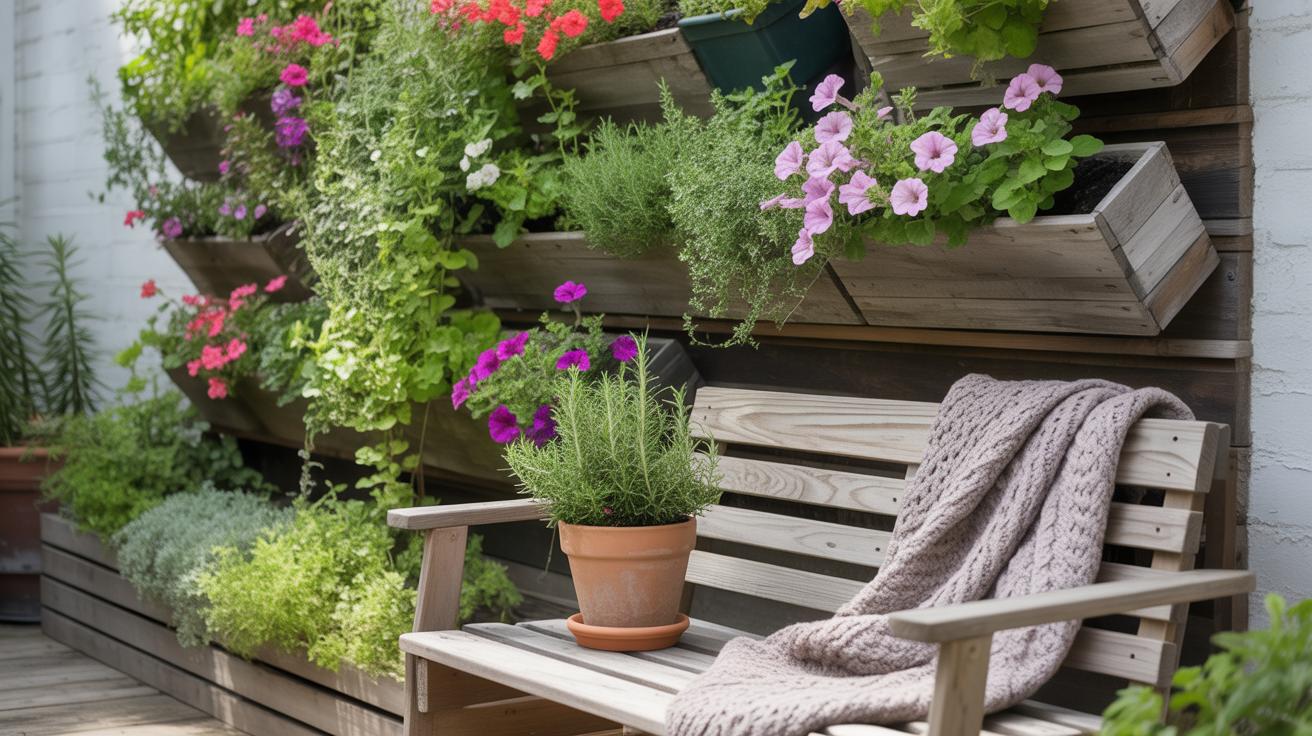
Layout Ideas to Maximize a Small Garden
Small Garden Design Ideas Layout That Maximizes Every Square Foot is essential for anyone working with limited outdoor space. When your garden area is compact, thoughtful design can make your garden not only functional but also a pleasant retreat. Efficient use of every square foot can help you create an attractive space despite the size constraints.
In this article, you will find practical advice on planning your garden layout, selecting the best plants and materials, and smart design strategies to improve your garden’s appearance and usability. Whether you have a small backyard or a narrow balcony, these insights will guide you through making the best of your garden’s layout.
Assess Your Garden Space

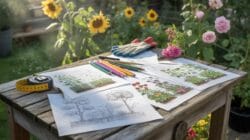
Before you start imagining what your small garden could look like, take a moment to really understand what you’re working with. Begin by measuring the area carefully. Grab a tape measure and note the length and width at several points — sometimes gardens aren’t perfectly square or rectangular, so a few measurements help get a clearer picture. Don’t forget to measure any odd corners or curves. Once you have these numbers, sketch a rough map on paper or even use a simple app. This visual makes planning easier, especially when you want to move things around in your mind before digging.
Observing sunlight is next. Spend a day or two watching how the sun moves across your garden. Note which spots get full sun, partial shade, or are mostly shaded. You might be surprised by how much light shifts during different times or seasons. This affects which plants will thrive and where you can place seating or other features.

Soil type also matters. You can roughly tell by feeling the soil—is it sandy, loamy, or clay-heavy? Testing kits are cheap and simple, offering more precise info about nutrients or pH. This insight guides your plant choices and whether you’ll need to amend the soil.
Don’t overlook existing features—trees, pathways, or even drainage patterns can limit or inspire your design options. Taking time now to understand these details saves headaches later on. What edges can you work with? Are there hidden spots begging for color?
Set Clear Garden Goals
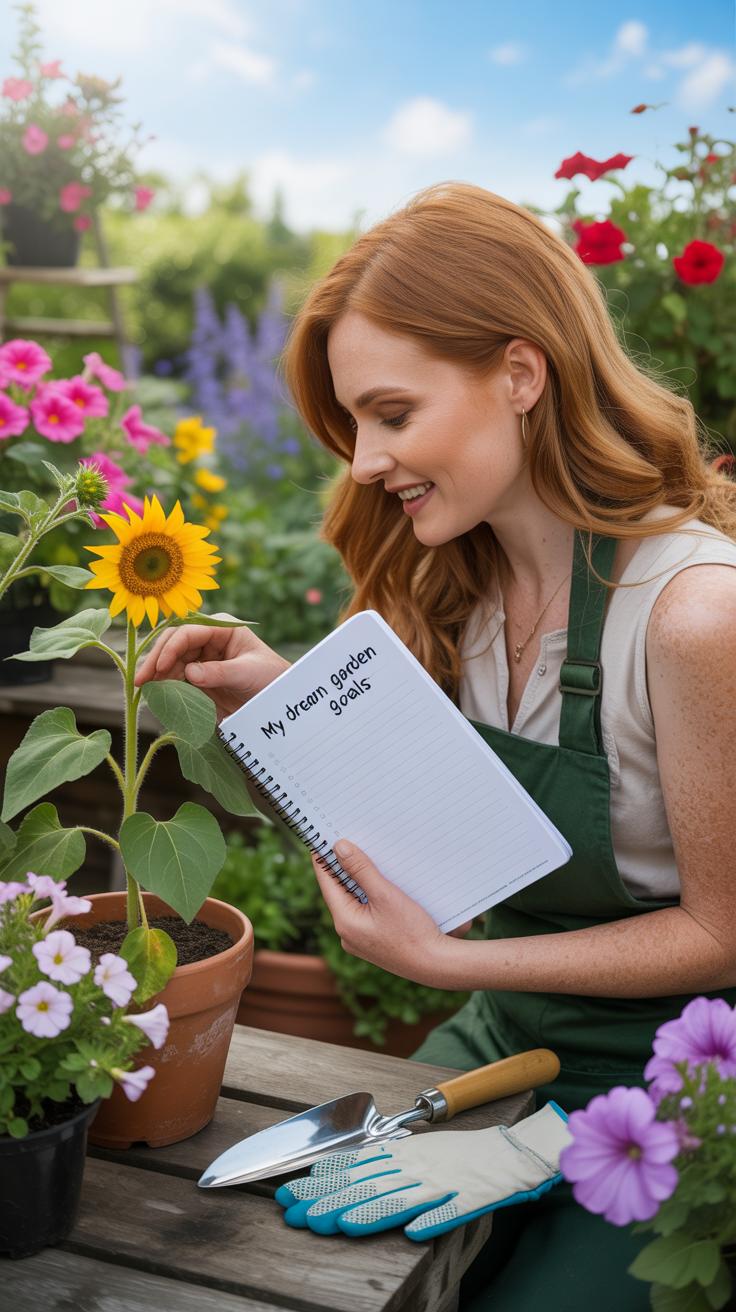
Before you decide where to place plants or furniture, think about what you really want from your garden. Are you looking for a quiet spot to unwind after a long day? Or maybe a small patch to grow vegetables and herbs? Perhaps the garden should become a place where friends gather for weekend barbecues. It’s easy to get carried away picking out every plant and decoration, but defining your primary purpose first can save you time and space later.
Take a moment to consider how you actually use—or want to use—outdoor space. Do you envision a practical area for gardening or a cozy nook for reading? Or maybe a bit of both, but with clear limits? I once tried to turn my tiny garden into a multi-zone haven, and it ended up overcrowded and less enjoyable. I wish I had written down just a couple of main goals instead of trying to fit everything in.
Listing Your Priorities for the Space
Jotting down what matters most can focus your plan and prevent clutter. Think about these questions:
- What activities do you want your garden to support? Relaxation, food growing, entertainment, kids’ play?
- How often do you realistically want to spend time there?
- What fits your lifestyle and daily routine?
Keep the list short—two or three key purposes will do. For example, if you want to grow your own herbs but also enjoy socializing, maybe prioritize a small raised bed paired with a compact seating area.
Matching Garden Features to Your Needs
Once you know your priorities, picking features becomes easier. A garden dedicated mainly to relaxation might benefit from a comfortable bench or hammock and some low-maintenance plants. A food garden requires planters, sunlight, and easy access to water. But avoid stuffing your small garden with too many elements just because they seem nice. Sometimes less truly is more. I’ve seen small spaces overwhelmed with furniture and decor that never got used—frustrating, really.
Focus on essentials that align with your goals. This keeps your garden functional and enjoyable, instead of a jumble of ideas that don’t quite fit together.
Plan for Vertical Gardening
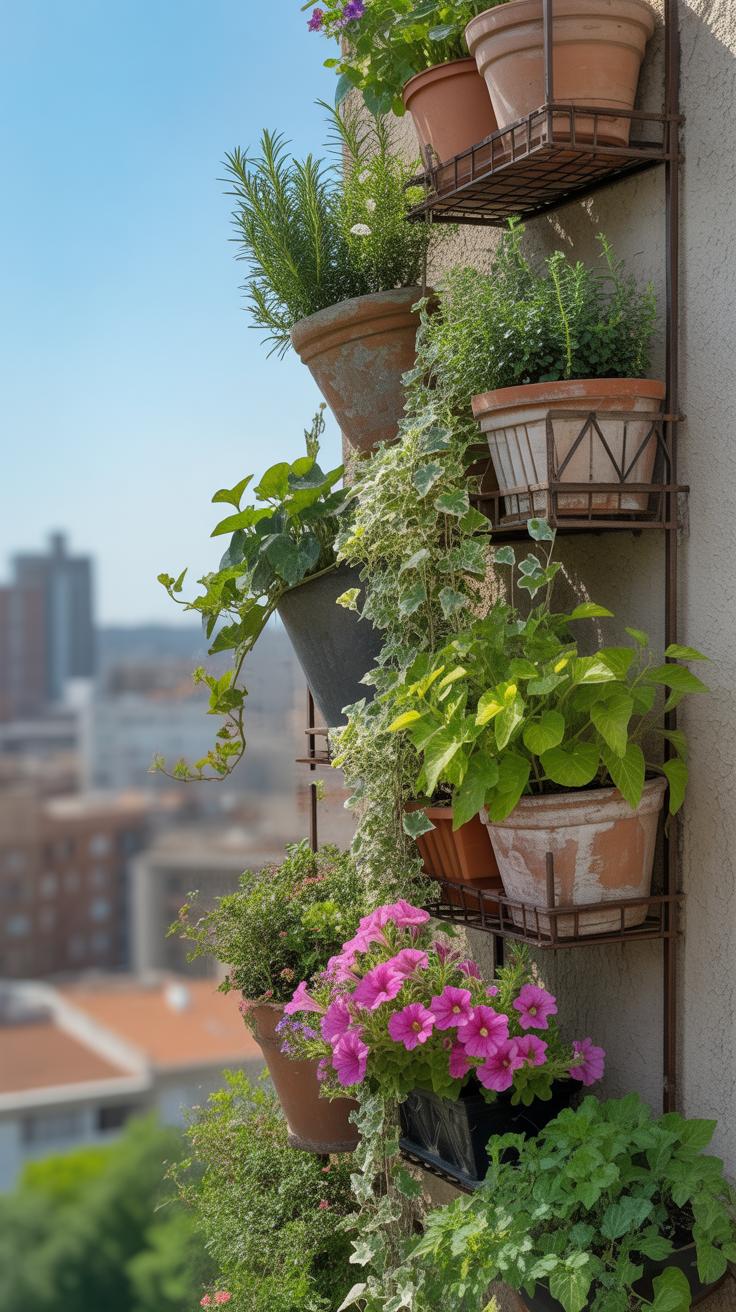
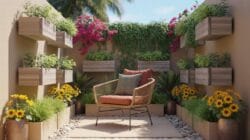
When space runs tight, looking up instead of out can change everything. Vertical gardening lets you tap into walls, fences, and other vertical surfaces, turning often ignored spots into productive green areas. This approach frees up ground space, which small gardens desperately need. I once squeezed a bunch of herbs onto a single narrow fence section; it felt like a small miracle how much more room opened up.
Think about the structures you already have—fences, balcony rails, even the sides of sheds. Adding climbing plants or stacked planters here can multiply your planting area. It’s also a chance to bring in more layers, breaks up visual monotony, and can offer privacy.
Building Vertical Plant Supports
There’s more than one way to go vertical. Trellises often come to mind first; they’re great for vines or anything that likes to cling and climb. But shelves can work well too. A simple wooden or metal shelf setup lets you line up pots and containers vertically. Hanging planters add a bit of movement and are perfect for trailing plants. You could even combine these.
- Classic trellises for beans, peas, or clematis
- Wall-mounted shelves holding herbs or succulents in pots
- Hanging baskets for ferns, strawberries, or flowers trailing down
- DIY options too—caged wire frames or repurposed ladders leaning against a wall
Personally, I’m partial to mixing shelves and hanging planters; keeps things interesting and accessible.
Selecting Plants for Vertical Spaces
Not all plants cope well hanging around or crawling up narrow supports. So choosing the right ones can feel a bit trial-and-error at first. Climbers like sweet peas, jasmine, or morning glories thrive on trellises. If you want edible options, beans and cucumbers are usual picks. Shelves or hanging pots tend to suit more compact species—think herbs like thyme, oregano, or smaller leafy greens.
Some succulents can survive the harsher, drier conditions of vertical planters, and you may want to try strawberries in hanging baskets too. Remember, vertical spaces dry out faster, so watering needs can increase.

Have you tried a particular vertical plant that surprised you with how well it grew? Sometimes the usual suspects aren’t the only choice here.
Compare Garden Layout Styles
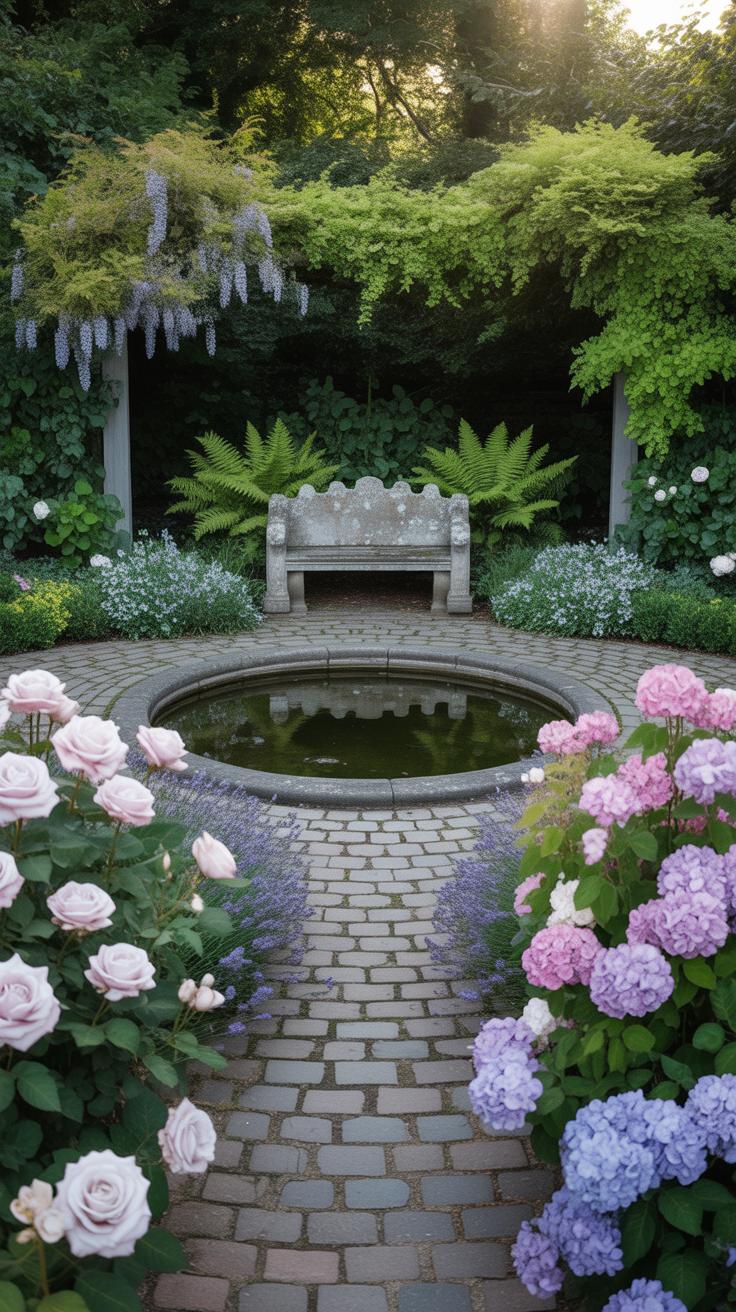
When working with a small garden, choosing the right layout can make a surprising difference. Three common layouts often come up: grid patterns, circular designs, and path-focused plans. Each has its quirks and works better in certain contexts.
The grid layout organizes plants in neat rows and columns. It’s straightforward and maximizes plant numbers in a limited area. But it can feel a bit rigid or predictable. If you like order, this may appeal to you. But if you prefer some natural flow, it may feel restrictive.
Circular layouts take a different approach—plants arranged around a center point or radiating outward. This creates a softer, more inviting feel. Yet, it can waste some space in the middle or edges, so you don’t get quite as many plants in. Still, it encourages you to view the garden from multiple angles, which can feel more immersive.
Path-focused plans emphasize how you move through the space. Well-placed paths break the garden into sections and invite exploration. Paths guide you gently and make the garden seem larger than it really is. But too many paths can cut down on planting area, which might frustrate if space is really tight.
Think about your priorities. Do you want neat rows? A flow that invites wandering? Or a mix of both? Sometimes combining elements works best—like grid beds connected by curved paths. It’s okay to be a bit unsure here. Experimentation is part of the fun.
Grid vs Circle Layouts for Small Gardens
Grid layouts clearly mark out where each plant belongs, making maintenance easier—you know exactly what goes where. This precision is handy if you’re growing vegetables or herbs requiring regular care. But the straight lines can feel somewhat uninspiring, and movement might feel limited to rigid paths.
Circular layouts, on the other hand, promote a natural rhythm. Moving through a circular garden feels more like a gentle stroll, not just walking down rows. That said, it might be tricky fitting rectangular garden furniture or raised beds neatly inside a circular scheme. Also, some corners and edges might end up less useful, which can feel like wasted effort.
Neither layout is perfect. If you seek efficiency, grids could win. For a peaceful vibe, circles might feel better. Sometimes you’ll find yourself switching between the two depending on mood or purpose, which is perfectly normal.
Using Paths to Guide Movement
Paths do more than lead you somewhere—they shape your interaction with the garden. In small spaces, a well-planned path can break your garden into ‘rooms’ or zones. This technique creates variety without needing extra space.

Try using narrow, winding paths instead of straight ones. They encourage slow exploration, revealing new plant combinations or hidden corners unexpectedly. Each turn can be a small surprise. Paths can also direct sunlight exposure by leading you through sunnier or shadier spots.
But be mindful—paths take up room. If your garden is tiny, every step you carve out is space lost for plants. Still, I’ve found that even a simple path can make the whole garden feel more ‘walkable’ and larger than it actually is. The key is balance: enough path to invite movement, not so much that the space feels chopped up or empty.
Choose Compact and MultiUse Plants
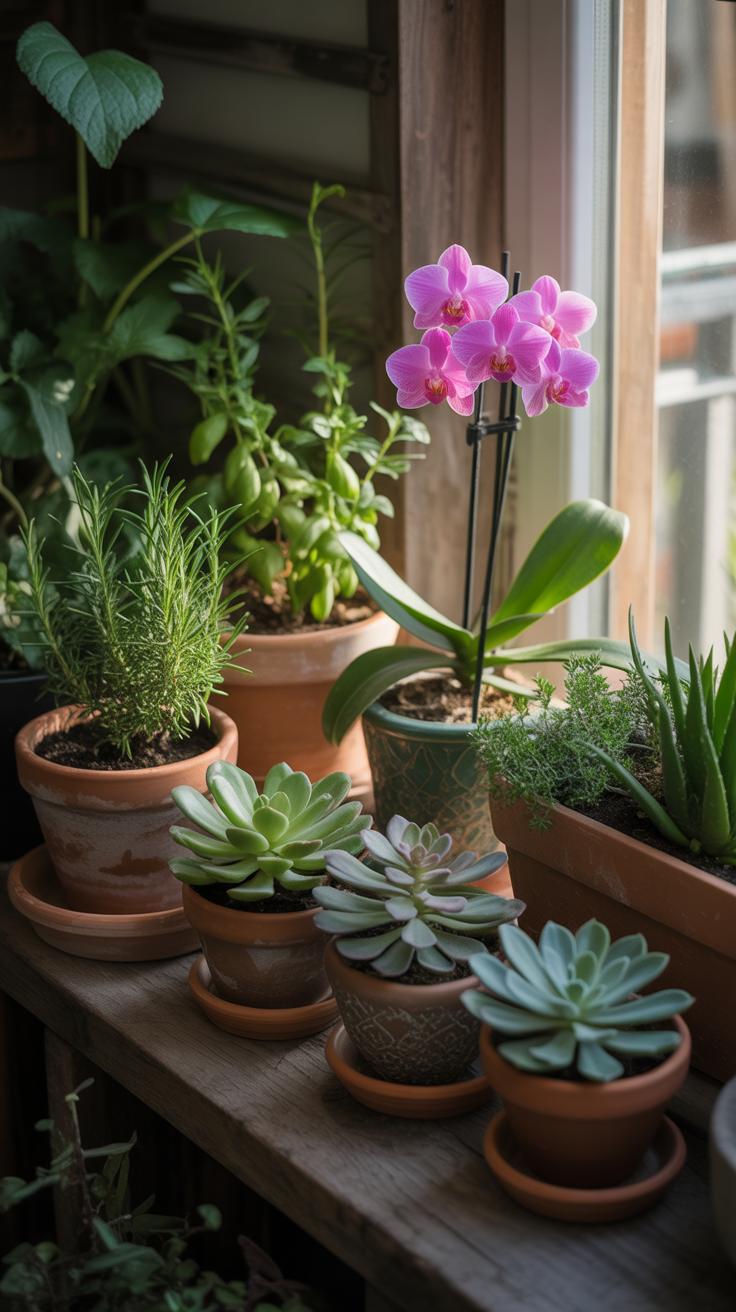
Small gardens call for plants that don’t sprawl too much, but still offer more than just looks. It’s tempting to pick every ornamental that catches your eye, but think about what else they can do. Plants that attract pollinators can boost the health of the entire garden without taking extra space. Then, there are edible plants—like herbs or dwarf fruit varieties—that bring flavor and usefulness.
Some plants carry double benefits. For example:
- Borage is decorative and attracts bees, plus its leaves can be used in salads.
- Strawberries fit into tight spots and give fruit, while their flowers please pollinators.
- Lavender looks good, smells great, and keeps pests away.

When picking plants, ask yourself: can this plant serve more than one purpose? It’s about making your space work harder without overcrowding.
Which leads to planning their placement with care. Taller, upright plants should go at the back or center depending on your view, while low-growers or spreading plants like creeping thyme can cover the ground around them. Avoid putting two big plants in one small spot—crowding stunts growth and invites disease.
Think of how a sweet basil bush grows bushy but remains fairly tidy if pruned, making it perfect near herbs that trail or climb. Organizing by growth habits helps you squeeze out more benefits from less space, though sometimes you’ll need to experiment. Gardening in a small space often requires a little trial and error before it really clicks.
Integrate Seating and Functional Areas
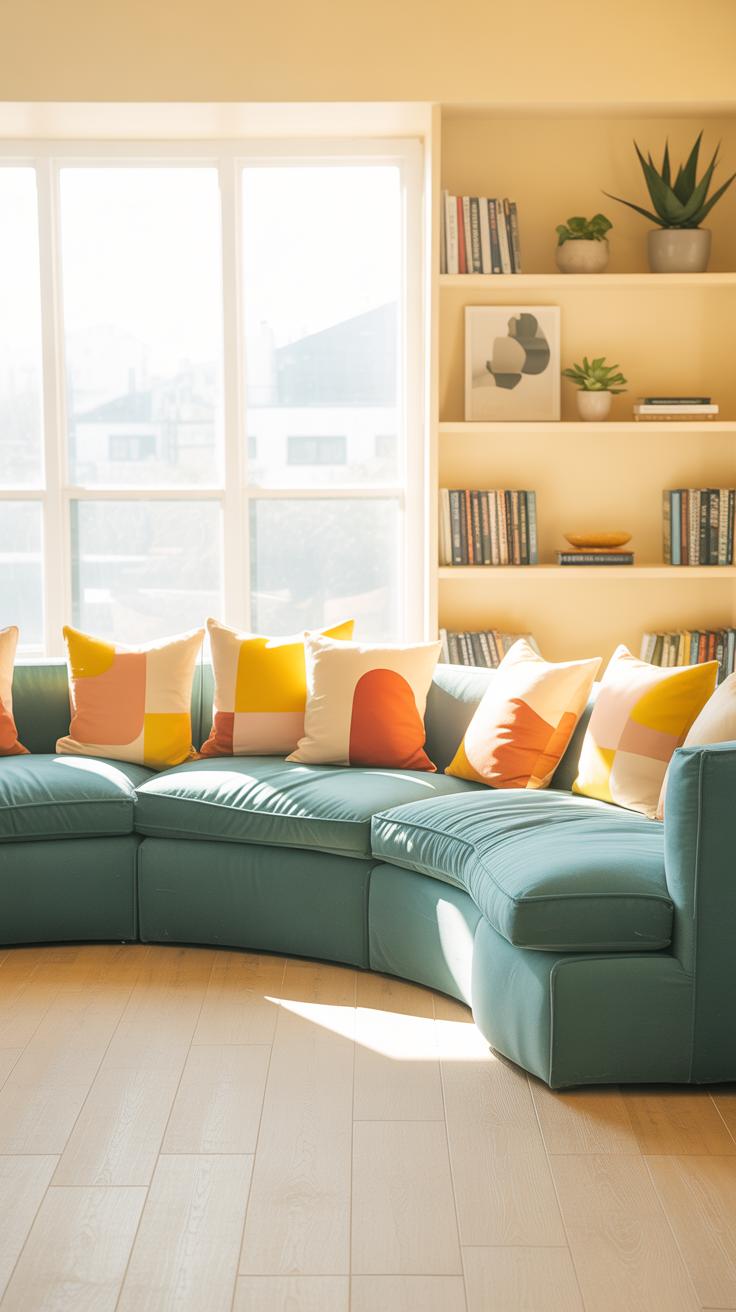
Fitting seating or dining spots into a small garden can feel tricky. You want comfort without making the space feel cramped. One approach is to think beyond typical chairs and tables—foldable furniture can be your best friend here. Imagine a fold-down bench that tucks against a fence, ready when you need it and nearly invisible when you don’t.

Built-in seating also works well. Low benches along garden walls or planter edges can provide seating without stealing floor space. Sometimes, these doubles as storage, which is a neat bonus you might not expect.
Creating functional zones is about subtle boundaries. You don’t need walls or screens; simple changes in paving material or a few plants in containers can signal a dining nook or a workspace. It might feel a little counterintuitive to break a tiny space into zones, but when done right, it actually keeps things feeling less cluttered. Zones guide movement and focus—so your garden doesn’t try to do everything at once, all jumbled up.
For example:
- A small foldable table near a sunny corner for morning coffee or laptop work.
- A built-in bench with cushions alongside a raised bed, for quick rest breaks and easy garden access.
- Plant pots or a gravel patch to subtly mark a meditation or reading nook.
It’s a balancing game, really. You want to keep pathways clear and sightlines open. This means avoiding bulky, permanent furniture that might block views or make the garden feel smaller than it is. Sometimes, less permanent is actually more.
Use Lighting to Extend Garden Use
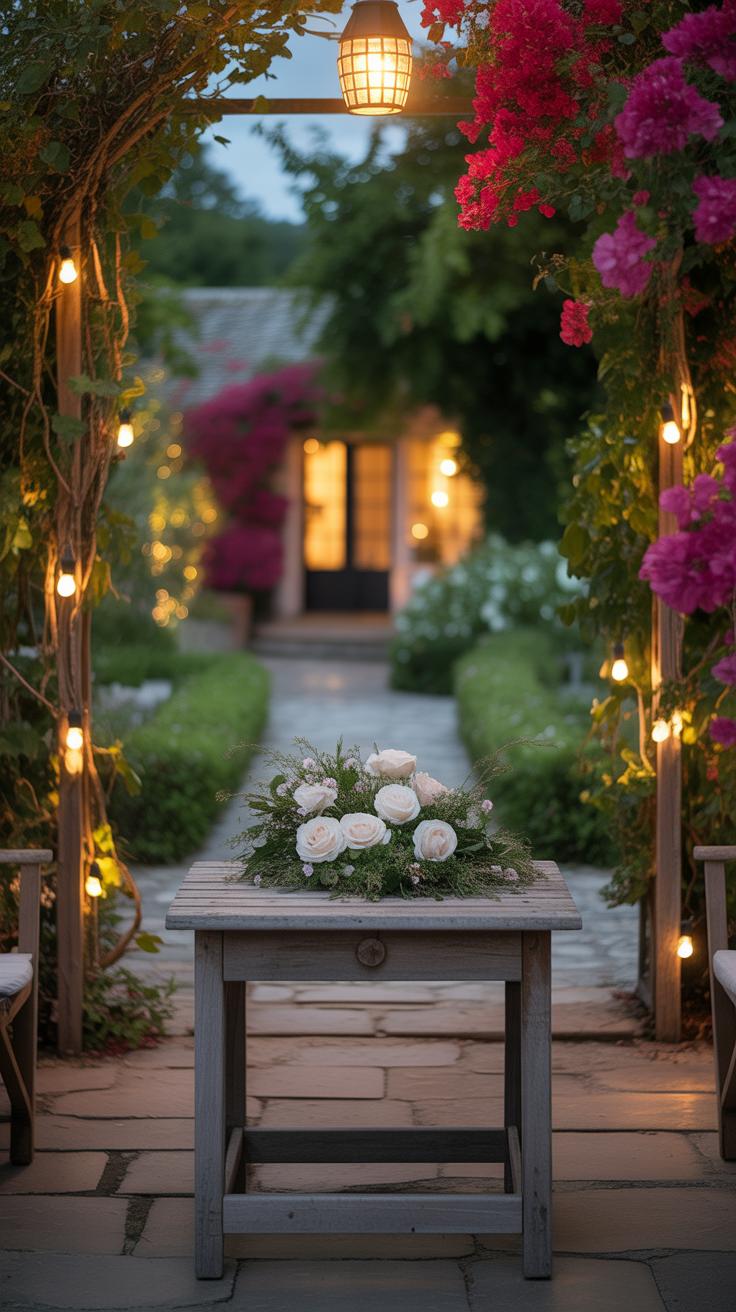
Lighting plays a bigger role in small gardens than you might first think. When the sun goes down, your garden doesn’t have to turn into a dark, unusable patch of space. Instead, thoughtful lighting can make it inviting and safe well into the evening. It lets you enjoy your garden longer—maybe for a quiet dinner or just some fresh air before bed. Yet, it’s easy to go overboard with lighting in a small space, creating clutter or glare that overwhelms rather than enhances.
Choosing lights that are compact, subtle, and energy-conscious is usually best. Solar lights work well because they don’t need complicated wiring, and with today’s designs, they can be surprisingly bright. String lights offer charm and can be draped without taking up ground space, but they might not provide enough illumination alone for safe walking. Spotlights, if placed thoughtfully, draw attention to plants or features without lighting the whole garden like a stage. Each type has pros and cons, so mixing styles often works better than sticking to just one.
Positioning lights is almost an art in itself. Placing a few low-level solar stakes along pathways helps you avoid tripping. Hanging string lights overhead makes the space feel taller, which is handy when your garden feels cramped. For features like a favorite sculpture, an upward spotlight adds drama without needing a lot of space. But too many lights in one area might look chaotic or cause shadows that make navigation harder, so spacing matters—a lot. Play around with angles and placement. Sometimes a small adjustment changes everything.
Maintain Your Small Garden Layout
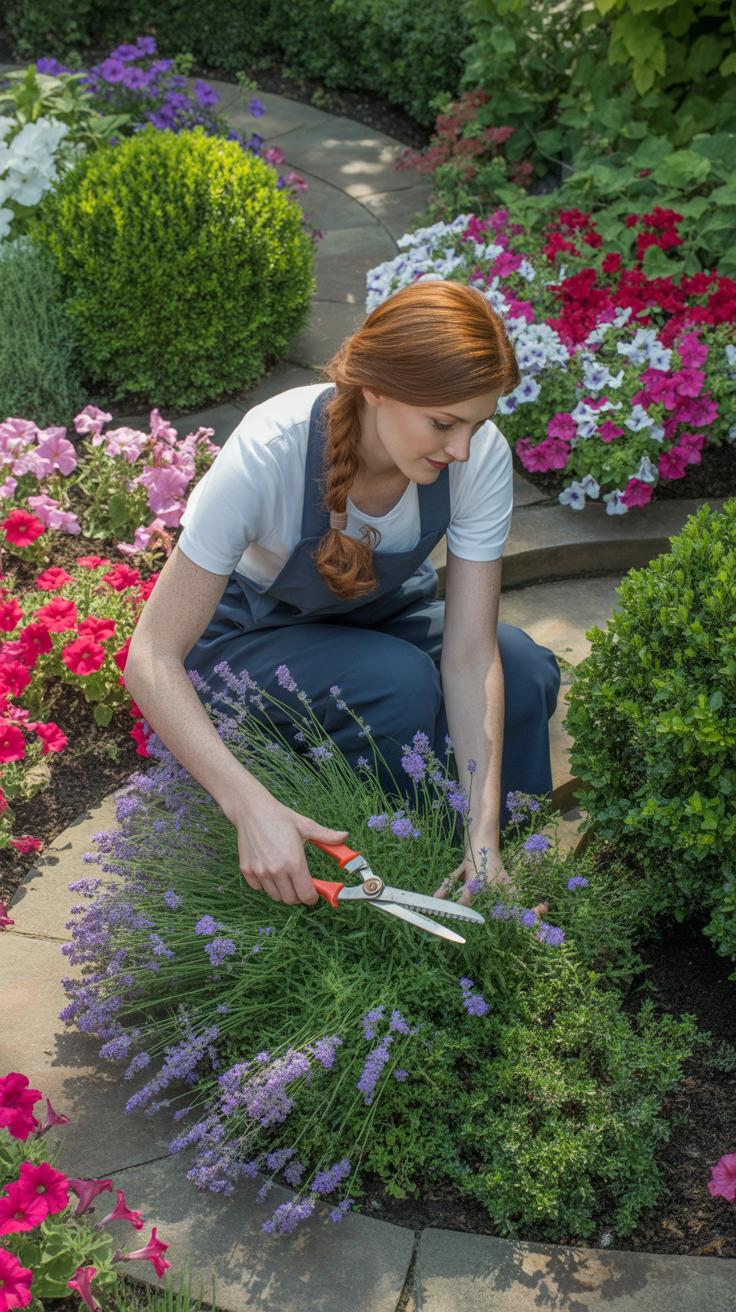
Keeping a small garden neat and thriving doesn’t require hours of backbreaking work every day. It’s more about staying consistent than doing massive tasks all at once. For example, a quick daily check to catch wilting leaves or dry spots can save a lot of effort later. Maybe that sounds obvious, but it really helps prevent bigger issues.
Setting a simple schedule can make maintenance feel less like a chore. Try dividing tasks by frequency—daily, weekly, monthly—and slot them around your routines. You might prefer watering in the morning when the day’s cooler or pruning on weekends when you have more time. The key is to pick a pattern that fits you, because if it feels forced, it won’t last.
Routine Tasks for Small Garden Care
Taking care of a small garden means you can focus on essentials without getting overwhelmed. Here’s how that breaks down:
- Daily: Quick watering (if needed), check for pests or any obvious damage, tidy up fallen leaves or debris.
- Weekly: Light pruning, remove dead flowers, clean pathways or containers, and gently weed small intruders.
- Monthly: Deep watering for potted plants, fertilize if necessary, inspect soil health, and rotate containers for even sunlight.
Honestly, these small bits of attention often add up more than one big catch-up session. And if you miss a day or two? It’s usually not a disaster, which takes the pressure off.
Selecting Tools for Easy Maintenance
When you have limited space, a big bulky toolbox just doesn’t make sense. Instead, lean towards compact, light tools that serve more than one purpose. Things like a pair of pruning shears that cut stems and shape shrubs, or a small hand trowel doubling as a transplant helper, come to mind.
I’ve found that a folding cultivator or a multipurpose gardening knife saves both storage space and effort. Also, keep the number of tools small. The less clutter, the more likely you’ll keep up with regular maintenance without feeling daunted.
Sometimes, investing in ergonomic handles can make the tasks less tiring, especially if you don’t have a lot of time or energy to spend. It feels silly, but a comfortable grip can make you actually look forward to those quick garden check-ins.
Conclusions
Creating a small garden layout that maximizes space requires deliberate planning and smart choices in plants, materials, and design features. By using the tips shared, you can transform your compact space into a green oasis that fits your needs.
Remember that simplicity and function can go hand in hand. Taking small steps such as carefully choosing plants and arranging garden elements thoughtfully will help you enjoy your garden to the fullest without needing a large area.