

Common Mistakes in Small Backyard Garden Design
Small backyard garden design is a challenge many homeowners face. When space is limited, every decision matters more. Mistakes in design can lead to wasted space, higher maintenance, and lost value. Many homeowners do not realize the impact of these errors until they spend time and money correcting them.
This article covers common mistakes in small backyard garden design and how you can avoid them. We explore practical tips to help you make smart choices. By learning what errors to skip and how to plan efficiently, you can create a backyard that is both beautiful and functional without costly regrets.
Measure Your Space Accurately
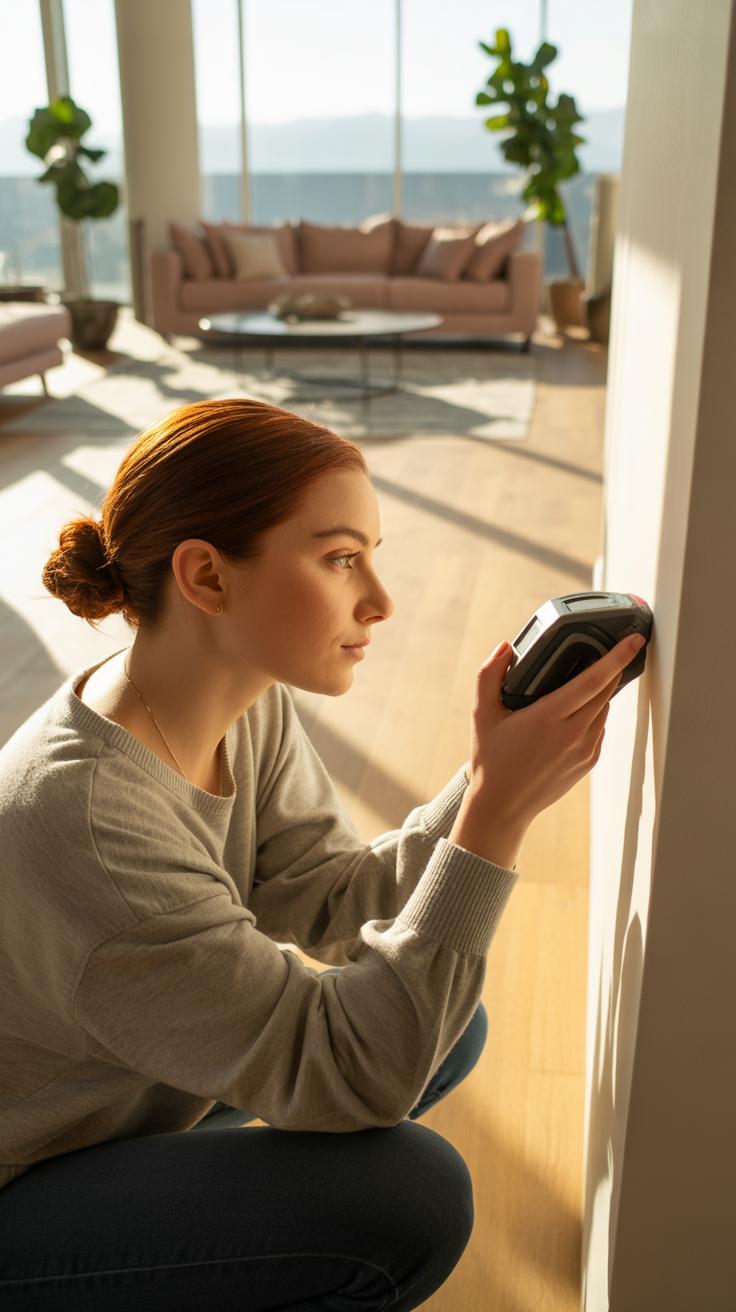
When working with a small backyard, getting your measurements right feels more critical than ever. You might think you can just ‘eyeball’ the space, but it’s easy to misjudge how much room you actually have. I once saw a garden project nearly fail because the planter boxes were too wide, leaving no space for a pathway. Precise measurements help prevent that kind of mistake.
Knowing exact dimensions influences everything—from where you place a bench to which plants can thrive without crowding each other. For instance, some shrubs need at least two feet of breathing room, while creeping groundcovers can fill tight spots. Without measurements, you risk overplanting or placing features where they don’t fit, turning a cozy garden into a cluttered mess.
Tools and Methods for Measuring
Tools don’t have to be complicated. A simple measuring tape is often enough, but a laser distance measurer makes it quicker and reduces errors—although you might feel a bit uncertain using new gadgets the first few times. For less technical methods, pacing out dimensions can work if you know your average step length, but that tends to be less accurate.

Try these steps:
- Start from one corner of your backyard and measure the length and width—write down every figure.
- Measure fixed objects like trees or sheds separately to understand how they impact available space.
- Sketch a rough layout on graph paper, where each square represents a certain number of inches or feet.
Doing this slowly might feel tedious, but the small time investment can save headaches later.
Impact of Measurement on Design
Once you have accurate numbers, the design process becomes more straightforward. You’ll see exactly where you can place paths without squeezing the plants too tight or where a small seating area would fit best. If measurements are off by even a few inches, sometimes the whole plan needs adjusting.
Accurate measurement keeps your garden from feeling cramped. It helps avoid mistakes like putting tall plants right next to a small window or blocking sunlight from other areas. If spacing is tight, you’ll be forced to choose more compact or slow-growing plants, which can affect the overall style and maintenance demands.
In short, measuring your space means you won’t have to second-guess if a feature fits; you’ll know for sure. That clarity makes designing less frustrating and keeps the project on track.
Choose Plants That Fit Space
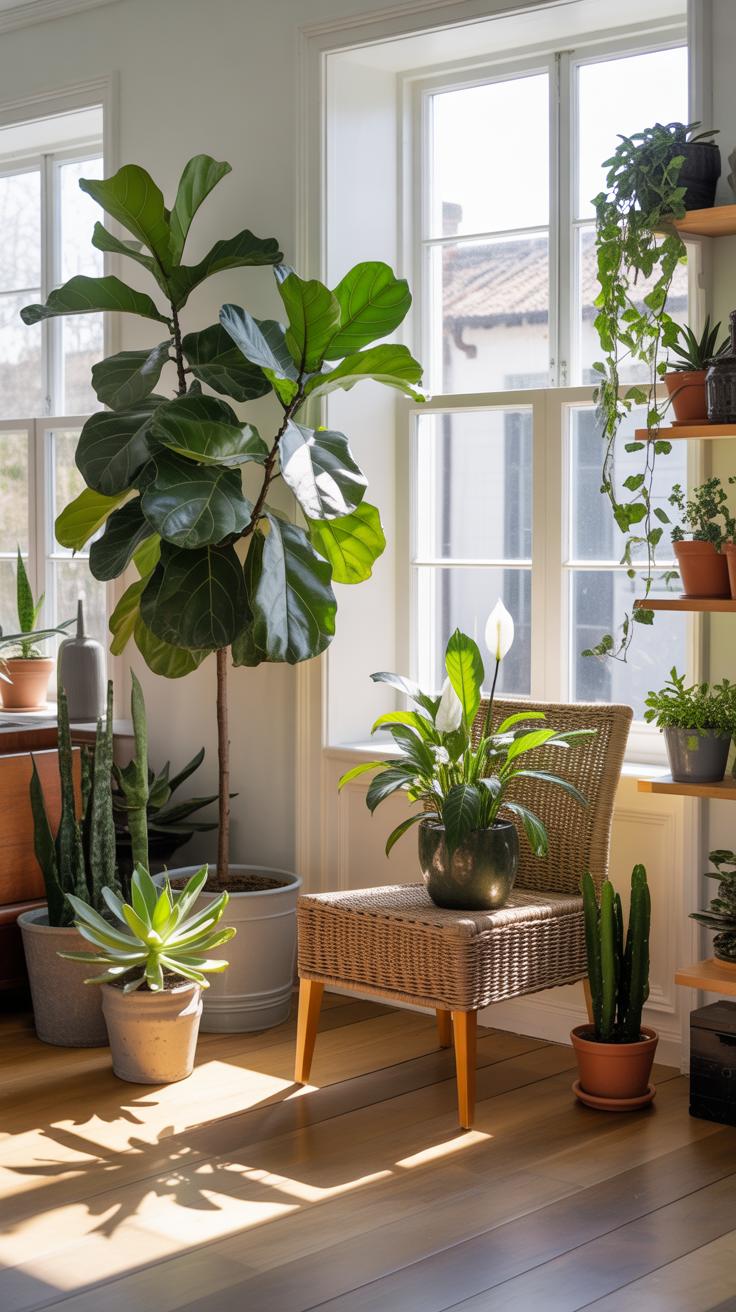

Choosing plants for a small backyard garden requires a bit of thought about their ultimate size and how they grow. You might find yourself excited about a certain shrub, only to realize later it spreads much wider than you expected, crowding out other plants.
Think about growth patterns too—some plants grow vertically, others spread horizontally, and some both. Picking a tall, narrow variety might save space, but it also depends on how dense it gets over time. Maintenance matters as well; a plant that needs constant pruning can become a chore rather than a joy in a confined area.
Plants that suit small spaces tend to be compact or slow-growing. They might not make a huge statement, but they save you a lot of hassle down the road. For instance, dwarf or patio varieties often keep things tidy and manageable, which is handy when every inch counts.
Small Plant Varieties That Thrive
Some plants just seem to thrive in tight spots with minimal fuss. Consider herbs like thyme or chives—they stay small and don’t demand much water or space. Succulents also fit well; they need little care and don’t have huge root systems that overwhelm their surroundings.
Other options include boxwood shrubs trimmed small or compact varieties of lavender. Many ground covers like creeping phlox work well too, filling gaps without taking over. You might hesitate at first, wondering if these choices really bring life to your garden, but often, simple and small means less work and more lasting success.
Avoid Overcrowding With Careful Selection
Overcrowding can stunt growth and create weak, unhappy plants. When plants compete for water, nutrients, and sunlight in a limited area, none of them get what they need. Plus, dense planting can encourage disease and pests by restricting airflow.
Spacing plants adequately might feel like a puzzle at first. Spreading them out gives each plant a chance to grow strong roots and healthy foliage. Giving them elbow room means you’ll spend less time fighting problems later. It’s tempting to cram as much as possible into your small garden, but pacing it out avoids the frustration of struggling, sickly plants.
Plan for Light and Shade

Understanding how sunlight moves across your backyard isn’t just helpful—it’s key to a thriving garden. You might think a sunny spot is just that, full stop. But sun patterns shift through the day and seasons, changing how much light your plants actually receive. A spot drenched in morning light might be cast in shadow by afternoon. This difference can completely alter what plants will grow well there.
Take some time to watch the sun. Notice where the shade creeps in, where light lingers longest. Once you grasp these patterns, you can plan your garden around them—putting sun-loving plants where they get the bright, direct rays they crave, and giving shade-tolerant species a spot under trees or near walls. That way, you avoid wasting space on plants doomed by poor lighting, and your garden stays healthier overall.
Map Sunlight Through the Day
Mapping sunlight is easier than you might expect. Try stepping outside at different times—early morning, noon, late afternoon. Note which parts of your yard get sun, which don’t. Using a simple notebook or even photos can help. Mark where shadows fall at each time.

You could even track this for several days, because cloudy skies or nearby buildings might throw off your initial assumptions. Keep in mind the seasons, too—sunlight angles change. What’s shaded now might be brighter in summer or vice versa. This observation phase might feel tedious, but it pays off when you plant smartly.
Place Plants According to Sun Needs
Once you’ve mapped light and shade, assign plants to fit those conditions. For example:
- Sun lovers like tomatoes, lavender, and most vegetables need at least six hours of direct sun each day.
- Partial shade plants—think ferns, hostas, or impatiens—do well where they get filtered light or just a few hours of direct sun.
- Full shade plants can survive in spots with little to no direct sunlight.
Place your sun-loving plants in the brightest spots, but don’t crowd them—good airflow matters too. Put shade-tolerant plants where the sun barely reaches. Sometimes, trial and error is part of the process, and that’s okay. Getting these placements right keeps your plants growing strong instead of struggling quietly out of sight.
Use Vertical Space Smartly
When your backyard is small, every inch counts. Ground space can fill up fast, leaving little room for the plants you want or even for moving around comfortably. That’s where vertical gardening comes in. It lets you grow upwards instead of outwards, saving precious square footage. Think of trellises supporting climbing beans or cucumbers—they don’t hog the ground but still yield plenty of produce. Wall planters can turn a blank fence into a lush green canvas, giving you fresh herbs or flowers without taking up space where kids might play.

It’s easy to forget vertical space, but using it could change how your garden works. Sometimes, you might hesitate over whether investing time in a vertical setup is worth it. Yet, it’s surprising how much you can grow by simply thinking in three dimensions. And it can look quite neat, too.
Common Vertical Gardening Options
There are many ways to go vertical depending on your style and needs. Here are practical examples:
- Trellises: Perfect for peas, beans, or even squash. They fit well against walls or as freestanding features.
- Wall Planters: These range from simple pocket-style fabric planters to mounted wooden boxes. Great for herbs or small flowers.
- Arbors and Pergolas: They not only support climbing plants like grapes or passionflower but also create a shaded nook.
- Vertical Towers: Stackable pots or pocket systems that hold many plants in a small footprint.
- Hanging Baskets: Don’t overlook overhead space. They suit trailing plants and add interest at eye level or above.
Trying a mix of these can be fun. One year I stuck a trellis in a cramped backyard corner, and it quickly turned into a mini green wall. It was like having a prime spot for sun-loving plants without sacrificing floor area.
Plant Choices for Vertical Gardens
Not all plants work well vertically, so picking the right ones is key. Climbing or trailing habits help your plants thrive here:
- Climbers: Beans, peas, cucumbers, grapevines, climbing roses.
- Trailing Plants: Strawberries, nasturtiums, oregano.
- Compact or Small Plants: Lettuce or kale in stacked pots, or cherry tomatoes in hanging baskets.
- Herbs: Thyme, mint, and parsley often grow well in wall-mounted planters or smaller containers.
Some plants need more support than others, so think about their weight as they grow. And don’t underestimate how a vertical garden can brighten a dull wall or section of your backyard, making the space feel larger in an unexpected way.
Create Functional Zones
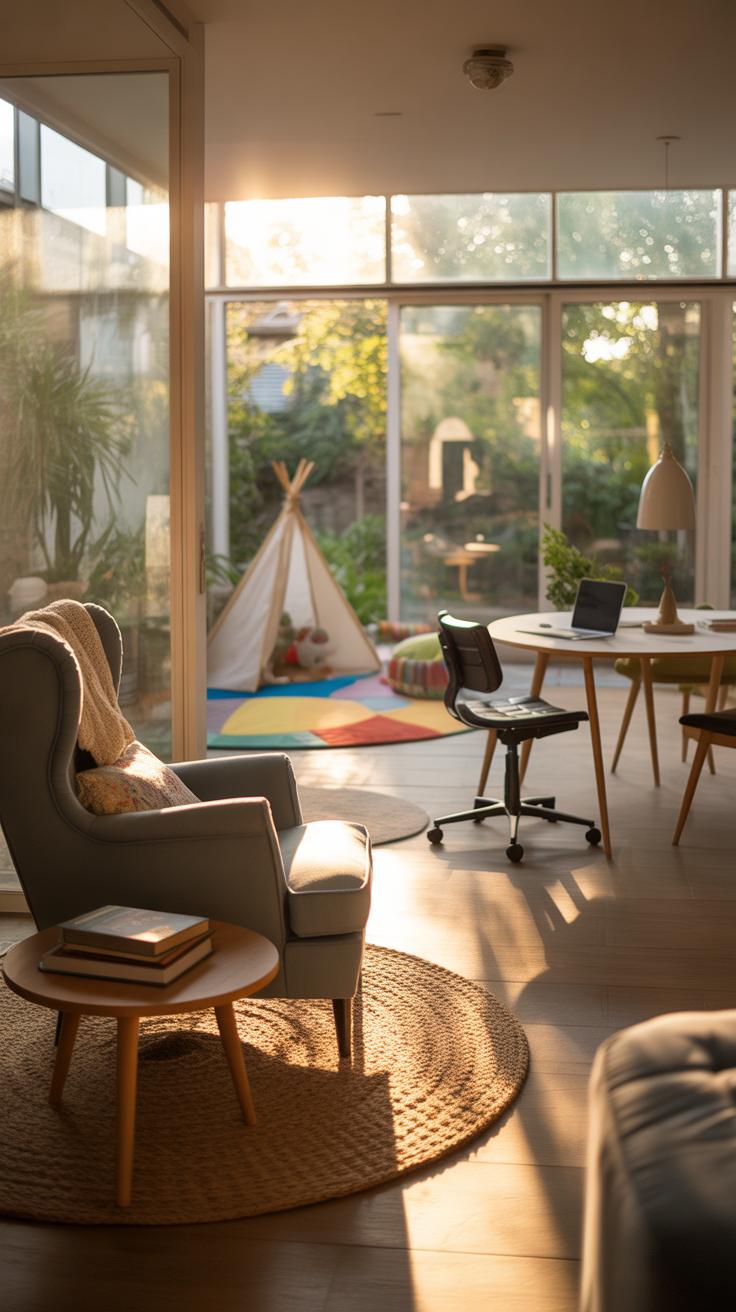

Dividing a small backyard into functional zones can change the way you use your outdoor space. Instead of having one vague area, you organize it into distinct places—like a dining spot, a garden patch, and perhaps a small play corner. This separation doesn’t just add clarity. It shapes how you move and interact with your backyard. When areas are clearly defined, you don’t have to juggle competing activities in the same spot, which often leads to chaos or underuse.
For example, placing a compact dining table near the house lets you easily transition from cooking inside to eating outside. Meanwhile, a gardening area at the sunnier end keeps plants happier and frees up the shady spots for relaxing or play. You might think zoning is only for big yards, but even the smallest gardens benefit from this kind of organization.
Simple Zone Layout Ideas
Think about creating zones with simple elements. You don’t need fancy dividers—sometimes a patch of grass, a deck, or a few potted plants can signal where one space ends and another begins. Here are a few straightforward layouts:
- A rectangular backyard can be split lengthwise with a narrow path, placing a dining area by the house and a garden at the far end.
- A square yard might work with diagonal zones, using different ground materials—gravel for gardening, wood decking for dining, and soft turf for play.
- Corner zones can help too. For example, set a seating nook in one corner and a garden bed opposite it; the center remains open for flexible use.
Each example aims to create flow and clarity without overcrowding.
Choosing Multipurpose Features
In small gardens, every item needs to pull double—or triple—duty. Benches with built-in storage serve as both seating and a place to stash tools or cushions. Foldable chairs and tables allow you to clear space quickly if you want to switch activities.

I once saw a tiny backyard where a picnic table folded flat against the wall when not in use, turning into a simple shelf. It was clever but maybe a bit tricky to manage every day. Still, these kinds of ideas can keep your backyard feeling open and less cramped.
What about planter boxes on wheels? They can shift around to redefine zones depending on occasion or season. Multipurpose items don’t just save space—they offer flexibility, making your small backyard more adaptable to changing needs.
Pick Low Maintenance Materials
When working with a small backyard garden, choosing materials that don’t demand constant care makes a big difference. It’s tempting to pick something fancy or trendy, but if you’re juggling daily life, you might find yourself overwhelmed by upkeep. Paths and patios, for example, should be designed with materials that stand up to weather and wear without a fuss.
For ground surfaces, some solid choices include:
- Concrete pavers: They last for years and are easy to clean. A quick sweep or hose-down often does the trick.
- Gravel: Affordable and low maintenance, though it can scatter a bit—so edging is helpful.
- Composite decking: Perfect if you want a wood look but with less rotting and warping.

Furniture-wise, metal and resin pieces hold up without needing a lot of fuss. Wooden furniture looks nice but demands regular treatment to avoid damage. You might decide that a plastic resin chair isn’t so appealing at first; I get that. But over time, it’s kind of a relief to skip sanding or staining season.
For keeping these materials in good shape, try these tips:
- Sweep or hose patios weekly to remove debris and prevent stains.
- Use mild soap and water to spot-clean furniture rather than harsh chemicals.
- Seal concrete or paver surfaces every few years, which can slow cracking or discoloration.
Choosing low maintenance materials isn’t just about saving effort now—it’s about avoiding regret later. Would you rather spend weekends fixing or relaxing? That question alone might guide your choices in a small space.
Avoid Overdecorating the Space

When working with a small backyard, it’s easy to want to fill every inch with decorative items. You might think that more decorations make the space feel lively or personalized, but often the opposite happens. Too many ornaments, pots, or garden sculptures can quickly crowd the area, making it look cramped and cluttered. Instead of feeling open and inviting, your backyard may feel boxed in, even if the space itself isn’t really that small.
Choosing key decorative items is better than scattering lots of small things everywhere. Pick a few pieces that truly stand out—like a striking bench, a single sculpture, or a thoughtfully placed colorful planter. These become focal points and give your garden character without overwhelming your senses.
Clear paths and sight lines also matter more than you might expect. You want to move around comfortably, without stepping over obstacles or feeling boxed in by overfilled corners. Open walkways invite you to explore, while clear views make the space feel larger and safer. Maybe you’ve noticed that when your path is cluttered, you hesitate to go beyond certain areas. That subtle hesitation can turn a small backyard from a joy into just another tight, stressful spot.
Plan Irrigation Efficiently

Choosing the Right Irrigation System
When it comes to watering a small backyard garden, the choice of irrigation can make a big difference. You might think a sprinkler system covers everything easily, but in tight spaces, it often wastes water by spraying paths or patios. Drip irrigation, on the other hand, delivers water directly to plant roots, reducing runoff and evaporation. For a small garden, this means you use less water and spend less time adjusting hoses or moving sprinklers around.
There are other options too, like soaker hoses or hand watering with a wand, which gives control if your garden has varied plant types with different needs. Each method has pros and cons, so you might try combining them—drip lines for shrubs and soaker hoses for ground covers, for example. It’s not always obvious at first, but experimenting can reveal what truly fits your layout and watering habits.
Watering Tips to Save Resources
Timing matters. Most plants do best with morning watering. Cooler temperatures mean less water loss to evaporation, and plants have time to absorb moisture before the heat of the day. Evening watering can encourage fungal growth and other problems, but sometimes it’s the only option—just be aware of the risks.
Overwatering is also a common pitfall. Many gardeners think more water equals healthier plants, but often the opposite happens. Watch for signs like yellowing leaves or soggy soil; they tell you to cut back. Ideally, water deeply but less frequently, encouraging roots to grow downward. That usually means watering two to three times a week rather than daily, but it depends on soil type and plant species.
If you’re new to irrigation, try setting a simple schedule, then adjust based on weather and your garden’s needs. You might find you need less water than you expected, or that certain spots dry out faster. Paying attention to these details saves water—and money—while helping your garden thrive without constant fuss.
Include Storage Solutions

When designing a small backyard garden, storage often gets overlooked, but it plays a crucial role in keeping your space functional. Tools, pots, fertilizers—they can quickly clutter an area if you don’t have a system. Smart storage doesn’t just hide things; it helps you organize so you spend less time hunting for that missing trowel.
Compact Storage Ideas
Space is tight in small backyards, so think vertical and multi-purpose. Wall hooks mounted on a shed or fence work well for hanging rakes, hoses, and smaller tools. Benches with built-in compartments can double as seating and storage, which is handy when you want a place to rest but need room for supplies too.
Additionally, if you have even a tiny corner, a small shed or storage box with a lid can keep things dry and out of sight. Sometimes, simple stackable crates or modular bins offer flexibility—you can move them around or add more if needed.
Organizing for Easy Access
How you arrange your tools matters just as much as where you store them. Group similar items together so you don’t dig through everything. For example:
- Keep hand tools like pruners, gloves, and seed packets in one container.
- Bulkier items like watering cans and fertilizer bags go to a lower shelf or a storage bench.
- Frequently used tools should be the easiest to grab, perhaps hanging nearby at eye level.
I’ve noticed that labeling containers or bins helps, especially when you’re in a hurry or sharing the garden with someone else. Sometimes, you might want to rethink the layout after a season to see what really works for your routine.
Does your current setup invite you to garden more often, or does it frustrate because you spend more time sorting than planting? That’s why storage isn’t just about neatness—it affects how you enjoy the garden overall.
Review and Adjust Your Design

Once your backyard garden is up and running, don’t just walk away assuming it’s done. Gardens grow, change, and—frankly—sometimes misbehave. You want to live with your garden, not just look at it, so checking in on how it actually feels and works from day to day is key.
Watch for signs that parts of your garden aren’t pulling their weight or worse, causing headaches. Overcrowded plant beds where nothing seems to thrive, spots where shade has crept in and plant life is wilting, or zones you barely use anymore—each tells a story. For example, maybe you designed a seating area that’s uncomfortably hot because a tree grew larger than you expected, or a vegetable patch is shaded out and producing less than planned.
When you spot these issues, it’s time to take action carefully. Moving plants can be tricky, but you don’t have to tear everything apart.:
- Start by selectively removing weaker or less compatible plants instead of uprooting everything.
- Try relocating species to better spots, considering their sunlight and space needs.
- Allow for some breathing room. Sometimes thinning is all the garden craves for a fresh start.
- Adjust zones gently—changing paths, adding or shrinking beds—without disrupting the whole setup.
Remember, some plants tolerate moving better at certain times—early spring or fall often works best. Don’t rush the process; garden adjustments happen over time. After all, your backyard isn’t a fixed picture—it’s more like a living experiment. How does your garden show you it needs a tweak?
Conclusions
Small backyard garden design mistakes can be expensive and frustrating. They often arise from poor planning, ignoring space limits, and choosing unsuitable plants or features. Recognizing these errors early helps you save money and effort. Thoughtful design leads to a space that fits your needs and lifestyle.
Use the tips and insights covered here to avoid common pitfalls. Take your time to plan, measure, and choose wisely. With careful effort, your small backyard can become a useful outdoor area where you enjoy spending time every day.