

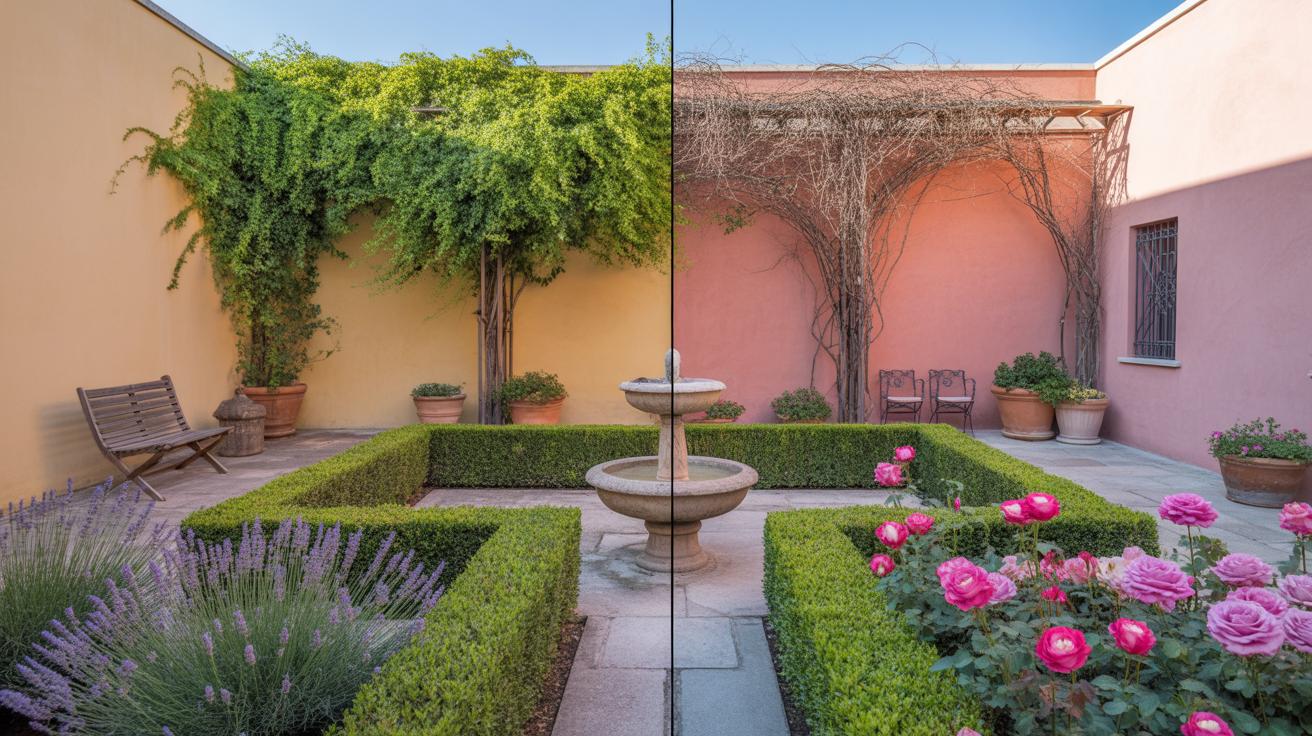
Common Mistakes in Courtyard Garden Design
Courtyard gardens offer a unique blend of indoor and outdoor space, providing light, air, and privacy. However, many designs fall short, causing wasted space and unnecessary expenses. This article highlights common courtyard garden design mistakes and how to avoid them.
From poor layout choices to overspending on features that don’t add value, you will learn practical tips to create a functional courtyard garden. Avoid these pitfalls to enjoy a beautiful, cost-effective outdoor space.
Common Layout Mistakes in Small Courtyards

Small courtyards often fall victim to a few classic layout errors that quietly steal space and limit what you can do with the garden. I’ve seen many cases where paths get squeezed down too tight, making it awkward to get around without bumping into something. Narrow walkways cut off natural movement and cause the whole area to feel cramped, even if there’s actually enough room to move freely.
Another mistake is blocking access points. Sometimes people clutter corners or doorways with plants or furniture, thinking it’s cozy or charming, but it ends up cutting off easy entry and exit. These little blockages aren’t just annoyances—they waste usable space and make the courtyard feel smaller than it is.

Then, there’s the issue of oversized furniture. Big lounges and thick tables sound inviting, but in a confined space, they gobble up valuable square footage. It’s tempting to fit all your favorite pieces, but they don’t always fit the scale of the courtyard. Instead, these bulky items leave little room to breathe, socialize, or even just enjoy walking through. Choosing smaller, more versatile furniture helps keep the space open and functional.
Narrow Walkways and Traffic Flow
Narrow walkways cramp movement. When paths are too tight, it’s hard to pass comfortably or carry anything without snagging plants or knocking into furniture. This creates frustration and reduces the likelihood you’ll want to spend time there, oddly enough.
Think about at least 3 feet wide for primary paths—it sounds obvious, but many small courtyards skimp on this. If space is tight, prioritizing the main flow routes rather than trying to squeeze in extra paths can improve the feel drastically. Stepping stones instead of continuous paved walkways, or curving paths gently, can create an illusion of more space and encourage smoother circulation.
Overcrowded Furniture Arrangements
Oversized furniture in small courtyards often blocks sightlines and movement. Placing a heavy armchair right by a door or slotting a large dining set into a narrow corner reduces usable space badly.
Instead, pick pieces that fit the scale—bistro tables, slender benches, foldable chairs. These don’t just save room; they allow you to rearrange easily, adapting as needed. It’s about balance, really—not stuffing every inch with seating but leaving some breathing room to make the courtyard inviting and user-friendly.

Have you noticed how sometimes less is more? A compact seat with a small side table can feel more comfortable than trying to cram in oversized loungers that leave you bumping elbows.
Choosing Plants That Overgrow Space
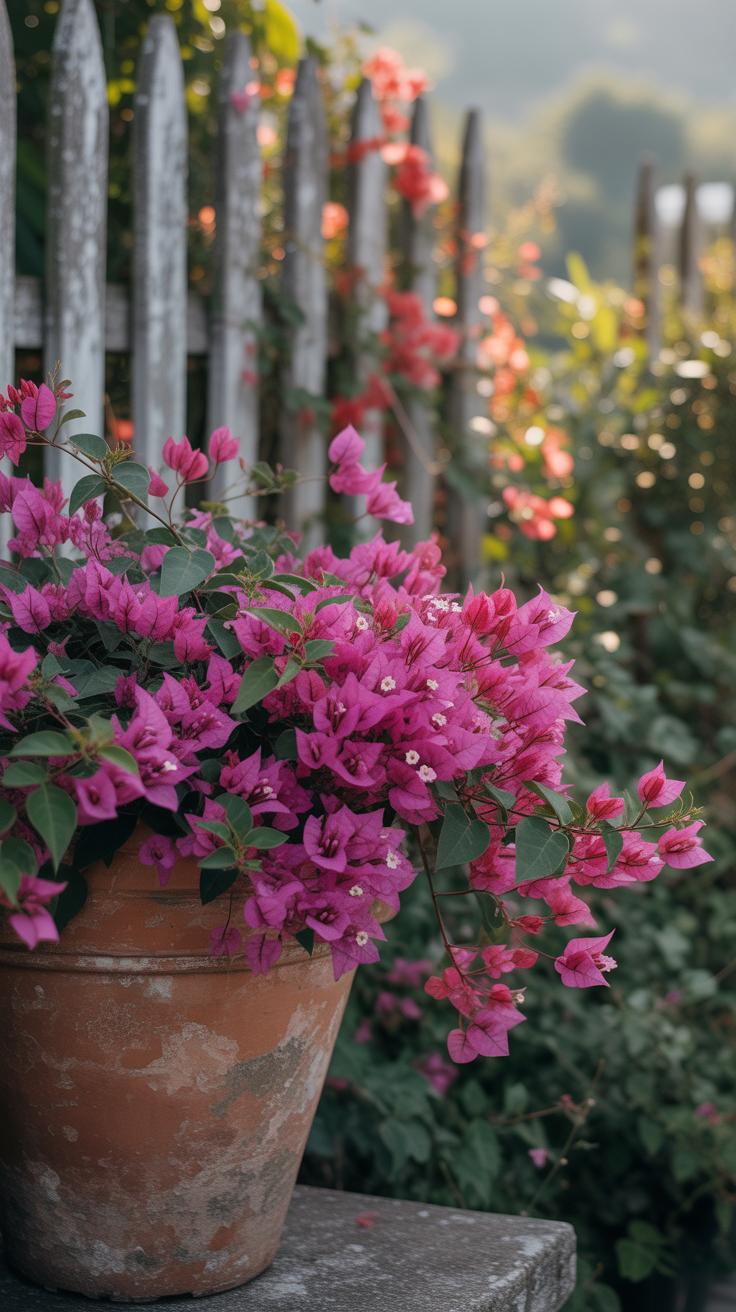
One common mistake in courtyard garden design is picking fast-growing plants without thinking about how quickly they’ll fill the space. It’s easy to be drawn to vigorous climbers or shrubs that promise quick coverage, especially when you’re eager to see growth. But these choices often backfire. Fast growers can rapidly outpace the intended size of the courtyard, leading to constant pruning and maintenance demands. You might start with a neat corner, but within months, branches creep across pathways or crowd seating areas.
Overgrown plants can block sunlight, turning your once-bright courtyard into a dim, cramped spot. This isn’t just about aesthetics—reduced light means other plants might struggle, and usable outdoor space shrinks. A small courtyard, in particular, suffers from this because every inch counts.
To avoid this, focus on selecting plants that stay within a manageable size. Look for dwarf or slow-growing varieties that suit the scale of your courtyard. Consulting local nursery experts or reading up on mature plant sizes helps. If you want climbers, choose those that can be trained on supports without overwhelming the area. The goal is to enjoy greenery without the effort turning into a chore.

Think about how much time you can realistically spend trimming and tidying. When in doubt, smaller plants usually require less upkeep and keep your courtyard feeling open. After all, a well-chosen plant can enhance your outdoor space without taking over—and isn’t that the point?
Ignoring Sunlight and Shade Patterns

When designing a courtyard garden, overlooking how sunlight and shade move throughout the day can be a costly mistake. Plants that need full sun will struggle in shady spots, often turning leggy or failing to bloom. On the flip side, sun-loving plants in a shaded area tend to waste energy trying to survive. This mismatch doesn’t just affect plant health; it can turn seating areas uncomfortable, either baking in the midday sun or sitting cold in constant shade. Many people don’t realize their courtyard’s sun patterns before planting or placing furniture, which can leave parts of the garden looking sad or just unused.
Sunlight’s Role in Plant Health
Plants vary widely in their sun needs. Consider that some thrive in direct sunlight for hours, while others actually prefer dappled shade or even deep shade. Matching each plant’s requirements to its position in the courtyard can make a huge difference. For example, herbs like rosemary or lavender usually demand sun exposures of six hours or more daily, while ferns or hostas prefer less light. If you ignore this, you may spend money replacing plants that die quickly or require extra watering and care just because of bad placement. Have you noticed that one side of your courtyard is always lush while the other looks parched or sparse? That’s probably a sun-shade mismatch.
Optimizing Seating Placement
When planning seating, think beyond simply fitting chairs and tables into a space. Where the sun falls at different times can determine whether your courtyard is inviting or too hot or cold to use. It might be smart to place seating where it enjoys the morning sun but is protected from harsh afternoon rays. Or maybe you want a shady spot in the summer that catches warming light in cooler seasons. Try observing your courtyard for several days, noting sun angles and shade shifts. Simple moves, like adding a retractable awning or positioning a bench under a tree that provides seasonal shade, help create comfort. Which parts of your courtyard do you really want to relax in? Let the sun and shade guide you there.
Overbuilding Hardscape Features
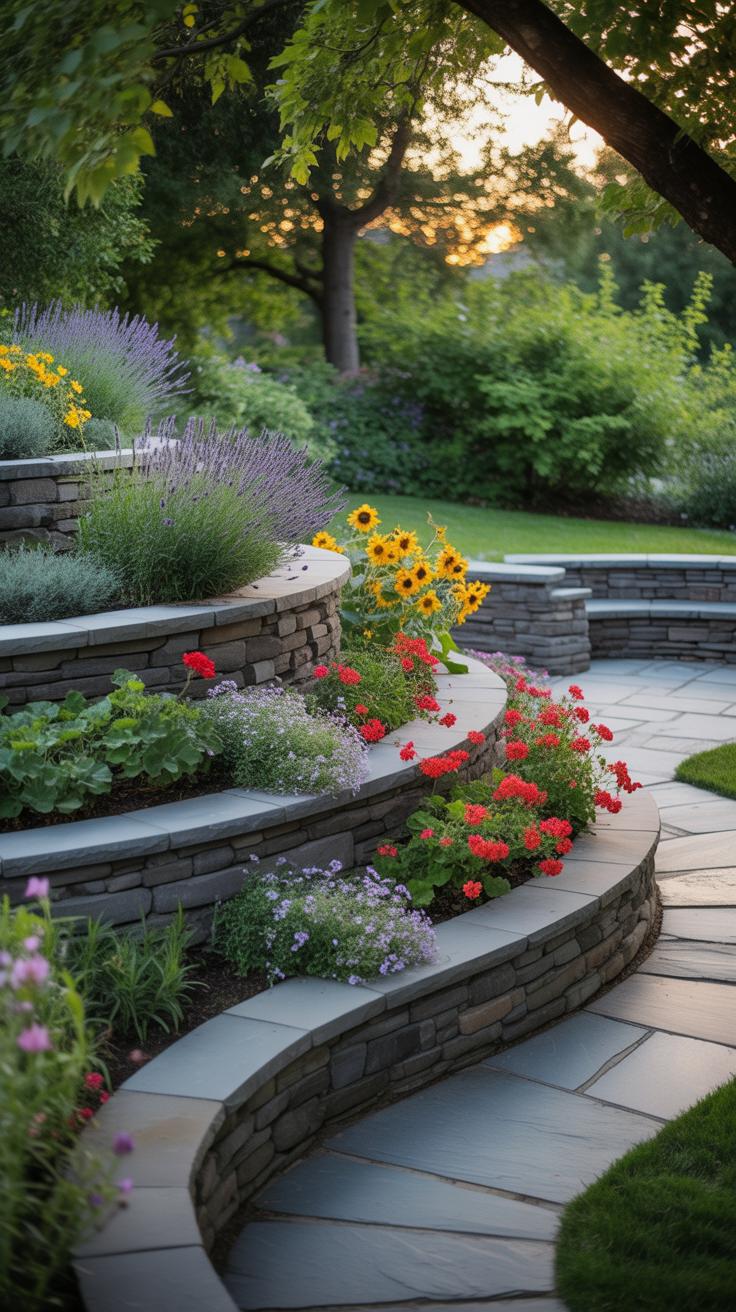

It’s easy to get carried away with hardscape in a courtyard garden—concrete slabs, extensive paving, high walls—all these solid elements might seem like a good idea at first. They provide structure and low-maintenance areas, but too much can quickly choke the space. I’ve seen courtyard gardens where every inch is covered in stone or brick, leaving barely any room for plants. The result? A dull, lifeless environment that feels more like a patio than a garden.
Using heavy hardscaping eats up green space, which not only reduces the garden’s natural appeal but also impacts the overall atmosphere. Imagine sitting in a courtyard with no splash of grass, no soft foliage nearby—just cold, hard surfaces all around. It can get pretty uncomfortable, honestly.
Costs of Hardscape Overuse
One thing that folks often overlook is how expensive hardscape can be—not just to install but to maintain. Concrete and paving require proper groundwork, drainage, and often professional labor, which hikes up initial costs rapidly. Then add wear and tear from weather or shifting ground, and repairs start piling up. Walls need upkeep too, cracks appear, surfaces stain.
Sometimes, I wonder if people really think through these costs. When your courtyard is mostly hardscape, you’re also missing out on planting options that could actually improve your home’s environment and even reduce cooling bills—something greenery helps with, surprisingly. Investing too much in stone and concrete might seem practical but could end up being a money pit.
Balancing Hardscape and Plant Areas
Striking a balance between hard elements and plants is where the design gets interesting. Not enough paving, and the courtyard might get muddy or impractical. Too much, and you lose the garden’s softness and life. Here are some practical tips that work for many:
- Reserve about 40-50% of the courtyard for planting areas. This allows greenery to thrive and creates natural breaks in the hardscape.
- Use paving to define paths and seating zones rather than as a blanket covering.
- Introduce vertical elements like trellises or raised plant beds to add green without crowding the floor.
- Consider permeable paving options that allow water movement, helping plants and reducing runoff.

Finding this balance isn’t simple. It takes trial and error, and maybe even changing the plan after living with it for a while. But it’s worth it when your courtyard feels inviting and well-used instead of cold and empty. Have you noticed how even a small plant can soften a space dramatically? Sometimes less hardscape really means more comfort.
Lack of Functional Zones in the Garden
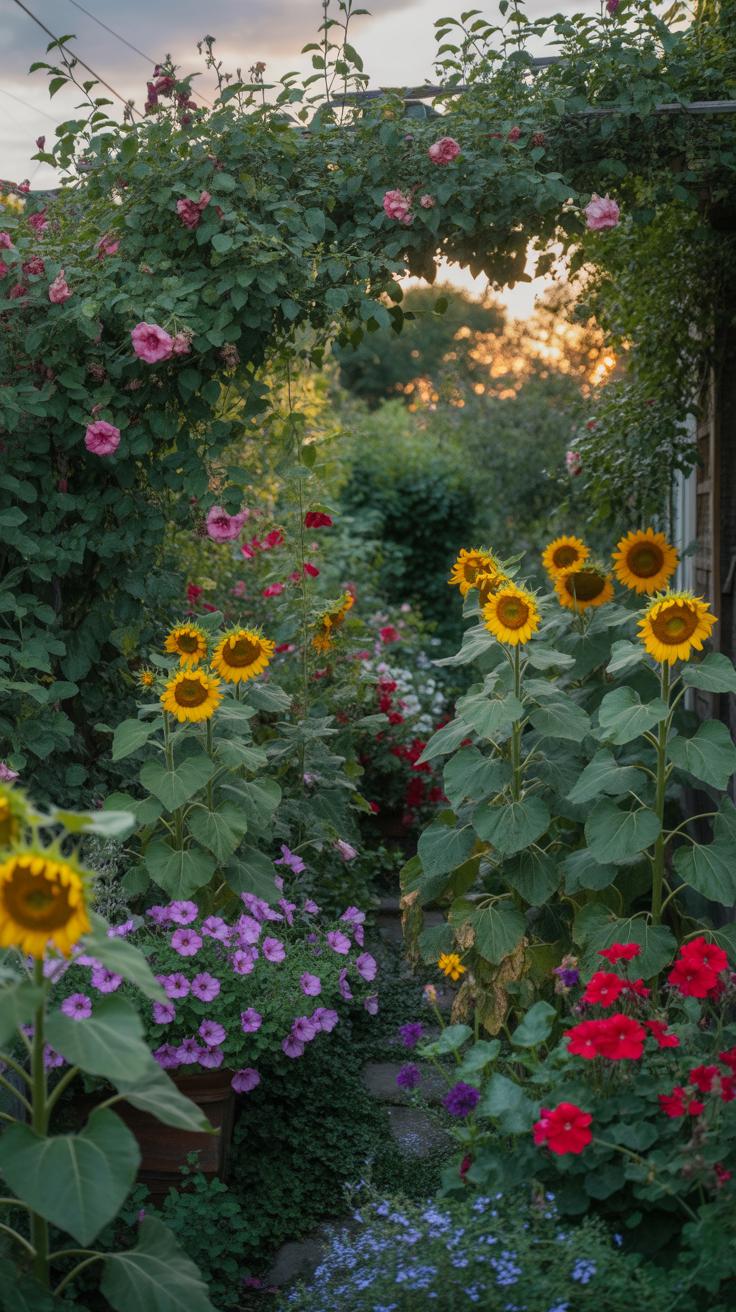
When a courtyard garden lacks distinct zones for dining, relaxing, and gardening, the space tends to feel cluttered or awkward. It’s a common mistake that can make even a generous area seem smaller and less inviting. Dividing your courtyard into clear functional zones helps both the appearance and how you actually use the garden. When each spot has a purpose, it encourages you to spend more time outdoors and makes the whole space feel better organized.
Think about your day-to-day routines. You want one spot to eat comfortably, another to unwind, and maybe a spot to tend to plants or herbs. Without these clear areas, everything blends together and everything becomes underused. This can leave you frustrated, with a garden that feels like it’s missing something—but you’re not quite sure what.
Creating a Dining Area
Setting up a dining space inside your courtyard doesn’t have to be complicated. You can start with a sturdy table that fits the scale of your courtyard. Don’t overfill the space with oversized furniture—it just blocks pathways and feels oppressive.

Here are a few pointers to keep in mind:
- Pick weather-resistant furniture so you don’t have to move it indoors often.
- Add shade with an umbrella or a pergola for comfort during sunny days.
- Consider lighting, like string lights or lanterns, to extend dining time into the evening.
These features not only provide practicality but also make the area visually appealing. Sometimes, just having your morning coffee in in a dedicated nook changes how you enjoy the garden.
Planning for Relaxation
Relaxation zones are about comfort and invitation. Seating or lounge spots shouldn’t just be placed randomly; they need to feel like mini retreats within your courtyard. Perhaps a small bench tucked in a shaded corner, or a cushioned chair surrounded by plants.
Think about materials that feel pleasant—soft cushions, smooth wood, or even a hammock if space allows. It’s these elements that invite you to linger, to read, or to chat with friends.
You can also vary seating heights and styles to add interest. A low coffee table with poufs around it can create a casual vibe perfect for socializing.

In the end, the goal is to design spots that look and feel useful. When you divide the courtyard this way, you turn what might feel like wasted space into different experiences—each one worth enjoying on its own.
Using Poor Quality Materials

Choosing cheap or unsuitable materials for your courtyard might seem like a quick way to save money, but often it’s just a false economy. Early wear can show up faster than you expect, especially outdoors where weather takes a toll. You might find yourself replacing items or repairing surfaces within a couple of years instead of decades. That adds up—both in time and cash—and can seriously disrupt your plans.
Wood left untreated or metal that rusts easily cause constant headaches. Stone can crack or stain if it’s not right for your climate. I’ve seen patios start to crumble in spots where the wrong stone was laid, just because it wasn’t up to the challenge of freezing winters or heavy rain. You probably want your courtyard to last, not just look okay for a season or two.
The trick is to pick materials built for where you live and for how you want to use your space. Spend time researching or asking suppliers about durability.
- Look for weather-resistant wood like teak or cedar that withstands moisture better.
- Go for metals with protective coatings to avoid rust or corrosion.
- Choose natural or treated stone designed to handle temperature changes.
- Test samples if possible—how do they feel? Are they slipping easily? Do they soak up water?

Sometimes the best choice isn’t the cheapest upfront but will save a lot over the years. Would you rather patch up materials regularly or enjoy a courtyard that stays solid and beautiful? It’s a question worth considering before you pick up the first bargain you see.
Neglecting Efficient Garden Irrigation
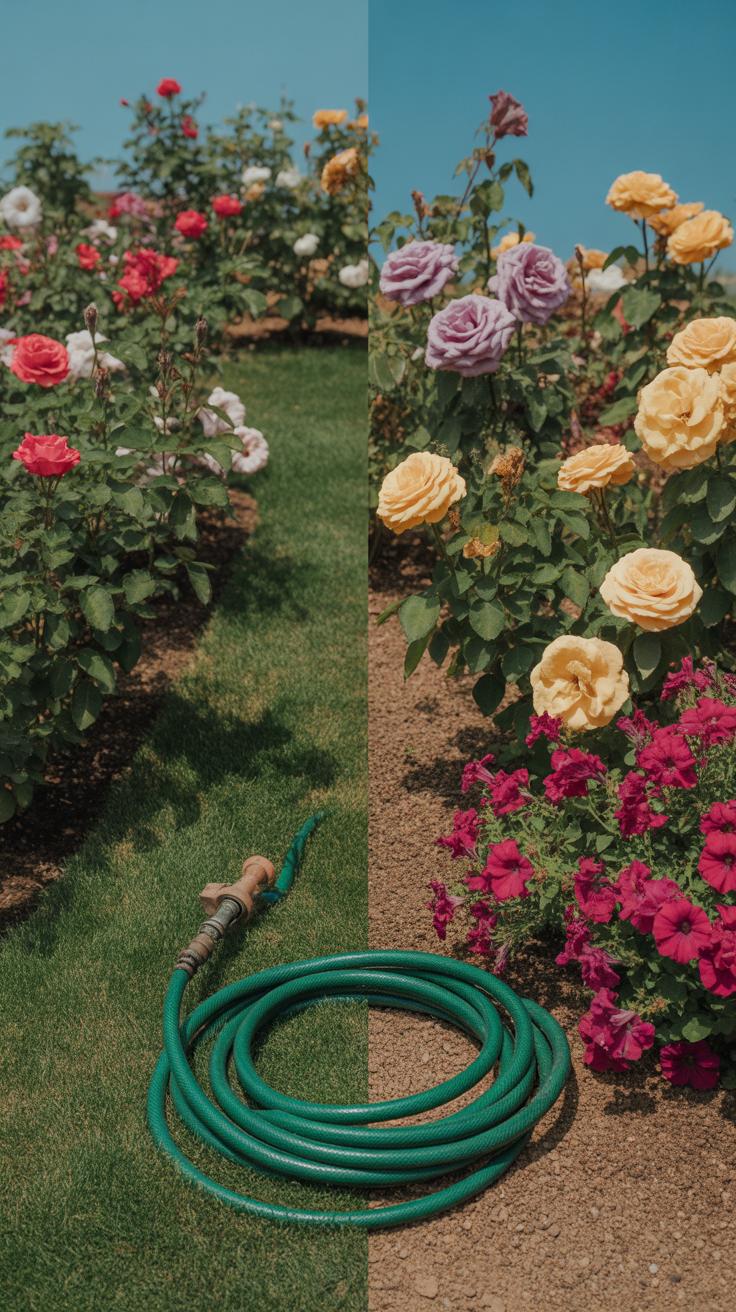
When courtyard gardens suffer from poor watering systems, the results are more than just damp soil and thirsty plants. Water slipping through cracks, watering at the wrong time, or uneven distribution can waste gallons without helping your garden grow. Think about it—every drop lost is money literally flushed away. Worse yet, those inconsistent watering habits stress the plants, making them prone to disease or stunted growth. You end up spending more on replacements, fertilizers, or even pest control, all because the basics weren’t addressed. It’s surprising how often this happens, even to experienced gardeners.
Water Waste in Courtyard Gardens
There are some common irrigation mistakes that can sneak into your courtyard setup without you realizing. Overwatering certain spots while letting others dry out skews the whole garden’s health balance. Sprinklers placed incorrectly might water hard surfaces—patios or paths—instead of roots. Then there’s the issue of running irrigation during windy days, where much of the water drifts away, doing no good at all.
Internal timer settings often get ignored or misadjusted, leading to watering when plants don’t need it. Too often, systems just run on routine, without attention to weather or season changes. Some gardeners stick to old habits, spraying everything at once—not the smartest approach for space or resource use. Water pooling in corners or beneath pots signals inefficiency too. When plants get soggy rather than moist, they can actually suffer more than if left a bit dry.
Installing Smart Irrigation Solutions
Setting up watering systems that save water while keeping plants happy takes a bit of thought but pays off. Consider this checklist if you’re planning or revising irrigation for your courtyard:
- Choose drip irrigation to deliver water directly to the root zones—this limits evaporation and runoff.
- Install timers that can adjust watering times based on the season or recent rainfall.
- Position emitters carefully so plants get evenly watered without soaking paths or walls.
- Regularly check for leaks or clogged nozzles; they’re small issues that add up fast.
- Use soil moisture sensors if possible—they help avoid watering when it’s not needed.
- Consider grouping plants with similar water needs together so irrigation can be tailored efficiently.
Even a simple timer can reduce waste if you’re willing to adjust it through the year. Sometimes, the most basic fixes have the biggest impact. It might feel like more work upfront, but your plants and wallet will thank you eventually.
Choosing Style Over Practicality

When designing a courtyard garden, it’s easy to get caught up in making the space look beautiful. But focusing too much on style without thinking about how the space will be used can backfire. For example, a courtyard filled with ornate stone benches and delicate sculptures might look stunning, but if there’s no comfortable seating or shade, you probably won’t spend much time there. I remember visiting a friend’s courtyard that was full of sharp-edged planters and glossy tiles—visually impressive, but uncomfortable to walk on barefoot and tough to relax in.
Style choices sometimes reduce comfort or limit accessibility. Tall hedges might provide privacy but trap heat and block breeze. A narrow passageway lined with decorative pots can become a tripping hazard or feel claustrophobic. Even stylish furniture made from hard materials can look modern but be unpleasant to sit on for long periods.
Balancing how your courtyard looks with how it feels is key. Ask yourself these questions:
- Can you imagine spending an afternoon here without moving?
- Is there enough room to walk easily around features?
- Does the space offer some protection from sun or wind?
Choosing versatile elements often works best. Mix attractive seating with cushions or greenery that softens the space. Leave paths wide enough for comfort and avoid overly delicate materials that need constant upkeep. Style matters, but it shouldn’t come at the cost of turning your courtyard into a place that’s hard to enjoy.
Inadequate Lighting Planning

When courtyard garden lighting is overlooked or poorly planned, the space quickly becomes less inviting after dusk. Maybe you’ve experienced stepping into a garden only to find most of it cloaked in shadows—awkward or even unsafe. This often happens because lighting gets installed without thinking through how people actually move or linger in the space.
Common problems include too few light sources or lights focused in just one area, leaving corners, paths, or seating zones in near darkness. This can make the garden unusable at night or create a patchy look that feels disconnected rather than cozy.
Lighting Coverage Gaps
Some spots tend to get ignored more than others. Narrow pathways, secluded seating corners, or even areas around water features often get left dark. Sometimes it’s because designers assume ambient light will cover these spots, but that usually falls short. When these gaps exist, it’s hard to enjoy the garden fully or navigate safely after sunset.
Missing light in these spots can also ruin the mood. Imagine walking through a garden that’s bright in one part but pitch-black in another. It’s jarring. And poor lighting can turn what should be a focal plant or sculpture into a vague shadow, making the whole layout less appealing.
Effective Lighting Setup
Getting lighting right means thinking about how the garden will be used at night. Pathways, for instance, benefit from low-level lights that guide without blinding. Solar stake lights, LED strips hidden along borders, or small bollards can work well here.
Seating areas need softer, warmer lights. Overhead strings or lanterns add atmosphere and comfort while ensuring you don’t have to squint or stumble. For plants or features worth highlighting, spotlights or well-placed uplights create interest and depth.
It isn’t just about adding more lights but placing them thoughtfully and considering angles, brightness, and shadows. Sometimes less is more, but poorly placed less is just confusing. You might find it helpful to test your lighting plan during different times of the evening—your eyes adjust differently over time, and what looks good right at sunset won’t necessarily work later on.
Failing to Plan for Seasonal Changes
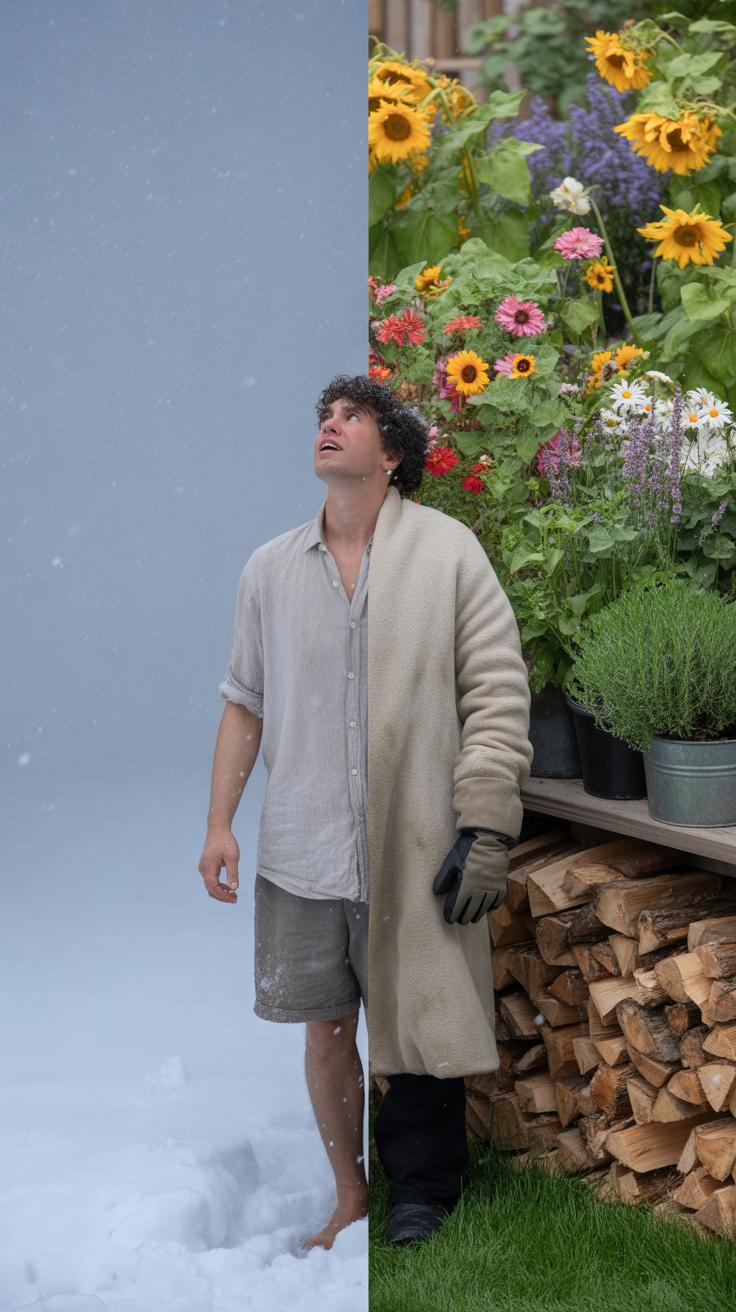
Many courtyard gardens look lovely in spring and summer, but they often feel neglected or even unusable when the seasons shift. It’s funny how easily we overlook that our outdoor spaces face real challenges—cold winds, scorching heat, or persistent rain can turn what once felt like an extension of the home into something a bit sad and impractical. You might have chosen plants that flourish in May but struggle through the frost or scorched sun by September. Or perhaps you didn’t think much about how biting winter winds funnel through narrow courtyards, making the space nearly unbearable for anyone.
This seasonal flip can waste not only space but money, as plants die or require constant replacement, and furniture sits unused. So, what can you actually do? You don’t have to overhaul everything, but some thoughtful steps make a big difference. For instance, adding a simple pergola or retractable awning can provide shade on hot days and shelter during rain. Picking hardy, season-appropriate plants—evergreens mixed with flowering species that bloom at different times—keeps the courtyard alive even in the grimmest months. And flexible furniture, like stackable chairs or foldable tables, allows you to rearrange or store pieces depending on the weather.
Have you noticed how some courtyards buzz with life year-round, while others practically hibernate? Sometimes the difference is just a bit of planning and flexibility. It’s tricky, I know, but thinking through these seasonal shifts early on saves frustration and keeps your courtyard an inviting place no matter what the calendar says.
Conclusions
Careful planning is key to a successful courtyard garden. Avoiding design mistakes helps make the most of your space and budget. Focus on functionality and choose elements that fit your lifestyle.
Avoid clutter and costly features that do not improve your garden’s usability. With the right approach, your courtyard garden will be both attractive and practical for years to come.