

Introduction
Creating a wall gallery can change the way your home feels and looks. It lets you show your personality and decorate your walls with things you love. When you build a wall gallery, you turn blank spaces into places full of interest and stories. This guide helps you find wall gallery ideas that elevate your home in simple and practical ways.
You will learn how to select a spot, pick out art, and arrange your gallery to make your room more inviting. These ideas will help you create a wall gallery that fits your style and adds charm to any room.
Finding the Perfect Wall Space in Your Home
When scouting for the best wall to create your gallery, size and lighting immediately come to mind. Large walls tend to work best because they give you room to play with arrangement—more freedom to experiment with spacing, grouping, or adding oddly shaped pieces without it feeling cramped. But don’t just think about width; height matters too. A tall wall can let you layer artworks vertically, which can be quite striking.
Light plays a tricky role. Natural light is usually preferred because it brings out colors and details. Yet, direct sunlight can sometimes be harsh, fading delicate prints or photographs over time. Soft, diffused light near a window often hits the sweet spot. If natural light isn’t an option, consider how your indoor lighting can spotlight the gallery. You might find a better wall near a floor lamp or ceiling fixture than you first imagined.
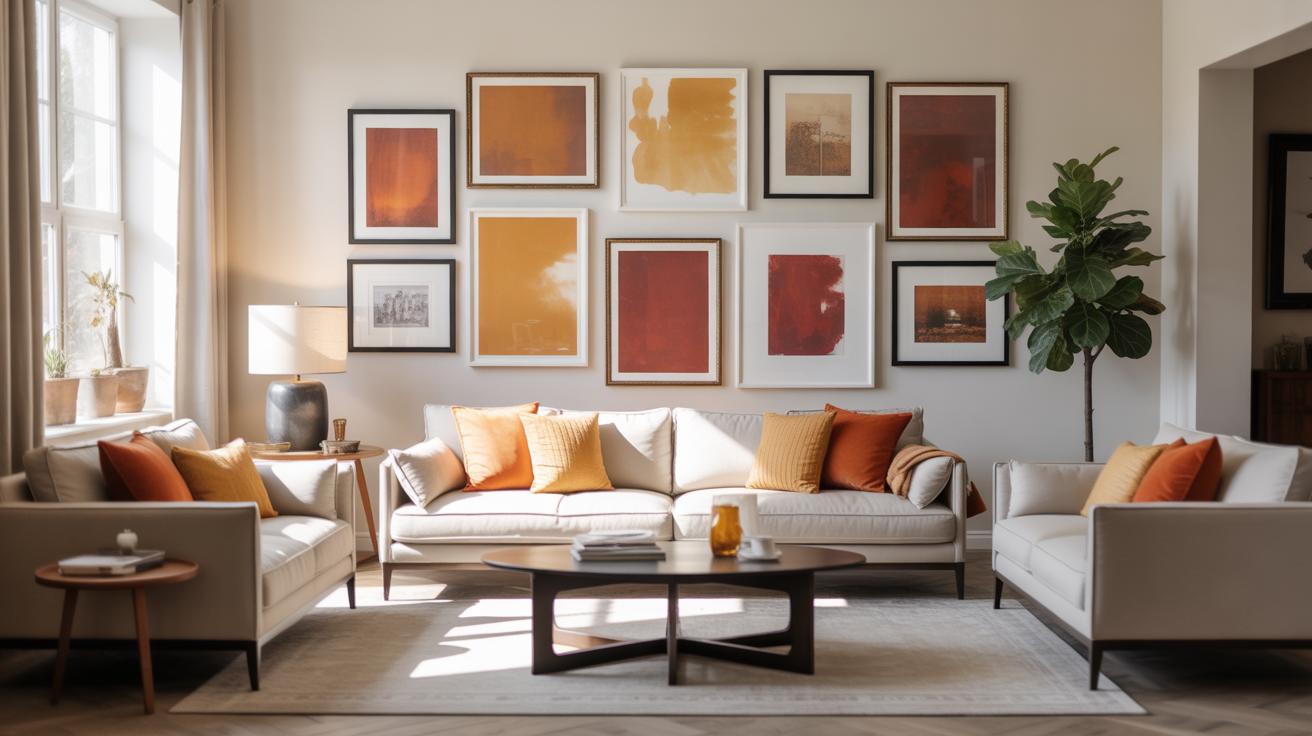
Think about who actually sees the wall. Walls in living rooms or dining areas get a lot of attention—families gather there, friends come by, and that visibility gives your collection more chances to be appreciated. In contrast, halls and stairways offer narrow spaces but can still be perfect for linear, smaller-scale galleries that catch people’s eye as they move through the house.
Bedrooms, on the other hand, are more personal. Here, the wall gallery is for you more than anyone else, so choosing a spot that feels right to your daily routines—above the bed, or by a reading nook—makes sense. Maybe not the biggest wall, but a cozy one.
Ultimately, the right wall is where you want to pause, maybe even linger a little. Which walls in your home make you stop and look? Those are likely the ones worth considering for your gallery.
Selecting Artworks for Your Wall Gallery
Choosing art for your gallery isn’t just about filling space. It’s more like curating pieces that reflect who you are—your tastes, memories, and maybe even your quirks. You don’t have to stick to one type of art either. Mixing photos with paintings or prints often adds layers of interest and keeps things from feeling too predictable.
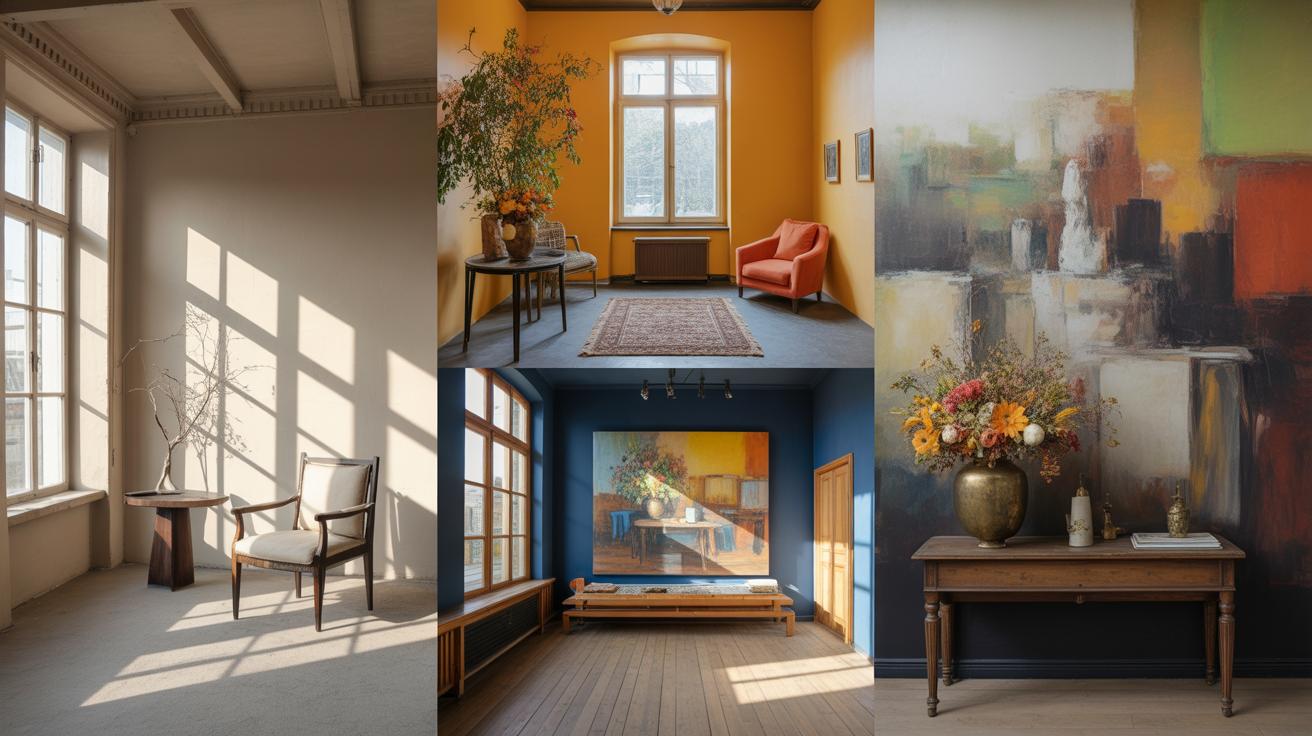
Think about how these different forms play off one another. A bold painting might be softened by a few candid photographs or graphic prints. That contrast does something special—it makes the gallery feel lively, personal, even spontaneous.
At the same time, be mindful of harmony. It doesn’t mean everything has to perfectly match or look uniform. But there should be something tying the collection together. Maybe it’s a color, a theme, or simply a feeling the artworks evoke. The pieces should speak to you—whether they remind you of a trip, a loved one, or a moment that mattered.
Ask yourself: What story do these artworks tell? Do they showcase what you care about or who you want your home to feel like? That question alone can guide you through choices. After all, art is more meaningful when it’s not just decoration but part of your story.
Choosing Frames to Match Your Style
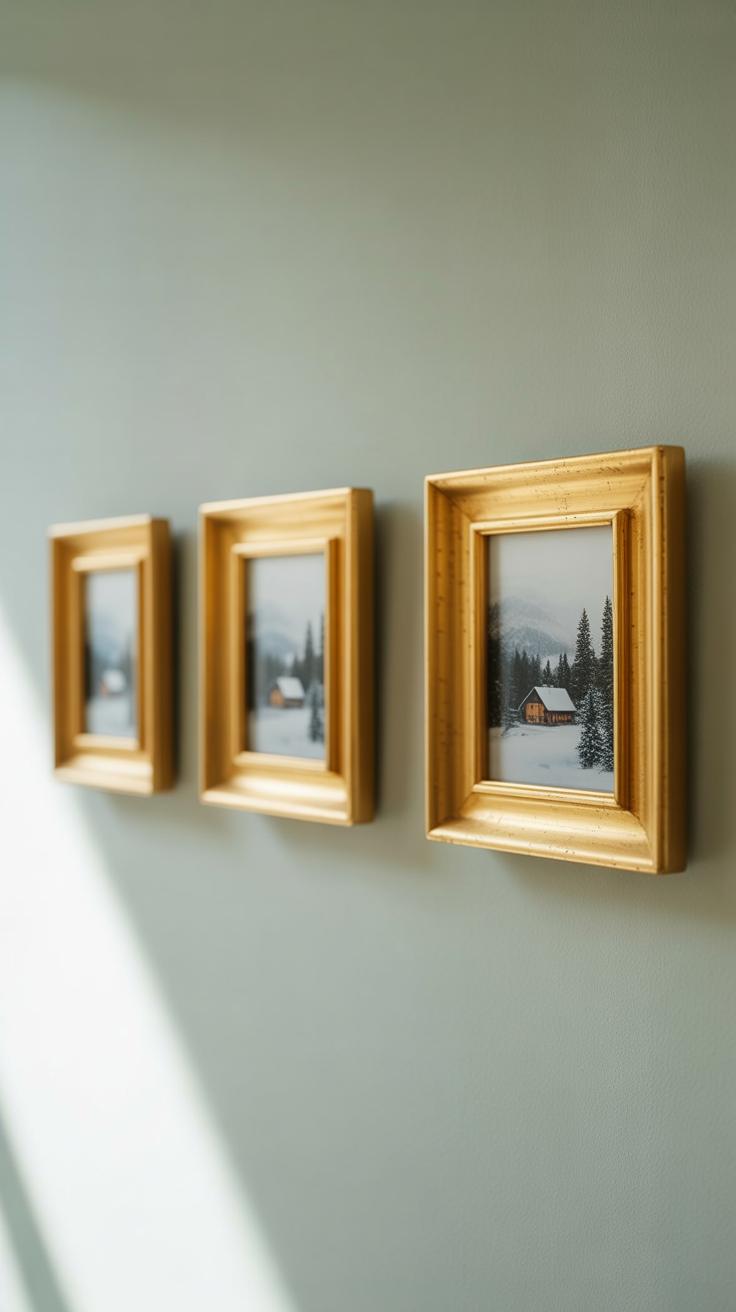
Frames do more than just hold your art—they tie the entire gallery together. They set the tone, creating cohesion or contrast depending on your choice. When picking frame colors and styles, think about the room’s style and the art itself. For example, sleek black frames often suit modern spaces and bold artwork, while wooden frames can warm up a traditional or rustic room.
Your decision between matching frames or mixing styles influences the overall feel. Matching frames often give a tidy, uniform appearance. They make the gallery feel like one deliberate piece rather than a collection of separate artworks. This works well for smaller spaces or when you want the art to shine without distraction.
On the other hand, mixing frames offers a chance to express personality. Different textures or colors can add dimension and playfulness. Think about a few vintage frames nestled next to minimalist ones—the contrast can highlight individual pieces and keep things lively. Sometimes, mixing frames works better when your art varies in style or subject—something worth trying if you want your walls to feel more eclectic, even a bit unpredictable.
So when should you stick to matching frames? Probably if you’re after simplicity or if the wall itself is busy with color or pattern. And mix frames if the space is neutral, or if your artworks differ widely in style or size. There’s no perfect rule here—rather, it’s about what feels right for your space and what your eyes are drawn to.
Planning Your Wall Gallery Layout

Before you hammer a single nail, spend time really planning your wall gallery. Start by measuring the wall space carefully—width, height, even noting any outlets or switches that might interrupt your design. Getting the dimensions right feels a bit tedious but it saves headaches later on.
Next, try arranging your frames on the floor. This simple step often reveals what works and what doesn’t in ways you might miss just picturing it in your head. Move pieces around until the grouping feels balanced or interesting—the floor gives you freedom to play without commitment.
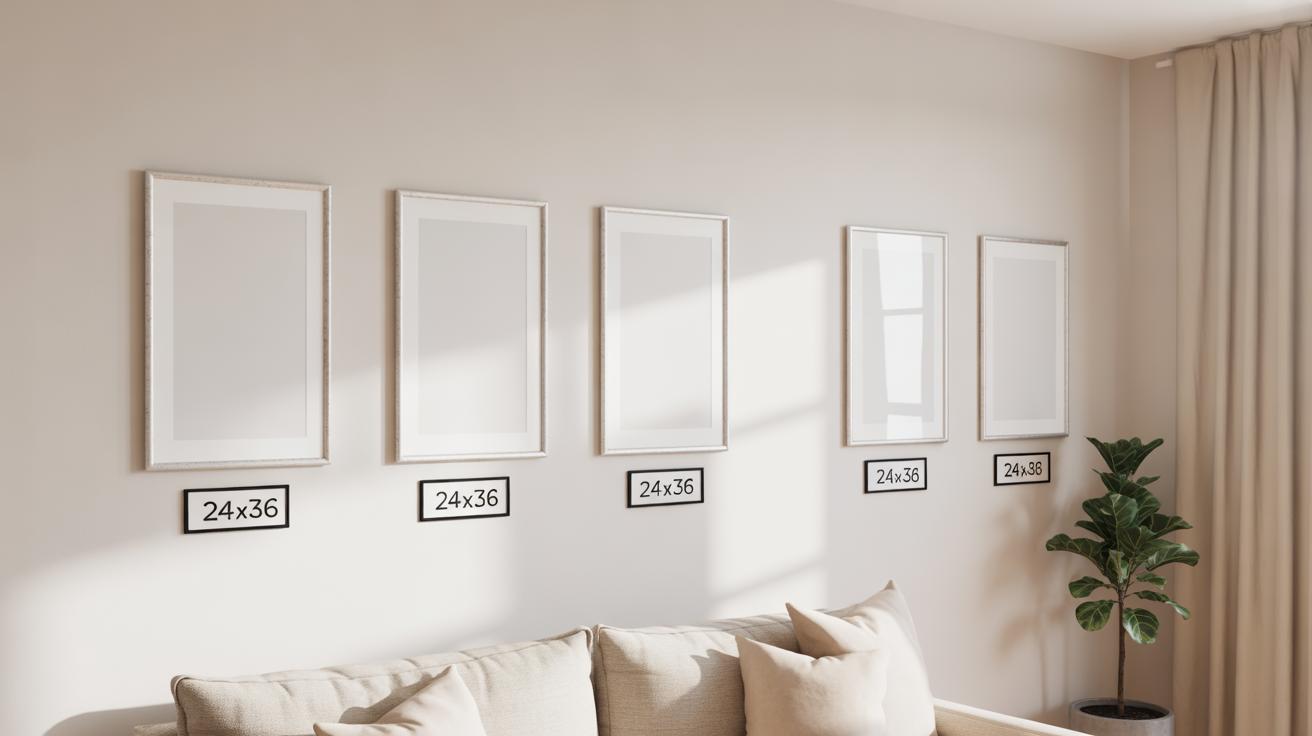
Think about different layout styles here. A grid offers neat, predictable order and suits minimalist or modern art. Alternatively, the salon style mixes sizes and shapes, hanging close together for a cozy, collected vibe. Linear arrangements place frames in a single row or a carefully staggered line, great to follow architectural elements.
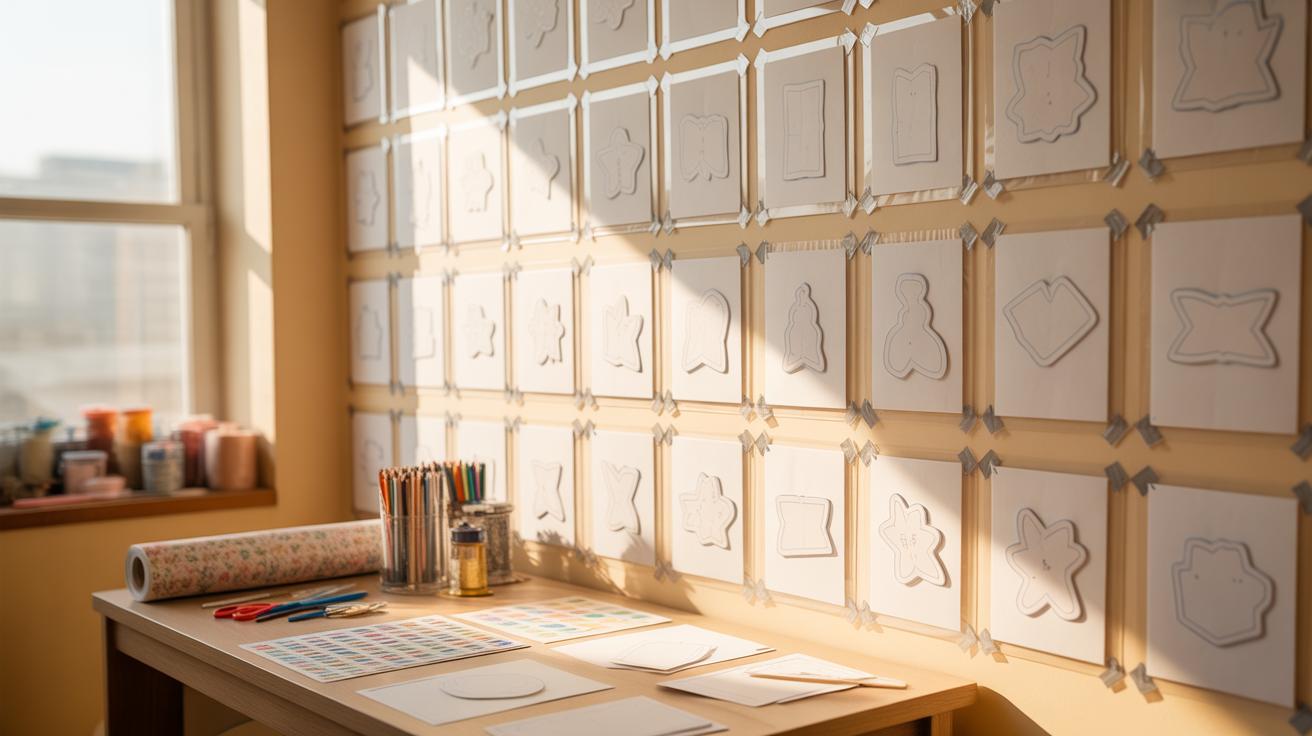
Once you find a pattern you like, sketch a quick version on paper. This doesn’t have to be precise, just enough to visualize spacing and placement. You could note frame sizes and distances roughly, or even cut out paper shapes to tape on the wall. It helps you anticipate the look before putting holes in the wall.
Planning like this makes the actual hanging less stressful and the end result more satisfying. What style feels right to you? And will you stick to straight lines or let things overlap and wander a bit? Sometimes, leaving a bit of uncertainty in the design lets the personality of your home show through.
Techniques for Hanging Your Gallery Perfectly

Getting your wall gallery hung just right can feel like a small challenge. You want it straight, balanced, and at the right height, but it’s easy to second-guess yourself or end up with uneven spacing. The key is careful marking and measuring before making any holes.
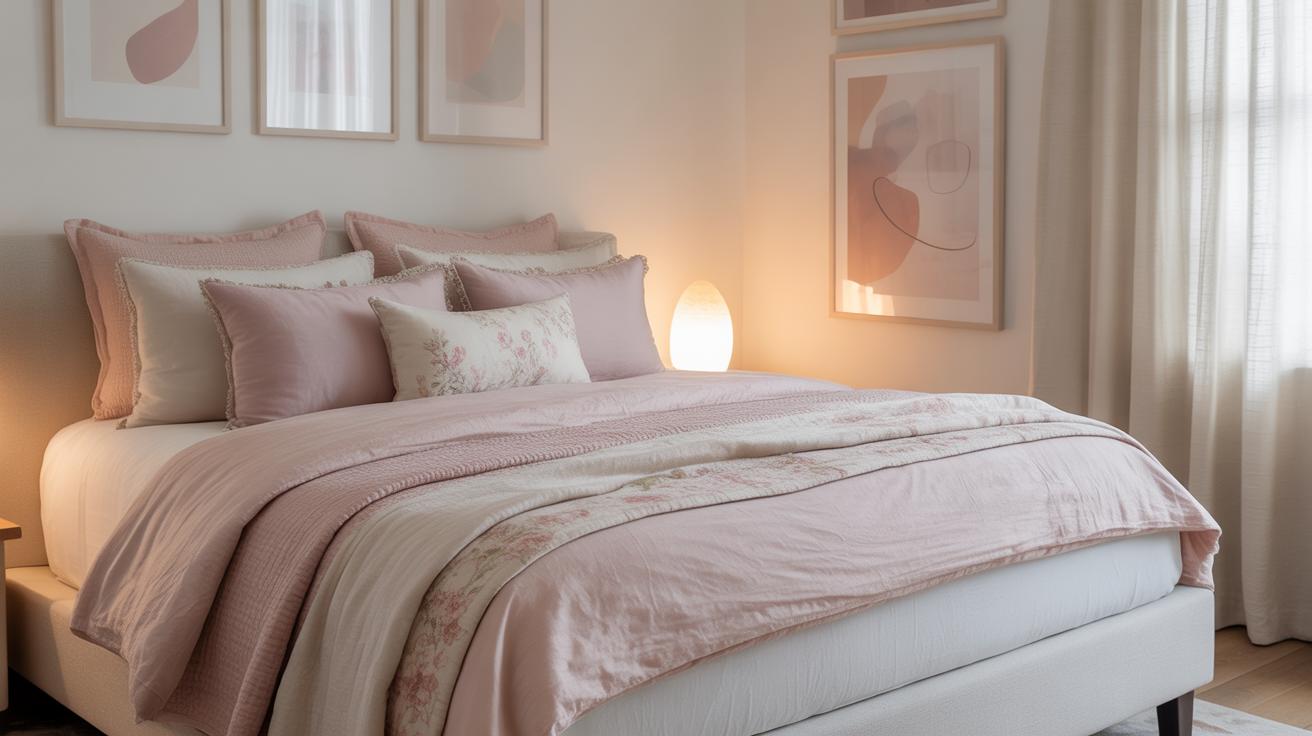
Start by measuring the wall and deciding where each piece will go. Mark the spots lightly with a pencil—these marks are your guides, so don’t skip this step. Using a level tool is almost essential. I’ve found that even when I think something looks straight, the level often tells a different story. Keep checking as you go to avoid shifting.
As for height, the general advice is to hang art so that its center is at eye level—around 57 to 60 inches from the floor. But if your ceiling is low or the gallery is over furniture, slight tweaks might work better. What’s comfortable for your space counts more than strict rules.
When it comes to tools, nails and hooks remain winners for heavier frames. Small picture hooks can hold surprisingly well and cause less damage than big nails. For lighter pieces or renters, adhesive strips work, but they’re less reliable for long-term displays or uneven surfaces.
Try these few pointers:
- Measure and mark the exact hanging points before starting.
- Use a level to check each mark to keep art aligned.
- Pick nails or hooks for heavier or framed work; adhesive strips for lightweight items.
- Consider furniture height or room size when deciding your hanging height.
Have you ever hung something thinking it looked straight, only to realize it was slightly off? Using these techniques might save you from that small frustration. Taking your time with this step really shows in the finished look.
Creating Themes for a Cohesive Wall Gallery
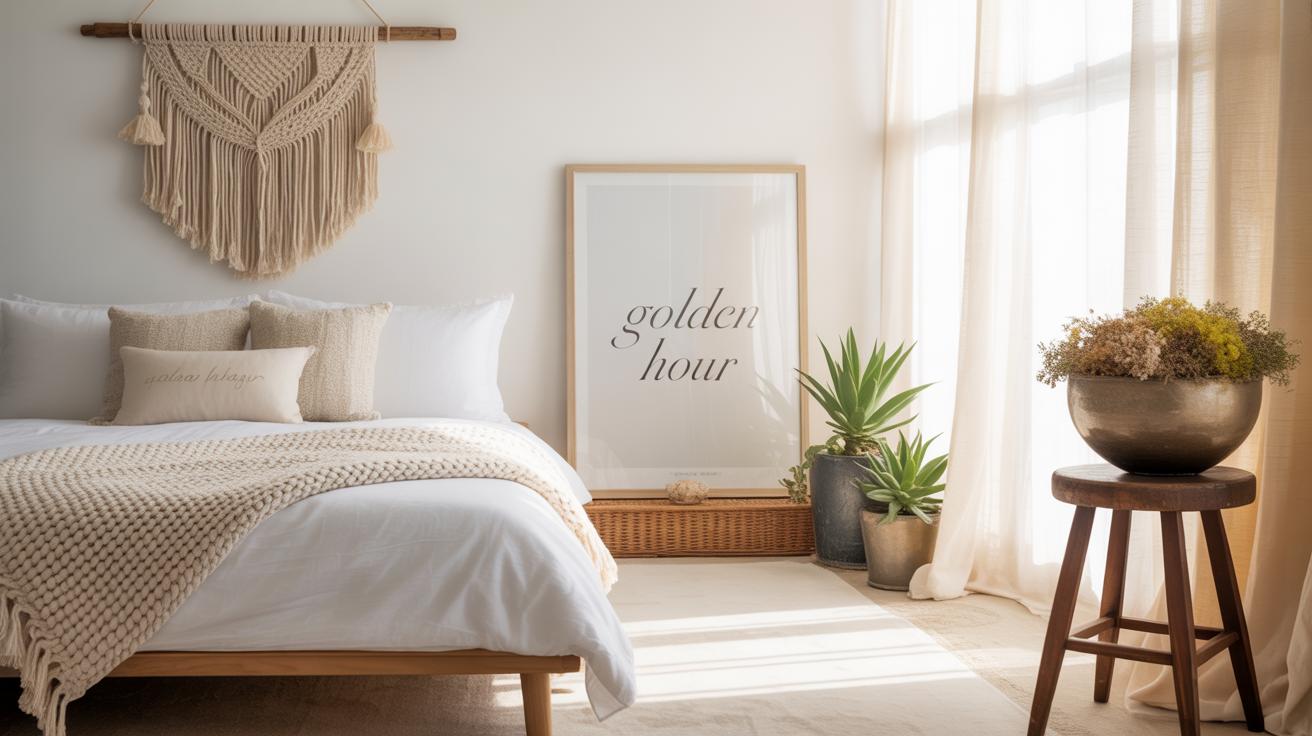

Choosing a clear theme can bring a surprising sense of order to a wall gallery. Without some guiding idea, collections of photos or art can feel like a jumbled mix, as if the pieces don’t belong together. But when you pick a theme—say, travel photos documenting your trips, nature-inspired artwork, or a series of black-and-white prints—the whole arrangement suddenly feels intentional. You get a story unfolding on your wall rather than just random images.
Picking a theme helps you stay focused when selecting artwork and deciding where to place each piece. For example:
- Travel snapshots evoke memories and add a personal touch.
- Nature art can bring a calming, organic feel to a room.
- Black-and-white prints offer a timeless, minimalist vibe.
Beyond subject matter, repeating colors or styles reinforces the connection between pieces. Maybe you stick with cool blues or choose frames of the same material. These small details make a gallery feel more unified and deliberate, not haphazard. It’s easy to overlook how much a consistent palette or similar art style helps the eye travel across the wall without distraction.
That said, themes don’t have to be rigid. You might start with one idea and then let it evolve, mixing in unexpected pieces that still somehow fit. The point is, a theme acts like an anchor, pulling all your selections together into one connected display. So, when you look at your gallery, instead of feeling scattered, it feels complete—even if it’s a bit rough around the edges.
Using Color to Make Your Gallery Pop
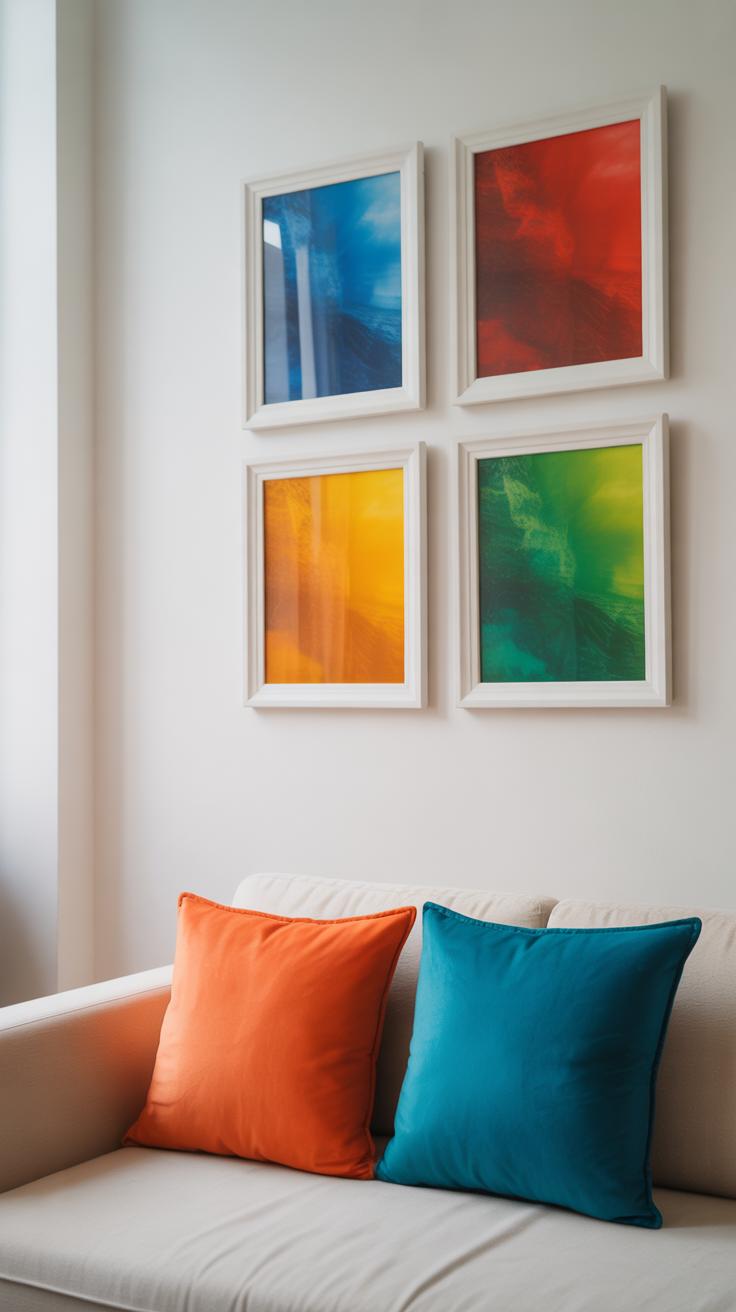
Color can change everything about a wall gallery. Not just the artwork itself, but also the frames and even the wall behind it all. When you mix bright and softer colors, your gallery avoids feeling flat or chaotic. Bright hues grab attention and add energy, while gentler tones bring calm and balance. The trick is not to let either dominate completely—too many vivid colors can tire the eyes; too many pastels might make the space feel bland.
Try pairing a bold piece with a few subtle ones nearby, or use frames of varying shades to create contrast without clutter. Sometimes I’ve found that a single bright frame against a cluster of neutral tones makes a small gallery feel more dynamic.
Choosing the right wall color really shapes how your art presents itself. A warm cream or soft grey often acts like a quiet stage, letting colors in the art stand out naturally. Darker walls, like deep navy or charcoal, can make vibrant artwork pop dramatically but might overshadow lighter pieces. If you want your gallery to leap off the wall, consider an accent wall in a muted but rich shade, rather than a sharp or overly bright tone.
Think about the mood you want. Should your gallery catch the eye instantly? Or invite a slow, peaceful look? That decision influences how you balance bright and soft colors in both the frames and background.
Adding Personal Touches to Your Gallery
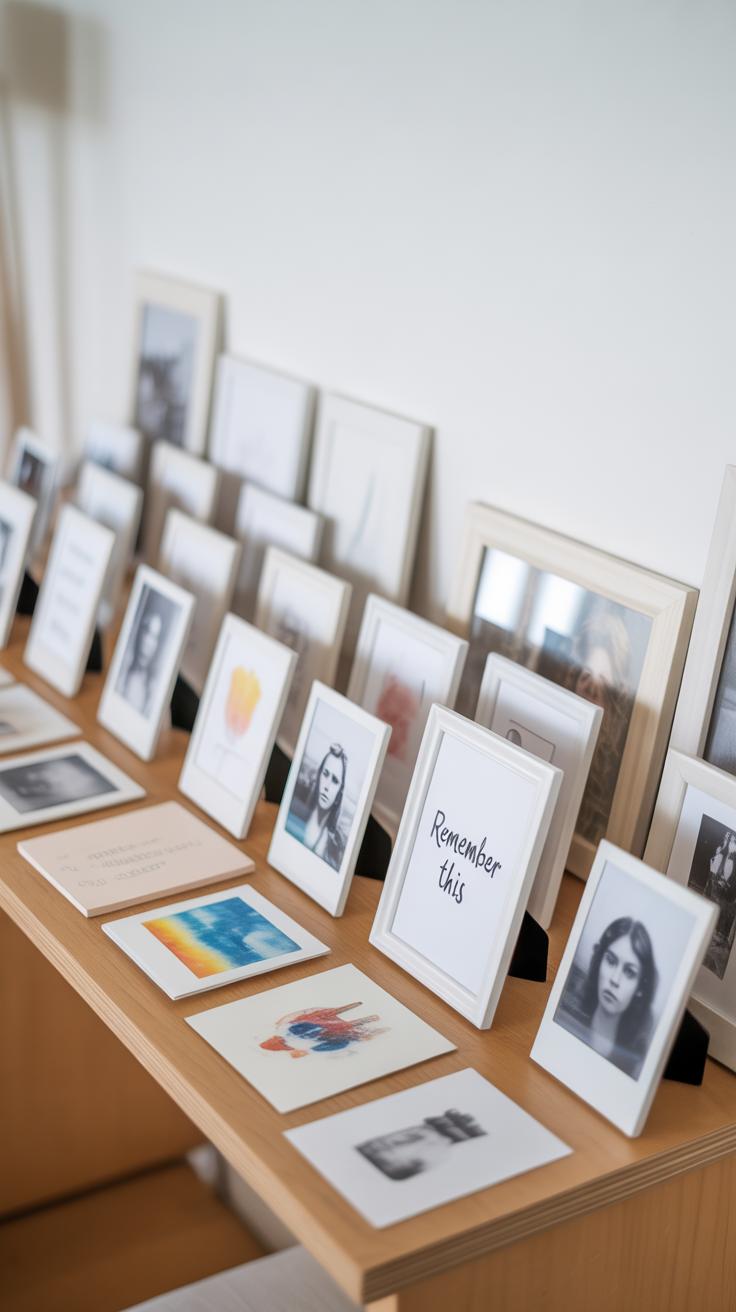
When you think about your wall gallery, it’s more than just art. It’s a space where your story lives. Including personal items—like souvenirs from travels, handmade art, or favorite quotes—can give your gallery depth that’s hard to find in a typical display.
Try mixing in photos or objects that carry memories, things that make you smile or pause. Maybe a seashell from a family beach trip, or a ticket stub from a concert that meant something. These small details spark conversations and invite others into your world.
Don’t shy away from incorporating your own creations. Crafts or DIY pieces bring an undeniable personality to the wall. They show you didn’t just buy the art; you put a piece of yourself into it. That handmade card from a loved one or a simple drawing can surprise and captivate just as much as a painting. It’s like saying, “This is mine, and here’s a little of me.”
Ask yourself what items tell your story best. What do you want guests to feel? A sense of welcome? Curiosity? Maybe both. The more you mix in these personal touches, the more authentic and inviting your wall gallery becomes—which, honestly, is what it’s all about.
Keeping Your Wall Gallery Fresh and Updated

It’s easy to fall into the habit of leaving a wall gallery just as it is once it’s set up, but refreshing it now and then can surprise you. Swapping out a few pieces every few months gives your space a new energy without needing a complete redo. You might find that a painting you once loved feels different—or that a small sketch grabs your attention anew when placed somewhere else.
Try these ideas to keep things lively:
- Rotate artwork seasonally, like bringing in brighter prints in spring or cozier tones for winter.
- Add new finds over time—a souvenir from a recent trip or a small DIY project—to keep the story evolving.
- Rearrange the frames instead of buying new ones; shifting a piece even slightly can change the gallery’s whole vibe.
Honestly, sometimes I get stuck deciding if I should buy new art or just move what’s there. Rearranging can be surprisingly effective, and often cheaper. Don’t be afraid to experiment—maybe try hanging a favorite piece in a totally different spot and see how it feels. You might realize that change isn’t just about adding but also about seeing what you already have differently.
Incorporating Wall Gallery Ideas to Match Your Home Style
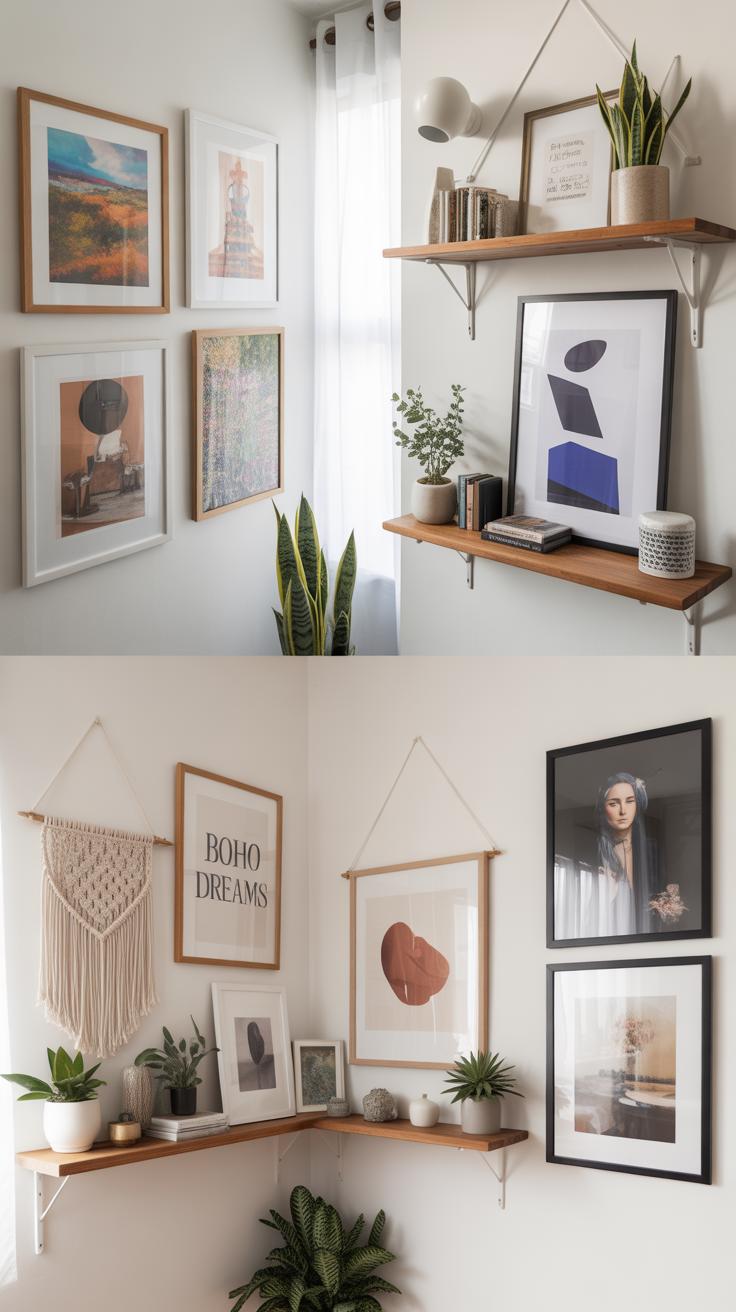
When thinking about your wall gallery, try to keep it in tune with the style of your home. For instance, a modern space usually benefits from clean lines and abstract art, while rustic homes often call for nature-inspired pieces or vintage prints. Minimalist interiors might need just a few carefully chosen images, spaced out to avoid clutter. But yeah, it’s not always black and white—you might find a rustic frame works surprisingly well with more modern art if balanced right.
Choosing art is more than picking what you like; it’s about creating a vibe that echoes the rest of your decor. If your home is sleek and contemporary, maybe steer clear of overly ornate or busy prints. Instead, try geometric shapes, monochrome photography, or even black-and-white sketches. On the flip side, if your place feels cozy and worn-in, botanical prints, warm landscapes, or aged maps might feel just right.
As for frames, match them to your furniture tones and materials. Dark wood frames pair nicely with matching wood furniture or leather pieces, adding a grounded feel. Metal frames—especially in black, brass, or silver—fit well with modern or industrial furniture. Lighter woods and simple white frames suit Scandinavian or minimalist looks. Oddly enough, mixing frame finishes can sometimes add personality, as long as you don’t go overboard and create visual chaos.
Think about your space as a whole. Do the frames and art feel like they belong, or do they stick out? It’s tempting to use your gallery wall to introduce contrasting styles, but sometimes that distracts rather than complements. So, consider your furniture, colors, and lighting—sometimes a slight tweak in frame style or art choice can make your whole space feel more connected, or at least… less awkward.
Conclusions
Wall galleries allow you to personalize your home and bring warmth to your rooms. By choosing the right wall, mixing different artworks, and arranging them thoughtfully, you build a space that reflects who you are and what you enjoy. Remember, your gallery can grow and change with you, keeping your home lively and interesting.
Take your time to find pieces that matter to you and arrange them in a way that feels right. Start small and add to your gallery as you find new inspirations. Your wall gallery will become a meaningful part of your home. Keep exploring and creating to make your walls speak your story.