

Introduction
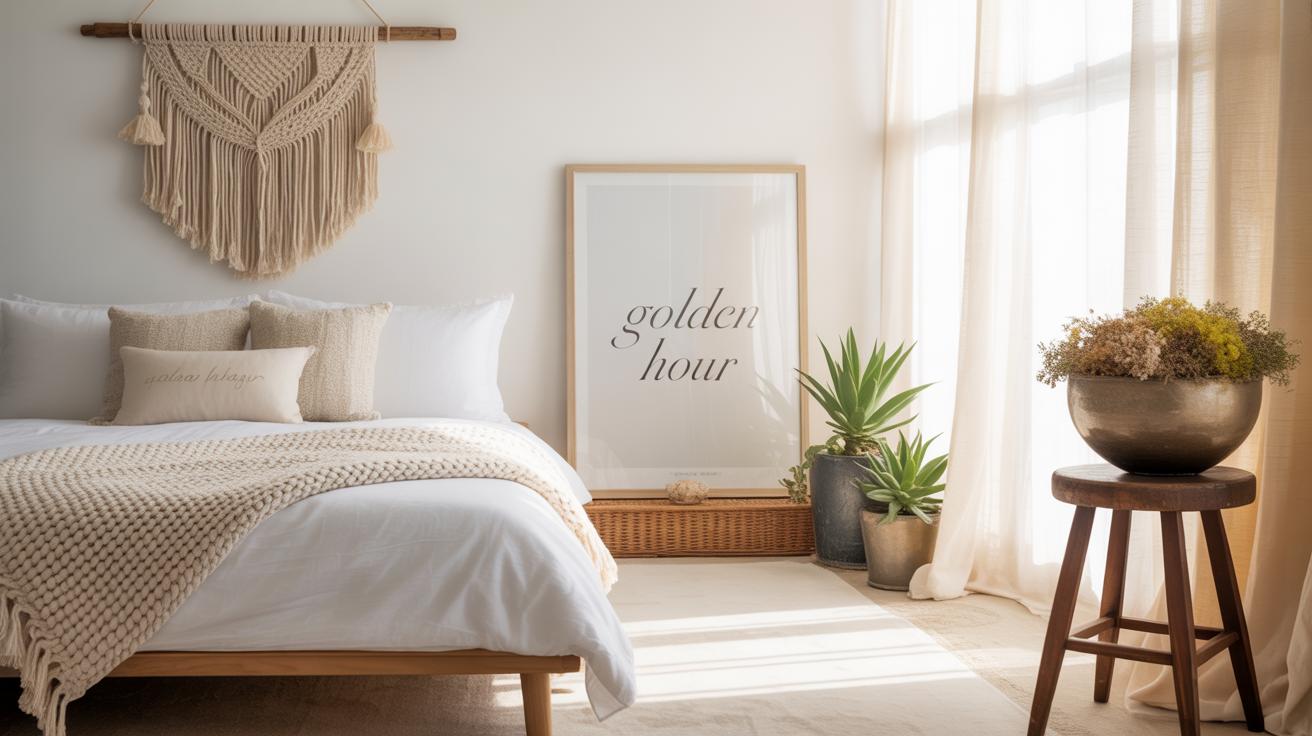
Bedroom gallery walls offer a way to express your style and personality. They transform plain bedroom walls into captivating showcases of art, photographs, and memories. Whether your taste is modern, classic, quirky, or minimalist, the right gallery wall can enhance your bedroom’s atmosphere and make your space truly yours.
This article explores Bedroom Gallery Wall Ideas For Every Style. We walk you through every step from selecting artworks and frames, to arranging and installing your gallery. These practical tips help you create a bedroom gallery wall that fits your style and uplifts your personal space.
Understanding The Basics Of Gallery Walls
A gallery wall is basically a collection of various pieces of art and framed items arranged together on a single wall. In bedroom decoration, they’ve become quite popular because they let you mix and match images, photos, and even objects to reflect your personality. It’s not just about hanging pictures; it’s about creating a visual story that feels intimate and unique to your space.
When you group different artworks and frames on one wall, it changes how the bedroom feels. The room gains depth and character. Sometimes, just plain blank walls can feel cold or empty, but a gallery wall breaks that silence. It can bring warmth, invite curiosity, or just make you smile whenever you glance over. The way you arrange those pieces matters—how close they are, their sizes, their themes—all shift the vibe, sometimes subtly, sometimes quite dramatically.
What Makes A Great Gallery Wall
Making a gallery wall work isn’t about piling up pictures randomly. It’s a bit like a balancing act. You want balance, so no part of the wall feels too heavy or cluttered, but also variety—the eye should find something new and different each time. Then there’s cohesion, which means your pieces should share something—a color, a theme, or a frame style—that ties everything together.
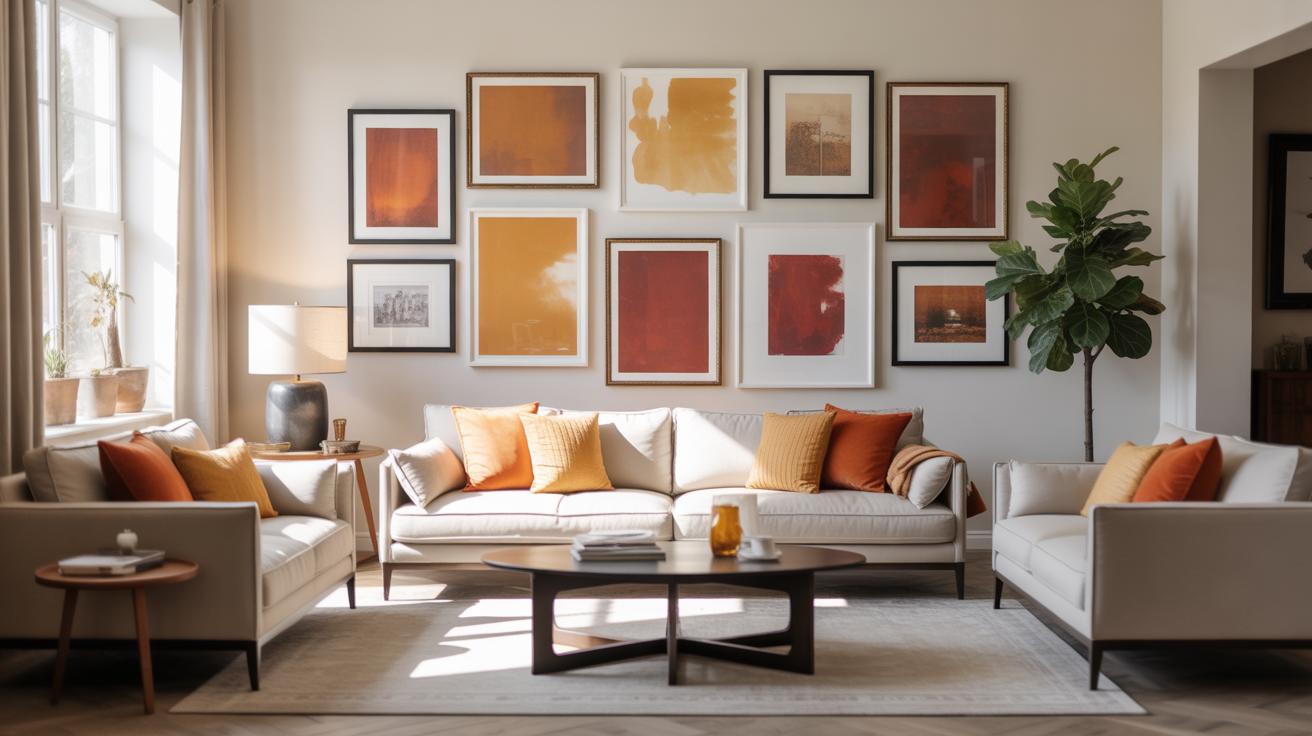
Think of it like a playlist. You don’t want every song to sound the same, but you want them to flow well together. A smart combo of these three—balance, cohesion, variety—makes the wall not just a bunch of frames, but an engaging display. Sometimes odd choices create the most interesting effect, so it’s okay to break a few ‘rules’ if it feels right to you.
Benefits Of Gallery Walls In Bedrooms
Gallery walls do more than fill space. They personalize the bedroom, making it your own little retreat. By surrounding yourself with images or pieces that mean something, your room tells a story only you know. It’s like your space gets an extra layer of personality.
They also add warmth—both visually and atmospherically. Instead of plain walls, these collections create cozy corners and focal points that invite comfort. Plus, for rooms with awkward wall space, gallery walls are a practical way to use what would otherwise be ignored. Empty walls don’t have to be wasted; thoughtfully arranged art makes use of every inch in a meaningful way. It might even inspire you when you wake up or settle down at night.
Choosing The Right Art For Your Bedroom
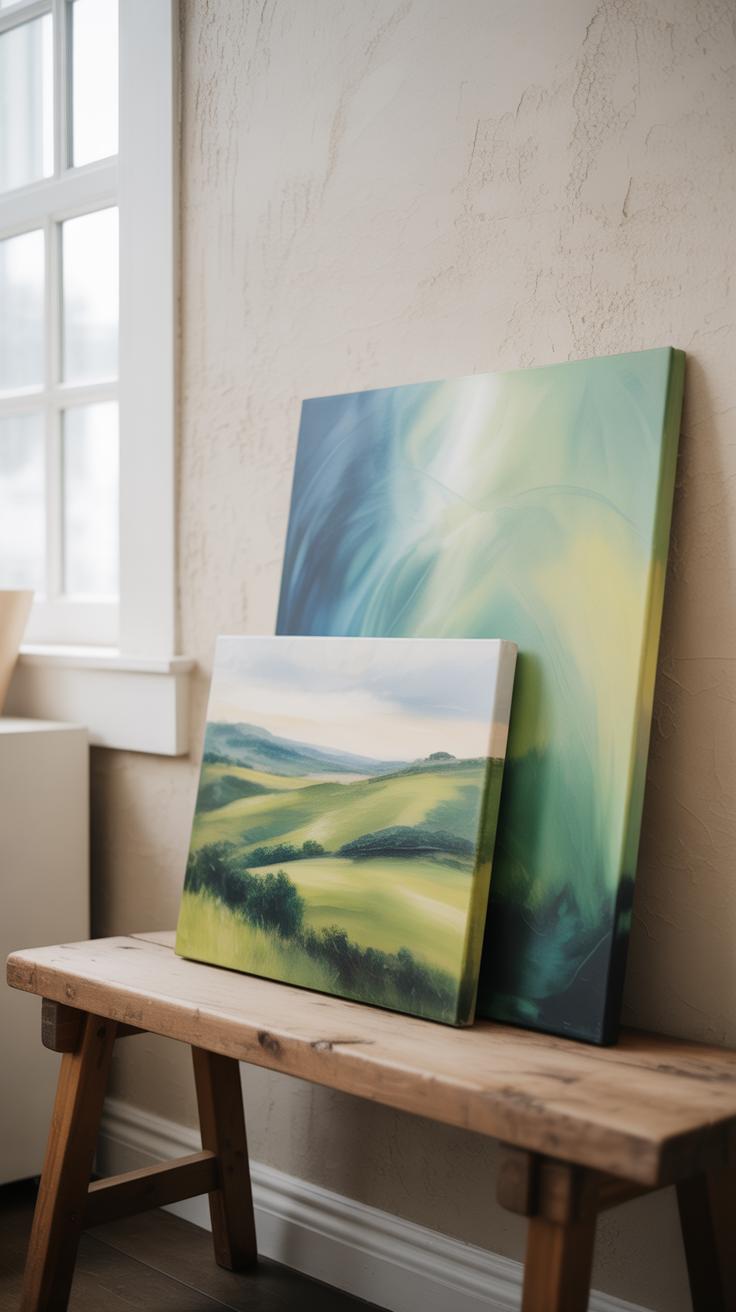
Picking art for your bedroom isn’t just about filling empty space—it’s about creating an environment that feels like you. You might lean toward paintings, photos, prints, or even more unusual pieces like textiles or small sculptures. Each art form brings its own texture and character, and figuring out what fits can be tricky. For instance, a bold abstract painting can spark energy, while soft photographic prints encourage calm. It’s a bit like choosing what mood you want to wake up to every day.
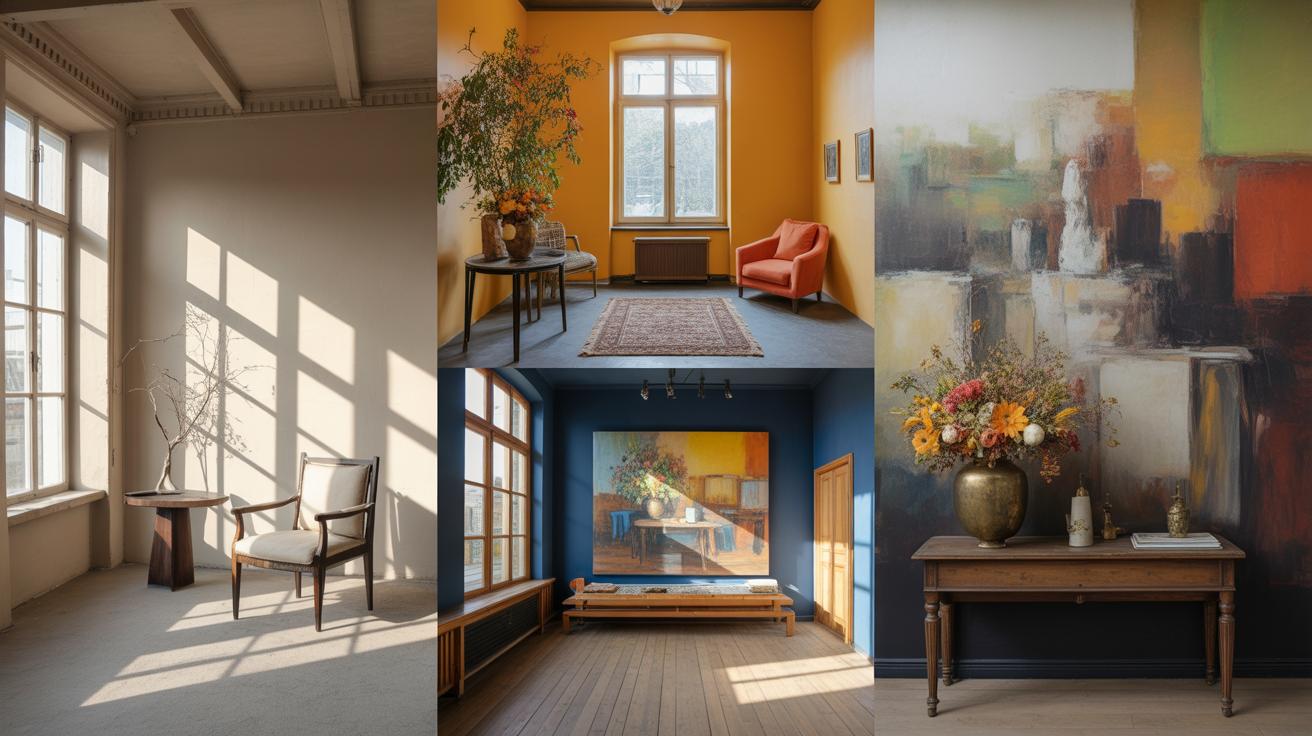
When considering what suits your bedroom setting and style, think beyond just the image. How does the art’s color, size, or material play with your bedding, walls, or lighting? You could mix framed prints with canvas art, or even include a few 3D elements, like a mounted wood piece or metal decor, to add depth and surprise. The key is not to force a theme but to let your personal taste guide the choices—maybe your style is more eclectic or maybe minimal.
Matching Art To Bedroom Mood
Have you thought about the mood you want in your bedroom? That can really shape your art choices. Want calm? Go for cool tones, like blues and greens, landscapes, or abstract soft shapes that don’t demand attention. Feeling more energized in the morning might mean choosing bright, bold pieces or geometric prints. For romance, something with delicate details or warm colors often works. If your bedroom feels modern, minimal art with sharp lines or black-and-white photography might fit perfectly. It’s not always clear-cut though—sometimes I’ve found that a piece I thought was calming actually made the space feel too cold or detached.
Selecting Art Sizes And Types
Mixing sizes creates interest without chaos. Try combining a large focal piece with smaller prints or objects around it. Don’t shy away from variety—different frame styles, textures, and depths stop the wall from feeling flat. A collection might include a heavy framed painting next to a light canvas or even a small shelf with a decorative object to break up the frames. It’s about balance but also about play. You might start with a loose idea and tweak the arrangement over a few days. Personal experience: I once hesitated to add a 3D piece but it turned out to be the conversation starter for the whole room.
Picking Frames That Fit Your Style
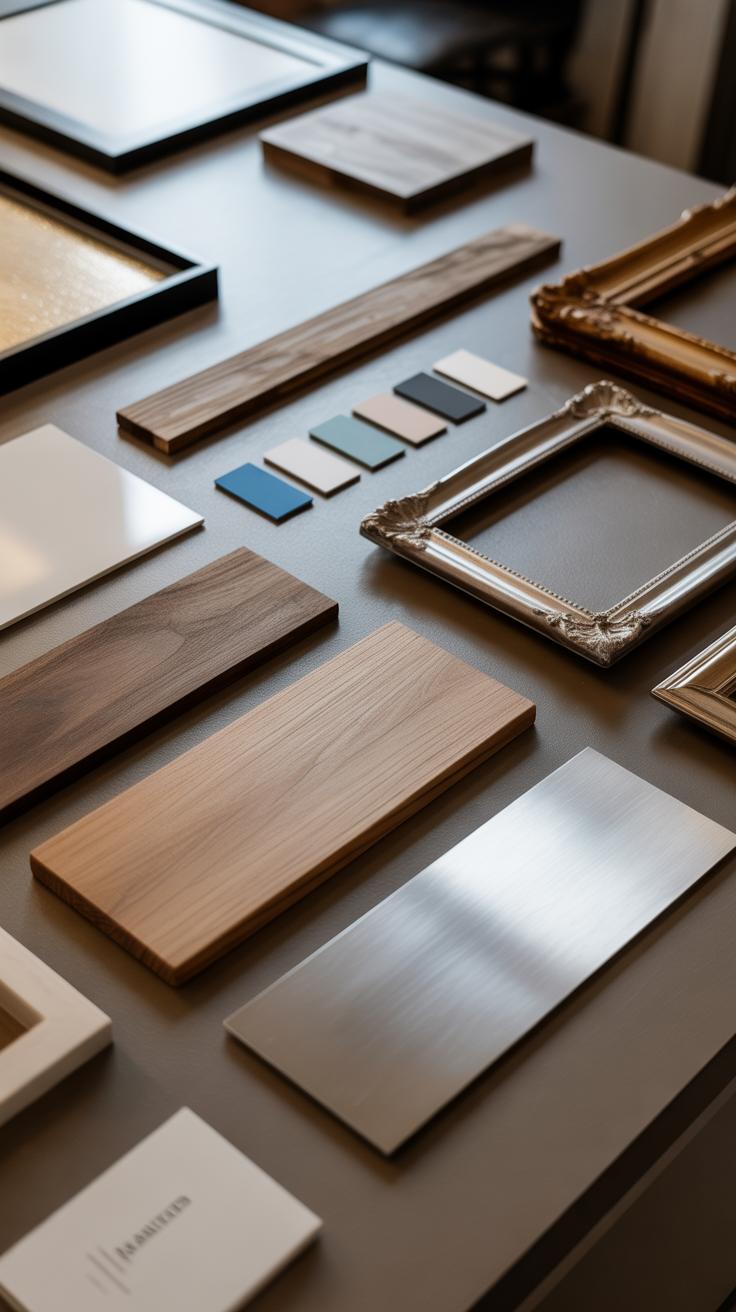
Choosing frames does more than just hold your artwork—it shapes the whole vibe of your gallery wall. Frames can feel like silent partners to the art, sometimes speaking louder than the image itself. The materials you pick—wood, metal, or even acrylic—set different tones. Wood frames can add warmth and a classic feel, especially in traditional or rustic bedrooms. Metal frames might suit more modern or industrial spaces but can come off cold if you’re not careful. Acrylic, being sleek and clear, often works in minimalist or contemporary settings.
Colors matter too. Dark frames tend to anchor a collection, making it feel grounded, while light or white frames can brighten the wall and lend an airy feel. If your bedroom is soft pastel or neutral, white or natural wood frames might blend nicely, whereas bold-colored frames can add unexpected pops if you want to break monotony.
Style defines the story you tell. Ornate, vintage frames might clash in a minimalist room but can breathe life into eclectic or boho spaces. Smooth, clean-lined frames generally feel safe for most decors but might lack personality if overused. The key—perhaps the hardest part—is knowing what balance you want. Do you want the frames to whisper or shout?
Coordinating Frames With Bedroom Decor
Matching your frames to your bedroom isn’t just about color. Consider texture and finish too. If your bedroom furniture is matte and painted, glossy black frames might feel out of place. Instead, try matte finishes or raw wood that echo furniture surfaces for cohesion. Think about how your bedside tables, headboard, or even lamps interact visually with your frames.
Color coordination can be subtle. You don’t need exact matches. For instance, if your bedroom walls are deep blue, frames in lighter warm tones like honey or light oak can offer contrast while still fitting in. Or you might pick frames that pick up secondary accent colors in your bedding or curtains. Sometimes it’s the imperfections—slightly off-matching hues or mixed tones—that make it feel lived-in and authentic.
Your bedroom’s style—whether mid-century, farmhouse, or modern—also guides frame choices. Sleek chrome or black metal frames can belong better in modern spaces, while hand-carved wooden frames might feel more at home in rustic or traditional rooms. Reflect on what you notice in your everyday life in the room; the frames are part of that daily experience.
Mixing And Matching Frame Styles
There’s an appealing freedom in a mix-and-match frame gallery wall. Instead of uniformity, varied styles and colors can create an eclectic, almost curated feel, like a personal collection on display. Mixing thin frames with chunky ones, or vintage with modern, might sound risky but often brings unexpected harmony.
This approach works well if your bedroom itself has diverse elements or if you want your gallery wall to stand out as a statement. For example:
- A gallery wall with black, white, and natural wood frames creates visual rhythm without feeling chaotic.
- Combining frames with different textures—smooth metal, carved wood, and painted finishes—adds depth and personality.
- Using colors from the room, even if they seem unrelated, can surprisingly tie everything together.
Still, too much contrast can feel disjointed, so keep some thread of commonality. Maybe it’s frame width, or a recurring color, or the shape of the art inside. This mix-approach isn’t for everyone but can be really fun, especially if you like your space to feel spontaneous and full of stories.
Planning Your Gallery Wall Layout
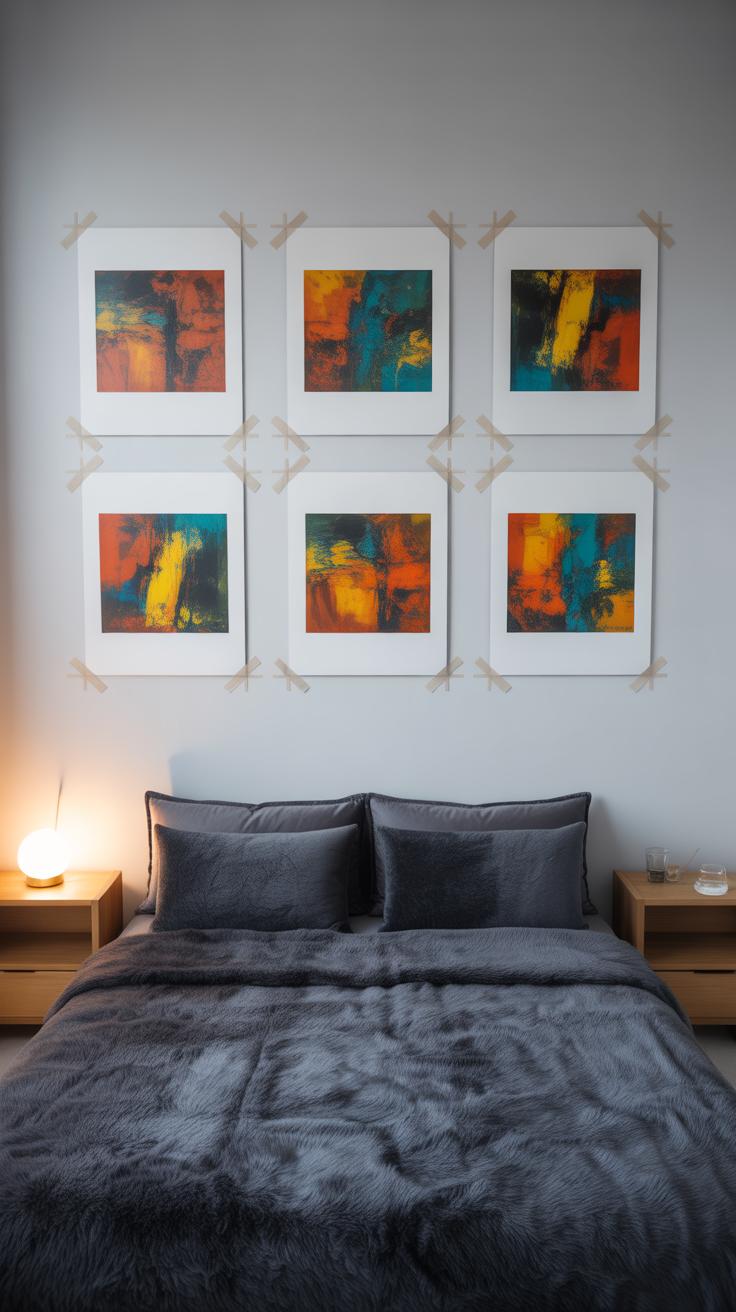
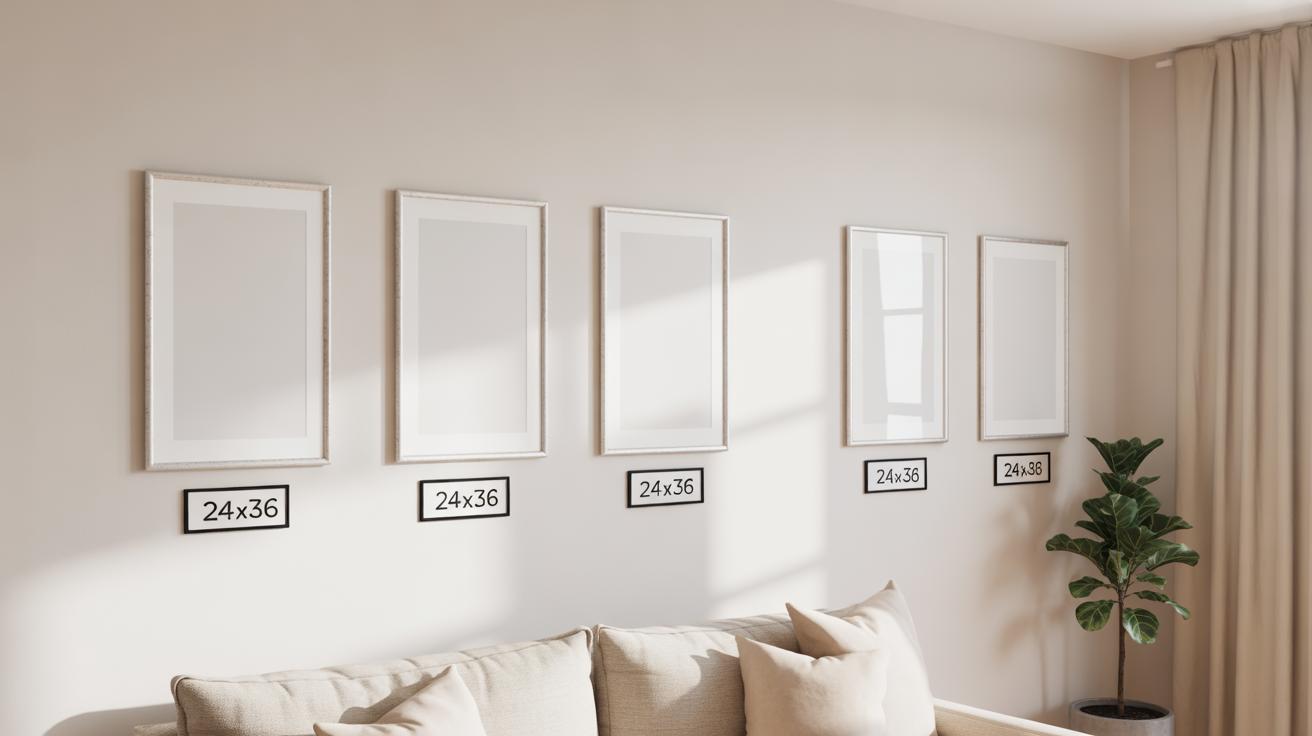
Before you start hammering nails, it helps to step back and map out how your gallery wall will look. Think about spacing—too close, and the wall feels cluttered; too far apart, and it might seem disconnected. A good rule of thumb is to keep about 2 to 4 inches between frames, but trust your eye if a bit more or less feels right. Alignment matters too. You could line everything up along a central axis or let pieces float with playful independence.
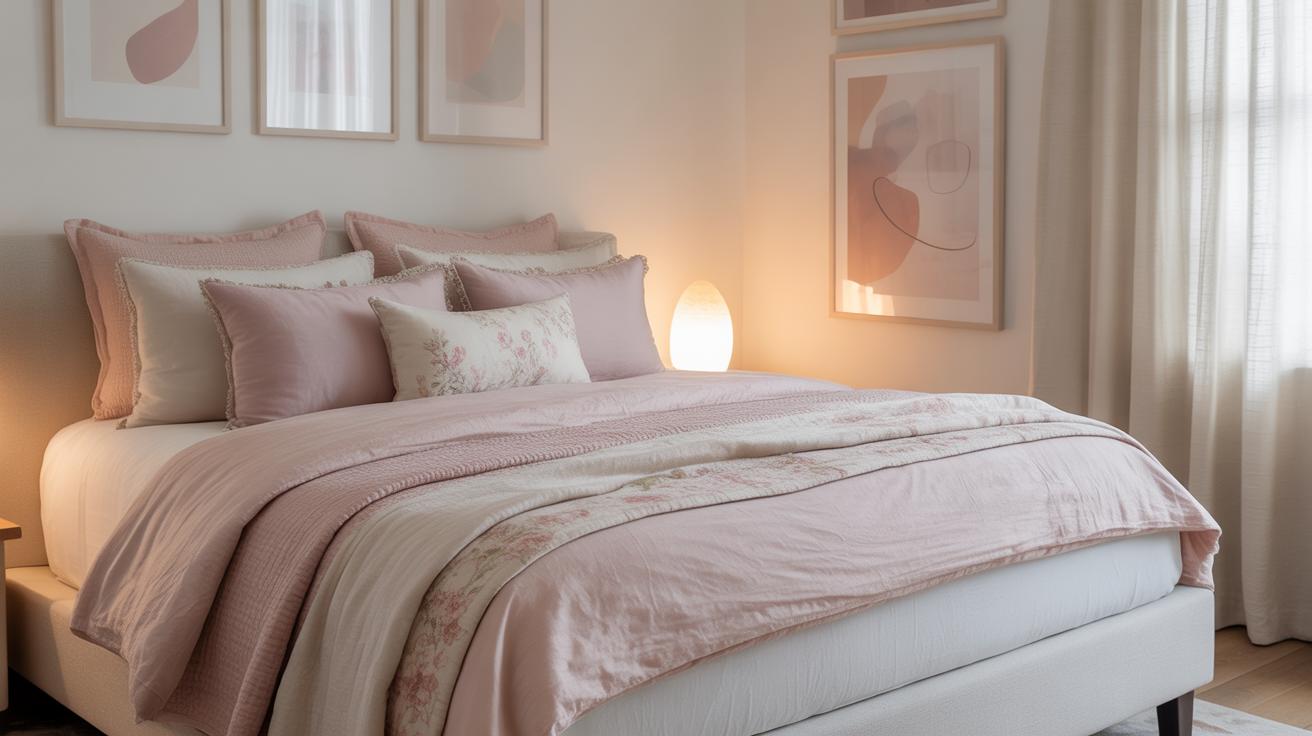
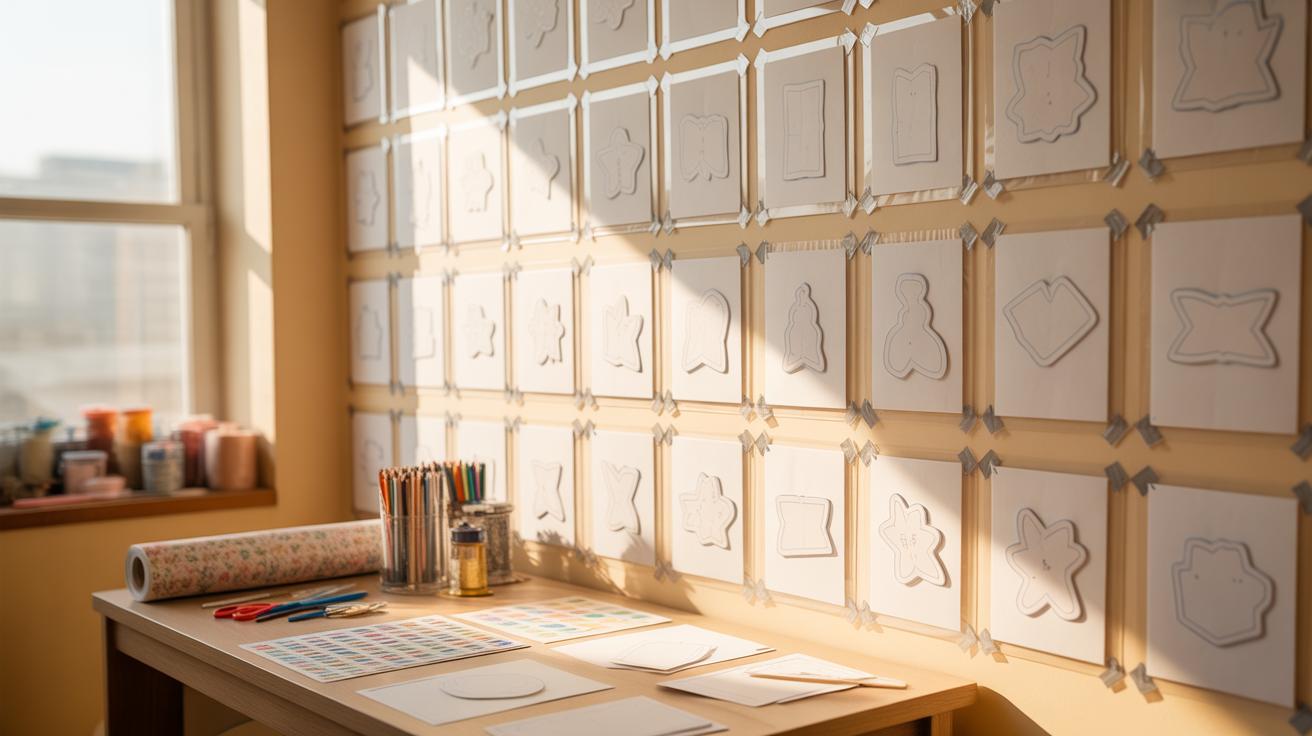
Using templates or paper cutouts is a surprisingly useful trick. Cut shapes from brown paper or newspaper matching each frame’s size. Tape them to the wall where you think the artwork might go. Step back. Change a piece here, nudge that one there. I once spent hours arranging cutouts and found that what looked perfect on the floor didn’t work at eye level. Playing with these templates lets you experiment without making holes.
When you picture the wall, balance might come to mind—centered grids with equal-sized frames in neat rows feel orderly and calm. This approach suits minimalist or modern rooms nicely. But there’s charm in asymmetry, too. Mixing different frame sizes and shapes in a loose cluster can feel lively and personal. The key is to maintain visual weight—you don’t want one side pulling too hard. If you lean casual, try anchoring the group with a larger or darker piece to settle the composition.
Which works better for you? Maybe the room’s style, or your personality, will guide your choice. Or perhaps you’ll mix both, creating tension and harmony all at once. There’s no one right way here. The wall is your space, after all.
Tips For Hanging Your Gallery Wall

Getting your gallery wall up can feel a bit daunting, especially if you’re dealing with different wall types or an oddly shaped frame. But really, it boils down to preparation and using the right tools. To start, gather a few essentials: a tape measure, a pencil, a level, and a hammer or drill. You might also want some picture-hanging hooks, anchors, or screws—depending on your wall. These aren’t fancy items, but they make all the difference between a crooked mess and a neatly arranged wall.
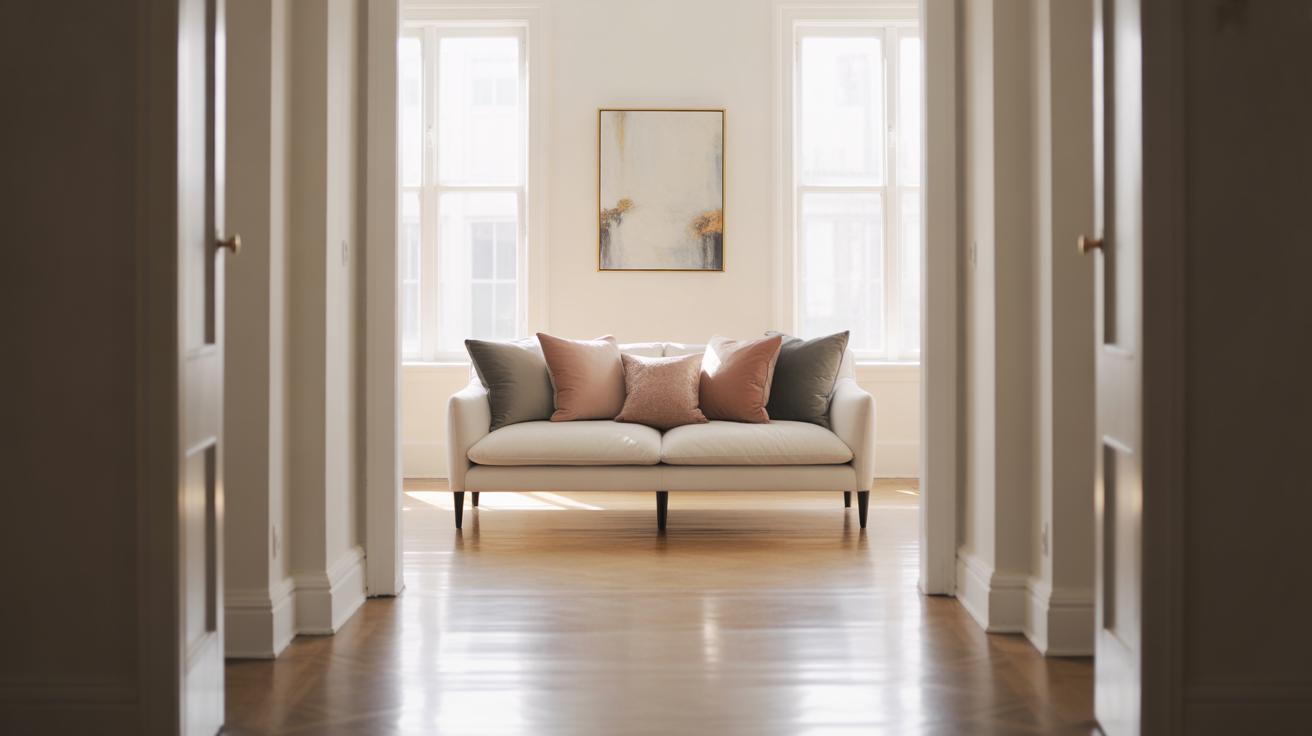
Remember, walls aren’t all the same. Drywall works well with standard hooks or nails, but if you have plaster, it’s a bit more delicate. Here, you might want to consider anchors that spread the weight gently. Brick or concrete calls for heavier-duty anchors and a drill with a masonry bit. It’s tempting to just hammer away, but that could lead to cracks or loose frames later.
Step By Step Hanging Instructions
Measure twice, mark once is the motto here. Begin by deciding the eye level for your main pieces—usually around 57 to 60 inches from the floor. Mark the top center of where each piece will go, then measure the hanging hardware on the back of your frames. This tells you where to place your nail or hook relative to your mark.
Next, use a level to ensure your markings are straight. It’s easy to guess, but walls can deceive. When you’re confident in your spots, hammer in hooks or screws, depending on what your wall needs. Hang the frame and step back to examine from a distance. If it’s off, adjust slightly—sometimes millimeters matter more than we think.
Choosing The Right Hardware
Picking the right hooks or anchors might feel like guesswork, but it relates directly to wall materials and frame weight. Lightweight prints on drywall can usually handle simple picture hooks. If your wall is plaster, a toggle bolt or wall anchor helps distribute weight better and prevents crumbling.
For brick or concrete, you really need a masonry drill bit and anchors designed for those surfaces. Tougher homework, I know, but the frames won’t budge—and you won’t have to patch holes or worry about damage. For heavy or oversized pieces, even if your wall is drywall, opt for wall studs or specialized anchors. It might seem like overkill, but trust me, it’s worth it when frames stay put.
Incorporating Personal Items Into Your Gallery Wall
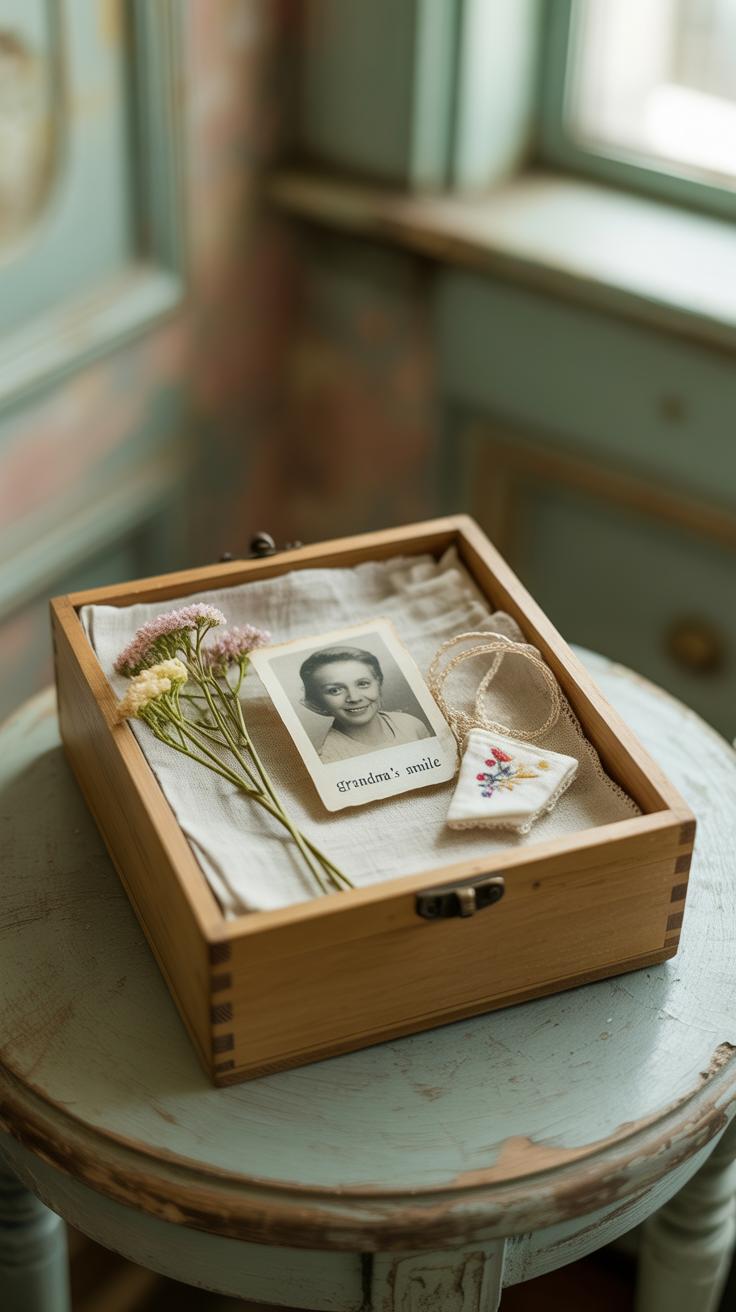
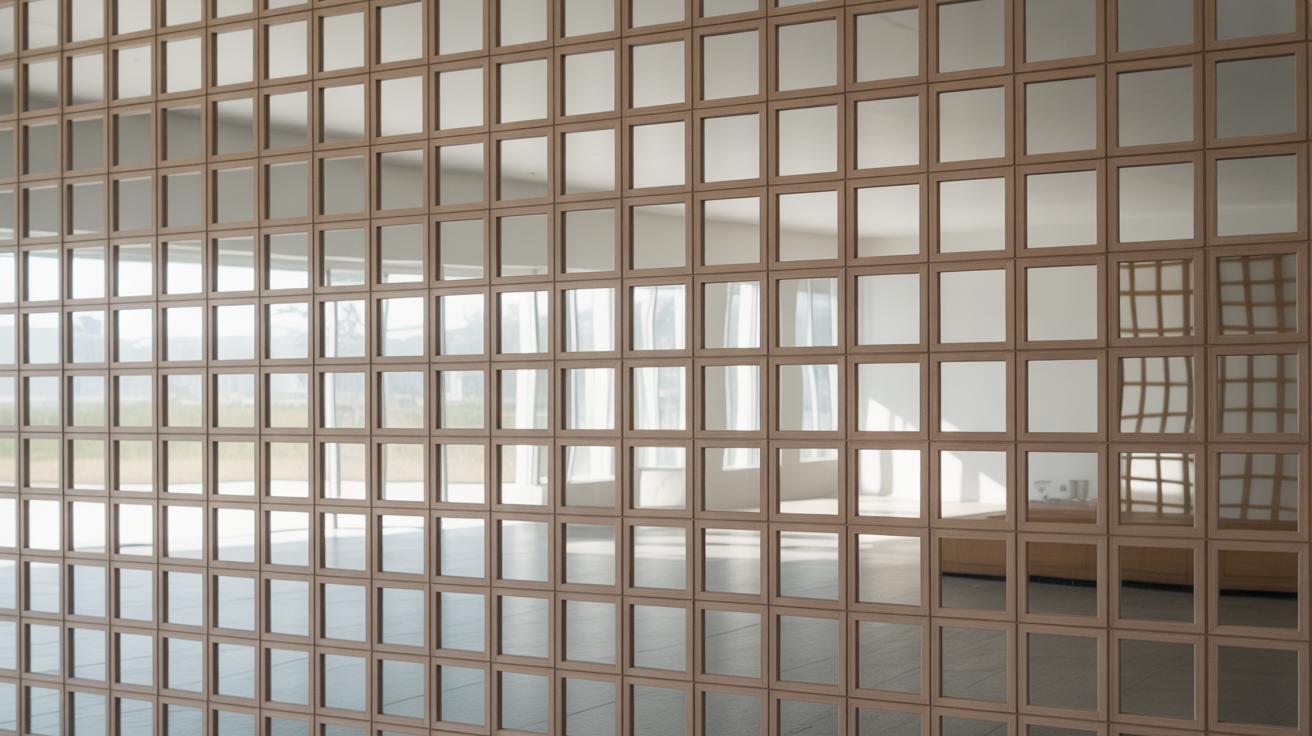
Mixing personal items like photos, memorabilia, or handmade crafts with traditional artwork adds a layer of meaning to your bedroom gallery wall. It’s not just about displaying pretty images; it’s about creating a space that feels uniquely yours. You might include a few framed snapshots from trips, a small woven piece you made, or even concert tickets in shadow boxes. These elements bring life and personality, making the wall more than just decoration.
Placing personal items invites a kind of storytelling. Each object can represent a memory, a relationship, or a moment you want to remember daily. Think about how these pieces connect—do they share a theme, color, or story? When you arrange them thoughtfully, the wall becomes a visual autobiography. It can reflect your changing tastes over time or highlight what matters most to you.
Still, there’s a balance to strike. Too many personal items, especially if they vary widely in style or size, can clutter the display and distract from the art itself. Try mixing smaller personal touches with larger artwork, or use consistent frames to unify different types of pieces. Varying textures also helps; for example, pairing a smooth photo print with a tactile handmade piece keeps things interesting without feeling chaotic.
In my own experience, including just a couple of personal items made the whole wall feel warmer—yet when I overloaded it, the visual calm I wanted vanished. So, experiment, but give yourself permission to step back and remove pieces that don’t quite fit. Creating a bedroom gallery wall is as much about editing as collecting, especially when it’s meant to tell your story without overwhelming the space.
Adapting Gallery Walls To Different Bedroom Sizes
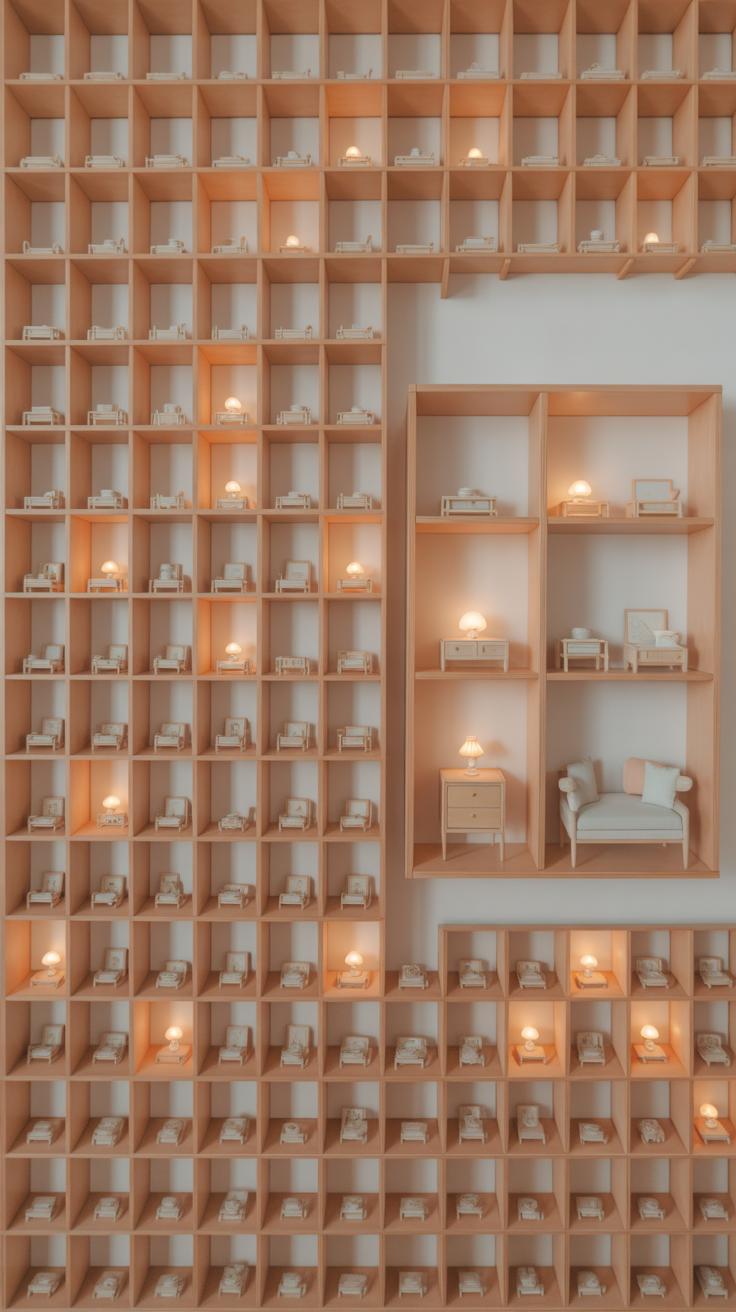
Gallery Walls In Small Bedrooms
Small bedrooms can feel easily overwhelmed by too many pieces on a gallery wall. You want to avoid clutter that makes the room feel cramped or smaller than it is. One way is to keep the scale of each frame modest—think smaller artwork or photos grouped closely but with enough breathing room around them. It’s tempting to fill every inch, but empty space is your friend here.
Choose simpler layouts, like a straight line or a neat grid, instead of sprawling arrangements. That way, the gallery feels contained and intentional. Light-colored frames or mats can also help prevent the wall from feeling heavy, which sometimes happens in tiny rooms.
Maybe try focusing your gallery on just one wall or above furniture like a narrow dresser to keep it balanced. You could even mix in a mirror or two to reflect light, which lessens the crowded effect. I’ve found, oddly, that sometimes leaving an area completely empty next to your gallery makes it pop more, almost like it’s thoughtfully placed rather than shoved in.
Expansive Gallery Walls For Large Bedrooms
When the bedroom is spacious, you get freedom to experiment with bigger and bolder gallery walls. Large bedrooms don’t just allow more frames; they almost invite you to create a visual centerpiece or a sweeping story across an entire wall.
Think of larger frames, oversized prints, or a mix of art that stretches horizontally or climbs vertically. You might try a salon-style arrangement, mixing sizes and frame styles freely. But watch out—it can feel too busy if you overdo the variety without some cohesion.
Use the extra space to add texture with three-dimensional objects or layered frames, maybe incorporating shelves with small plants or personal items. The big question is: is the wall telling a story or just filling space? Sometimes, less can be more, even in a large bedroom. But it’s fun to push boundaries here, especially if you want that gallery wall to feel like an immersive experience rather than just decoration.
Maintaining Your Bedroom Gallery Wall

Keeping your gallery wall looking fresh doesn’t have to be a hassle, but it does take some attention every now and then. Think about how dust settles on those frames—over time, it dulls the whole display. A light regular dusting with a soft cloth or a feather duster usually does the trick. If you neglect it for too long, well, the buildup can get stubborn, especially on textured or ornate frames.
When you clean glass-covered pieces, wipe gently with a microfiber cloth. Avoid sprays that can seep inside the frame and damage the artwork. Sometimes, a barely dampened cloth works better than a commercial cleaner, especially if you’re unsure of the frame’s finish. It’s a bit of a delicate balance—clean thoroughly, but don’t overdo it to avoid smudges or scratches.
Art care is tricky. Paper-based art can fade if exposed to direct sunlight, so shifting your arrangement or using UV-protective glass might help protect precious prints or photos. It’s surprising how even a small adjustment in lighting or frame placement can make a difference.
Changing or updating your gallery wall can breathe new life into your bedroom. Perhaps you want to rotate in seasonal artwork or introduce a new piece you picked up during a trip. It need not be a complete overhaul. Swapping one or two frames, or even mixing in different textures like a woven piece or a small sculpture, can refresh the wall subtly but meaningfully.
Have you ever thought about how the wall might evolve over years? What started as a simple collection can turn into a visual story that shifts with your tastes or experiences. Maybe your gallery is a snapshot of moments and styles, constantly adapting rather than fixed. It’s your space, after all—why not let the walls show that?
Using Color And Texture To Enhance Your Gallery Wall
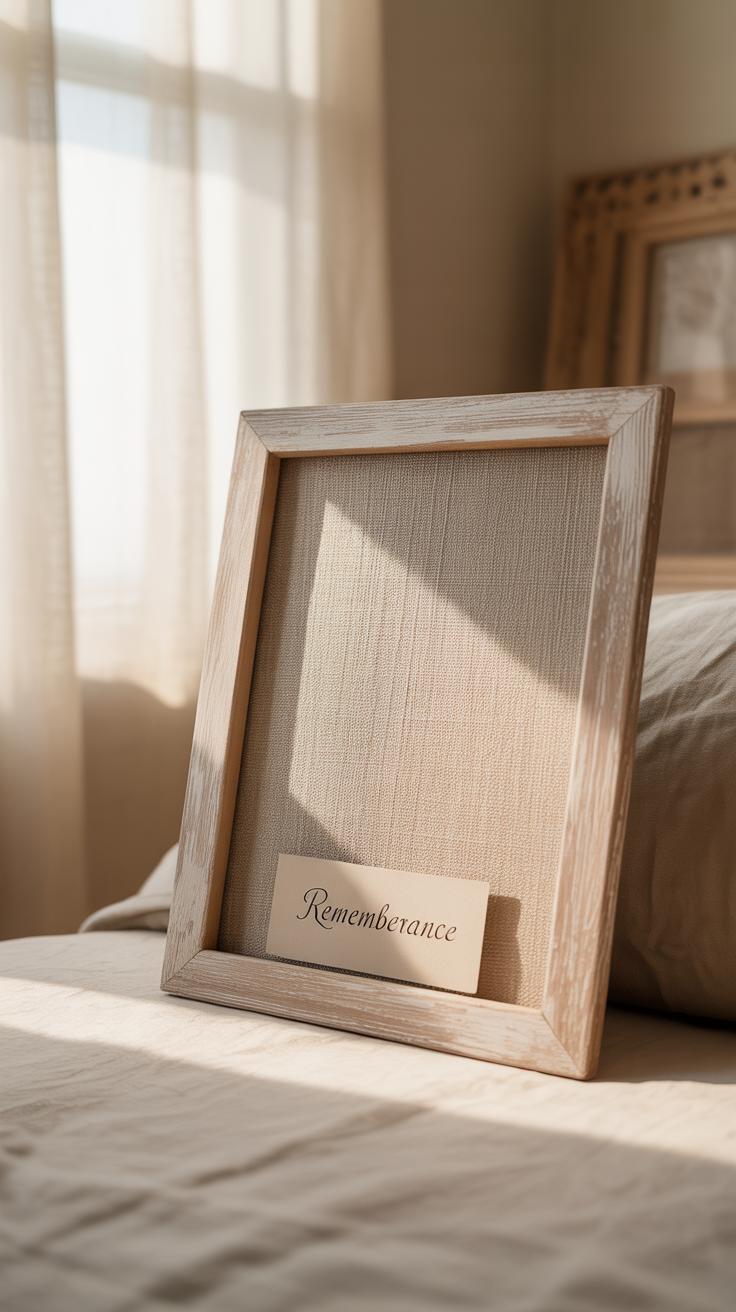
Color and texture are more than just decorative tools; they can completely change how your bedroom gallery wall feels and fits into the room. When you choose colors that echo or complement your bedroom palette, your wall starts to look like it belongs there, creating a sense of calm or energy depending on your selection. Sometimes, sticking to a few key tones works best—think soft blues or gentle tans for a peaceful vibe. Other times, a pop of unexpected color can provide a surprising focal point.
Texture plays an interesting role, too. Mixing smooth metal frames with rough wood or fabric-wrapped canvases introduces layers your eyes want to explore. It’s not only about variety but about balance—too many textures can feel chaotic, and too few might come off as flat. I once combined glossy black frames with woven linen prints, which made the entire wall feel tactile—and it pulled the room together better than I thought it would.
Choosing Color Schemes For Impact
Picking the right color scheme can set the tone for your whole bedroom. You might use
- Monochrome palettes for a minimalist, modern look
- Contrasting colors to energize the space
- Soft pastels to create a cozy atmosphere
You don’t have to match everything exactly, though. Sometimes a frame that’s close but not identical to your wall color adds subtle depth. Or, incorporating artwork with touches of the same hues that appear in your bedding or curtains can tie things together more subtly than you’d expect. Think about the mood you want to feel when you wake up or go to sleep—your gallery can reinforce those feelings.
Adding Texture With Various Materials
Texture introduces dimension, making your gallery wall more than just a flat display. Using different materials for frames and art surfaces breaks up monotony effectively. For example:
- Canvas prints offer softness that contrasts nicely with metal or glass frames
- Wood frames bring natural warmth and can range from sleek to rustic
- Fabric art or tactile elements like embroidery add an unexpected layer
- Metal accents provide a sleek, urban edge
Mixing these materials not only keeps your eyes interested but also connects with other room elements. If your bedside table has a wooden finish, matching that texture somewhere on the wall creates a quiet, cohesive link. You might hesitate to use metal alongside wood, but that interplay between cold and warm textures can make the whole setup feel intentional, even if it’s just a subtle contrast.
Conclusions
Bedroom gallery walls add personality and charm to your living space. Tailor your gallery to match your style by selecting meaningful pieces and thoughtfully arranging them. This turns your bedroom into an inviting retreat that visually reflects you.
Use the ideas shared here as a guide to design your ideal gallery wall. Remember, the best gallery is one that makes you happy every time you see it. Start planning your bedroom gallery today and enjoy the personal touch it brings.