
Mastering Trompe LIl The Foundation Of 3D Illusion
Classical Realism Meets Modern Streets
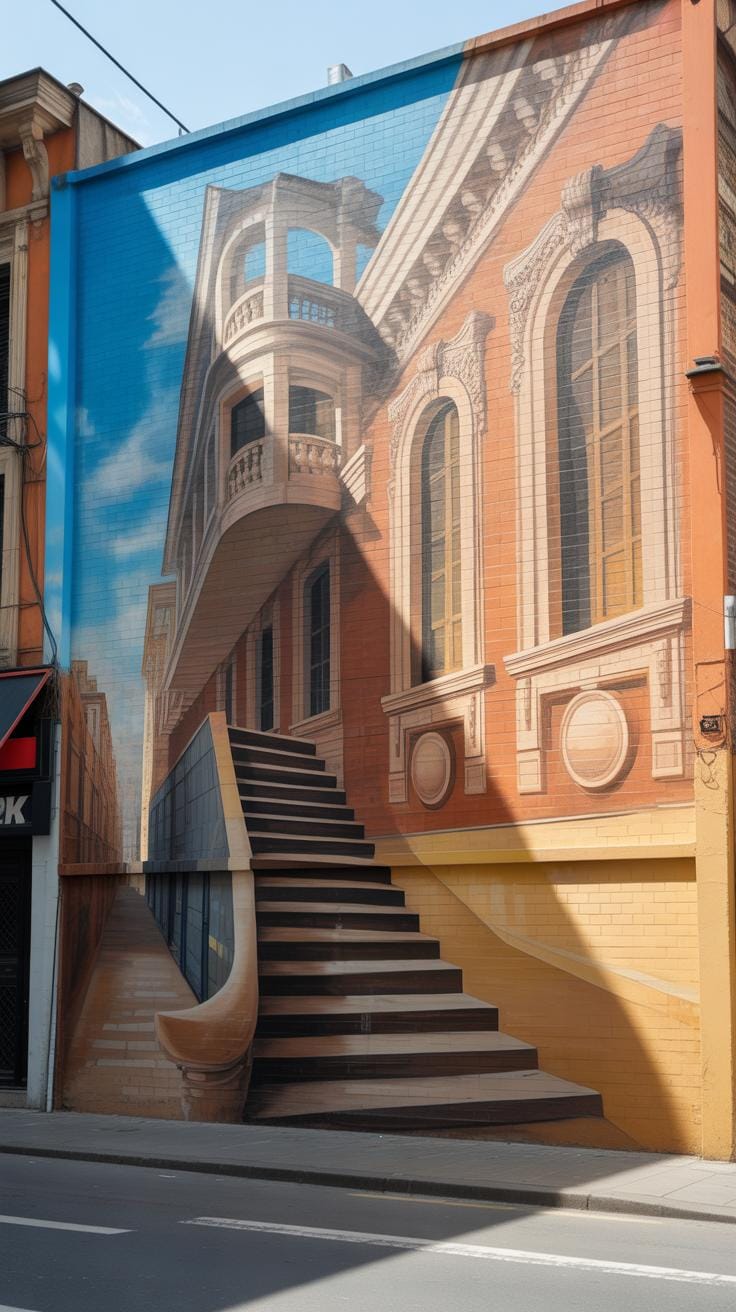
Ancient Greek artists created realistic paintings that looked almost real. They studied how light and shadow worked on human bodies and objects. Today, street artists mix this old technique with modern city scenes. They paint on walls to show buildings that seem to stick out. These 3D paint ideas combine history with what we see around us now.
When you blend classical and modern styles, you create something fresh and exciting. A wall might show a Greek statue standing next to a skyscraper. The old techniques help make the new ideas feel real and solid. This mix tells a story that connects the past to today. Your artwork becomes a conversation between two different worlds.
Perspective Secrets For Depth Construction
Perspective is how artists make flat walls look like they have depth and distance. Linear perspective uses lines that seem to get smaller as they go far away. These lines lead your eye toward a vanishing point, which is usually at the horizon. When you use this trick correctly, viewers feel like they could walk into your painting.
Creating powerful 3D paint ideas requires understanding how angles work. Vanishing points pull the eye into the artwork and make spaces feel real. You can place vanishing points high, low, or to the side for different effects. Practice drawing lines that meet at these points. Soon you’ll see how the flat surface becomes a window into another world.
Anamorphosis Distorting Reality For Unique 3D Paint Ideas
Finding The Sweet Spot For Viewers
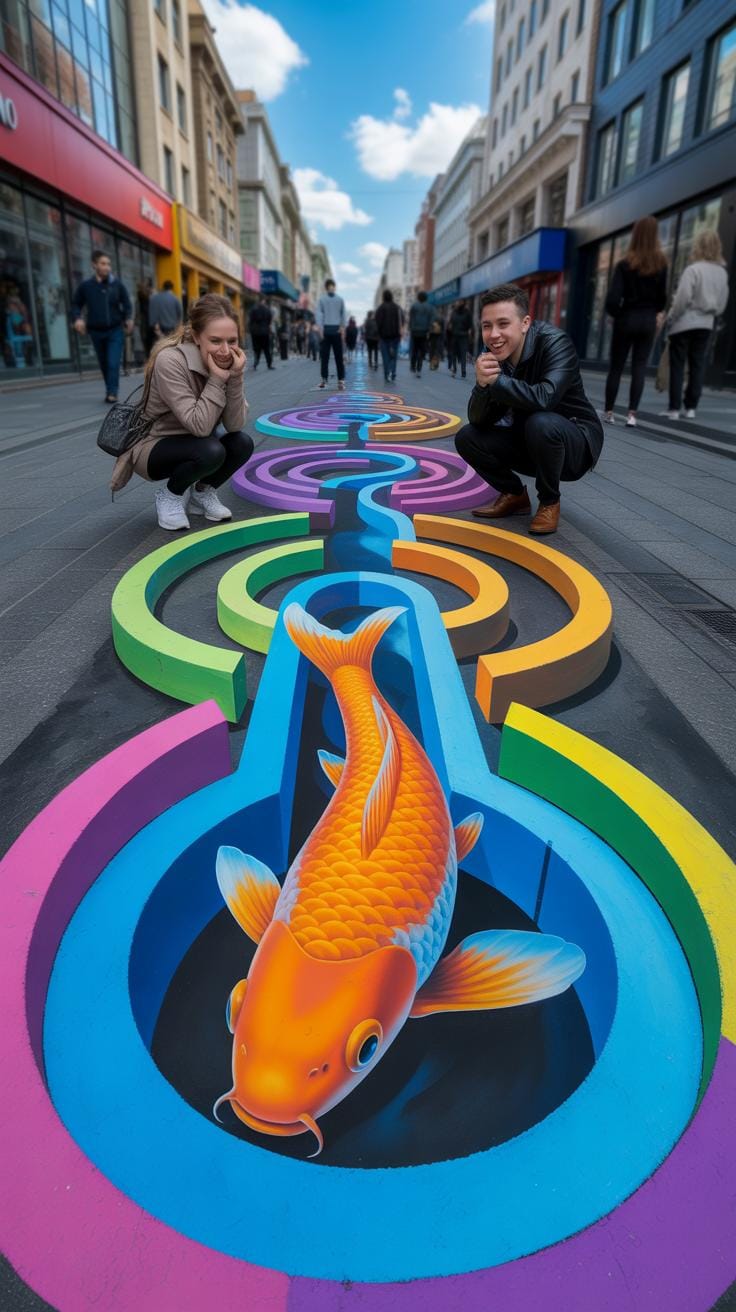
Anamorphic art plays with how your eyes see things from different angles. When you stand in the right spot, a flat wall suddenly looks three dimensional. This technique creates amazing 3D paint ideas by stretching and skewing images across surfaces. Artists carefully plan where viewers should stand to see the perfect illusion. The distorted image transforms into a realistic shape only from that special viewpoint.
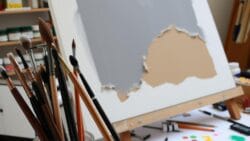
Creating these illusions requires understanding perspective and geometry. You pick a focal point where the viewer stands to see the completed artwork. The 3D paint ideas work best when the angle and distance are just right. Getting this wrong means the image looks strange from other positions. Practice helps you find that sweet spot where reality seems to bend beautifully.
The greatest art is born when we fearlessly blend what was with what could be, creating something entirely our own that speaks to the soul.
The Math Behind Mural Distortion
Calculated stretching makes artwork span across walls, floors, and corners in realistic ways. Artists use grid systems and measurement tools to transfer distorted images onto surfaces. They stretch certain parts wider or taller depending on the viewing angle. This mathematical approach ensures that 3D paint ideas look correct from the intended perspective. The grid helps keep proportions accurate even when shapes get heavily warped.
Multiple planes require special calculations to make the distortion consistent across corners and edges. You must measure distances and angles carefully to keep the illusion believable. Some artists use photography and digital tools to test their designs before painting. The stretching always follows geometric rules, not random choices. When done correctly, these calculations make flat surfaces appear to have real depth and dimension.
Mixing Textures Impasto Meets Geometric Abstraction
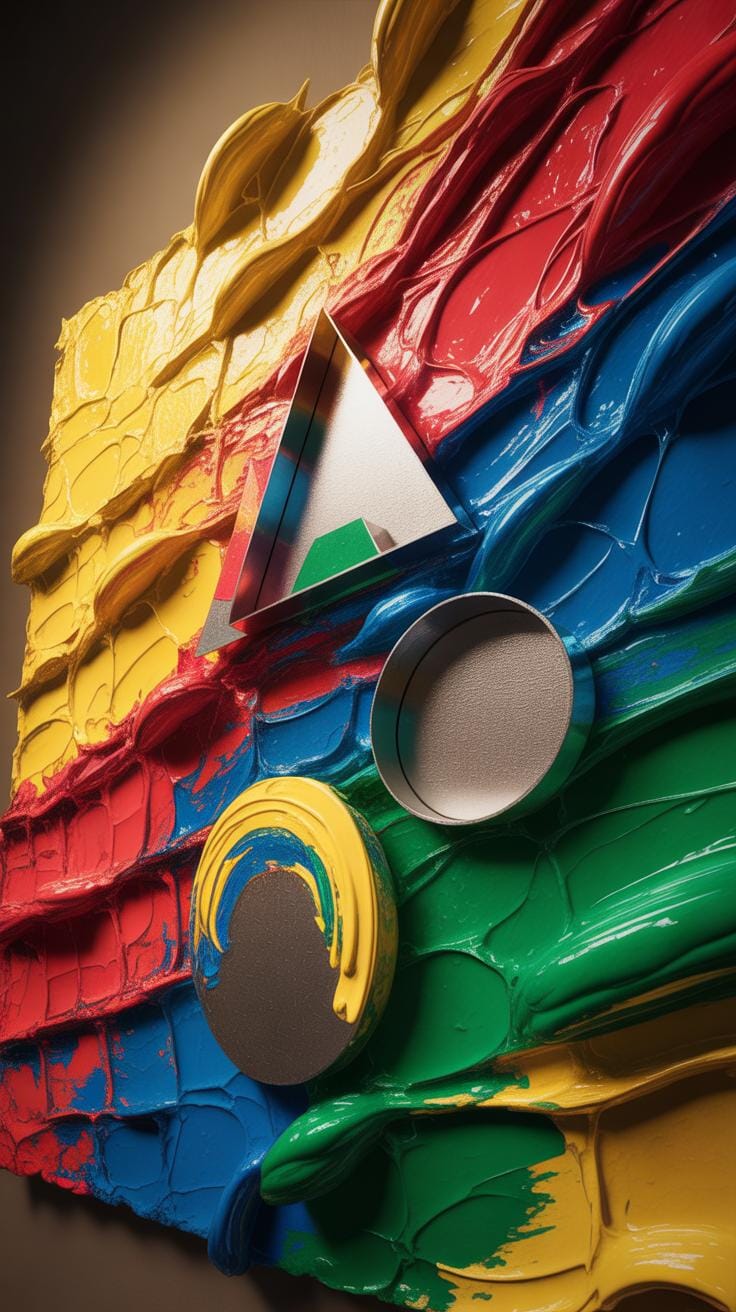
Building Physical Volume With Thick Acrylics
Heavy-bodied acrylic paints create real texture you can touch and feel on your canvas. When you apply thick paint straight from the tube, it builds up layers that catch light differently than flat surfaces. This technique brings your 3D paint ideas to life by making certain areas stand out and pop forward visually.
- Heavy-bodied acrylics: Use paint with thick consistency that holds brush or palette knife marks without dripping or spreading thin.
- Palette knife application: Spread paint with a knife instead of a brush for bolder, more controlled texture buildup.
- Layering thick to thin: Start with heavy strokes first, then add thinner layers on top for dimensional depth.
- Drying time between layers: Allow each thick layer to dry completely before adding more paint on top.
- Impasto medium: Mix with regular acrylics to increase thickness and texture without changing the paint’s color.
Building volume takes patience and planning. Start with your base layer and let it dry fully. Then add more paint on top to create ridges and peaks. These raised areas cast shadows naturally, making your artwork feel three dimensional and real to look at.
Layering Shadows For Artificial Height
Shadows trick your eyes into seeing height where paint actually sits flat against the canvas surface. By applying darker colors next to raised texture, you create the illusion that light shines from one direction. This technique makes your 3D paint ideas feel even more realistic and powerful.
Dark glazes work best for shadow work in textured paintings. A glaze is thin, transparent paint applied over dry layers underneath. Use dark blues, purples, or blacks in your shadow areas near the raised paint strokes. Keep these shadows slightly transparent so you can see the color beneath.
The Digital Hybrid Glitch Art In 3D Space
Simulating Digital Errors On Physical Walls
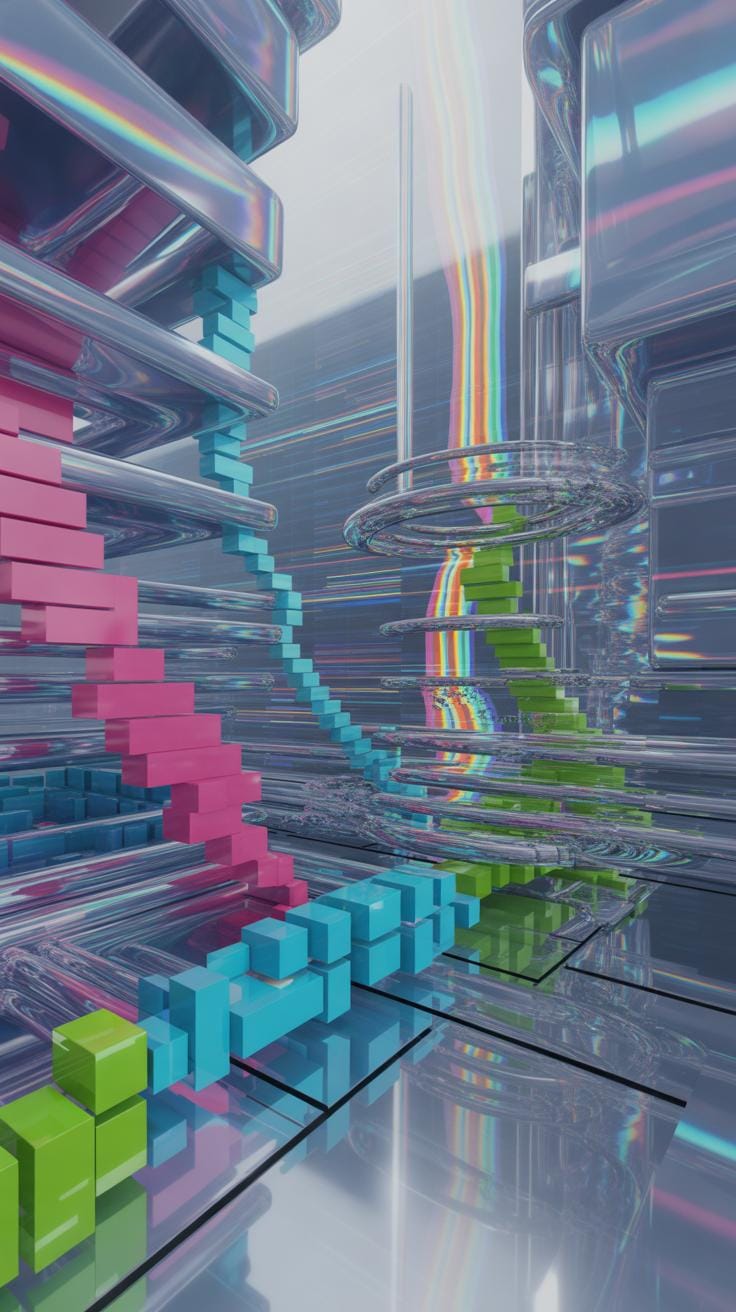
Glitch art brings broken digital effects to real walls through paint. RGB split creates colorful separations where red, green, and blue layers shift apart. Pixelated patterns mimic computer errors with small square shapes. These 3D paint ideas mix modern digital culture with traditional mural work. Artists use stencils and layering to build these striking effects on physical surfaces.
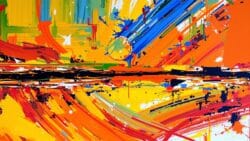
Creating glitch effects requires planning and precision with your paint application. You layer colors slightly off from each other to get that digital broken look. Masking tape helps keep lines sharp and clean. The result feels like your wall froze mid-motion. These techniques turn ordinary walls into galleries showing the beauty of digital mistakes.
Augmented Reality Layers For Interactive Art
Augmented reality transforms 3D paint ideas into living artwork that changes when viewed through phones. Artists paint murals that trigger digital animations, music, or extra images when scanned with apps. The physical paint becomes a gateway to digital experiences. Viewers point their cameras at the wall and see layers of content appear on their screens. This blend of real and digital art creates memorable interactions in everyday spaces.
Setting up AR layers starts with creating your wall design first. You paint the mural traditionally with your chosen colors and patterns. Then artists work with tech developers to code digital overlays tied to the location. Scannable codes or markers help phones recognize where to display the digital content. When visitors scan your artwork, they unlock a complete sensory experience combining sight and sound in one powerful moment.
Quadratura Opening Up Ceilings And Walls
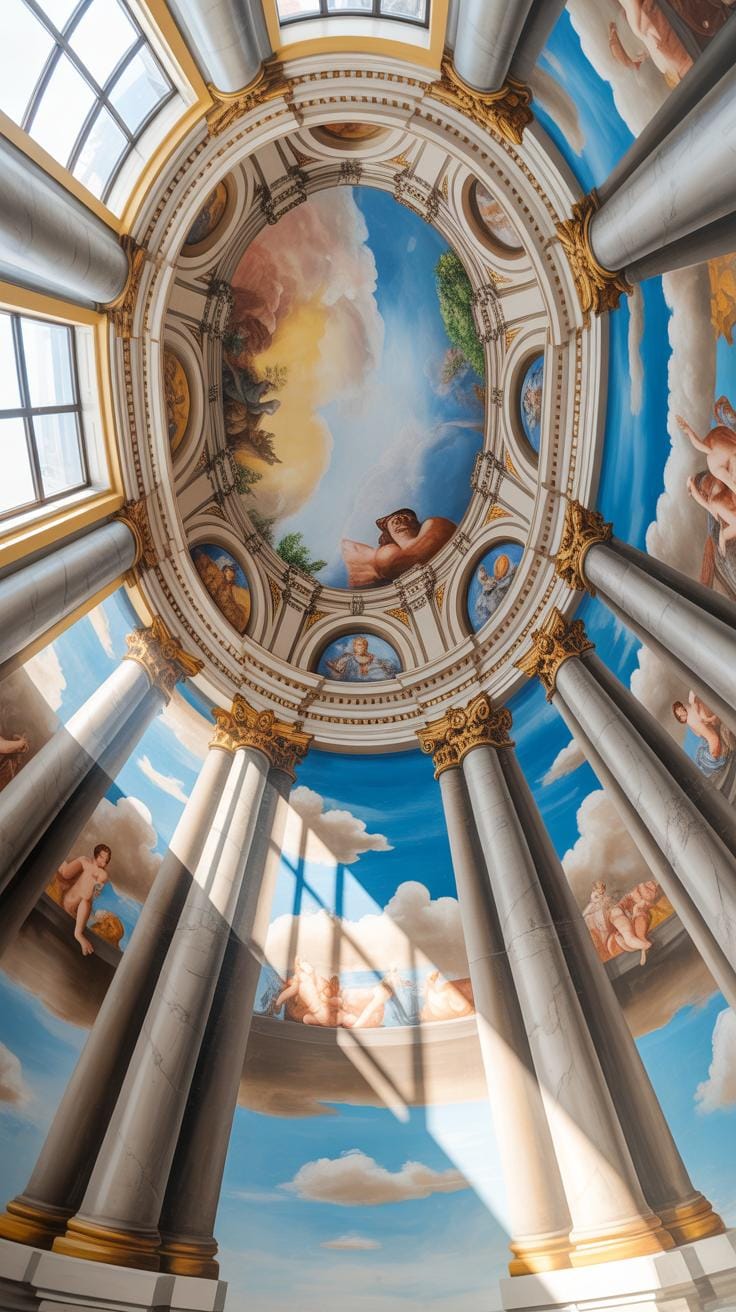
Baroque Influence In Contemporary Decor
Andrea Pozzo changed how artists paint ceilings. He created tricks with paint that made flat surfaces look deep and endless. His work shows how 3D paint ideas can fool your eyes. The sky seems to open up above you. Clouds and figures appear to float into real space. Modern decorators use his methods to make rooms feel bigger.
You can bring Baroque magic into your own home today. Start by studying how light and shadow work together. Paint clouds that drift across your ceiling. Add figures or angels that seem to rise upward. Use lighter colors at the top and darker shades below. This creates depth that pulls your gaze upward. Your ceiling becomes a window to another world.
Extending Interior Space With False Hallways
Painted doorways and hallways create amazing 3D paint ideas for small rooms. You can paint a realistic door on a blank wall. Behind it, add a corridor that seems to stretch far away. Use perspective lines to guide the viewer’s eye deeper into the painted space. The hallway appears to lead somewhere real. This tricks your brain into seeing more space than actually exists.
Creating false hallways takes practice and planning. Sketch your design lightly first. Use one-point perspective to make the hallway shrink toward the distance. Paint walls, windows, and doors that get smaller as they recede. Add shadows where light would naturally fall. Lighter paint makes distant walls feel farther away. Your small room suddenly feels open and mysterious.
Chalk Art Evolution Temporary 3D Street Masterpieces
Working With Pavement Gradients And Light
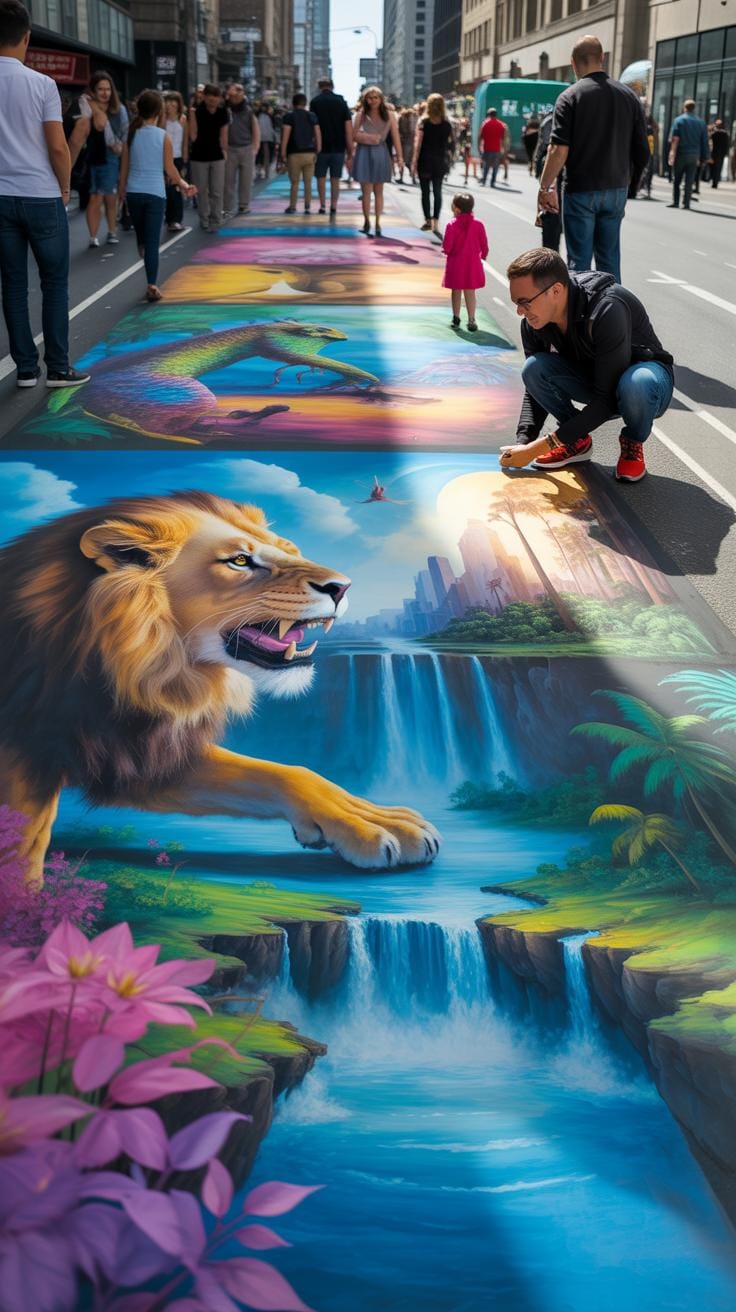
Street surfaces offer natural texture that makes 3D paint ideas come alive. Asphalt and concrete have tiny bumps and ridges. These features catch light differently depending on the sun’s position. Artists use these shadows to create depth and dimension. The rough surface holds chalk pigment better than smooth pavement. This grip helps colors stay vibrant longer.

Light changes throughout the day on any street. Morning sun creates long shadows that enhance 3D effects. Midday light flattens some details but brightens colors. Late afternoon brings angular shadows that add drama. Smart artists plan their murals around these light patterns. They position shading and highlights to work with natural rays. This technique makes temporary 3D paint ideas look real and impressive.
Interactive Photo Op Mural Design
Creating spaces where people become part of the art changes everything. Artists design 3D compositions with gaps or openings. Viewers stand in those spaces and pose for photos. Their bodies complete the illusion created by the chalk. A painted dinosaur might appear to hold someone’s hand. A chalk ocean can seem to splash around a person’s feet.
Successful interactive murals use perspective lines that guide the viewer’s position. The artist marks the exact spot where people should stand. This spot makes the 3D effect work best for cameras. Social media spread these murals far and wide. People share photos from around the world. Street artists now plan 3D paint ideas specifically for photo engagement. This approach turns temporary art into shareable moments.
Neon Noir Fusion Glowing 3D Paint Ideas
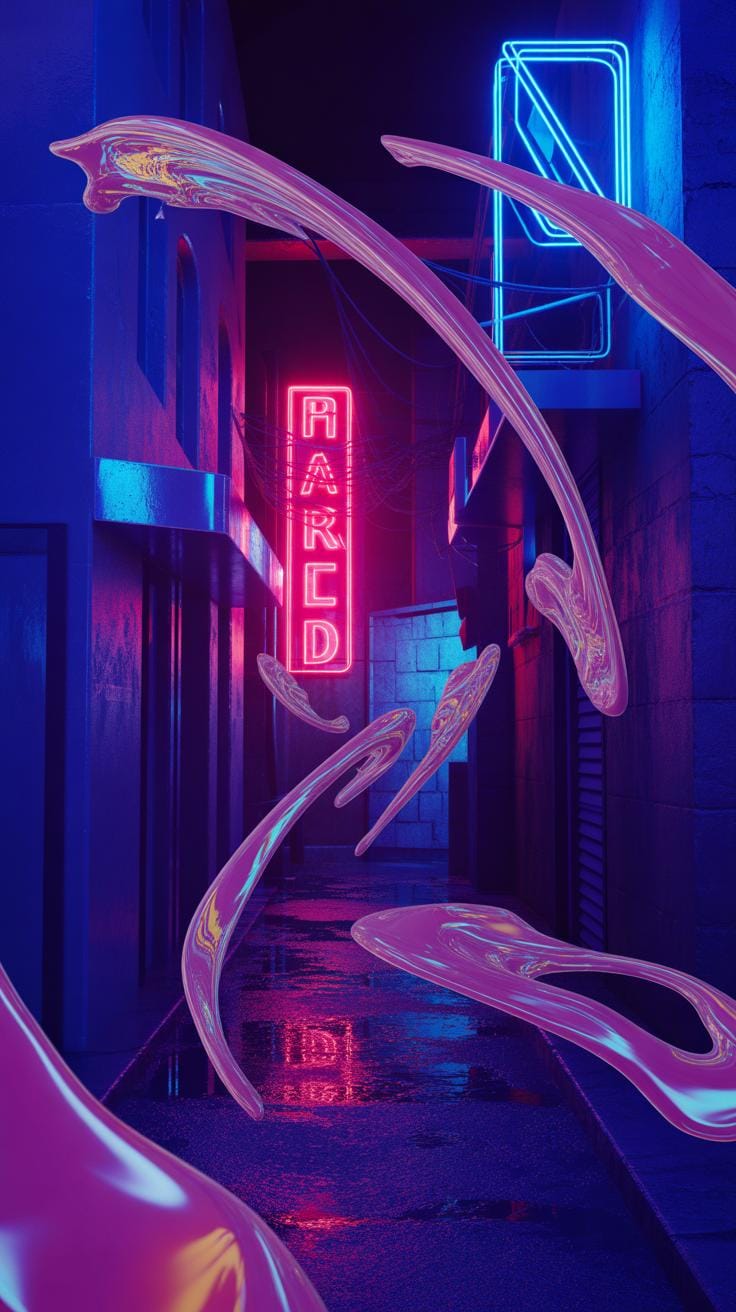
Fluorescent Overlays For Dual Action Murals
UV-reactive paints create stunning visual shifts in your 3D paint ideas. These special pigments stay invisible under normal light but glow brightly under ultraviolet (UV) light. You can paint a detailed mural during the day, then watch it transform into a glowing masterpiece at night using a blacklight.
Layering fluorescent paint over regular acrylic creates depth and dimension. Start with your base design in standard colors. Then apply UV-reactive paint to specific areas you want to glow. This technique works well on accent walls, artistic features, or decorative panels. The combination gives you two completely different looks from one mural.
Simulating Light Emission With Gradients
Color gradients create the illusion that your 3D paint ideas are actually producing light. Use lighter shades of a color near the center and gradually shift to darker tones at the edges. This technique mimics how light naturally spreads outward from a source.
Artists have used gradient techniques for centuries to show dimension. Apply this principle to modern 3D painting by blending colors smoothly. Yellow fading to orange to red can look like glowing warmth. Blue shifting to deeper blue suggests cool neon light. The key is blending your colors evenly so viewers see a smooth transition rather than hard lines between shades.
Nature Reimagined Organic 3D Elements
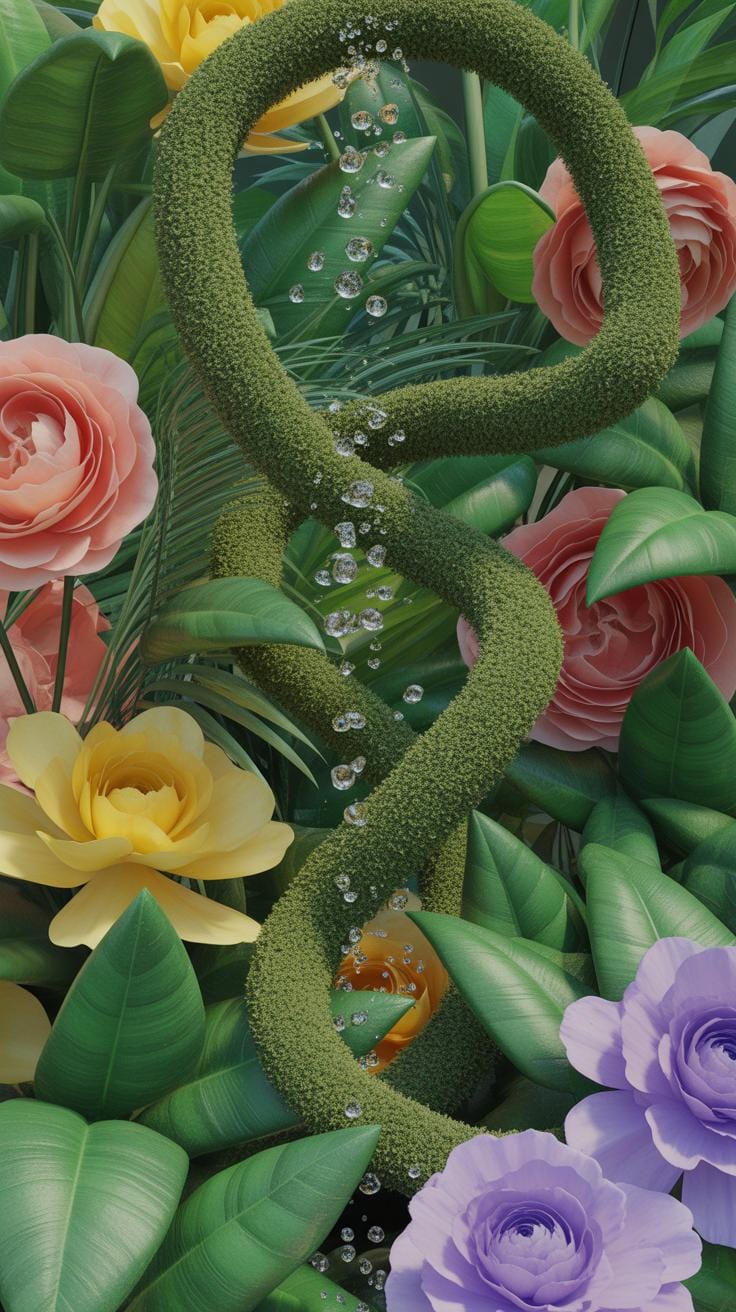
Bringing The Outdoors In With Hyper Real Foliage
Vines and branches painted with 3D Paint Ideas create the illusion of nature crawling across your walls. Start by sketching curved lines that flow from corners and edges. Use shading and highlights to make stems appear round and dimensional. Layer different green tones to show depth. Paint leaves overlapping each other to add complexity. The goal is making viewers question what is real and what is painted.
Advanced techniques involve using textured paints and dimensional materials. Apply paint thickly in certain areas to create actual depth, not just the appearance of it. Shadows play a crucial role in selling the effect. Paint darker shades beneath vines and branches where light would not reach naturally. Consider how light enters your room and paint accordingly. This attention to detail transforms a simple wall into a living, breathing garden space.
Simulating Water And Reflections On Dry Land
Puddles and water effects on concrete floors use proven 3D Paint Ideas to trick the eye. Start with the floor’s actual surface color as your base. Paint the puddle shape with slightly darker tones where water would sit. Add highlights using white or light gray paint to show reflections and light bouncing off the water’s surface. Blend colors smoothly to avoid harsh lines that break the illusion.
Ripple patterns make water effects convincing and realistic on painted surfaces. Use thin brushes to create concentric circles radiating from the puddle’s center. Vary line thickness and spacing to suggest water movement. Place highlights along ripple peaks where light reflects most strongly. Shadows should fall along ripple troughs to increase dimension. Real puddles catch surrounding colors and objects, so paint nearby elements reflected within the water shape for maximum impact.
Minimalist 3D High Impact Monochromatic Styles
The Power Of Grayscale Depth And Contrast
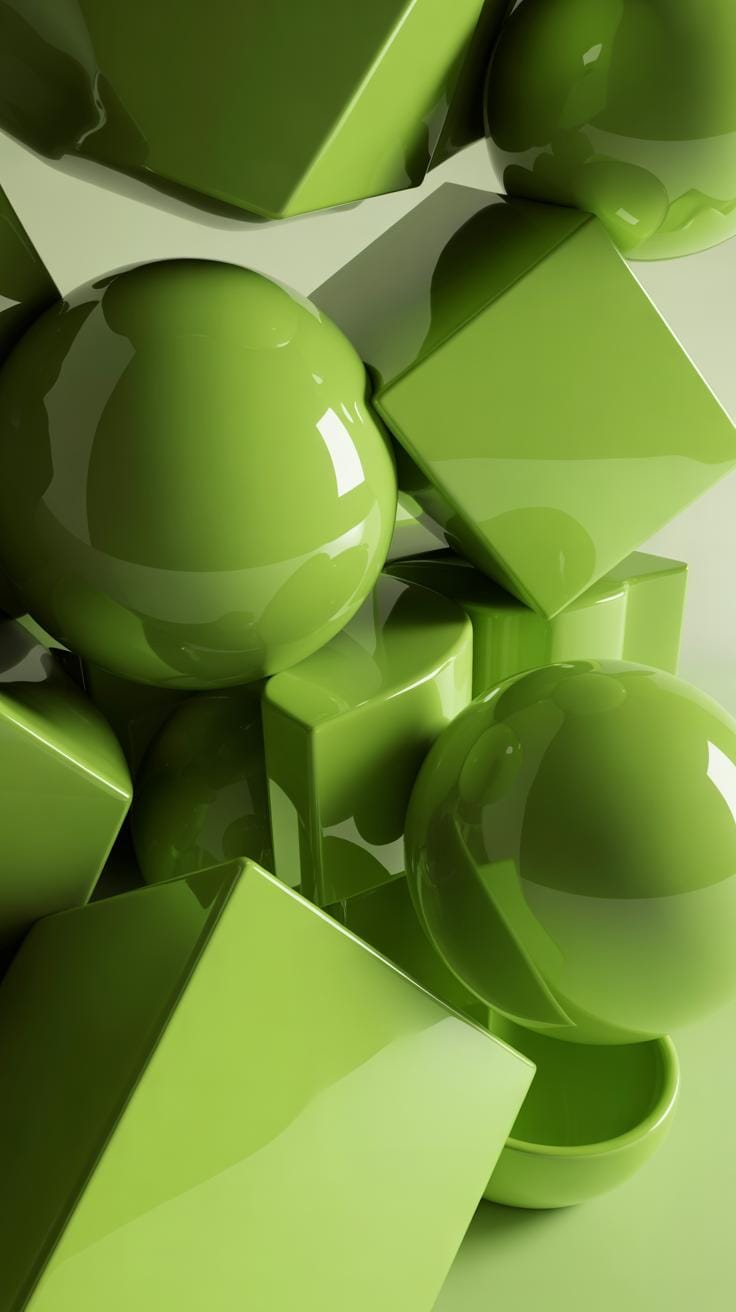
Black, white, and gray create powerful 3D paint ideas that command attention without color. These neutral tones build depth through light and shadow. Geometric shapes pop when you layer different gray values. Squares, circles, and triangles gain dimension through careful shading. The contrast between black lines and white highlights makes forms appear to jump off the wall. Grayscale keeps the look modern and timeless.
Monochromatic 3D painting relies on value rather than hue to create visual interest. Your eye follows the lightest and darkest areas first. This guides viewers through the design naturally. The technique works well in any room because neutral tones pair with existing furniture. Hallways and bedrooms especially benefit from these sophisticated 3D paint ideas. The effect feels elegant without feeling cold.
Negative Space And Industrial Silhouettes
Negative space means leaving parts of your wall unpainted to become part of the design. The wall’s original color becomes a working element, not just a background. This approach creates architectural 3D paint ideas with bold geometric forms. Industrial silhouettes feature sharp angles, rectangular shapes, and clean lines. Think steel beams, concrete blocks, and metal frameworks. Your wall becomes part of the art itself.
Paint only the shadows and outlines to make shapes appear three dimensional. Let the empty space suggest the solid form. This technique saves paint while maximizing impact. The unpainted areas feel just as important as the painted ones. Industrial aesthetics suit offices, garages, and modern living spaces. This method produces striking visual effects with minimal materials.
Tools Of The Renegade From Airbrushes To Scraper Knives
Precision Shading With Airbrush Transitions
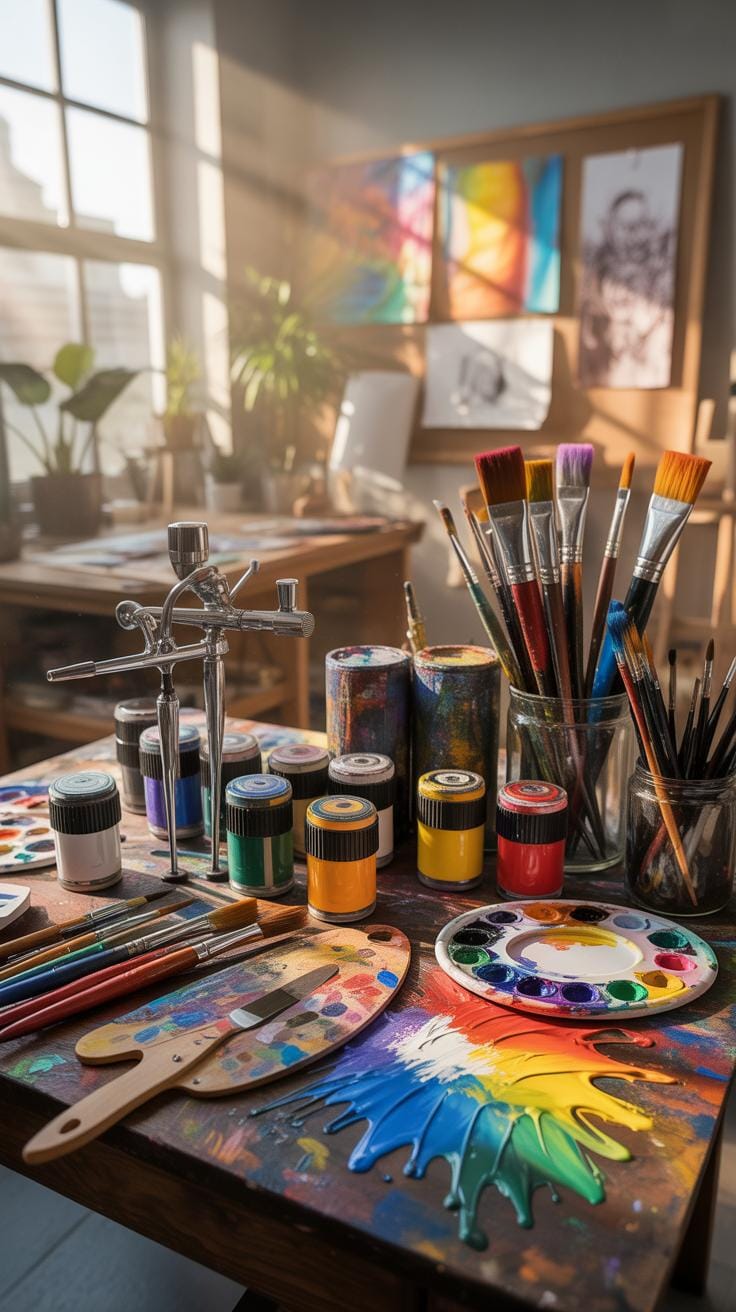
Airbrushes create smooth gradients that bring 3D paint ideas to life. The tool sprays fine mist onto surfaces, allowing artists to blend colors seamlessly. This technique works best for round objects like spheres and cylinders. Soft shadows appear realistic when you layer colors gradually. The airbrush gives you control over spray intensity and color depth.
Mastering airbrush transitions takes practice and patience. Hold the tool at consistent distances from your surface. Start with light coats and build up darker tones slowly. Use stencils to keep edges clean where needed. Professional artists often spend years perfecting their spray technique for hyper realistic 3D effects.
Experimental Tools For Non Traditional Textures
Sponges, rags, and custom knives open new doors for 3D paint ideas. These tools create rough, bumpy surfaces that differ from smooth brush strokes. A regular kitchen sponge dabbed on paint creates porous textures instantly. Old cloth rags dragged through wet paint leave interesting streaks and patterns. Scraper knives carve lines and remove paint for layered depth effects.
Each tool produces different results depending on how you use it. Press a sponge firmly for bold texture or tap lightly for subtle effects. Pull rags in various directions to build complex surface patterns. Customize knife blades by filing edges into unique shapes. These unconventional tools help artists break free from traditional painting methods and discover fresh approaches to surface design.
Frequently Asked Questions

What are 3D paint ideas for home decor beginners?
3D paint ideas bring walls to life with textured, raised designs that add depth and personality to any space. As a beginner, start with simple techniques like using puff paint or modeling paste to create swirling patterns or floral motifs. Practice on a small canvas first, then scale up to furniture or walls for a stunning, handmade look without needing advanced skills.
How do I create unique 3D paint ideas by mixing styles?
Mix styles like vintage florals with modern geometrics for standout 3D paint ideas. Begin by sketching your mash-up design, apply a base coat, then layer acrylic paints with additives like baking soda or foam for texture. Use tools like sponges, palette knives, or stencils to build dimension. Seal with varnish for durability, transforming ordinary surfaces into renegade remix masterpieces.
What are budget-friendly ways to try 3D paint ideas at home?
Affordable 3D paint ideas use everyday items like dollar-store acrylics mixed with sand, salt, or DIY puff paste from flour and conditioner. Repurpose old jars or thrift furniture as canvases to keep costs under $20. These accessible hacks let you experiment with bold textures and colors, proving high-impact decor doesn’t require fancy supplies or big spending.