The Basics of Choosing an Ink Pen
Ink pens remain a popular tool for writing and creative tasks. They offer a smooth flow of ink that helps you produce clear text or artwork. This article covers key details about ink pens, helping you understand their types, uses, and features.
Whether you need a pen for school notes or art projects, knowing basic pen types and how to select them ensures better results. You will find useful information on pen mechanisms, ink types, and tips to improve your writing experience.
History Of The Ink Pen
Ancient Pens And Their Materials
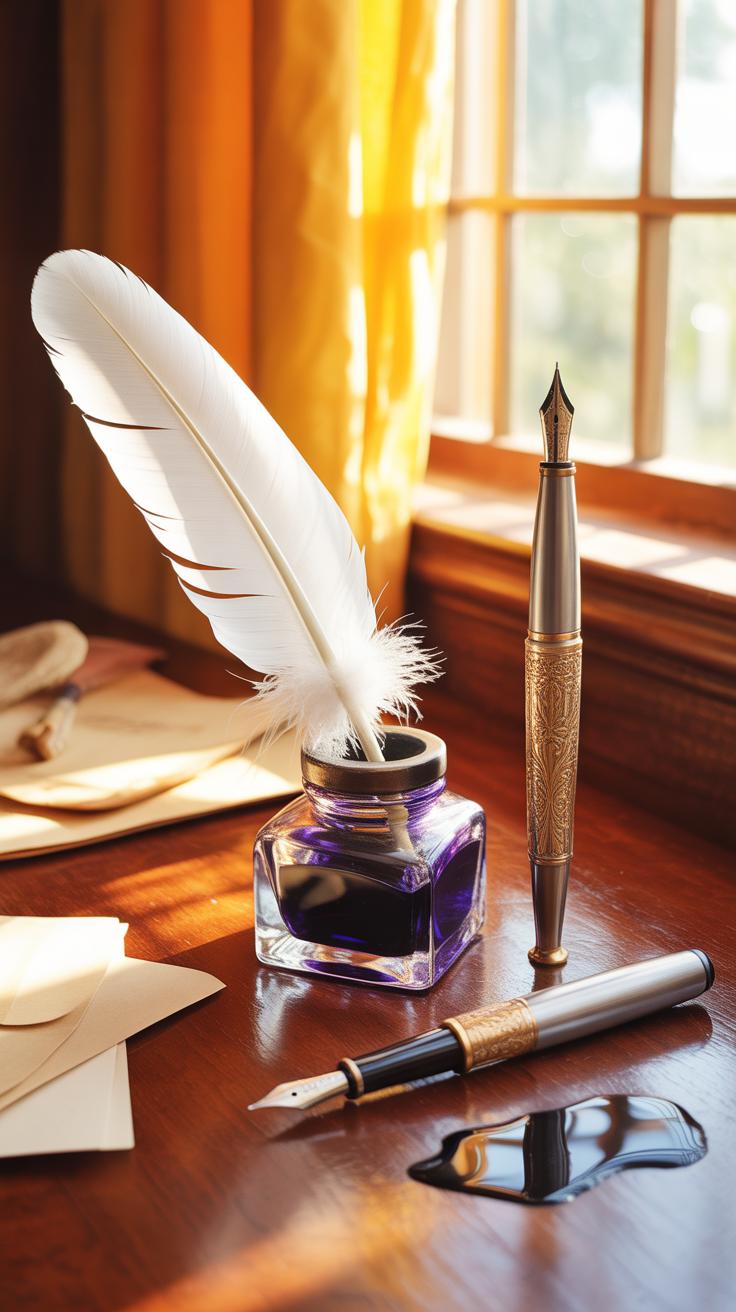
Long before the ballpoint and fountain pens we use today, people relied on simple tools like reed pens and quills to write. Reed pens, made from hollow plant stems, were common in ancient Egypt and Mesopotamia. People cut the ends of the reeds into points and dipped them into ink, which was often made from soot or natural dyes. It was a basic but effective method, really suited to writing on papyrus or parchment. I once tried using a reed pen for a small calligraphy project, and it was surprisingly tricky—those tips wear down quickly and don’t flow as smoothly as you’d hope.
Quills came later, famously favored in medieval Europe. Crafted from bird feathers—usually goose or swan quills—they offered more flexibility and could hold ink better than reeds. Writers needed to sharpen and reshape quills frequently, so the writing experience was hands-on. It’s interesting how something so fragile shaped centuries of manuscripts and letters. You can almost picture scribes hunched over, dipping quills into inkpots, carefully crafting each word.
Development Of Modern Ink Pens
The move from natural materials to metal nibs marked a big step. Around the 19th century, steel nibs replaced quills, bringing durability and more consistent lines. Factories began mass-producing these nibs, making writing tools more accessible. One of the pioneers was John Mitchell, who patented steel pen nib designs that helped shape modern writing instruments.

Then came the fountain pen. Its big claim was an internal ink reservoir, allowing writers to keep ink inside the pen instead of constantly dipping. Lewis Waterman is often credited with improving the fountain pen in the late 1800s by patenting a reliable feed system that prevented ink leaks—a problem that plagued earlier versions. You might find it curious that the fountain pen almost got overshadowed by the ballpoint pen in the mid-20th century.
The ballpoint pen introduced a tiny rotating ball that dispensed oil-based ink, invented by László Bíró in 1938. This pen didn’t smudge easily and required less maintenance, which is why it quickly became popular worldwide. Sometimes I wonder if the convenience of ballpoints made us less patient with the slower, more deliberate strokes of fountain pens. But both have their places depending on what you’re looking for, right?
Ink Pen Types Explained

When choosing an ink pen, you’ll find several main types, each with unique features. Ballpoint pens use thick, oil-based ink delivered by a small rotating ball. They’re reliable, last long without drying out, and feel a bit stiff when writing. Rollerball pens, on the other hand, use water-based ink, flowing more smoothly and often gliding over the paper with less pressure.
Gel pens mix characteristics of ballpoint and rollerball styles. Their ink is water-based too but thicker and more vibrant, making colors pop a bit more on the page. Fountain pens operate differently; they use liquid ink drawn through a nib, creating a softer, sometimes more variable line depending on pressure and angle.

You might notice how each pen suits different tasks. Ballpoints tend to be practical and less messy, while gel and rollerball pens feel more fluid, and fountain pens add a classic flair to writing. It’s not always easy to say which is better, since it depends on your own preferences and the purpose of your writing or project.
How Ballpoint And Fountain Pens Differ
Ballpoint and fountain pens stand apart in how they deliver ink. Ballpoints use a small metal ball that rolls ink out, controlled and steady, but sometimes it can feel a bit scratchy. Fountain pens rely on gravity and capillary action to feed liquid ink from the cartridge or converter through the nib, which offers a smoother and often more expressive line.
Writing feel is different too—ballpoints require more pressure, which might tire your hand after long use. Fountain pens glide effortlessly, so writing can feel more like a flow than a push. But the catch? Fountain pens need regular refilling and cleaning, or they might clog up. Ballpoints are fuss-free in maintenance, mostly just replace the refill.
Choosing between them sometimes comes down to whether you want convenience or a richer writing experience. And your mood, really—sometimes you’ll want the quick scribble, other times that thoughtful flow only a fountain pen provides.
Specialized Ink Pens For Art
If you’re into drawing, calligraphy, or detailed work, certain pens stand out. Fine liners with felt or plastic tips deliver precise, consistent lines using pigment-based ink that won’t smudge easily. Brush pens mimic paintbrush strokes with flexible, tapered tips, perfect for calligraphy and expressive art.
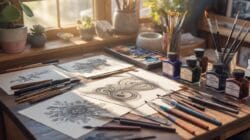
There are also technical pens with rigid tips designed for architectural or engineering drawings. These use waterproof, fast-drying ink, ideal when precision matters. Some artists favor pens with archival ink that resists fading over time.
Each of these specialized pens gives you tools tailored to your style. Experimenting with different tip sizes or ink types can open up new creative paths you might not expect. After all, your choice of pen might shape your work almost as much as your skill does.
Choosing The Right Ink Pen
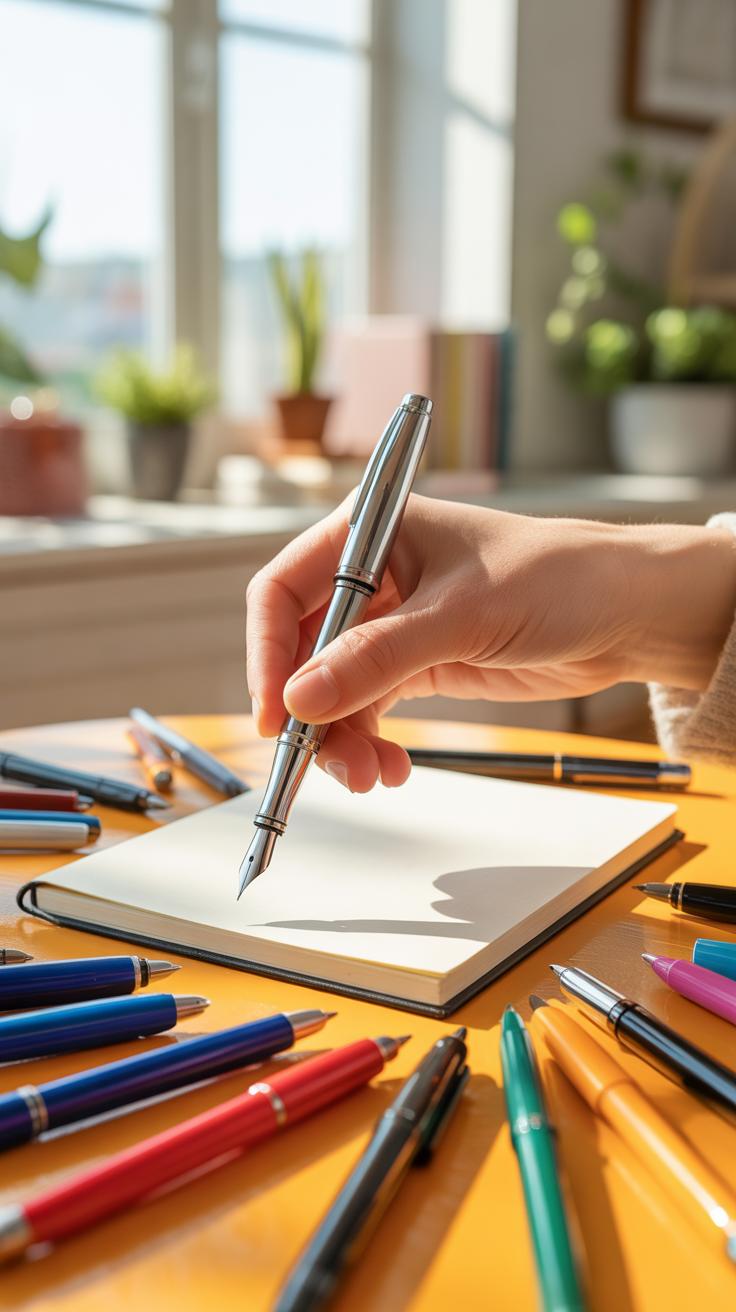
Picking an ink pen isn’t just about grabbing the first one that feels right. There are quite a few things to think over before making that choice. Start by asking yourself what you’ll mostly use the pen for. Are you jotting down quick notes, crafting a formal letter, or maybe sketching ideas? Your writing needs shape the pen’s ideal features.
Next, consider the paper type you usually write on. Rough or textured paper might need a sturdier tip to avoid feathering, while smooth paper can let a finer nib glide effortlessly. Then, think about how your hand feels during extended writing. A comfortable grip can reduce fatigue—something I realized after hours of note-taking with a slippery pen. Also, don’t forget your preferences for ink—are you after bold lines, quick drying, or maybe waterproof ink?

Here’s a checklist to guide your selection:
- Writing purpose (notes, letters, sketches)
- Paper quality and texture
- Hand comfort and grip style
- Ink type (gel, ballpoint, fountain) and drying time
- Tip size and precision
- Ink flow consistency
Key Factors In Pen Selection
Ink flow is a crucial aspect. Too much flow, and your writing smudges; too little, and your letters look faint and scratchy. Tip size matters, too. Fine tips suit detailed work but might skip on rough paper. Medium tips offer a balance but feel different for everyone. Grip shape and texture impact comfort—some prefer rubbery grips, others need firmer barrels. I’ve had pens that looked great but felt awkward, making writing more tiring than it should be.
User Scenarios And Pen Match
Think about what pens match your common activities. For quick note-taking, a smooth gel pen with a medium tip usually works well—it’s fast drying and neat. If you’re writing a formal letter, a fine ink pen with consistent flow, maybe even a fountain pen, lends a touch of class. Sketching? You might want a pen with varied tip sizes, or a fine liner that handles shading well. Sometimes, a single pen doesn’t fit all needs, so having a few options around isn’t a bad idea.
How Ink Pen Ink Works
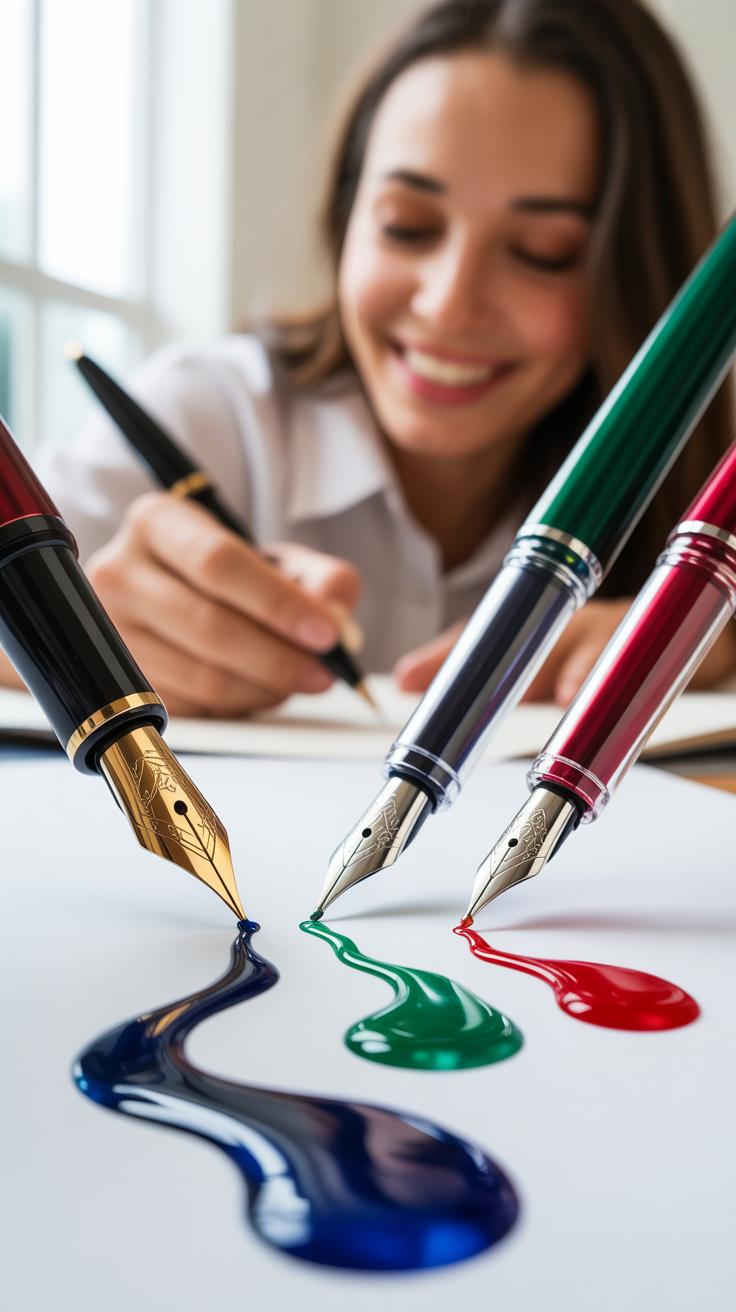
Understanding ink in pens means digging into its makeup. Most inks consist of a pigment or dye suspended in a liquid base. The liquid carries the color to the paper while drying to leave a mark.

There are subtle differences depending on the pen type. Some use water as the main carrier, others use oil or gels that mix pigments with special thickeners. The way the ink spreads and sticks to the page depends largely on these ingredients, as well as the paper itself. On smoother papers, ink sometimes pools or smudges easily. Rougher textures absorb ink more but might cause feathering, which is when the ink spreads out and blurs fine lines.
Personally, I’ve noticed when jotting notes with gel pens that they can smudge if I’m too quick to close my notebook. Still, they give darker, denser lines than regular ballpoint ink. So there’s always a trade-off between vibrancy, drying time, and how much the ink clings or runs.
Differences In Ink Types: Discuss water-based, oil-based, and gel inks, focusing on drying time and smudge resistance.
Different inks dry and behave in distinct ways. Let’s break them down:
- Water-based inks: Typically found in rollerball and fountain pens. They flow smoothly but take longer to dry—sometimes several seconds or more, depending on paper. They can smudge if you’re careless.
- Oil-based inks: Found mostly in ballpoint pens, these dry quickly due to thicker consistency. They resist smudging but can feel less fluid when writing.
- Gel inks: A middle ground, gel inks blend pigments and water with a gel base. This allows for smooth flow and vivid colors, but drying times vary. Some gel inks dry fast; others need a moment, so smudging can happen if you’re not patient.
In my experience, choosing which ink to use involves balancing these traits against your writing speed and style. Do you mind waiting a second for dry ink, or do you hate getting smudges all over your page?
Ink Flow Mechanics: Describe how ink moves from the pen tip to paper, including capillary action and gravity.
The way ink travels from the pen to paper is subtle but fascinating. At the pen tip, the ink is pulled out mainly by capillary action—tiny forces that draw liquid through narrow spaces, like the thin channels inside the pen’s tip.

Gravity plays a role too, especially when you hold the pen pointing downward, helping the ink move steadily. But the process isn’t always smooth. If the ink is too thick, flow might be uneven, causing skips. If too thin, it might flood the tip.
When writing, pressure from your hand also affects flow. Pressing harder pushes out more ink; lighter strokes deliver less. That’s why you might get blotches if you press too hard or faint scrawls if you barely touch the paper.
Sometimes, you might notice ink pooling at the tip before writing, or drying inside it if left unused. Both are quirks of this delicate balance. It’s mostly invisible but defines how your pen feels and reacts while writing.
Maintaining Your Ink Pen
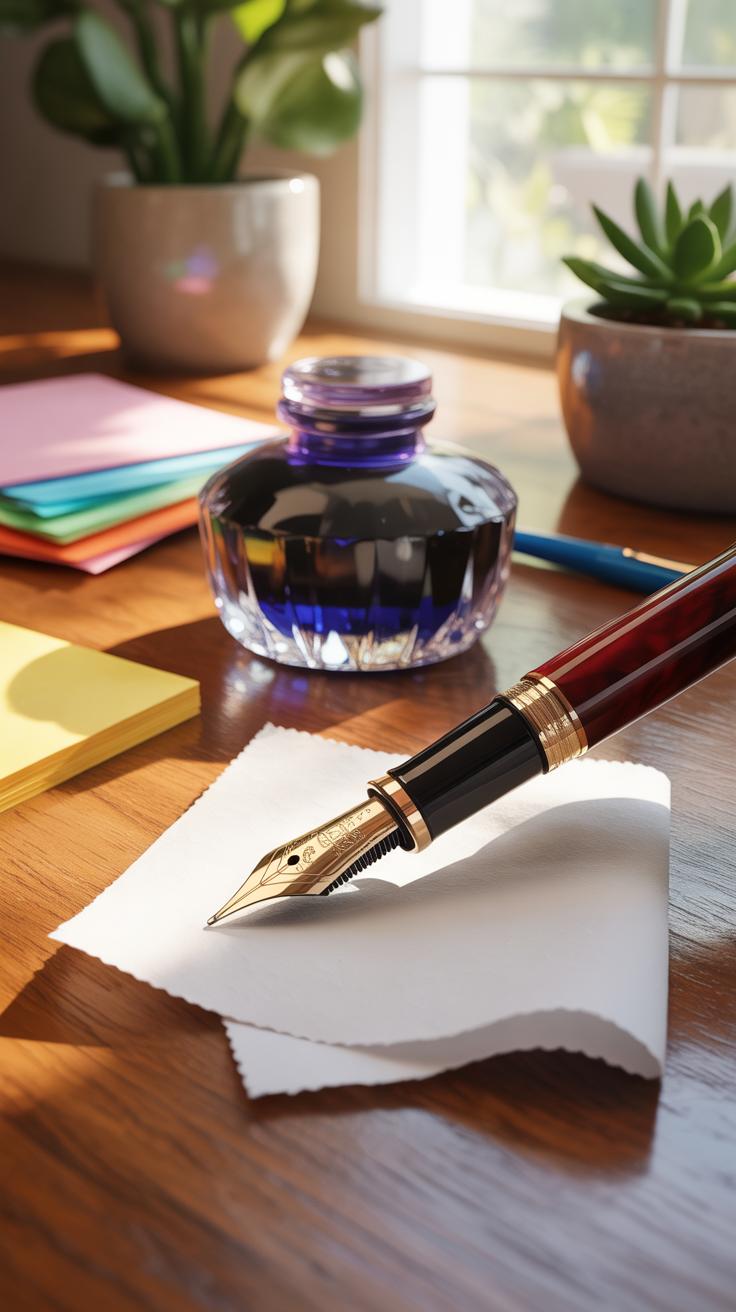
Ink pens need care, and taking some time cleaning them can really keep them writing smooth for longer. Whether you’ve got a fountain pen or a ballpoint, a little attention pays off. For fountain pens, flushing the nib and feed with cool water every few weeks helps avoid dried ink buildup. Some people soak the nib section for a short while, but you have to be careful — too long, and it might damage seals or delicate parts.

Ballpoint pens are simpler in some ways — wiping the tip clean with a damp cloth and occasionally scribbling on scrap paper can clear minor clogs. If it stops writing, try twisting or clicking the tip a bit to reset the ink flow. If that doesn’t work, replacing the refill is usually the easiest fix.
Watch out for signs like uneven ink flow, scratchy writing, or hard starts. These often mean clogs or dried ink inside. For fountain pens, a gentle rinse is best. If it’s really stubborn, pen flush solutions or diluted ammonia might help, but only sparingly. For ballpoints, harder clogs sometimes clear by gentle tapping on paper or careful scribbling.
There’s also wear and tear on the body and grip. If your pen barrel cracks or the clip loosens, fixing might be tricky but doable with the right parts. I once fixed a favorite pen by carefully tightening screws and cleaning the internal parts. It’s worth trying before tossing it away. After all, good pens have character, and keeping them working feels kind of rewarding, doesn’t it?
Ink Pen Writing Techniques
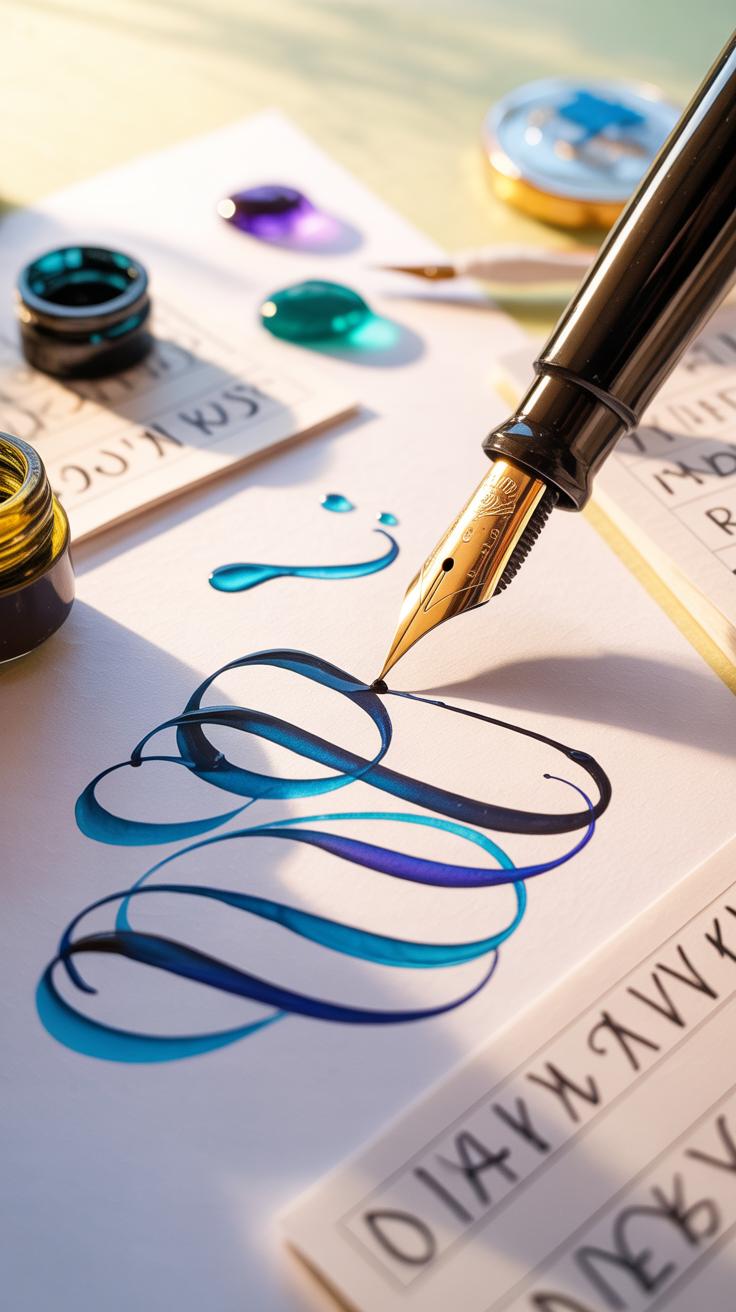
How you hold your pen matters more than you might think. A relaxed grip usually works best, but many people tend to squeeze too tightly. That tension can cause your hand to cramp and your strokes to look shaky. Try holding the pen between your thumb and index finger, letting it rest lightly on your middle finger. This position often gives you the most control without strain.
There’s no perfect way to hold a pen, really. Some find a tripod grip helpful, others prefer a more unconventional style. The key is comfort combined with precision. If your hand tires quickly or your writing feels messy, consider adjusting your grip slightly—even a small shift can change how smoothly the ink flows.
Pressure and speed go hand in hand when working with ink pens. Push harder, and lines become darker and thicker, but you risk blotting or damaging the paper. Writing too fast might skip ink or create uneven strokes, especially with finer tips. Slowing down allows better ink distribution, but if you’re too slow, the ink might pool or smudge.
Experiment a little: vary your pressure and notice how your pen responds. You might discover that a gentle touch combined with moderate speed produces the cleanest lines for your style. Artistic strokes benefit from this balance, letting you add flair without losing legibility.
Creative Uses For Ink Pens Show examples of creative projects achievable with ink pens ranging from calligraphy to sketching and decoration
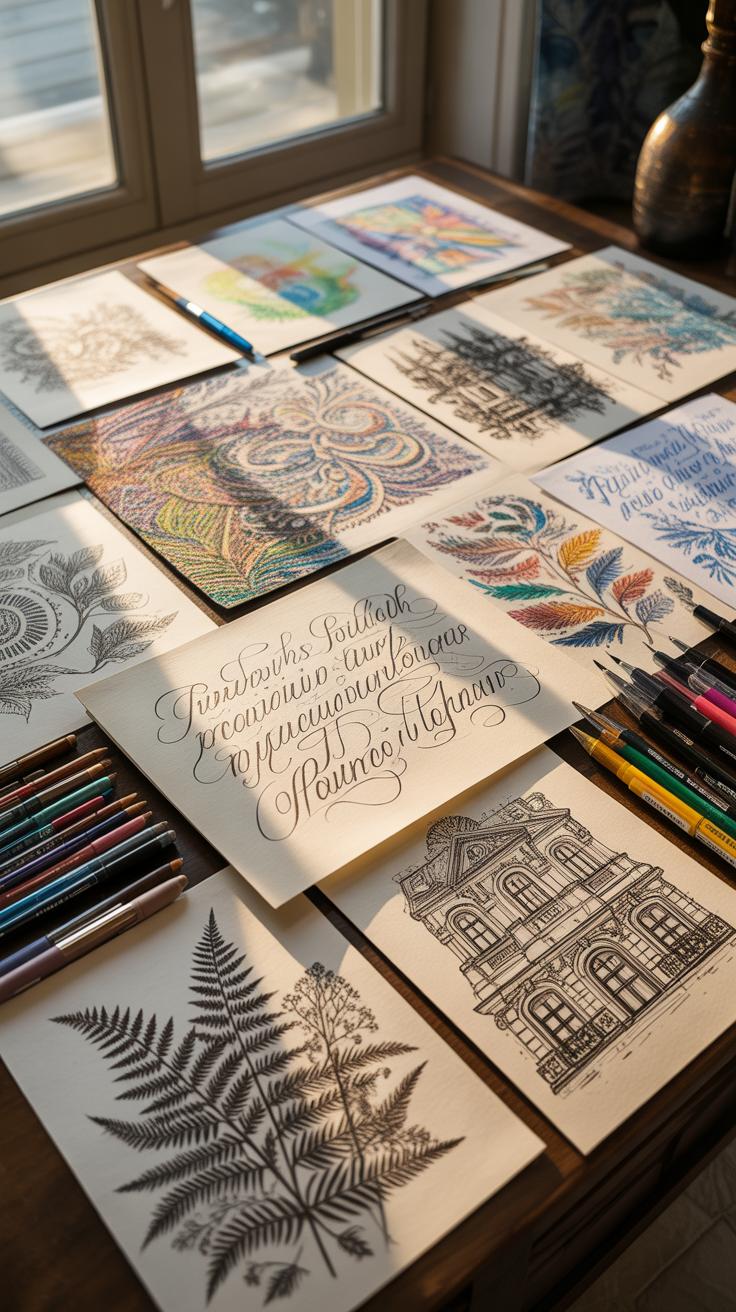
Ink pens open a surprisingly broad playground for creative projects. From tidy calligraphy on invitations to spontaneous sketches in a notebook, their uses stretch far beyond just writing. You might find that simple ink pens can unexpectedly bring life and detail to your art in ways pencils or markers don’t quite match.
Think about decorating everyday objects—journals, scrapbooks, even phone cases—with intricate ink patterns. It’s not just about bold lines; you can also build subtle textures by layering fine strokes. Those tiny dots and crosshatches suddenly add depth where flat colors would feel bland.
With ink, precision often matters more than speed. You could carefully construct a geometric pattern or just let your hand roam free creating abstract shapes. I personally once tried a mix of calligraphy and doodling on a letter; it felt like a small act of rebellion against plain notes—kind of charming in its oddity.
Are you curious about what kinds of projects ink pens might inspire for you? Sometimes, the best ideas come from simply experimenting without expecting a polished result right away.
Basic Calligraphy And Lettering: Introduce simple calligraphy styles suited for beginners using ink pens
Starting calligraphy with ink pens doesn’t have to be intimidating. You might begin with simple styles like Italic or Faux Calligraphy that don’t require specialized nibs or a lot of practice. Many people assume calligraphy means intricate fancy scripts, but that’s not required—you can create something elegant with just a few steady strokes.
Practicing basic letterforms helps you understand the pressure and angle needed for varied stroke widths. For example, applying slightly more pressure while moving downward can thicken lines, which is essential for that classic look. Conversely, upstrokes stay thin and light.
Try tracing simple alphabet guides or even writing out your name slowly, focusing on each stroke. You’ll notice your control improving over time, even if it feels awkward at first. And don’t worry if your letters aren’t perfectly aligned—they rarely are, and that imperfection can add personality.
Drawing And Sketching Ideas: Share tips on using ink pens for lines, shading, and details in drawings
Ink pens shine when it comes to adding strong, lasting lines and intricate details in sketches. You can create contrast by varying line thickness: thick lines suggest foreground or emphasis, while thin ones recede or add texture. This layering makes drawings more interesting, even if done simply.
Crosshatching is a common shading method with ink. By layering lines at different angles, you build shadows without the messiness of pencil smudges. I find that starting light and gradually building darker areas works better than trying to rush heavy shading all at once.
For details, fine-tipped pens allow you to capture tiny textures—think fur, leaves, or wrinkles. Patience is key here, as rushing can cause the ink to bleed or smudge, especially on thinner paper. Sometimes, a few well-placed lines can say more than overworked shading.
Troubleshooting Ink Pen Issues
Ink Smudging And Streaking
Smudges and streaks often appear when the ink isn’t drying quickly enough or when the pen lays down too much ink. This usually happens with gel or fountain pens, where the ink stays wet longer. Paper type plays a role, too—glossy or coated papers can keep the ink on the surface, causing smears if you touch them too soon.
To avoid smudging, try these steps:
- Use a faster-drying ink or pen, especially for left-handed writing or quick notes.
- Write slowly to allow the ink to set, even if it feels a bit awkward at first.
- Choose paper known for good ink absorption—rougher textures can help reduce smearing.
- Avoid resting your hand on freshly written text; simple but often forgotten.
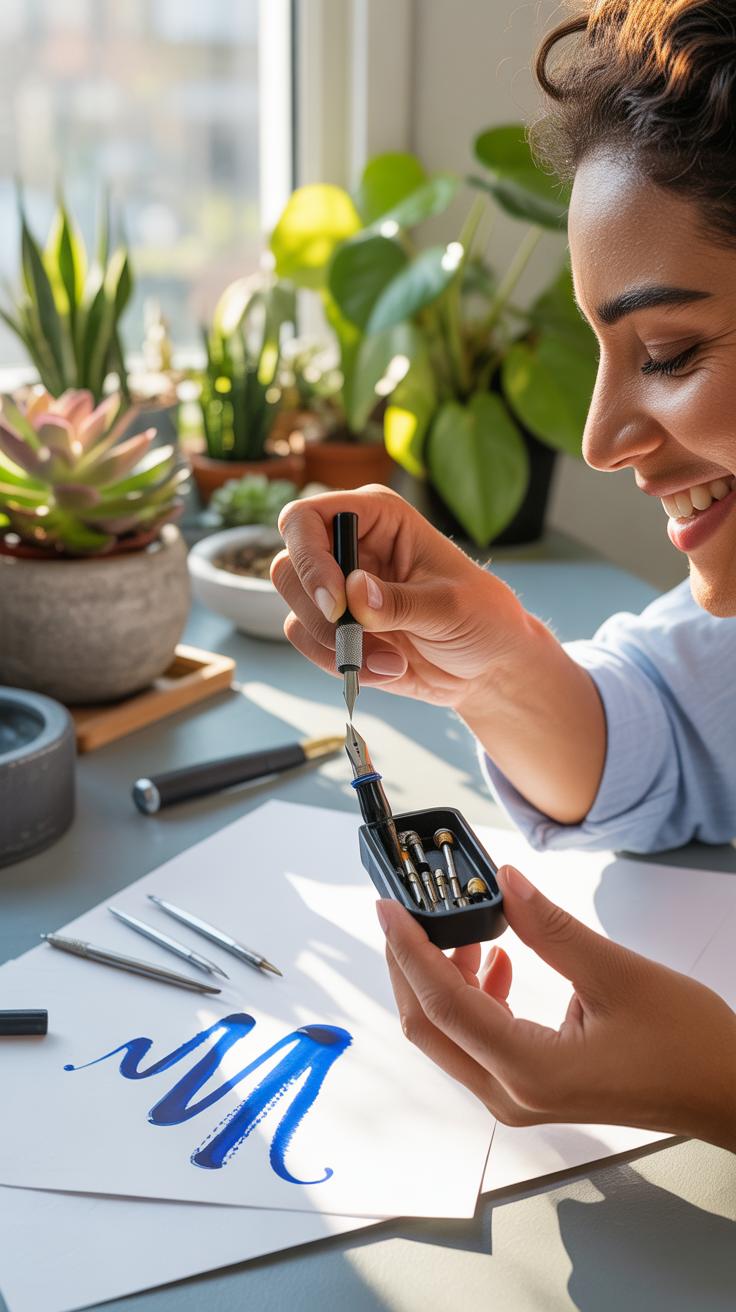
Sometimes it’s not just the ink but your writing angle or speed messing things up. If streaks keep appearing, check the pen nib or ball—dirt or damage can cause inconsistent ink flow, leading to streaks. Cleaning the tip gently may help.
Pen Drying Out Or Skipping
When a pen dries out or skips, it’s usually because the ink is not flowing properly. Air exposure is a common culprit—pens left uncapped quickly lose moisture. Also, the ink might get clogged with debris or thickened if unused for a while.
To get things flowing again:
- Try scribbling on scrap paper to jumpstart the ink flow.
- For ballpoint pens, warming the tip slightly by rubbing it briskly can help loosen dried ink.
- Dip the nib of a fountain pen in warm water briefly—this can clear clogs without damaging the pen.
- Store pens horizontally if possible; it helps maintain ink consistency.
It’s frustrating when a pen suddenly skips mid-sentence, isn’t it? If problems keep recurring, the ink cartridge might need replacing. Sometimes, though, just switching to a different pen or ink type can make a surprising difference in smoothness.
Comparing Brands And Prices Ink Pen Choices For Every Budget
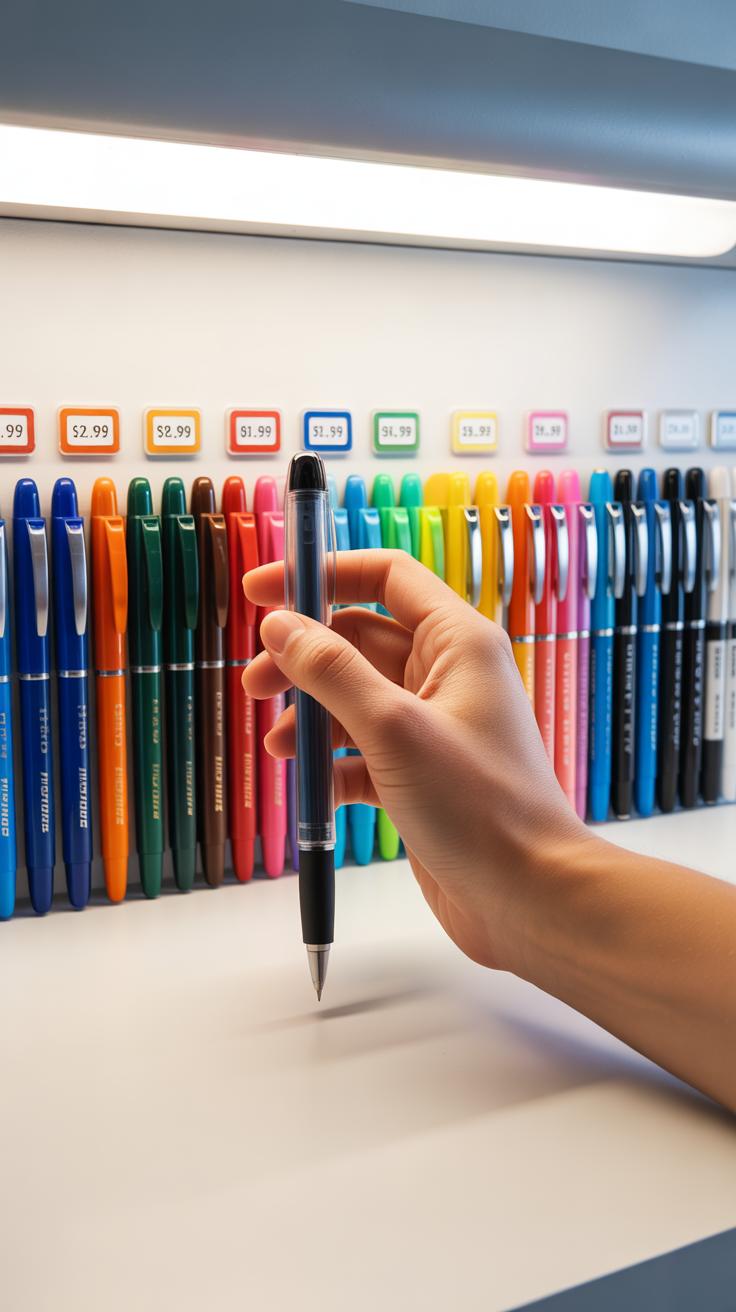
When you start looking at ink pens, the variety can be a bit overwhelming. Brands vary a lot—not just in price but in how they feel, write, and last. For example, Pilot often pops up as a reliable choice, priced moderately and favored by students and professionals alike. On the pricier end, brands like Montblanc catch the eye, offering a certain prestige and smoothness that some swear by, maybe for special occasions or gifts. Then there’s Uni-ball, which sits somewhere in the middle; people often choose it for everyday use because it strikes a balance between quality and cost.
Cheap pens can surprise you, at times. There are those basic ballpoints you grab without thinking and then some that just annoy with blotchy ink or scratchy lines. But spending more doesn’t always guarantee the best writing experience. On the flip side, premium pens often advertise comfort and smooth flow, but if you only jot down short notes, maybe the upgrade isn’t necessary. It’s about what you expect from your pen daily.
Here’s a quick look:
- Pilot: Known for smooth gel and ballpoint pens, budget-friendly, great for school and offices.
- Uni-ball: Popular for fade-resistant ink and consistent flow, appealing to creative users who want reliable tools.
- Montblanc: Luxury pens with refined craftsmanship, ideal for collectors or significant professional statements.
- Bic: The go-to when affordability matters most, simple and disposable but often very dependable.
- Lamy: Contemporary design lovers prefer it; it’s moderately priced and praised for good ink delivery.
Choosing a pen feels personal. What feels smooth for one might drag a bit for another. Maybe you prize affordability or, on occasion, you want that extra bit of flair when writing something meaningful. Have you ever thought about what your pen says about you when you pull it out? It’s not just the ink or price—it’s the experience you get. Sometimes, that’s worth more than the cost on the tag.
Where To Buy Ink Pens

Finding the right place to buy ink pens can shape how satisfied you feel with your purchase. You could head to local stores—that includes stationery shops, big-box retailers, or even art supply outlets. These places let you see and feel the pens before buying, which can be really helpful if you’re picky about grip or ink flow. On the flip side, sometimes local stores have limited brands or fewer specialty pens, so your choice might feel a bit constrained.
Online shops, meanwhile, offer an endless variety. Websites like Amazon, specialty pen stores, or even auction sites give you access to everything from everyday ballpoints to boutique fountain pens. You can read user reviews and compare prices across sellers easily. But the catch? You lose the tactile experience, and shipping times or costs might slow you down. Plus, sometimes the color or feel isn’t quite what you expected.
Timing your purchase right can save you a good amount of money. Keep an eye out during back-to-school season, when retailers often put pens on sale to catch students’ attention. Late December or post-holiday sales sometimes slashes prices, too. Some brands hold their own annual sales or launch discount codes that show up unexpectedly. But hey, that’s kind of the fun part—watching for deals can become a bit of a hobby itself, if you’re into that.
Conclusions
Ink pens come in several designs, each fit for different tasks, from everyday writing to artistic expression. Knowing distinctions like ballpoint versus fountain pens guides your choice based on comfort, ink flow, and maintenance needs. Your personal use determines the best ink pen.
With clear knowledge of pen types, ink qualities, and usage tips, you can choose and use ink pens effectively. This helps in producing smooth writing and unleashing your creativity wherever you write or draw.