


Techniques for Drawings With Meaning
Meaningful Drawings Techniques For Online Art Learning help artists and learners create artworks that communicate messages and emotions clearly. Developing these techniques can improve how you express ideas through drawings and make your art more engaging. Online platforms make it easier for you to learn and practice these skills at your own pace.
This article covers important techniques you can use to make your drawings meaningful. It discusses how to include symbolism, choose subjects, manage composition, and use online tools effectively. These topics will guide you whether you are a beginner or want to deepen your art skills.
Identifying Items With Symbolic Value

Choosing objects that carry meaning in your drawings takes more than just picking things that look interesting. Symbols should connect with something deeper—whether it’s cultural traditions or your own experiences. For instance, a dove often symbolizes peace across many cultures, but to someone, it might also represent freedom after a tough time.
When you include symbols with personal or shared significance, your art feels layered and invites viewers to explore those meanings. Think of common symbolic items like keys for unlocking potential, clocks for the passage of time, or even simple flowers representing growth or decay. They quickly convey ideas without needing many words.

But don’t limit yourself to the obvious. Sometimes even everyday objects can gain symbolic weight if you attach a story or feeling to them. Have you ever noticed how a cracked cup might signify something broken but still in use? That sort of symbolism can make your drawing resonate on a subtler level.
Choosing The Right Symbols For Your Message

Picking symbols means matching them to what you want to say. Ask yourself, what feeling or idea do you want people to take away? If you want to show hope, a sunrise might work better than a star, though both relate to light. Do a bit of digging—look up meanings from different cultures or histories, but don’t just copy. Connect those meanings to your own story or idea.
I often find that jotting down what I want to express and then listing symbols with related meanings helps clarify choices. It steers you away from randomly tossing in symbols that don’t quite fit. Also, consider how your audience might interpret these symbols. Sometimes what feels obvious to you can be confusing or meaningless to others.
Remember, it’s okay if symbols have multiple meanings—that ambiguity can add depth. But if that leaves things too vague, refining your choice helps make your message clearer.
Avoiding Overused And Confusing Symbols


Some symbols get used so often they lose impact. Hearts for love or skulls for danger might feel tired or predictable. Sometimes, these worn-out symbols don’t engage viewers—they just skim past.
Moreover, symbols that carry mixed messages can confuse. Take the owl: some see wisdom in it, others associate it with bad luck. If you want precision, look for alternatives that reduce such ambiguity.
Try brainstorming unique symbols connected to your topic or personal story. Even ordinary objects can gain new meaning with the right context. Another approach is blending symbols to create something fresh—like merging a clock with a tree to suggest time and natural growth.
Don’t shy away from experimenting. Sometimes, stepping away from the usual symbols helps your drawing speak louder and clearer.
Setting Clear Drawing Goals


Starting a drawing without a clear goal is a bit like wandering through a forest without a map—you might enjoy the journey, but you’re less likely to reach a place that feels meaningful. When you set a goal first, it acts like a guide, helping you make decisions about how your drawing will look and what it should communicate.
If your goal is to express quiet sadness, you might lean toward softer lines, muted tones, and gentle composition. But if you want to show energy or chaos, sharper shapes and uneven spacing could work better. The goal influences every choice—style, composition, detail—and ensures they all pull in the same direction.
Defining What You Want To Convey
Before pencil even touches paper, ask yourself: What do I really want this drawing to say? Is it about a feeling, an idea, or a story? Sometimes it’s not easy to decide. Maybe you’re not sure if it’s frustration or hope. That’s okay. The act of trying to pinpoint your message can already focus your work.
Trying to communicate a story invites you to think about characters and backgrounds. Wanting to capture an emotion pushes you toward expressions or color choices. Even an abstract idea can become clearer if you spend a moment defining it first. This step, though simple, sets a foundation that guides the rest of the drawing.
Planning Your Drawing Steps
Once your goal feels clear, it’s useful to break down your drawing into a few steps. This plan doesn’t need to be complicated. For example, start with:
- Sketching rough shapes to establish composition
- Adding line work to define forms
- Refining key details that highlight your intended message
- Applying shading or color to deepen mood

This structure helps you keep the focus on what matters most, rather than getting distracted by less important details. It’s like having checkpoints—you pause, check if your drawing still matches your goal, and adjust if needed. That way, the final piece holds more meaning because every step has a purpose.
Balancing Composition And Space
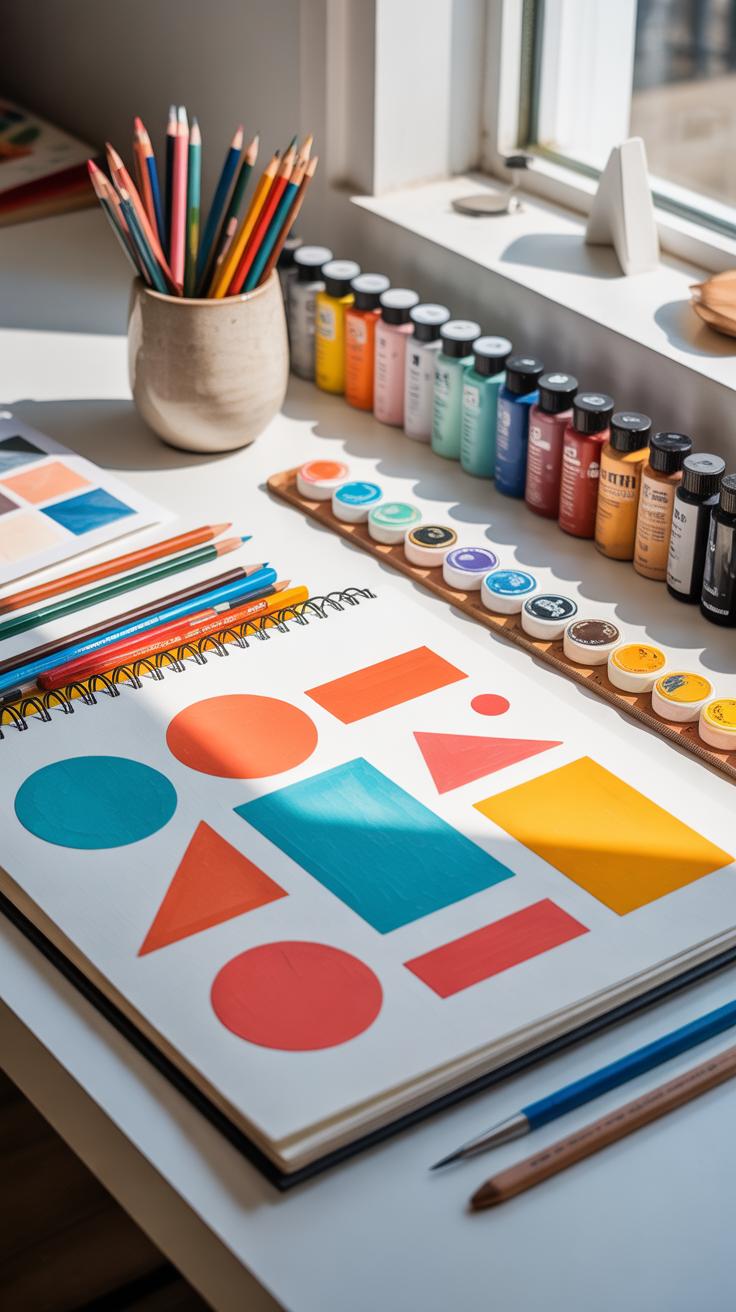
Composition is the backbone of any meaningful drawing. It directs the viewer’s eye and shapes how your message comes across. Without careful arrangement, even the most expressive elements can feel lost or confusing.
Think about how objects relate to each other in your drawing. Placing elements too close can crowd the scene, while spacing them out too much might disconnect their meaning. You want a balance where everything feels connected, yet each part holds its own weight.
Negative space—the empty areas around and between subjects—plays a surprising role here. It doesn’t just fill up the background; it can define shapes and emphasize your main points. I often find that stepping back and looking at the negative space reveals if the composition feels right or off.

Balancing elements isn’t about perfect symmetry. Sometimes a deliberately off-center focal point or uneven spacing adds interest. But if elements battle for attention without hierarchy, your message gets muddled.
Using Space To Highlight Key Elements
Empty space can be a powerful spotlight. When you surround an important part of your drawing with emptiness, it draws immediate focus—like a stage lit just for the lead actor. This isolation can clarify what you want the viewer to notice right away.
On the flip side, filling space with repetitive or less important details can serve to push the key elements forward by comparison. But too much filled space risks overwhelming. It’s a delicate balance that depends on what you want the viewer to feel or understand.
In one of my early sketches, I cluttered the background with tons of little details. It pulled attention from the subject, and honestly, it was a mess. Pulling back on those details and giving more breathing room transformed the whole drawing.
Common Composition Pitfalls
Clutter is the usual suspect. When too many objects compete for attention, nothing stands out. Your drawing just feels busy. To avoid this, try simplifying. Remove or tone down elements that aren’t directly adding to your message.

Another trap is poor balance—where one side of your drawing feels heavy, leaving the other side empty or inactive. It makes viewers uneasy, even if they can’t say why. You can fix this by adjusting sizes, shapes, or adding subtle counterpoints.
Sometimes, people underestimate the power of scale and proportion. A tiny main object surrounded by large but irrelevant shapes confuses meaning. Play with size to create hierarchy and ensure your message isn’t lost.
Have you caught yourself shying away from empty space, filling every inch “just because”? What happens if you let some parts breathe instead, letting meaning emerge naturally?
Techniques To Convey Emotion Visually

Emotion plays a huge role in making a drawing meaningful, but it’s not always obvious how to show it clearly. You can use lines, shapes, and shading to express feelings—sometimes in subtle ways. Think about how jagged, erratic shapes can create tension or unease, while smooth, flowing curves might feel calming or gentle. Emotions add layers to your work, making viewers connect beyond just what they see at first glance.
Lines aren’t just outlines; their quality can hint at what the drawing is feeling. Sharp, broken lines can suggest anger or anxiety, while soft, wavy lines imply tenderness or sadness. Thick lines might feel heavy or urgent. You might find yourself drawn to one style over another, or combining them to show mixed emotions—like confusion caught between anger and sadness.
Shading helps too. For example, cross-hatching can build intensity or stress, while smooth blending might create a peaceful, quiet mood. These techniques do more than give form: they set the tone. When you shade with intention, it can transform a simple sketch into something that resonates emotionally. Don’t shy away from experimenting with contrasts—light against dark, rough against smooth—to find the emotional story in your drawing.
Combining Traditional And Digital Tools
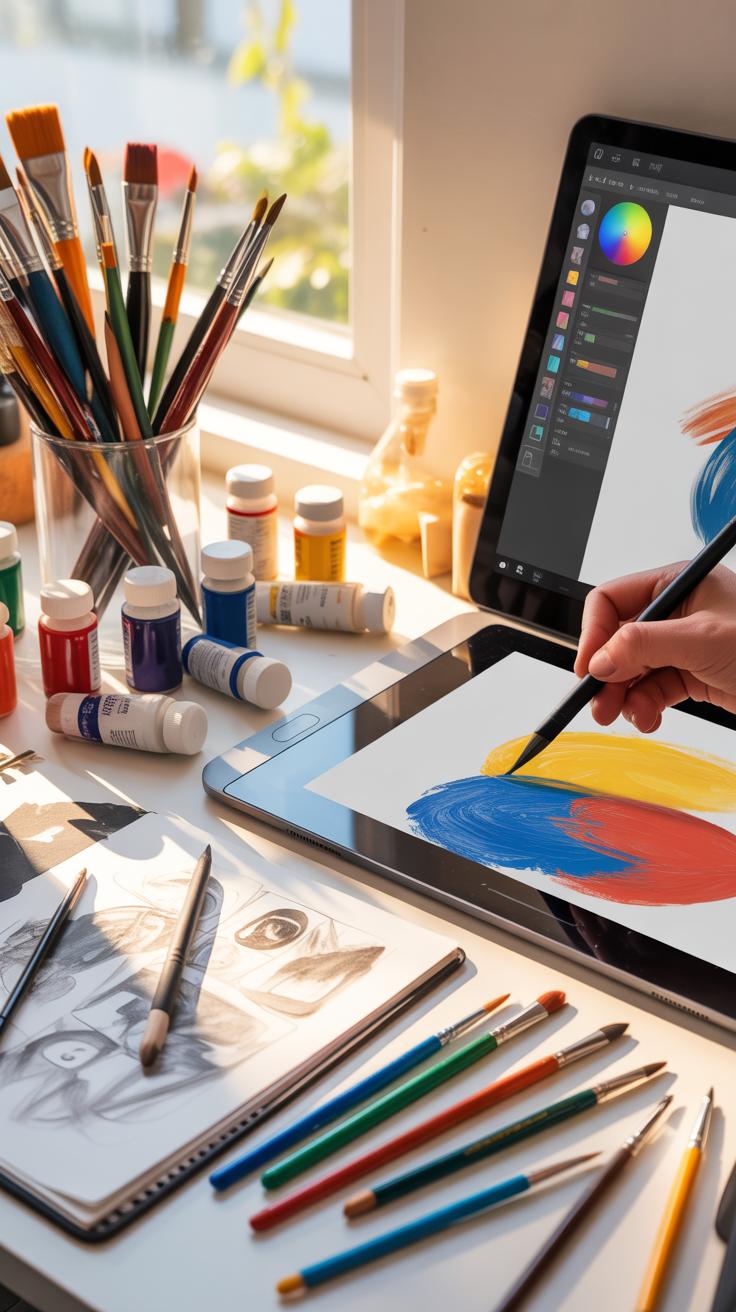
Mixing pencil, pen, or paint with digital tools can really change the way you approach meaningful drawing. There’s something about starting a piece on paper that feels more natural—maybe it’s the tactile feedback or the unpredictability of hand movement. Then moving that work into a digital space allows you to experiment without fear of ruining your original effort. Have you ever been hesitant to erase a line on paper just because it took a while to get it right? Digital tools solve that problem fast.
Software like Procreate, Adobe Fresco, and Clip Studio Paint offer brushes that mimic real media closely. They let you add layers, adjust color easily, and refine details that would be tricky on physical paper. Even apps like Autodesk SketchBook are quite beginner-friendly, letting you work comfortably on a tablet or phone.

When you use both worlds, you’re not just copying your work digitally—you’re expanding its possibilities. This process teaches you to think about drawing differently, which can deepen your connection with each stroke. Though sometimes it might feel overwhelming to toggle between two mediums, learning to switch your mindset builds stronger artistic skills. Maybe digital drawing isn’t perfect, but together with traditional media, it creates a uniquely meaningful experience.
Best Drawing Apps For Beginners
Some apps stand out for beginners who want to explore meaningful drawing techniques without steep learning curves. Here are a few worth trying:
- Procreate: Easy to navigate, with natural brush options that respond well to pressure sensitivity.
- Autodesk SketchBook: Free, with a simple layout and enough tools to start experimenting immediately.
- Adobe Fresco: Good balance between simplicity and advanced features, great if you already use Adobe products.
- MediBang Paint: Lightweight, cloud-based with easy sharing for group projects or feedback.
Trying a few apps might feel like jumping between worlds, but it’s part of finding the right fit for your style. It’s okay not to settle on one immediately.
Integrating Manual Sketches And Digital Edits
Taking your physical drawings into the digital realm is easier than people expect. Scanning or photographing your sketches lets you add layers, erase, color, or detail without losing the original’s character. Here’s a quick guide:
- Use a flatbed scanner if you have one—this keeps details sharp and colors true.
- If not, a well-lit photo can do the trick; just try to avoid shadows or uneven lighting.
- Import the image into your preferred drawing app and adjust contrast or brightness to bring out the lines.
- Create new layers above the scan to add color or refine shading without touching the base sketch.
- Save your work often, and try experimenting with different digital brushes to see what enhances your original line work best.
This blending of manual and digital steps often leads to unexpected discoveries about your art. You might find yourself enjoying the control digital technology offers while still holding onto the warmth of your initial pencil marks. It’s a mix that teaches you patience and flexibility, qualities that shape more meaningful drawings over time.
Drawing From Real Life Versus Imagination

Advantages Of Observational Drawing
Drawing from real life gives your work a tangible sense of detail and authenticity. When you look at an object, you notice subtle shapes, shadows, and textures that are hard to capture from memory alone. For example, sketching a flower in front of you forces you to observe how petals overlap or how light hits the leaves in a specific way. These observations bring depth and realism to your drawing.
It also trains your eye to recognize proportions and perspective more accurately. While this may feel limiting at times, it grounds your art in something everyone can relate to. Actually, spending time with observational drawing can sharpen your skills in ways imagined subjects can’t always provide. But you might find yourself stuck if you only stick to what you see without adding a personal touch.
Using Imagination To Add Personal Meaning
Imagination offers freedom to express what you feel or think rather than what you see. Drawing from your mind lets you design scenes, characters, or abstract forms that carry your inner emotions and stories. Through imagination, your work can become unique—something no one else has created.
For example, you might combine elements from different memories or feelings to create something symbolic. This approach invites viewers to interpret the drawing in varied ways, which can add layers of meaning. Sometimes, your imagination brings forth ideas you didn’t even realize were inside you.
Still, drawing solely from your imagination can lead to works that feel disconnected or overly abstract if not balanced well. It might help to merge the accuracy of observation with the freedom of imagination, using each method when it suits your purpose. Think about what you want your drawing to say. Do you want it to capture reality? Or reveal your inner world? That choice guides when to use each approach effectively.
Steps To Improve Drawing Skills Daily

Building meaningful drawings doesn’t happen overnight. It takes small, consistent steps each day. Consider these daily routines as a checklist to keep you on track:
- Spend 10-15 minutes on observational drawing. Focus on everyday objects around you. Try to notice shapes, shadows, and proportions without rushing.
- Practice line work by drawing continuous lines without lifting your pencil. This helps with control and confidence.
- Set aside a few minutes for creative exercises — like doodling an abstract form or blending unrelated elements. This stretches your imagination.
- Try changing your tools now and then to feel how different pencils, pens, or brushes respond. It keeps things fresh.
Don’t worry if some days feel tougher than others. The point is to keep the habit alive. Sometimes, you might notice improvements fast. Other times, it’s slower. That’s okay.
Simple Drawing Exercises For Every Day
Not everything needs to be complex. Simple tasks fit better into a busy routine and still build skill:
- Quick sketches—in 5 minutes or less—capture a scene or object in front of you. Don’t aim for perfection.
- Shape studies: Draw geometric forms like cubes, spheres, and cylinders to understand volume and perspective better.
- Contour drawing: Draw an object’s outline without looking at your paper. It sharpens hand-eye coordination.
- Gesture sketches: Capture a figure’s basic posture or movement with loose, flowing lines. Great for life drawing practice.
These exercises aren’t intended to produce finished pieces. They train your brain and hand to work together more naturally, which later feeds into meaningful work.
Tracking Progress With Art Journals
Keeping an art journal does more than just collect sketches. It becomes a mirror reflecting your growth.
You might start with awkward lines and unfold more expressive strokes over time. Writing brief notes about what you found challenging or enjoyable helps too.
Look back every week or month. Ask yourself: What changed? What stayed the same? Which drawings make you feel something, and why?
Sometimes progress feels invisible until you actually see it on paper. Journals turn that invisible growth into a visible journey, encouraging steady improvement.
Examples Of Effective Meaningful Drawings

Famous Artworks And Their Messages
Take Picasso’s “Guernica.” It’s a chaotic, almost raw image that captures horror and suffering. The fragmented shapes and distorted figures pull you in—there’s no comfortable viewing. You sense pain without a need for words. This comes from Picasso’s use of monochromatic tones and broken forms, which refuse to let you look away or ignore the tragedy.
Then there’s Albrecht Dürer’s “Praying Hands.” Simple, plain, yet deeply moving. The focus stays tight on the hands, detailed and textured with delicate lines. The restrained composition and contrast between light and shadow invite quiet reflection, maybe about faith or vulnerability.
Another one might be Keith Haring’s graffiti-inspired drawings. They use bold lines, repeated motifs, and minimal detail to shout messages about social issues. The style is direct, almost urgent, which fits the public, barrier-breaking intent of his art.
Lessons Learnt From Successful Drawings
What stands out in these examples is how much the artist’s choices shape meaning. Simplifying or exaggerating figures can heighten emotion. Thoughtful placement of light and shadow guides the viewer’s eye and feeling. Limited palettes often strip distractions, concentrating impact.
Try asking yourself: what exactly do I want my viewer to feel? Then pick techniques that push toward that—maybe sharp lines for tension or soft shading for calm. Don’t be afraid to break traditional rules if it serves your message better.
In short, meaning isn’t just in the subject but in how you show it. Your drawing’s power grows through intention behind each stroke. This is something you can practice and refine, step by step, with every effort you make.
Avoiding Common Drawing Pitfalls

It’s easy to lose the thread in your drawing when you stray off-topic or clutter the image with unclear symbols. Sometimes, a symbol that makes perfect sense to you might confuse others—or yourself later. Poor composition often sneaks in, scattering the viewer’s attention and diluting the impact. These mistakes make the meaning fuzzy, or worse, disappear entirely.
To avoid this, keep your core message in mind. Ask yourself:
- Does every element support my main idea?
- Are my symbols clear and consistent?
- Is the eye guided naturally through the drawing?
Try sketching thumbnails first to test layout ideas quickly. Simplify. Less can be more honest in expressing meaning.
How To Keep Your Drawing Focused
Staying focused feels harder online, where distractions abound. One trick is to pause regularly and step back. Ask what you want your viewer to feel or understand. If a detail doesn’t help, reconsider its place.
Writing a quick note or a mantra about your drawing’s purpose can anchor your process. Remind yourself—why are you drawing this? This might sound obvious but helps resist adding unrelated doodles.
You might find your focus wavers. That’s normal. Sometimes, changing medium or shifting perspective briefly brings clarity. Don’t rush. In practice, clarity builds gradually.
Fixing Mistakes Without Losing Meaning
Mistakes happen, and they don’t have to mean losing your message. When something feels off, first identify why. Is it a misplaced symbol? An awkward line? Spotting the root frees you to fix without discarding more than necessary.
Consider subtle adjustments rather than big erasures. Can you alter scale or reposition elements? Sometimes, layering corrections over the error works better than erasing completely. This can keep the drawing’s flow intact.
If a symbol loses clarity after a fix, try adding minimal explanation nearby or simplifying it. You don’t want an overly busy drawing, but a tiny note or tweak can save meaning.
Forget the idea that mistakes ruin art. Often, a drawing grows stronger through revisions, as long as you stay mindful of your original intent.
Using Online Resources To Learn Drawing
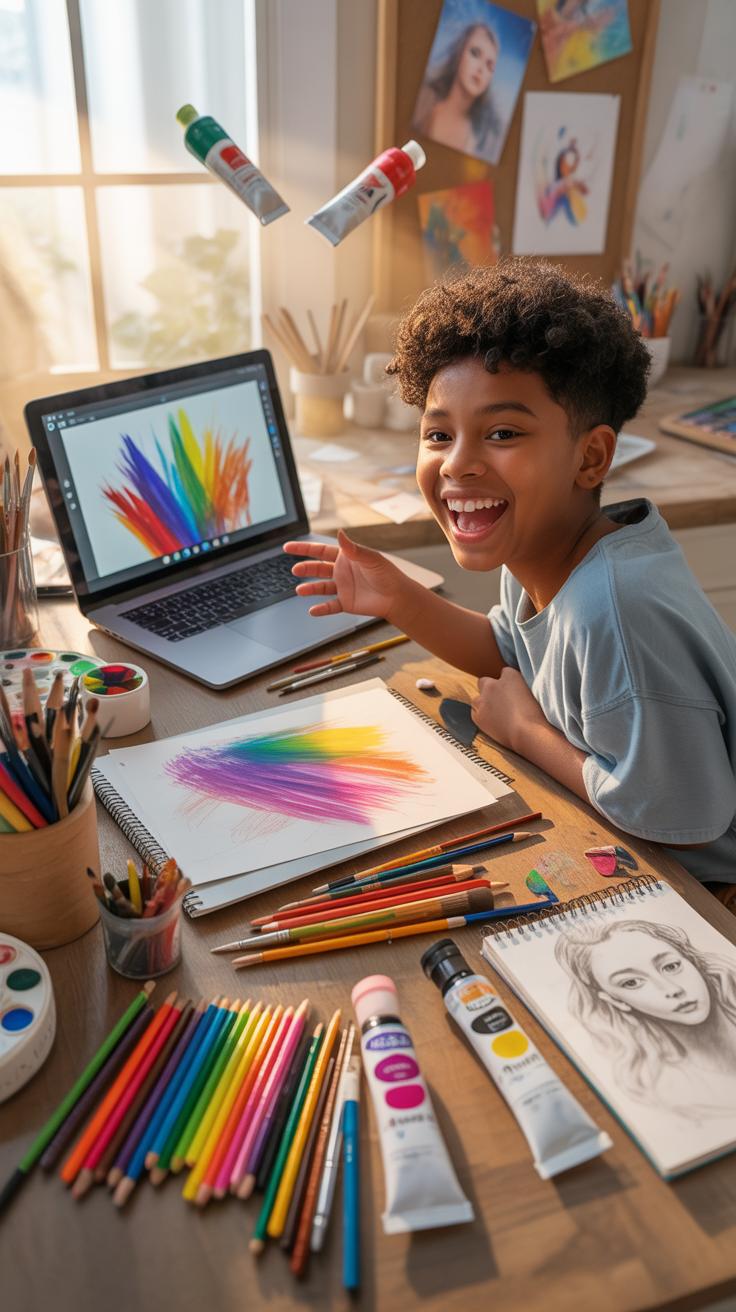
If you want to learn meaningful drawing, online resources can be both a treasure trove and a bit overwhelming. There are plenty of websites that focus on teaching not just how to draw, but how to create drawings that carry weight, express emotion, or tell a story.
Some platforms offer free tutorials that cover basics, like Proko and Drawspace. They do a good job breaking down anatomy, gestures, and expression, which are essential for meaningful work. Then there are paid sites such as Schoolism or New Masters Academy. These tend to go deeper into the conceptual side, pushing you to think beyond form and explore the “why” behind your marks.
What’s tricky, though, is finding lessons that balance technique with personal voice. You might find one course heavy on anatomy but light on helping you develop your own style or message.
Also, spending time in art communities like DeviantArt, ConceptArt.org, or even Reddit’s r/learnart can flip the experience. These spaces let you share work, get feedback, and see how others approach meaningful drawing. Sometimes, a critique feels more valuable than hours of tutorials because it’s tailored and immediate.
It can be a bit of trial and error to find what clicks for you. But mixing structured lessons with community input often pushes your skills forward in a way pure solo practice doesn’t. Are you more motivated by guided instruction or peer interaction? That’s a question maybe only your own experience can answer.
Conclusions
Meaningful drawings require combining technical skills with thoughtful choices about subject, composition, and symbols. Practicing these techniques helps you express clear messages that connect with viewers. Learning online offers easy access to diverse resources and classes that support your growth as an artist.
By avoiding common pitfalls and applying the explained tips, you can create drawings that matter. Keep practicing regularly and experimenting with new ideas to improve your meaningful drawing skills over time. Your art can communicate strongly and inspire others with what you’ve learned here.