


Sketch Poses for Romantic Couple Drawings
Couple Sketch Poses For Romantic And Easy Love Drawings let you capture tender moments between two people. Drawing couples is a beautiful way to express emotions visually. Whether you’re an artist or a beginner, learning simple poses can make your love drawings more natural and touching.
This article breaks down easy couple sketch poses to help you start your drawing journey. You will find tips on how to draw romantic scenes with ease and how to improve your sketches step-by-step. You’ll also learn about common errors to avoid and examples to inspire you.
Basics Of Couple Drawing
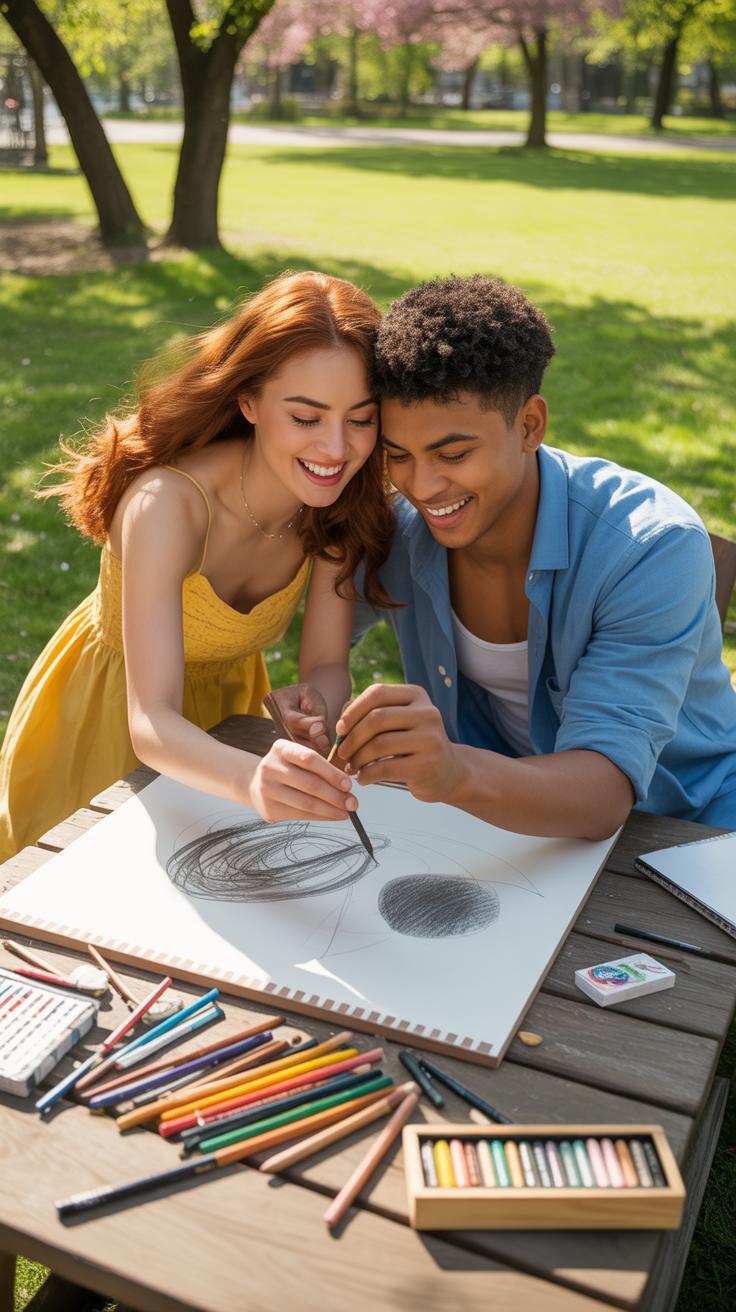
Couple drawing focuses on capturing two people together, usually highlighting their relationship or shared moment. It’s about more than just two figures side by side — you want to convey their interaction, their connection. This makes it a bit tricky because the body language must feel natural and authentic. The way their bodies lean toward each other, the space between them, even subtle touches, all tell a story.
When sketching couples, watch closely the positioning of the bodies. Are they facing one another? Holding hands? One leaning in more? These choices shape the emotion you’re trying to show. Also, pay attention to balance — the figures should support each other visually. Sometimes one figure’s posture complements or contrasts the other, which adds depth.

But don’t forget the emotional bond. Even in simple poses, you want the connection to feel real. A glance, a slight touch — these details breathe life into your drawing.
Easy Poses For Beginners
If you’re just starting, stick with straightforward poses that don’t require complex anatomy. Here are a few you might try:
- Holding hands: Both standing or walking side by side. Focus on hand shapes first, then build the arms and bodies.
- Sitting together: Maybe on a bench or ground, bodies slightly turned toward each other. This helps practice overlapping forms and foreshortening.
- Gentle embraces: One arm around shoulders or waist. It’s simple but conveys closeness well.
For an easier time, sketch those poses lightly at first. Use simple shapes for heads and torsos — circles and ovals. Don’t sweat details early on. It’s about getting the general forms and relationships right before refining.
Common Mistakes To Avoid


It’s easy to run into a few pitfalls while drawing couples, especially if you’re new. One typical error is ignoring correct anatomy for each figure. Sometimes artists stretch or squash limbs awkwardly to fit a pose, which breaks realism.
Another common problem is stiff or unnatural body angles. When people don’t pose very stiffly in real life, so your drawings shouldn’t either. If poses feel off, try loosening your lines or adjusting the angles. A tip: use reference photos or even pose yourself to catch how bodies shift.
Also, watch out for the space between the figures. Too much or too little distance makes the connection look weird, either detached or overcrowded. Balancing that space is tricky but worth practicing.
Fixing these mistakes takes patience. Sometimes erasing and redrawing parts help, or breaking down poses into simple geometric shapes first can keep proportions in check. And don’t hesitate to step back and view your drawing from a distance — it reveals awkward spots you might miss up close.
How To Draw Romantic Poses


When you’re drawing romantic couple poses, small details matter more than big, dramatic gestures. Love shows best in subtlety: a slightly tilted head, a soft smile, eyes that meet but don’t stare. Think about the way two people lean toward each other, closing the space between them just enough to feel connected but not cramped.
Faces are your key to conveying emotion. Don’t overcomplicate the eyes—simple shapes often work best. Just a slight curve to suggest a smile or relaxed eyelids can turn a blank expression into something tender. Try to capture the quiet moments—a shared glance, a gentle smirk, or a shy side glance. These little expressions carry a lot of weight.
Body language completes the story. Notice how a hand resting lightly on an arm or a finger brushing against a cheek speaks volumes without words. Curved, flowing lines of arms and torsos leaning in create intimacy. When you draw, focus on closeness and balance—two bodies that fit softly together, not stiff or distant.
- Try drawing one figure leaning their head on the other’s shoulder. It’s a classic but effective pose.
- Experiment with hands—fingers intertwined or one hand resting gently on the other’s back.
- Consider subtle head tilts toward each other; it makes the connection feel natural.
- Work with torso angles—slight bends forward show engagement and attentiveness.
Sometimes less is more. Don’t rush into over-detailing. Instead, pause and ask yourself: Does this pose feel like two people sharing a quiet moment? If yes, you’re on the right track. If not, tweak the posture or expressions until you can almost feel their connection even through the drawing.
Step By Step Drawing Process
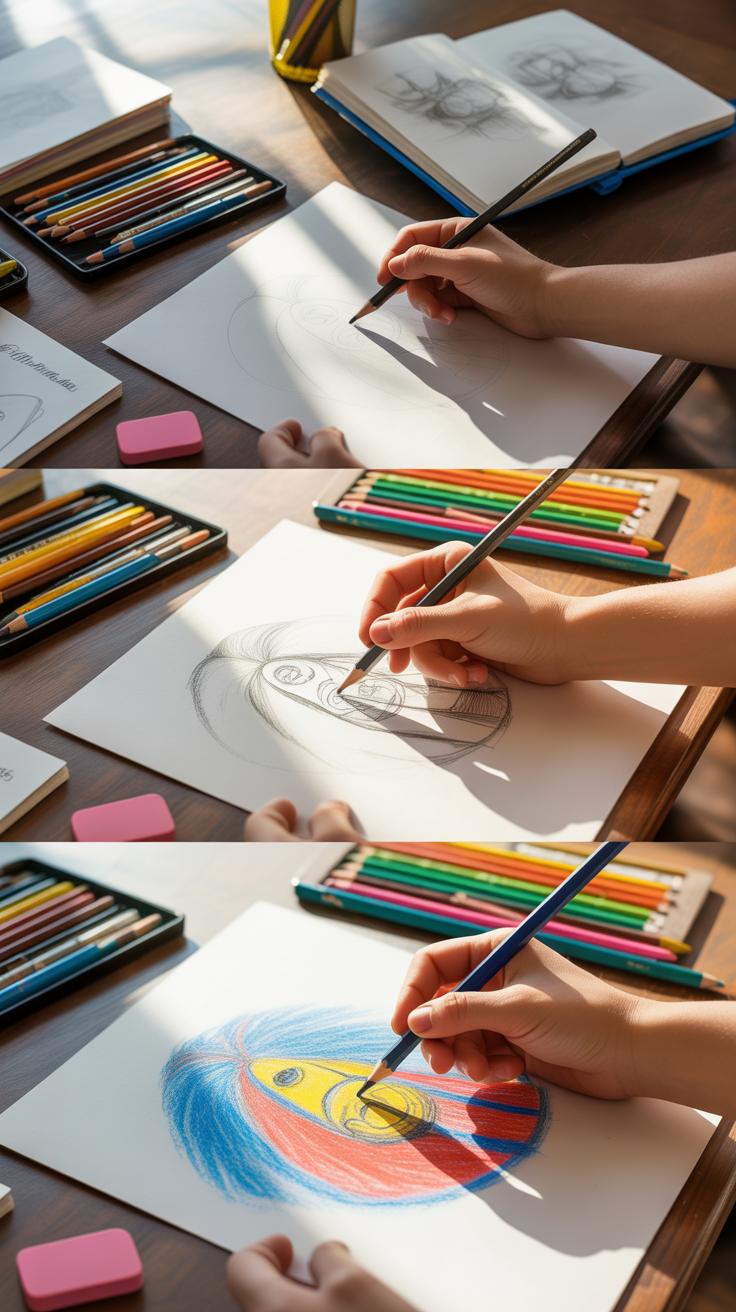

Starting a couple sketch can feel tricky at first, but breaking it down makes it manageable. Begin by lightly drawing simple shapes—circles for heads, ovals for torsos, and lines that suggest the spine and limbs. These shapes aren’t about precision yet, just setting up where each person will be and how they’ll interact.
Think of it as mapping out their space. Maybe one leans slightly towards the other, or one sits while the other stands. Use these shapes to capture that basic posture. Don’t worry about details now, just proportions and positions. This part can feel a bit rough, but it’s kind of like sketching the blueprint.
Once the rough outline feels right, you start adding flesh to those bones. Refine the shapes into more natural curves and add in the neck, shoulders, and limbs. Now you can sketch faces more clearly—eyes, noses, mouths—but keep it light. Clothing comes next. Try to show how fabric falls, wraps, or wrinkles depending on the pose.
Then, shading. It can change everything. Shade under chins, along arms, and between bodies where shadows naturally gather. This gives depth; the sketch stops looking flat. Watch light carefully—does it hit the side of a face or the top of a shoulder? Small details like that make the scene feel alive.
At this stage, your drawing might still seem rough to you. But oddly, those imperfections add charm. Keep stepping back, adjusting, and adding texture until the couple feels like more than shapes on a page—like a moment caught in time. Would you try shifting poses a bit more, or maybe exaggerate a gesture? Sometimes the best drawings come from those small hesitations and changes.
Tools For Couple Sketching


When sketching couples, your choice of tools can make a big difference, even though it might not always feel obvious at first. Pencils, for instance, range widely—some artists prefer softer leads like 4B or 6B for richer, darker lines that bring out emotion, while others stick to harder ones such as H or 2H for refining details. Finding your perfect balance is almost like getting to know your couple subject—sometimes a softer touch, sometimes firmer.
About paper, texture matters. A smooth surface, like Bristol board, helps with clean, crisp lines, but a slightly rougher toned paper might add subtle depth and warmth. It’s tempting to just grab any sketchbook, but playing with different textures can shift how your drawing feels. I’ve noticed that paper that’s too smooth can make shading look flat, while rougher paper can bring shadows to life—though it can be a bit frustrating when details get lost in the grain.
On the digital side, tablets like Wacom or iPads with Apple Pencil open up new possibilities, especially for quick edits or layering. Software like Procreate or Clip Studio Paint offers customizable brushes that can mimic pencil strokes nicely—or get a little too precise if you’re used to imperfect hand movements. Digital sketching lets you play with undo and transparency, which can be a crutch but also a relief when capturing fleeting expressions between two people. You might find it changes how you approach couple drawing completely.
Drawing Couples Vs Single Figures
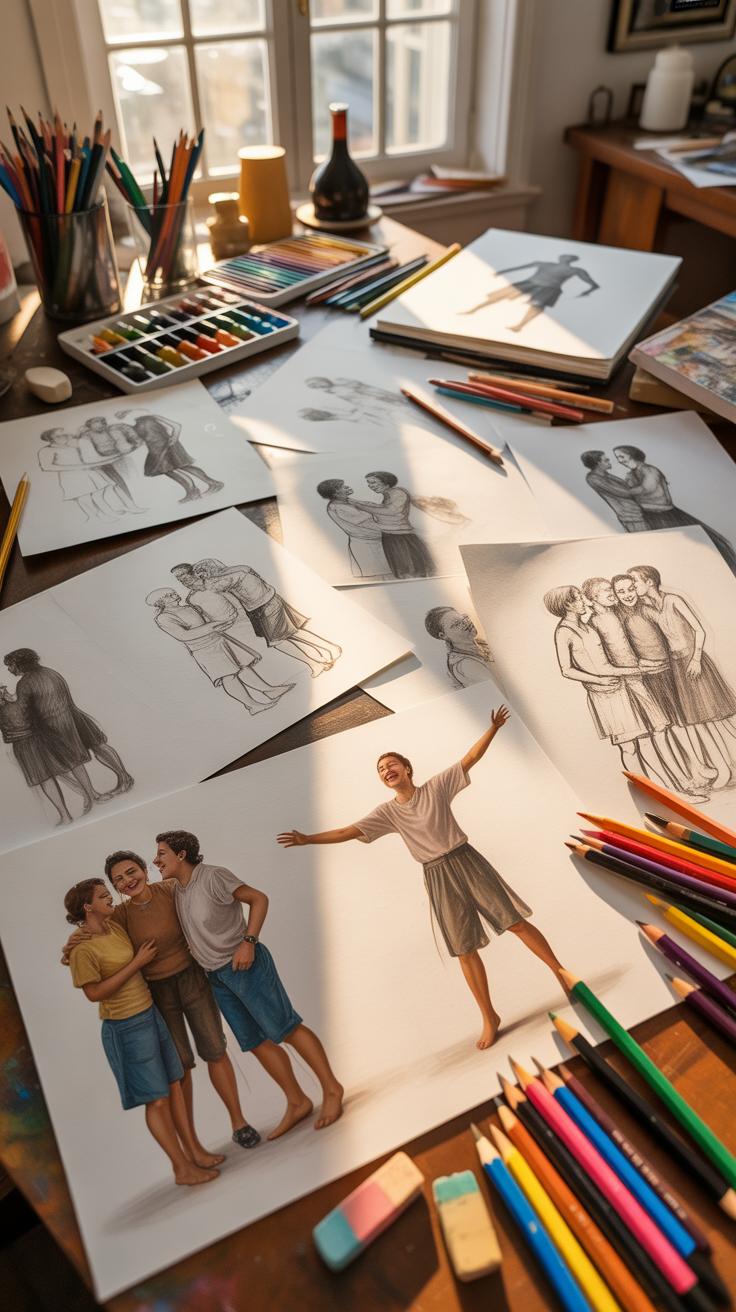
Drawing a couple is quite a different beast compared to sketching a single figure. With one person, you focus solely on that individual’s pose, expression, and form. But with two, the interaction becomes a focal point. You’re not just capturing bodies but the silent conversations between them—their gestures, eye contact, and how they physically relate.

In single figure drawing, space is simpler to manage. You have room to breathe around the drawn figure. For couples, spatial composition turns trickier. You need to consider not only each figure’s placement but also the negative space between them. This space often conveys the story—or the emotional distance.
Techniques shift too. When working on couples, you might delay refining details until you’ve set their relationship in space—like whether they’re close, holding hands, or maybe leaning away. That step is less pressing for lone figures, where anatomy takes center stage right away.
Handling Two Figures In One Sketch
Balancing two bodies without overcrowding can feel like a puzzle. You don’t want them cramped, but empty space risks breaking the connection. Try these approaches:
- Start with broad shapes to map out where each person sits or stands.
- Use overlapping forms carefully to suggest intimacy without confusion.
- Alternate focus—sharpen one figure slightly while keeping the other looser to avoid visual competition.
- Watch the edges; don’t let limbs run off the page awkwardly or clash unnaturally.
It helps to step back frequently—sometimes what feels balanced up close looks cluttered from a distance. I’ve found sketching the couple in a simple scene often gives the figures context and room to exist together.
Using Space To Show Relationship
The space between your couple tells a lot more than just physical distance. It hints at emotion. Even a few inches can suggest warmth or tension, depending on pose and gaze. Look carefully:
- Close proximity with touching—hands, shoulders—express affection or unity.
- A slight gap can whisper unease or ongoing conflict.
- Wide separation often signals detachment, or maybe just a casual moment.

Yet, sometimes closeness doesn’t mean comfort. The nuances make spacing tricky but rewarding to master. You might find yourself questioning—Is this gap too much? Or does this hug feel stiff? Those questions drive a more honest portrayal.
Playing with spatial relationships invites you to think not just about anatomy but what story your couple tells with silent signals. Drawing two people is as much about emotion as it is about form and space.
Romantic Pose Examples
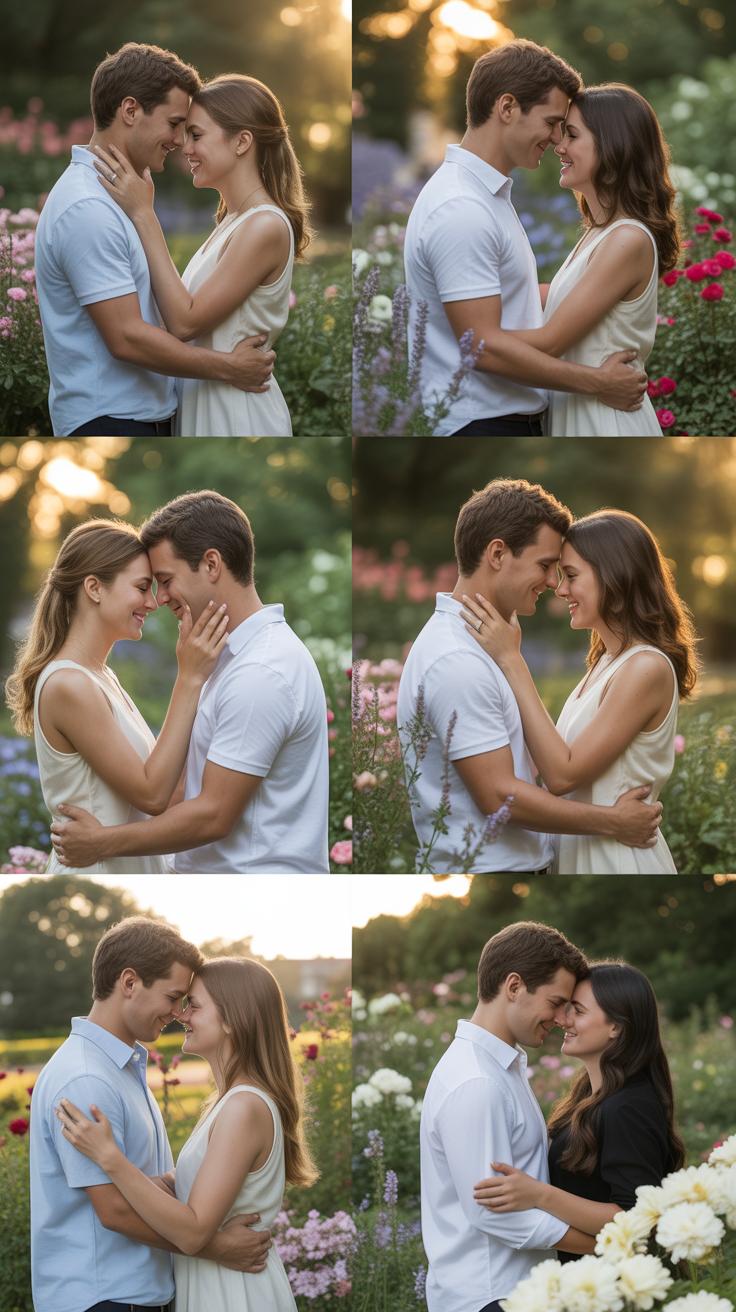
Classic Embrace Pose
When drawing a couple hugging, the key is to focus on how their bodies naturally press together. Start by sketching the basic body shapes leaning into each other, allowing for some gentle curves where they meet. Hands can be tricky—try positioning one person’s hands around the other’s back or shoulders. It doesn’t need to look perfect; a slight overlap can add realism.
For the heads, think about how they might rest gently against one another. One head might tilt slightly downward, the other upward, or both can lean side by side. Capturing a subtle bend at the neck can show closeness without making it look stiff. Don’t worry if the heads aren’t perfectly symmetrical—it actually makes the pose feel warmer and more natural.

Try to include small details like fingers curling softly or the way the elbows might angle slightly outward. Those little things often convey comfort or tension in the embrace. If you’re stuck, look at photos or even observe people hugging—it helps ground your drawing in reality, even if it’s just a rough sketch.
Walking Hand In Hand
Drawing a couple walking hand in hand involves capturing motion and connection simultaneously. Begin with simple shapes: two figures side by side. Position their arms slightly bent and draw the hands joining naturally—fingers loosely intertwined or just touching. Avoid stiff, straight arms. Imagine a subtle swing in their stride to convey movement.
Leg placement is crucial here. One leg of each person should be stepping forward, but don’t make them mirror each other exactly. A little variety in the steps will make the pose feel less forced. Remember, the connection is through their hands, so make sure that part looks soft, not rigid.
Heads don’t have to be perfectly aligned; one might glance slightly toward the other or straight ahead. Think about their posture. Maybe one leans in slightly or the other stands a bit taller. These small choices help you tell a story beyond just two people walking.
Overall, don’t over-plan the hands and legs. Let the drawing feel spontaneous, as if you caught a candid moment. That’s usually where the charm lies in these simple romantic poses.
Creating Depth With Overlapping
When sketching couples, finding ways to suggest depth can really bring your drawing to life. One of the simplest methods you can try is overlapping. By having one arm or leg cross in front of the other, or positioning heads so one slightly covers the other, you create a visual hierarchy that tricks the eye into seeing a three-dimensional space.
Think about how two people stand side by side—usually, parts of their bodies naturally block or cover some areas behind them. You want to mimic this effect in your sketch. Overlapping helps separate the figures from a flat outline and suggests which figure or limb is closer to the viewer.
Overlap Techniques For Depth
Try these ideas when drawing couples:
- Draw one arm resting across the other person’s shoulder, so it crosses over their body. It instantly suggests closeness and volume.
- Use partial head overlaps; one head slightly in front shows depth better than placing them side by side without interaction.
- Position legs to cross naturally—if one foot steps slightly in front of the other, it implies spatial layering.
- Don’t be shy about hiding parts of the body behind others—it adds realism and suggests the figures occupy actual space.
It might feel tricky at first to cover parts of your drawing by others, but life rarely presents perfectly separated forms. This overlapping gives a stronger impression of a shared space and intimacy.
Shading To Enhance Dimensions
Shading plays a big role in emphasizing these overlaps. When one arm covers another, there’s usually a subtle shadow beneath where they meet.
Try these shading pointers:
- Apply darker tones in the areas where limbs overlap to push the covered parts visually backward.
- Use lighter shading on surfaces catching more light to pull them forward.
- Contrast the shadow edges softly; it makes the transition from one shape to the other feel natural, not harsh or flat.
- Observe your own hands or couples in real life—notice slight shadows where bodies touch, and replicate that.
It’s a simple interplay of light and dark that gives your figures volume. Sometimes, just a small shadow beneath an overlapping arm can make the whole pose look far more believable.
Do you find yourself sometimes avoiding overlaps to keep things clear? Try embracing them—they’ll add complexity and depth even in easy love sketches. Experiment a bit and see how even subtle overlaps change your drawing’s feel.
Checklist For Effective Couple Sketches
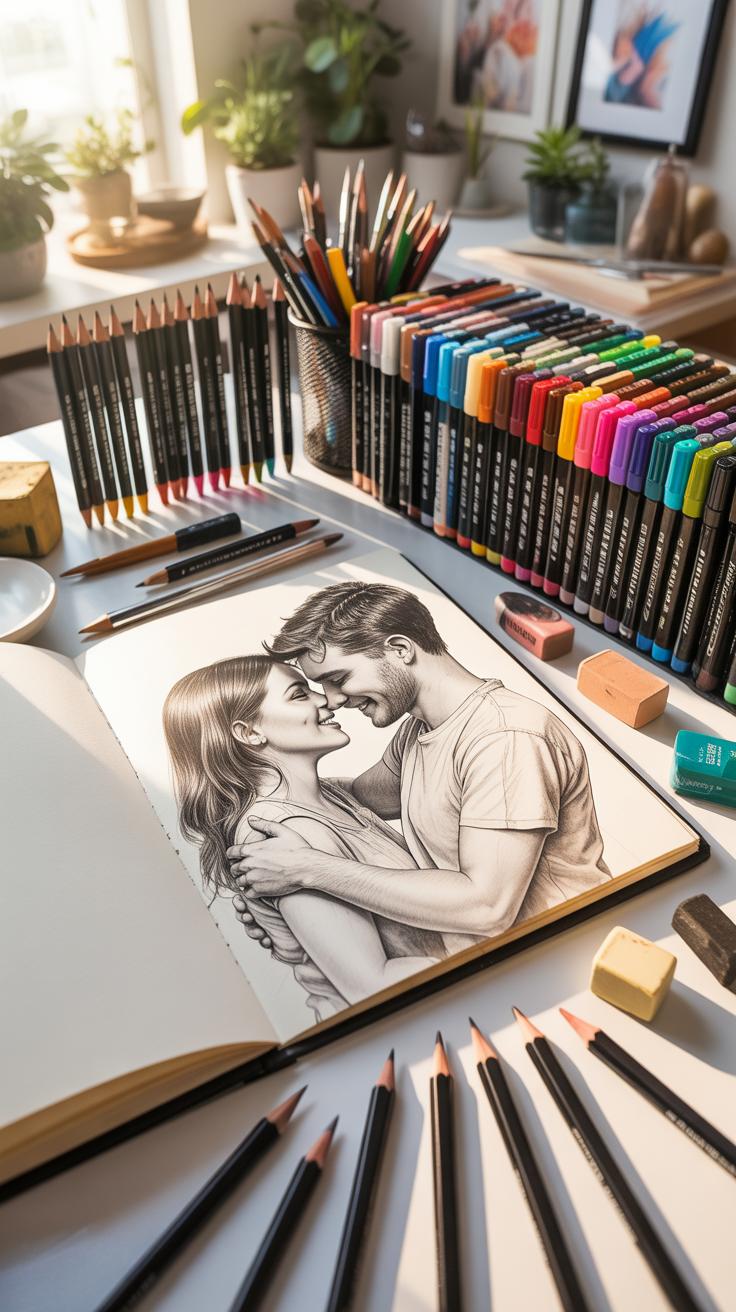
Before you call a couple sketch finished, pause and take a careful look. Does the sketch feel real? Does it capture the connection you want? Sometimes, it’s easy to miss small things that change everything.
Start with proportions. Are the body parts sized right compared to each other? Pay close attention to how heads relate to shoulders, arms to torso. You want the angles to feel natural, like people could truly move that way. If something looks stiff or off, try adjusting it. Even a slight curve or tilt can add life.
Next, check expressions and interaction. Is the emotion clear? Sometimes the smallest change—a soft glance, the curve of a smile, the way hands touch—makes the difference between a sketch that feels cold and one that breathes affection. Don’t just focus on faces; body language matters just as much. Leaning in is different from standing apart.
- Are the limbs positioned naturally, reflecting comfort or intimacy?
- Do the eyes and mouths suggest connection or distance?
- Is posture relaxed, tight, or somewhere in between? Does that fit the mood?
Remember, you don’t need perfect symmetry here. Sometimes, tiny imperfections in positioning make things feel more genuine. Think about the moments you’ve seen between real couples—messy, unbalanced, but full of feeling.
If you feel stuck, step away and come back later. Fresh eyes catch what tired ones miss. Ask yourself—does this sketch make me believe in the moment? If yes, you might be done. If no, tweak until it does.
Improving Your Drawing Skills
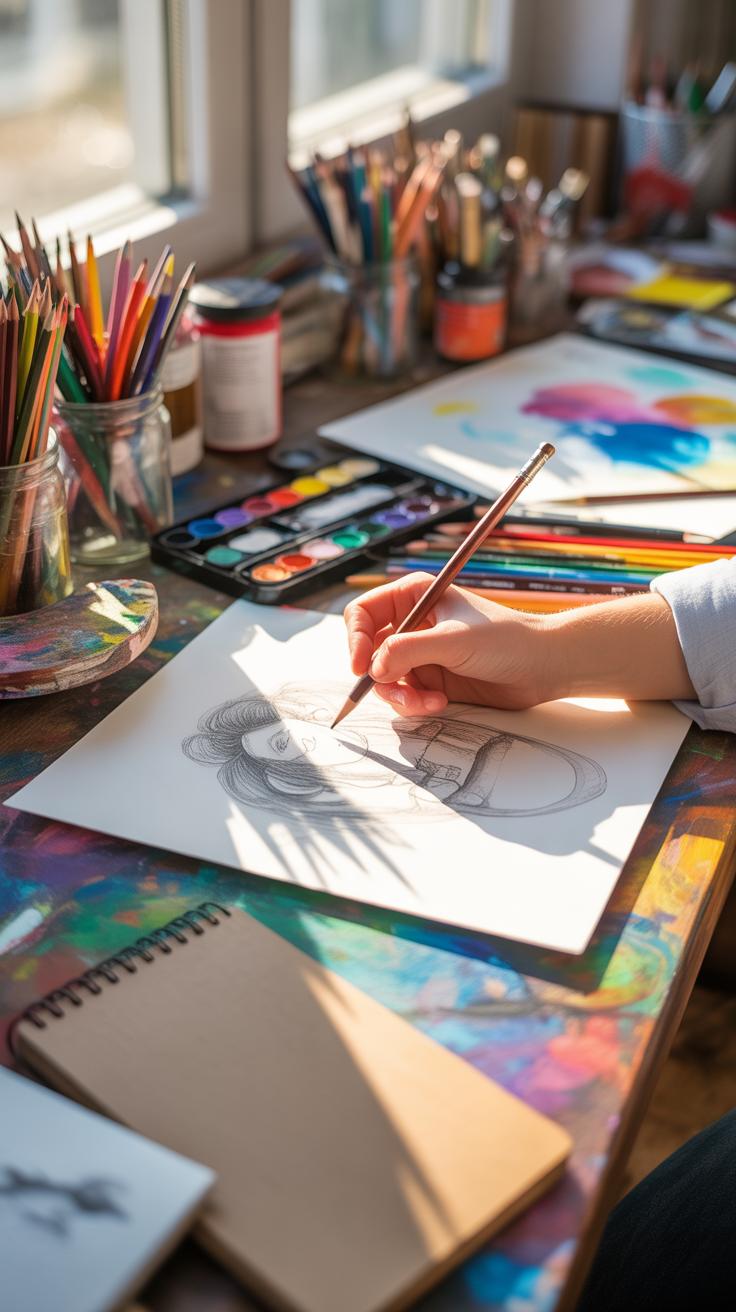
When you’re aiming to get better at drawing couples, it’s easy to feel stuck or unsure where to start next. One thing I’ve found helpful is to draw couples from life or photos, especially ones that show honest emotions. It’s not always about perfect poses but about capturing those small interactions—the way one hand touches the other, a glance, a slight lean. These moments tell a story, and practicing them will train your eye to notice real connections instead of just static figures.
You could set up little sessions with friends or even sketch strangers in a café if you’re bold. Or simply collect photos where couples feel natural, not overly posed. The more you practice observing these subtle things, the more your drawings will feel alive.
And don’t skip the basics. Learning even a bit of human anatomy makes a big difference. Knowing where muscles connect or how joints bend can stop your figures from looking stiff or awkward. It doesn’t have to be complicated—start with simple skeleton sketches or muscle shapes and add layers from there. Slowly, your eye will catch when something feels off and you’ll know how to fix it.
Sometimes, I catch myself stuck on tiny details and forgetting the whole scene—don’t worry if you do too. Maybe balance studying anatomy with just quick gesture sketches focusing on flow and movement. What parts of drawing couples do you find hardest? Could it be the way bodies lean into each other or capturing facial expressions? Try focusing your practice there.
Inspiration From Famous Couple Sketches
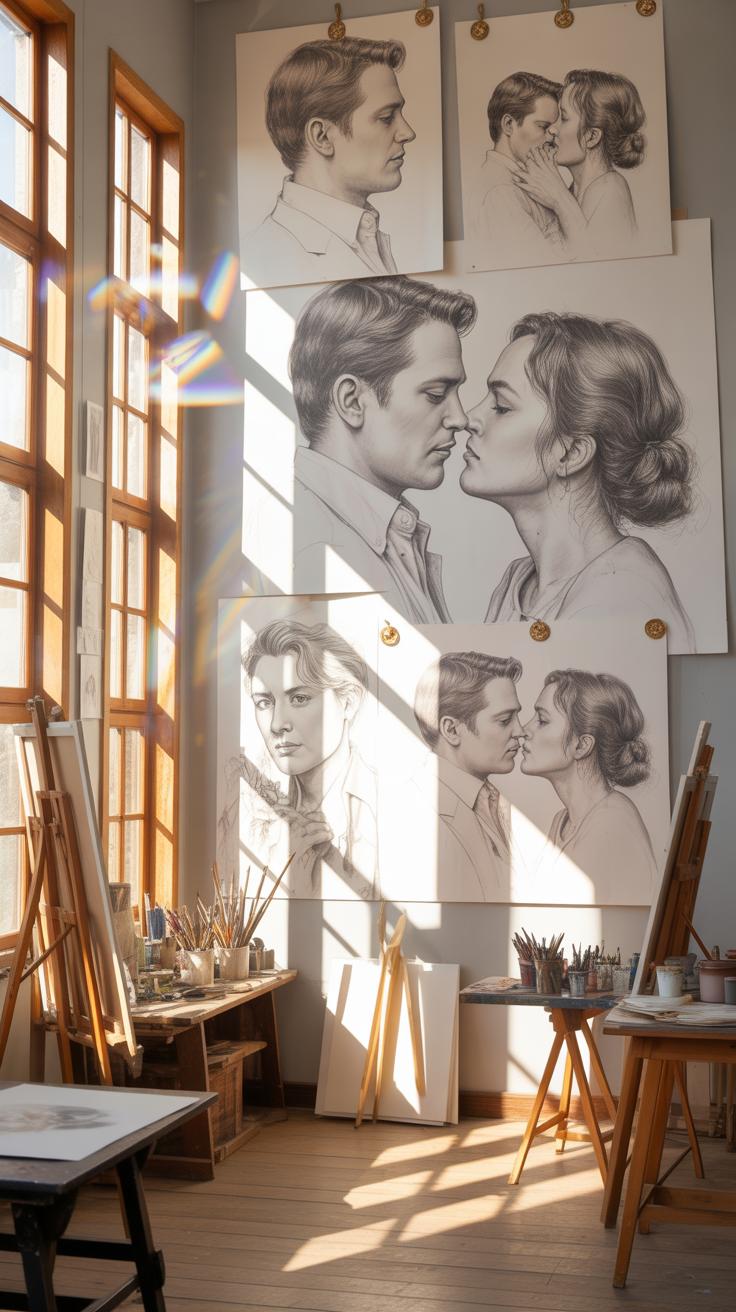
Looking at famous artworks featuring couples can spark ideas for your own drawings. Think of sketches by Egon Schiele or Gustav Klimt, where poses range from gentle embraces to more intense, almost tangled postures. Their work isn’t just about the figures but the emotions conveyed through posture and line. Sometimes the poses are quite traditional—lovers hand in hand, faces close—while other times, they capture moments of tension or distance. You might find that these varied poses challenge your understanding of connection in drawing.
Historical couple artworks, like those by Rodin or Renoir, often show softer, romantic themes, with flowing lines and natural gestures. The bodies tend to overlap or nestle, reflecting closeness or intimacy. Notice how these older works focus on idealized forms and detailed shading, giving depth to emotions.
On the flip side, modern minimal sketches reduce couples to the bare essentials. Clean lines, often swift and uninterrupted, create an impression more than a full depiction. These simple forms focus on the essence of interaction—like a hand resting gently on a shoulder or a shared gaze—without unnecessary complexity. It’s tempting to think minimalism might be too plain, but it can be surprisingly powerful in conveying love’s simplicity.
Have you ever tried mixing these styles? Maybe a classical pose simplified with modern line work? It can be tricky but might open up new ways to express connection. What kind of poses feel genuine to you when drawing couples?
Conclusions
Couple sketch poses add warmth and connection to your drawings. Using simple poses and understanding body language helps capture love and closeness. Keep practicing easy poses to get comfortable with proportion and interaction between figures.
With this guide, you can create romantic and clear couple sketches that tell a story. Stay patient and observe real-life interactions for more inspiration. Draw often, and your ability will grow naturally.