Anime Girlies: The Kawaii Aesthetic and Moe Culture Explained
The anime girlies aesthetic represents a profound socio-psychological phenomenon that transcends simple cuteness, functioning as a site for empowerment and emotional resistance. Rooted in the evolution of bishoujo and kawaii, this aesthetic allows individuals to negotiate modern social pressures through a shared language of empathy. Rather than passive compliance, adopting “girlie” traits serves as a deliberate refusal of adult conformity, offering a utopian sense of freedom and self-expression.
This identity originated from the 1980s shift toward moe and heightened emotional resonance, where artists combined rounded body designs with highly emotive faces. By prioritizing emotional interiority over physical realism, creators empowered characters to navigate patriarchal structures through a “post-gender” aesthetic of emotional openness. Understanding these historical roots reveals how the shojo style fosters supportive communities centered on mental wellness, kindness, and radical self-love.
The 1980s Moe Revolution: Visualizing the Interior Self
The girlie essence was fundamentally revolutionized in the 1980s when artist Hideo Azuma combined Osamu Tezuka’s rounded body designs with the emotive large eyed faces of shojo manga. This departure from gritty realistic gekiga styles birthed the moe phenomenon—a visceral affection for characters that transcends simple visual liking. By prioritizing emotionally charged aesthetic appeal over physical realism, creators allowed fans to engage in a parasocial connection within the mind, focusing on a character’s unique personality archetypes.
The Technical Gaze: Expressive Eyes as Windows to the Soul
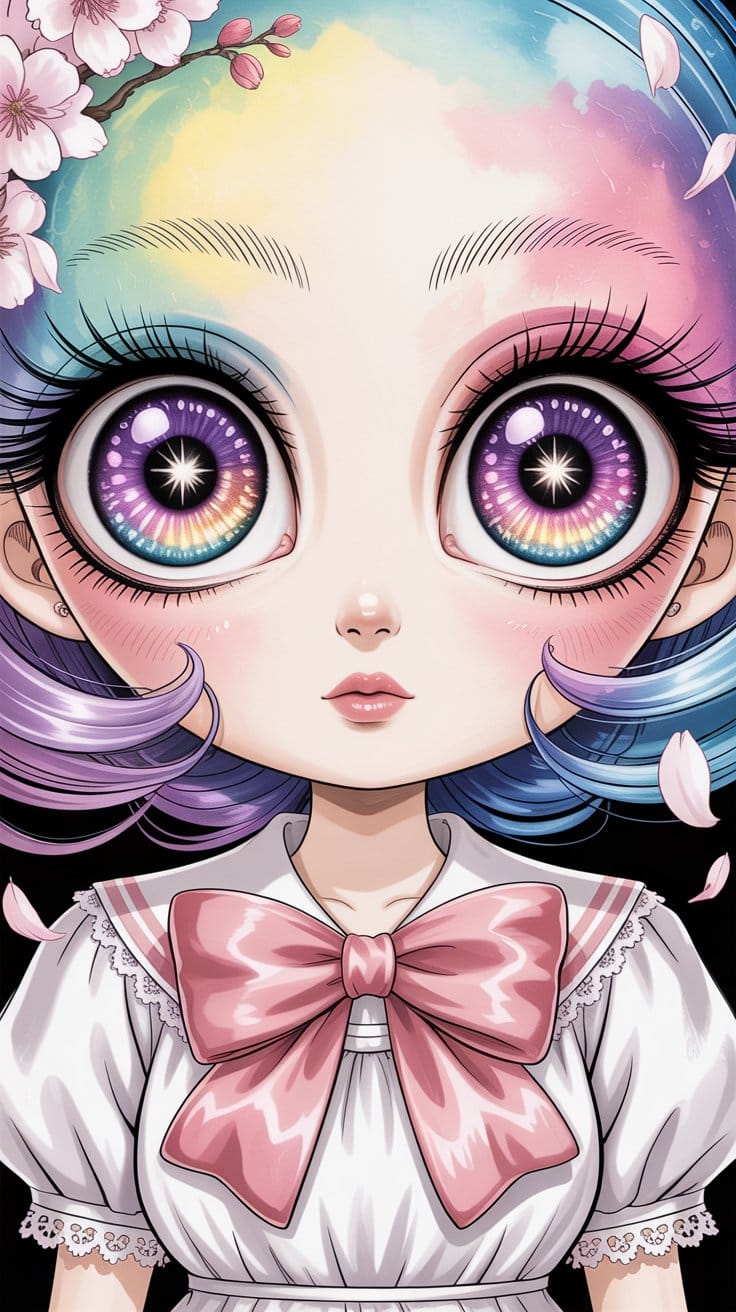
Expressive eyes or dekame are the defining technical hallmark of the shojo style acting as hyper-detailed windows into a character’s soul. Artists utilize concentric circles of varying shades and star-shaped iris highlights to create a glittering effect that captures complex feelings like adoration or melancholy. This technique heavily influenced by the theatrical makeup of the Takarazuka Revue ensures that the girlie essence is communicated through silent interior monologues rather than explicit dialogue.
Framing panels around facial close-ups forces the audience to engage with a character’s emotional landscape fostering deep interpersonal empathy. These hyper-detailed eyes serve as essential markers of gender and interiority allowing viewers to read the air of a scene through visual cues. This technical focus on depth over external action transforms female characters from static visual tropes into vivid relatable individuals providing the high-quality storytelling depth required for meaningful and valuable audience engagement.
Symbolic Persona: Empowerment Through the “Girlie” Aesthetic
In series like Sailor Moon, girlie fashion functions as a persona used to navigate and subvert restrictive social expectations. The iconic sailor suit originally signified virginity and vulnerability, yet it allowed female characters to fight as warriors without violating traditional codes of femininity. By enfolding immense power into an immature and malleable identity, these designs allow anime girls to glory in manifestations of strength that are often denied to women in real-world patriarchal structures.
Modern shojo girl aesthetics continue this tradition of resistance by using pastel colors, frills, and oversized bows as a deliberate refusal of adult conformity. Adopting these whimsical traits acts as a form of self-definition and empowerment, reclaiming visibility within a male-dominated affective economy. Whether through Sanrio-themed accessories or vintage lace, this girlie fashion serves as a post-gender language of emotional openness, fostering supportive communities centered on wellness, kindness, and radical self-love.
The Technical Evolution: From Bishoujo to Moe
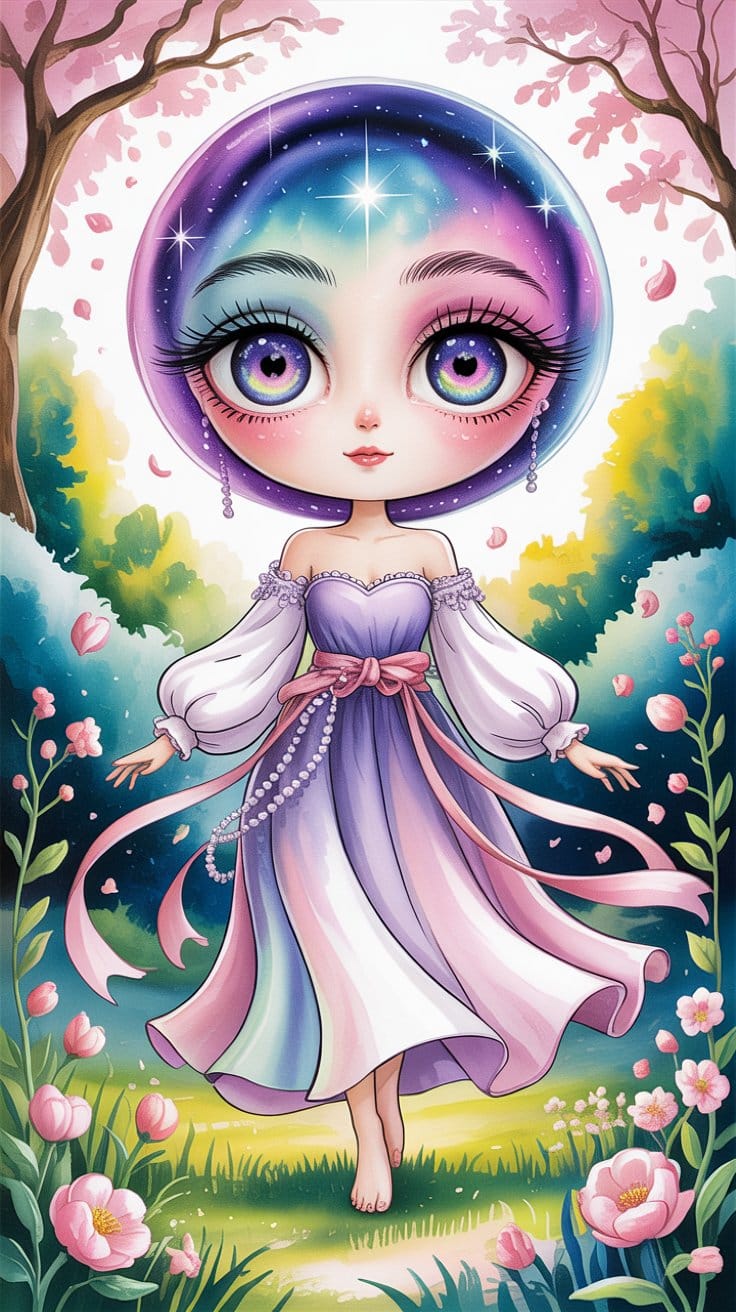
The girlie essence was revolutionized in the 1980s when artist Hideo Azuma departed from realistic gekiga styles to develop heightened emotional resonance. This birthed the moe phenomenon—a strong feeling of affection toward characters that transcends simple visual liking. By combining Osamu Tezuka’s rounded body designs with the emotive, large-eyed faces of shojo manga, creators allowed fans to engage in a parasocial connection focused on personality archetypes rather than physical realism.
The Language of Expressive Eyes
A defining technical hallmark of this style is the depiction of characters with dekame or hyper-detailed eyes featuring star-shaped iris highlights. Artists utilize concentric circles of varying shades and gradient effects to create a glittering look that captures complex internal feelings like adoration or hope. These eyes act as essential markers of gender and interiority allowing the audience to read the air of a scene through visual cues rather than dialogue.
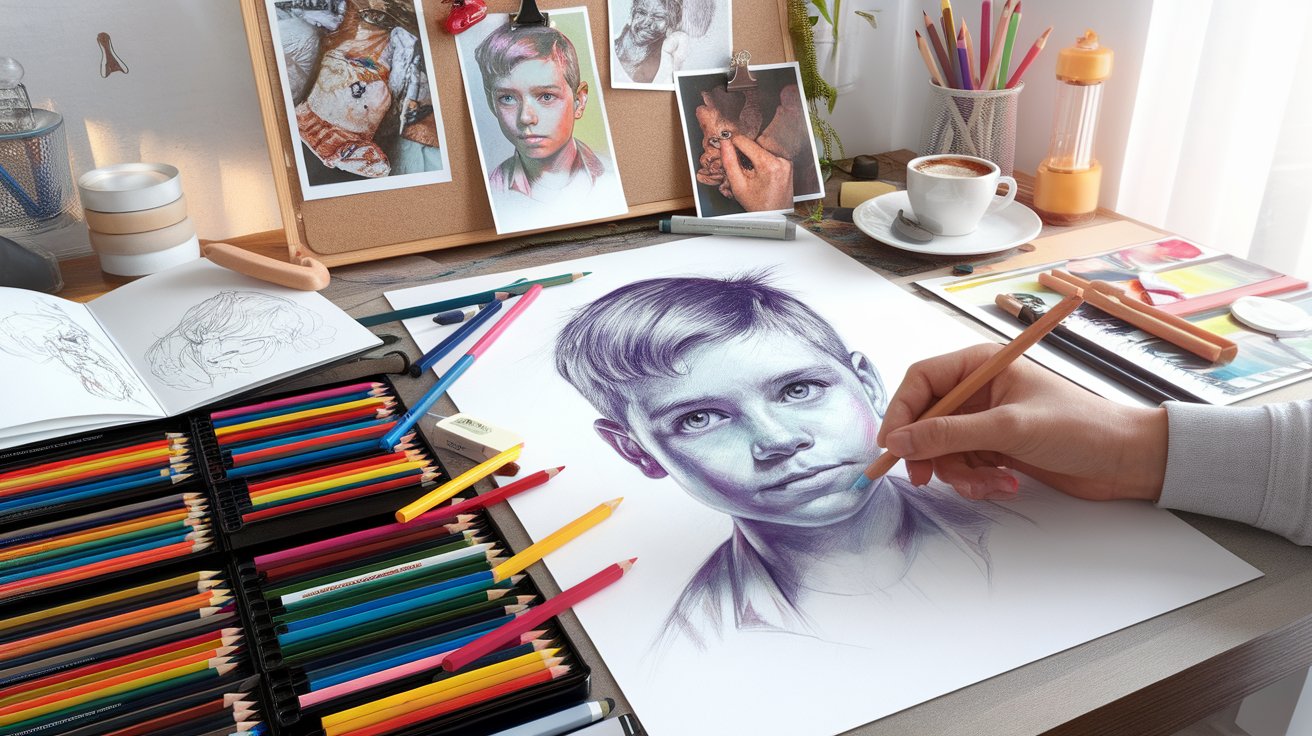
Framing panels around facial close-ups forces the viewer to engage directly with a character’s emotional landscape fostering deep interpersonal empathy. This visual language punctuated by non-verbal elements like flowers and fluttering ribbons ensures that the character’s essence feels vivid and relatable. This technical focus on emotional depth over external action transforms female characters from static visual tropes into meaningful individuals providing the high-quality storytelling depth required for valuable audience engagement.
Healing and Utopian Desires
The modern girlie aesthetic often flourishes within the iyashikei healing genre, which depicts small delights in daily life to provide a soothing atmosphere for the audience. This is particularly prevalent in isekai narratives, where characters are reincarnated into new worlds to escape the dystopian pressures of corporate slave culture. By casting aside a life of restrictive submission, these characters embody a utopian drive to create a place of comfort, freedom, and self-fulfillment.
Beyond simple escapism, this transformation represents a post-gender aesthetic where cuteness reflects emotional openness and strength rather than weakness. Adopting whimsical traits like pastel fashion or childish behaviors acts as a deliberate refusal of adult conformity and a reclamation of visibility. Ultimately, capturing the girlie essence is about a lifestyle centered on mental wellness, kindness, and radical self-love, allowing both characters and fans to negotiate modern social pressures through a shared language of empathy.
Usagi Tsukino as the Beautiful Pop Idol Archetype
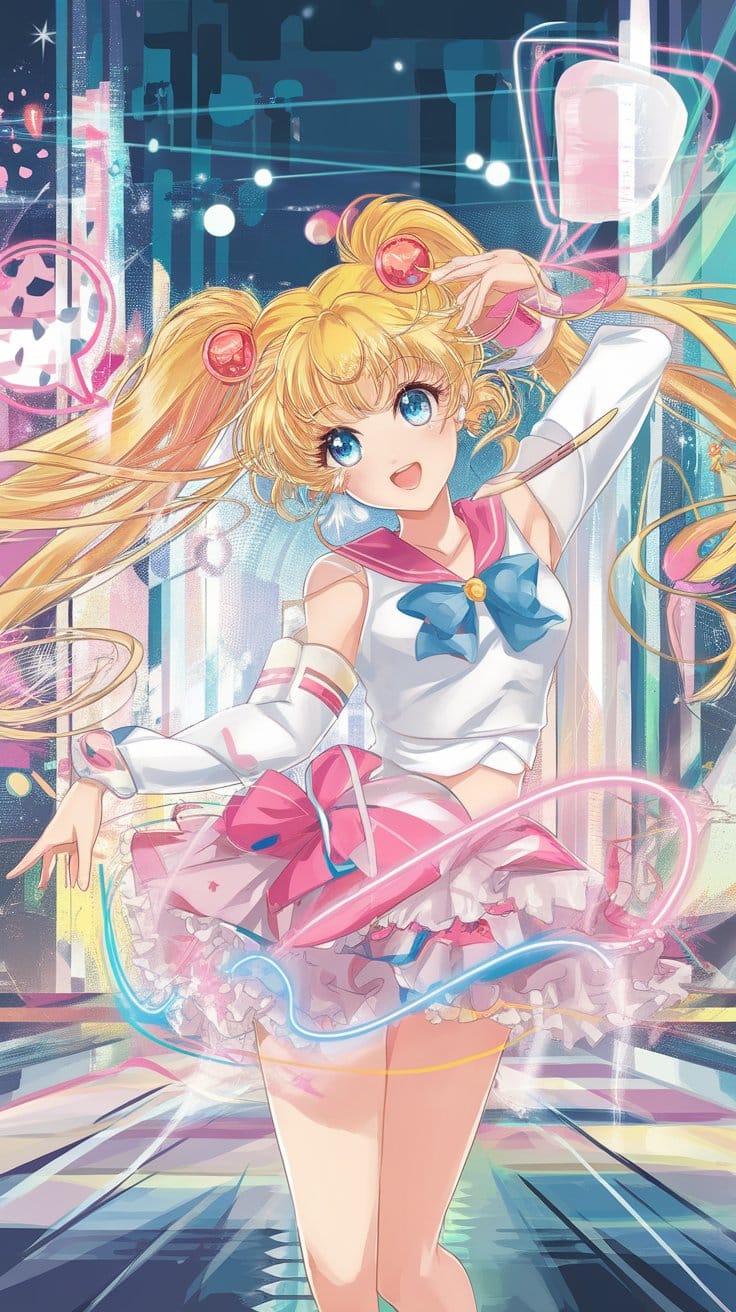
Usagi Tsukino remains a timeless icon in the world of anime, transforming the archetype of a beautiful pop idol into a symbol of hope and resilience. In popular anime series, every anime fan finds solace in her journey. Usagi’s expressive eyes and graceful demeanor embody the spirit of female anime characters, bridging the gap between youthful exuberance and mature wisdom. As one of the most beautiful and beloved characters in anime and manga, she has evolved from a simple magical girl into an emblem of transformative power. Her narrative, enriched by moments of caring nature and fierce determination, proves that true beauty grows more meaningful with every challenge faced.
From Magical Girl to Cultural Icon
Usagi Tsukino’s journey from a humble magical girl to a celebrated cultural icon encapsulates the transformative power of anime storytelling. As one of the most memorable and beloved characters, Usagi represents a fusion of youthful exuberance and graceful maturity. Her evolution, marked by expressive eyes and vibrant anime hair, has resonated with every anime fan, inspiring admiration across generations. In series where themes of hope and resilience prevail, her narrative stands out as a timeless symbol of strength and caring nature. Usagi’s character not only mirrors the legacy of classic heroines like Sailor Moon but also paves the way for modern anime girls who combine incredible strength with gentle compassion.
Pop Idol Inspirations in Modern Anime
The evolution of anime beauty is defined by the influence of pop idol aesthetics and dynamic character transformations. Modern anime series draw inspiration from icons like Usagi Tsukino, merging traditional magical girl elements with contemporary trends that showcase vibrant anime hair and expressive eyes. This fusion creates female anime characters who are not only visually captivating but also embody incredible strength and caring nature. Their transformation from simple characters into multi-dimensional figures reflects a broader trend, where every anime fan seeks narratives that combine resilience with a touch of delicate charm. These evolving portrayals offer new perspectives on what it means to be a complex and genuine protagonist in anime, making the genre both innovative and timeless.
“The transformative power of anime lies in its ability to turn everyday struggles into extraordinary journeys, lighting up the darkest paths with the brilliance of our inner heroes.” — Naoko Takeuchi, Creator of Sailor Moon
Exploring Caring Nature in Anime’s Demonic and Heroic Realms
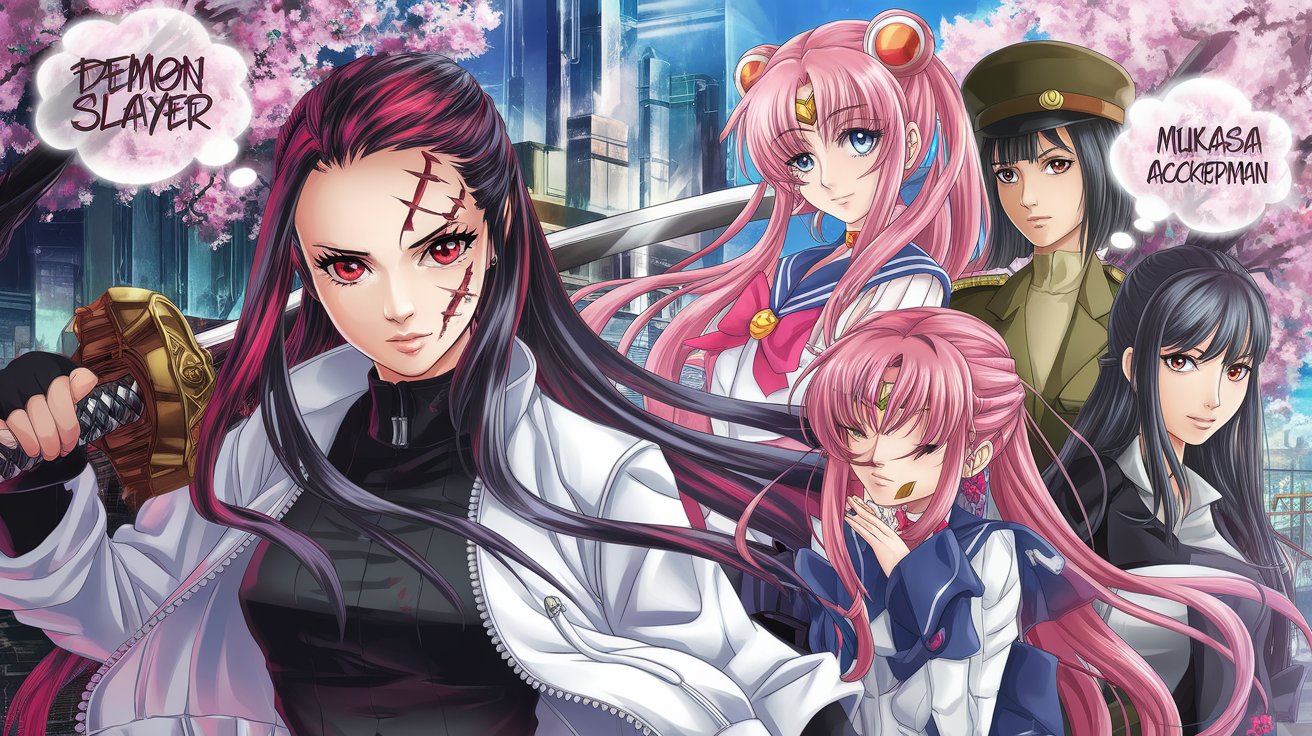
Anime’s vibrant universe thrives on the interplay between raw power and deep compassion, where caring nature bridges demonic and heroic realms. Female anime characters in series like Demon Slayer and Sailor Moon capture hearts with their blend of fierce determination and gentle empathy. These characters, from formidable warriors to tender healers, embody the duality of strength and care. A cool female protagonist in any series might find her greatest power not in ability alone, but in her wholesome relationships and genuine personality. Their journeys, marked by battles against demons and internal conflicts, reveal that every challenge is met with resilience and compassion. This seamless fusion of power and care continues to define the landscape of anime, enchanting hearts worldwide.
The Intersection of Demonic Power and Tender Compassion in Anime
In the multifaceted world of anime, the intersection of demonic power and tender compassion creates a narrative that defies conventional boundaries. Series like Demon Slayer and Sailor Moon illustrate how characters, whether battling literal demons or inner conflicts, can embody both fierce strength and a caring nature. Female anime characters navigate this complex duality, showcasing expressive eyes and fluid anime hair that symbolize their emotional depth and resilience. Every anime fan is drawn to these stories where incredible strength coexists with gentle empathy, reflecting a balance that resonates across diverse audiences. This nuanced portrayal challenges traditional archetypes, paving the way for narratives that are both visually stunning and emotionally profound.

Uncovering the Role of Caring Nature in Modern Anime Narratives
Modern anime narratives are evolving to spotlight the role of caring nature as a core element of character development. In stories that blend intense action with heartfelt moments, female anime characters are depicted with a balance of incredible strength and gentle compassion. Whether featured in epic battles against demons or transformative arcs in series like Sailor Moon or Jujutsu Kaisen, these characters reflect the complexities of human emotion. Their expressive eyes and intricately styled anime hair serve as visual metaphors for vulnerability and resilience. Every anime fan appreciates how this caring nature adds depth to the narrative, inspiring hope and connection. As anime continues to redefine traditional storytelling, it offers fresh perspectives that challenge stereotypes, making each tale both emotionally rich and powerfully engaging.
The Psychological Power of the Kawaii Lifestyle
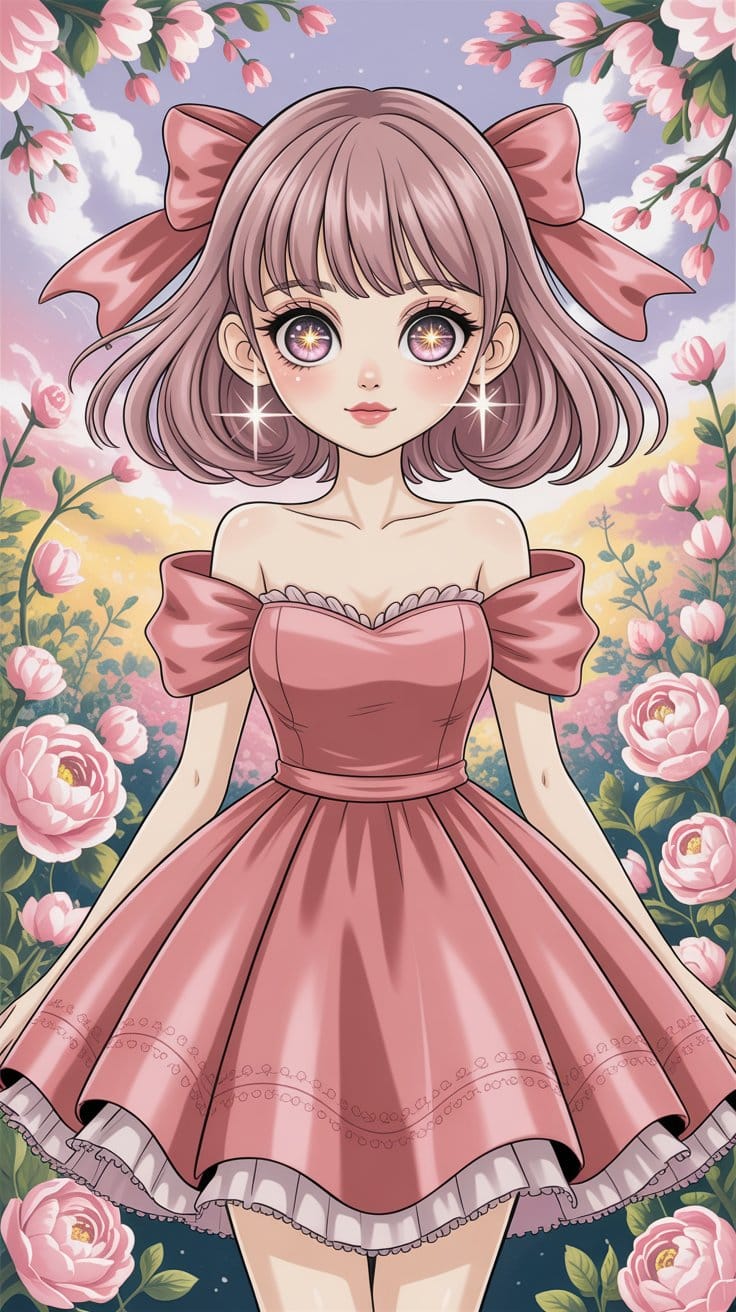
The “girlie” essence in anime is more than a visual style — it is a socio-psychological phenomenon that elicits care and social bonding. While historically rooted in symbols of fragile innocence, the modern kawaii aesthetic has evolved into a versatile language of empowerment and assertive individuality. By embracing childish traits such as soft pastel fashion or whimsical behaviors, characters and fans alike use this essence as a deliberate refusal of adult conformity and patriarchal expectations. This “girlie” identity acts as a shared language of empathy that helps individuals navigate an unpredictable world and relate to characters who feel genuinely sweet and lovely.
Emotional Storytelling through Visual Language
Anime masters use specific color palettes to express rich human emotions that words cannot adequately capture. In iconic series like Fruits Basket or Dandadan, a character’s world may shift from monochrome to vibrant hues to signify personal growth or the discovery of joy. This mastery of color ensures that the “girlie” essence is not just a costume but a reflection of a character’s internal emotional landscape, making their journey feel vivid and relatable to the audience.

Highly detailed eyes, often called dekame, are the defining hallmark of this style and serve as windows to a girl’s interiority. Artists create a “glittering” effect using star-shaped highlights and concentric circles of different shades to convey deep feelings like hope or adoration. By framing panels with close-ups of these hyper-detailed eyes, creators draw focus to the character’s emotions, turning a visual design trait into a powerful tool for interpersonal empathy and connection.
The Shojo Aesthetic as a Site of Empowerment
The shojo girl aesthetic is a celebration of whimsical fashion characterized by pastel colors, frills, and oversized bows. This style encourages individuals to express their unique personalities through creative layering and the use of character-themed accessories. Far from being purely decorative, this fashion allows for whimsical self-expression that prioritizes the creator’s personal joy over rigid societal norms. It represents a post-gender approach where cuteness reflects emotional openness rather than weakness.
Beyond clothing, this essence represents a lifestyle focused on mental wellness and optimism. It promotes mindfulness through creative hobbies, such as maintaining shojo diaries and decorating personal spaces with calming, dreamy visuals. This gentle attitude fosters an environment of kindness and self-love within the community, offering a sanctuary from daily fatigue. Ultimately, the girlie essence provides a utopian sense of freedom, allowing individuals to build an ideal life centered on their own desires.
Understanding Moe and Kawaii
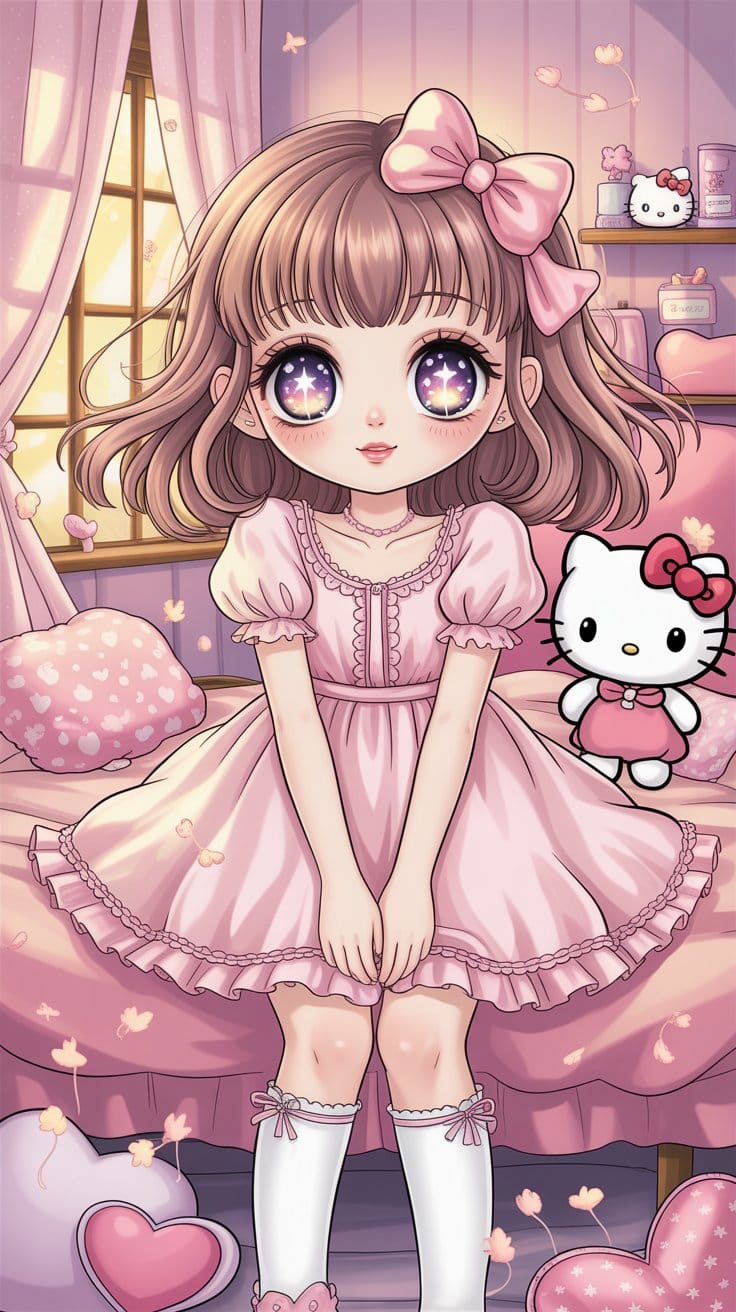
The girlie essence in anime is deeply rooted in moe — a Japanese term for strong feelings of affection toward characters that often stems from their cuteness. Historically this aesthetic evolved from bishoujo designs which combined Osamu Tezuka’s rounded body styles with the emotive large-eyed faces of shojo manga. Today this essence is less about being fragile and more about kawaii acting as a shared language of inclusivity, strength, and empowerment.
The Shojo Girl Lifestyle
The shojo girl aesthetic is a celebration of whimsical fashion that highlights femininity through pastel colors especially shades of pink. Key design elements include frilly dresses, oversized bows, and playful layering such as pairing a pastel blouse with a pleated skirt and knee-high socks. This style draws heavy inspiration from Japanese manga and anime culture, encouraging enthusiasts to express their unique personalities through visual creativity. Character-themed bags, red hair accessories, and jewelry further complete this iconic and charming look.

Beyond clothing, this aesthetic represents a lifestyle centered on optimism, innocence, and dreamy kawaii vibes. It promotes mental wellness by encouraging mindfulness through creative hobbies like journaling in shojo diaries and decorating personal spaces with soft, calming visuals. This gentle attitude toward life fosters an environment of kindness and self-love within the community. Ultimately, being a shojo girl is about infusing daily life with cheerfulness while connecting with a vibrant, supportive, creative community.
Colors and Expressive Eyes
Color is a masterful tool used in anime to express rich human emotions and character growth without needing explicit words. Series like Horimiya and Fruits Basket use specific color palettes to highlight personality traits or internal emotional struggles. For instance, a character’s world may shift from monochrome to vibrant hues to signify the discovery of joy or a girlie sense of wonder. This visual language ensures the character’s essence feels vivid and relatable.
Expressive anime eyes are the focal point of character design, serving as windows to a girl’s personality and internal monologue. These large sparkling eyes or dekame are often rendered with star-shaped highlights and concentric circles of different shades to create a glittering effect. By framing panels with facial close-ups, artists effectively communicate deep emotions like adoration, jealousy, or hope. This focus on interiority and detailed gaze is a definitive hallmark of the shoujo style.
Top Anime Girlies: Most Memorable Female Characters
When fans search for the best anime girlies, they’re looking for characters who are well-written, relatable, and genuinely iconic — not just cute. These are female characters who carry their shows, inspire fan communities, and make audiences laugh, cry, and feel deeply understood. Here are some of the most beloved anime girls across popular series, along with what makes each one so memorable.
Yor Forger (Spy x Family)
Yor Forger is one of the most popular anime girls of recent years, a deadly assassin who is also genuinely wholesome and funny as a partner and mother figure. Her combination of incredible combat ability and completely sincere sweetness makes her endlessly relatable. Fans love her for being both the coolest and most lovable heroine in the cast — the kind of female character who inspires fan art, cosplay, and genuine affection without being shy or passive.
Mai Sakurajima (Bunny Girl Senpai)
Mai Sakurajima from Rascal Does Not Dream of Bunny Girl Senpai is widely considered one of the best female anime characters of the decade. She is complex, well-written, and carries real emotional depth — a female protagonist who refuses to be defined by her relationship to male characters. Her story explores adolescent social anxiety through a sci-fi lens, and audiences relate to her struggles with visibility, identity, and strength. The series also features strong female leads throughout its cast.
Shinobu Kocho (Demon Slayer)
Shinobu Kocho is one of the most iconic anime girlies in recent memory — a Demon Slayer heroine with purple-accented hair, a calm demeanor, and a devastating fighting style built around poison rather than raw power. What makes her a great female character is the sadness beneath the smile: she fights to protect others while carrying a grief she never fully shows. She is proof that the best anime girls combine strength, depth, and personality in equal measure.
Nobara Kugisaki (Jujutsu Kaisen)
Nobara Kugisaki from Jujutsu Kaisen is everything fans want in a female protagonist: funny, loud, proud, and genuinely powerful. She refuses to be a typical shy heroine and leads with attitude and ability. Her dynamic with the male cast of Jujutsu Kaisen is refreshing — she is never defined as a lead simply by her gender, but by her strength and personality. She stands among the great female characters in anime and manga, full stop.
Makima (Chainsaw Man)
Makima from Chainsaw Man is one of the most complex and unsettling female characters in anime — a villain protagonist whose motivations remain genuinely ambiguous throughout the series. She is lovely and terrifying in equal measure, a reminder that the most memorable anime girlies are not always sweet. Her anime and manga depiction has made her one of the most discussed female characters in recent years, and she has become an icon of a different, darker kind of girlie aesthetic.
Mikasa Ackerman (Attack on Titan)
Mikasa Ackerman from Attack on Titan is one of the most powerful female characters in anime history. She is a heroine defined entirely by her depth, loyalty, and combat ability — with no frills, no pastel color palette, and no typical cute-girl traits. What makes her an anime girlie in the truest sense is the emotional core beneath the strength: her relationships and her love protect everything she does. She is proof that the girlie essence is not about aesthetics — it is about emotional truth.
What Are Girly Animes? Beginner’s Guide to the Genre
Girly animes — also called shoujo anime, magical girl anime, or cute-girls-doing-cute-things anime — are a broad category of series centered around female protagonists, female friendships, and emotionally driven storytelling. They tend to prioritize relationship-building, personal growth, and aesthetic detail over action or plot complexity. Popular TV examples include Sailor Moon, Cardcaptor Sakura, K-On!, Non Non Biyori, and Yuru Camp.
These series are not just for girls — they attract anime fans of all genders who appreciate wholesome storytelling, strong female casts, and the dream-like visual language of the shoujo style. The genre spans everything from sweet slice-of-life shows to darker magical girl deconstructions like Puella Magi Madoka Magica. If you’re new to anime and looking for a great female-led cast, Spy x Family, Violet Evergarden, and Fruits Basket are widely recommended starting points.
Frequently Asked Questions
What are girly animes called?
Girly animes are most commonly called shoujo anime. The word shoujo literally means “young girl” in Japanese and refers to a broad genre of anime and manga aimed at or featuring female protagonists. Magical girl shows (mahou shoujo) and cute-girls-doing-cute-things (CGDCT) anime are popular sub-genres within this category.
What is the most girly anime?
Sailor Moon is widely considered the most iconic girly anime of all time. It defined the magical girl genre and remains a major cultural touchstone for anime girlies worldwide. Other contenders include Cardcaptor Sakura, Fruits Basket, and K-On! depending on what type of girly you prefer: magical, emotional, or slice-of-life.
What are the top 10 anime girls?
The most popular anime girls according to fan polls and community discussions include: Yor Forger (Spy x Family), Mai Sakurajima (Bunny Girl Senpai), Shinobu Kocho (Demon Slayer), Mikasa Ackerman (Attack on Titan), Nobara Kugisaki (Jujutsu Kaisen), Makima (Chainsaw Man), Zero Two (Darling in the FranXX), Hinata Hyuga (Naruto), Erza Scarlet (Fairy Tail), and Usagi Tsukino (Sailor Moon).
Why is Gen Z so obsessed with anime?
Gen Z relates to anime because it offers genuine emotional storytelling and female characters who are complex, powerful, and relatable rather than passive. The kawaii aesthetic and the girlie culture around anime also provide a community and visual language for self-expression that resonates strongly with younger audiences navigating identity and social pressure.