

Introduction
Wallpaper has been used in interior decoration for centuries to cover walls and add color and texture to rooms. Today, many people prefer a minimal style in their homes to create calm and modern spaces. Wallpaper minimal designs focus on simplicity and clean lines, making rooms feel peaceful and uncluttered.
This article explores wallpaper minimal looks. You will learn about how to select the best wallpaper to fit a calm and modern room design. We discuss practical tips and ideas to help you transform your space using minimal wallpaper effectively.
What Is Minimal Wallpaper

Minimal wallpaper strips away excess and focuses on simplicity. It doesn’t scream for attention but rather offers a quiet presence in a room. Often, you’ll find it featuring subtle, restrained patterns or even plain colors that provide just enough texture without overwhelming the space.
The appeal of minimal wallpaper lies in its ability to create calm and modern environments. It’s not about erasing personality but about making space breathe. Modern spaces use it because it complements clean lines and uncluttered décor without competing with other elements.
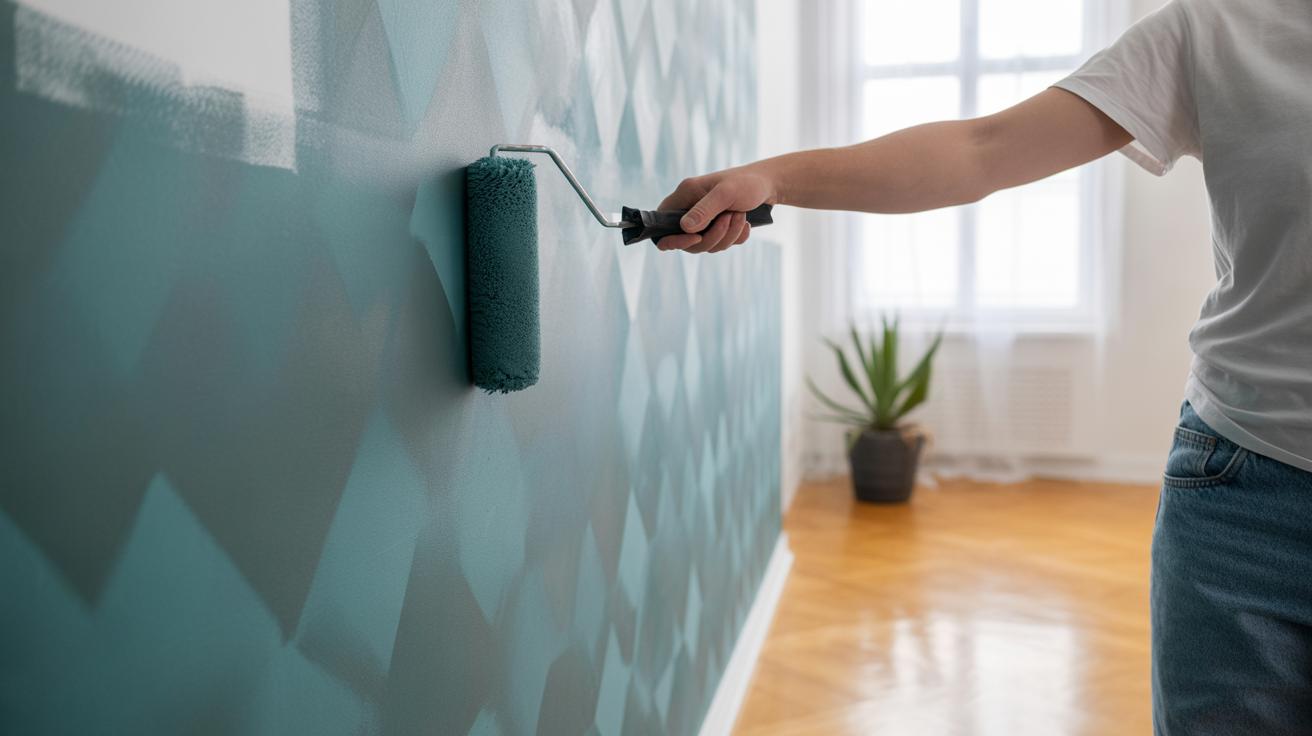
Maybe you’ve noticed how small, busy prints can make a room feel chaotic. Minimal wallpaper avoids that by embracing less—less color variety, less complexity. This restraint feels deliberate and thoughtful, which might be why it feels so soothing, even if you wouldn’t consciously pick up on that aspect immediately.
Features of Minimal Wallpaper
Minimal wallpaper shares some common traits that make it stand out—though, oddly enough, it often blends in at the same time:
- Simple patterns or geometric shapes, often repeated but not demanding attention.
- Muted tones like soft grays, off-whites, pale blues, or gentle earth shades.
- Clean, uncluttered designs without heavy textures or dramatic contrasts.
- Subtle use of lines or gentle gradients rather than bold images or intricate details.
When you walk into a room with minimal wallpaper, you might feel how the pattern almost disappears unless you look closely. It’s the kind of design that provides background interest without distraction. For instance, a barely-there striped or dot pattern can add depth yet not compete with furniture or art.
Why Minimalism Works in Interior Design
Minimalism creates calm simply by reducing visual noise. Too many colors or patterns can tire the eyes or make spaces feel cramped. When your walls feature minimal wallpaper, the environment feels more orderly and open.
People often associate minimalism with tranquility because it lets the mind rest. With fewer distractions, you might notice how your mood softens, or how the room feels more spacious than it really is. There’s a subtle kind of balance achieved by using straightforward designs. For example, a quiet corner with minimal wallpaper can become an unexpected haven amid a busy home.
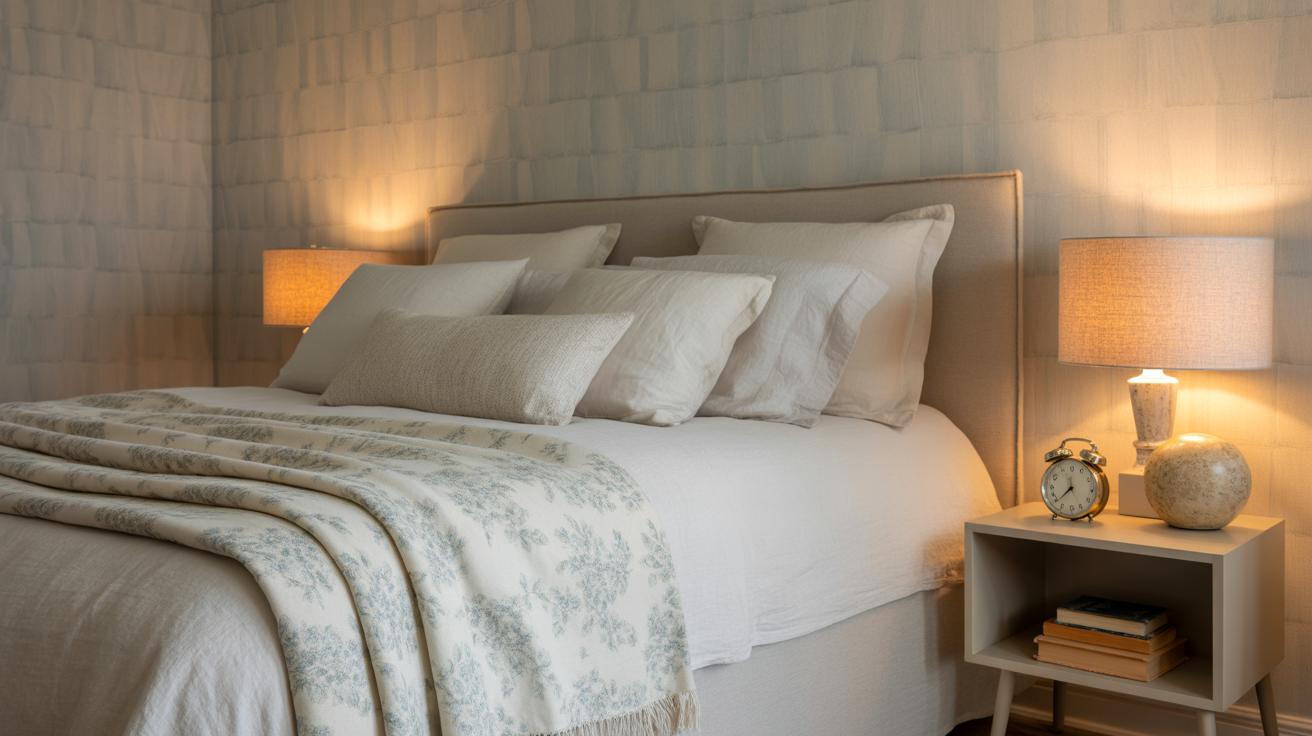
Still, minimalism can feel cold or impersonal if taken too far. The challenge is mixing minimal wallpaper with warmer textures or personal touches, so the space stays inviting. This tension—between simplicity and warmth—is part of what makes these rooms interesting, even peaceful, to live in.
How Minimal Wallpaper Affects Room Mood
Creating a Calm Environment
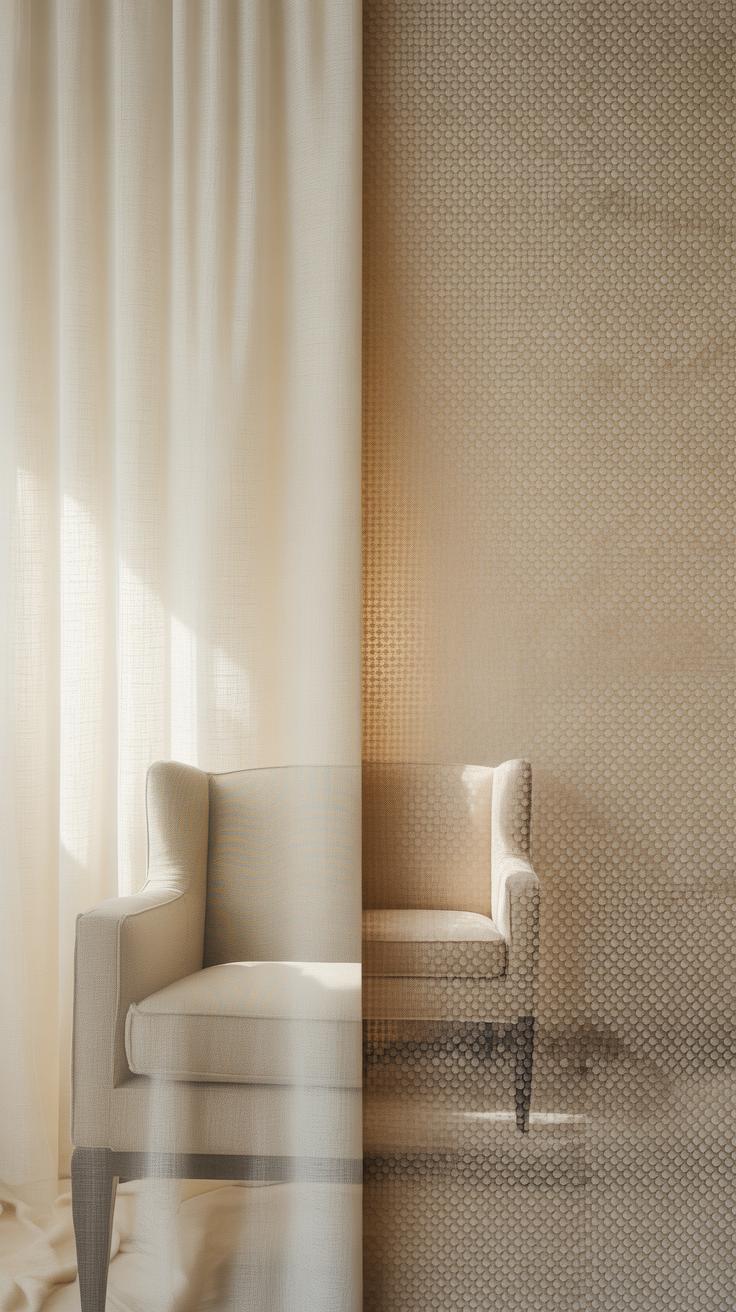
Minimal wallpaper can quietly change the vibe of a room, often in ways you might not notice at first. When patterns are simple and restrained, they don’t pull your attention every few seconds. That lack of visual noise actually lets your mind breathe. You’re not bombarded with shapes or colors competing for attention, which means less mental clutter. For instance, imagine a space where the walls have a subtle linear pattern or a very light texture—it just sits there, calm. It doesn’t demand focus, so the room naturally feels less stressful, more peaceful. Sometimes, it’s almost like turning down the volume on your surroundings.
Simple wallpaper helps your eyes rest. When you walk into a room, you want to feel at ease, not overwhelmed by a thousand details. Minimal designs can ease tension, especially if you spend a lot of time in that space. It’s funny because some people might think plain walls are boring, but they often bring a surprising sense of harmony—something that’s especially welcome after a busy day.
Enhancing Focus and Relaxation
Minimal wallpaper has this subtle way of supporting both concentration and calm at once, which might seem a bit contradictory. But think about it: when there’s less visual distraction, your brain gets to focus on what really matters. That’s why many people prefer minimal walls in home offices or reading corners. It doesn’t shout for your attention, so you can settle into your work or relax without feeling distracted. I’ve noticed when a room’s wallpaper is too busy or colorful, my attention drifts. With minimal wallpaper, I feel like my thoughts can stretch out more easily.
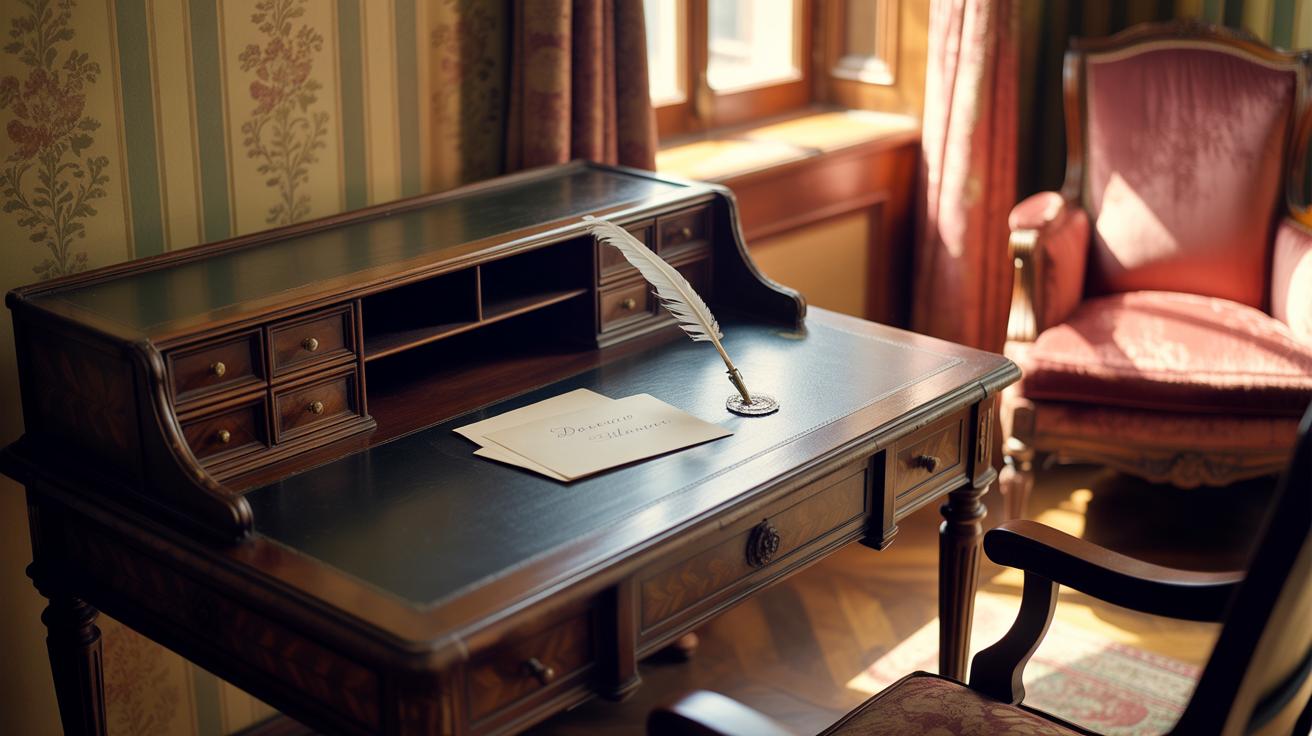
On the other hand, those tiny, restrained patterns or gentle hues can add just enough interest to avoid blandness. They keep the space from feeling empty or sterile without overwhelming you. Maybe it’s the quiet rhythm of minimal wallpaper that helps foster a relaxed state, almost like a gentle background hum rather than a loud melody. You might find yourself lingering in that space longer—reading, thinking, or just being. It really raises a question: can less actually create more peace?
Choosing Colors for Minimal Wallpaper
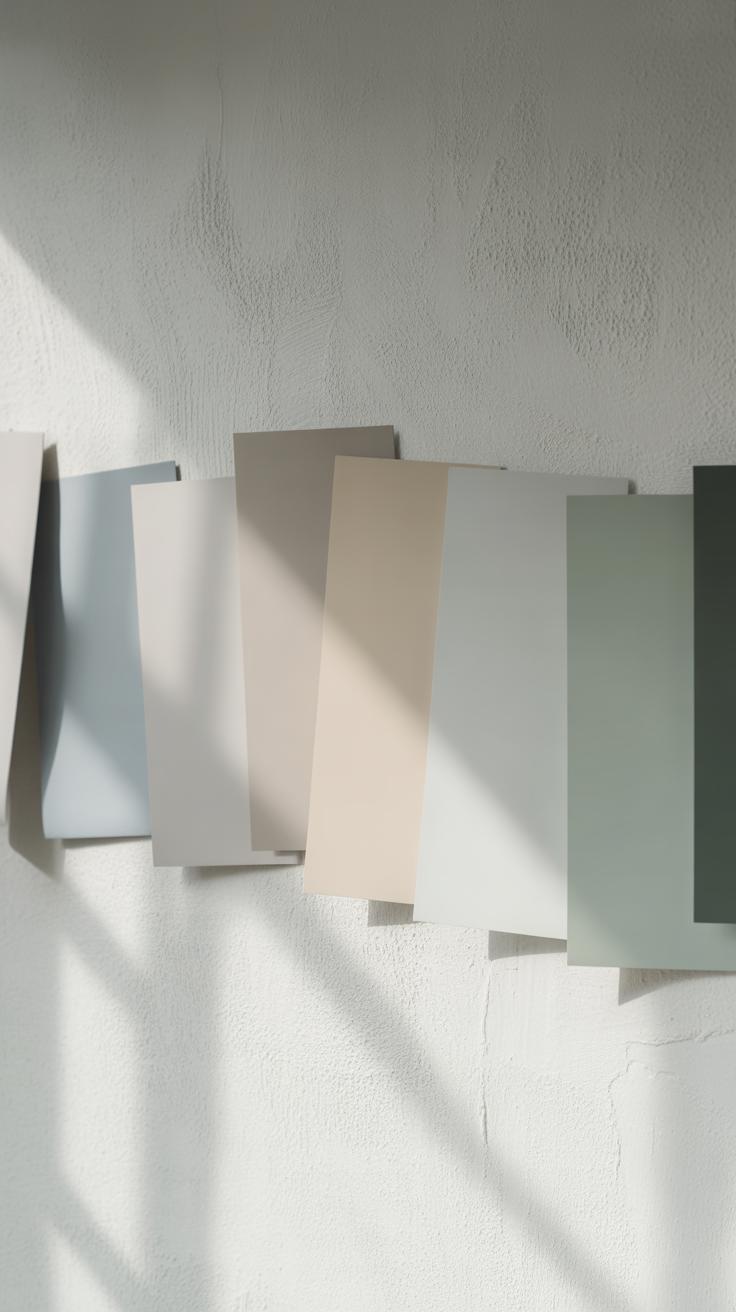
When it comes to minimal wallpaper, color choice feels more significant than you might expect. Soft, neutral tones often take the lead—whites, beiges, and gentle grays. These shades don’t scream for attention. Instead, they quietly set the scene, making the room feel airy and uncluttered. Light colors can help reflect natural light, brightening the space without overwhelming it. They make walls feel spacious, almost like a subtle canvas waiting to be filled with the right furniture and accents.
Yet, there’s more to color than just neutrality. Even slight shifts—maybe a hint of taupe instead of plain beige, or a cooler gray with a whisper of blue—can change how a room feels temperature-wise. Warmer hues tend to invite coziness, grounding you, while cooler ones bring a fresh calmness that might even feel a bit crisp. It’s a tricky balance because the same shade can read as warm or cool depending on lighting and surrounding elements. If you hesitate between options, think about the mood you want at different times of day, not just when the sun is out.
Choosing your minimal wallpaper color isn’t only about washing out the walls in pale tones. Sometimes, introducing a soft contrast or subtle warmth can keep spaces from feeling sterile. So, ask yourself: do you want your room to wrap you up in softness or gently open you to clarity? Both beats can work for a modern, calm space, if chosen thoughtfully.
Selecting Patterns That Stay Simple
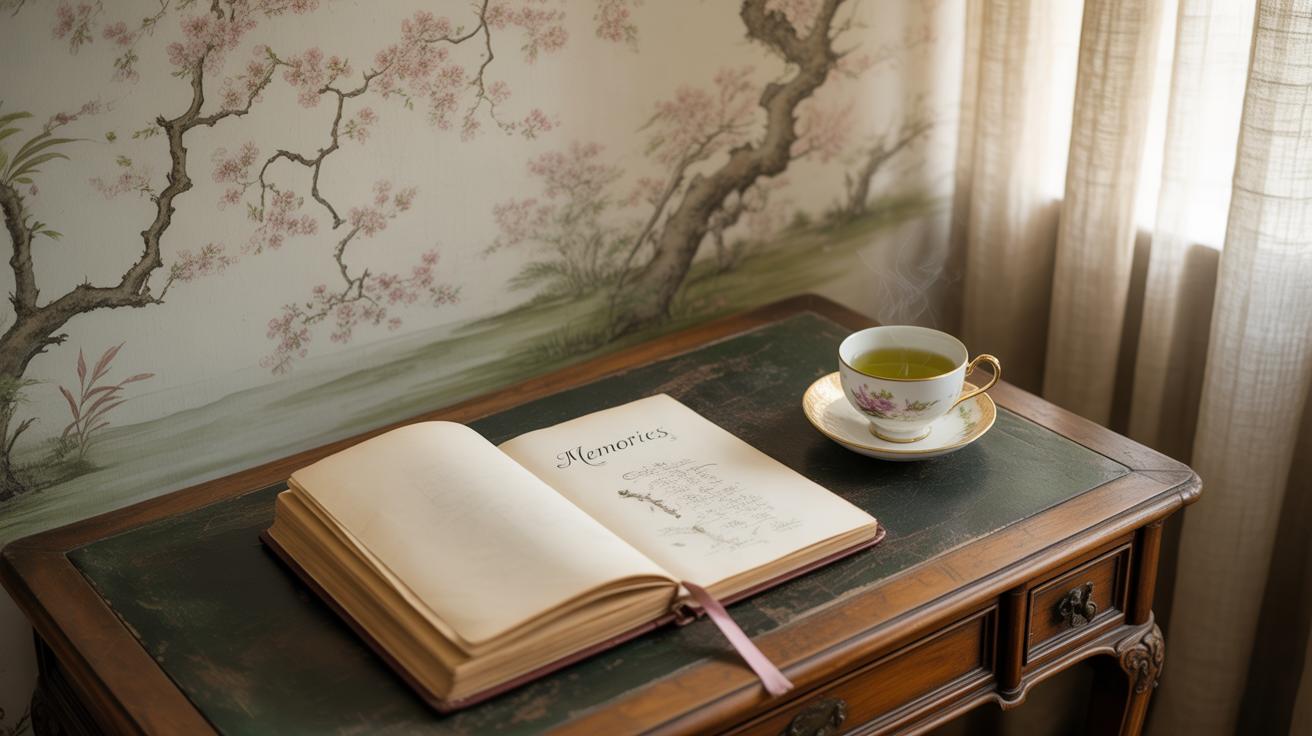
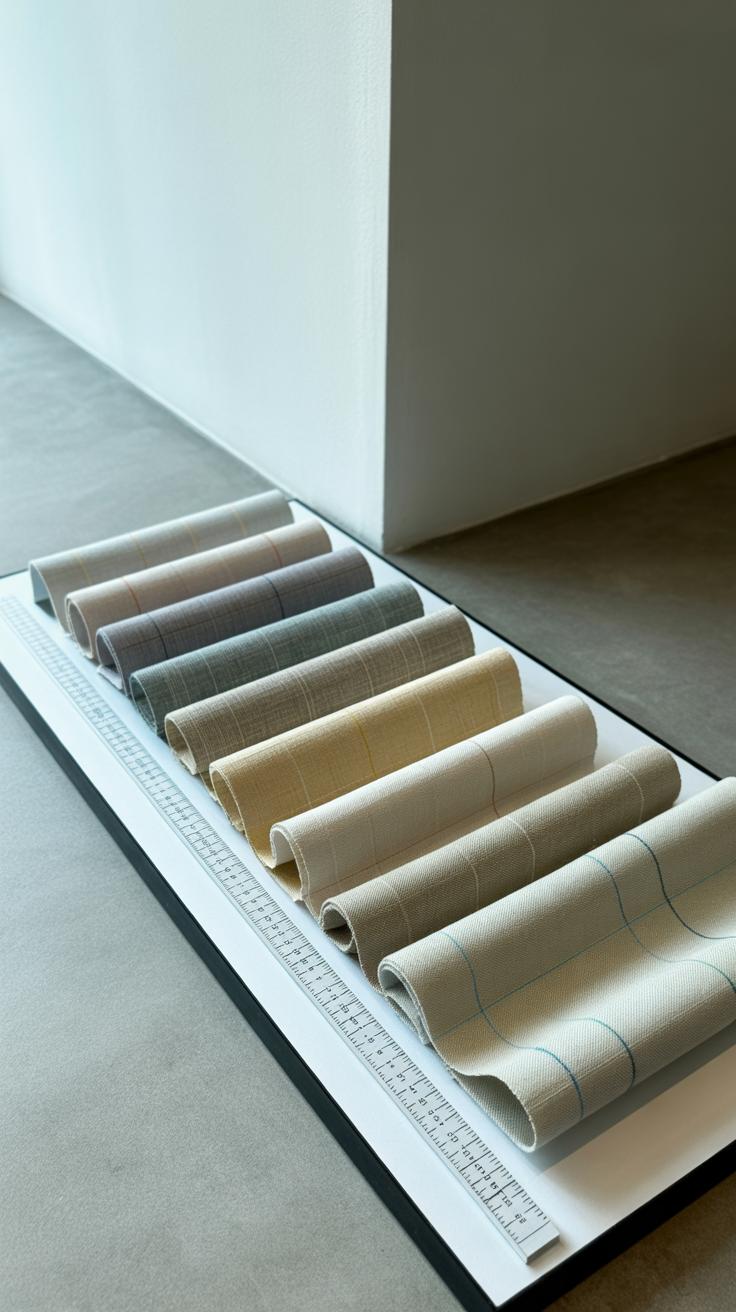
When picking minimal wallpaper patterns, it’s really about finding the sweet spot between simplicity and just enough visual interest. You want something that doesn’t scream for attention but still prevents the space from feeling bland or sterile.
Geometric and Linear Patterns
Stripes, dots, and grids often top the list for minimal designs. These patterns feel organized and deliberate. Stripes, for example, can subtly guide your eye along a wall, elongating or widening a room depending on their direction. Dots, when spaced evenly and kept small, add a playful touch without overwhelming. Grids bring structure and rhythm, especially when lines are thin and colors muted.
People sometimes shy away from patterns like these, thinking “too simple” might be boring. But oddly enough, these forms provide a quiet kind of energy that’s quite hard to fake with anything too wild or complex.
Avoiding Overly Busy Designs
Busy patterns—think intricate florals or abstract swirls—tend to clutter a calm space. They pull focus, making it tough to relax or concentrate. The eye gets tired quickly, and the room can feel chaotic even if the colors are muted. You might imagine minimal wallpaper as being too plain, but overly complex designs can backfire, creating noise instead of peace.
Ask yourself: does this pattern invite me to pause, or does it keep my attention running? Sometimes a simple stripe or a tiny dot pattern can do more for calmness than anything elaborate. It can be tempting to grab something that looks “interesting” at first glance, but try to picture the wallpaper after a few days or weeks—you might find the simplicity more comforting after all.
Materials and Texture Choices
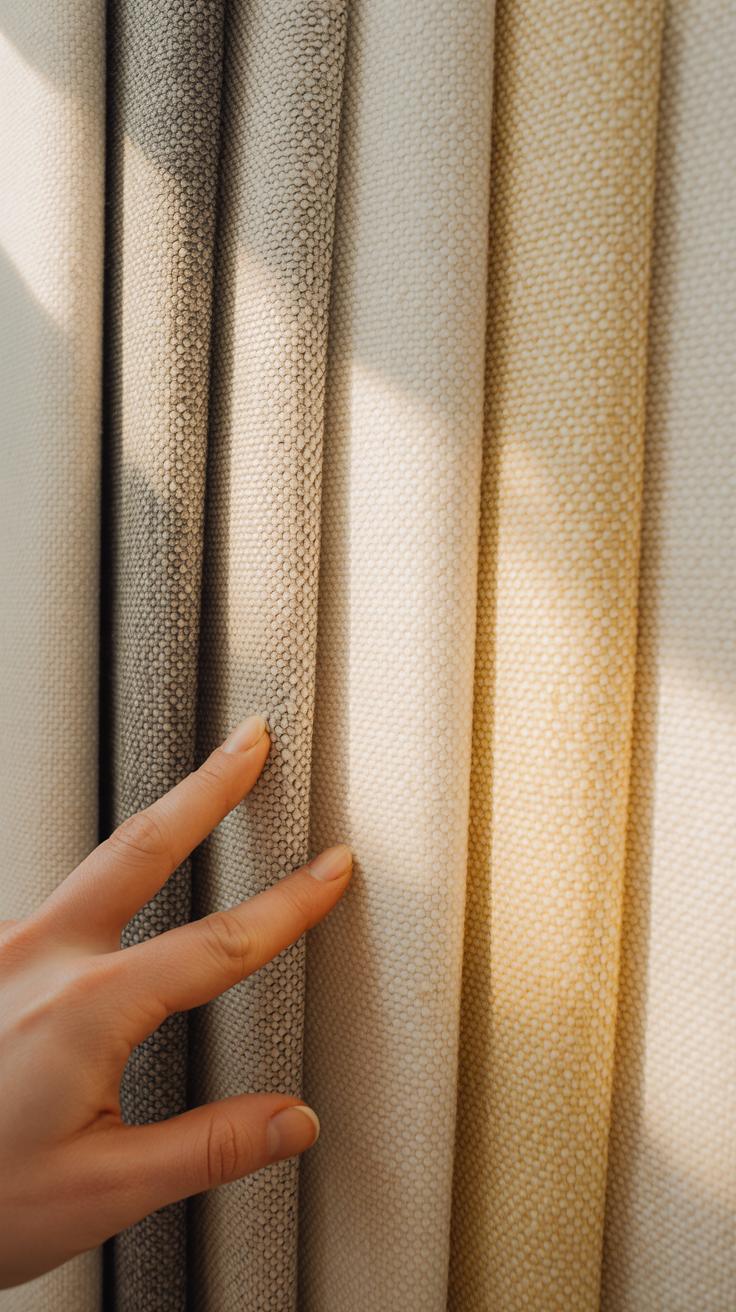
When it comes to minimal wallpaper, the material you pick can change the whole feeling of a room. Matte surfaces often take the lead here. Their lack of shine helps avoid glare, which keeps your space calm and easy on the eyes. I’ve noticed that rooms with matte wallpaper feel more grounded—less like they’re trying too hard.
But minimal doesn’t mean flat or boring. Subtle textures add interest without overwhelming a space. Think of things like linen or grasscloth wallpapers. They bring just enough depth to make walls look inviting, not busy. It’s a quiet kind of complexity, which fits minimalism’s ethos quite well.
It’s tricky, though. Too much texture can sneak in and suddenly, the room doesn’t feel that peaceful anymore. So you want texture that whispers rather than shouts. These choices make the wall feel tactile, but keep the overall look clean and modern. You might wonder—can texture and minimalism really coexist? I’d say yes, as long as it’s kept subtle and deliberate.
Where to Use Minimal Wallpaper in Your Home
Bedrooms and Relaxation Areas
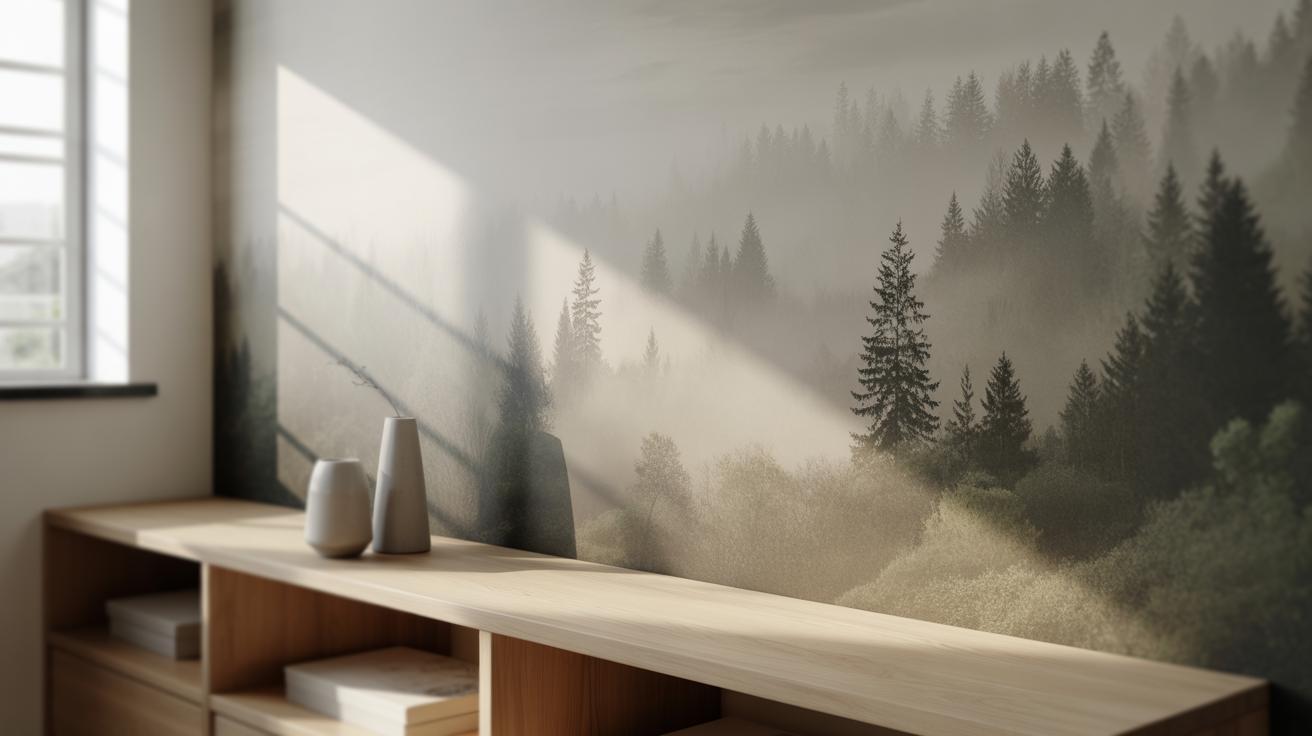
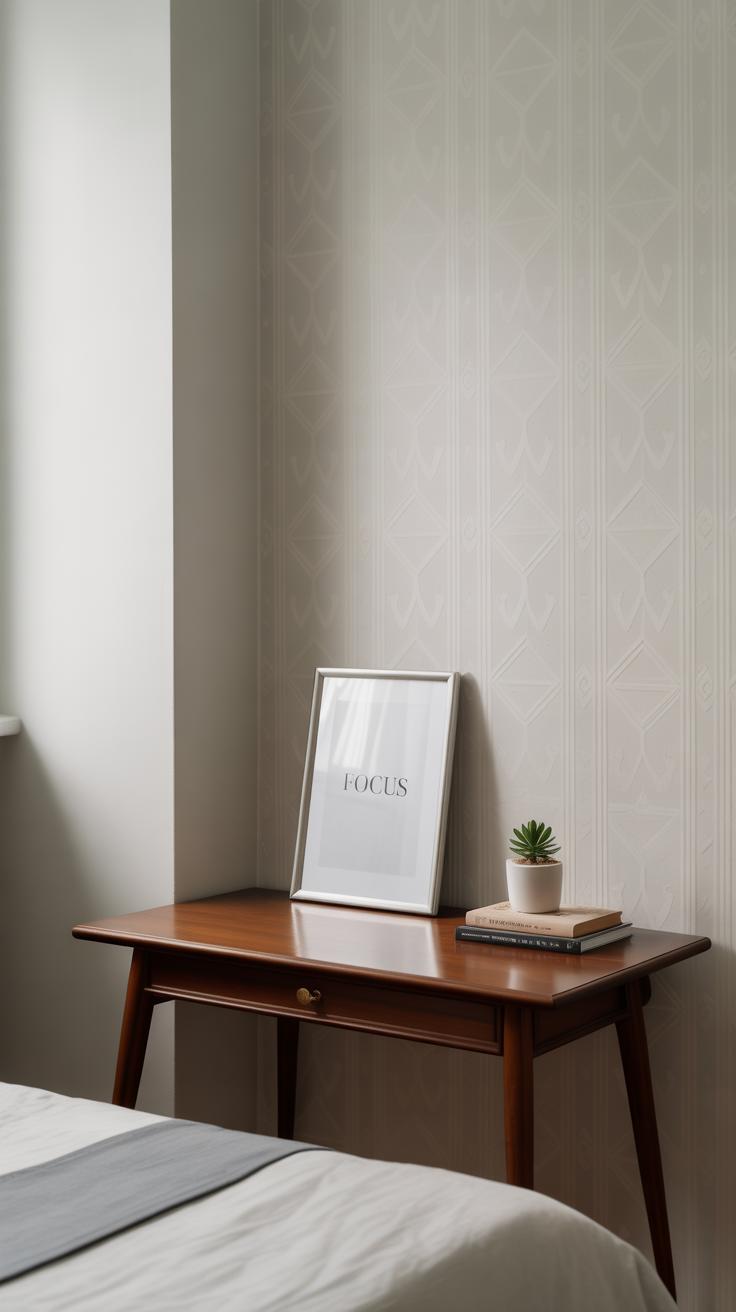
Bedrooms invite calm, and minimal wallpaper fits this mood well. Its restrained patterns or soft tones reduce visual clutter, which can help your mind relax before sleep. You might find that a subtle geometric or barely-there texture makes the space feel quieter, less distracting. I’ve noticed that when my bedroom walls have less going on, it’s easier to settle in, almost like the room breathes with you.
Also, minimal wallpaper doesn’t compete with other elements like your bedding or bedside lamps. This allows your personal touches to shine without overwhelming the senses. Perhaps your choice would be a pale neutral or an understated natural motif—something that complements early morning light and gentle evenings. Bedrooms aren’t places for bold statements, so keeping wallpaper restrained usually supports better rest.
Living Rooms and Workspaces
For living rooms, minimal wallpaper offers a kind of quiet backdrop that welcomes conversation without stealing focus. Imagine soft lines or simple color palettes behind your sofa or media unit—these can anchor the room without feeling sterile. I suppose you could see it as creating a stage where furniture and art become the main players. It’s less about filling space, more about enhancing it.
Workspaces benefit from minimal wallpaper because it provides subtle interest without distraction. If you’re staring at a wall all day, bold patterns might actually tire you out. Simple, clean wallpapers help keep your mind clearer. In my own workspace, a low-key textured wallpaper helped me focus better—I rarely noticed it was there, but I think it stopped the room from feeling too bare or cold.
Think about these spots as areas where minimal wallpaper supports calm and clarity, not just decoration. It’s kind of like choosing a quiet partner that lets you do your best work or unwind fully.
How to Mix Minimal Wallpaper with Other Decor
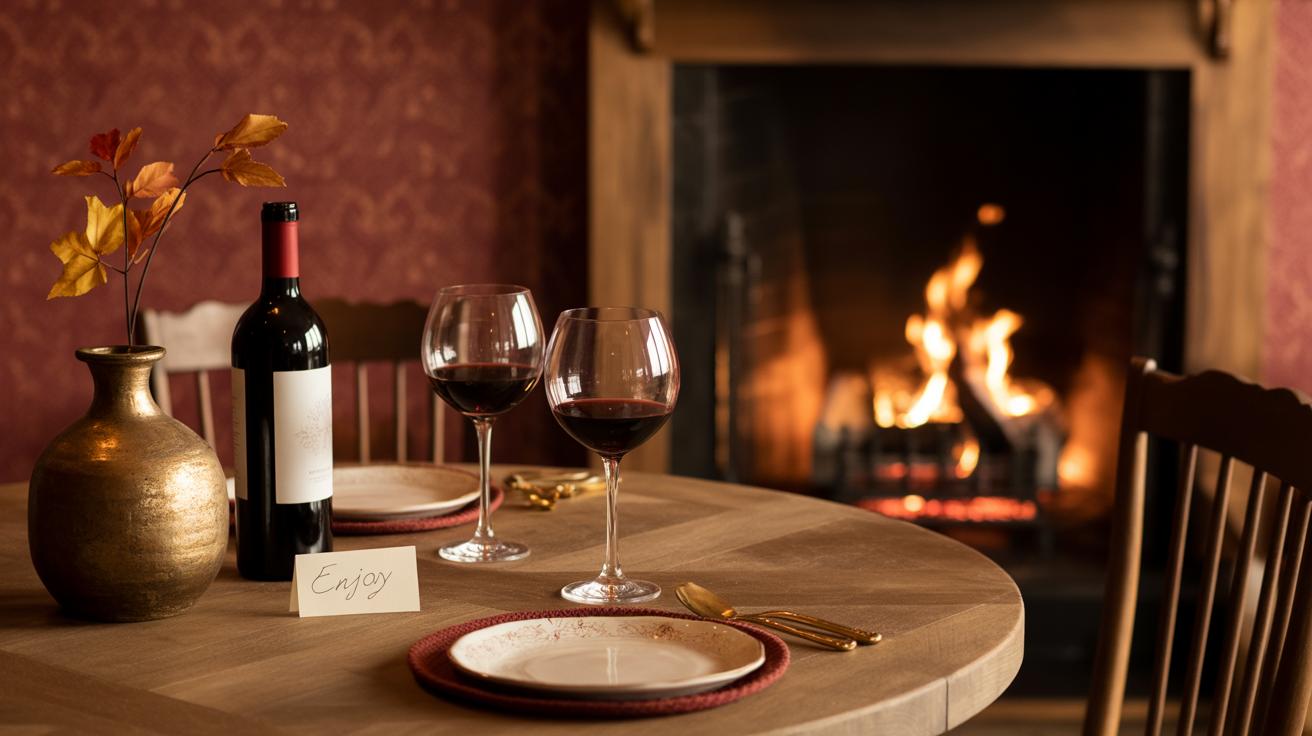
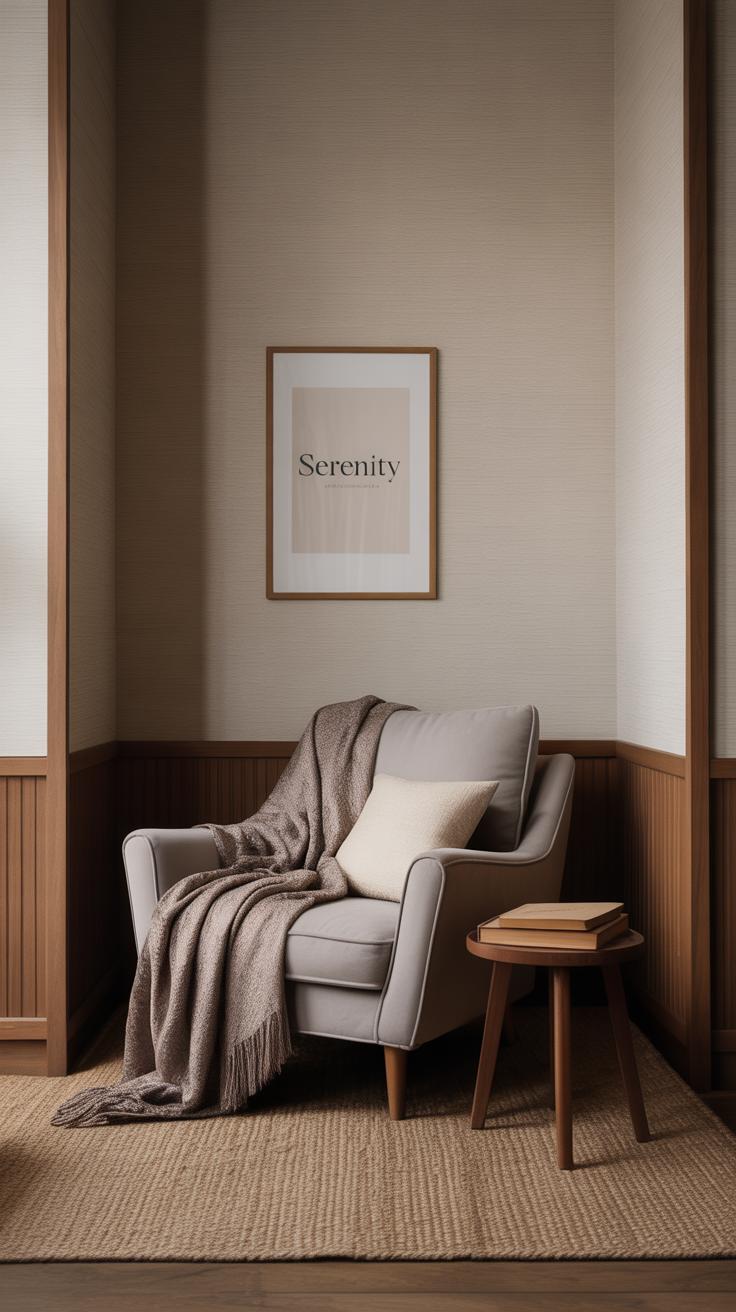
Minimal wallpaper sets a quiet backdrop, but pairing it with furniture, art, and accessories requires a bit of thought to avoid feeling bland or impersonal. The trick lies in keeping things simple without losing what makes your space yours. You don’t have to strip everything down to bare basics to achieve calmness.
Balancing simplicity and personality means picking pieces that speak to you yet stay understated. Think about clean-lined furniture with subtle textures—like a linen sofa or a smooth wooden table. Your art can be abstract or muted in color, but choose works that still evoke emotion or spark memories. It’s a little like wearing a calm outfit with one bold accessory; the personality comes through without overwhelming the whole look.
Accent pieces play a key role to keep minimal spaces from feeling sterile. A single ceramic vase, an unexpected warm wood tone chair, or an interesting floor lamp can draw attention and add depth. You don’t want to clutter but rather highlight certain elements. Sometimes less accent feels like less life; sometimes a carefully chosen piece can ground the entire room.
When I first tried combining minimal wallpaper with a few statement cushions and a sleek metal side table, the room felt calm but also… oddly dull. Adding a soft throw in a gentle color shift changed the atmosphere completely. It makes me wonder: how much personality can you pack into a space before it stops being minimal? What’s your limit?
Easy Installation and Maintenance Tips
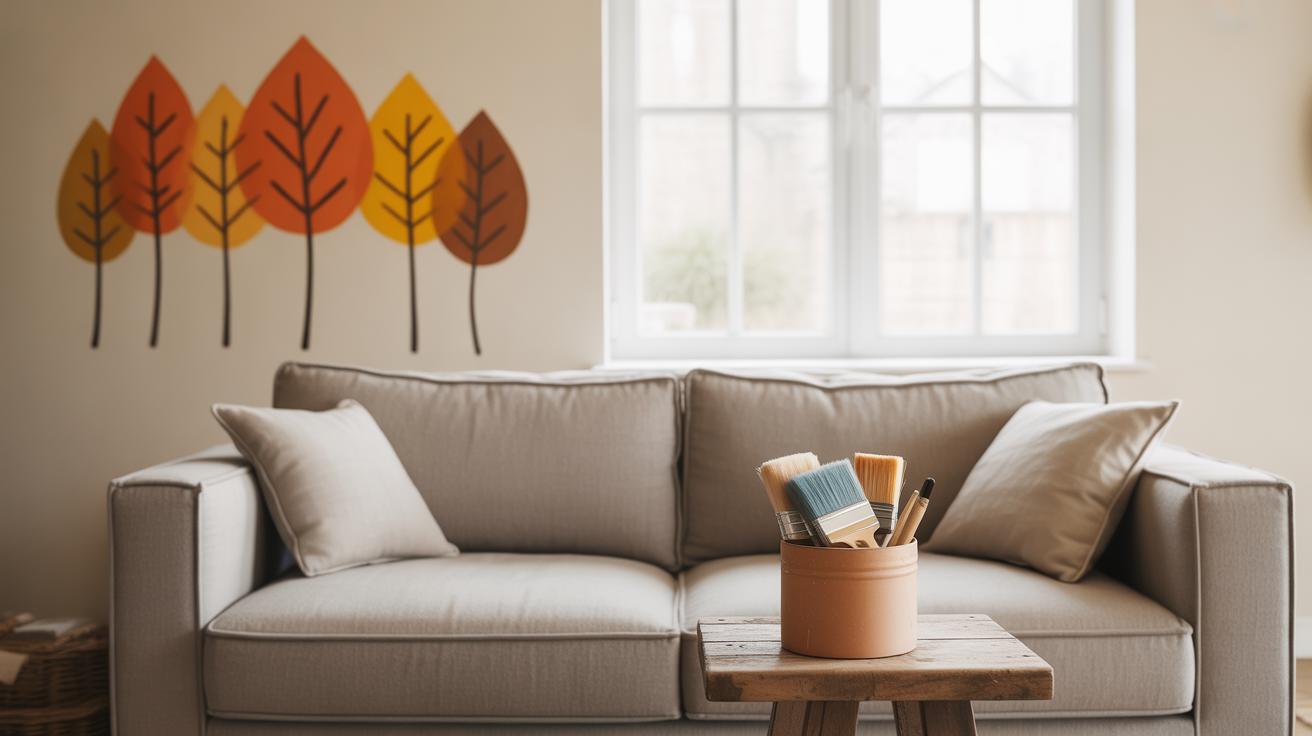
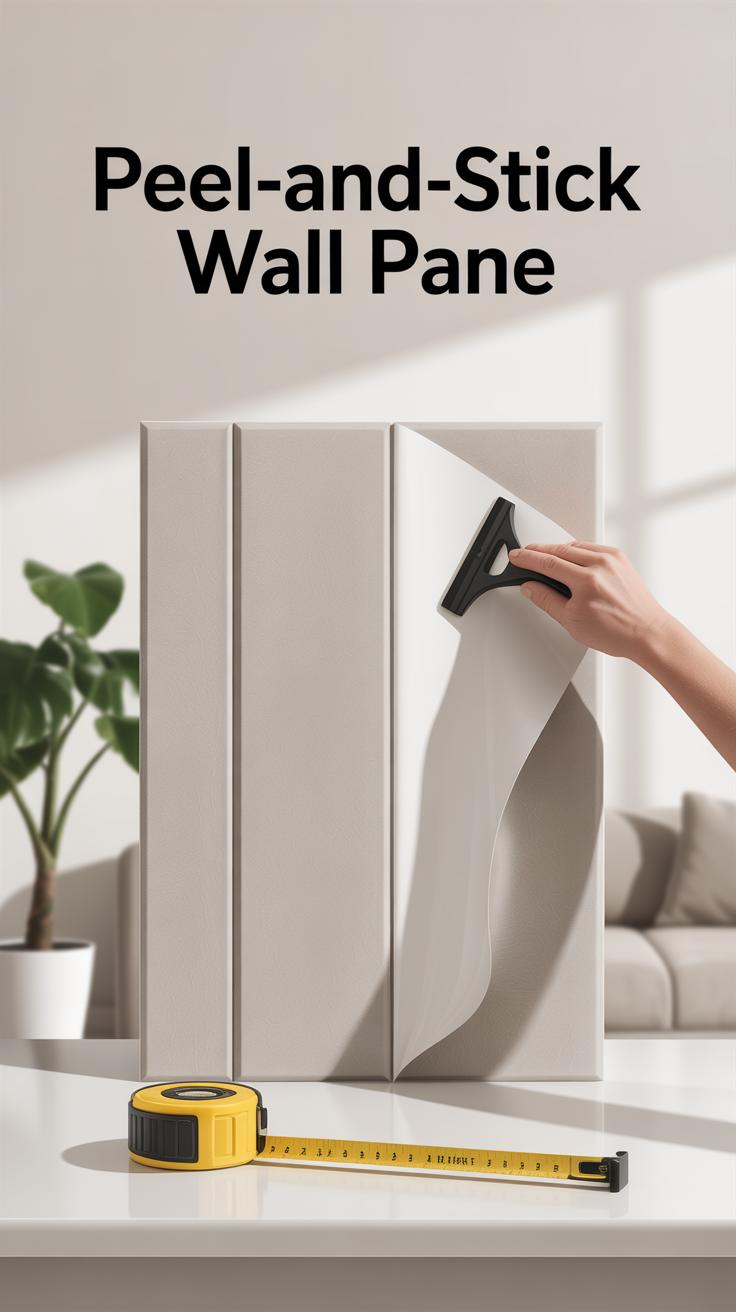
Preparing Walls and Choosing Adhesives
Before you even think about unrolling your minimal wallpaper, take a good look at your walls. They should be clean, dry, and smooth. I’ve learned the hard way that even tiny bumps or leftover paint can make your wallpaper look uneven or cause bubbles later on. Scrape off loose paint, fill holes with spackle, and sand it down gently. Wiping down the surface with a damp cloth helps too but let it dry fully before starting.
When it comes to adhesives, not all glues work the same. Some wallpapers come pre-pasted, which simplifies things. For vinyl or textured minimal wallpapers, a stronger adhesive might be necessary. You might want to test a small patch with the glue you choose to make sure there’s no discoloration or warping. I found using a clear, wallpaper-specific adhesive made a difference in keeping edges crisp and corners stuck—especially in humid rooms.
Cleaning and Repairing Minimal Wallpaper
Keeping minimal wallpaper fresh often means gentle care. Avoid scrubbing hard or using harsh chemicals; instead, go for a soft sponge or microfiber cloth lightly dampened with water. For spots, mild dish soap mixed with water usually does the trick. I once tried a stronger cleaner and ended up with a faint cloudiness on my wallpaper—it was frustrating.
If you notice small tears or bubbles, don’t panic. You can smooth bubbles by gently pushing air toward an edge with a plastic card. For tiny rips, a bit of wallpaper paste or clear-drying glue under the flap and careful pressing with a damp cloth can fix it without anyone noticing. Sometimes, I wonder if these little imperfections almost add character, but for most, a smooth surface just feels more peaceful.
Common Mistakes to Avoid
Overcrowding the Space
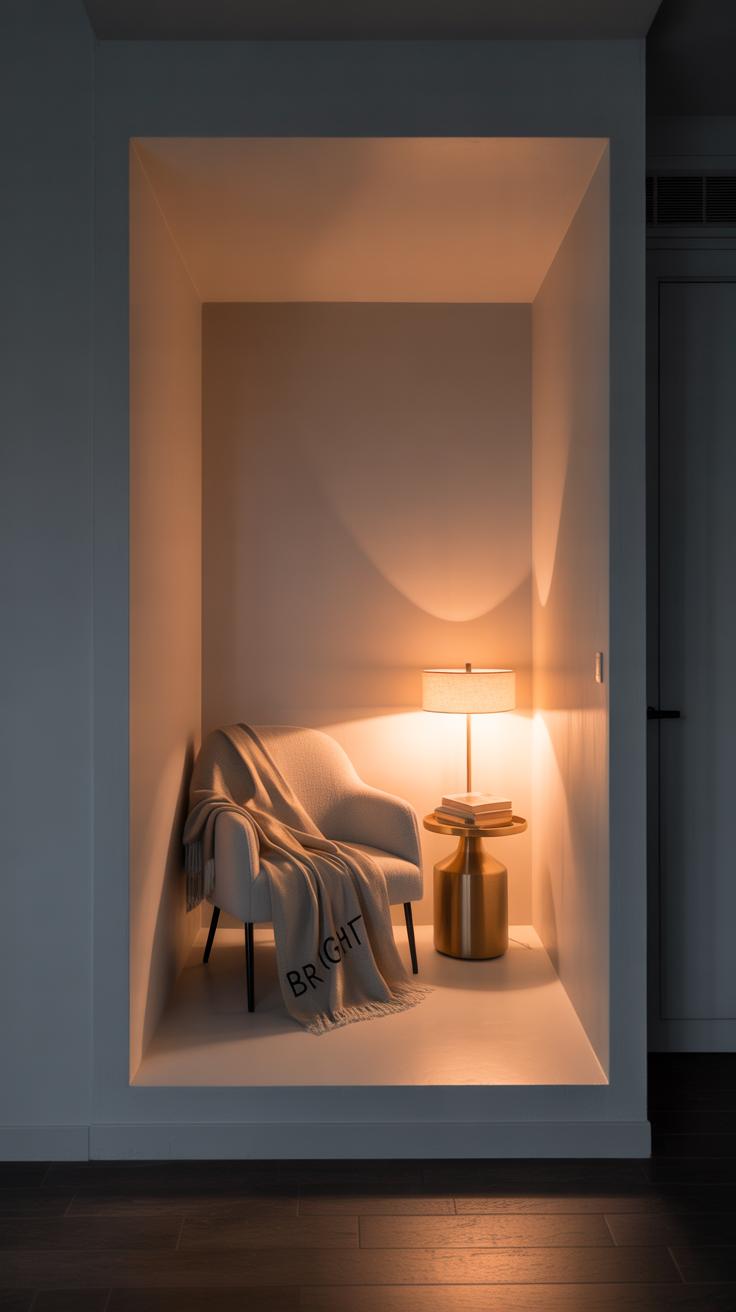
One quick way to lose that calm, minimal vibe is by filling the room with too many decorations. Minimal wallpaper sets a clear, simple tone, so piling on extra items—like dozens of knick-knacks, multiple frames, or excessive pillows—can overwhelm the eye and spoil the intended effect. Sometimes it’s tempting to add just one more piece, but restraint really matters here.
Think of the wallpaper as the quiet foundation of your room’s look. When you clutter the space, you drown out that quietness. If you find your room feeling busy or chaotic, try stepping back and removing a few items. Less can actually feel more peaceful, even if it takes a bit of patience to get used to.
Choosing Clashing Colors or Patterns
Picking the wrong color or pattern for your wallpaper can disrupt the whole room. Minimal designs often rely on subtlety, so a wallpaper that fights with bold furniture or loud wall colors may seem out of place. Sometimes people underestimate how even a simple pattern might clash if the tones don’t sync well with the rest of the room.
Before committing, test samples in the room at different times of day. Lighting can change how colors appear, and you might notice clashes you didn’t before. Try to aim for harmony rather than contrast, but what feels harmonious can also be a bit personal. You might like a splash of unexpected color, but be mindful it doesn’t break the calm.
In the end, the goal is for your wallpaper to support your space—not compete with it. When you think about your choices carefully, you’ll avoid the surprise of colors or patterns that just don’t sit right together—and that’s what keeps the room feeling stylish and peaceful.
Finding Inspiration and Shopping Tips
Where to Look for Ideas
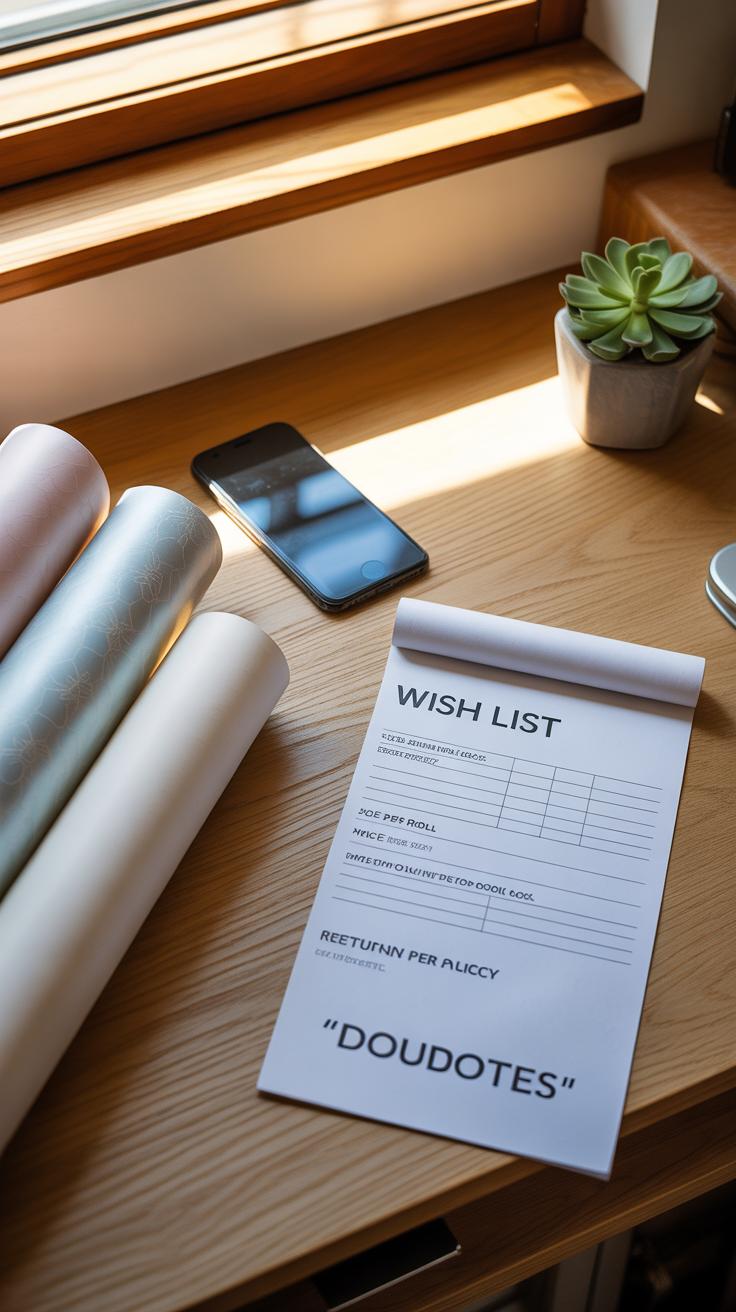
Finding minimal wallpaper ideas can feel overwhelming at first, but there are plenty of places to turn to. Websites like Pinterest and Houzz offer countless photos showing how subtle patterns or muted tones can shape a room’s mood. You might want to browse well-known design blogs that focus on simplicity—sometimes the best inspiration comes from real people sharing their homes rather than glossy magazine spreads.
Speaking of magazines, titles like *Dwell* or *Wallpaper* often highlight minimal designs. Even if you don’t subscribe, their online editions sometimes provide sneak peeks or galleries. Visiting local showrooms can also be helpful. Seeing wallpaper samples in person lets you judge textures and colors more accurately. Stores with knowledgeable staff may suggest options you hadn’t considered, making the process feel less intimidating.
Budgeting and Choosing Quality Wallpaper
When shopping for minimal wallpaper, you’ll quickly realize prices vary a lot. It’s tempting to go for the cheapest roll, but quality affects how the wallpaper holds up over time. Think about the room’s use—is it a high-traffic area or a quiet corner? Vinyl-coated wallpapers might cost a bit more but handle moisture and scuffs better, for example.
On the other hand, higher price doesn’t always mean better. Sometimes, small designers offer unique patterns on decent materials for moderate prices. Sampling a few options before committing can save headaches—many companies sell trial packs or small pieces. Balancing budget with durability and look takes a bit of patience. You could end up paying more if you rush and then have to replace damaged wallpaper sooner than expected.
Conclusions
Wallpaper minimal designs bring a sense of calm and order to modern spaces. By choosing simple patterns and subtle colors, you create a peaceful room that feels inviting and uncluttered. Minimal wallpaper works well in bedrooms, living rooms, and offices where calmness helps you relax or focus.
When decorating with minimal wallpaper, it is key to think about the room’s purpose and your personal style. Select textures and shades that enhance the space without overwhelming it. With the right choices, you can enjoy modern, stylish rooms that feel comfortable and calm.