

Introduction
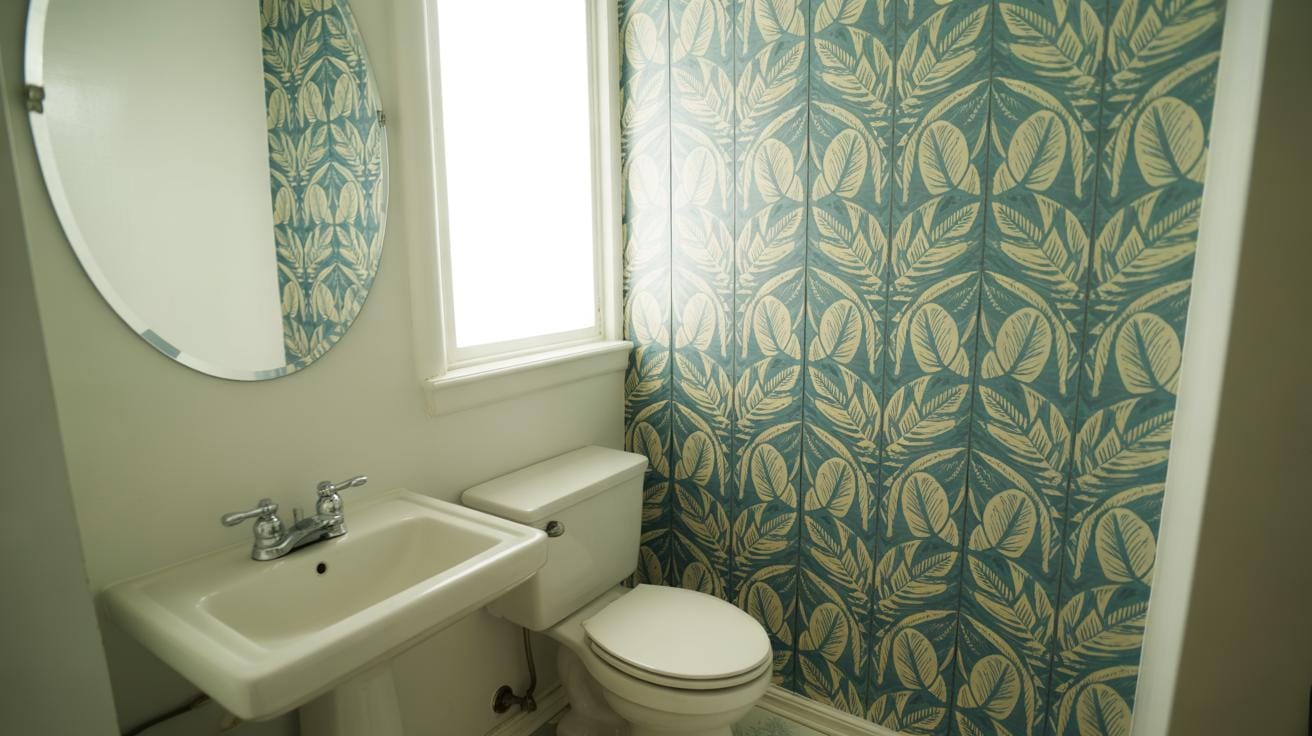
Wallpaper decor can change the feeling of any room quickly and easily. It covers your walls with color, patterns, and texture, helping your space look fresh and new. Whether you want a small change or a big one, you can find wallpaper ideas that work for you.
In this article, you will learn how to pick the best wallpaper for your rooms and how to put it up without stress. We’ll explore different styles, designs, and smart tips to make your decorating fast and fun. You will see that wallpaper is a great way to refresh any room fast.
Understanding Wallpaper Types
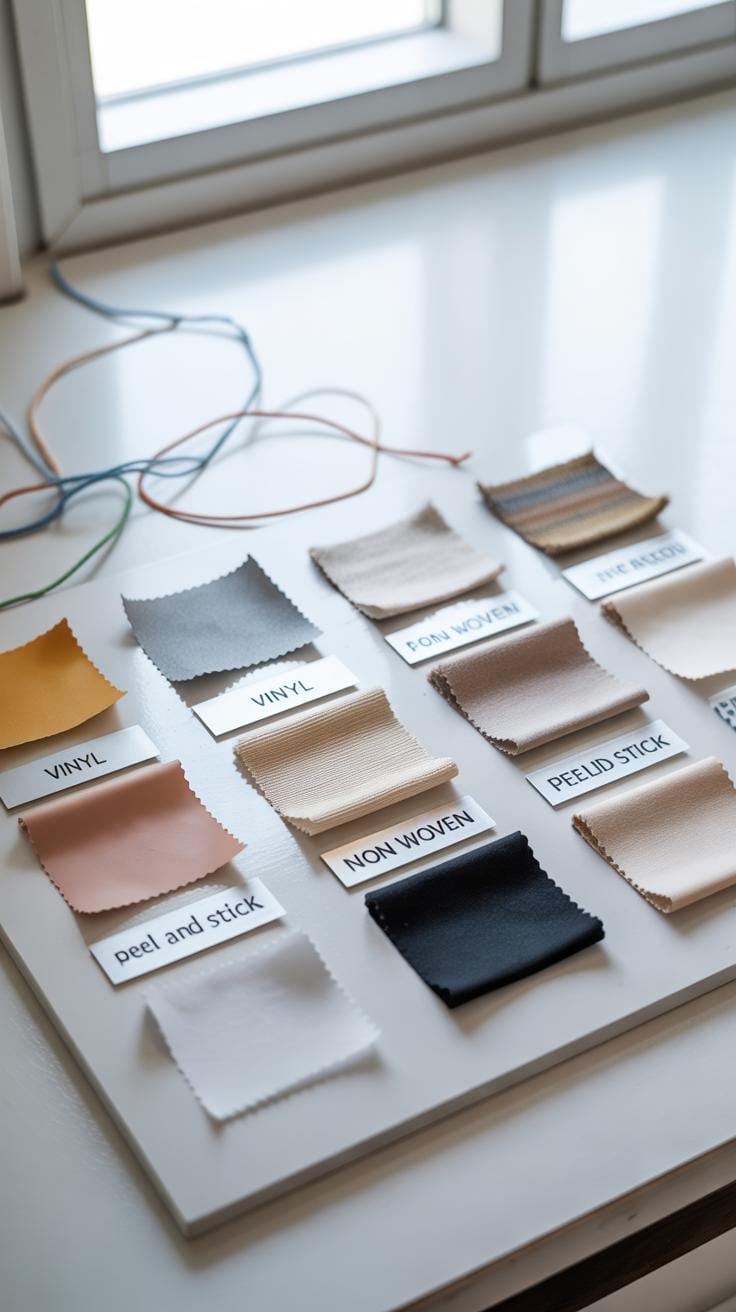
Wallpaper comes in a few main types, each with its own character and quirks. Knowing these can help you pick what really suits your space and needs. There’s vinyl, paper, fabric, and textured wallpaper, all with different levels of durability and ease to work with.
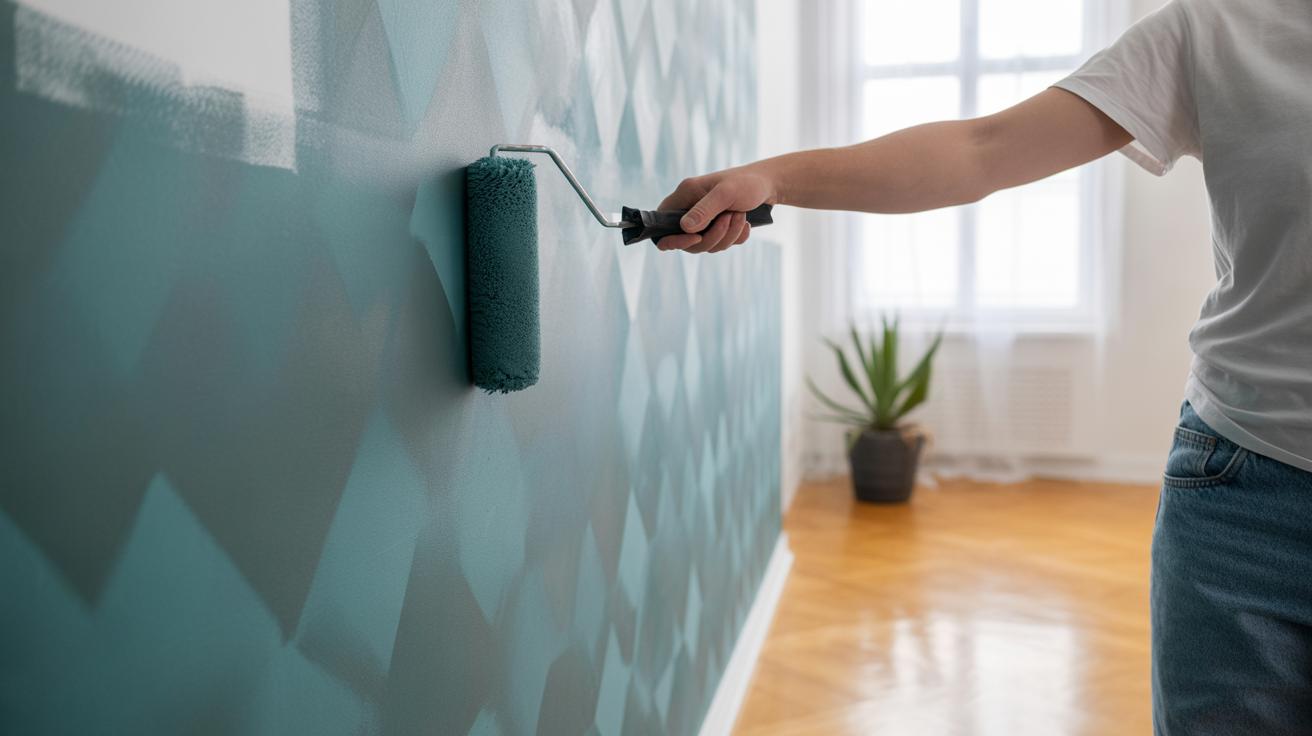
Vinyl wallpaper is pretty popular because it’s tough and wipes clean easily. It’s made from plastic-coated materials, which makes it water resistant. This makes it a go-to for kitchens or bathrooms where moisture is often an issue. It can be a bit thick, so it hides wall imperfections better than some other types, which is nice if your walls aren’t perfectly smooth.
Paper wallpaper is lighter and can be easier to install for those who don’t mind a delicate touch. It offers a classic look but doesn’t hold up as well where there’s humidity or heavy wear. You might use it in bedrooms or living rooms, where the risk of damage or dirt is lower. You do need to be careful with it—tears or rips happen more easily.
Fabric wallpaper feels more luxurious and can bring warmth and texture into your room. It usually involves silk, linen, or polyester blends. Installation is trickier and it doesn’t handle moisture well. On the plus side, it’s pretty durable against scratches and gives a refined look that’s hard to mimic with other materials.
Textured wallpaper isn’t just about look—it adds a tactile dimension you don’t get with flat surfaces. It can mimic everything from wood grain to plaster, and sometimes even grasscloth, which gives slight imperfections that add character. Textured options are great if you want a feature wall that feels a bit more alive or interesting. They often require more care during installation because the pattern or texture has to match up just right.
Choosing one often comes down to where you want to put the wallpaper and how much care you want to give it over time. Vinyl’s easy to clean, fabric brings softness, paper feels light but fragile, and texture adds depth—each has its place depending on your room and lifestyle.
Vinyl Wallpaper Features
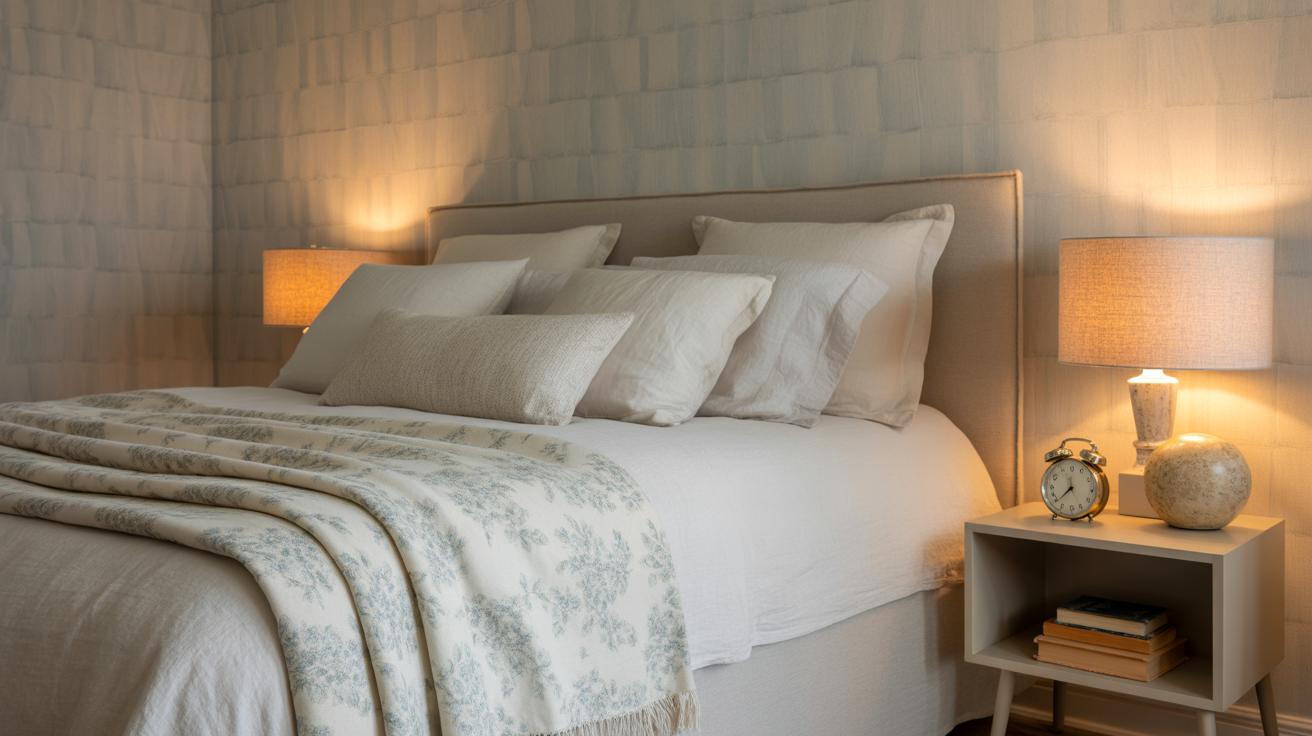
Vinyl wallpaper stands out for being water resistant and pretty tough compared to other types. This makes it a favorite for areas that deal with steam or spills—think kitchens and bathrooms. You can wipe it down without worrying about ruining the surface, which is not always the case with paper types. It’s also good at hiding wall dents or imperfections due to its thickness.
Because it’s plastic-based, vinyl has a slight sheen, giving walls a subtle shine. This can brighten a room easily, but if you want a matte finish, you’ll need to look at specialized vinyl wallpapers. Beyond the practical side, vinyl comes in many prints and textures now, so it’s no longer just the ‘utility’ wallpaper it once was.
Textured Wallpaper Benefits
Textured wallpaper gives your walls dimension beyond color or print. It can soften acoustics slightly and create visual interest that you don’t get with flat surfaces. Some popular textures imitate natural materials like grasscloth or linen, while others might have raised patterns or subtle 3D effects.
Using texture can also help camouflage small wall flaws, which is helpful if you want to skip a huge repair job before decorating. Plus, textured wallpaper can be surprisingly versatile, fitting both traditional and modern styles depending on the design.
Have you ever noticed how certain textures catch the light differently throughout the day? That shifting effect alone might be reason enough to pick textured options if you want your walls to feel a bit more alive.
Choosing Wallpaper Patterns And Colors
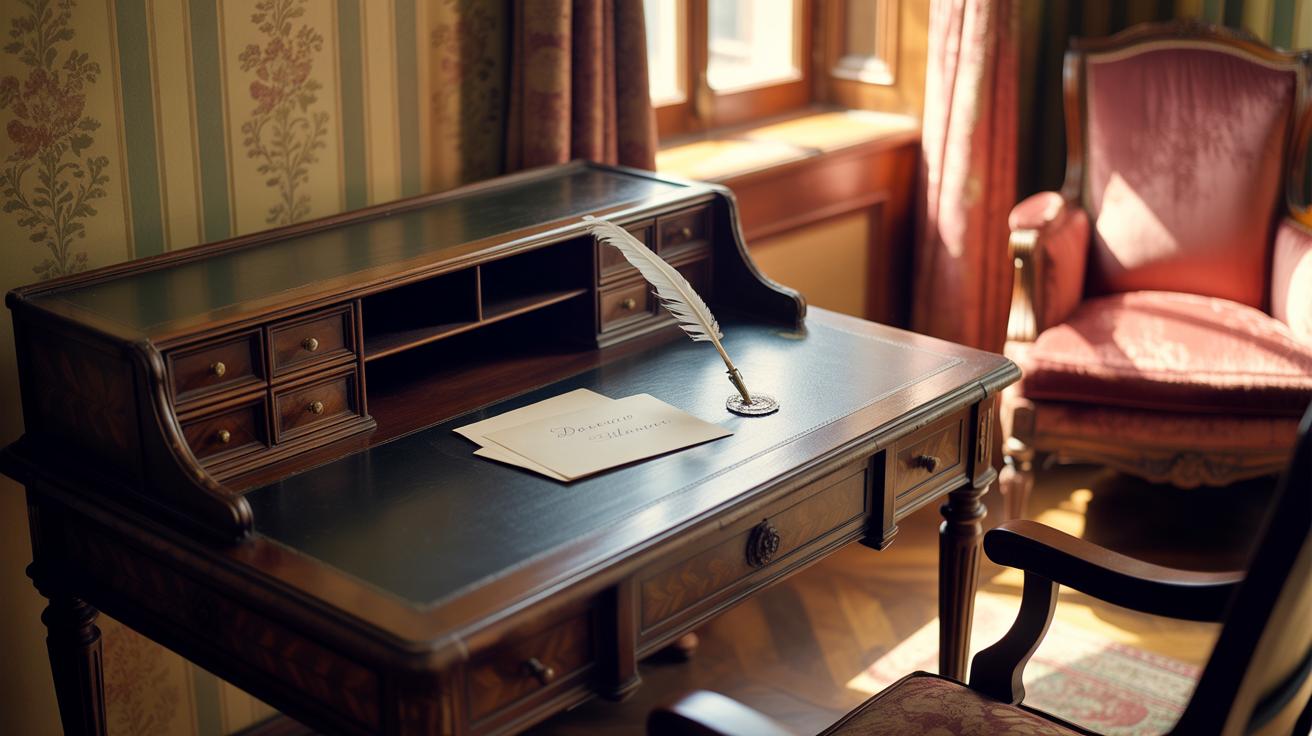
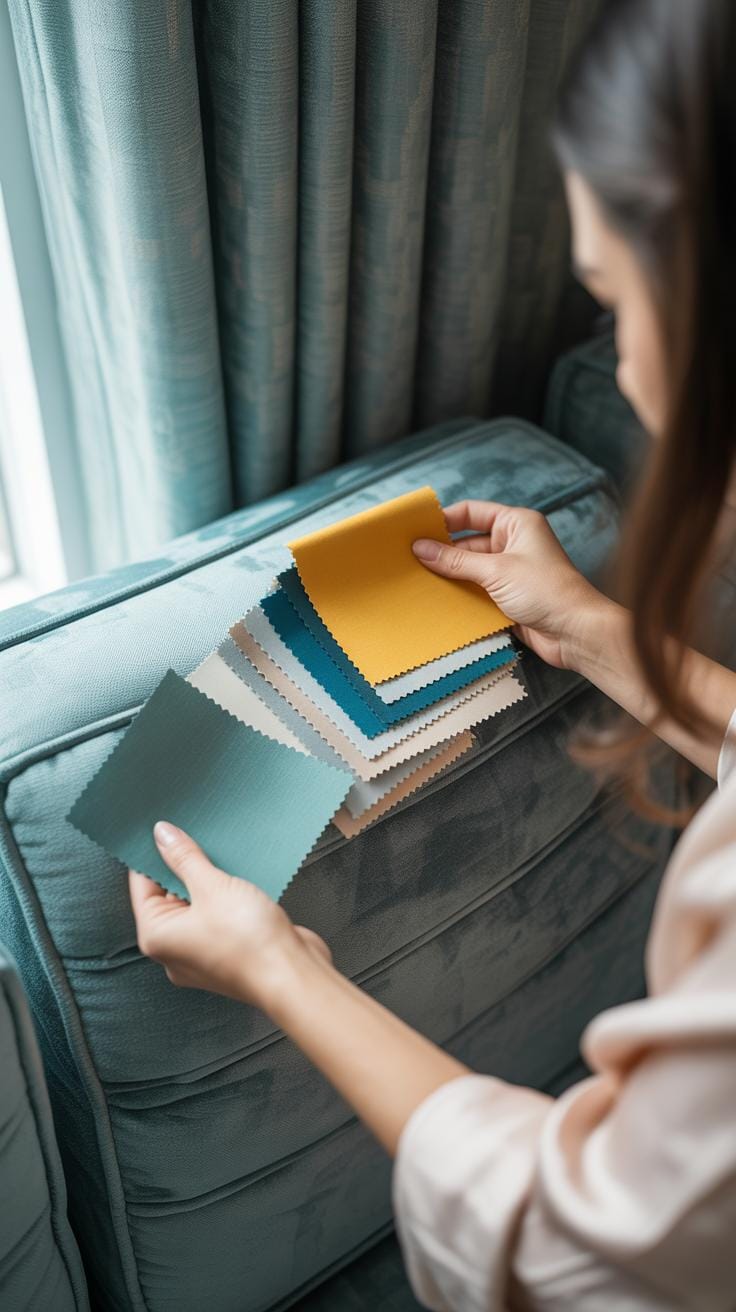
Picking the right wallpaper pattern and color can change the whole feel of a room—sometimes in surprising ways. Patterns don’t just sit pretty; they affect how you experience space. For example, large bold prints might overwhelm a small room, making it feel cramped, while delicate, small-scale patterns can offer coziness without crowding.
Think about your furniture and lighting too. If your room has lots of natural light and simple, neutral furniture, a busy or dark wallpaper might actually add character without making the space dull. But in dimly lit rooms, darker wallpaper can feel oppressive unless you have bright lamps or reflective surfaces.
When matching patterns with furniture, mixing styles can work if you’re careful. A floral wallpaper with clean-lined modern furniture might balance softness with structure. Or, a geometric pattern with antique pieces can create an unexpected tension. So, ask yourself what mood or feeling you want and try to align wallpaper choices with those vibes—and with how light moves through your space.
Using Patterns To Create Space Illusion
Patterns have this subtle power to trick the eye. Vertical stripes, for example, almost always make walls look taller. I tried it once in a low-ceilinged room, and suddenly it didn’t feel so boxed in. It’s a simple change with a clear effect.
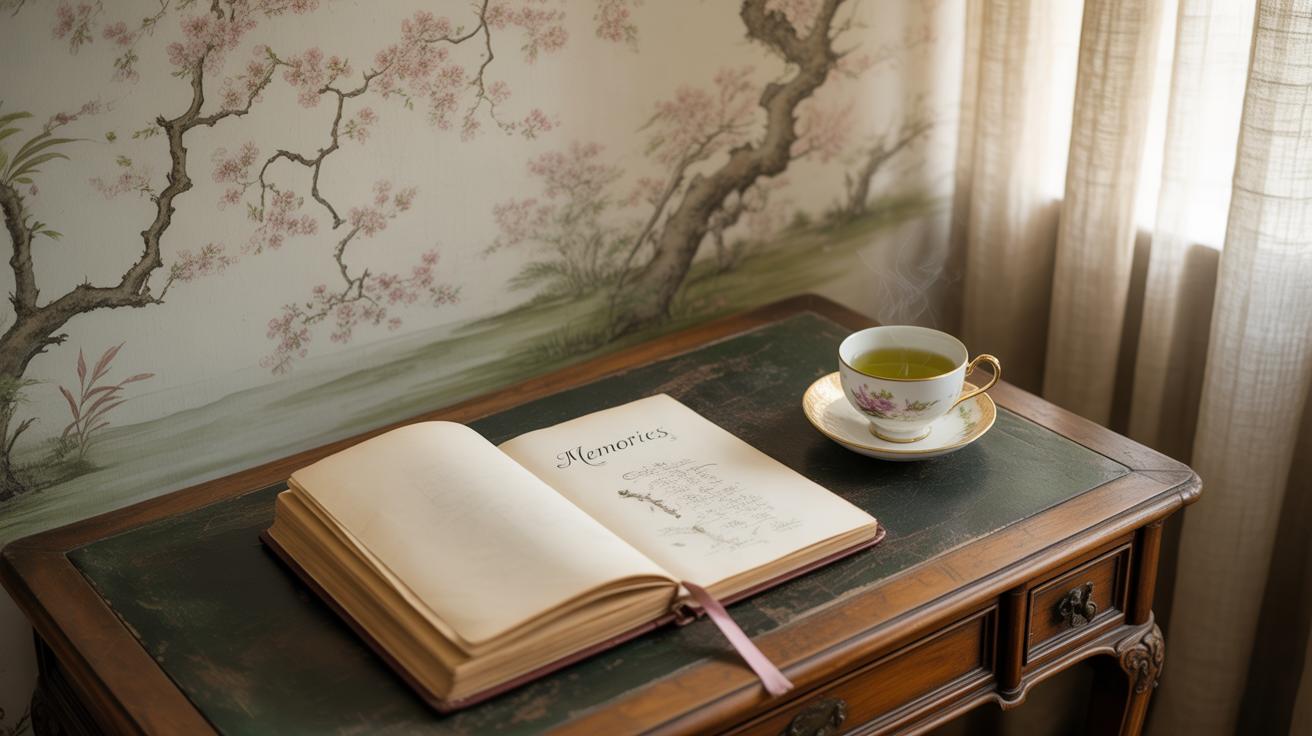
Small, repeating patterns can shrink a room’s perceived size but make it feel cozy and intimate. If your room feels too big or a bit empty, that tight pattern might help it feel more welcoming. On the other hand, large-scale patterns tend to open up a space visually—they work really well in rooms with enough distance to step back and appreciate the design.
Don’t forget texture in patterns either. Sometimes a subtle textured wallpaper adds depth that a flat design can’t. It’s almost like the pattern whispers rather than shouts, shaping the room’s feel quietly.
Color Psychology In Wallpaper
Colors affect your mood in ways you might not notice immediately. Blues tend to bring calm and relaxation, which is why they’re popular in bedrooms or bathrooms. I’ve seen people choose blue wallpapers hoping for a serene vibe, and it usually works—though paired with harsh lighting, the coolness can feel cold instead of calming.
Yellow pulls the mood in the other direction. It’s energizing, lively, often linked to creativity or happiness. But too much yellow, especially a bright, intense shade, can feel overwhelming or even stressful. It’s a tricky balance—great in kitchens or playrooms, maybe less so in reading nooks.
Greens often feel balanced and refreshing, recalling nature without being too bold. Warm neutrals—beige, soft browns—lie somewhere in the middle: they don’t overly affect mood but make rooms feel grounded and inviting. When in doubt, think about how you want to *feel* in that space and choose colors that support that feeling over time, not just on the first day.
Preparing Your Wall For Wallpaper
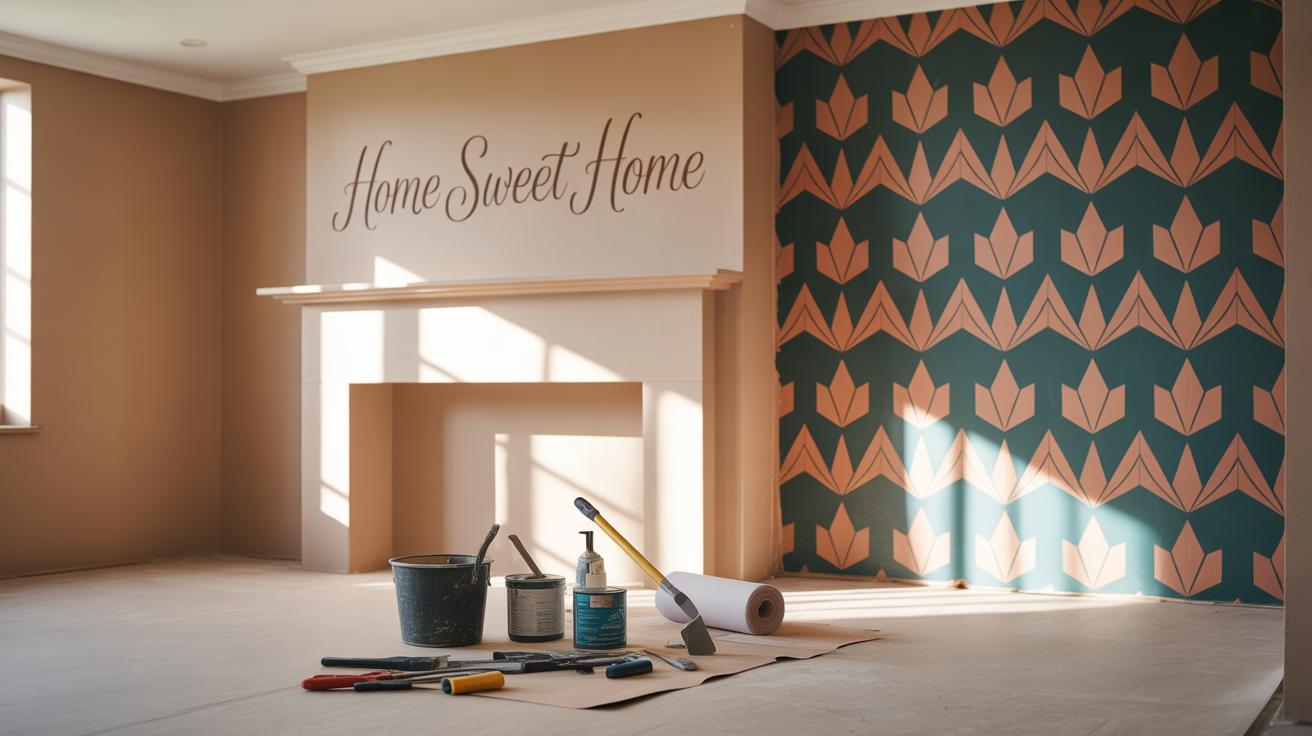
Before you start sticking wallpaper, getting your walls ready is key. It’s tempting to rush the process, but skipping preparation often leads to peeling or bubbling later—and nobody wants to redo that. Walls need to be clean, smooth, and primed to hold wallpaper properly.
Cleaning And Repairing Walls
First, clear away any dust, dirt, or grease. You can use a damp cloth and mild detergent. Don’t just wipe quickly—take time to really clean, especially around corners and edges where grime hides. Next, inspect for cracks, holes, or dents. Filling these with spackle or filler makes a big difference. Sand any rough patches once dry. Unfixed imperfections will show through, mess up the pattern, or cause the wallpaper to lift. A smooth surface isn’t optional here—it’s necessary.
Choosing The Right Primer
After cleaning and smoothing, you should use a primer or wallpaper sizing product. They might seem like extra work, but they do help. Primer seals the wall so the wallpaper adhesive doesn’t soak in unevenly, which can cause bubbles or peeling later. It also improves the stickiness, making your wallpaper last longer. Sometimes people skip this step thinking wallpaper holds on its own, but that’s rarely the case. Investing a bit of time here saves you from regrets.
Step By Step Wallpaper Installation
Measuring And Cutting Wallpaper
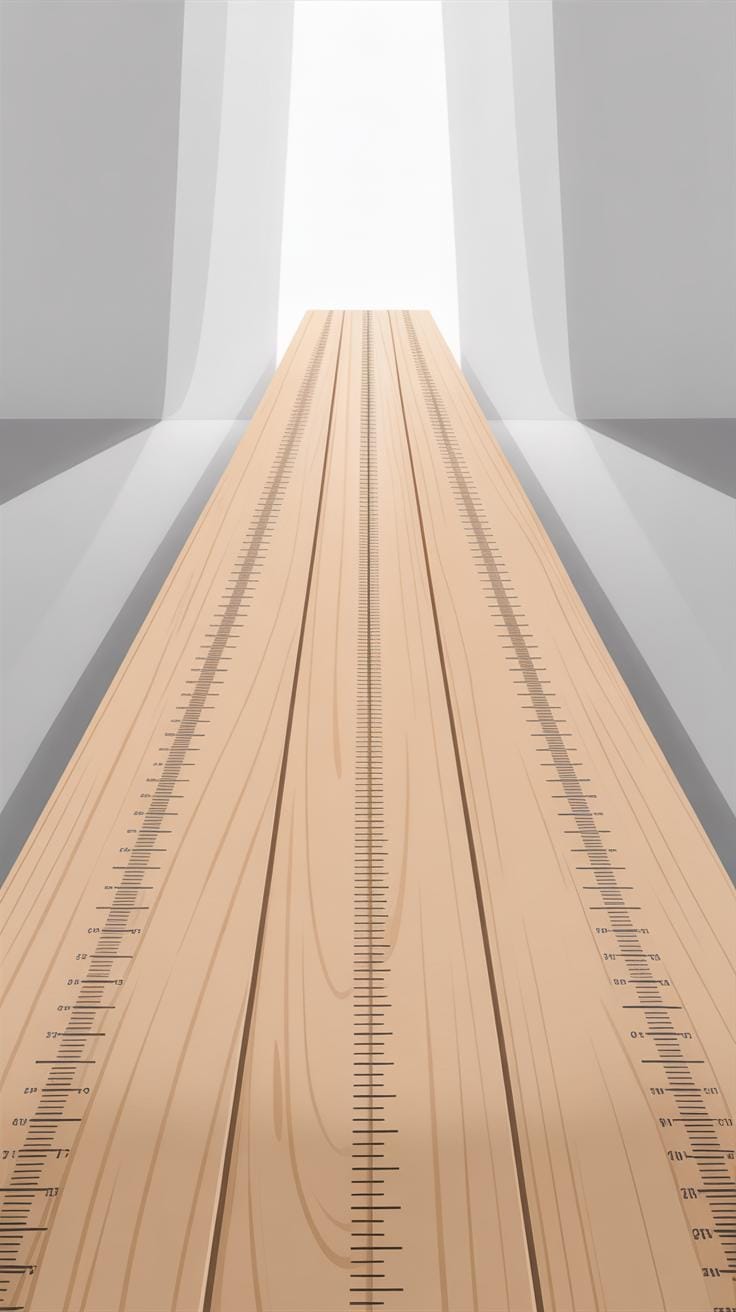
Start by measuring your wall height and width carefully. Don’t rush this part; small errors here can mean wasted wallpaper or awkward seams. It helps to measure each section of the wall separately, especially if you have corners, windows, or doors. I usually write down the measurements to avoid confusion.
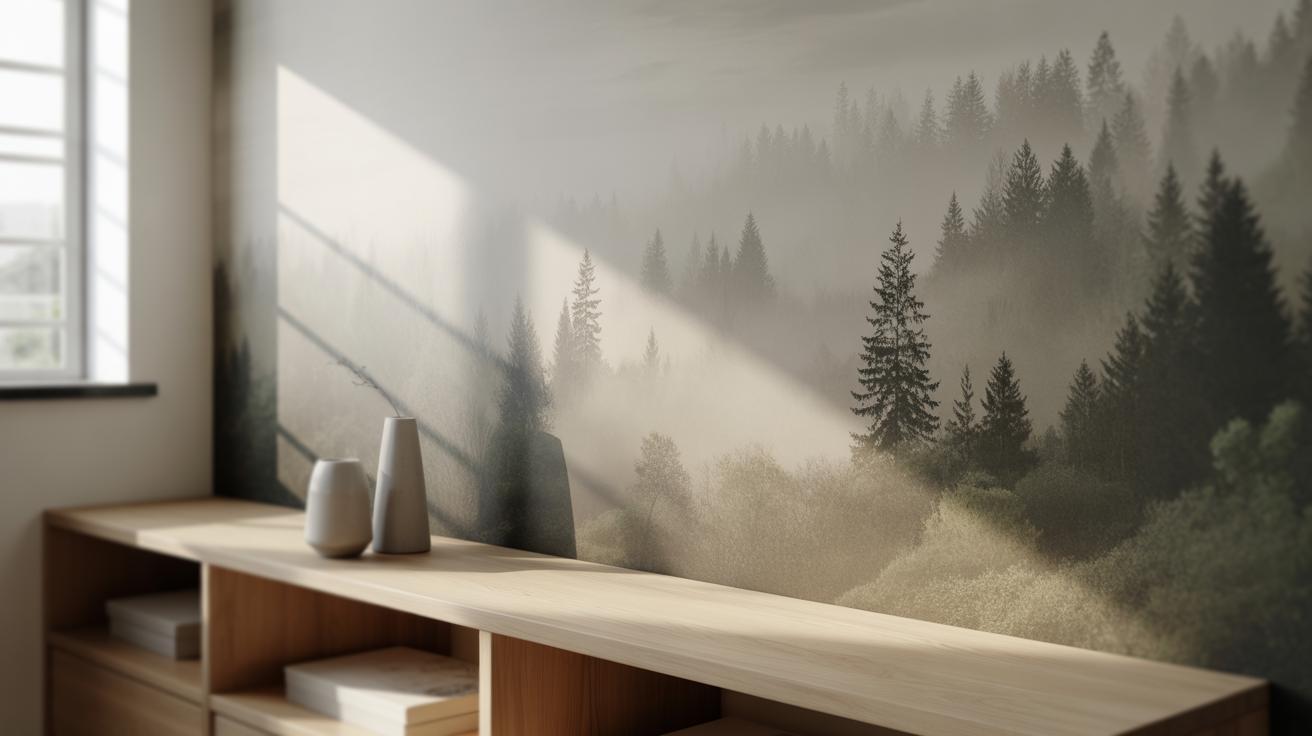
When cutting, add a few extra inches to your measurements. Better to trim later than to come up short. Pattern matching can be a bit tricky. If your wallpaper has a repeating design, try to align these patterns across strips before cutting. This might mean adjusting your cuts slightly, but the overall look depends on it. Sometimes, the pattern repeats every 20 or 30 inches—double-check this before slicing.
Applying Paste And Hanging Wallpaper
Spread the paste evenly on the back of your wallpaper strip using a brush or roller. Make sure the edges get enough paste; that’s where peeling often starts. Some wallpaper types need a “booking” time, where you fold the pasted sides together and let it sit for a few minutes—check your paper’s instructions.
Once pasted, start hanging from the top of the wall. Use a smoothing tool or a clean cloth to push out air bubbles gently. Move from the center outward, but be cautious not to stretch or tear the paper. It’s tempting to rush this part, but going slow makes a big difference in avoiding wrinkles. If a bubble forms, you can often lift and reposition the strip carefully, though doing that too often might weaken the paper.
If your edges don’t line up perfectly, try to nudge them closer. Sometimes, slight overlaps happen; trim carefully with a sharp knife along the edges or moldings. It’s never perfect, but the trick is in how you fix those small issues without making them obvious. After hanging, clean off any excess paste quickly before it dries; it can stain your wallpaper if left alone.
Creative Wallpaper Uses Beyond Walls
Wallpaper isn’t just for walls, you know. It can breathe fresh life into furniture and small spaces where paint might feel dull or tricky. Imagine updating an old dresser by carefully applying wallpaper on the drawer fronts. Suddenly, a tired piece turns into a statement without needing a full makeover. This works well with tables or cabinet doors too—just make sure to seal the wallpaper with a clear varnish or laminate for durability. I once tried this on a side table, and the result was surprisingly chic, even though it felt a bit risky at first.
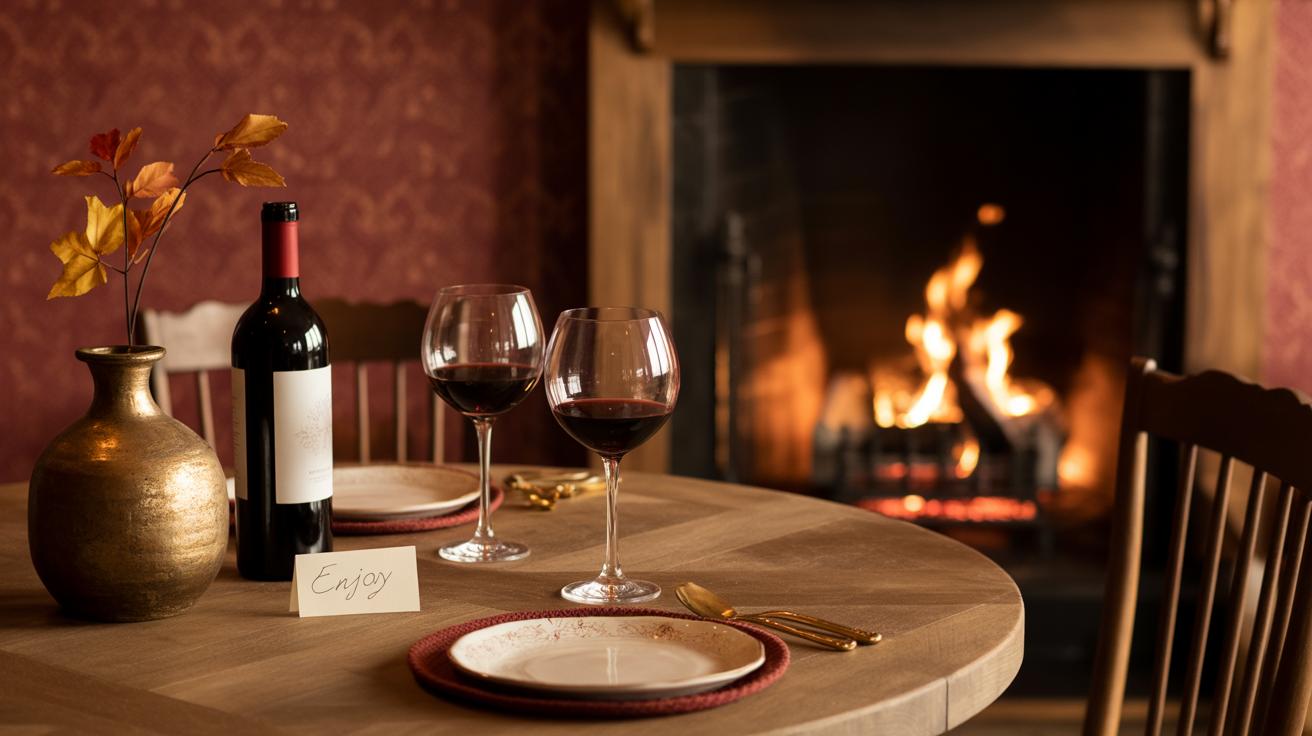
But there’s more. Wallpaper can create unique art pieces too. You don’t need to cover an entire wall. Framing wallpaper panels gives you flexible decor that can add color and pattern where you want it. Bigger murals made from wallpaper sheets can serve as headboards or focal points without the permanence of paint. I think this approach is especially useful when you want to refresh a room quickly or rent space and can’t alter walls. It’s simple, yet it opens up a lot of creative possibilities.
Maintaining And Removing Wallpaper
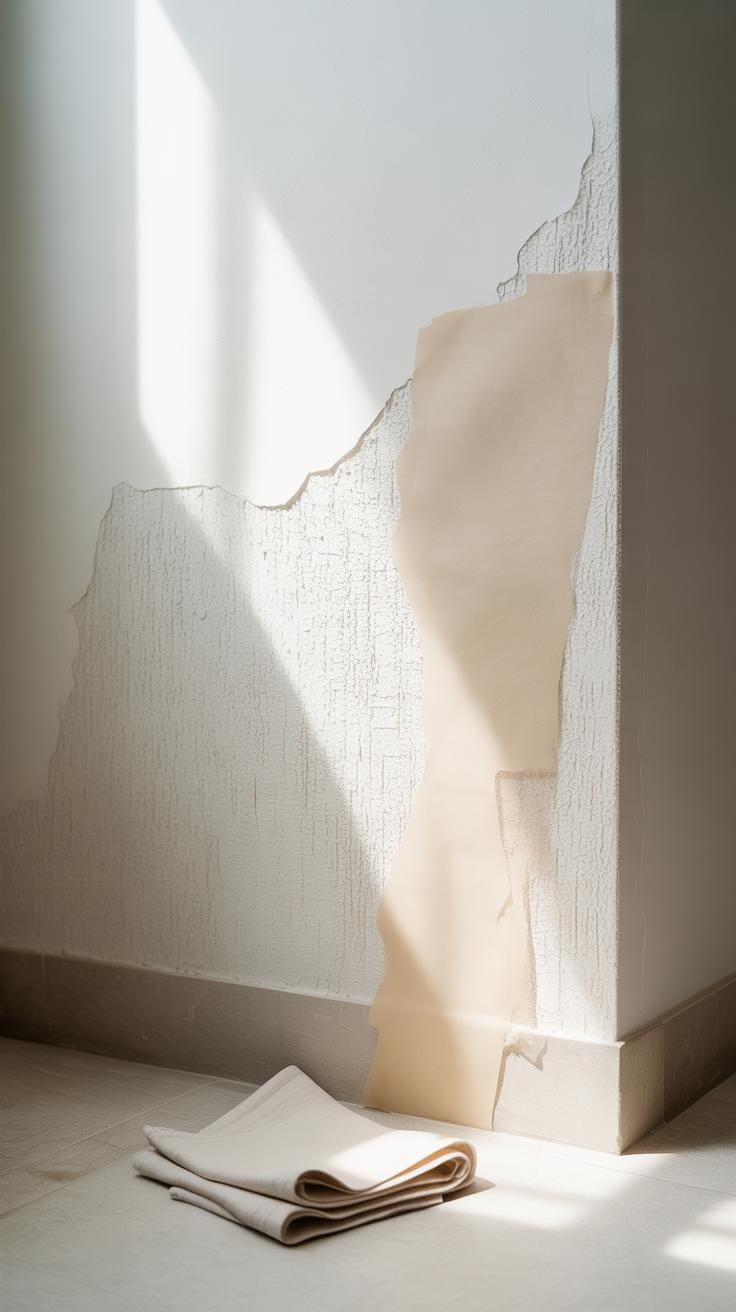
Keeping wallpaper clean can seem tricky, especially if your wallpaper has texture or a delicate finish.
For vinyl wallpaper, wipe gently with a damp cloth or sponge using mild soap and water. Avoid harsh chemicals—they can strip the pattern or cause discoloration. If you have a fabric or paper-based wallpaper, dust regularly with a soft brush or vacuum on low suction to prevent dirt buildup.
When stains appear, test your cleaning solution on an inconspicuous spot first. Sometimes just a little baking soda mixed with water can lift marks without harming the surface.
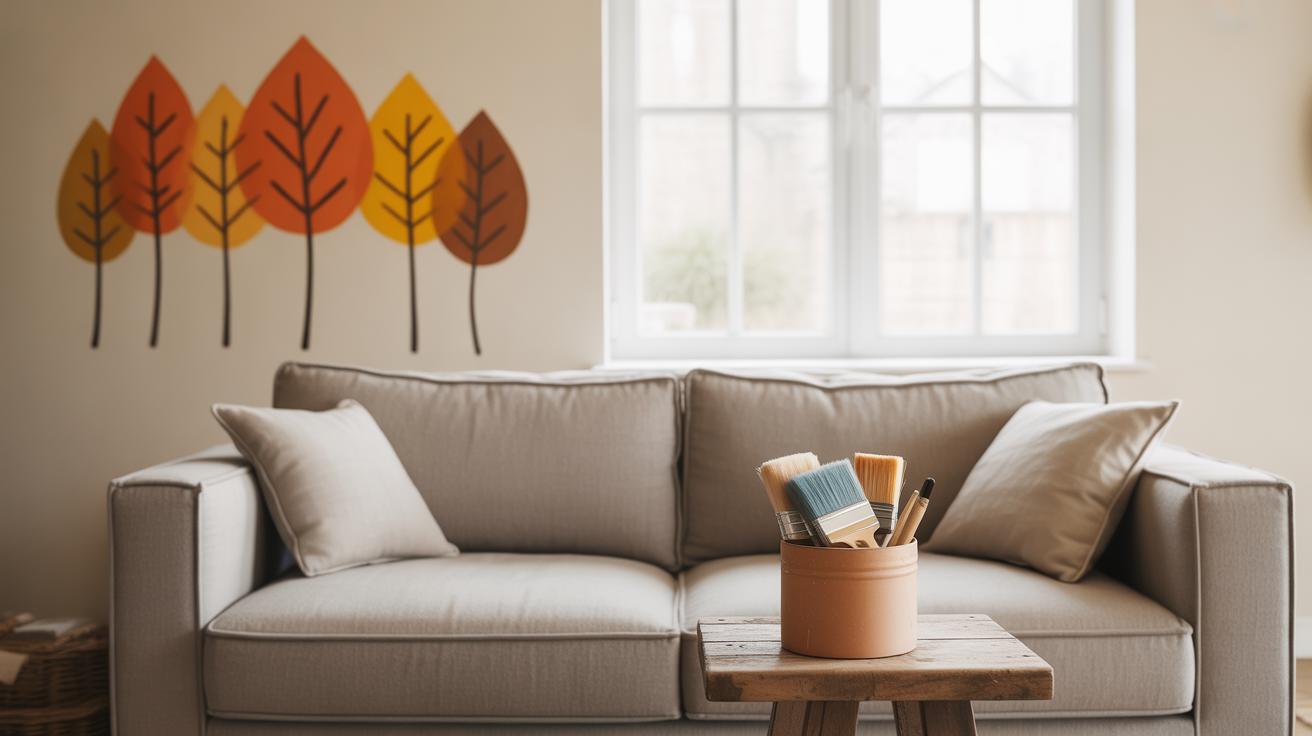
Removing wallpaper isn’t always fun. But done carefully, you can preserve your walls for the next style update.
Start by scoring the wallpaper with a utility knife, then soak it with warm water or a wallpaper removal solution. Let it sit for a few minutes to soften the adhesive. Gently peel starting at a corner—patience plays a big role here.
If stubborn patches remain, use a plastic scraper to avoid damaging the drywall. Alternatively, a heat gun can soften glue quickly, but watch out—you don’t want to scorch the wall.
Sometimes, you may find that removal uncovers imperfections—patch and sand these before repainting or re-wallpapering to get a smooth finish.
Wallpaper Trends To Consider
Nature Inspired Wallpaper Patterns
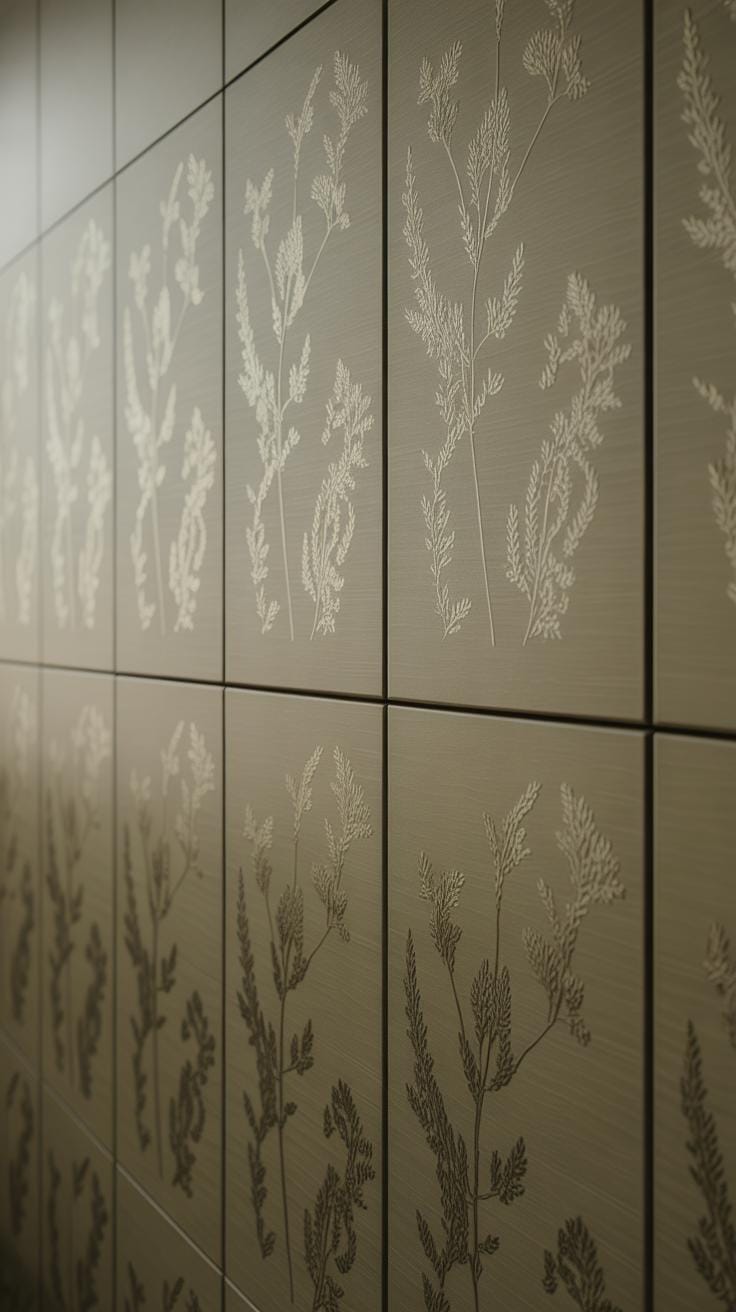
Floral and leaf designs are a classic way to bring nature inside. There’s something about those green leaves or delicate petals that makes a room feel lighter and fresher. Maybe it’s because we spend so much time indoors that having a hint of the outdoors helps us breathe a little easier. Wallpaper with oversized leaves or subtle vines can add depth without overwhelming the space. You might try a pattern with soft pastels for a calm vibe or richer greens to create something a bit more dramatic.
Some people avoid florals thinking they’re too traditional, but when you choose a modern take—like abstract leaves or muted tones—it feels surprisingly current. Plus, it’s not just about looks. Plants and nature-themed decor can actually influence mood, making your room more relaxing or even inspiring. Have you ever noticed how a simple change like a leafy wallpaper can shift how you feel in that room?
Modern Geometric Designs
Geometric wallpaper brings a crisp, contemporary feel to any area. Triangles, hexagons, stripes, or even irregular shapes create structure and interest in ways plain walls can’t. What’s appealing is how these patterns can be bold but still clean, giving a sense of order but also personality. You might want to consider subtle lines in neutral tones if you’re cautious or go all out with large shapes and contrasting colors for a statement.
There’s also something almost playful but precise about geometric designs. They can change the whole rhythm of a room, even making small spaces feel more dynamic. It depends on your taste; maybe you subscribe more to minimalism or like a bit of quirkiness. I’ve seen friends use stripes diagonally and it completely altered the perception of their narrow hallway—making it feel wider and more interesting.
Budget Friendly Wallpaper Decorating Tips
If you’re trying to refresh a room without draining your wallet, wallpaper doesn’t have to be expensive. One of the best ways to save money is by hunting for wallpaper remnants—those leftover rolls from bigger projects. They’re often discounted and enough for covering small areas or experimenting on a wall. I once scored a bold geometric print remnant for half price and used it on a narrow hallway wall; it made a surprising difference without stretching the budget.
Using Wallpaper Samples Effectively
Small wallpaper samples aren’t just for testing colors or patterns. Think of them as tiny design pieces. You can frame several and create a mini gallery, or use them as drawer liners and back panels for shelves. I’ve tried cutting samples into shapes—like diamonds or triangles—to make a unique collage on a desktop. It’s a low-commitment way to add some personality where you might not want full wallpaper coverage. Plus, samples are cheap or sometimes free, so they’re perfect if you’re not ready to commit to a whole roll.
Accent Walls With Wallpaper
Covering just one wall with wallpaper is a smart shortcut. It focuses attention and can change the vibe of a room without needing much material. You might not have to buy more than a single roll, depending on the room size. I’ve noticed that accent walls work especially well behind beds or sofas—they provide a backdrop that elevates the whole space. But you do need to pick your wall carefully; sometimes a different wall placement can shift the feel too much. Still, it’s a quick fix if you want a fresh look without fuss or endless work.
Conclusions
Wallpaper offers a simple way to refresh any room without a full renovation. You can pick from many styles and patterns to reflect your taste and make your walls stand out. By choosing the right design and following easy installation tips, you will enjoy a new look in your room quickly.
Try these wallpaper ideas to bring color and life to your home. Your walls can become a strong part of your decor without much effort. Explore your options, start small if you want, and watch your space change fast with wallpaper decor.