

Introduction
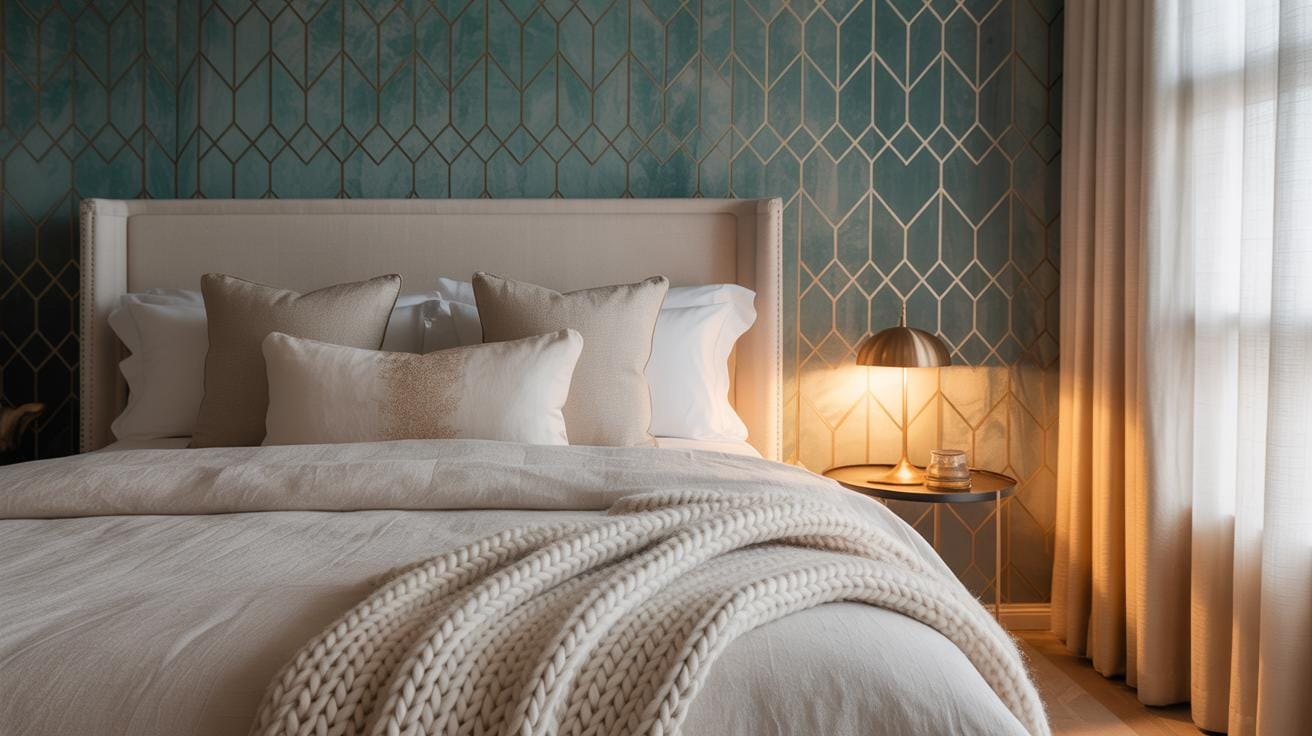
If you want to create a dreamy focal point in your bedroom, the wallpaper behind your bed is a perfect choice. This area naturally draws attention, so adding wallpaper here can change the whole feel of your room. You can choose from a wide range of patterns, colors, and textures to make it match your style and personality.
This article explores many wallpaper behind bed ideas. You will learn how to select the right wallpaper, prepare your walls, match wallpaper with bedroom furniture, and much more. Each chapter is designed to give you simple and clear advice to help you create a stylish and unique bedroom space that reflects you.
Why Wallpaper Behind Your Bed Works Well
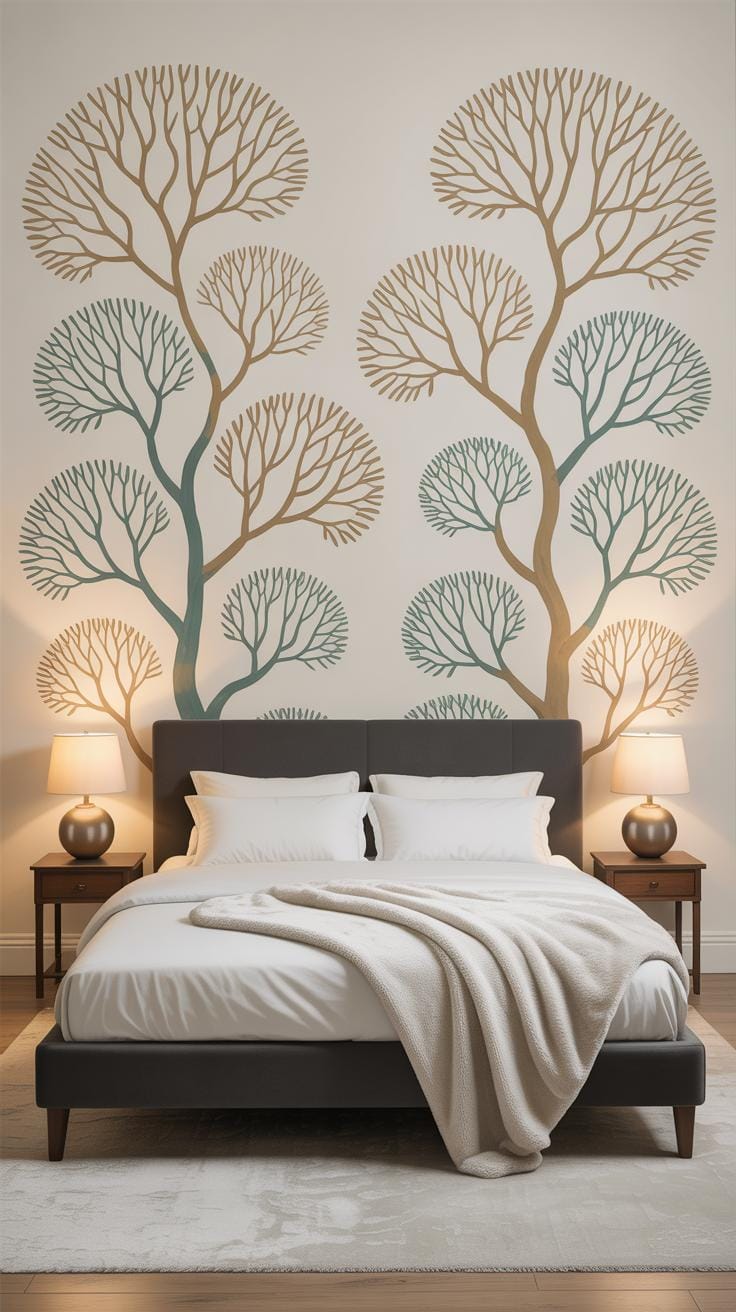
The space behind your bed naturally draws your eye when you enter the room, making it a perfect spot to create a visual anchor. Wallpaper placed here acts like a backdrop, framing your bed and giving the room a sense of purpose. It’s not just about looks — it also defines the area without cluttering the space.
This design choice works well because the bed is often the largest piece of furniture in a bedroom. Highlighting the wall behind it subtly guides attention where you want it. It can also soften the room’s overall feel, depending on the pattern or color you pick, which makes the space more inviting.
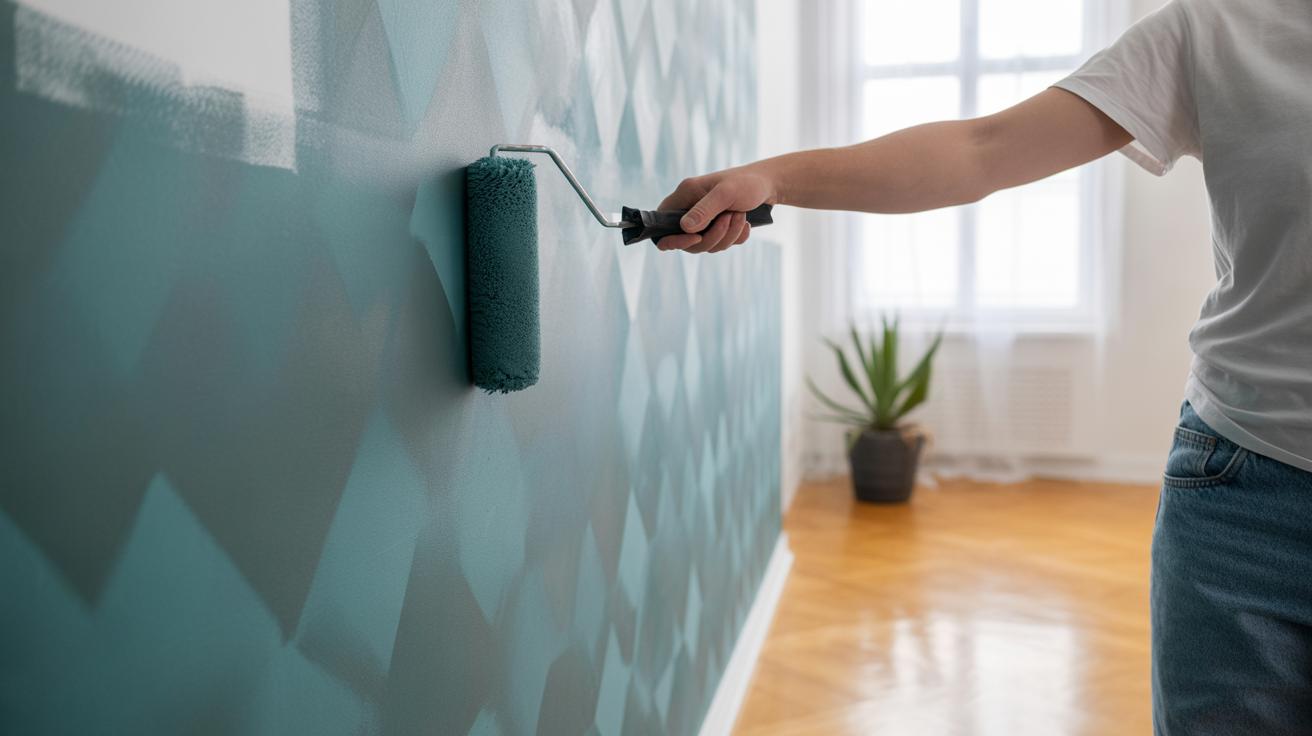
Sometimes, just this one wall with wallpaper can shift the room’s vibe from bland to interesting, without needing to add much else. It feels like the room has more personality — maybe a bit bold or calm, depending on your taste — and that alone can make a difference in how cozy or stylish you perceive your bedroom to be.
The Power of a Focal Wall
A focal wall is simply a single wall designed to grab attention and anchor the space in a room. Behind the bed is arguably the best place for this because it plays off the bed’s central role. When you highlight this wall, the whole bedroom feels balanced.
It’s a bit like giving the room a face — your eyes go straight to it, creating an immediate point of interest. Without such a wall, bedrooms can feel kind of scattered or empty, with no clear visual pull. But have you ever noticed how a bold or textured wall behind a bed can actually make the whole room feel just right? It’s that simple.
Besides focusing attention, a focal wall helps set the tone for the rest of the room. It kind of acts as a foundation, letting you add other décor elements around it without everything competing for space. That feeling of order can be surprisingly calming.
Changing Room Atmosphere Easily
Wallpaper offers a quick and cost-effective way to change your bedroom’s mood without tearing down walls or repainting. If you want something fresh but don’t feel like a big project, wallpaper is often the best shortcut.
Want a peaceful retreat? Try soft pastels or gentle floral designs. Or maybe you lean toward a modern, edgy look — bold geometric shapes or metallic accents can do the trick. Even vintage or bohemian vibes are achievable with the right wallpaper choice.
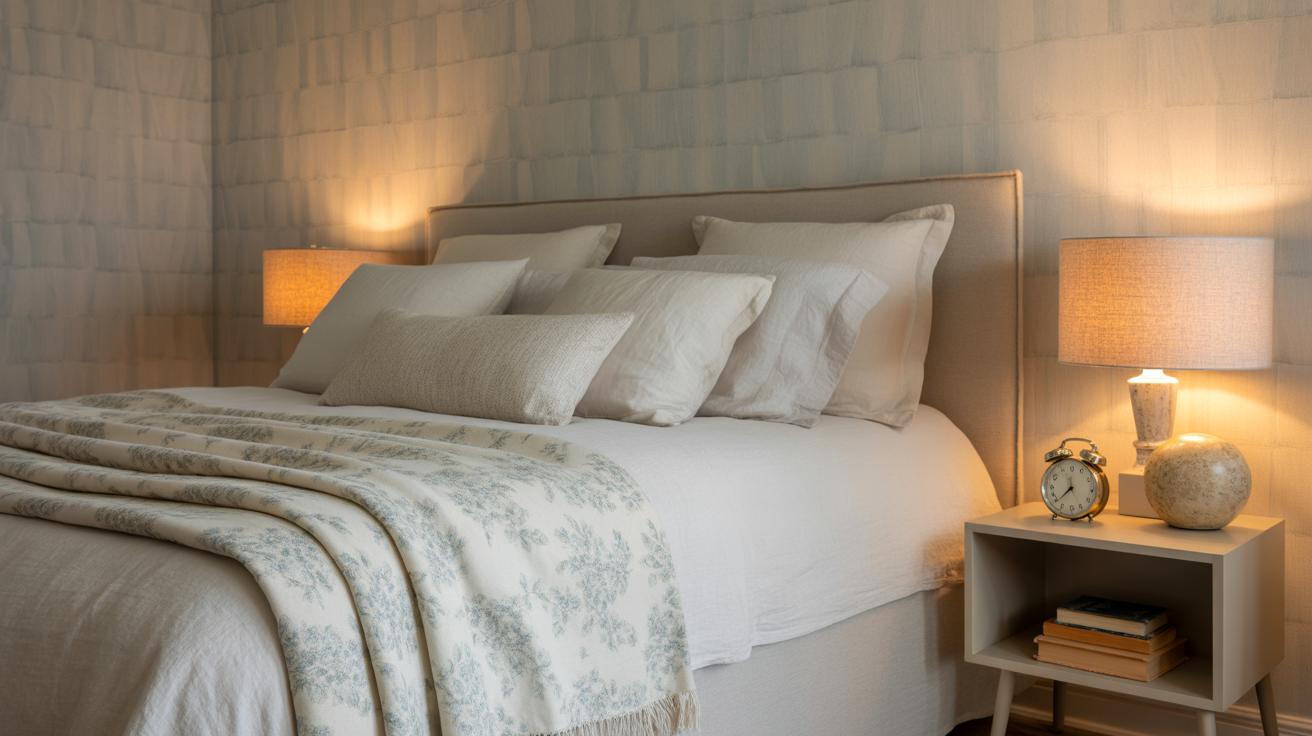
The great thing is how easy it feels to switch things up. If you tire of a pattern, you can peel it off and go again — much faster than repainting. So, whether you’re craving warmth, coolness, energy, or calm, wallpaper lets you experiment without much fuss.
Choosing Wallpaper Patterns and Colors
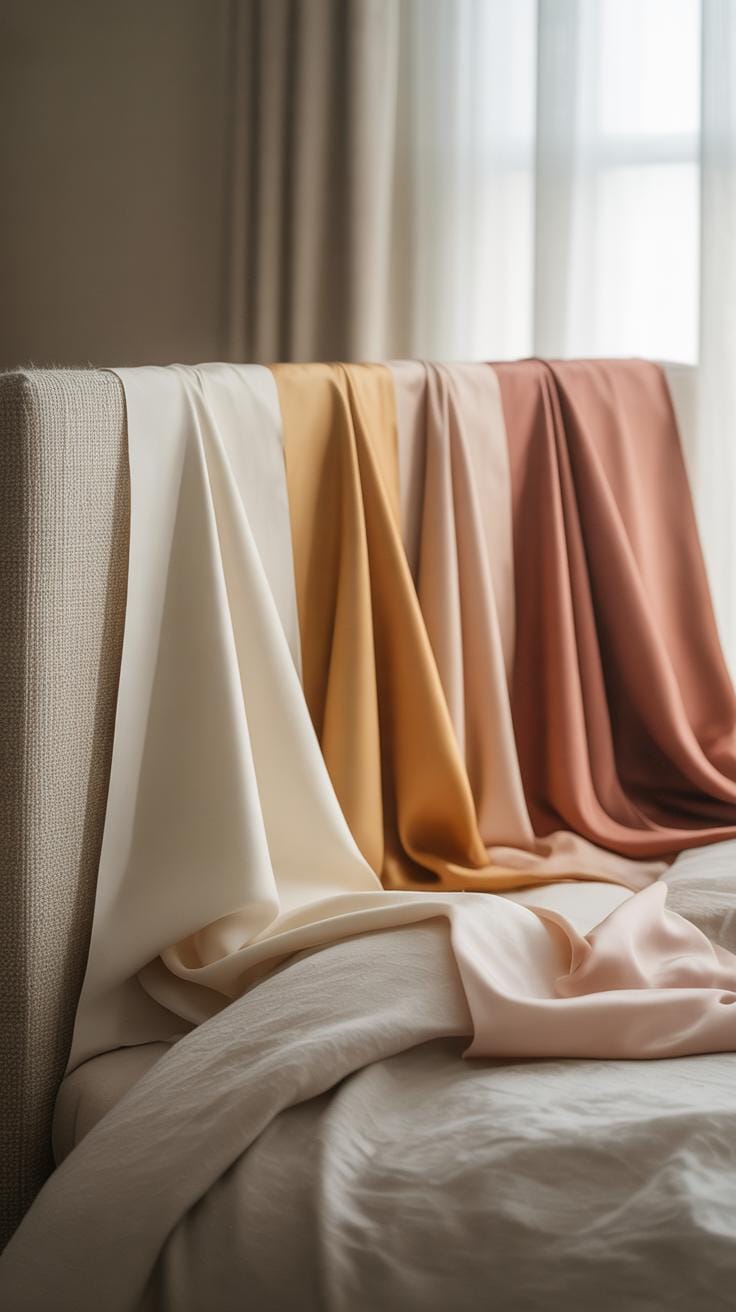
Picking wallpaper for behind your bed isn’t just about liking a pattern or color—it’s about how it fits the whole room and your vibe. You want the wallpaper to feel part of the space, not just stuck on. Think about your bedroom’s theme. If it’s minimalist, a subtle pattern or a soft, muted color could work better than something loud. But if you prefer a more eclectic or boho look, bold prints or rich colors might suit your taste.
When it comes to colors, matching wallpaper with your existing bedroom palette can be tricky. You could go for:
- Complementary shades that echo pillows, rugs, or furniture tones, creating a gentle harmony.
- Contrasting colors that break the monotony and make your bed stand out as the star of the room.
Think about what feels calm or energizing to you. For instance, soft blues or greens usually relax, while brighter hues like mustard or coral add energy.
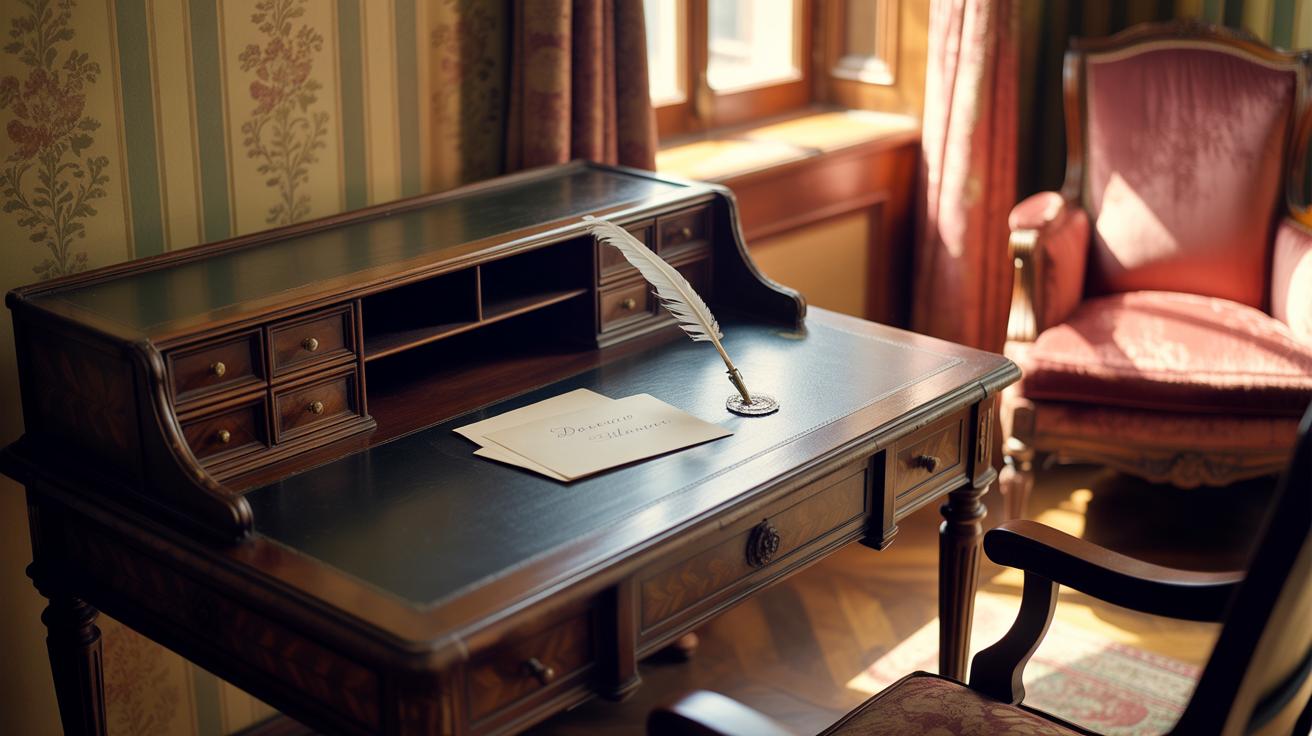
Patterns are another beast altogether. Florals often bring a classic or romantic feel, and they work well in bedrooms aiming for a cozy or vintage charm. Geometric patterns fit modern or mid-century rooms and offer clean, sharp lines that attract the eye without overwhelming. Meanwhile, solid or textured wallpapers give a subtle backdrop, perfect if you want to highlight other décor like artwork or lamps.
Sometimes, it’s okay to mix feelings about a pattern or color. Maybe a print feels a bit too much but matches your curtain shades perfectly. In those moments, trust your gut and test samples in your space. After all, the wallpaper behind your bed is something you’ll wake up seeing every day—make sure it’s something you don’t mind looking at for years.
Wallpaper Materials and Finishes
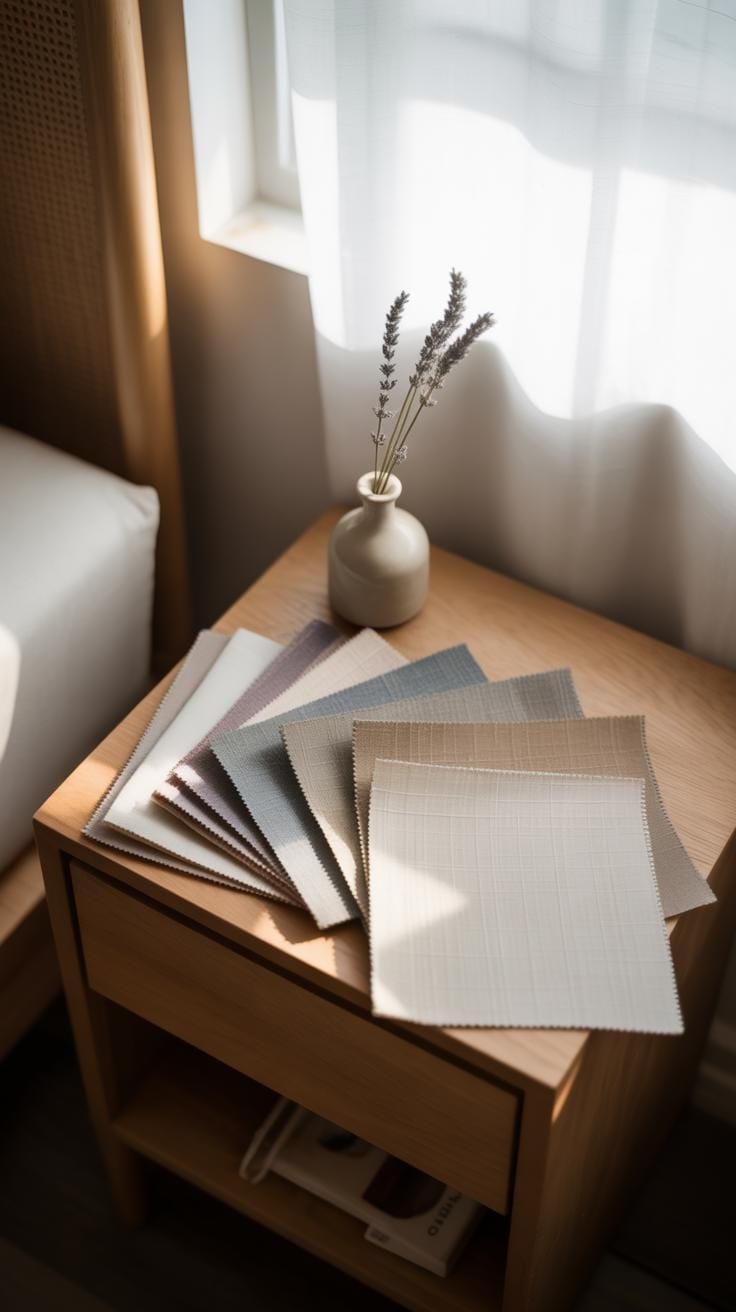
Common Wallpaper Materials
When it comes to wallpaper behind your bed, the material really matters. You’ll find several options, each with its own pros and cons. For example, vinyl wallpaper is tough and easy to clean, which is great if you want something practical. But it can sometimes feel a bit artificial or heavy for a cozy bedroom vibe.
Paper wallpaper is classic and often has beautiful prints, but it’s not the best if there’s any chance of moisture or if you’re worried about durability. It can tear easily, which can be frustrating. Fabric wallpaper brings warmth and texture, making your space feel inviting, though it’s pricier and tougher to install. It also attracts dust more than other types, which might not work if you have allergies.
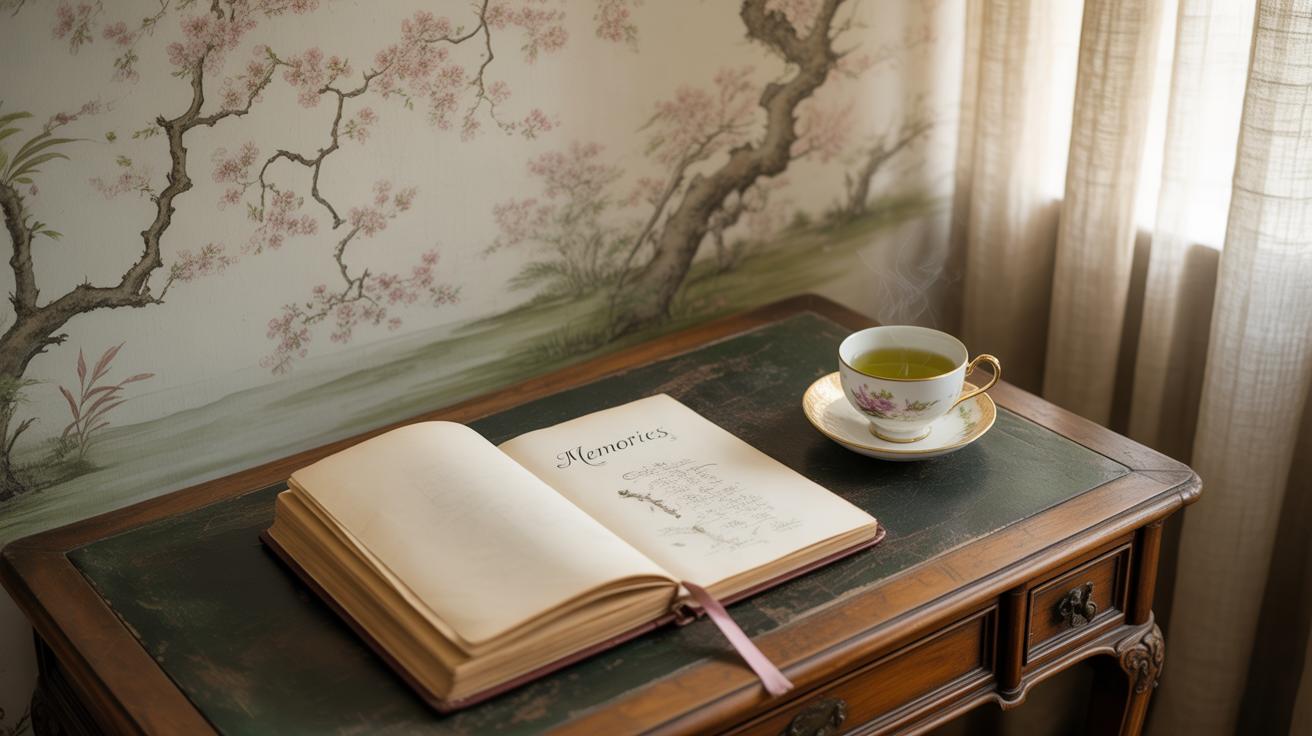
Non-woven wallpaper strikes a balance. It’s made from a blend of natural and synthetic fibers, so it’s breathable, easy to hang, and simple to remove without damage. That might be a good sweet spot for your bedroom, especially if you like changing things up every few years.
Choosing the Right Finish
The finish of your wallpaper changes the whole tone of the room, sometimes in subtle but noticeable ways. Matte finishes cut down on glare, which might be best if your bedroom has a lot of natural light or if you prefer a soft, understated backdrop. On the other hand, satin finishes add a slight sheen that can look elegant without being too flashy. It’s a nice middle ground.
Glossy wallpaper can reflect light and brighten a room, but it can also highlight wall imperfections—which may or may not be something you want staring behind your bed all day. Textured wallpaper adds depth and interest, and it can mask minor flaws, but it’s harder to clean and might gather dust, so think carefully if you want low maintenance.
So, what’s actually best? Well, it really depends on your bedroom’s lighting and your style. Do you want something calming and quiet, or a focal point that stands out every night? Maybe try a matte finish in a peaceful retreat, or a gentle satin sheen if you want a bit of subtle drama.
Preparing Your Wall for Wallpaper
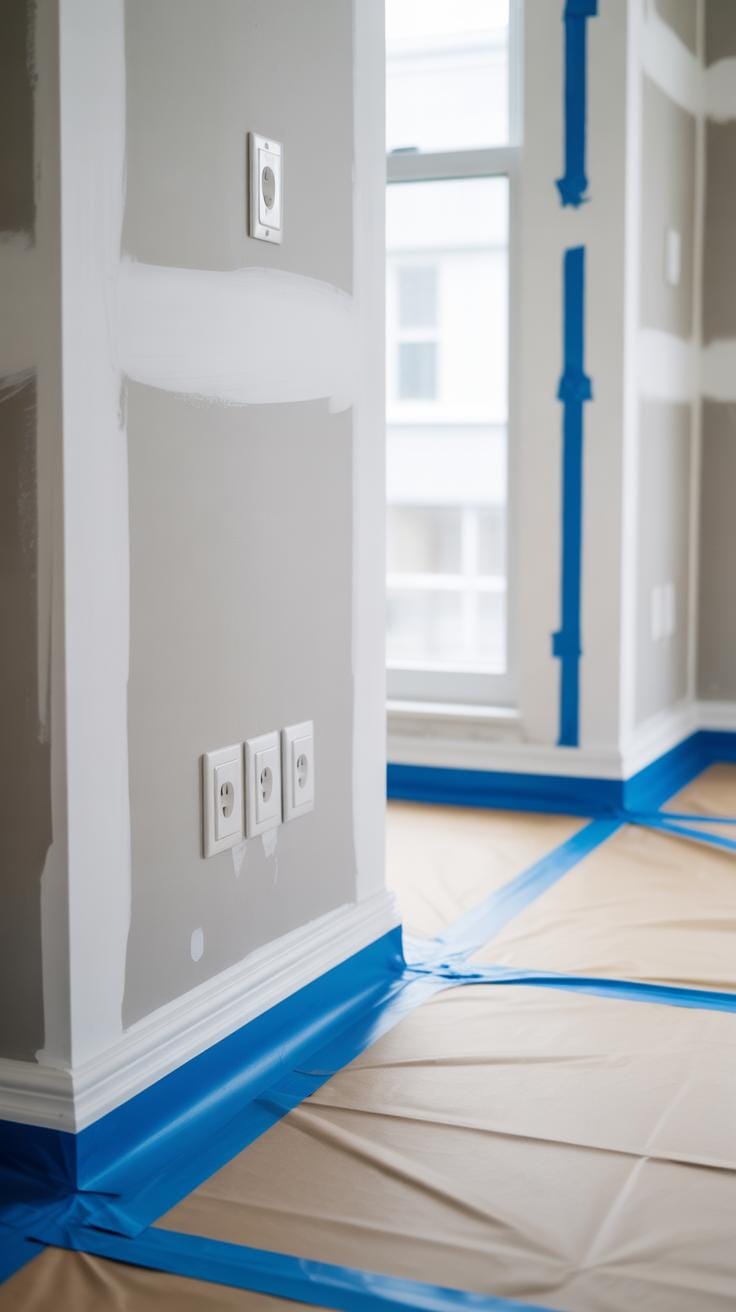
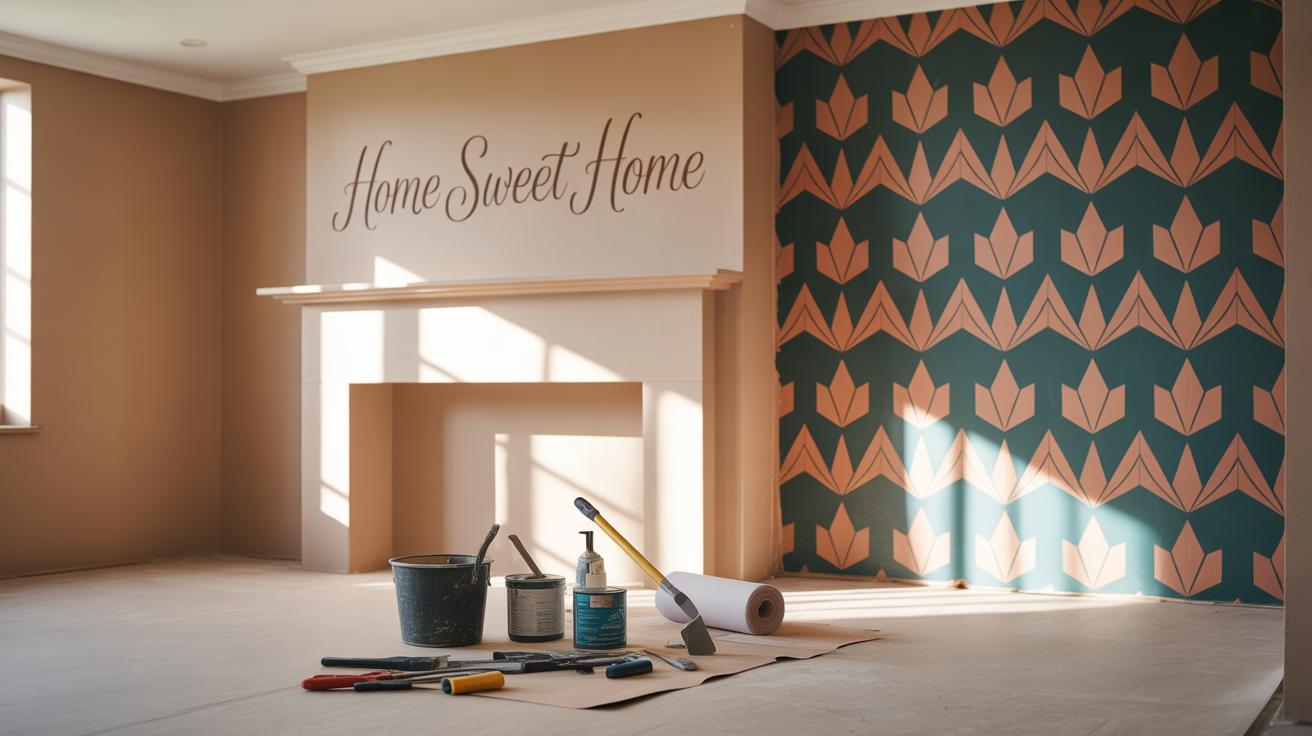
Before you even think about peeling off the backing paper, your wall needs some serious prep. A clean, smooth surface is key. If you skip this, the wallpaper won’t stick well and might bubble or peel off sooner than you’d want.
Cleaning and Repairing Walls
Start by wiping down the wall with a damp cloth or sponge to remove dust, dirt, or grease. If you have kids or pets, you might notice some unexpected smudges or stains—be thorough but gentle. After cleaning, check for any cracks, holes, or dents. Fill these with spackle or filler. I recommend using a putty knife for a smoother finish. Once dry, sand the spots lightly until flush with the rest of the wall. If you overlook small imperfections, they’ll show right through the wallpaper, making the whole effort look sloppy.
Priming and Measuring
Next, apply a primer designed specifically for wallpaper. This step helps with adhesion and prevents stains or underlying paint from bleeding through. You don’t need a thick coat—a light, even layer will do. Let it dry completely before moving on.
Measuring your wall accurately matters more than you might think. Measure the width and height of the area you want to cover, then add a little extra for trimming. Trust me, cutting too close can lead to frustrating gaps or uneven edges. Measuring twice, maybe even thrice, saves headaches during installation.
How to Hang Wallpaper Behind the Bed
Tools and Supplies Needed
Before you start, gather these essential tools: wallpaper paste (or pre-pasted rolls if you prefer), a paste brush or roller, a smoothing tool or plastic scraper, a sharp pair of scissors, a utility knife for trimming edges, a measuring tape, and a level or plumb line. A sponge or damp cloth will help with cleaning any excess paste later. Oh, and don’t forget a step ladder if your ceiling’s tall or your bed’s large—it makes reaching the upper part less of a hassle.
Step by Step Installation
First, measure your wall carefully. Cutting wallpaper that’s too short or too long can be frustrating, so it’s better to cut strips slightly longer than needed than too short. Next, apply the paste evenly on the back of the wallpaper or on the wall if you’re using unpasted paper. Start at the top of the wall, just above the bed’s headboard, and carefully align the first strip, using a level to keep it straight vertically. Press the paper gently against the wall.
Use your smoothing tool to gradually push out bubbles and wrinkles, working from the center outward. But don’t rush; if you feel the paper stretching or tearing, that’s a sign you need to be more gentle. Trim any excess at the ceiling and edges with your utility knife. Repeat the process with each subsequent strip, matching the pattern as needed. Overlapping isn’t necessary for most modern wallpapers, so butt edges carefully to avoid gaps. If seams seem visible, a little patience with smoothing and pressing often softens them.
It might take some trial and error, especially around tricky areas near the bedposts or light fixtures. Take your time. Once done, clean away any spilled paste quickly with a damp sponge, or it hardens and becomes difficult to remove. You might find it a bit messy initially, but hanging wallpaper behind your bed is one of those projects that feels rewarding as the whole room starts to change right before your eyes.
Matching Wallpaper with Bedroom Furniture
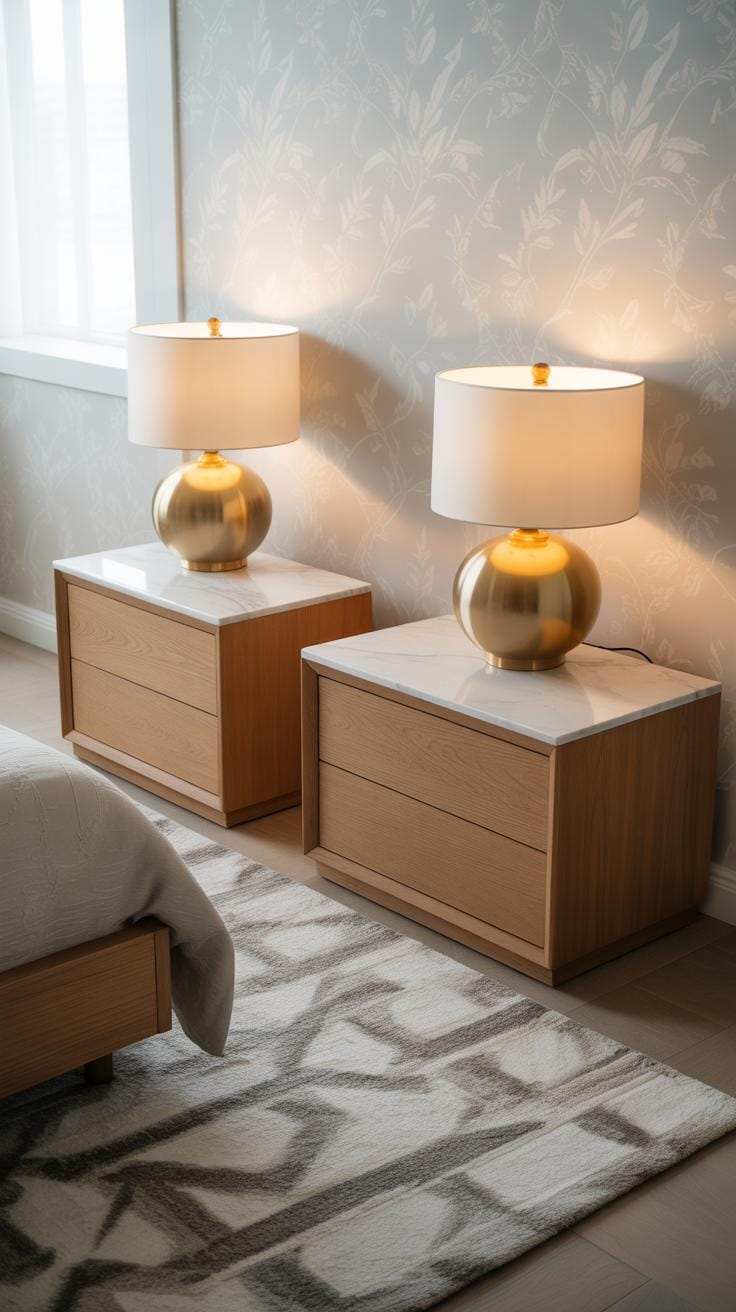
Choosing wallpaper behind your bed isn’t just about picking pretty patterns or colors. It’s a delicate dance with the furniture around it. When wallpaper complements or balances your bedroom furniture, it creates a space that feels intentional, even calm. But what does that really mean? Well, if you have a wooden bed frame—say, walnut or oak—going for wallpaper with warm, earthy tones can echo that natural vibe without overwhelming the room. If your furniture is painted white or pastel, something more saturated or patterned can add much-needed depth.

You might find yourself wondering whether the wallpaper should match exactly or simply coordinate. I think it’s better to aim for balance over exact matches. You don’t want the bed to disappear against the wall or feel like two separate things don’t belong. Sometimes, a contrasting wallpaper softens the look; other times, subtle patterns make the furniture pop just enough.
Coordinating Colors and Textures
Colors and textures are like partners in a dance. The wallpaper’s texture—matte, glossy, even a slight raised pattern—should relate to your bedding and nightstands in an understated way. For example, if your bed frame is upholstered in velvet, a smooth, flat wallpaper might offer a nice contrast that stops things from getting too heavy. But if the wallpaper’s texture is bold, simpler fabrics on your bed might be a relief.
Here are some practical points to think about:
- Pick wallpaper colors that pull from shades in your bedding or furniture but don’t exactly replicate them.
- Mix textures—a tactile wallpaper with smooth bedding fabrics or vice versa—to keep the layers interesting.
- Consider the finish of wood furniture. Matte wallpaper might suit raw wood, while a glossy wallpaper can complement lacquered pieces.
I noticed in a friend’s room that blue-grey wallpaper paired with a sleek metal bed frame created an unexpected coziness, proving that texture and color don’t have to “match” traditionally.
Creating Style Harmony
When it comes to style, the wallpaper can either reinforce or gently contrast your furniture’s vibe. Modern furniture with clean lines often pairs well with geometric or abstract wallpaper patterns. Classic or vintage pieces, on the other hand, tend to feel more at home with floral or damask motifs—though a modern twist on these designs can sometimes work if done carefully.
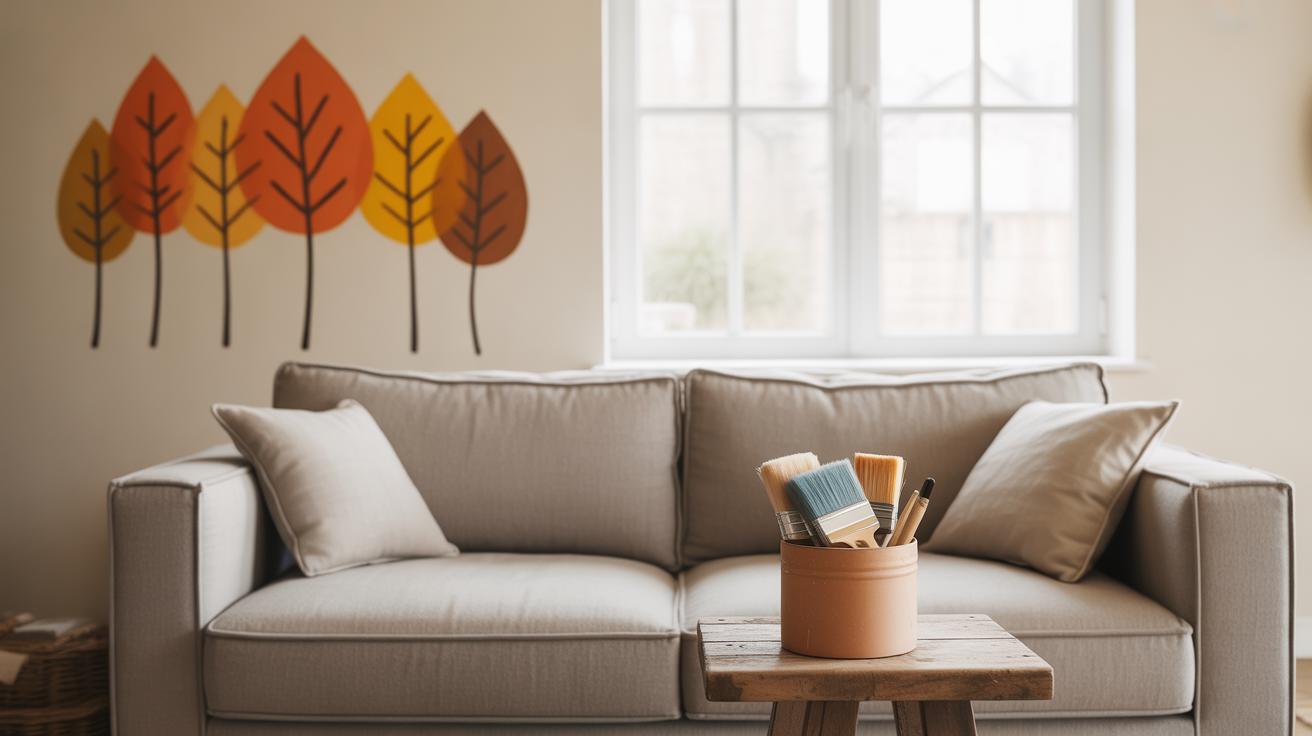
What’s tricky is mixing styles without creating a clash. If your bedroom furniture leans traditional, wallpaper that’s too contemporary might feel like it’s from a different room. Yet, sometimes I find a stark contrast can work if the room is thoughtfully balanced elsewhere. Playing with this tension can be a design adventure, but you might ask yourself: are you aiming for comfort or drama?
Ultimately, finding harmony is less about copying or matching and more about relationships—between color, texture, and style. When these elements speak to one another, your bedroom tells a cohesive story, and that wallpaper behind your bed isn’t just decoration; it’s part of the room’s character.
Adding Accessories to Enhance the Wallpaper Wall
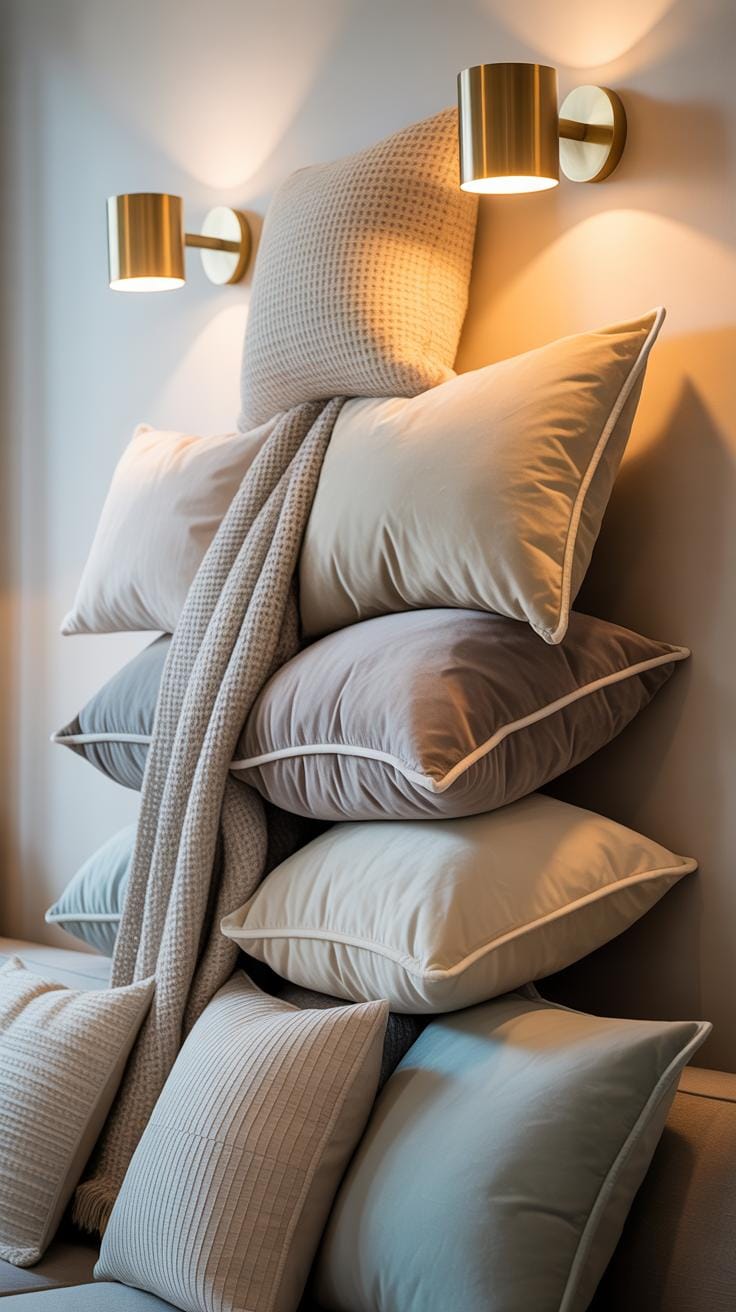
Wallpaper behind the bed already makes a powerful statement, but the right accessories can lift it even further—without going overboard. Lighting, for one, plays a surprisingly big role. Think about soft sconces or adjustable wall lamps aimed at the wallpaper. They don’t just brighten the space; they pick out textures and patterns, making details pop in different ways throughout the day. You might want to experiment with dimmers, too, since the mood changes with the light intensity. Sometimes, that subtle glow casts shadows that add depth—almost like the wallpaper is alive.
When it comes to wall art or decor, less is usually more. Large, bold wallpaper patterns don’t need heavy frames or colorful canvases competing for attention. Instead, consider simpler pieces:
- A single, moderately sized mirror with a thin frame. It can reflect light back into the room and create the illusion of space without cluttering.
- Minimalist black-and-white photos or sketches in simple frames. They offer contrast but keep the focus on the wallpaper.
- A floating shelf with a few carefully chosen objects—perhaps a plant or a small sculpture—can introduce subtle dimension without overwhelming the pattern behind.
Oddly enough, sometimes leaving parts of the wallpaper bare works best. It can be tempting to fill every inch, but allowing some breathing room emphasizes the wallpaper’s strength. If you do add art, try leaning frames against the wall instead of hanging them rigidly; it feels less formal and more natural—kind of like the room grows organically around the wallpaper.
Do you notice how different lighting angles can change your perception of the wallpaper? Or how a small mirror shifts the entire room’s vibe? Playing with these elements might give you ideas you hadn’t considered yet. The key is balance, but balance doesn’t mean symmetry or stiffness—more like a quiet conversation between wallpaper and accessories.
Ideas for Small Bedrooms
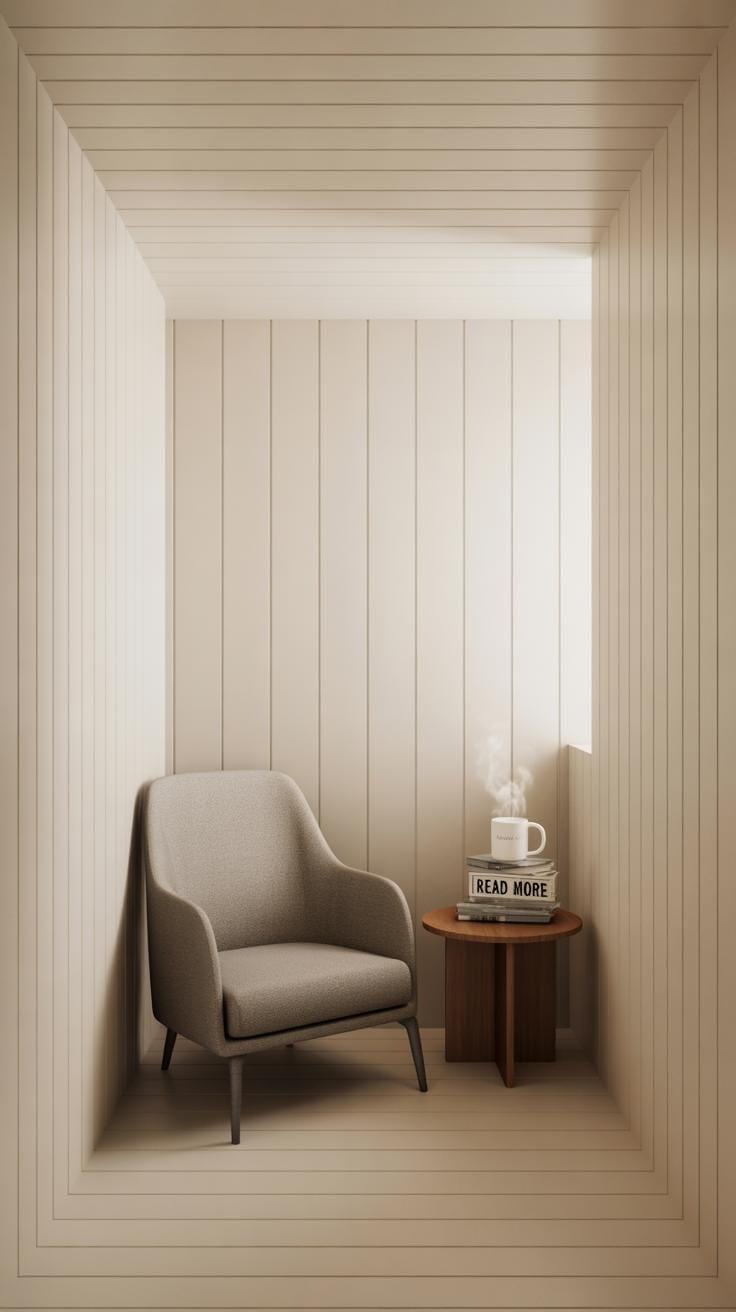
When working with a small bedroom, wallpaper behind the bed can be a tricky spot to get just right. You want it to make the room feel bigger, yet cozy enough to unwind in. Light colors tend to work best here—soft creams, pale blues, or gentle grays. They reflect more light and help open up the space visually. Complex patterns can overwhelm, so try to keep the designs simple and subtle. Think fine dots, faint geometrics, or soft florals in muted tones.
Stripes, especially vertical ones, can create an interesting illusion of height. And if the wallpaper has a slight texture, it might add depth without being too loud. I once saw a small bedroom where a textured white wallpaper combined with soft lighting made the space feel strangely expansive—almost like the walls weren’t really closing in.
Ask yourself: does this wallpaper make me want to spend time there, or does it feel a bit too busy for such a tight space? Sometimes, less really is more. But at other times, a well-chosen pattern can actually cozy the room up without shrinking it.
- Opt for pale, soft colors to brighten the room.
- Choose simple patterns to avoid cluttering the eye.
- Consider vertical stripes or subtle textures to add visual depth.
- Test samples on the wall first—lighting can change everything.
Maintaining Wallpaper Behind Your Bed
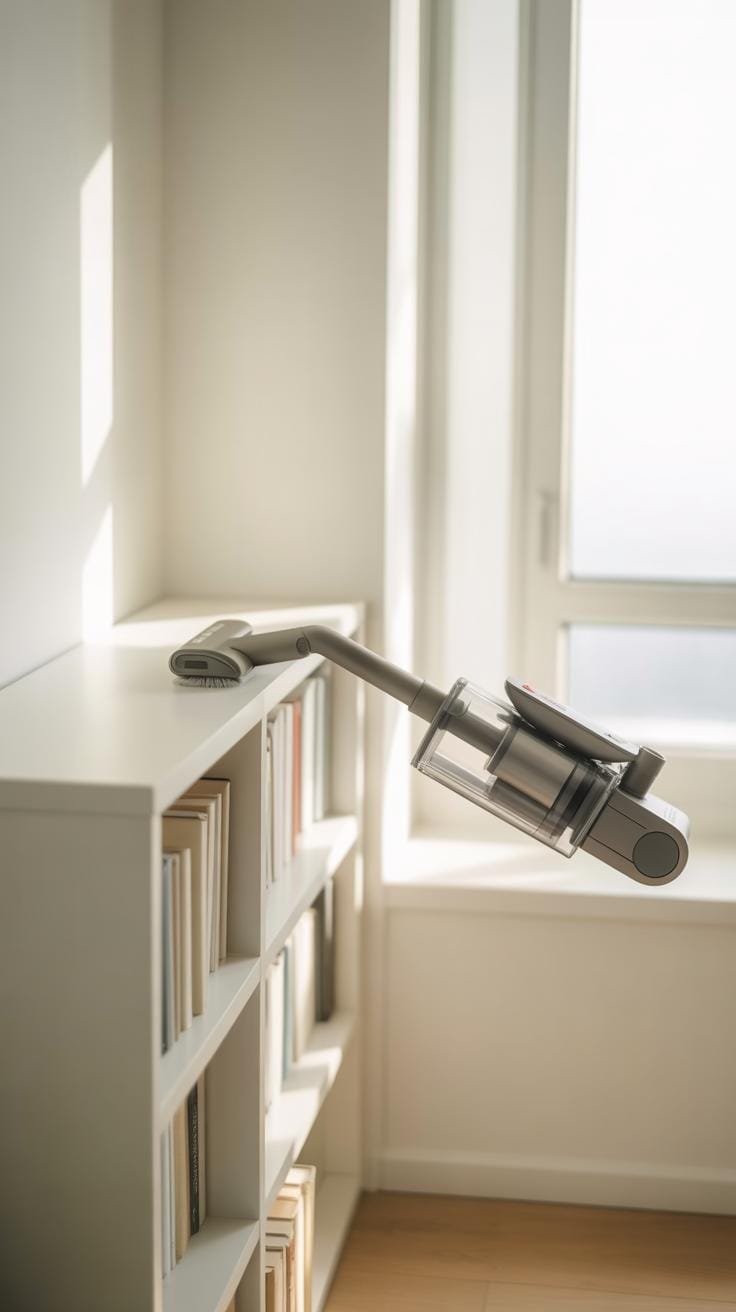
Wallpaper behind your bed can brighten the room, but keeping it looking fresh needs a bit of care. Dust settles easily there, so regular cleaning helps avoid a dull, lifeless surface. A soft microfiber cloth or a gentle vacuum brush is ideal for dusting without damaging the paper.
If you notice spots or marks, try a mild solution of water and a little dish soap. Use a damp sponge or cloth, very lightly wiped. Test in a small hidden area first—some wallpapers don’t react well to moisture. Patience helps here; don’t scrub or soak the paper. Sometimes, wiping with just a dry cloth after the damp one can prevent water spots.
Small tears or bubbles can be annoying but fixing them early grants longer life to your wallpaper. For minor tears, a dab of wallpaper glue or clear craft glue works well—press down carefully with a clean cloth. Bubbles may flatten if you prick them gently with a pin and smooth the air out, then seal with glue. It’s a bit fiddly, and honestly, sometimes these fixes aren’t perfect, but they do buy time until a bigger touch-up might be needed.
Keeping your wallpaper cared for this way means the dreamy look behind your bed stays intact much longer. It requires some attention—the kind that’s easy to forget—but makes a difference if you want that stunning focal point to last.
Trends and Inspirations for Wallpaper Behind Bed

The wallpaper behind your bed can really set the mood of the entire room, almost like a silent statement. Lately, people seem drawn to textured wallpapers—think grasscloth or subtle linen weaves—that add layers without overwhelming the senses. These tactile finishes invite you to look closer, to touch, and somehow feel more grounded. But patterns haven’t lost their charm either; oversized florals and abstract geometrics are making a comeback, though often in muted tones rather than shouting colors.
When it comes to colors and themes, soft earth tones and dusty pastels are popular, but you’ll also see deep jewel shades like emerald or sapphire sneaking in behind a bed, giving a sense of depth and calm. Nature-inspired motifs—leaves, branches, even subtle bird silhouettes—are everywhere, perhaps reflecting a desire for a soothing retreat. On the other hand, some are choosing bold, graphic black-and-white contrasts, which can feel either dramatic or minimal depending on the design.
Wallpaper is more than decor; it’s a way to show something about yourself, even if you’re not ready for bright art or big furniture pieces. Maybe you’re a quiet fan of vintage, so a wallpaper with faded damask patterns fits perfectly. Or maybe you want a bit of playful energy—there’s wallpaper for that, too, with quirky shapes or unexpected color pops. When you pick wallpaper for behind your bed, you give your bedroom a kind of personality. It becomes less a generic space and more your personal spot, with its own little voice. What does yours say?
Conclusions
Wallpaper behind the bed can change your bedroom in wonderful ways. It creates a focal point that draws the eye and adds character to your space. Whether you choose bold patterns or soft colors, the right wallpaper can set the mood you want for your room.
Use the ideas and tips shared here to make thoughtful decisions for your wallpaper project. This way, you can create a bedroom you enjoy coming back to every day. A well-chosen wallpaper behind your bed makes your room feel welcoming, stylish, and truly yours.