


Introduction
Wallpaper can change the whole look of a bedroom in a simple and effective way. Choosing the right wallpaper helps to create a place where you feel calm and comfortable. This article explores different wallpaper ideas that turn your bedroom into a peaceful retreat where you want to relax.
We will guide you through picking wallpapers that suit your style and room size. You will find easy-to-understand tips and creative suggestions. These ideas can make your bedroom a special and serene place without spending much time or money.
Understanding Wallpaper Types For Bedrooms

Choosing the right wallpaper material for your bedroom is more than just picking a pretty pattern. The type of wallpaper affects not only the look but also the feel and upkeep of your space. You’ve probably noticed how some wallpapers seem sturdy while others appear delicate—this is where material plays a key role.
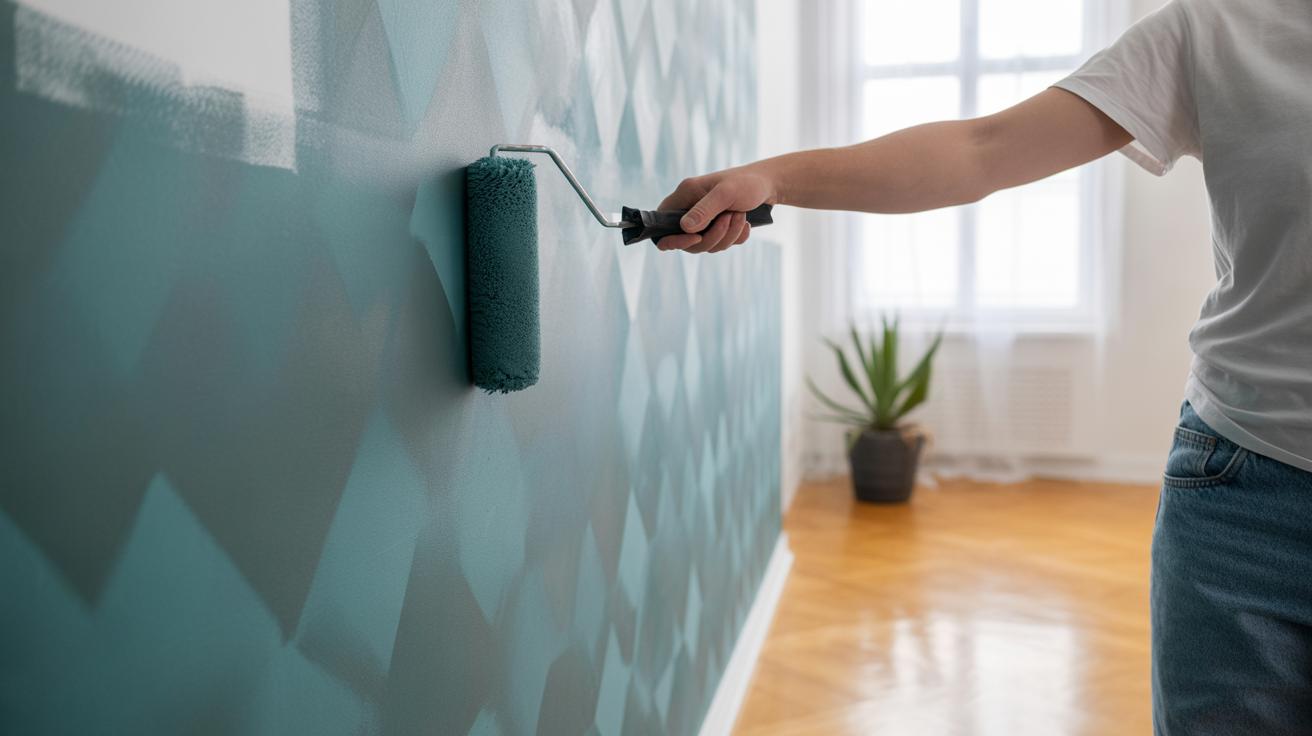
Vinyl wallpapers, for instance, are known for their strength and resilience. They’re made with a plastic coating that makes them water-resistant and easy to wipe down. If you’re someone who values low maintenance or has kids, vinyl walls might just be a sensible choice. On the flip side, some people find vinyl less breathable, which could feel a bit artificial in a restful room.
Then there’s paper wallpaper. It’s often praised for its wide array of designs and textures. You can find everything from subtle stripes to intricate florals, which makes it great for setting a specific mood. That said, paper wallpaper demands a gentler touch. It tends to be less durable and can tear or stain easily. Plus, it doesn’t take well to moisture, which might be something to consider if your bedroom tends to feel humid.
Fabric wallpapers offer another option, giving a soft, tactile element to walls that paper and vinyl don’t quite match. They bring warmth and texture but generally require professional installation and more upkeep, which might not be ideal for everyone.
So, when you’re thinking about wallpaper materials, ask yourself what matters most—durability, design variety, ease of cleaning, or texture. It’s a bit of a trade-off in every case, which means your choice might lean heavily on how you actually live in your bedroom.
Vinyl Wallpapers And Durability
Vinyl wallpaper stands out when durability is a priority. The vinyl coating makes it tough to damage and easy to clean. If, like me, you occasionally spill coffee or have pets brushing against the walls, being able to wipe away marks quickly without worrying about ruining the paper is a relief.
This wallpaper is built to resist moisture, which is a perk if your room gets a bit damp or if you like to freshen the air by spraying room mist. While vinyl might feel less cozy or natural than fabric or paper, it delivers practical benefits that many appreciate.
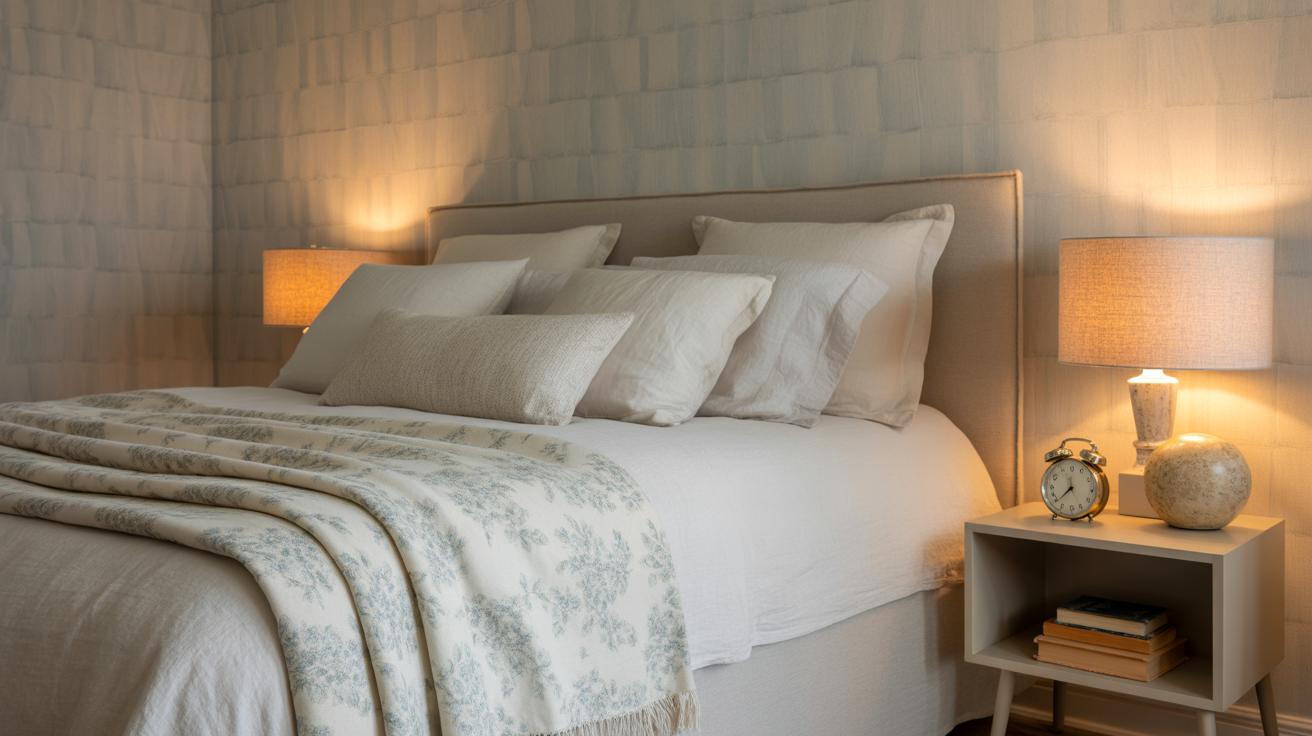
Still, vinyl isn’t without its quirks. Sometimes it can trap heat or feel less breathable, which might disrupt airflow in a space designed to be peaceful. And vinyl wallpapers often come in bold patterns, but the texture might seem flat or synthetic, which could limit how relaxed you feel surrounded by it.
Paper Wallpapers And Styling
Paper wallpaper is where you find a vast selection of styles—from classic damasks to contemporary geometrics. It’s easier to find prints that seem more delicate or artsy, which can really help create a comforting vibe. I remember choosing a soft blush floral pattern for my own bedroom, and the room felt immediately more inviting.
Yet, paper wallpapers ask for more attention. They don’t hold up well to water, so any accidental spills or condensation can cause peeling or stains. Once damaged, you often need to replace whole strips, which can be frustrating.
Also, paper wallpapers tend to be thinner, so if your walls have imperfections, these might show through more easily. This means preparation before hanging is key, which can add time and cost. But if you’re ready to be a bit patient—or enjoy the process—paper offers an unmatched range of creative options.
Picking Colors That Help You Relax

Colors influence how we feel more than we sometimes realize, especially in a space meant for rest like the bedroom. When choosing wallpaper, think about how different hues affect your mood throughout the day and night. It’s not just about what looks nice—it’s about creating an environment that eases your mind and body.
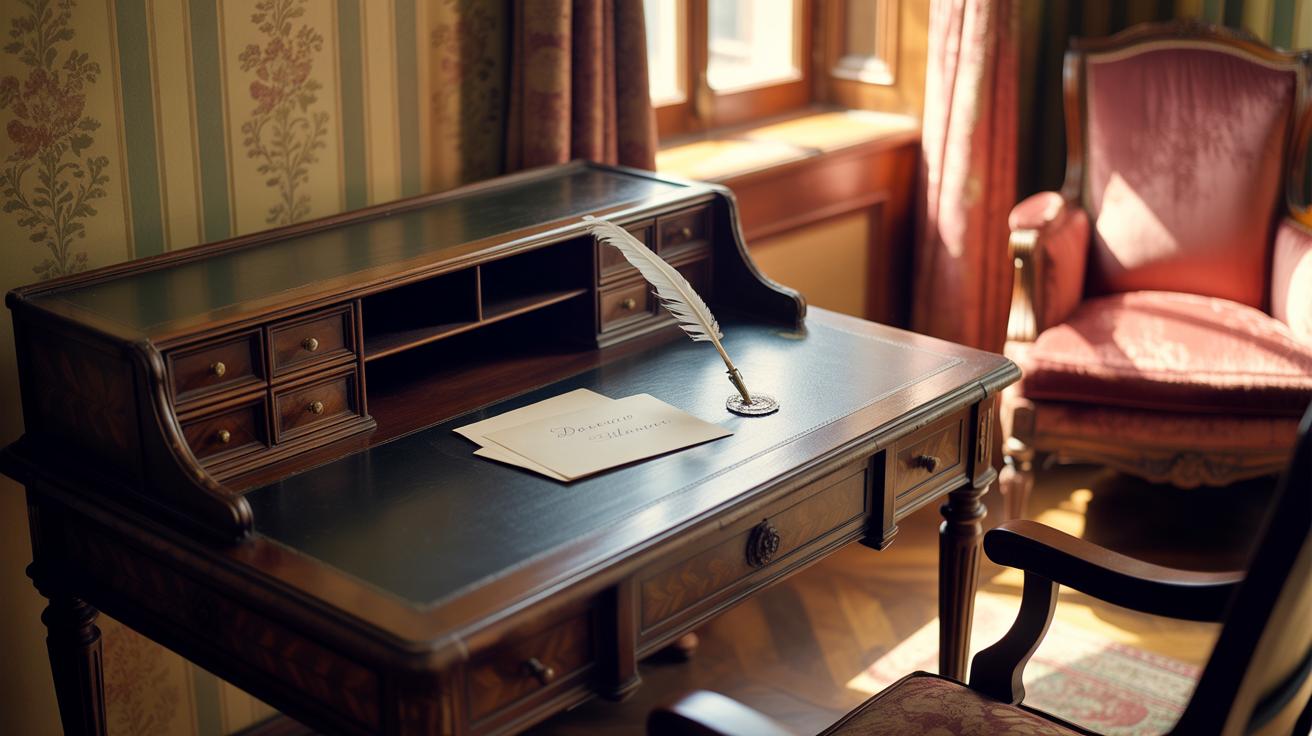
Some colors are naturally calming, while others might make you feel restless, even if they’re beautiful. For a serene retreat, you’ll want to focus on shades that encourage relaxation without sending mixed signals to your brain. That doesn’t mean everything has to be pale or dull, though. It’s about balance—and what suits you personally.
Cool Colors For Calmness
Blues and greens often top the list when people want to reduce stress in a room. Why? Well, these colors seem to slow the pulse and lower blood pressure—at least that’s what several studies suggest. Blue, especially softer, muted versions, can make the space feel expansive and breathable. It’s like a soft exhale after a long day. Greens, on the other hand, connect us back to nature, offering a sense of restoration. The effect is so subtle, you might barely notice it consciously, but the difference in calmness is there.
But not all blues or greens are equal. Intense or very dark tones might feel cold or too energizing for rest. So, choosing pastels or dusty hues often works best for wallpaper in bedrooms.
Neutral Colors And Warm Tones
If you’re a bit wary of cold colors, neutrals and gentle warm tones provide an inviting alternative. Think beige, soft taupe, or blush pink. These don’t compete for attention but add a gentle warmth that can make the room feel cozy and secure. They create the background, allowing other elements—furniture, bedding, lighting—to stand out softly without overwhelming the senses.
These tones rarely tire the eyes and tend to blend seamlessly with various décor styles, which might be why they’re so popular. But be mindful: too much warmth, especially in bright or saturated forms, can feel stifling rather than soothing. It’s tricky but worth experimenting with samples to see how they actually feel in your room’s lighting.
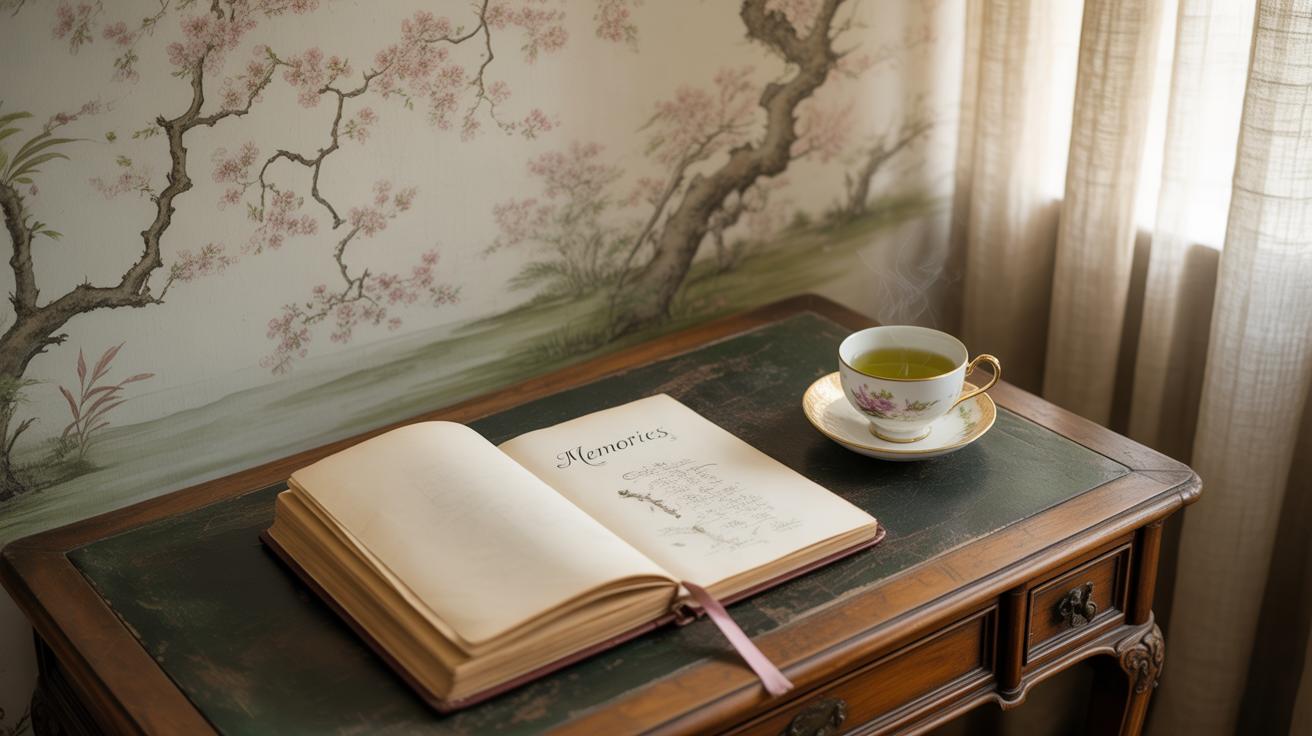
In the end, your bedroom’s color should invite you to unwind the moment you step inside. Maybe it’s worth asking yourself—what colors make you pause and breathe easier? That simple question can guide you toward wallpaper choices that truly help you relax.
Using Patterns To Add Interest Without Overwhelming

Choosing wallpaper patterns for a bedroom can be a bit tricky. The goal is to create style without turning the room into a distraction. You want something that complements your space’s calmness rather than clutter it. So, how do you balance that delicate line between interest and overwhelm?
First, consider the scale of the pattern in relation to the room size. Large, busy designs might dominate a small bedroom, making it feel cramped, while tiny, repetitive prints in a big room can look lost or bland. It’s not just about size, though—texture and color contrast also matter. Subtle contrasts tend to soothe the eye, keeping the environment peaceful.
In my experience, patterns that incorporate smooth, flowing lines or soft geometric shapes keep things visually engaging without being too loud. Meanwhile, floral or nature-inspired motifs in muted tones add a gentle complexity that feels organic and relaxing.
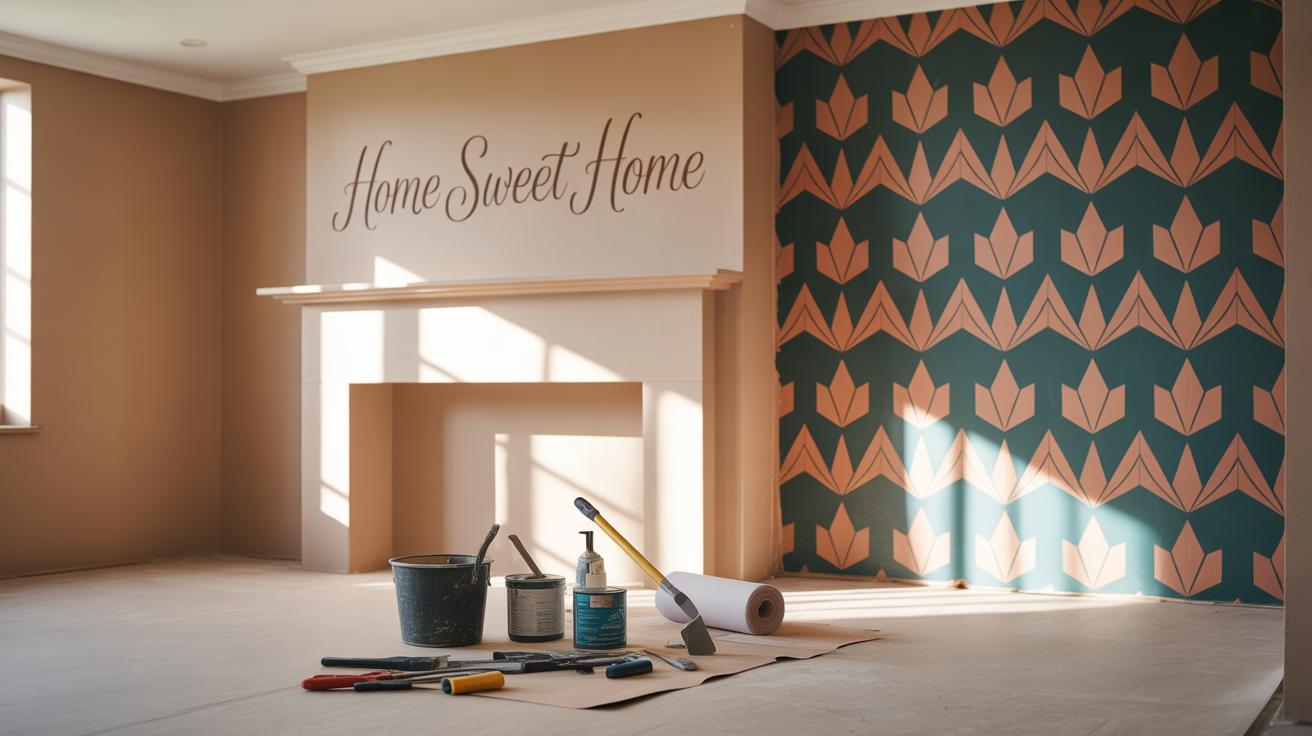
Ask yourself: does the pattern grip your attention long enough to appreciate it, or does it just become background noise? And hey, don’t be afraid to test samples on your wall; sometimes what looks great in a swatch will feel different when scaled up in your room.
Small Patterns For Small Bedrooms
Smaller bedrooms need wallpaper choices that keep the space light and open. Here, I think small patterns with subtle designs are usually a safer bet. They don’t overpower the room, so you won’t feel boxed in or distracted.
Delicate prints like tiny dots, faint stripes, or understated botanical elements can actually expand your sense of space. They create a soft visual texture without stealing focus. What’s interesting is how these smaller details can bring warmth without fussiness, allowing your bedroom to breathe.
On the other hand, very dense or intricate small patterns sometimes backfire. They might make the walls seem too busy up close. So, it’s a bit of a balancing act between “enough” and “too much” detail.
Large Patterns For Spacious Rooms
When you have a larger bedroom, using big, bold patterns can add character and a feeling of coziness. Large patterns draw the eye and make the room look more styled. That said, you probably want to avoid mixing several large patterns in one space — that can quickly feel chaotic.
Think about taking a statement wallpaper with broad floral motifs or oversized geometric designs. These can fill the open space nicely, preventing the room from feeling hollow or cold.
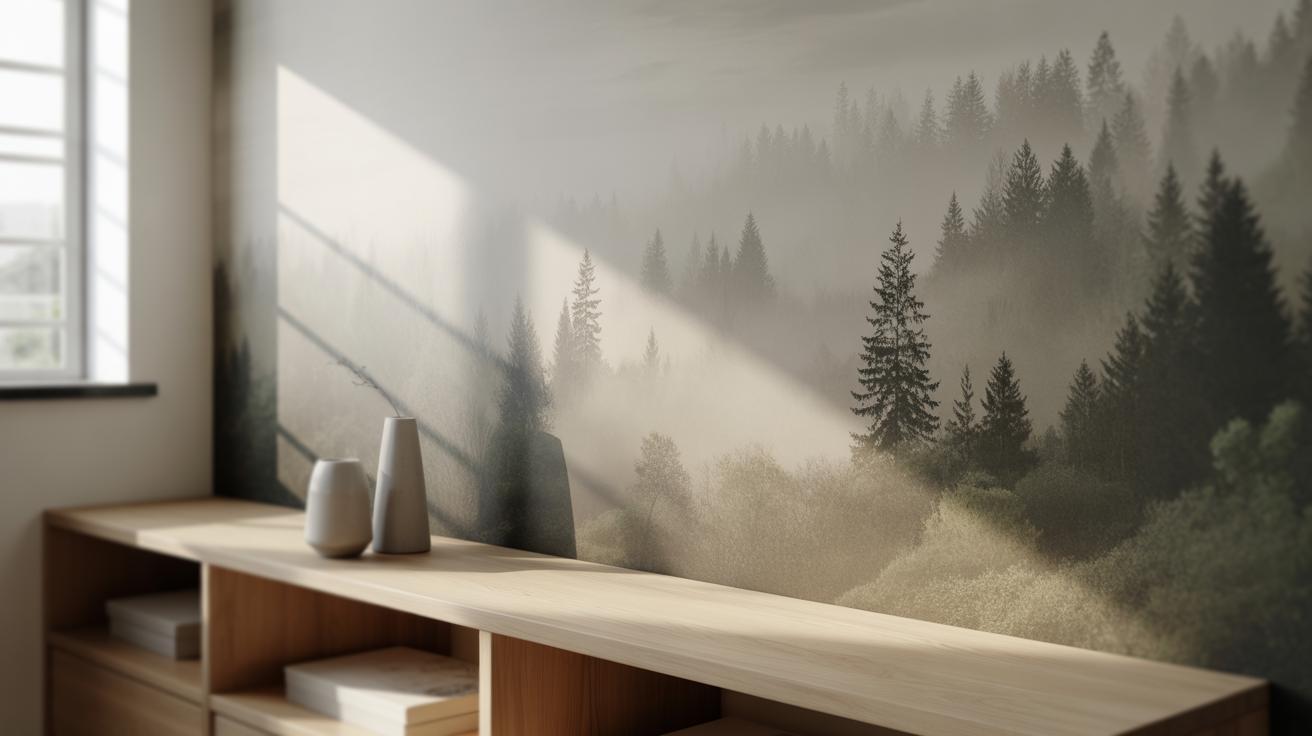
Still, there’s a risk of the room feeling a bit too busy if the pattern is too colorful or has too many competing elements. Sometimes, I find that an oversized pattern in a limited color palette works best to keep things calm but interesting. It’s surprising how the right big print can actually add a sense of intimacy, which is just what a bedroom needs.
Accent Walls With Wallpaper

Using wallpaper on just one wall can really change the whole feel of your bedroom without overwhelming the space. It creates a clear focal point, drawing attention and adding personality without turning the room into a visual overload. Often, a well-chosen accent wall feels more intentional and restful than wallpapering the entire room. I mean, too much pattern or color can be distracting when you should be winding down.
Choosing The Right Wall
Picking the wall for your accent wallpaper isn’t always straightforward. Usually, the wall behind the bed works best since it naturally frames the bed and anchors the room’s layout. But think about how light hits your room throughout the day—does that wall get natural light or is it shaded? A darker wall might absorb too much light and feel gloomy, while one that catches sunlight can make colors pop. Sometimes the best wall isn’t obvious at first glance. Walk around your room, stand where you sleep, and look for where your eyes naturally fall. That often tells you which wall deserves the extra attention.
Balancing Wallpaper With Paint
Once you’ve got your wallpaper up, don’t forget the other walls. Choosing the right paint color is key—and usually, softer, muted tones work best to keep things calm. Try to pull a subtle shade from the wallpaper pattern, maybe a pale gray or warm beige. White can work too, but it depends on the wallpaper’s intensity—too stark might feel cold. On the other hand, a rich paint color adjacent to a patterned wall sometimes creates too much contrast, making the room feel smaller or busier. This balancing act isn’t an exact science. If you’re unsure, test paint samples next to your wallpaper before making a final call.
Textures And Wallpapers For Added Comfort

Textured wallpapers have a unique way of making a bedroom feel less flat and more inviting. When you run your fingers across a wall and feel tiny ridges or a subtle roughness, it somehow brings a sense of warmth that plain paint might miss. It’s like the walls themselves carry a bit of personality and coziness, which can be really soothing after a long day. Maybe you wouldn’t notice it right away, but over time, that texture tends to make the room feel lived-in and comforting rather than sterile.
Fabric and grasscloth wallpapers are interesting because they really lean into that tactile experience. Made from natural fibers, these wallpapers feel soft and organic. You can actually see the weave or strands, and it almost invites you to touch the walls. There’s something about natural materials that creates a relaxed, welcoming vibe, something that synthetic wallpaper just can’t match. I’ve always liked the idea of bringing a bit of the outdoors in, and these types of wallpaper do that effortlessly.
Embossed and raised patterns offer a different kind of texture. Instead of just visual interest, they add something you can actually feel—subtle bumps and curves that catch the light differently throughout the day. They’re not loud or over the top, but they do give the wall a bit more character. It’s like style meets comfort in a quiet way. You might think wallpaper has to be flat to work with furniture, but those subtle textures can make all the difference in how cozy your bedroom actually feels.
ThemeBased Wallpaper Ideas For Bedrooms

Nature Inspired Wallpapers
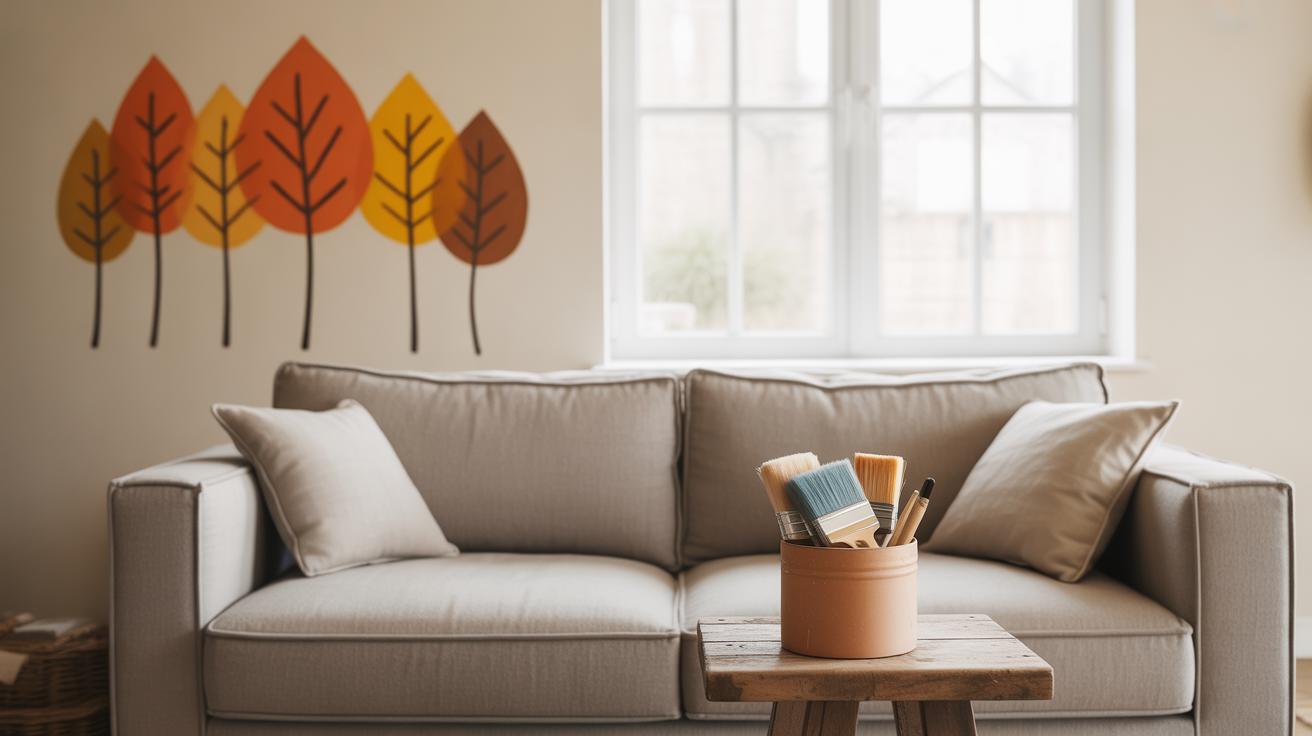
Wallpaper featuring plants, trees, or gentle landscapes tends to create a soothing atmosphere that few other designs can match. There’s something about leaves or distant horizons that subtly brings a sense of calmness right into your bedroom. Maybe it’s the way natural scenes encourage your mind to wander, to rest. If you think about it, looking at a wall covered in greenery or soft floral patterns can almost feel like a mini-escape from the usual hustle. It’s not just about the visuals either—colors like soft greens, earthy browns, or muted blues connected to nature can make your space feel fresher, lighter, less cluttered mentally.
Some ideas to think about:
- Large botanical prints for a bold yet relaxing statement
- Watercolor-style landscapes for a dreamy vibe
- Subtle leaf patterns that suit smaller rooms
- Mixing neutral walls with a nature-inspired accent wall
Try to imagine how this kind of wallpaper could change your mood just by being there, almost like opening a window to the outdoors without leaving your bed. Sometimes, it might feel too much, though—a jungle in your bedroom could be overwhelming. So, balance is key to keep that fresh, calm feel alive.
Modern And Minimalist Patterns
When it comes to modern and minimalist wallpaper designs, the beauty lies in simplicity. Clean lines, geometric shapes, or even plain textured papers can work wonders for a peaceful bedroom environment. There’s a quiet elegance in pared-back patterns that don’t scream for attention but instead let the room breathe. If you prefer something less busy, this approach might feel just right—nothing here distracts or overstimulates.
Consider these ideas:
- Subtle stripes or chevrons in neutral tones
- Soft grids or dot patterns for a hint of structure
- Monochrome palettes that match your overall decor
- Wallpaper with slight texture to add depth without clutter
One thing you might notice is how such wallpapers can sometimes feel a bit cold or impersonal if you’re not careful. But paired with warm lighting or soft fabrics, they really do help the space stay calm and uncluttered. The trick is to find that small spark of interest without complicating the visual field, so your bedroom becomes a place where you can almost forget the outside world for a while.
Combining Wallpaper With Bedroom Furniture

Picking wallpaper that works well with your bedroom furniture can feel tricky. You want the room to feel balanced, not like the walls and furniture are competing for attention. One helpful way to start is by focusing on color. If your bed frame and dresser are in natural wood tones, wallpapers with soft earth tones or muted greens often complement them nicely. But, on the flip side, if your furniture is painted white or black, richer wallpaper colors can bring warmth without overwhelming.
Consider patterns carefully. A wallpaper with bold, intricate patterns might clash with heavily carved or textured furniture. If your furniture is ornate, maybe pick a wallpaper with a simpler design. Sometimes, subtle textures in wallpaper can echo the grain or finish of furniture, which creates a quiet harmony that’s easy on the eyes.
Don’t shy away from contrast, though. For instance, a sleek modern bed frame can stand out beautifully against a wallpaper with larger, organic patterns. Or imagine soft floral wallpaper paired with minimalist furniture—it can make the flowers pop while keeping the room grounded. This approach keeps things visually interesting without feeling too busy.
Matching your curtains and other textiles with either the wallpaper or furniture can tie the whole look together. It doesn’t have to be an exact match; sometimes just echoing a color or tone is enough to feel cohesive. What you want is a space where each element feels like it belongs but still allows some personality to show through.
Wallpaper Maintenance Tips For Bedrooms
Keeping your wallpaper looking fresh isn’t always as straightforward as it seems. Different types ask for different care, and sometimes what works for one doesn’t work at all for another. Take vinyl wallpaper—generally more forgiving. You can wipe it gently with a damp cloth or a mild soap solution. Just avoid soaking it; too much water can cause seams to loosen. I once ruined a corner by being too enthusiastic with a sponge. Lesson learned.
Paper wallpaper is trickier. It’s more delicate and can’t handle much moisture. For dust and light stains, a soft, dry cloth or a wallpaper sponge usually does the trick. Rubbing too hard can scrape off the surface, so tread lightly here.
Sunlight and moisture are silent enemies. Direct sunlight can fade colors over time, and constant humidity makes peeling more likely. If your bedroom tends to get damp, think about dehumidifiers or keeping windows slightly open now and then. Placing furniture or curtains to shield your wallpaper from harsh light might seem like a minor step, but it can matter. I sometimes forget this myself until I notice edges lifting after a rainy week.
Small upkeep routines really add up—quick dusting and occasional spot cleaning could preserve that serene feel you worked hard to create. Have you ever caught a stain early and saved your wallpaper? It’s oddly satisfying.
Wallpapers That Improve Bedroom Lighting

The choice of wallpaper can subtly shift the way light behaves in your bedroom, influencing not just brightness but also the mood. Colors and finishes play a crucial role here, though it’s something people often overlook. Have you noticed how some rooms just feel more open or cozier even with the same light sources? Wallpaper has a lot to do with that.
Light-colored wallpapers generally reflect more natural and artificial light, making a space feel larger and more airy. Darker tones absorb light, often creating a snug atmosphere but sometimes making the room appear smaller or dimmer.
The finish, though, adds another layer of complexity:
- Glossy wallpapers bounce light around, enhancing brightness and openness.
- Matte wallpapers absorb or softly diffuse light, promoting a warm, calming environment.
Even something like a pearlescent sheen can balance between these effects, though it’s easy to miss if you don’t look closely. The interplay between wallpaper and lighting can alter your perception of space, perhaps more than you realize.
Glossy Wallpapers For Brightness
Shiny wallpapers have this simple but effective trick: they reflect light. If your bedroom struggles with limited natural light, glossy finishes can help by bouncing whatever light hits them around the room. I once tried a subtle silver gloss in a small bedroom, and it felt like the walls disappeared a bit, which was unexpected. It didn’t just brighten the space; it changed how open it felt.
Here’s what you might consider with glossy wallpaper:
- They work well in smaller rooms that need visual expansion.
- Reflective surfaces can highlight imperfections on walls, so prep is key.
- Bright colors combined with gloss can energize the space, but sometimes that energy feels too intense for a bedroom meant for rest.
Glossy wallpapers aren’t always easy to live with, especially if you want a peaceful, low-key vibe. But, if you balance them right, they create a surprisingly light and open atmosphere.
Matte Wallpapers For Soft Light
Matte finishes absorb light rather than reflect it, resulting in softer illumination and a feeling of calm. I think they’re the go-to when you want the bedroom to feel cozy without cutting off the light completely. A matte wallpaper in warm neutral tones can diffuse light gently, giving the room a soft glow instead of glare or shine.
Think about these traits when choosing matte wallpapers:
- They reduce glare and harsh reflections, making the room easier on the eyes.
- Better at hiding wall imperfections since the surface doesn’t shine back.
- Colors tend to appear richer and deeper, which can make the space feel a bit smaller, but often in a comforting way.
That said, matte isn’t always the calmest choice if you pick very dark colors—sometimes it can make a room feel a bit too enclosed. But in general, matte wallpapers help create that peaceful, retreat-like atmosphere that’s so desirable in bedrooms.
DIY Wallpaper Projects For Personal Touch

You might find that wallpaper can do more than just cover a wall. It can be a way to express your personality without a huge hassle. Peel and stick wallpapers are great for this because they let you experiment freely — no glue, no fuss, no long commitment. If you want to switch from a floral print to something more geometric in a weekend, go for it. Just peel it off and try something else.
These wallpapers are forgiving if you want to adjust alignment or reposition. Plus, they’re less intimidating if you’re not skilled with tools. You don’t have to be a pro to try something new, really.
Using Peel And Stick Wallpapers
Peel and stick options make changing styles faster than you might think. They’re perfect for renters or anyone who likes a fresh look now and then. You can create accent walls or even decorate furniture like the back of a bookshelf for a personalized touch. The removal usually doesn’t damage the surface, which is reassuring, especially if you like to tweak things often.
Even if you’re not totally sure about a bold color or pattern, it’s easy to test it out. Wondering whether a deep blue print would be too much? Stick a small section and decide after living with it for a day or two.
Creating Custom Wallpaper Art
If you want something unique, you can easily make your own designs without committing to an entire roll of wallpaper. Use stencils to create repeating shapes or patterns with paint. It’s surprisingly straightforward and personal — and often, more satisfying than buying ready-made paper.
Another idea: mix paint with removable wallpaper to give your room a custom feel. You might start with a neutral base and add subtle, hand-painted motifs where you want them most. This way, your walls tell your story, bit by bit.
Have you considered what patterns or colors really calm you down? Playing with these ideas can bring a sense of balance that’s just right, even if it’s only on one wall or a small patch near your bed.
Conclusions
Your bedroom can feel new and peaceful just by changing the wallpaper. Picking the right colors, patterns, and textures can make a big difference. It is important to think about the room size and your personal taste to create the perfect calm space.
Using the ideas here, you can make your bedroom warmer and more inviting. Wallpaper is a simple way to add style and comfort to your room. Your bedroom will become the quiet place you want to spend time in every day.