

Introduction
Tropical wallpaper textures can transform a plain wall into a bold accent that livens up any room. Adding tropical designs introduces a fresh and vibrant feel inspired by nature’s variety. This style is about mixing colors and patterns to create a cheerful and inviting space.
This article explores how you can use tropical wallpaper textures on an accent wall. You will learn how to pick the right prints and textures that fit your style. You will also get tips on installation and caring for your wallpaper to keep it beautiful for a long time.
Understanding Tropical Wallpaper Textures
What Makes A Wallpaper Tropical
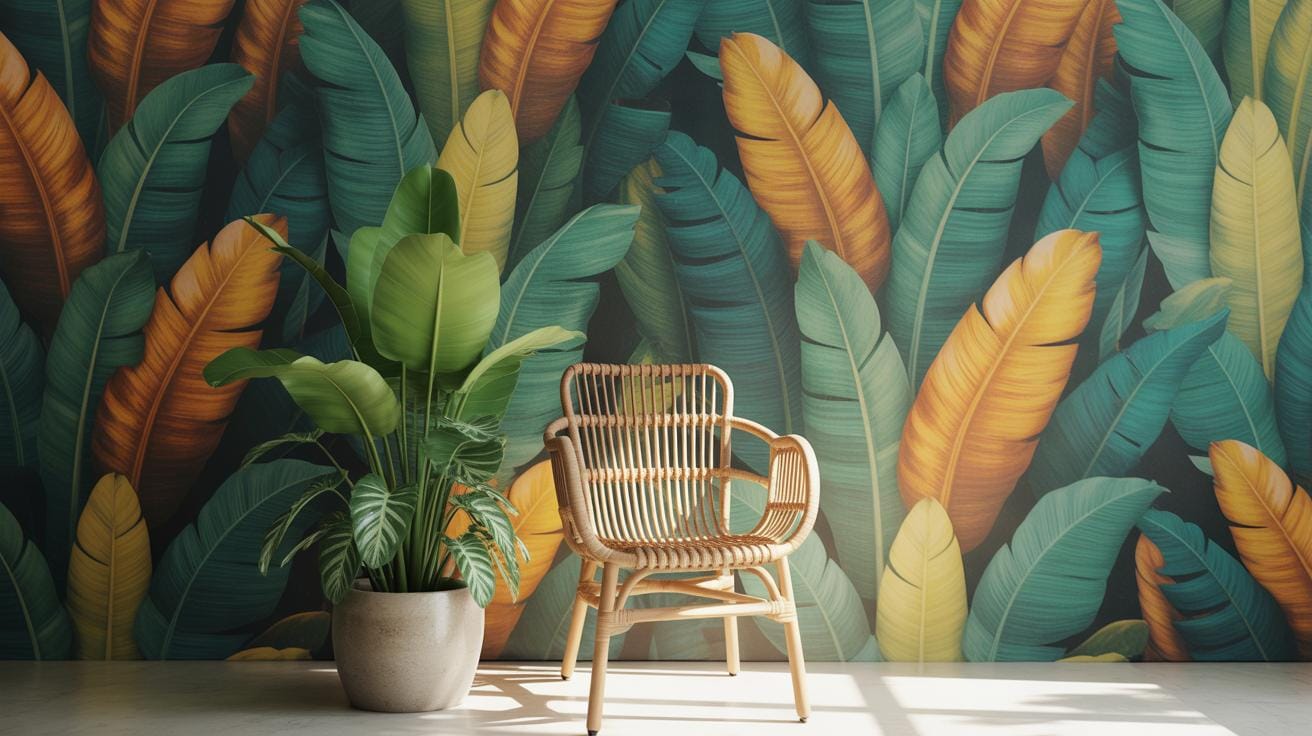
Tropical wallpaper textures often pull from nature’s most recognizable elements—leaves, flowers, and organic shapes. Palm leaves, for instance, with their long, fan-like fronds, are a classic. You’ll also spot hibiscus flowers, whose bold petals can feel both cheerful and slightly wild. Exotic plants, like banana leaves or monstera, add a lush, dense vibe that makes a space feel alive, almost humid. These motifs don’t just appear randomly; they connect the wallpaper to tropical themes by reminding you of warm, breezy places, often near the ocean or deep in a jungle. They trigger a very specific atmosphere, whether you want it subtly or in-your-face bold.
How Texture Enhances Tropical Designs
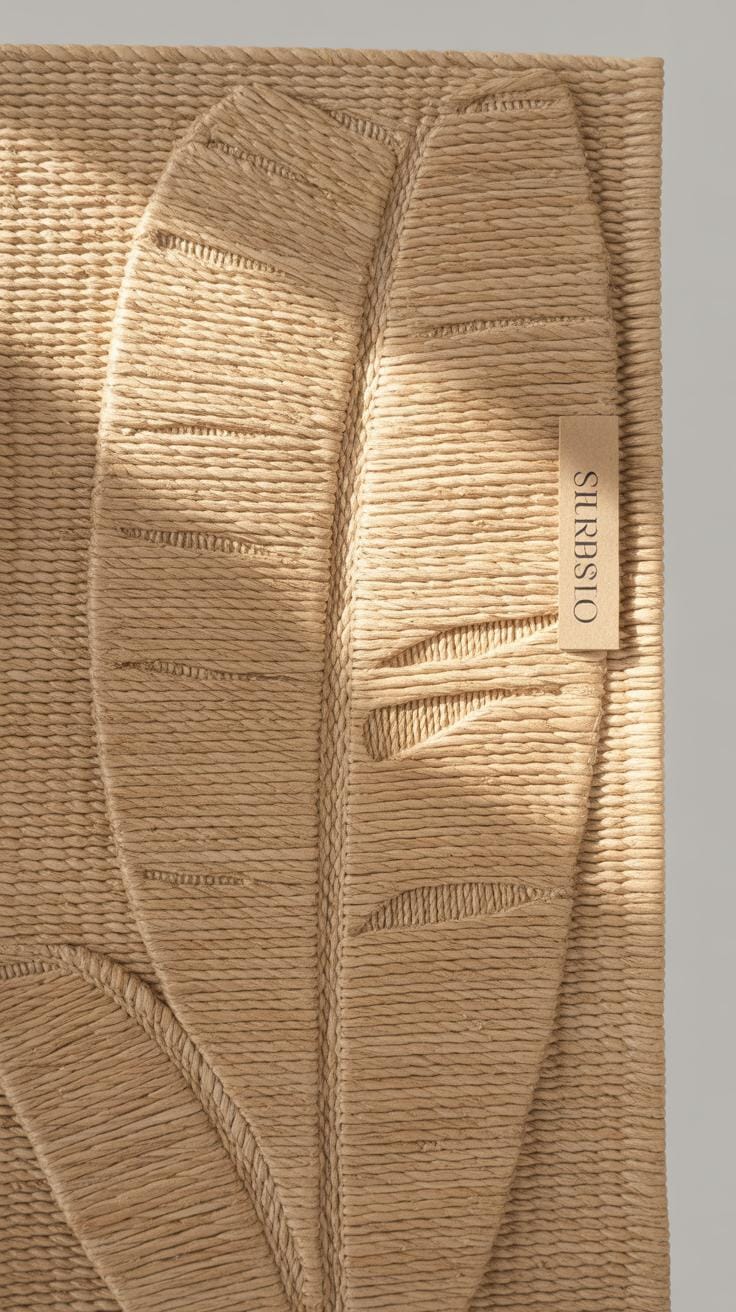
Now, texture plays a role beyond just color or pattern. It brings a tactile dimension that draws you in. Matte finishes soften the look, making it feel more natural or understated but no less interesting. Embossed textures actually raise parts of the design, like leaves or flowers, so you can run your hand across them—not that everyone does, but it’s there. Woven textures mimic fabrics or grasses, adding a kind of rustic, earthy sensation to the wall. Texture prevents the wallpaper from feeling flat and one-dimensional. It can make the leaves seem to almost catch the light or cast subtle shadows, adding life where plain prints might fall short.
Selecting The Right Tropical Pattern For Your Space
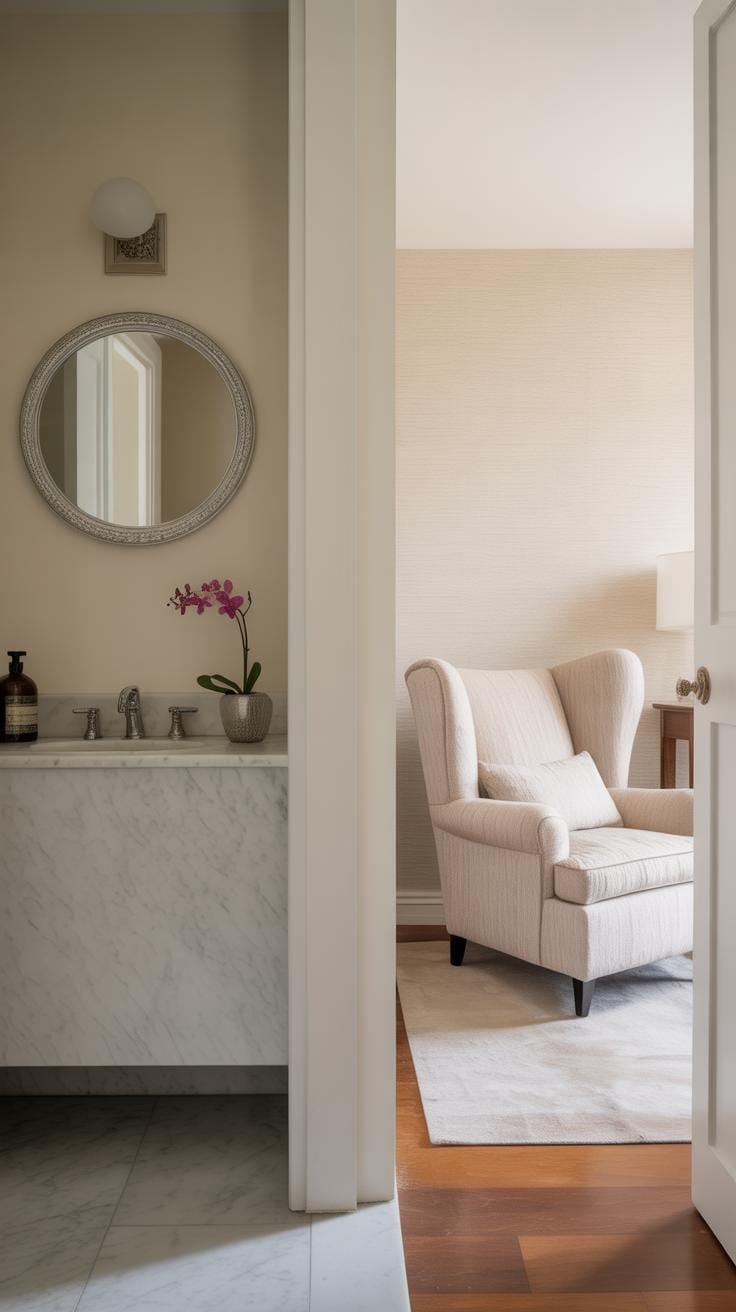
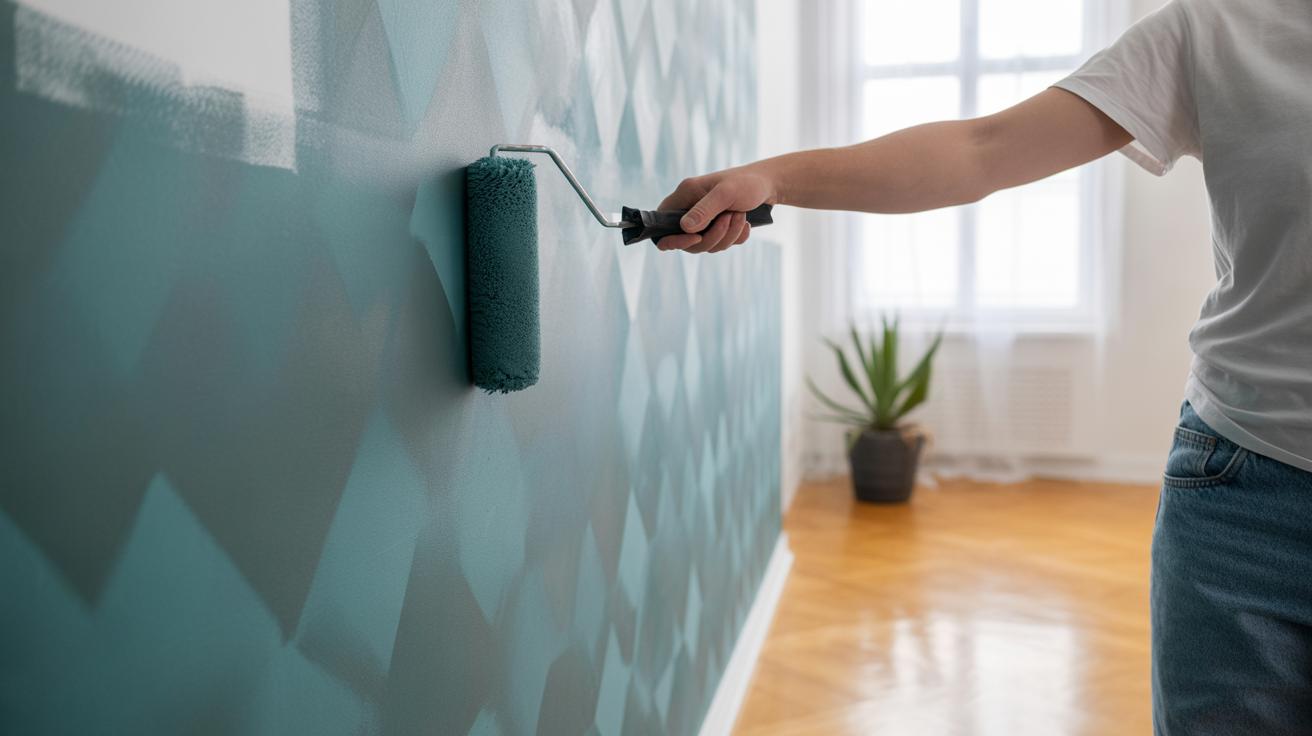
Choosing a tropical pattern isn’t just about what looks pretty on paper. It really depends on your room’s size and the vibe you want to create. Sometimes, a pattern that feels fresh in a showroom can overwhelm your space or fall flat against your existing décor. So, thinking about scale and color balance upfront helps.
For small rooms, smaller or more delicate patterns tend to work better. Big, loud prints might make the room feel cramped, even chaotic. You might want to lean toward light colors and airy designs—something that feels open and breathable. Patterns with fine detailing or smaller leaves can add interest without overpowering the walls.
Large rooms, on the other hand, offer a chance to go bold. Large-scale patterns with strong shapes can fill a blank wall well and bring energy into a bigger space. Sometimes, using vibrant colors here makes the room come alive—but be cautious. Too much can easily become distracting, so balance is key. If your walls are huge, a dramatic palm or oversized floral print might give that wow factor you’re looking for.
Ultimately, think about what mood you want. Do you want a calming retreat or a lively, playful corner? Tropical patterns can do both, depending on scale and color. So experiment. Maybe test with samples on different walls before deciding. You might find a pattern surprising in how it changes the feel, depending on where it lives.
Choosing Colors To Complement Tropical Themes
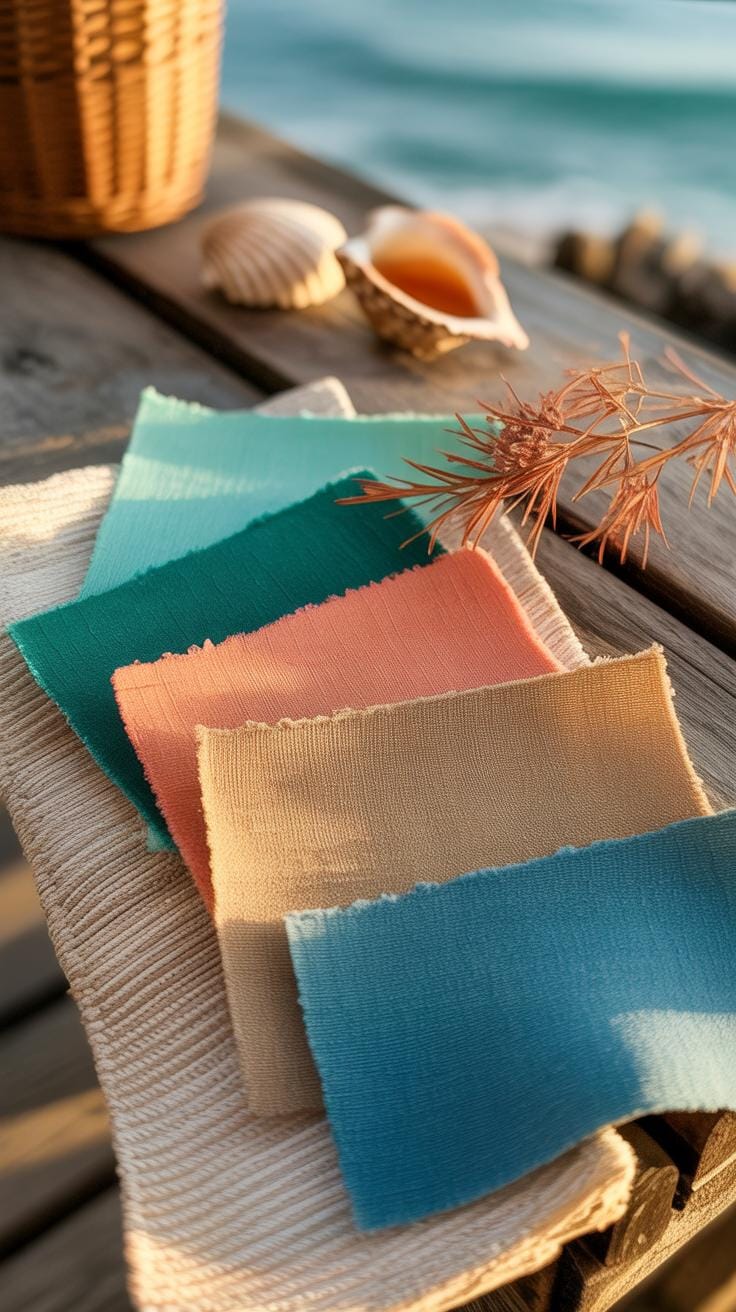
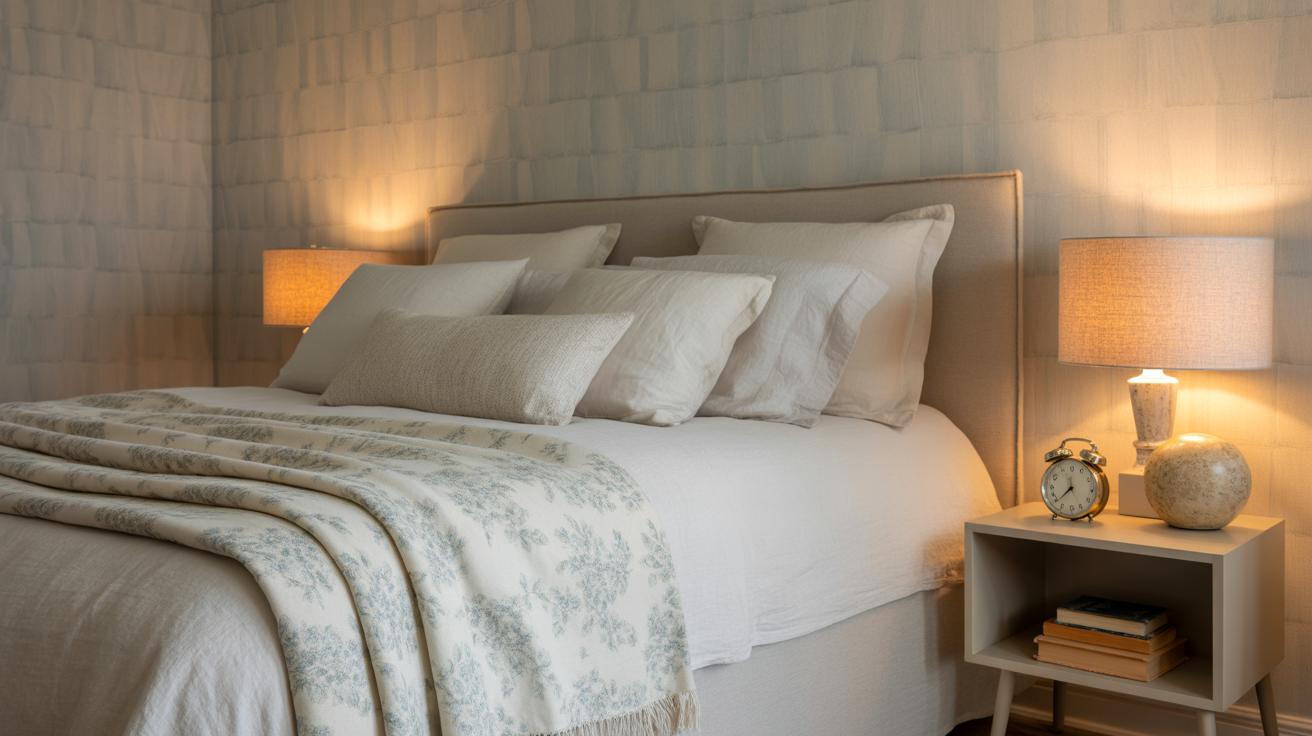
Tropical wallpaper often features a palette rooted in nature—greens, blues, yellows, and pinks show up most frequently. These colors play well together, but mixing them requires some thought. Do you want harmony, or a little contrast that catches the eye? Both approaches can work, depending on your space and mood.
Natural Green And Earth Tones
Greens and earth tones in wallpaper bring a calming, grounded feeling. It’s like stepping into a serene jungle without the humidity. These shades tend to work beautifully with wood or rattan furniture. I’ve noticed rooms with muted greens paired with natural wood feel less busy, almost like they breathe. You might consider soft olive, fern, or moss tones. These don’t shout for attention but gently invite calm. Mixing too many greens here could get dull, so keep it simple. Using these colors helps you create a sanctuary rather than an energetic spot.
Bright And Bold Colors
On the flip side, bright yellows, pinks, and blues turn a room into a lively, cheerful place almost immediately. They bring energy—sometimes a bit too much if overdone. I think these colors shine best as accents, maybe on one wall or through smaller decor pieces. For example, a splash of bright pink amid green leaves can really pop without overwhelming. It’s tempting to cover every wall with bold hues, but that risks wearing out your enthusiasm. Instead, consider balance: a vibrant wallpaper accent wall paired with more neutral tones elsewhere. This way, the energy feels fresh, inviting, and still manageable.
Preparing Your Wall For Tropical Wallpaper Installation
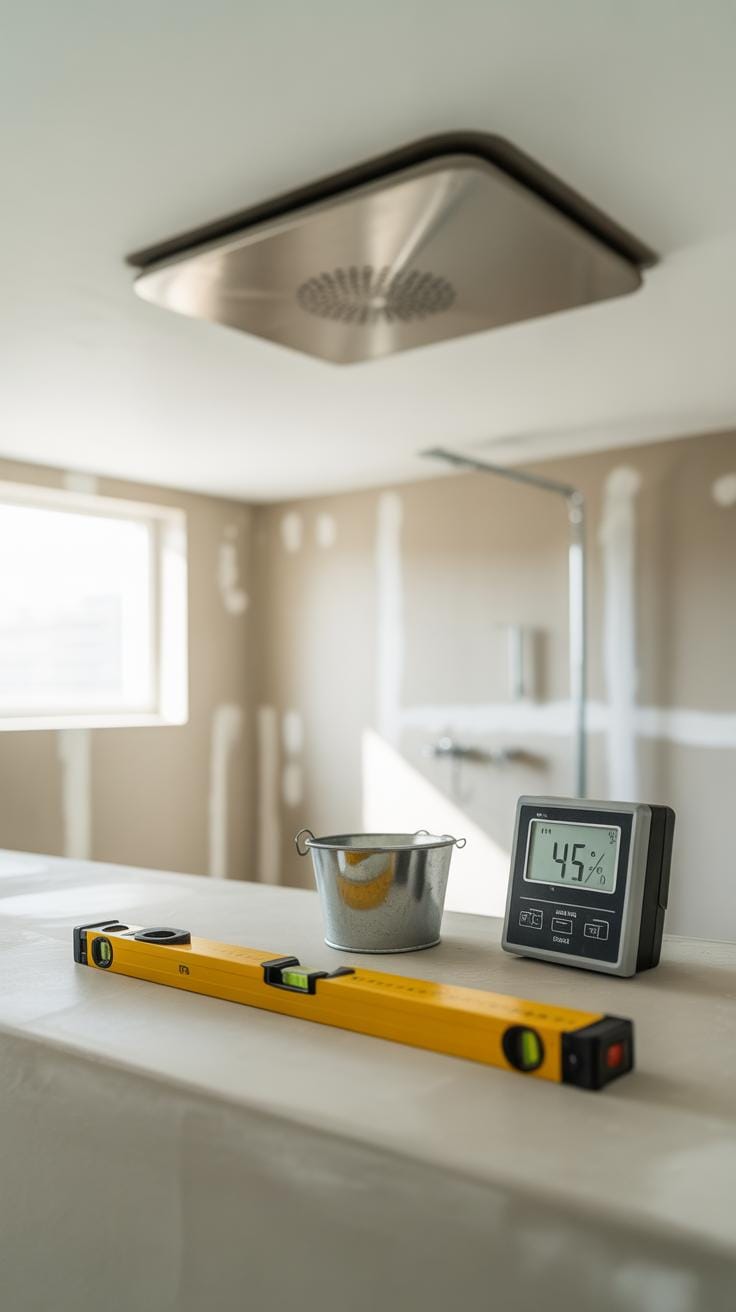
Cleaning And Smoothing The Wall
Start by giving your wall a thorough cleaning. Dust and dirt, even when barely visible, can stop the wallpaper from sticking properly. Use a damp cloth or sponge with mild soap to wipe down the surface. If your wall has stains or grease spots, a little bit of gentle scrubbing might be necessary—just don’t soak the wall. Let it dry completely before moving on.
Next, check for any holes or cracks. Filling these in with spackle or filler makes a difference, especially if they’re noticeable. I once skipped this step and ended up seeing tiny bumps through my wallpaper, which was frustrating. After filling, sand those spots smooth so everything feels even to the touch. Uneven patches can cause the wallpaper to bubble or wrinkle, and trust me, you don’t want to deal with that later.
Measuring And Cutting Wallpaper
Measuring is deceptively simple but easy to mess up if you rush. Measure the wall height at a few points—walls aren’t always perfectly straight, so pick the tallest measurement to avoid coming up short. For width, measure the full expanse of the wall, including any recesses or protrusions. Double-check your numbers; it’s better to be slightly off on the safe side than run out mid-roll.
When cutting, add extra length to each strip—around 4 to 6 inches—to give yourself room for error and trimming. I remember cutting too exactly once, and aligning the top of the wallpaper became a real headache. Also, cut strips one by one rather than all at once. This approach helps keep your cuts fresh and reduces mistakes, especially if the pattern needs matching.
Installing Tropical Wallpaper Textures With Ease
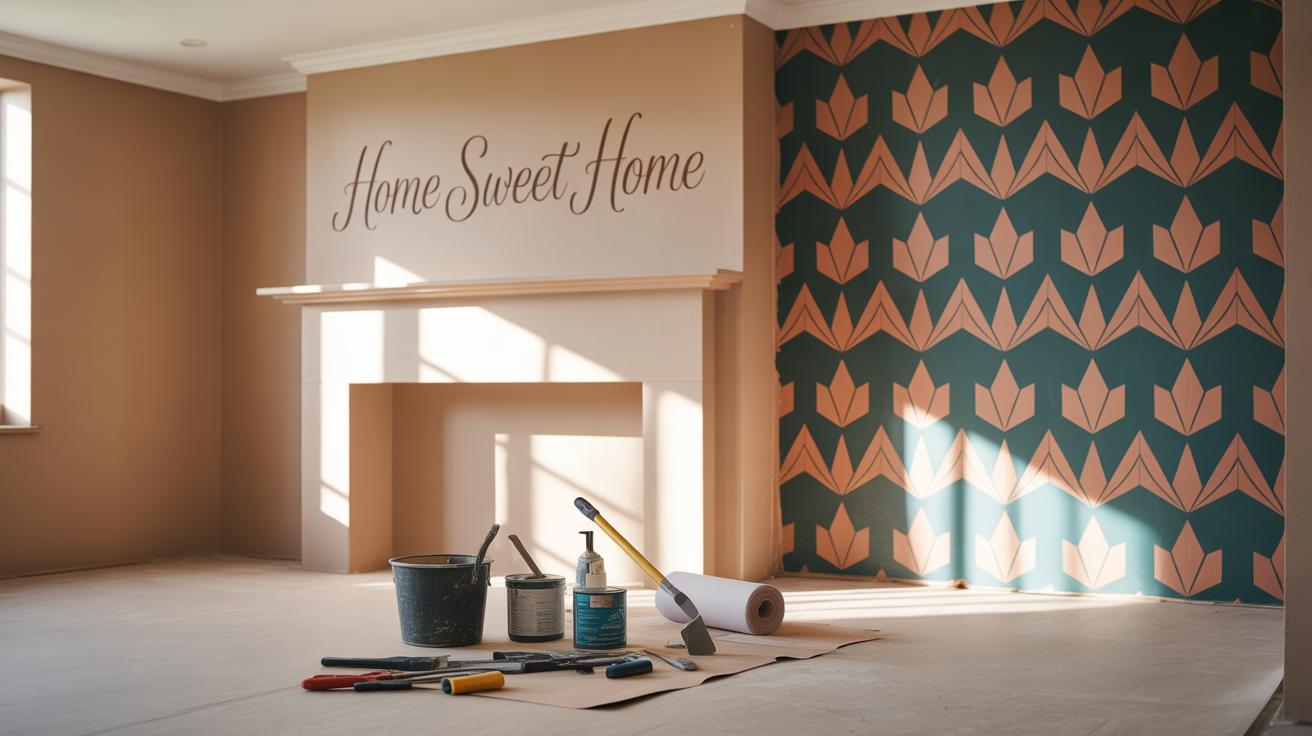
Starting with the hanging process, it’s helpful to cut your wallpaper strips a bit longer than the wall height—you can always trim off the excess later. Applying adhesive evenly is key, whether it’s pre-pasted or you spread paste yourself. Take your time to avoid lumps that stick out once the paper is up.
When you position the first strip, use a level or plumb line to guide your placement. This keeps the wallpaper straight from top to bottom, which is essential for that bold tropical pattern. You might think you’re done once it’s stuck, but actually smoothing out the wallpaper right after applying prevents bubbles and wrinkles later.
Don’t rush the seams. You want each strip to meet its neighbor without overlapping or gaps. Gently pressing down the edges with a seam roller or your fingers helps the wallpaper grip the wall, reducing chance of peeling.
Aligning Patterns For A Seamless Look
The tropical prints can be tricky. Big palm leaves or flowers don’t always line up perfectly if you just hang strips one after the other. Matching the design requires patience. Start by comparing the first strip to the next before pasting—it saves hassle if you spot a mismatch early. Some wallpapers give clear guides for pattern repeats, making it easier to know where to line things up.
Tools like a laser level or a pencil line can keep your strips perfectly vertical so patterns don’t look crooked. If the pattern seems off, step back and look at the wall from a distance to judge the flow—it might reveal shifts your eyes miss up close.
Removing Bubbles And Wrinkles
Bubbles happen, even if you’re careful. The trick is to work from the center outward using a wallpaper brush or smoother. That way, trapped air escapes the sides instead of forming permanent bulges. Your tool can be something simple, like a plastic smoother, but avoid anything too sharp that might tear the paper.
If a bubble resists, gently lifting the wallpaper at that spot and reapplying paste may help. Patience is key here. It can be tempting to rush over bubbles, but a smoothed-out surface really changes the final look and feel of your tropical accent wall.
Maintaining And Cleaning Tropical Wallpaper
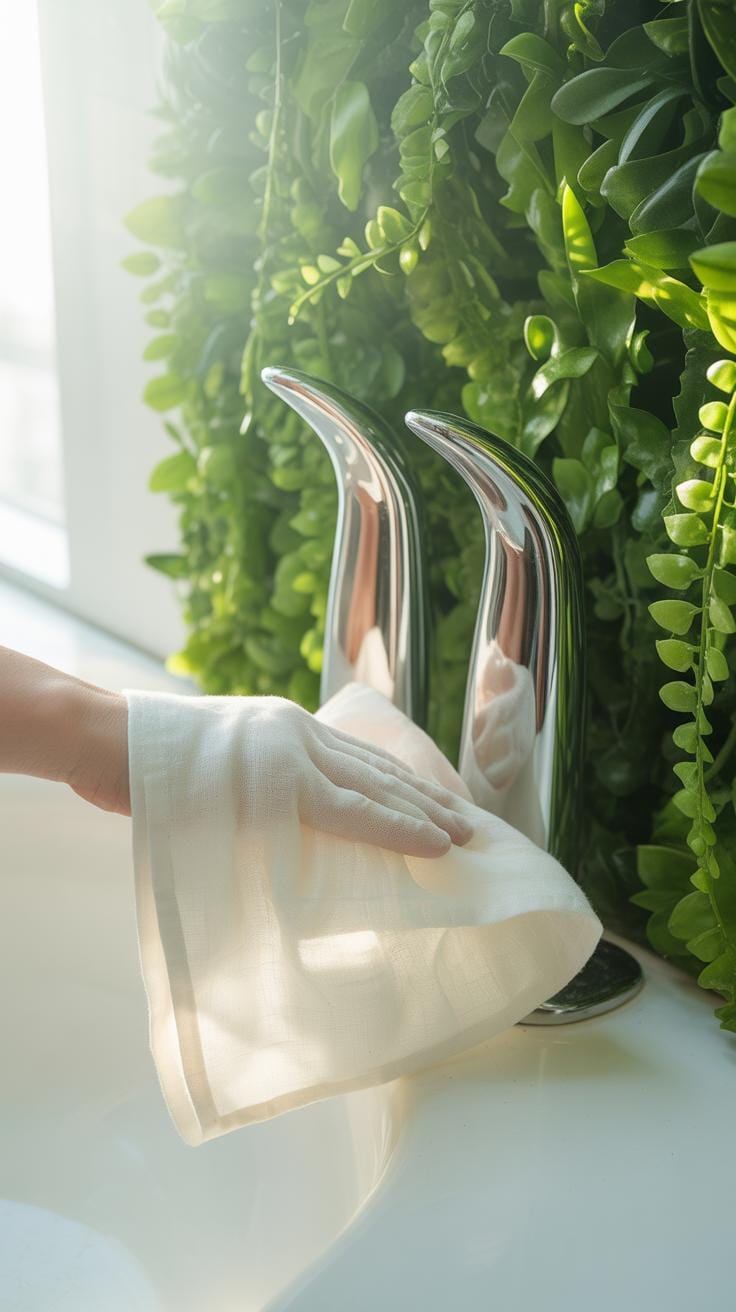
Keeping your tropical wallpaper looking fresh isn’t as tricky as you might think, but it does call for some care. Dust tends to settle quickly on textured surfaces, so a gentle dusting with a soft cloth or a microfiber duster every couple of weeks can prevent buildup without harming delicate patterns.
If you notice stains or spots, try spot cleaning first. Use a soft cloth dampened with mild detergent mixed with water. Lightly dab the area—don’t rub too hard or you could damage the texture or blur the colors. I’ve found that harsh chemical cleaners tend to dull prints or might even eat through wallpaper fibers, so it’s best to avoid them altogether.
Moisture is another tricky thing. Even if your wallpaper is vinyl-coated, excess dampness can promote peeling or mold, especially around windows or bathrooms. So, better to control humidity and keep steam away whenever possible.
Sunlight can mess with the colors over time. Tropical prints are meant to pop, but direct sun exposure fades them—and sooner than you might guess. Consider blinds or sheer curtains to shield your walls, or place bold patterns on walls with less light.
One last thing. Be mindful of how furniture sits near your wallpaper. Chairs or tables pressed up against textured surfaces can cause scuffs or tears from everyday movement. Leaving a slight gap not only looks cleaner but protects the wallpaper’s integrity.
Taking these steps might seem a bit tedious at first. But keeping your tropical wallpaper in good shape means that eye-catching accent wall stays lively longer. And isn’t that the whole point?
Using Tropical Wallpaper To Create Themes
Beach Inspired Tropical Walls
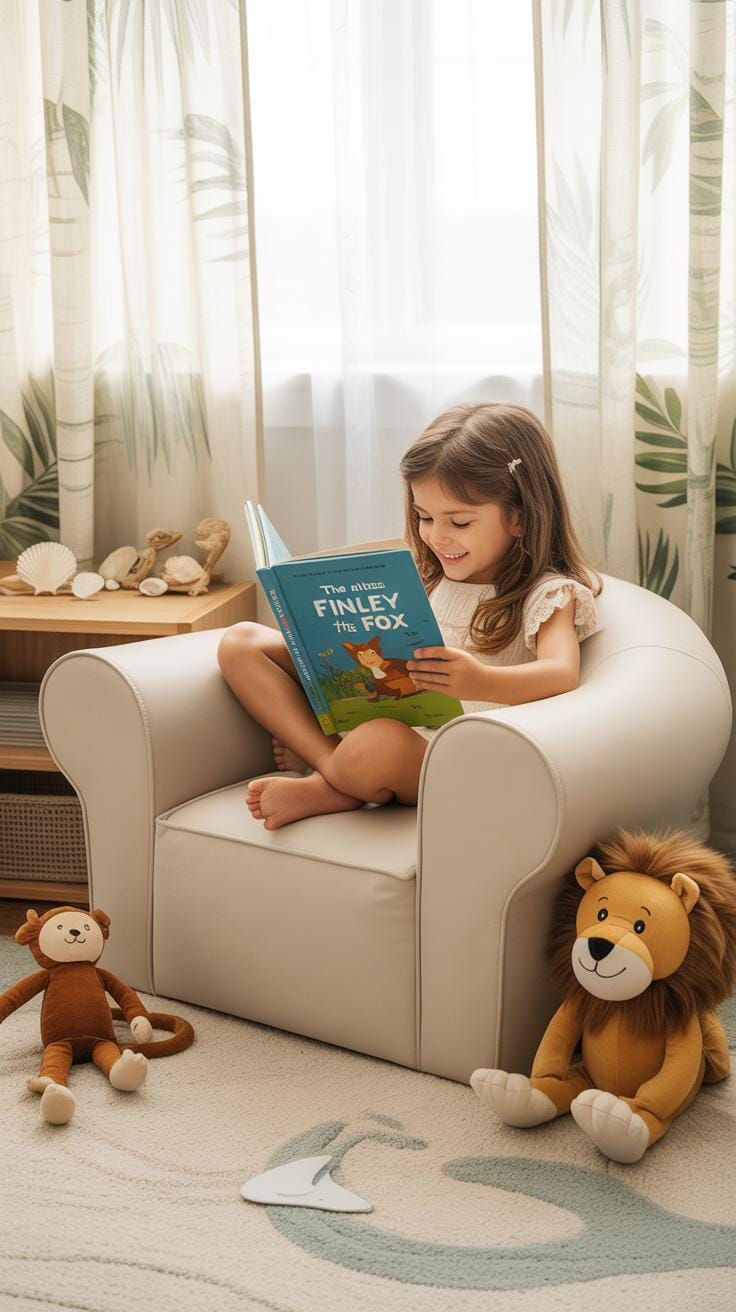
If you want a room that feels like a calm retreat by the ocean, start by picking tropical wallpaper that features ocean-inspired elements—think gentle waves, scattered shells, or soft sandy tones. These patterns don’t have to be literal; even abstract swirls or subtle hints of seafoam work well. When choosing colors, lean toward light blues, crisp whites, and muted beiges. These hues bring in a breezy freshness that can make your space feel open and airy.
Pairing your wallpaper with décor in matching tones really ties the look together. Try incorporating whitewashed furniture or driftwood accents. Soft blue cushions and sheer curtains can add a delicate contrast. Sometimes I find that a few sea glass vases or shell-shaped trinkets scattered thoughtfully can turn the space from plain to personal. A beach theme is about calm, yes, but also a little bit of daydreaming.
Jungle Vibes With Tropical Plants
For a more dense, immersive effect, tropical wallpaper adorned with large leaf patterns—palms, monstera, jungle vines—works well. Choose designs and colors with deep, rich greens and hints of earth tones to simulate the feeling of being enveloped by nature. It almost feels like stepping into a hidden jungle, though obviously, inside your home. Interesting enough, some patterns mix dark backgrounds with bright leaves, creating a mysterious yet fresh atmosphere.
Matching the wallpaper with natural wood furniture helps ground the theme. I once decorated a small reading nook this way, and adding potted plants really amplified the vibe—especially ones with broad leaves or trailing vines. Even simple rattan or bamboo pieces can add texture and warmth. This theme invites you to surround yourself with nature, indoors, but without the bugs, thankfully.
Mixing Textures And Materials For A Unique Accent Wall
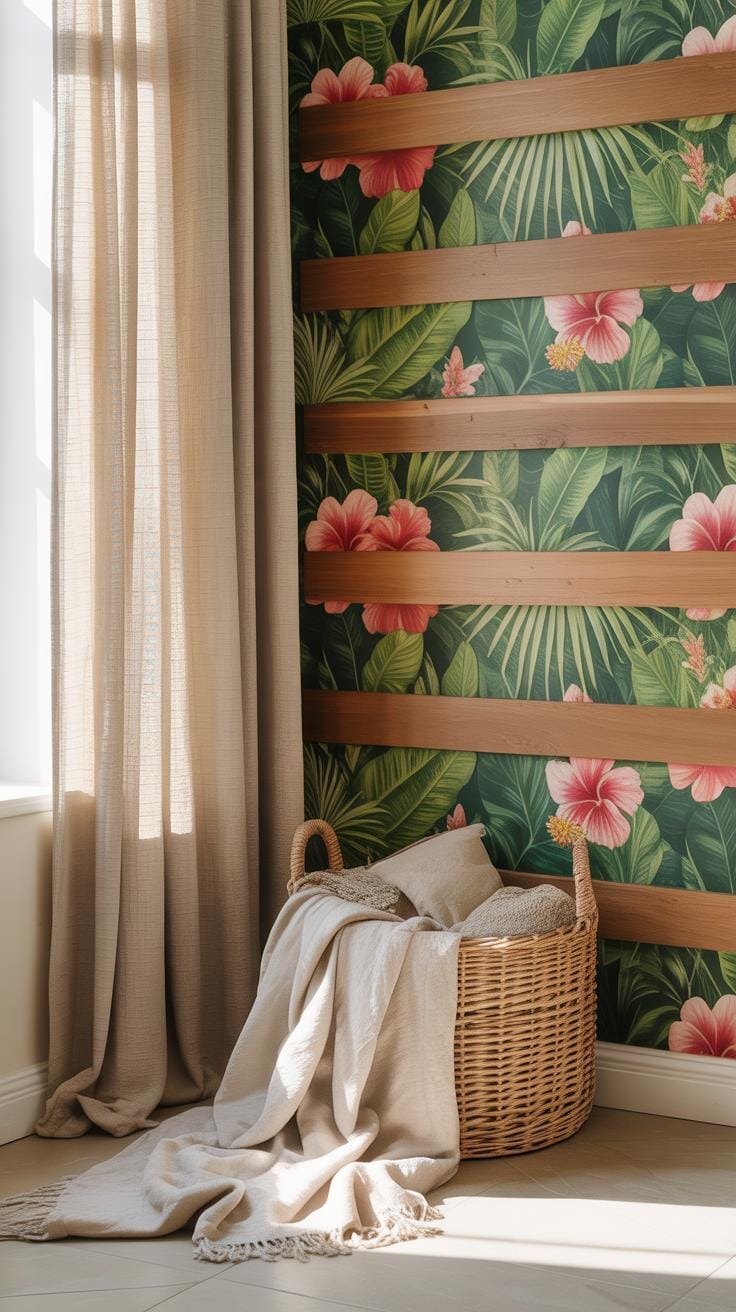
When you combine tropical wallpaper with other textures like wood, fabric, or metal, the result can be quite striking—and not just because it looks bold. The roughness of natural wood against smooth wallpaper adds an interesting physical contrast that your eyes and fingers will appreciate. Imagine a wall where large leafy prints meet warm wooden shelves or reclaimed panels; the interaction feels almost tactile, inviting you to pause and notice.
Wood elements soften the brightness of tropical patterns and ground the whole look. Floating wooden shelves, for example, don’t just hold decor—they break the wallpaper’s surface in a way that feels intentional, personal. Sometimes I find that mixing rougher, unfinished wood with glossy wallpaper can bring this unexpected charm—a slight imperfection in texture that actually enhances the overall vibe.
On the other hand, fabric pieces like macrame, woven wall hangings, or even loosely draped textiles introduce a whole other layer. They create pockets of softness and depth. Metal accents, particularly when crafted into art or small sculptures, add an edge—a touch of cool contrast that changes how your tropical wallpaper speaks. The metal’s sheen can pick up light differently, breaking up the visual plane you might fear becomes too flat or repetitive.
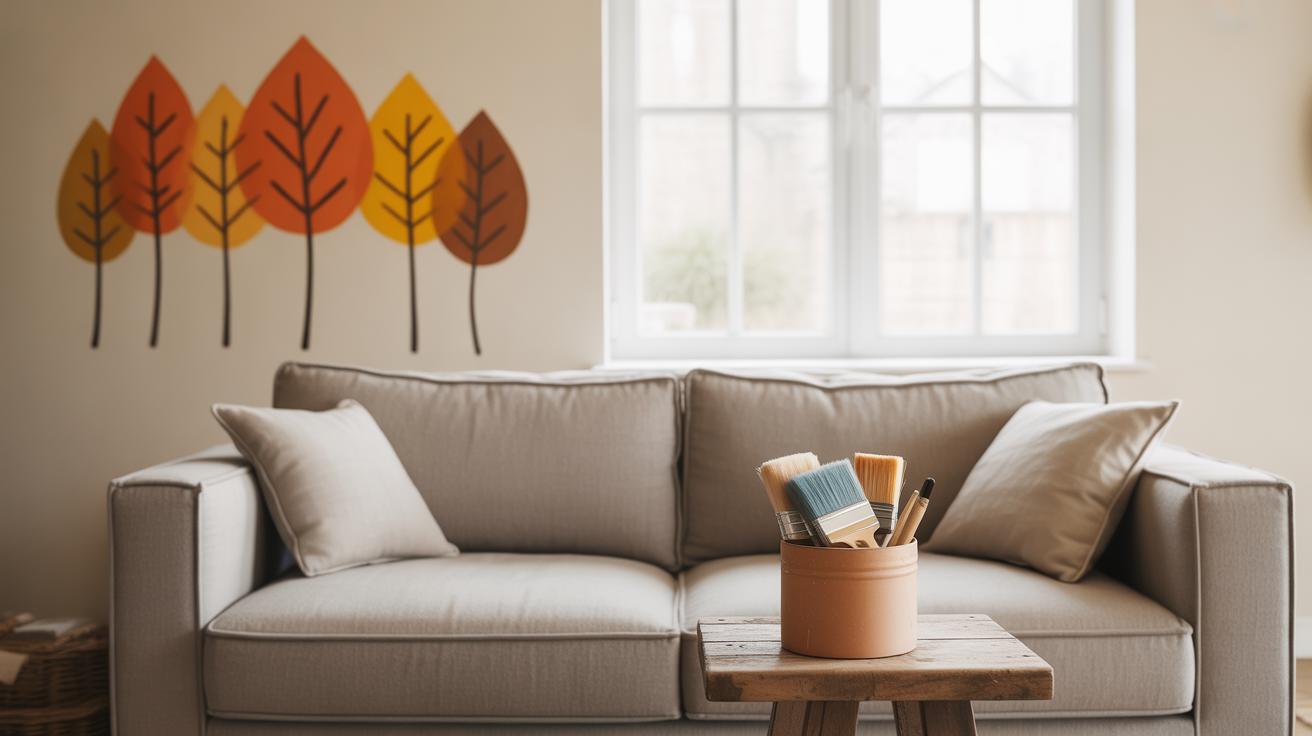
Think about combining these elements in uneven ways—don’t be afraid to overlap materials or leave some edges raw. The effect might surprise you. Does your wall tell a story, or is it just decoration? That’s something you might see better through texture than pattern alone.
Conclusions
Tropical wallpaper textures offer a simple yet effective way to make a statement in any room. By selecting patterns that match your taste and a texture that adds depth, you can create a unique look. Remember to consider the size and lighting of the room to get the best effect from your accent wall.
With the right choice and care, your tropical accent wall can become the favorite part of your home. Use the ideas and tips shared here to bring a slice of the tropics inside with style and ease. Your bold wall is waiting to brighten your living space.