

Introduction
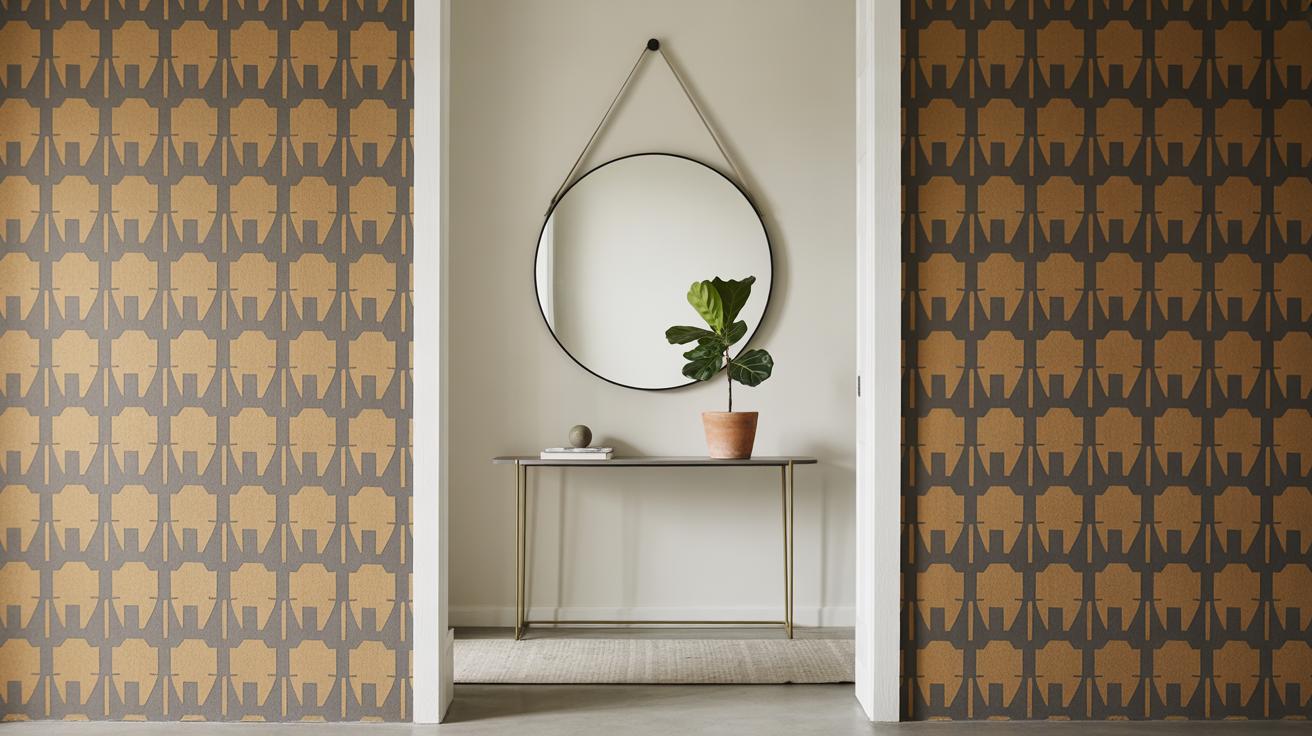
Wallpapers have been used for centuries to decorate and transform interior spaces. They offer a quick way to update any room without the need for expensive renovations. Trending wallpapers today come in various patterns, textures, and colors, allowing you to express your style and energize your living spaces.
In this article, we explore the latest wallpaper trends that can instantly change the look of your room. From classic prints to modern designs, learn how to choose and apply wallpapers with confidence to make your home more inviting and stylish.
Understanding Wallpaper and Its Benefits
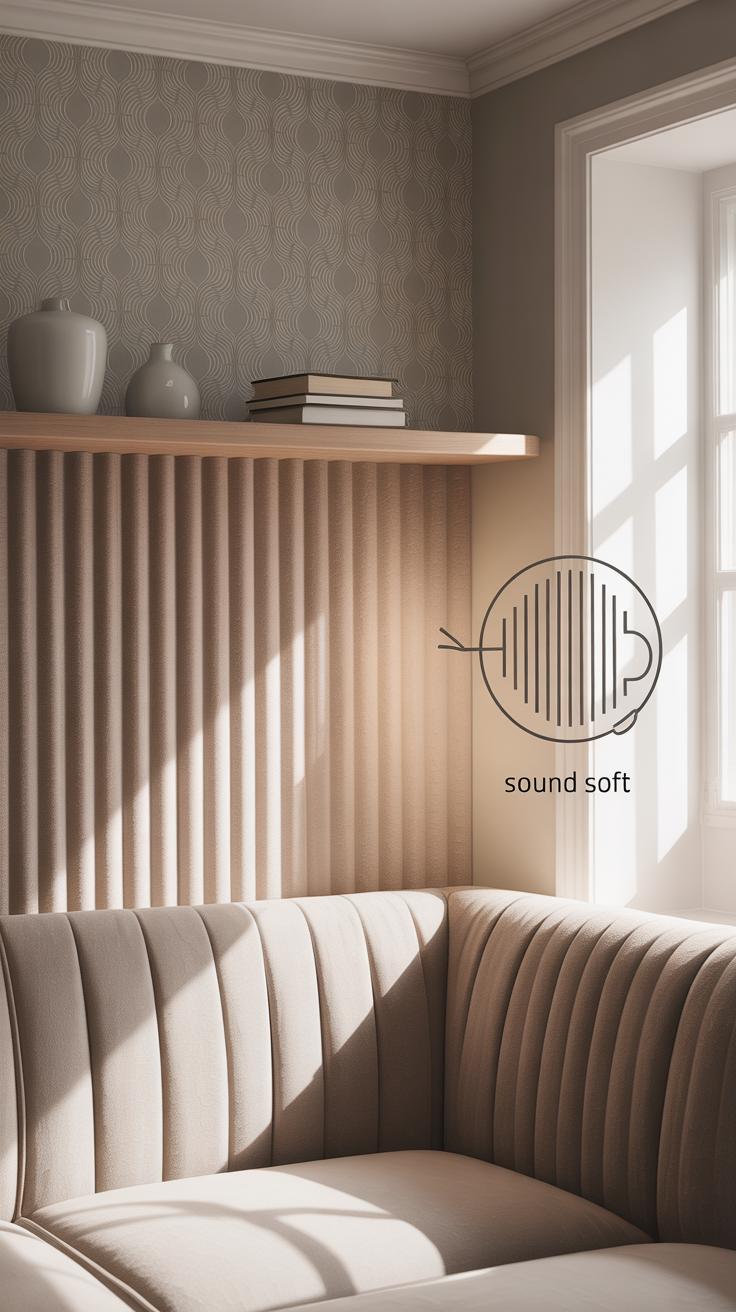
Wallpaper is essentially a decorative material applied to walls to enhance a room’s look and feel. It comes in rolls and is made from different materials—paper, vinyl, fabric, or even natural fibers. Over the centuries, wallpaper has evolved from simple hand-painted designs in the 16th century to complex printed patterns today. This history hints at its long-standing popularity, even if styles have shifted over time.
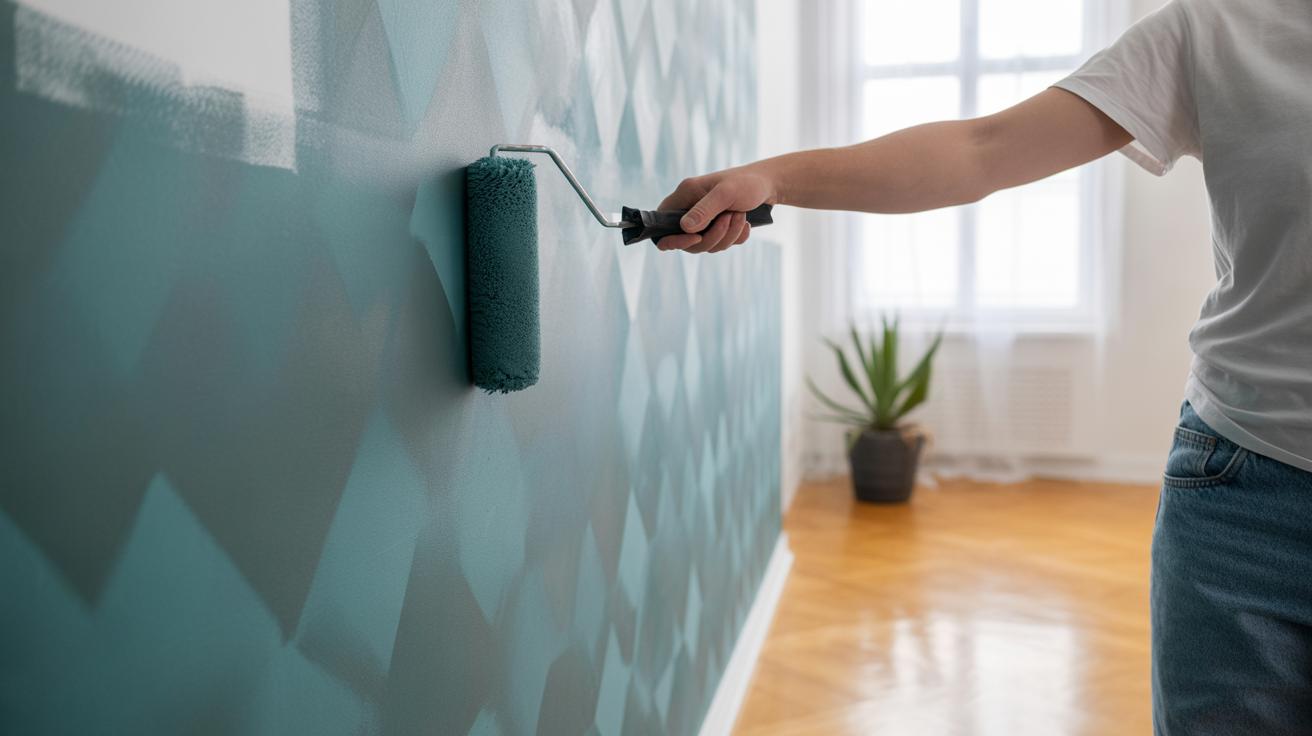
When you think about types, there are several to consider: traditional paper wallpapers, peel-and-stick options that are easier for renters, textured kinds like grasscloth, and durable vinyl ones suited for humid spaces. Printing methods vary too—screen printing, digital printing, embossing—all contribute to the wide array of patterns and finishes available.
Why pick wallpaper instead of paint or another wall treatment? The benefits are clear:
- You can find styles to fit nearly any taste or room purpose, from subtle neutrals to bold geometric patterns.
- Wallpaper often hides wall imperfections better than paint might. Uneven surfaces or cracks become less noticeable.
- It can be quicker to install, especially with peel-and-stick varieties that don’t need drying time.
- Transforming a room with wallpaper usually costs less than many other renovation options.
Honestly, wallpaper remains a versatile option. It invites creativity without demanding a big budget, making it tempting if you want a new look for your space without much hassle. Of course, it might not suit every style or wall type perfectly, but it’s worth considering when you’re pondering room updates.
Current Wallpaper Trends to Watch
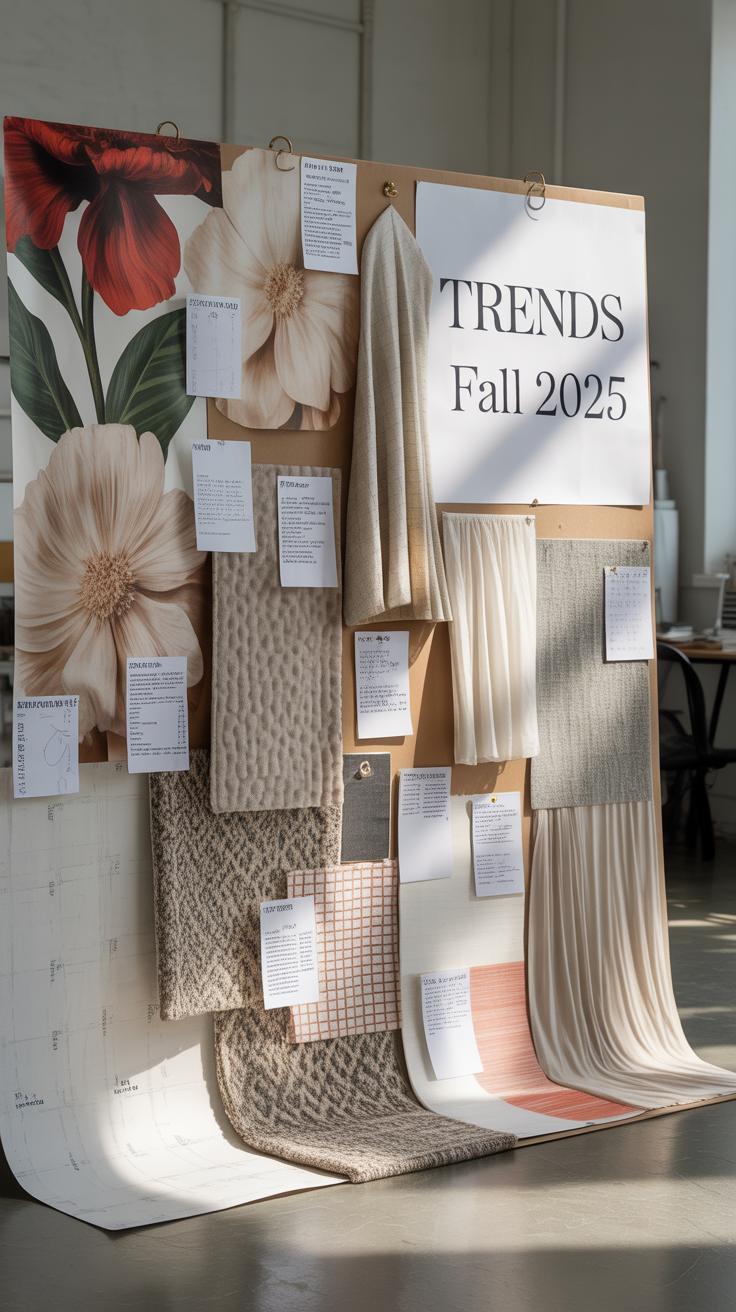
Right now, patterns are really steering the wallpaper scene. Geometric shapes keep popping up everywhere—triangles, hexagons, even some irregular polygons that don’t quite line up perfectly. They add a sense of order but also feel a bit playful, which might explain their appeal. Florals aren’t going anywhere either, but it’s not your grandma’s wallpaper. Think oversized blooms or delicate, hand-drawn style prints. Nature-inspired designs, like leafy vines or subtle wood grain, also have a strong presence. They bring a calming touch that a lot of people want in their living spaces.
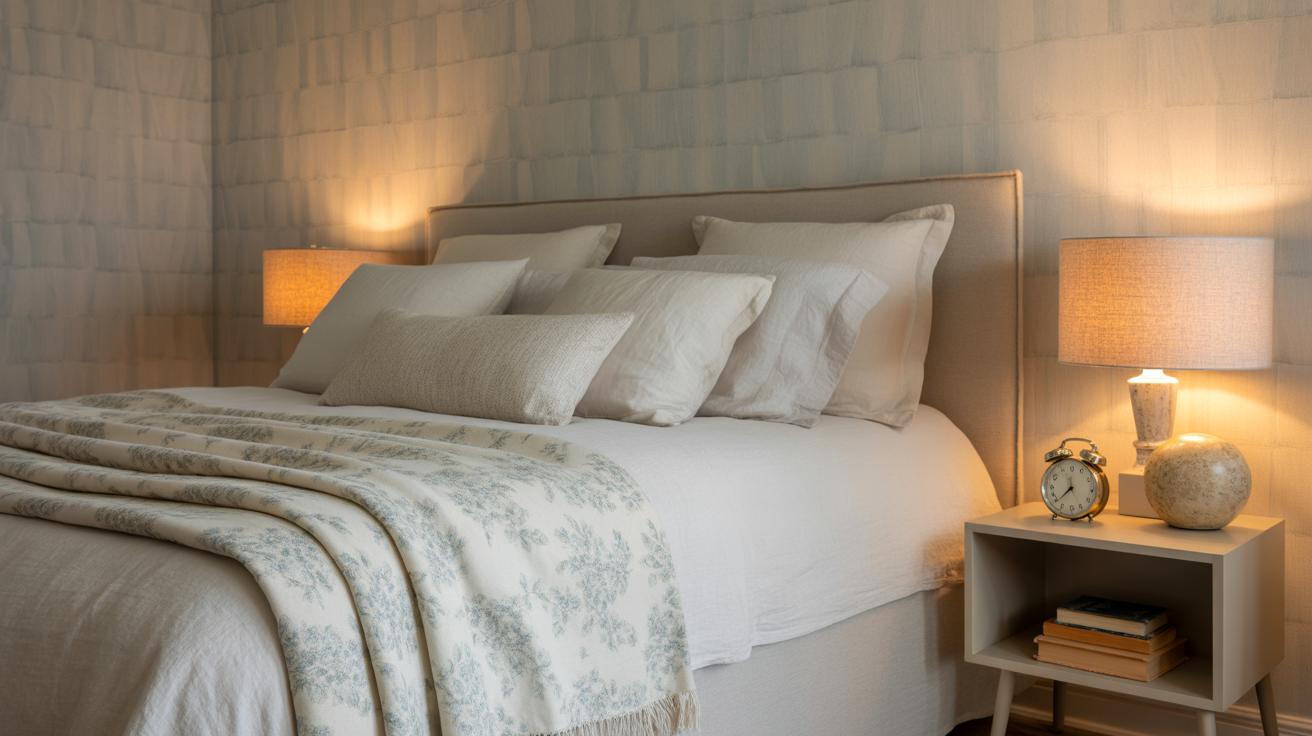
When it comes to colors, soft neutrals are definitely pushing through—warm beiges and cool greys, with dusty blues sneaking in here and there. At the same time, some decorators are leaning into rich jewel tones, like deep emerald or sapphire, to make a stronger statement. As for texture, matte finishes really stand out because they soften light reflection and give a subtle depth that glossy wallpapers just can’t match. Textured surfaces—think linen or even slight embossing—add dimension without overwhelming the room. It feels like an easy way to upgrade a space without too much fuss.
What’s interesting is how these elements combine. You might see a geometric pattern with a velvet-like texture or a floral in muted shades with a matte base. These combinations keep things fresh but don’t feel too loud. It’s like wallpaper is finding new ways to be inviting without asking for too much attention, and that’s maybe why so many people find these trends appealing right now.
How to Choose the Right Wallpaper for Your Room
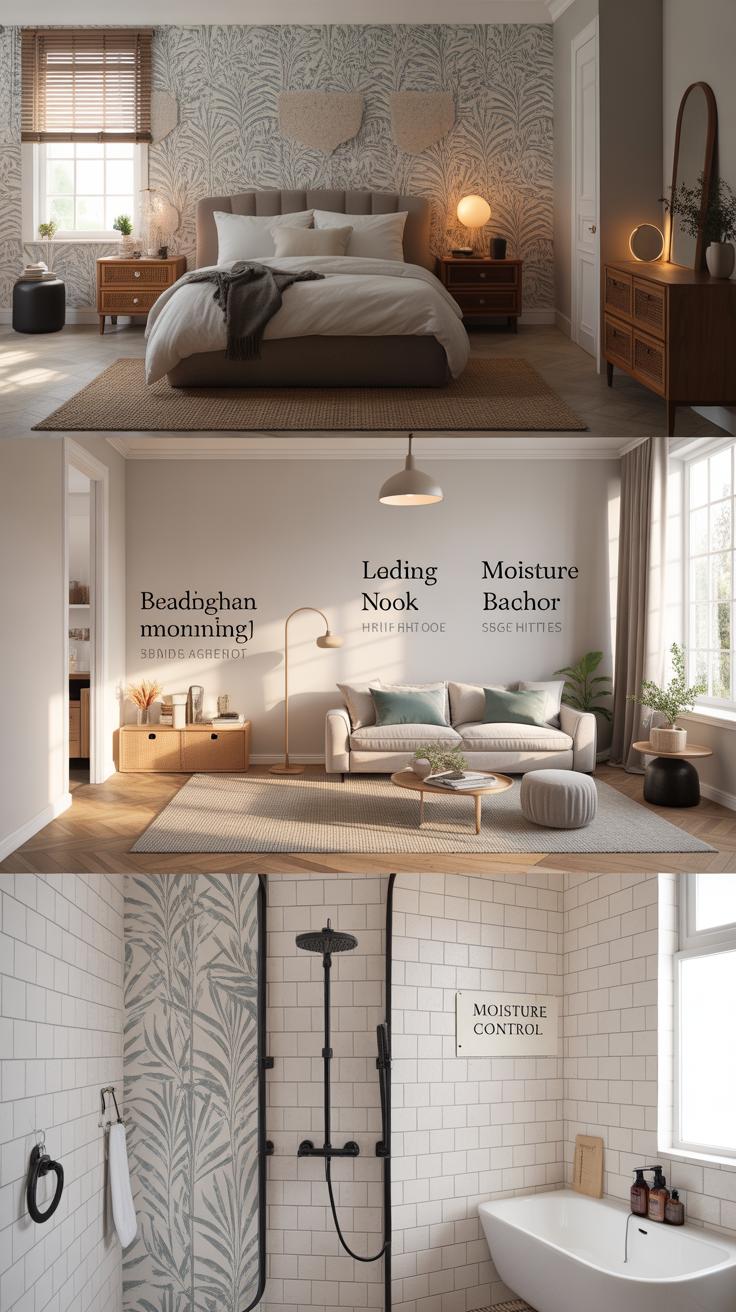
Picking wallpaper can feel a bit overwhelming, especially when you want it to fit your room’s purpose, size, and light. You want a pattern and color that won’t clash or shrink the space. Think about how you use the room first: a busy pattern might energize a dining area but feel too intense in a bedroom. For a home office, something calm yet inspiring, like a subtle geometric design, often works better.
Lighting really changes how wallpaper looks. In a dark room, lighter shades or reflective textures can open things up. On the flip side, a very bright room might handle darker, richer tones without feeling oppressive. Small rooms usually benefit from smaller patterns or simpler designs, since large prints can feel overwhelming here. Large rooms can take bold, dramatic prints, but that’s not a strict rule—you might surprise yourself by making a massive space cozier with the right wallpaper.
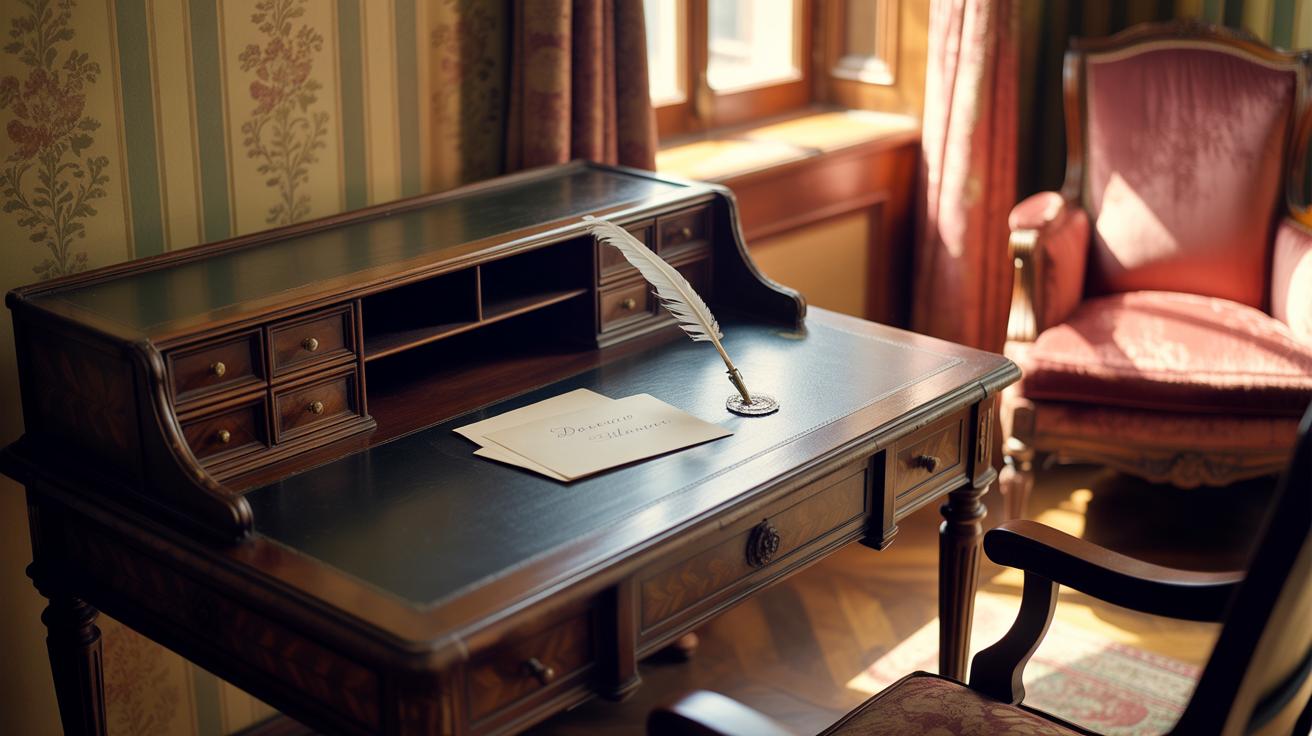
When matching wallpaper to your existing style, try to think about balance. If your furniture or decor is minimalist, patterned wallpaper can add character without overloading the space. Conversely, in rooms filled with ornate or vintage furniture, simpler wallpaper helps avoid visual chaos. Yet, some people break this “rule” and mix busy wallpaper with detailed furniture—sometimes it works, other times it’s a bit too much. Ultimately, ask: do you want the wallpaper to blend in or stand out? Your answer guides your style choice.
Preparing Your Walls for Wallpaper
Cleaning and Repairing Walls
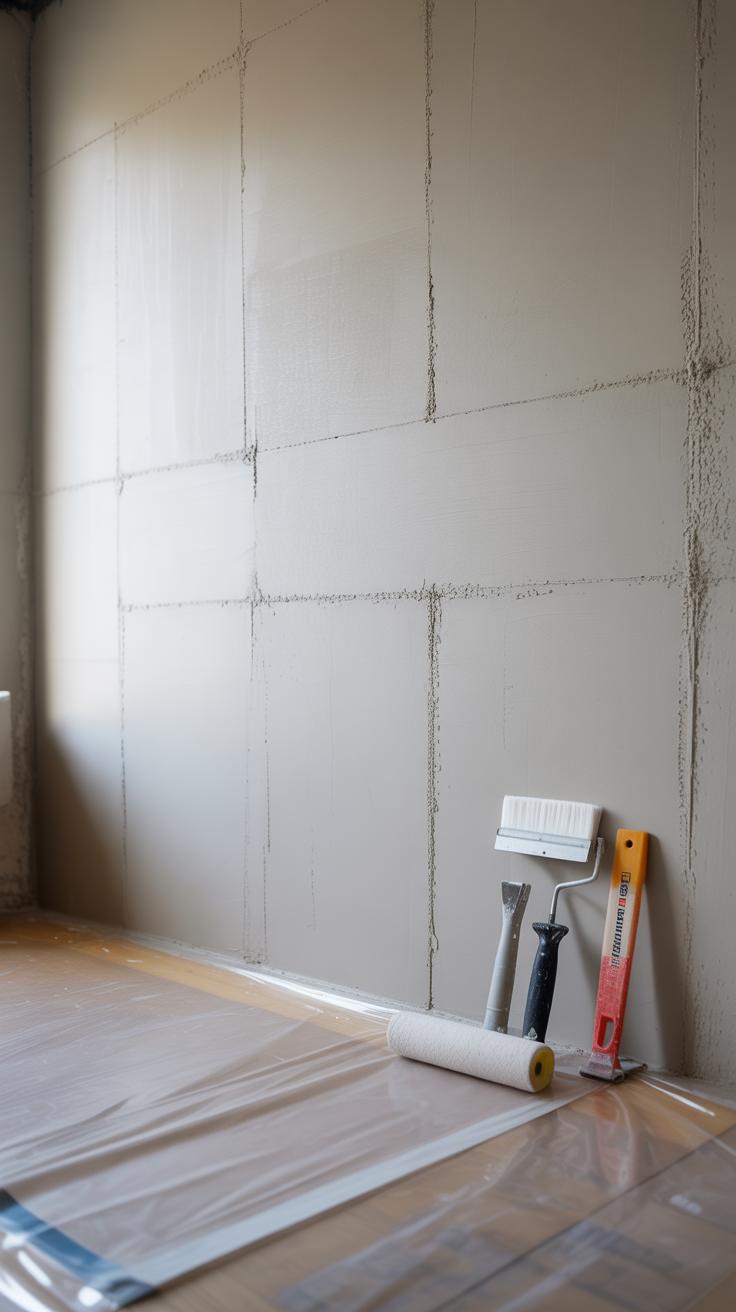
Before you even think about unrolling that wallpaper, your walls need some attention. Dirt, dust, and grease can stop wallpaper glue from sticking properly. So, grab a sponge or soft cloth and gently wash the walls with mild soap and water. Don’t rush this step—some spots might need extra scrubbing, especially around light switches or near cooking areas.
Once the walls dry, inspect for any dents, bumps, or holes. Filling these imperfections with spackle or joint compound makes a big difference. I usually use a putty knife to smooth over the spots, then sand once it’s dry. The smoother, the better, since wallpaper tends to reveal every uneven patch. If you skip this, you might notice bumps showing through later, which can be frustrating.
Using Primer for Better Results
Priming the walls might seem like an extra chore, but it really helps the wallpaper stick and last longer. Primer creates a stable surface so the glue doesn’t soak unevenly or peel off prematurely.
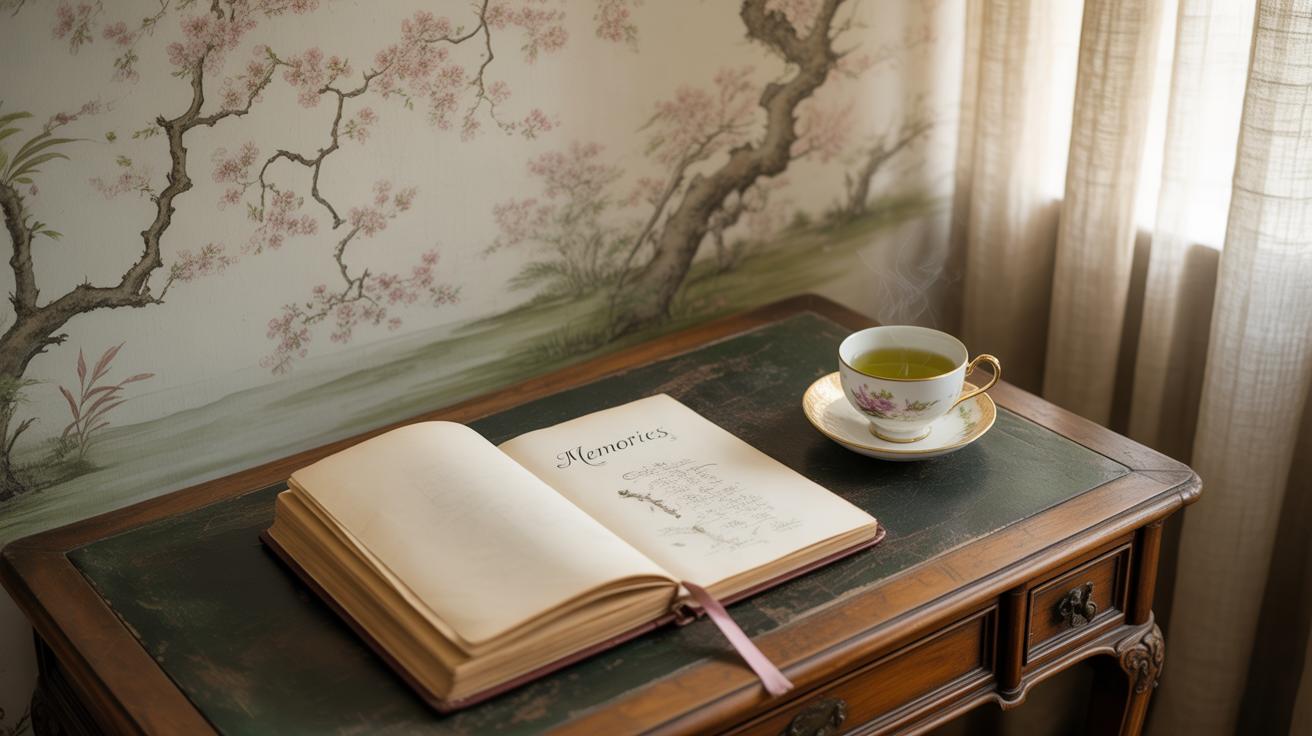
Choose a primer designed for wallpaper use—usually a water-based option works fine—and apply it evenly with a roller. Don’t forget the corners and edges; they matter. Let it dry fully before moving on. I sometimes get impatient here, thinking it dries quicker than it actually does. Waiting a full day often pays off with fewer bubbles or puckering once you apply the wallpaper.
By taking these steps—cleaning, repairing, and priming—you set yourself up for a much smoother wallpapering process. It might feel like a lot upfront, but those little efforts can save you headaches later. After all, wallpaper’s impact depends on the walls beneath it.
Tips for Installing Wallpaper Like a Pro
Measuring and Cutting Wallpaper
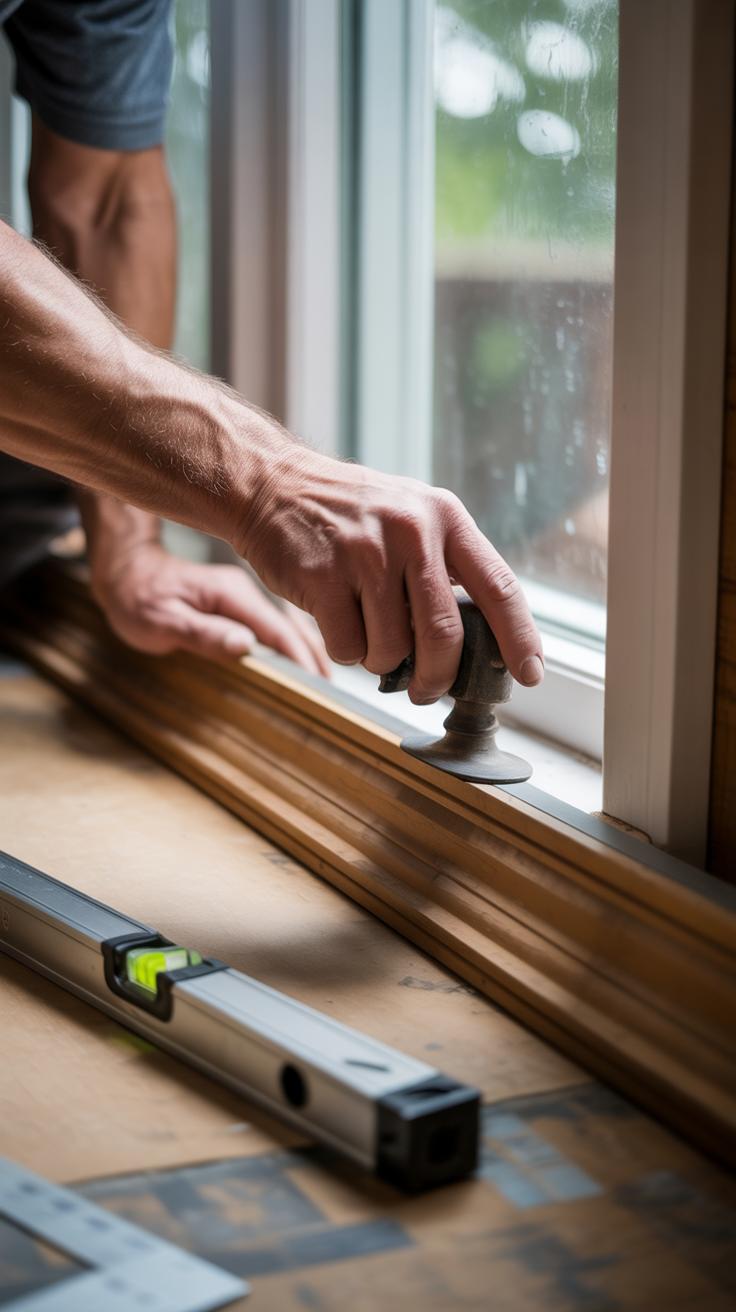
Start by measuring the height of your wall carefully, from floor to ceiling. It’s usually best to add a couple of extra inches—just in case your wall isn’t perfectly straight or your ceiling height varies slightly. You don’t want to be caught short when it comes to trimming later.
When cutting strips, keep in mind that many wallpapers feature patterns that need matching at the seams. This means you might have to cut each strip a bit longer so the designs align perfectly. It’s a small detail that really makes a difference in how professional your wallpaper looks.
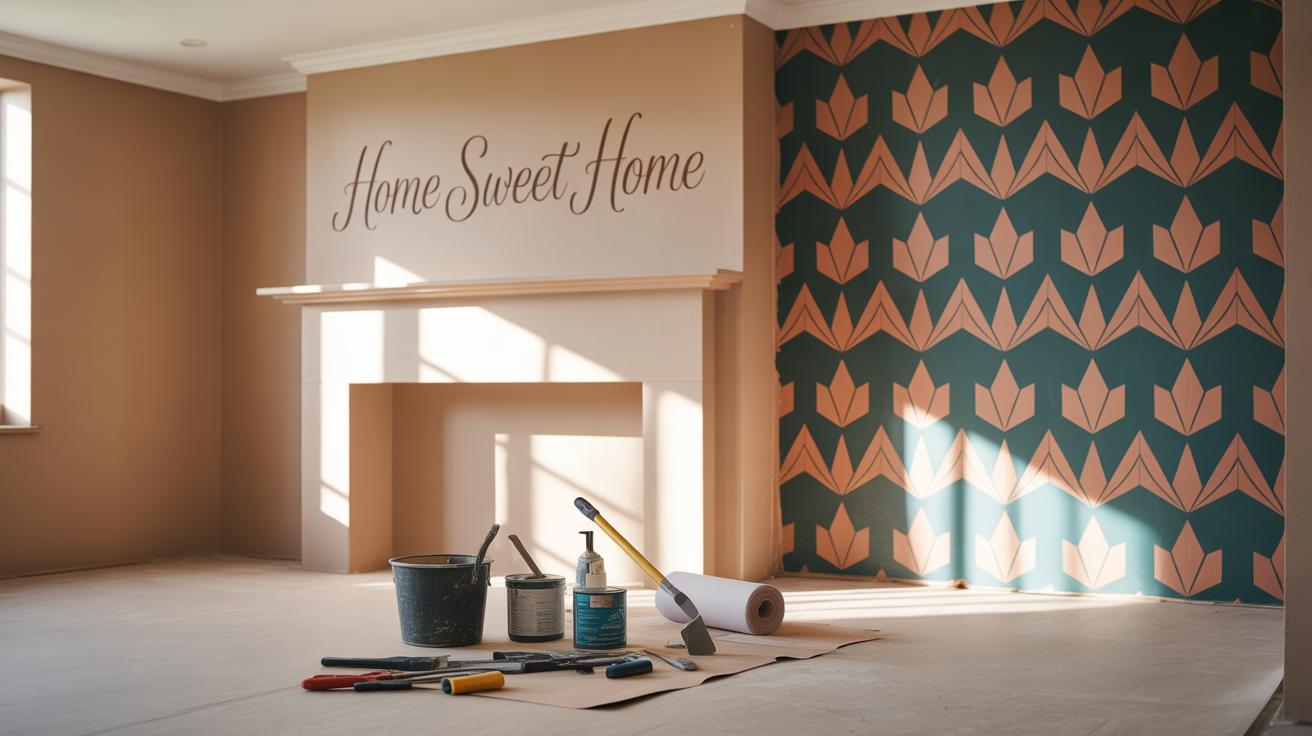
Cut your strips on a flat surface with a sharp utility knife or scissors. Trying to rush can lead to jagged edges—and that’s a dead giveaway for amateur work. Remember, it’s okay to be a bit cautious here. You’d rather waste a little paper than end up with crooked strips.
Pasting and Smoothing
Applying paste is tricky but crucial. Most wallpapers require you to spread paste evenly, either on the back of the paper or the wall, depending on the type. Follow your wallpaper’s instructions—there can be surprises.
Once pasted, hang the strip starting at the top, leaving a small overlap at the ceiling. Then slowly smooth downward with a wallpaper brush or a plastic smoother. Moving too fast invites air bubbles or wrinkles. If you spot bubbles, push gently toward the edge; don’t panic and try to pull the paper.
Expect some trial and error here. I’ve often found that working with a helper makes this step a lot less frustrating—two pairs of hands paying attention to edges and corners is a bonus. Also, a damp sponge helps wipe off excess paste without disturbing the wallpaper surface, but don’t overdo it.
Getting wallpaper to lay flat and smooth isn’t just about patience; it’s about treating the paper gently and letting gravity do its part. Don’t press too hard. Let the paper relax against the wall. That little bit of care changes everything.
Creative Ways to Use Wallpaper in Your Home
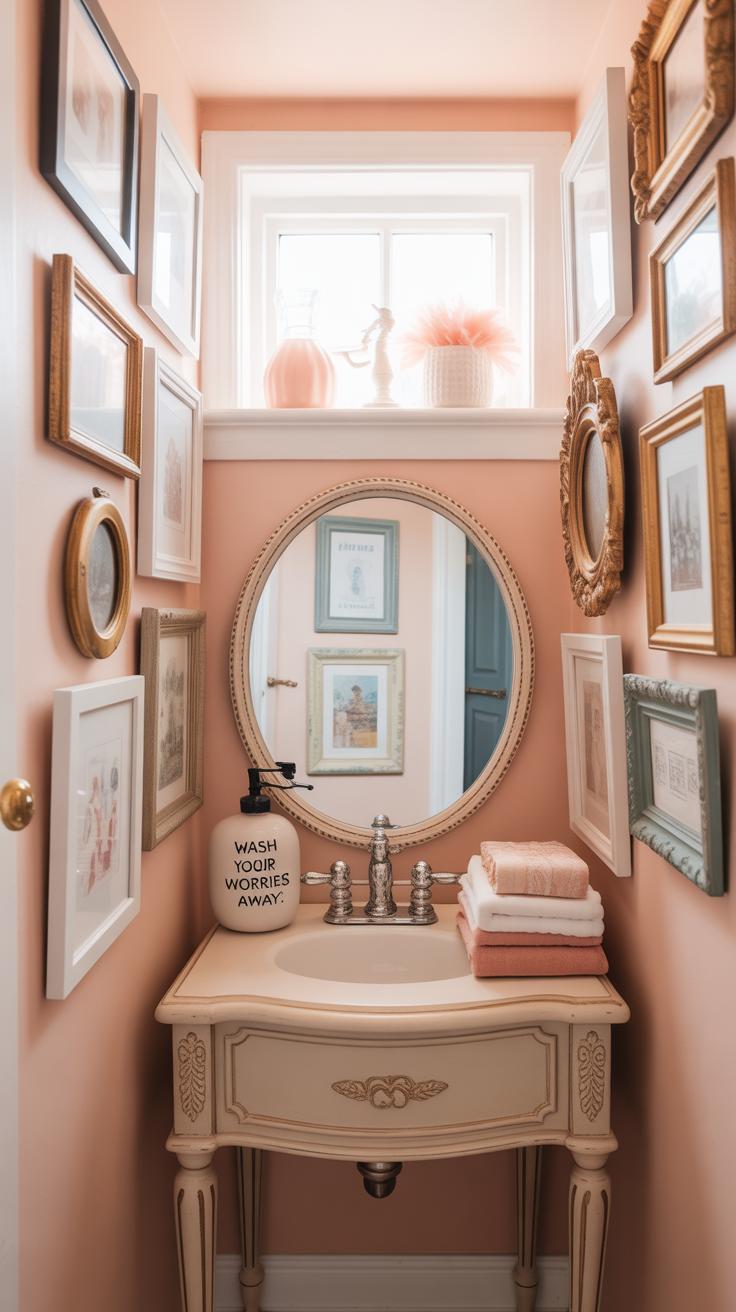
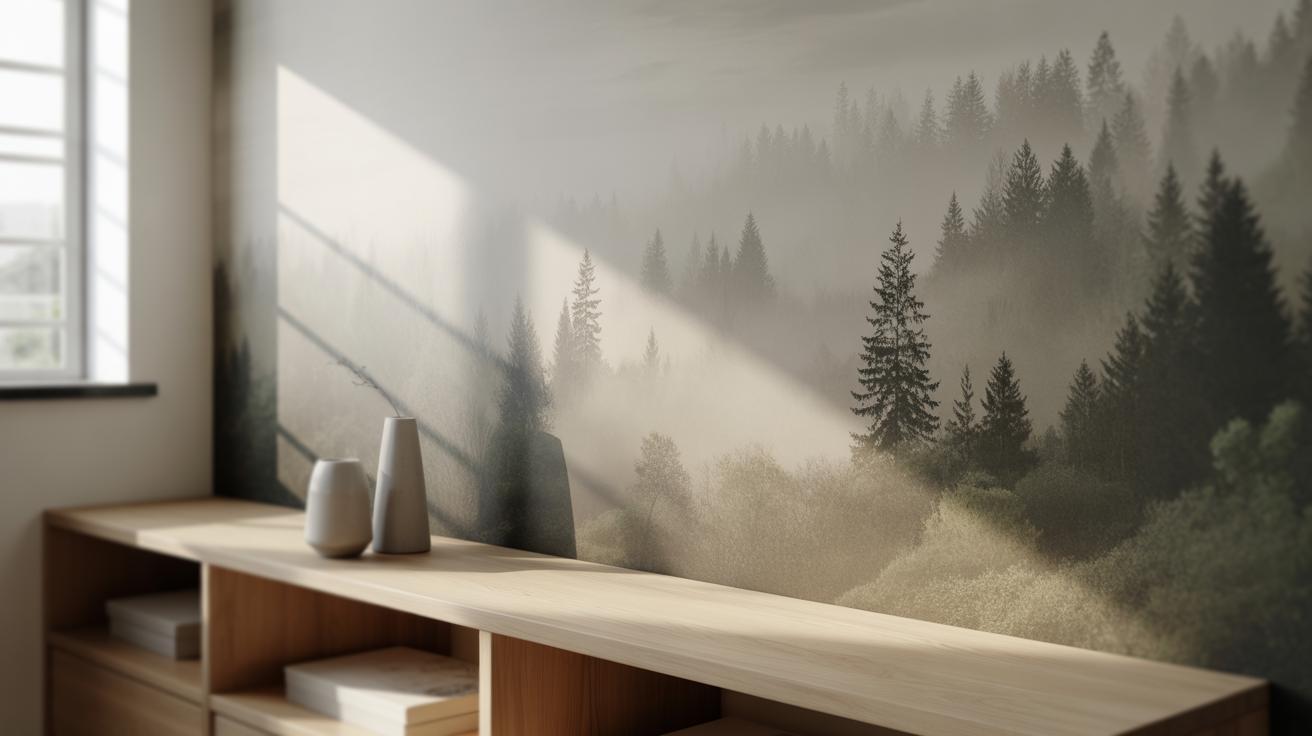
Wallpaper doesn’t have to be confined to just walls. You might find that using it on smaller sections or unexpected surfaces changes a room’s vibe without much effort. For example:
Creating an accent wall can draw the eye exactly where you want it. It’s a simple way to add personality without overwhelming the space. Sometimes I wonder why everyone doesn’t try this more often—it gives a room character without needing a full redo.
Wallpaper borders remain underrated. They can subtly frame a room or highlight architectural features. Maybe around doorways or windows, they add a touch of detail that you’d miss at first but then sort of appreciate quietly.
Wallpaper on furniture—like the sides of a dresser drawer or the back of bookshelf units—can turn tired pieces into conversation starters. I once covered a coffee table’s top with wallpaper, sealed it with a clear coat, and it instantly felt unique, though I wasn’t sure if it was a bold move or just quirky.
Decorating smaller objects—lamp bases, trays, or even planters—with wallpaper can add cohesion or just give those items a little lift. It’s a way to integrate patterns or colors without commitment.
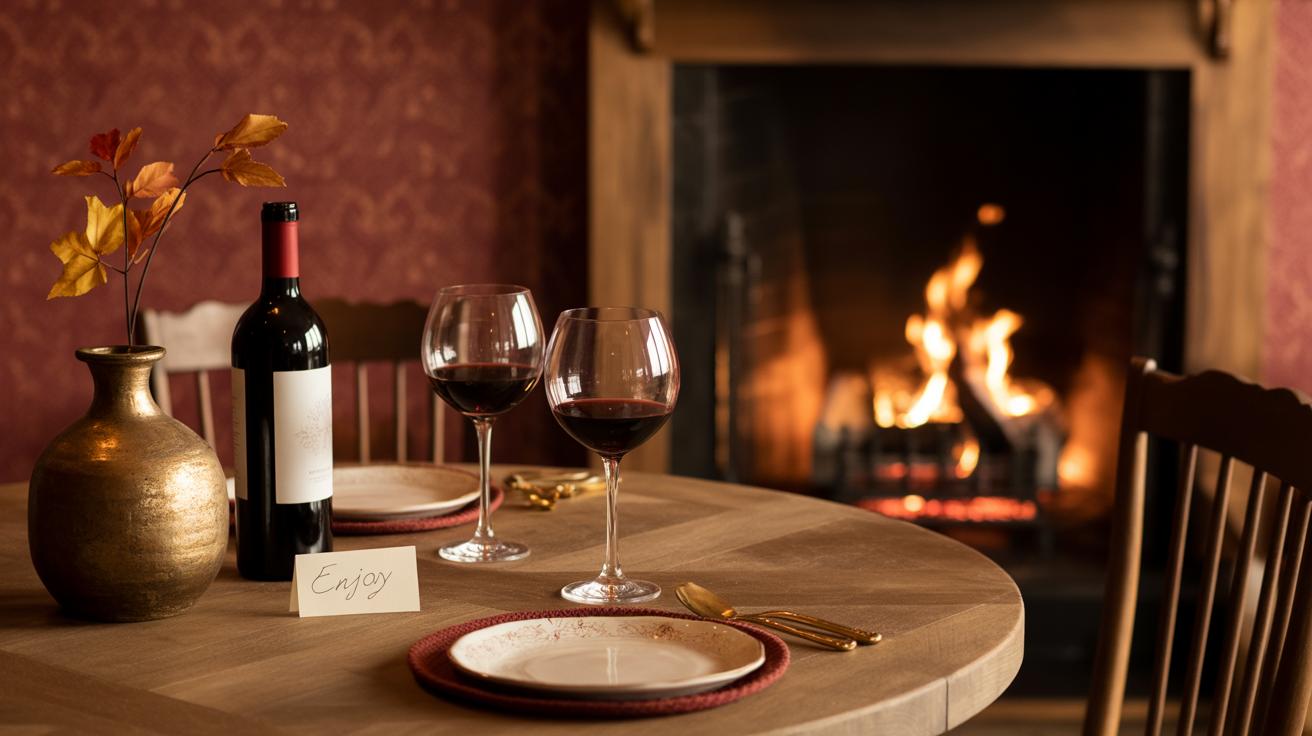
It makes me think: why not see wallpaper as this versatile design tool rather than just “covering walls”? With a bit of creativity, your whole home might end up feeling fresher than expected.
Wallpaper Maintenance and Longevity
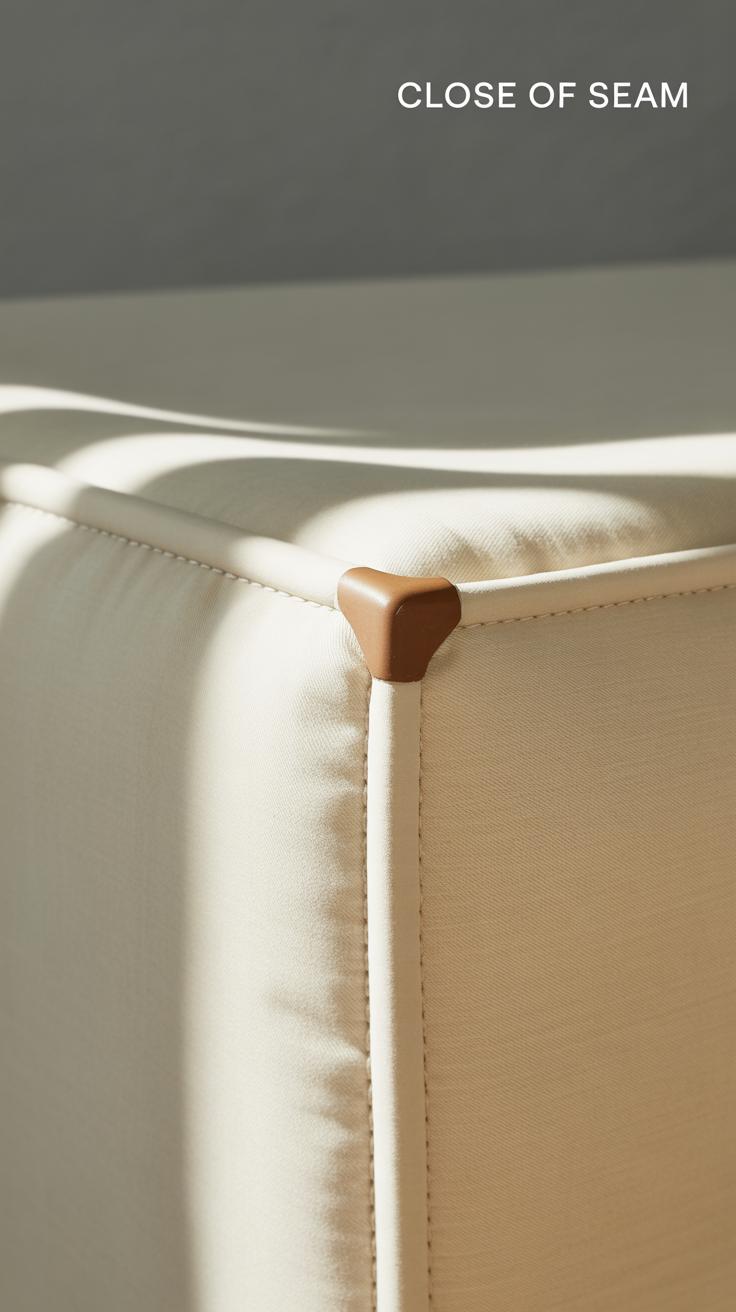
Keeping wallpaper looking fresh can be trickier than it seems. You might think once it’s up, it’s done—but walls get dusty, sticky fingerprints happen, and sunlight fades patterns over time. The best approach is gentle care paired with knowing your wallpaper type. For most vinyl or washable wallpapers, wiping with a damp sponge or cloth works fine. Avoid soaking the wall, though; too much water can loosen glue or warp paper. For non-washable or delicate papers, try a soft brush or a dry microfiber cloth instead—quick, light strokes to remove dust without smudging or tearing.
Spot cleaning can solve early stains: mix mild soap with water, test on a hidden area, then dab gently with a cloth. Rubbing can cause smears, so patience is key here. Some wallpapers, especially textured or fabric-backed ones, might need professional cleaning if heavily stained.
But when should you call it quits? You may notice peeling edges, bubbling, or discoloration from sun damage. Also, if mold appears, that’s a serious signal to replace—cleaning won’t fix that long term. If patterns have faded so much the wallpaper looks worn out, or if sections start cracking or tearing, those are clear signs your walls need a refresh. It’s easy to hold on to wallpaper longer than you should because undoing it sounds like a hassle. Yet, replacing tired wallpaper often gives your entire room a new vibe—sometimes more than tweaking furniture does.
Where to Find Trending Wallpapers
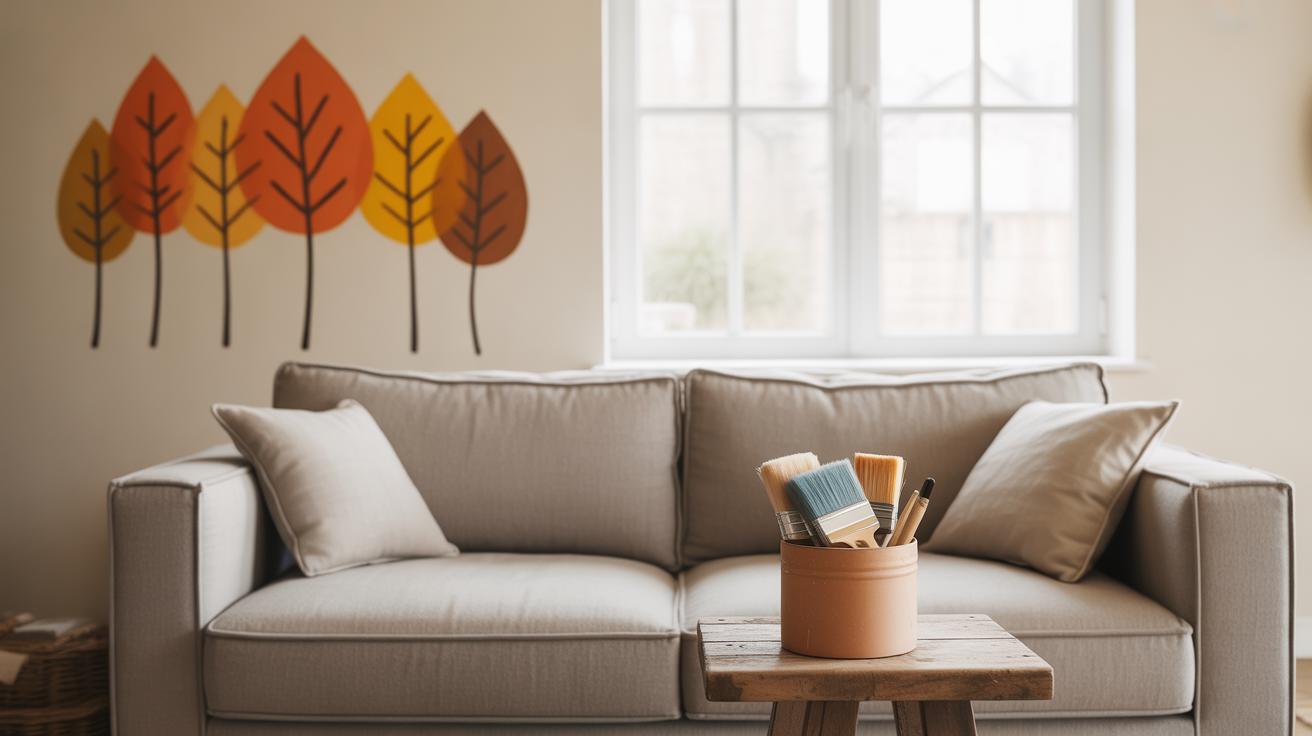
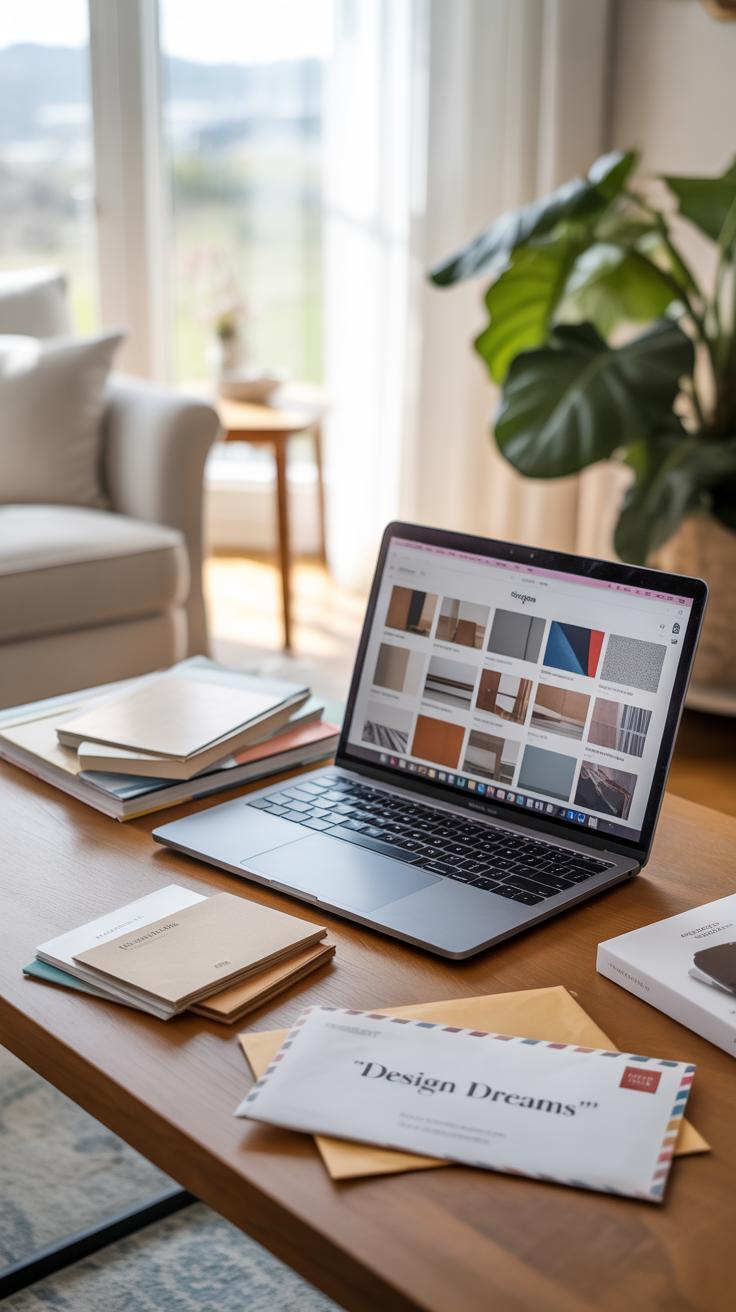
Finding the right wallpaper can be a bit overwhelming with so many options out there. Online shops and local stores both offer unique advantages, and exploring both can help you discover styles that truly resonate with your space. Before committing, it’s usually smart to order samples or stop by a showroom to see the colors and textures up close—pictures don’t always tell the full story.
Shopping Online for Wallpapers
Online shopping for wallpaper gives you access to a vast selection. From bold patterns to subtle textures, you can scroll through hundreds of options without moving from your couch. Reading product details and customer reviews helps clarify what you’re getting—sometimes reviews reveal if a color runs off, or if the texture’s different than expected. Still, there’s a chance that the wallpaper looks slightly different once it arrives, so ordering a sample first can save potential headaches.
Local Stores and Showrooms
Buying wallpaper in person allows you to feel the material and see how the colors react under different lighting. Local stores often have displays or sample books that you can touch and study in detail. It might feel old-fashioned, but walking through aisles can spark ideas that don’t come through on a screen. Plus, you can ask immediate questions and get advice from sales staff who know what’s popular or practical. On the flip side, selection can be limited, but sometimes that’s good—it narrows your choices and prevents decision fatigue.
Conclusions
Trending wallpapers provide an accessible and impactful way to refresh your room’s appearance. By understanding current styles and selecting patterns that suit your space, you can personalize your home easily. Wallpapers not only add color but also texture and character to walls.
When you choose wallpaper thoughtfully and follow good application practices, you transform your room with minimal effort. Explore the design options, consider your needs, and enjoy the quick transformation that trending wallpapers offer to your home environment.