

Introduction
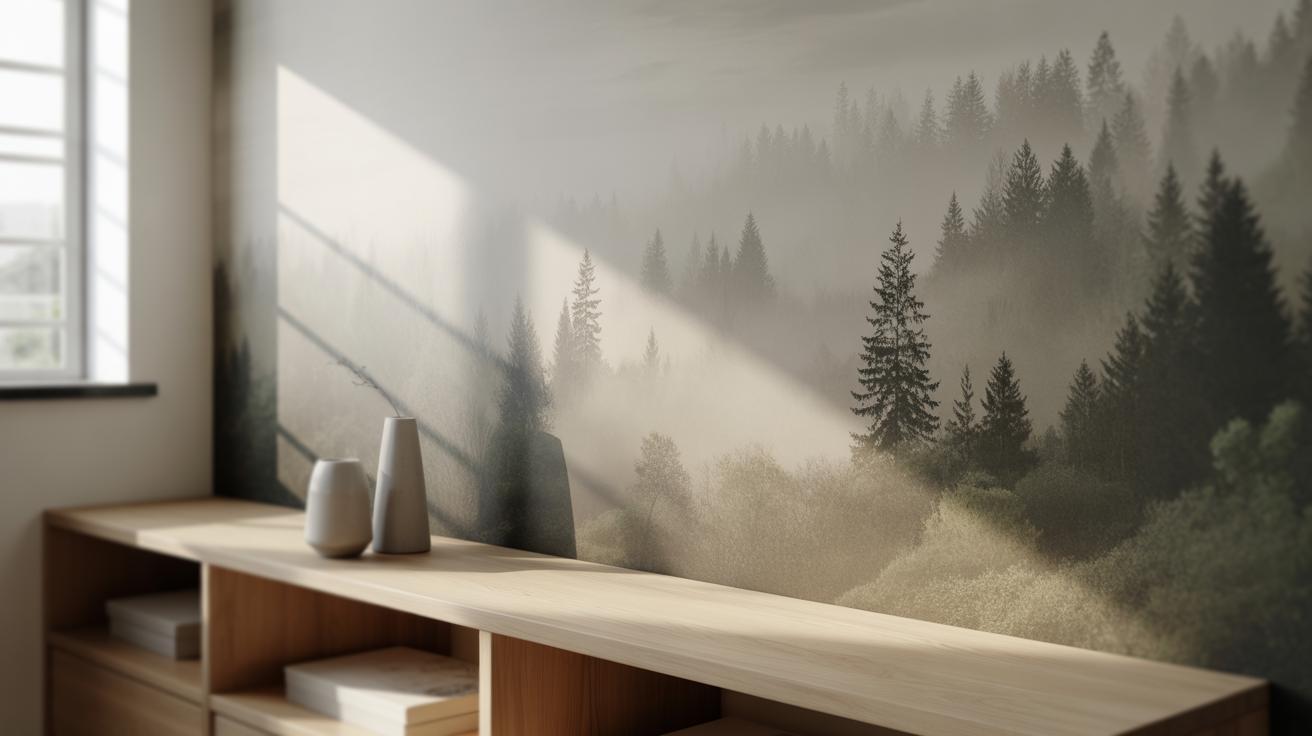
Tree wallpaper offers a unique way to bring the beauty of nature inside your home. Nature lovers often seek ways to feel closer to the outdoors, and a tree wallpaper feature wall is a perfect solution. This article explores different ideas and tips for selecting and using tree wallpaper to create striking feature walls in your living spaces. You will discover how various designs can transform a room and evoke a calm, natural atmosphere.
Whether you prefer bold and colorful tree patterns or soft, subtle designs, there is a wallpaper style to fit your taste and space. We will look at practical advice on choosing the best wallpaper and creative ways to install it. This guide aims to help you bring the outdoors into your home in a fresh and stylish way.
Why Choose Tree Wallpaper For Your Home
Tree wallpaper offers a way to bring a touch of the outdoors inside without needing a green thumb or a backyard. There’s something calming about having images of trees around you—they seem to quiet the mind in a subtle, almost unconscious way. For many, it’s more than decoration; it’s a gentle reminder of open spaces and fresh air, even on days spent entirely indoors.
For nature lovers, tree wallpaper can feel like a small escape or a connection to something larger. It’s not just about aesthetics but about creating a mood that feels peaceful, grounding, and a bit refreshing. Bedrooms, living rooms, or study areas can all benefit from this sort of atmosphere, especially if the walls seem a bit too stark or impersonal.
Here are a few ways tree wallpaper affects your home and mindset:
- It softens harsh lines and makes rooms feel warmer and more inviting. You may notice how natural shapes reduce tension in the eye.
- The presence of trees visually expands space, offering a feeling of depth that otherwise blank walls lack.
- There’s an almost primal comfort in tree imagery, which might explain why many people report feeling less stressed around it.
- For people who live in urban areas with limited access to parks or forests, tree wallpaper offers a vital connection to nature many crave.
- It can inspire curiosity about the natural world, reminding you of walks taken or places you’d like to visit.
So, why choose tree wallpaper? It goes beyond style or trend—it can influence your mood and help you feel a little less disconnected from nature, even on dreary or busy days. Have you noticed how just looking at trees can sometimes make your breathing ease, even if you’re inside? Tree wallpaper invites that experience right to your walls.
Types Of Tree Wallpaper Designs

When it comes to tree wallpaper, you’ll find quite a variety of styles that can fit different tastes and spaces. Some wallpapers look so genuine, you might almost expect to feel the rough bark or hear leaves rustling. These realistic images capture the fine details—the texture of leaves, the play of light on branches, or the subtle color shifts in the wood. They often resemble photographs or finely-done paintings, lending a sense of authenticity that makes you feel closer to nature. If you want a space that feels like a window into a forest, these designs do a great job.
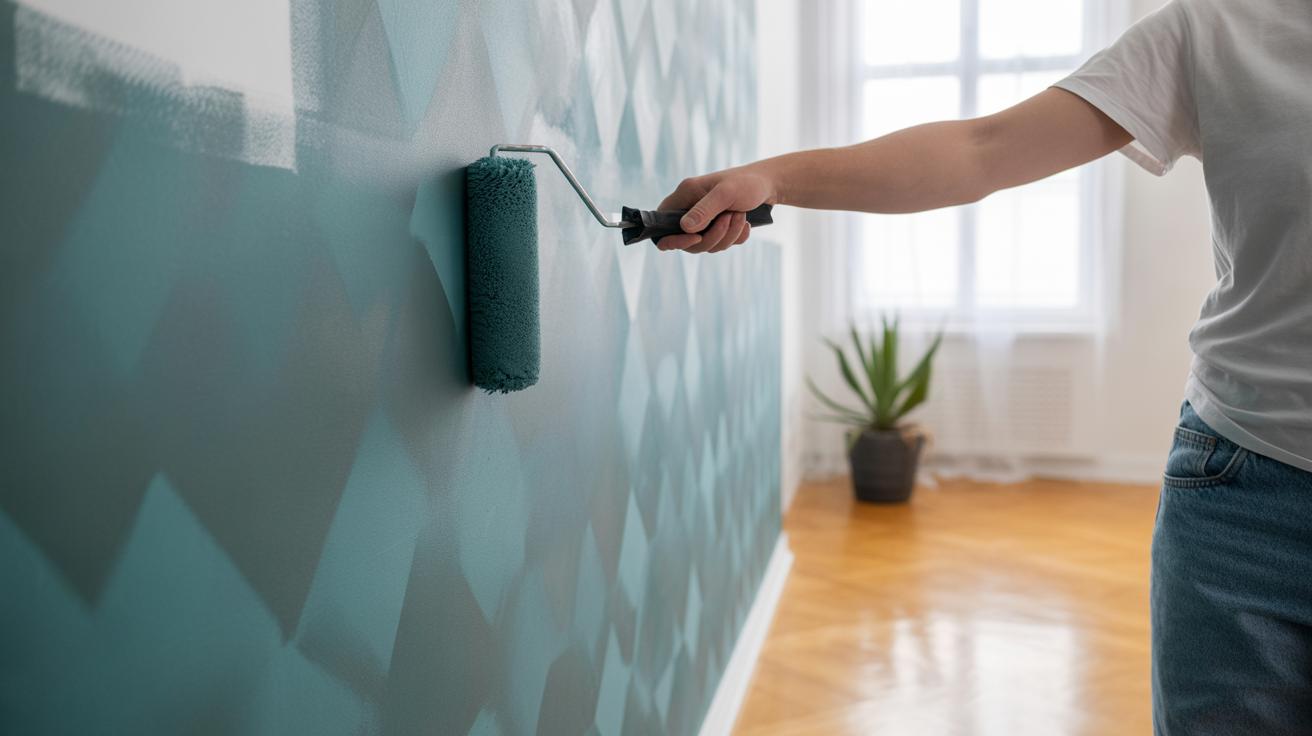
On the other hand, there are stylized and abstract tree wallpapers. These go beyond the literal. Instead of aiming for exactness, they focus on form, color, and mood. Sometimes you’ll find simple outlines of trees, or patterns inspired by branches and leaves, rendered in bold colors or geometric shapes. These can suit more modern or minimalist interiors, where the goal is to suggest nature without overwhelming the room. They tend to be more playful or artistic, which can make a space feel fresh or even a bit unexpected.
Choosing between realistic and abstract isn’t always straightforward. A realistic tree wallpaper might bring calm and familiarity, while abstract designs can spark curiosity. Your choice depends on the atmosphere you want, and perhaps even on how much “nature” you want to bring in. For some, the clearer the image, the better; for others, subtle suggestions work just fine.
How To Pick The Right Design For Your Room
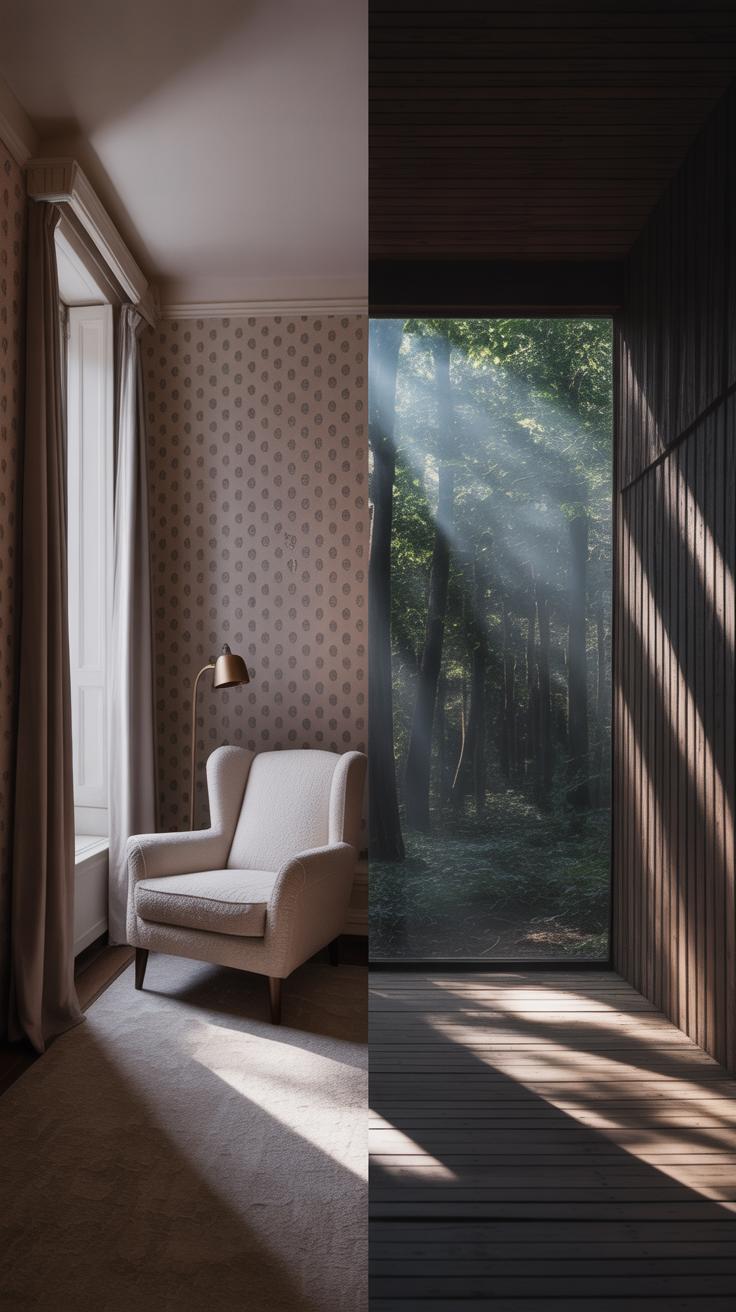
Choosing tree wallpaper isn’t just about liking a pretty pattern. Think about your room’s size, first of all. Smaller rooms can feel cramped with large, bold designs. But sometimes, that impact is exactly what you need. If your space is large, don’t shy away from grand, sweeping tree designs—they can fill emptiness and create a cozy focal point.
Lighting plays a subtle but big role. Rooms flooded with natural light can handle darker or more detailed tree wallpapers because the light softens the effect. In darker rooms, maybe lean toward lighter tones or simpler patterns so the space doesn’t feel too heavy or closed in.
And existing décor? It’s tempting to pick a wallpaper you love without thinking how it’ll clash or blend. Consider the colors of your furniture and walls. If you already have a colorful sofa or patterned rug, a busy tree wallpaper might overwhelm. But if your furniture and walls are fairly neutral, you might experiment with richer, more dramatic designs.
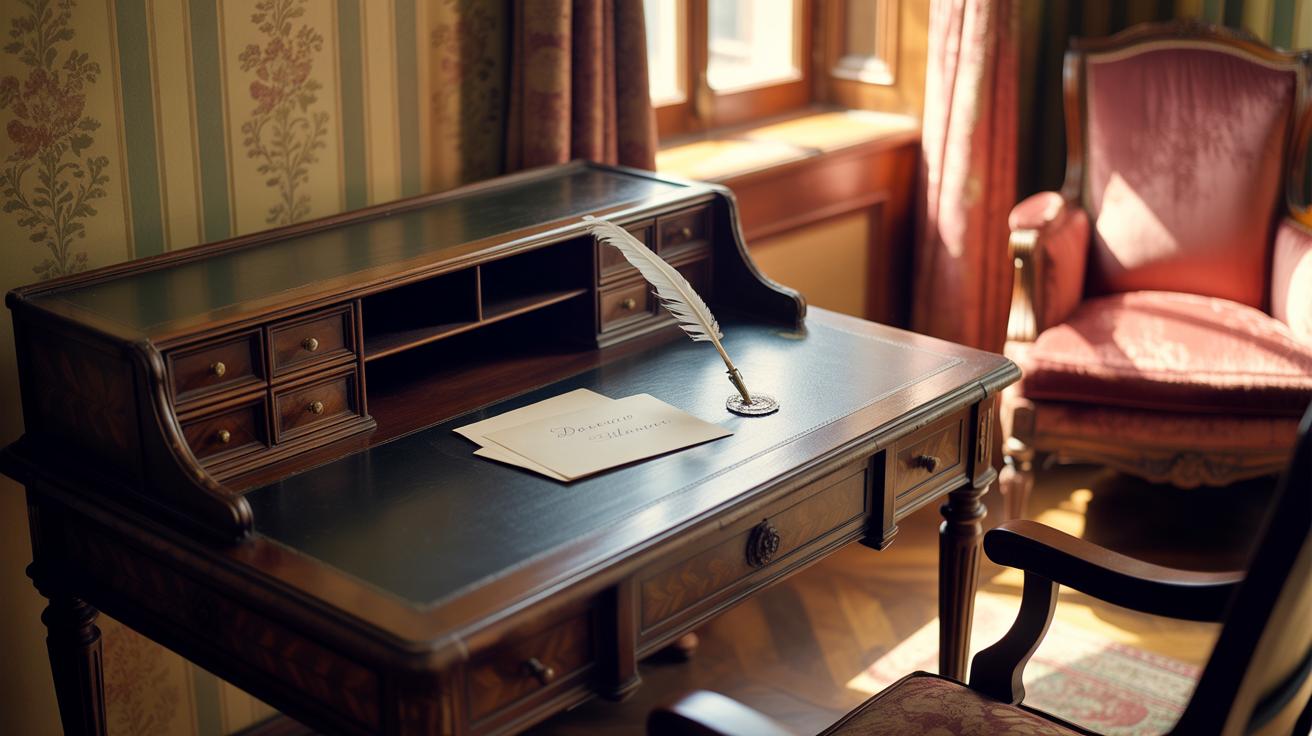
Here’s a quick checklist to help:
- Does the wallpaper’s color palette complement your furniture or compete with it?
- Is the room’s natural or artificial light enough to balance the wallpaper’s tone?
- Will the pattern’s scale suit your wall size or overwhelm the space?
- How do textures in your room (wood, fabric, metal) play with the wallpaper’s feel?
Don’t rush this decision. I once chose a detailed tree pattern that looked stunning in the store but felt too intense in my tiny office. Lesson learned—sometimes it takes a few tries to find the right match.
Matching Colors And Styles
Think of wallpaper colors as part of your room’s conversation. Earth tones often pair naturally with tree designs, but they aren’t the only option. Cool blues can create a calm forest vibe, while a splash of brighter color can add unexpected energy—if it fits your other elements.
Styles matter too. If your furniture has sleek, modern lines, a stylized or minimalist tree wallpaper might make more sense than something super realistic or detailed. Classical furniture? Maybe vintage or hand-painted-inspired tree designs suit better.
Focus on harmony rather than exact matching. Sometimes contrast can work, but ask yourself if it feels intentional or merely clashing.
Size And Scale Of Patterns
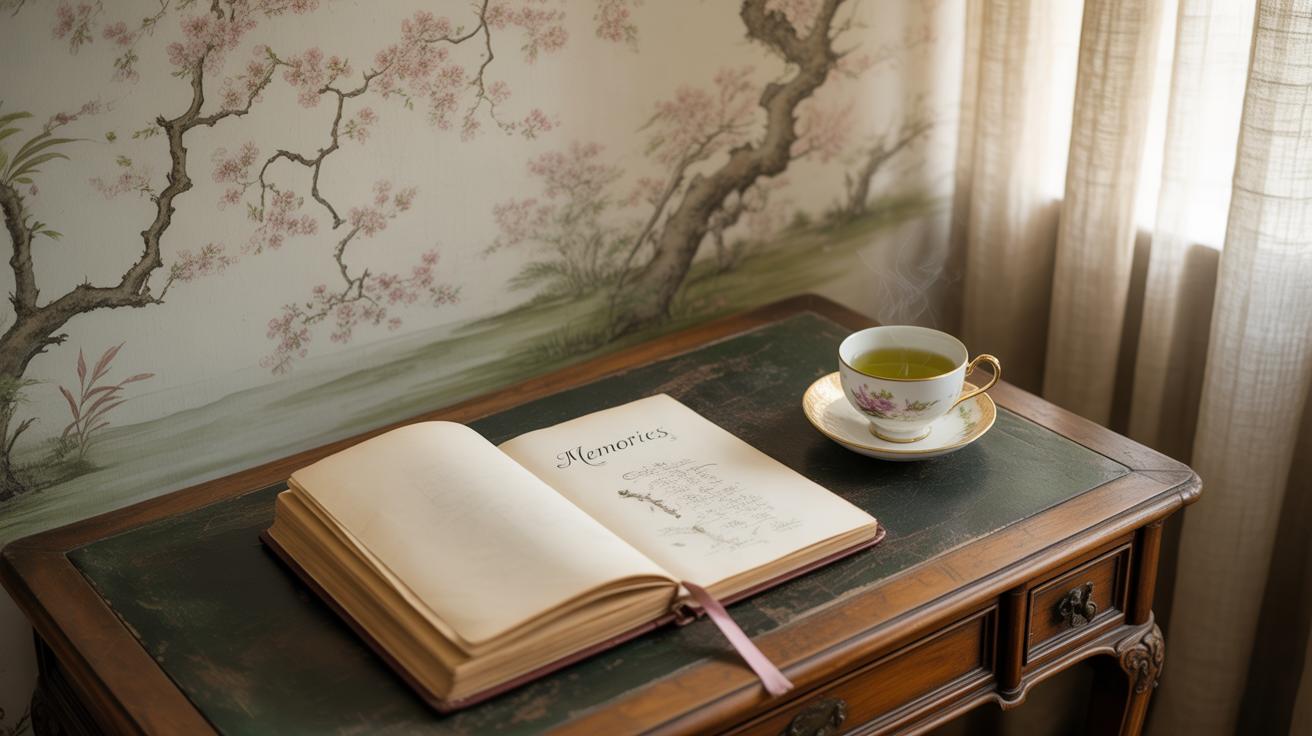
Large tree prints catch the eye but can shrink a space if overused. Smaller, denser patterns can feel repetitive or cluttered on big walls. Try this: on a big bare wall, a large, single tree or a few big branches can look breathtaking. On a small wall or nook, finer patterns or smaller trees might feel gentler and less overwhelming.
Also, bear in mind your furniture placement. A large tree behind a big sofa becomes a real focal point, but if the pattern stops abruptly or confuses the eye, it can be distracting.
In the end, picking wallpaper scale is almost an art—there’s no perfect formula. Trust your instinct, and don’t hesitate to see samples in your actual room before deciding.
Where To Use Tree Wallpaper Feature Walls
Living Rooms And Lounges
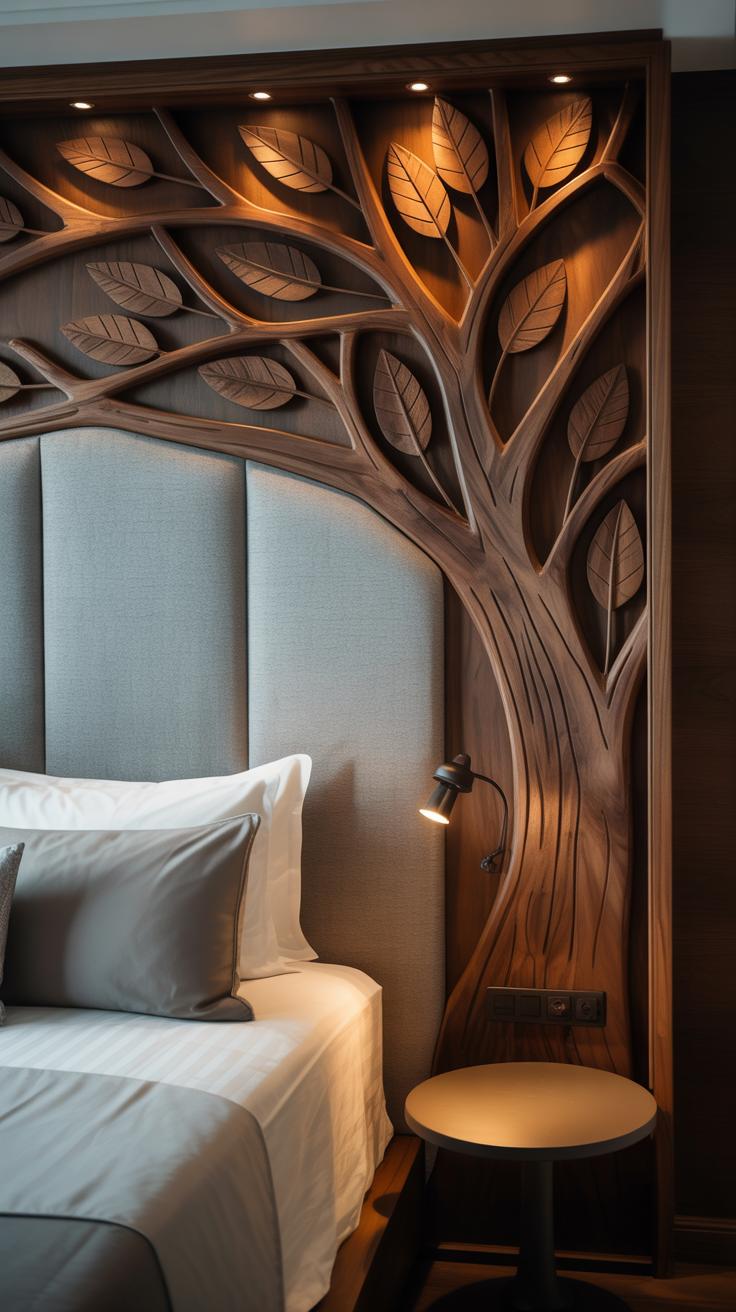
The living room often serves as the heart of the home, a place where people gather and spend time together. Using tree wallpaper here can really change the atmosphere. A feature wall covered in a bold tree design naturally draws the eye, creating a focal point without much effort. It gives the room character and makes the space feel more connected to nature. I’ve noticed that when guests walk into a living room with a tree wallpaper wall, they tend to pause and comment—that quiet moment of appreciation can be powerful.
Some might worry that such a striking design could overpower the room, but if balanced with neutral furniture and subtle décor, the wallpaper adds depth without feeling overwhelming. The texture and layers in tree patterns offer a visual softness that contrasts well with modern furnishings or minimalist setups.
Bedrooms And Relaxation Areas
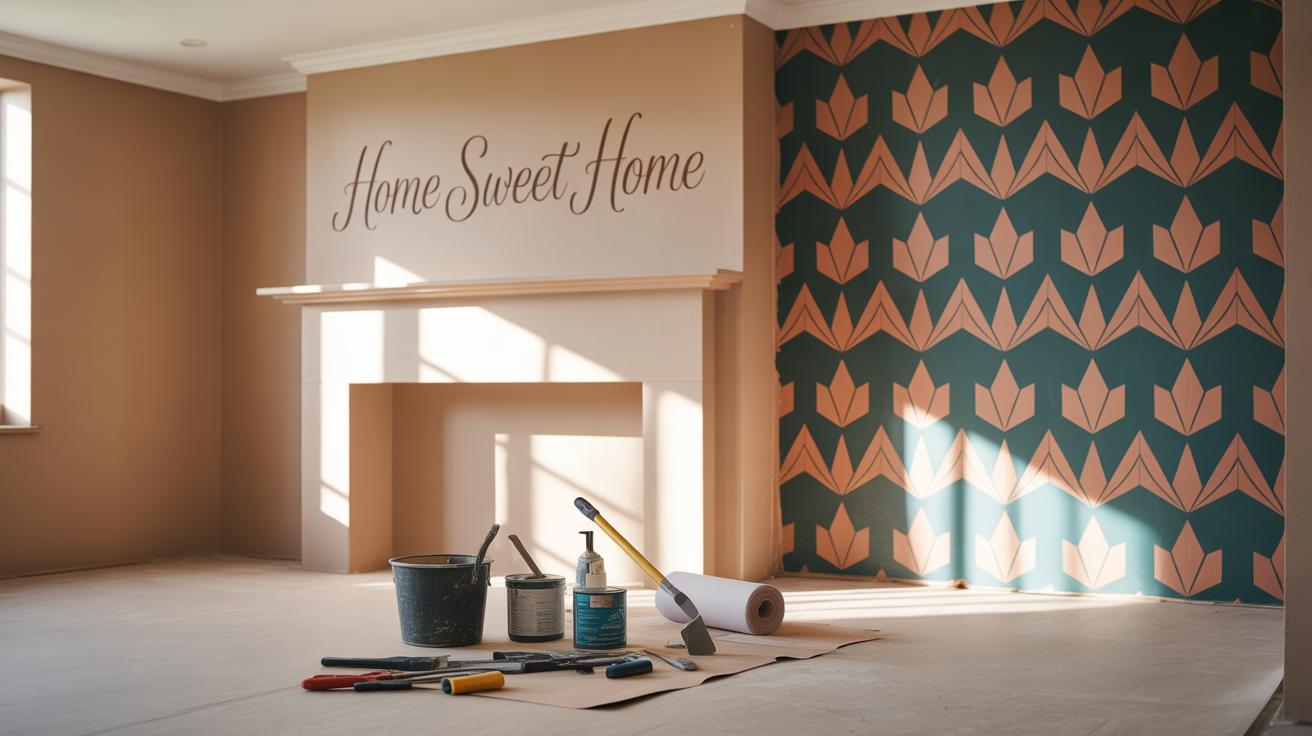
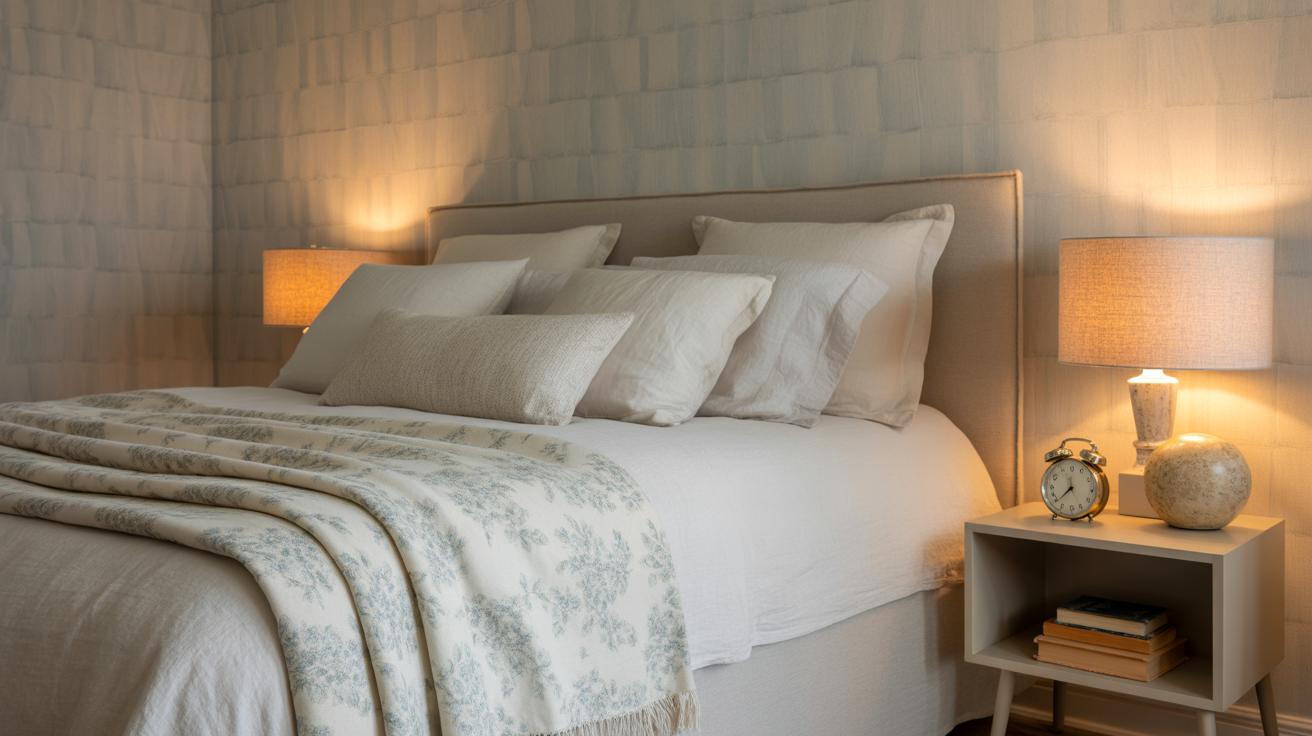
Bedrooms need to feel calm and restful, right? Tree wallpaper can gently support that mood, especially when you choose muted colors or more abstract, delicate designs. Imagine waking up to a soft canopy of leaves or branches—it’s like bringing a little piece of the outdoors inside, helping your mind to settle.
Some might argue that detailed patterns could distract, but when used thoughtfully on a single wall behind the bed or a reading nook, the wallpaper encourages relaxation instead of stimulation. A friend of mine used a subtle pine forest print in her bedroom and told me it somehow made her feel less stressed, even on busy mornings.
It’s worth considering the size of your space too. In smaller rooms, a calming tree design can open up the feeling of space, but you might want to avoid overly dark or dense patterns that could make the room feel closed in.
Hallways
Hallways often get overlooked in decorating, yet they’re a perfect place for tree wallpaper if you want to surprise visitors or make a mundane passage feel special. Narrow spaces can benefit from vertical tree trunks or slender branches, which can subtly guide the eye forward and add interest without crowding the space.
Of course, because hallways usually have less natural light, choosing lighter colors for your tree wallpaper can prevent the area from feeling too enclosed. I’ve found that even a short stretch of hallway covered in tree wallpaper can offer a brief but refreshing reminder of nature, just before stepping into other rooms.
Installing Tree Wallpaper On Feature Walls
Wall Preparation
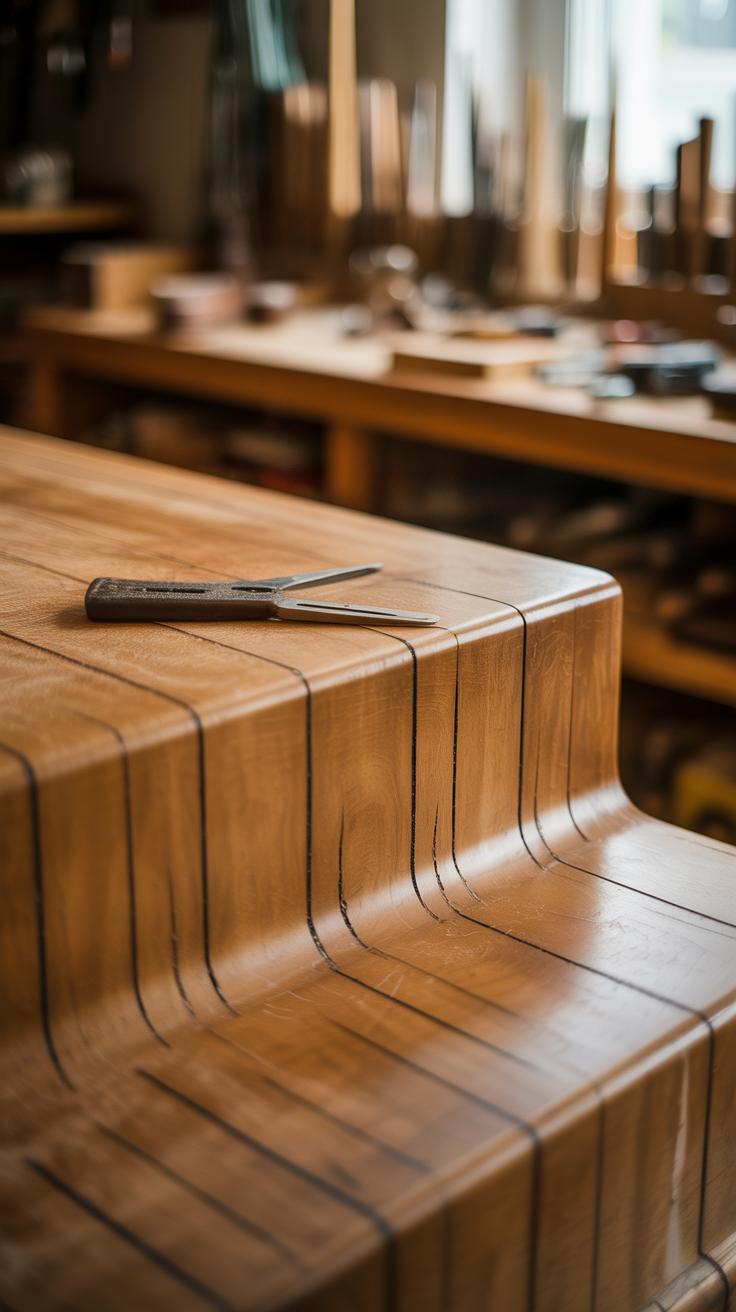
Before you dive into hanging your tree wallpaper, there’s some groundwork that can’t be skipped. Start by cleaning the wall thoroughly. Dust, dirt, or grease—any of these can stop the wallpaper from sticking properly. A simple wipe with a damp cloth usually does the trick, but if the wall has stains, a mild detergent solution might be needed. Just be careful not to leave it too wet.
Next, take a moment to examine the surface. Is it rough, uneven, or chipped? You’ll want a smooth finish since any bumps or holes will become obvious once the wallpaper’s up. Fill those imperfections with a suitable filler and sand them down once dry. Sometimes, old wallpaper residues or paint peeling off create trouble spots, so scraping these off helps avoid bumps later.
If your wall is newly plastered, it might be a bit dusty or porous. Applying a primer or sizing helps the wallpaper paste stick better and prevents the wallpaper from bubbling later. This step feels tedious, but trust me, skipping it can cause headaches down the line.
Hanging The Wallpaper
Tree wallpaper, especially with detailed branches and leaves, demands precise pattern matching. Start by measuring and marking a vertical plumb line on your wall—this keeps the first strip straight. An off-angle start, even by a bit, throws off the entire design. I’ve learned that the hard way.
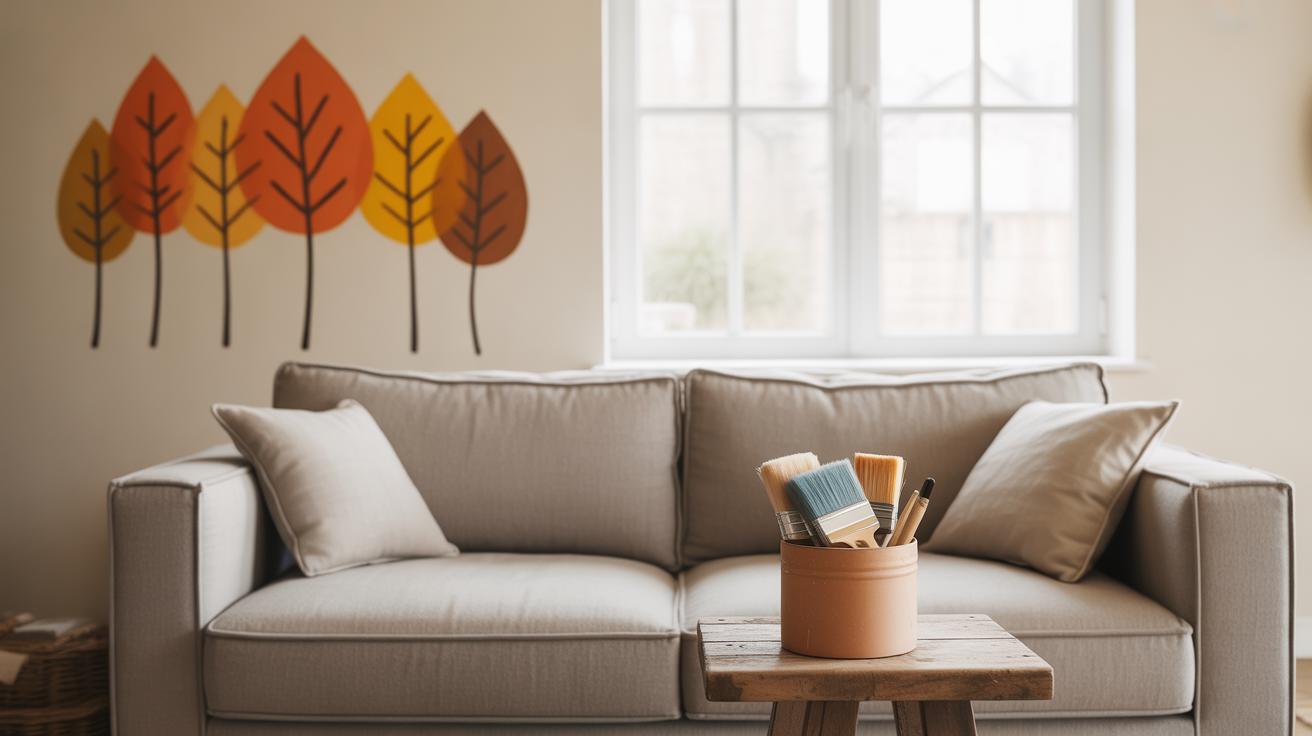
When applying paste (if your wallpaper isn’t self-adhesive), spread it evenly. Too much paste leads to dripping and mess, while too little means poor adhesion. Follow the manufacturer’s instructions carefully, because botanical prints can be unforgiving if they start peeling.
Hang the first strip along the plumb line, letting the paper gently expand or contract as needed. Use a wallpaper brush or smoothing tool—do this slowly to push out air bubbles and avoid wrinkles. Take extra care at the seams where patterns need to line up, especially with tree trunks or branches crossing between strips.
Cut excess wallpaper neatly at edges and corners with a sharp blade. Don’t rush—precision here prevents unsightly tears or mismatches. And yes, it might seem tedious, but patience pays off with a seamless look that really brings the outdoors inside.
Combining Tree Wallpaper With Other Decorations
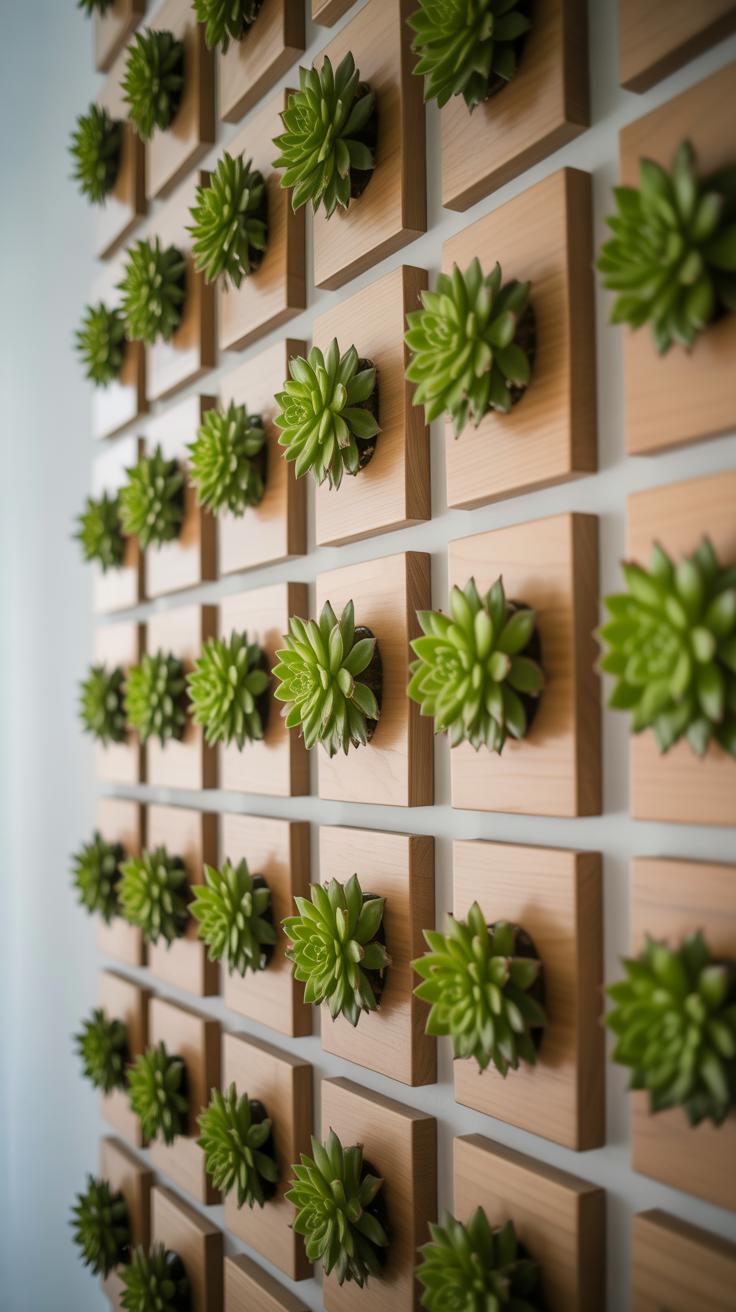
When working with tree wallpaper, finding the right balance with furniture and accessories can feel tricky. You don’t want to overshadow the wallpaper’s natural vibe, but you also don’t want your room to look too plain or mismatched. I find that furniture with simple lines works best—think wooden pieces in light or medium tones, maybe a bit rustic but not overly carved or ornate. Cleaner designs tend to echo the calmness of tree motifs without cluttering the space.
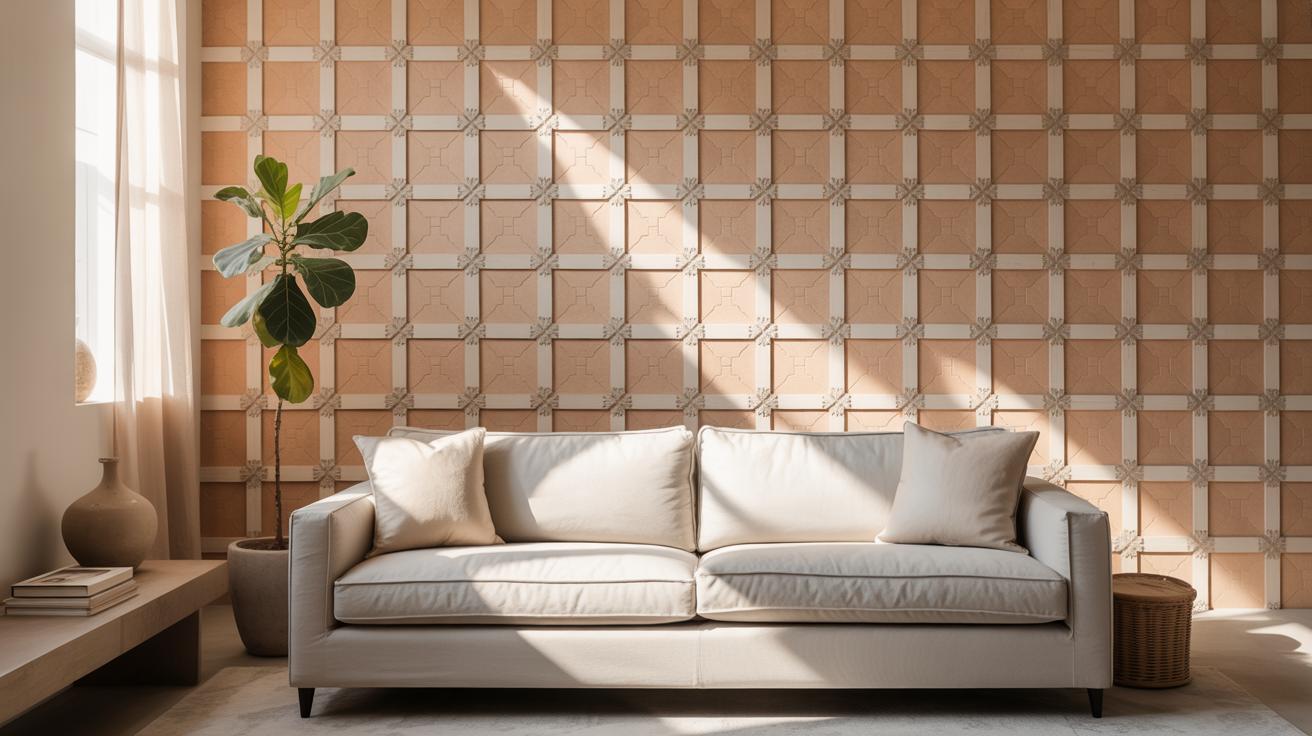
For example, a simple oak coffee table or a rattan chair can complement the natural theme without making the room feel busy. On the other hand, very dark or ultra-modern furniture can sometimes clash, though sometimes, that contrast might be interesting if done thoughtfully. It’s a bit like a conversation between styles—some can work, others might just interrupt.
When it comes to art and accessories, I suggest choosing items that subtly reflect the outdoors without competing with your wallpaper. Botanical prints or minimalist landscapes, framed in natural wood or matte black frames, seem to fit well. Avoid too many colors or flashy metals; instead, go for soft earth tones or muted greens. Decorative items like woven baskets, textured cushions, or stoneware vases add depth without shouting over the wallpaper’s presence.
It’s tempting to go all-in and fill the room with tree or leaf motifs everywhere, but a little restraint can keep your space feeling calm. You might find that a couple of well-chosen accents create a more relaxed, lived-in vibe, rather than a curated forest scene. Have you ever noticed how sometimes, less really can feel like more?
Using Color To Enhance Tree Wallpaper
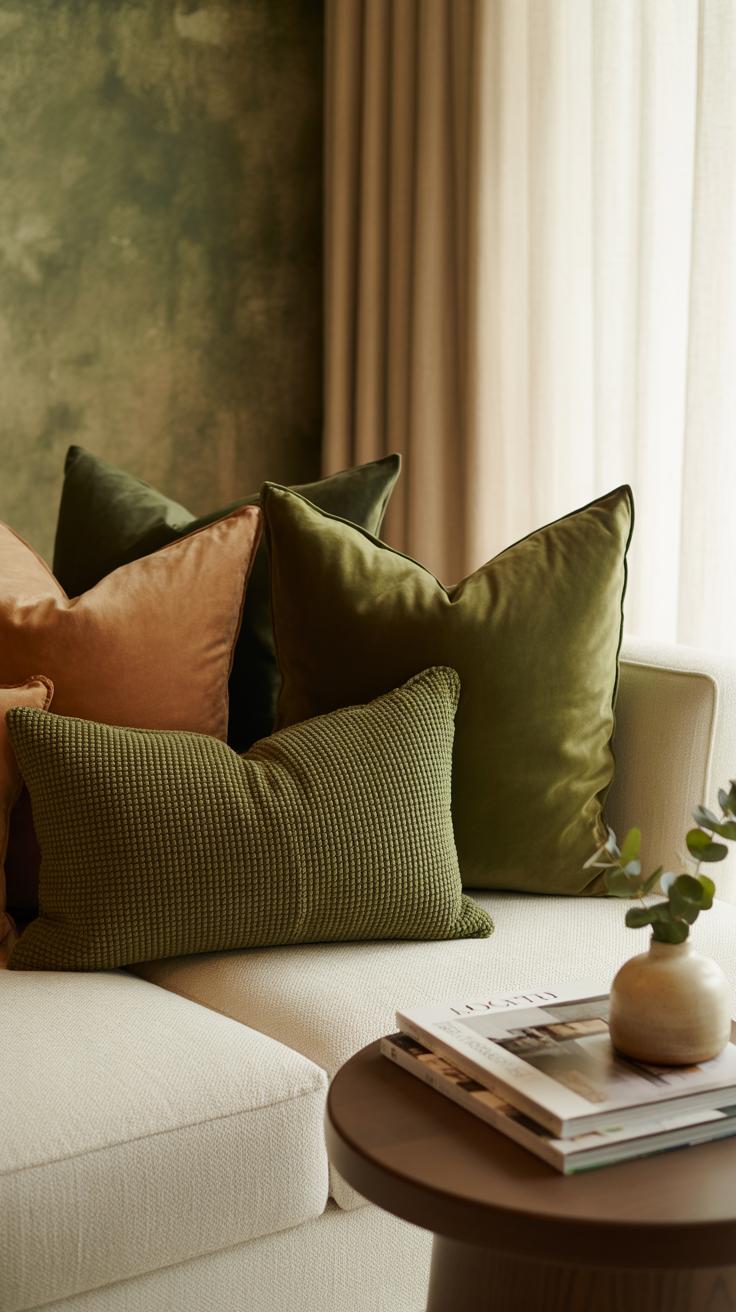
Color theory can feel a bit complex at first, but it’s really about how colors affect each other and the space around them. When you’re working with tree wallpaper, the colors in both the wallpaper and the room interact to shape the atmosphere, often in subtle ways you might not notice right away.
Think of primary color relationships, like complementary colors sitting opposite each other on the wheel. For example, if your wallpaper has deep green leaves, touches of red—maybe in cushions or a vase—can make those greens pop. But using too much contrast can feel jarring, so balance is key.
Some people prefer colors that match the tones in the wallpaper, which builds a calm, unified environment. Picture a soft beige wall paired with wallpaper showcasing birch trees with light gray bark; that low-contrast look feels soothing and understated. On the other hand, brighter or darker colors can add drama, but you might need to be more intentional about placement so your room doesn’t feel chaotic or cramped.
Colors aren’t just about looks—they shape how you feel in a room. Cool tones like blues and greens tend to relax you, which fits well with calming forest scenes. Warmer tones like ochre or rust can bring energy and warmth but might clash if your wallpaper is more serene. Sometimes, mixing moods works too; placing a lively rug near a tranquil wallpaper can add unexpected interest.
Have you noticed how a faint blush on the walls can soften a woodland scene or how a navy accent can deepen the mystery of your tree design? Experimenting with these color choices is more art than science—and often personal taste guides you more than strict rules. So, maybe try a few swatches, live with them for a bit, and see how your room’s personality shifts over time.
Tree Wallpaper Trends And Timeless Styles
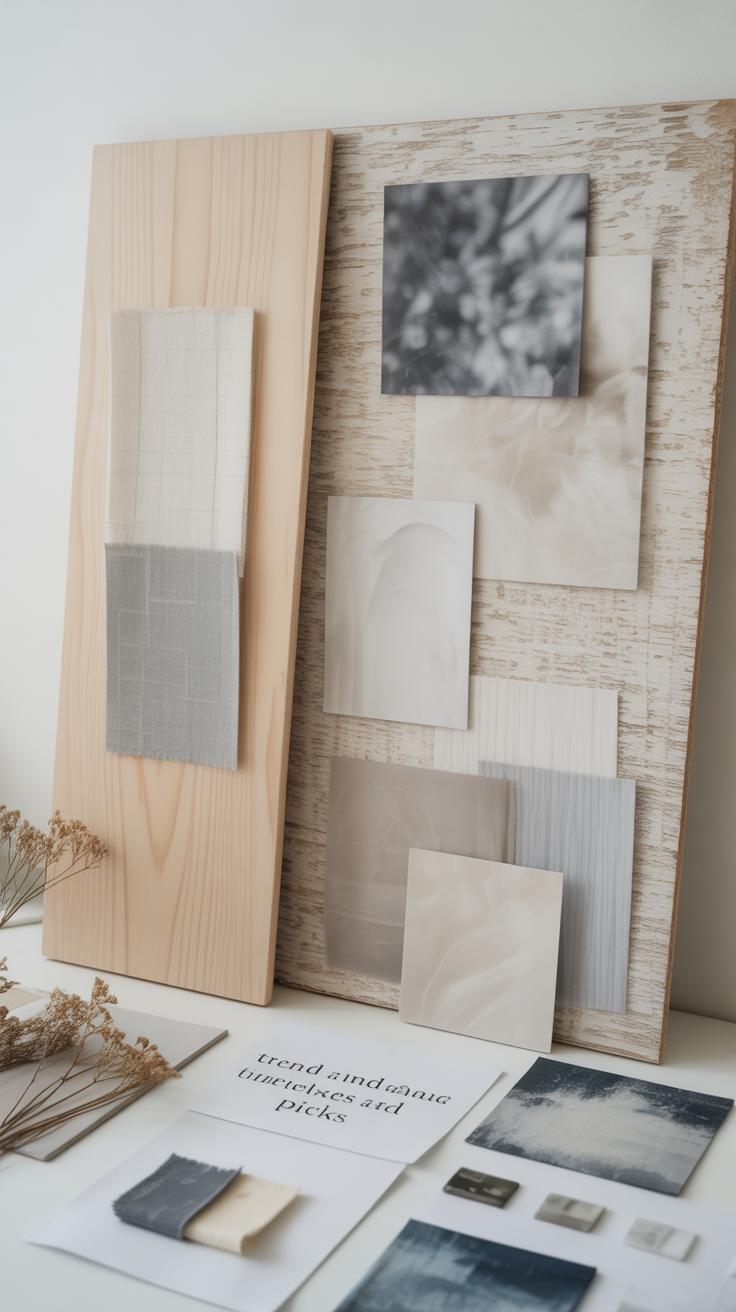
Modern Tree Patterns
Right now, tree wallpaper leans toward minimalist and abstract designs. You see a lot of delicate branches sketched with thin lines against soft, neutral backgrounds. It’s almost like the trees are whispering rather than shouting. Some patterns play with geometric shapes merged with tree silhouettes, creating a fresh, almost futuristic look.
Then there are bold motifs that don’t try to be subtle—oversized leaves or trunks in vibrant colors fill entire walls, making a strong statement. Think about huge, graphic trees in dark greens or even blues, set on contrasting backdrops. It’s interesting how these modern styles can shift the mood of a room instantly, whether by calming you or energizing the space.
What’s tricky is that these designs can feel a bit cold sometimes, so pairing them with softer textures works well. You might wonder, are these patterns truly lasting? Hard to say, but they definitely feel “of the moment.”
Classic And Vintage Tree Wallpapers
Some tree wallpapers don’t ever age. Patterns inspired by 19th-century nature prints or Japanese woodblock art still draw attention. You’ll often find richly detailed branches, leaves, and blossoms rendered with fine lines or delicate watercolor effects. These have a nostalgic charm, like walking into a historic library or countryside home.
Floral and tree motifs from vintage wallpaper catalogs keep resurfacing, usually in muted palettes like mossy greens, burnt sienna, or soft taupes. They tend to carry a story, a comfort—perhaps because they remind us of nature’s consistency. You might find yourself drawn to one because it feels familiar, even if you’re not quite sure why.
Some classic designs highlight seasonal changes—spring blooms or autumn leaves—which can bring subtle rhythm to your room. These timeless patterns seem less about trend and more about lasting beauty. They don’t scream for attention but instead invite you to linger, look closer, maybe even touch the wallpaper. Do you prefer wallpapers that feel rooted in the past or something freshly modern?
BudgetFriendly Tree Wallpaper Options
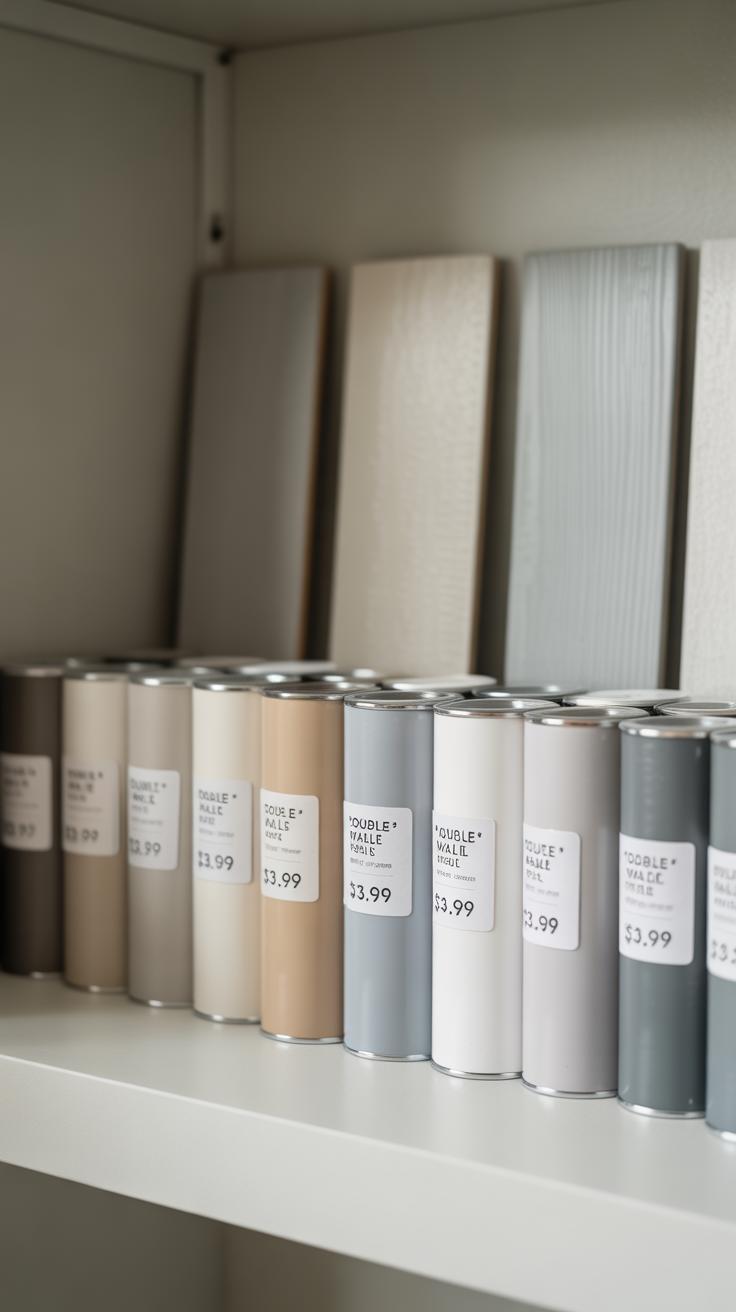
Choosing tree wallpaper doesn’t have to mean breaking the bank. If you’re on a budget but still want that natural vibe, vinyl and peel-and-stick wallpapers offer some of the best value out there. These materials are not only affordable but also practical. Vinyl is durable and easy to wipe down, which makes it great if you’re worried about moisture or wear. Peel-and-stick is a newer option that’s become popular because you can apply it yourself without calling in a pro, which saves quite a bit.
What’s nice about peel-and-stick is you can experiment without commitment. You might try a full wall and then decide to swap it out if it doesn’t quite fit your taste. Plus, it often comes in smaller rolls, so you’re not stuck buying a huge quantity or paying for unused leftovers.
If you’re open to a little DIY, partial wallpaper coverage can be a smart move and kind of lets you play with design. Try wallpapering just a section, like behind a bed or adjacent to a reading nook. A feature strip or even tree-shaped cutouts arranged artistically on a plain wall can give you that nature feel without the expense of covering an entire room.
Sometimes I’ve found putting wallpaper on a single accent wall actually makes the space feel bigger and more interesting. It kind of forces you to focus on the pattern instead of the whole room. This way, you use less wallpaper and still make a bold statement.
Another money-saving thought: hunt for remnant rolls or samples. Some shops sell these at discounted rates, which might be perfect if you want something subtle or a small-scale design. And don’t forget online marketplaces—there are often deals if you keep an eye out, but it’s a bit of a gamble.
So, with some thought and a bit of patience, you can get tree wallpaper that looks great without over-spending. Wouldn’t it be nice to bring a touch of the outdoors inside without fuss or cost piling up? Just remember, sometimes less is more, especially when the pattern is strong.
Maintaining And Caring For Tree Wallpaper
Tree wallpaper can bring a fresh and calming vibe to any room, but like anything in your home, it needs a bit of care to stay looking good over the years. You might wonder how often to clean it or what to do if a corner starts peeling. The truth is, tree wallpaper usually holds up quite well, but gentle maintenance goes a long way.
Cleaning Tips
When it comes to cleaning, start simple. Dust the surface regularly using a soft cloth or a dry microfiber duster to avoid scratching the paper. For more stubborn spots, try a slightly damp sponge or cloth—just water usually does the trick. Harsh chemicals or scrubbing too hard can damage the print or the wallpaper’s finish, so avoid those.
It’s usually better to test your cleaning method in an inconspicuous spot before tackling a larger area. If there’s a bit of grease or grime stuck on, a mild soap diluted in water can help—but rinse quickly with a clean damp cloth after wiping.
Repairs And Touch-Ups
Peeling edges? Small nicks? These annoyances happen. Small tears or lifted corners can often be smoothed back down with wallpaper paste or clear glue. Use a small brush or even a toothpick to apply adhesive beneath the loose part, then press firmly and smooth out bumps. Weights like books on top can help it set evenly.
If there’s a small tear or missing bit, matching the pattern exactly can be tricky. Sometimes, you can patch the area with a leftover wallpaper piece by carefully trimming to fit. But honestly, if you’re unsure about DIY fixes, a professional touch-up might save you some frustration and ensure the pattern stays seamless.
Maintaining tree wallpaper isn’t complicated, but it does require attention now and then. Keeping things gentle and act quickly when issues appear really helps it stay fresh longer. So, what’s your wallpaper’s story? Is it still glowing in your space or could it use a little TLC?
Conclusions
Tree wallpaper can change the look of your room instantly. It is an excellent choice for anyone who wants to add a natural feel to their home. You can pick from many designs, colors, and sizes to suit your room and personal preference. Using tree wallpaper on a feature wall draws attention and creates a cozy space that reflects your love of nature.
With careful selection and placement, your tree wallpaper can make a strong style statement without overwhelming your room. It helps connect your indoor space with the outdoors and offers a peaceful, grounded vibe. You now have ideas and tips to start your feature wall project and enjoy the beauty of trees in your home every day.