

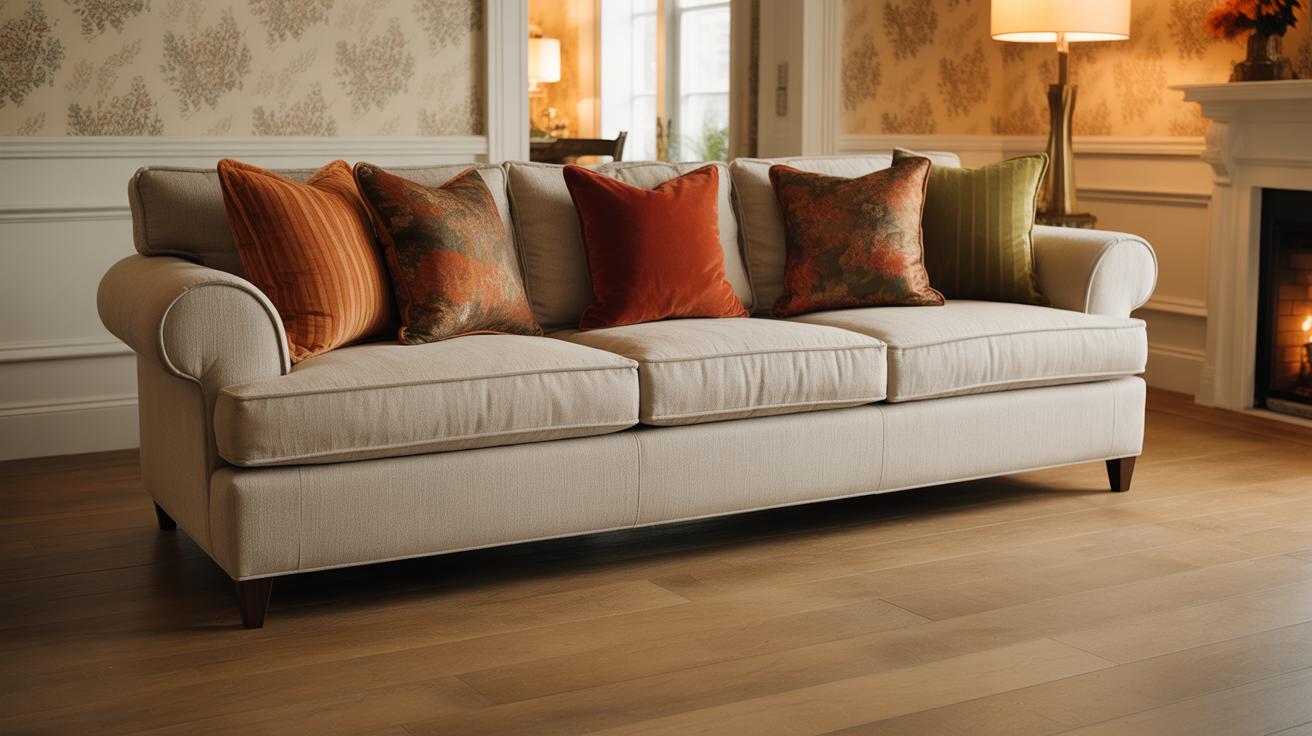
Introduction
Traditional wallpaper offers a unique way to add warmth and character to your family home. With its rich history and variety of patterns, wallpaper can make any room more inviting and comfortable. This article explores various ideas and tips on how to use traditional wallpaper to create a warm family environment.
We will look at different styles, patterns, and color choices, guiding you through the process of selecting the right wallpaper for your space. Whether you want to create a classic look or add a touch of nostalgia, these ideas will help you transform your home into a cozy retreat.
Choosing Patterns That Suit Your Home
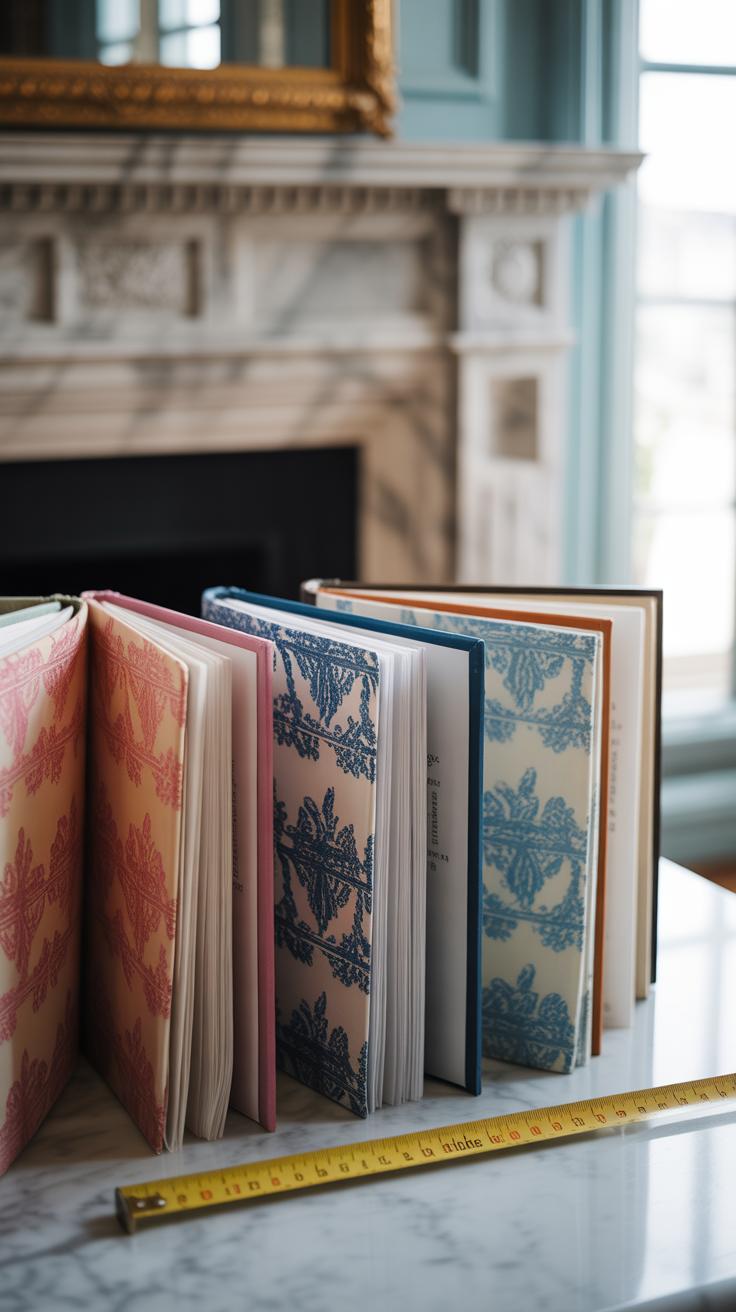
Picking the right wallpaper pattern can feel a bit overwhelming, especially when you want to create a warm, inviting space for your family. But I think starting with classic floral and damask designs is usually a safe bet. These patterns have a history of wrapping rooms in a cozy, lived-in feel—almost like they carry a sense of tradition and familiarity.
Floral patterns often bring a gentle softness to spaces like living rooms or bedrooms, making them feel calm and welcoming. Damask, on the other hand, tends to introduce a richer, more elegant vibe, which works well in dining rooms or even formal sitting areas. They’re timeless choices that don’t scream for attention but quietly settle into the background, making everyone feel comfortable.
Stripes and geometric patterns, which are also traditional but a bit less ornate, offer a different kind of charm. Stripes, for example, can subtly lengthen hallways or add height to a room, without feeling too busy. Geometric shapes—think simple interlocking tiles or understated chevrons—give a bit of structure and interest without overwhelming a space. They’re perfect in family rooms where you want a lively, yet balanced atmosphere.
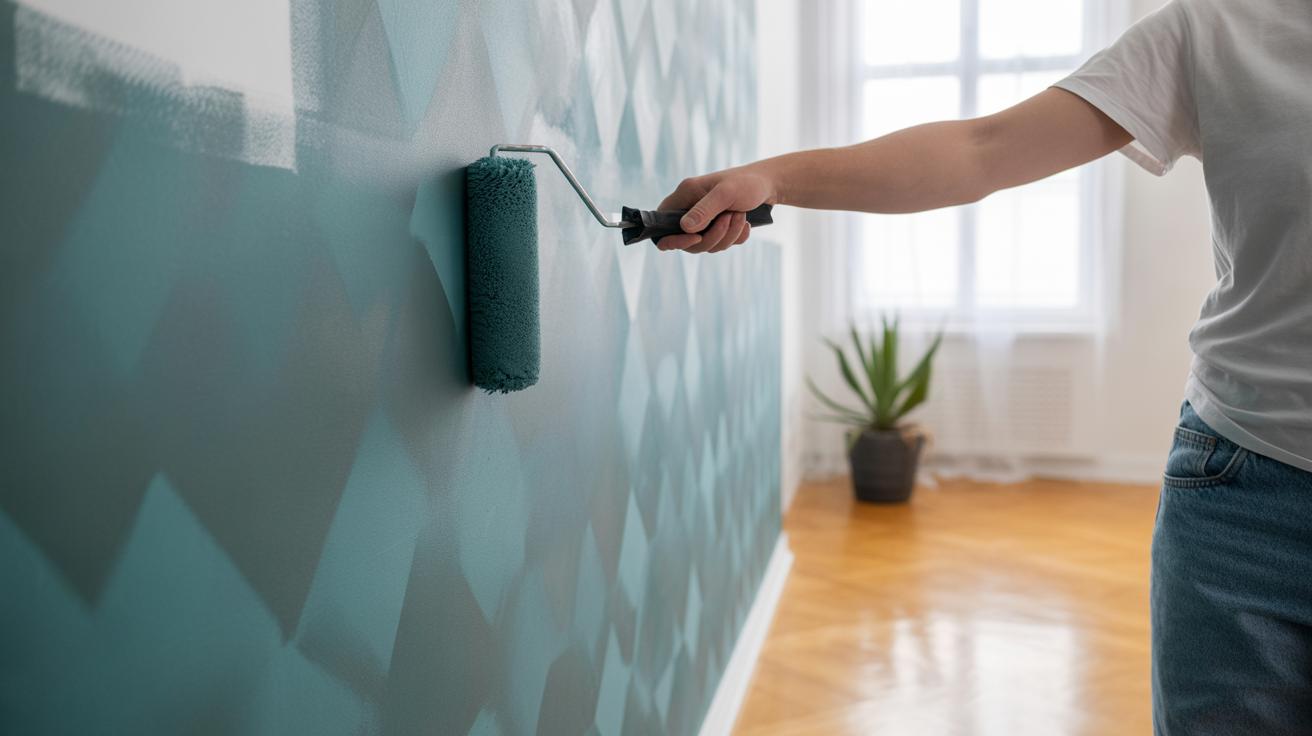
What’s interesting is how these patterns play with light and scale. A bold damask might dominate a small room, but the same pattern feels perfectly balanced in a larger dining room. Stripes can calm a messy corner or energize a hallway, depending on their color and width. Have you noticed how sometimes a pattern that seems too much on paper feels just right once it’s up on the wall? It’s a mix of instinct and experimentation, really.
When choosing, ask yourself: Which room needs warmth and softness? Which one could benefit from a bit of structure or rhythm? Sometimes that answer isn’t clear right away. Maybe pick a few samples, live with them on the walls, and see how they grow with the room throughout the day. It’s not always about picking the most elaborate pattern, but about what makes your family space feel like home.
Selecting Colors for a Warm Ambiance
Warm Earth Tones
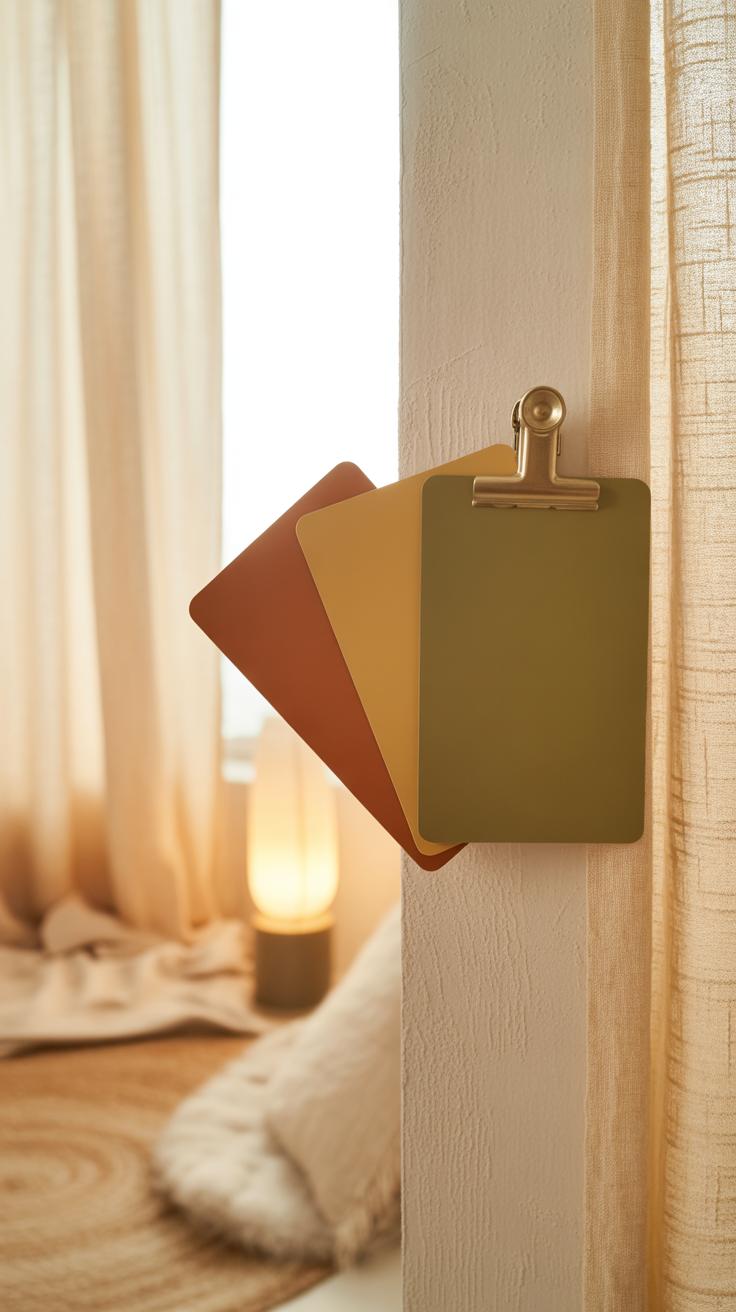
Colors like browns, reds, and yellows have a natural way of making a space feel cozy—almost as if they invite you to stay a little longer. These warm tones come from the earth itself, and their richness can ground a room, creating a sense of safety and comfort. When paired with traditional wallpaper patterns like damasks or florals, they add depth without overwhelming the senses.
Think about deep terracotta reds or muted mustard yellows layered with intricate wallpaper designs. These combinations tend to age well and bring a quiet warmth that can soften a chilly corner. But don’t let the intensity scare you off; balance is key. If your wallpaper features reds, try introducing softer browns on trim or furniture to mellow the look. Sometimes, mixing these tones unevenly can add just the right amount of character—it’s not always about matching perfectly.
Soft Neutrals and Pastels
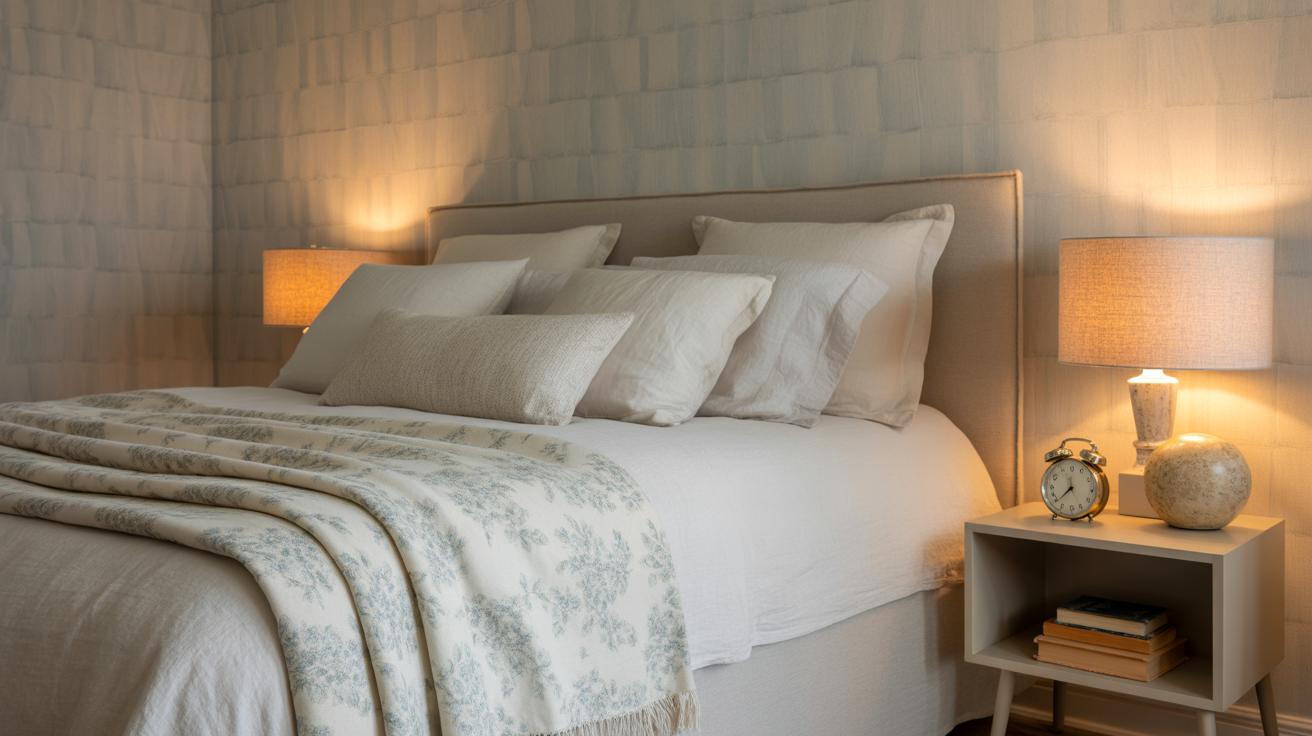
On the flip side, soft neutrals and pastels—creams, pale blues, gentle greens—work differently. They soften spaces, while still supporting the traditional patterns that might feel too busy or bold otherwise. When wallpaper has a complex pattern, these colors can calm the eye, making the room feel open but still inviting.
For example, a floral wallpaper in dusty rose or light beige can be paired with pastel walls, bringing warmth without cluttering the space. Using these tones might challenge the idea that warmth needs to be heavy or dark. Sometimes, lighter hues can feel just as comfortable, especially if you layer textures throughout the room. The key is in maintaining balance, not draining the color to dullness.
Matching Wallpaper with Furniture and Decor
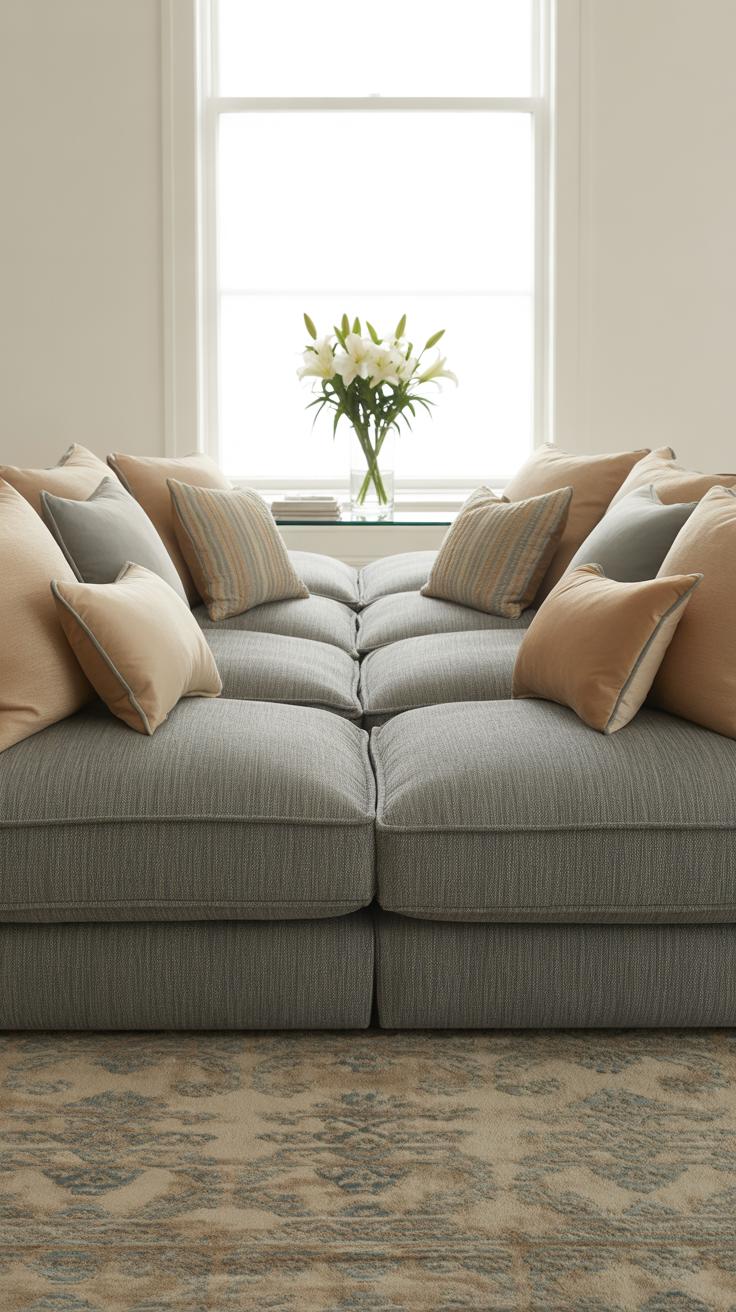
Pairing traditional wallpaper with your existing furniture and decor can feel tricky at first. You want the room to feel warm and inviting, not cluttered or clashing. Wood furniture, especially, tends to work well with classic wallpaper patterns. Think of those rich oak or walnut tones alongside florals or damasks; they naturally complement each other. Vintage pieces add character too, but mixing styles requires a bit of care.
Try these ideas to keep things balanced:
- Match the wallpaper’s undertones with the wood finish—warm yellow hues in wallpaper look lovely against cherry wood, while cooler greens or blues can bring out gray stains.
- If your furniture is ornate, choose wallpaper with subtler patterns so neither takes over the room.
- For simpler furniture, a bolder wallpaper can add personality without overwhelming.
Textiles offer another way to tie everything together. Curtains and cushions that pick up colors or motifs from your wallpaper can extend warmth beyond the walls. For example, if your wallpaper has deep red accents, try cushions in a similar shade or curtains with a faint floral print that echoes the walls.
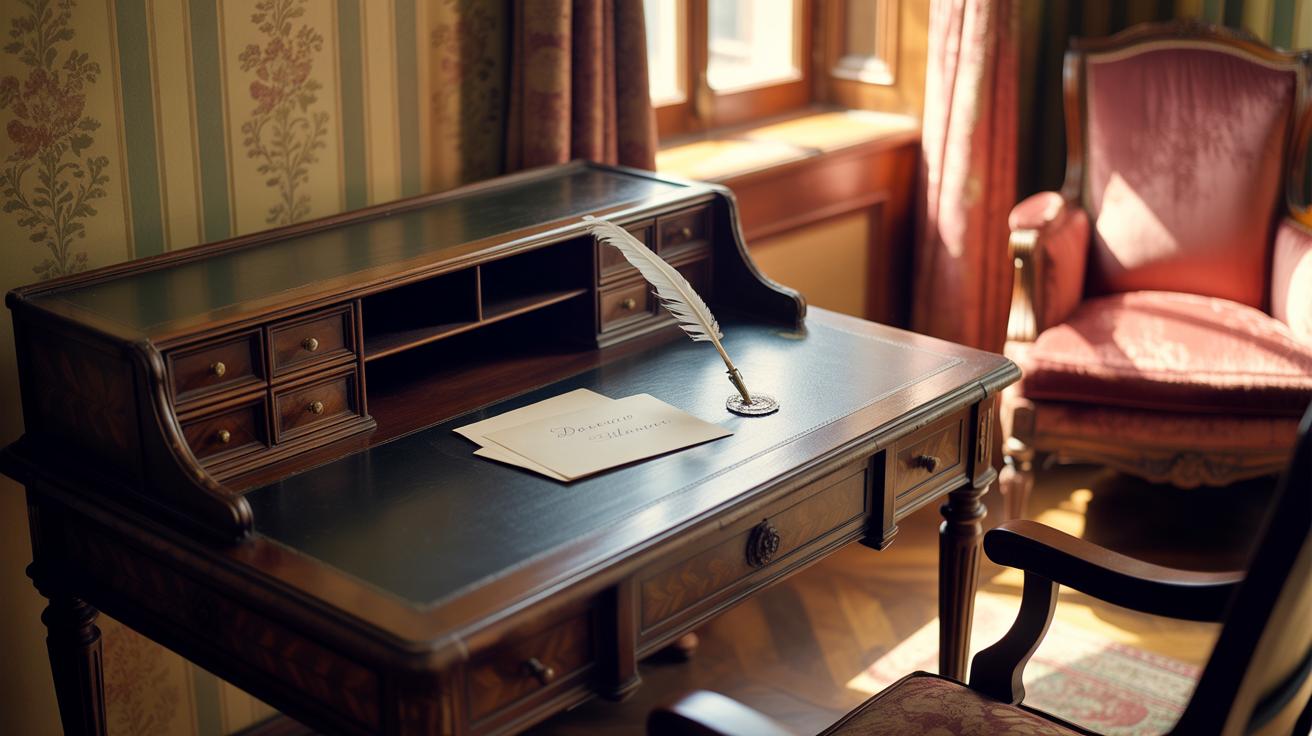
This layering of textures and patterns can transform a space, making it feel lived-in and comfortable. I’ve found that pulling a pattern from wallpaper into a cushion or throw surprisingly anchors the room more than expected. Yet, sometimes—well, it’s okay if everything doesn’t match perfectly. A bit of variety can keep the space interesting, even cozy.
Preparing Walls for Wallpaper Application
Cleaning and Smoothing Walls
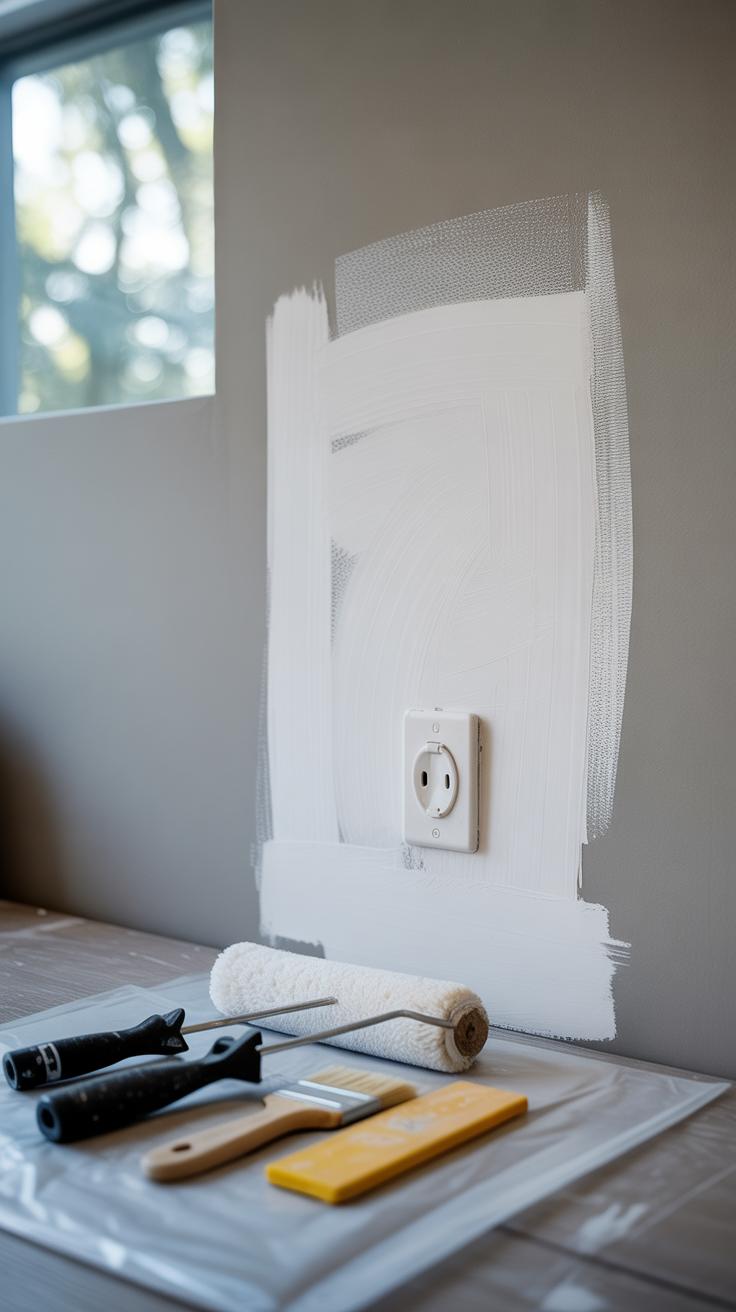
You can’t just slap wallpaper onto any wall and expect it to last. The surface matters—actually, it matters a lot. Start by clearing away dust, grease, or old paint flakes. Sometimes, a simple wipe with a damp cloth doesn’t cut it. I usually rinse the wall gently with mild soap and water, then let it dry thoroughly. If the wall has holes or cracks, patch them up with filler. Don’t rush this step; if you don’t, those bumps will show through the wallpaper eventually.
Once fillers dry, sanding smooth is the next move. Use fine-grit sandpaper to avoid scratches while evening the surface out. You want a flat, clean base that gives the wallpaper something to grip onto. Walls with rough patches or peeling paint will stop adhesives from sticking properly—been there, fixed that.
Priming and Measuring
Priming walls is more than just a suggestion. It seals porous surfaces, making the wallpaper slide on easier and stick better. Primer also reduces the risk of stains or wall colors bleeding through lighter wallpaper patterns, which can be frustrating if you didn’t anticipate that. A simple, clear primer usually does the trick, but I sometimes opt for thicker primer for very textured walls.
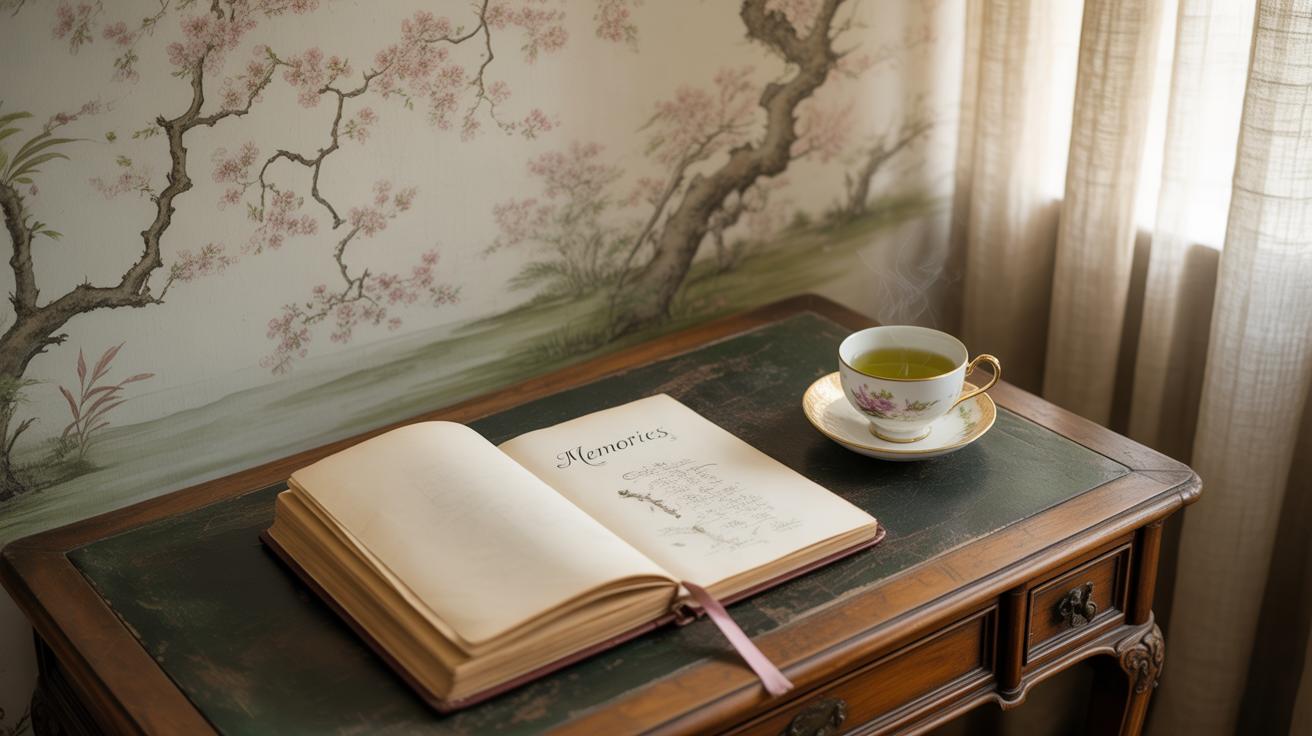
Measuring walls precisely means you won’t end up chasing a pattern that’s off-center or awkwardly cut. Measure the height and width carefully, then add a bit extra—that way, you can trim excess after application rather than scrambling to make pieces fit. Align your first strip carefully. If you misalign at the start, the entire pattern can look crooked. Trust me, taking time here saves headaches later.
Applying Traditional Wallpaper
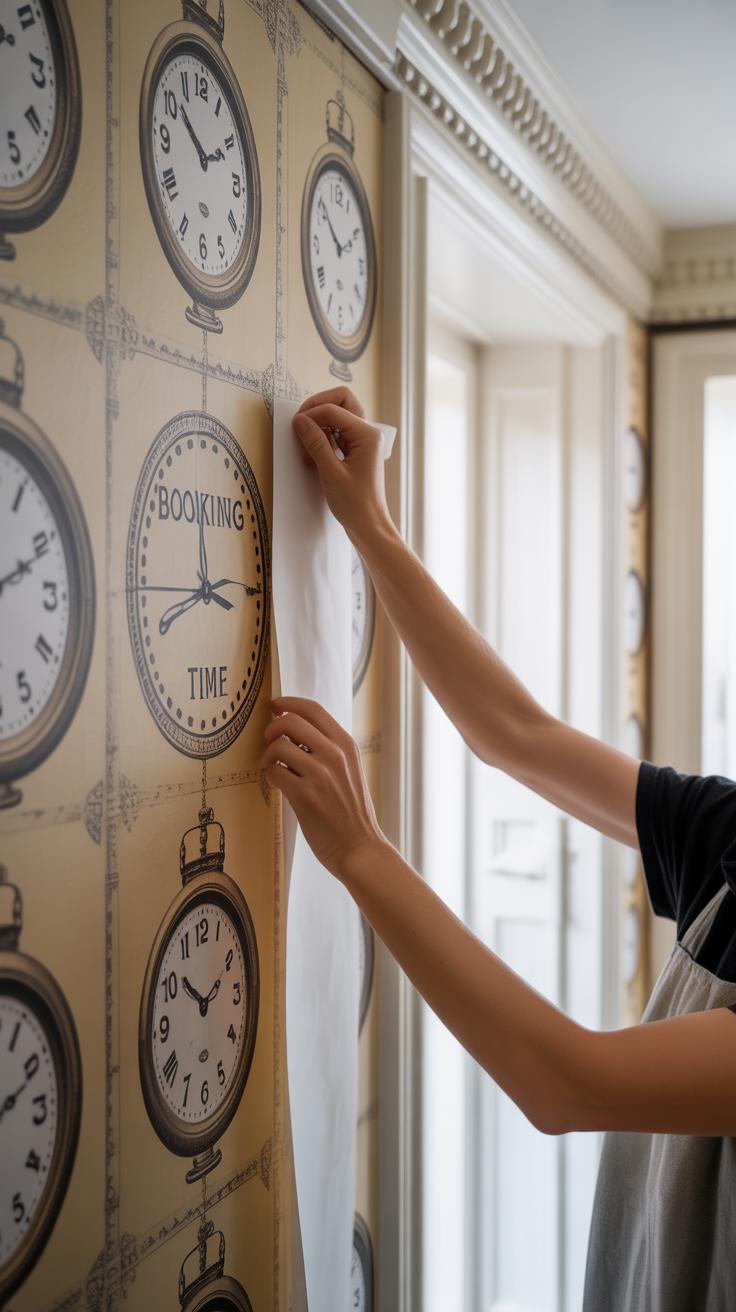
Getting traditional wallpaper up on your walls feels like a step into the past, but the process requires a careful approach to avoid rookie mistakes. Start by gathering the right tools: a sharp utility knife, a smoothing brush or plastic scraper, a pasting brush or roller, a clean sponge, a tape measure, a plumb line or level, and a step ladder if you need height. You’ll also want a seam roller to press the edges down neatly.
Choosing the right paste matters more than you might guess. Traditional wallpapers, especially those with delicate prints or heavier textures, need an adhesive formulated specifically for paper or fabric. Standard paste often works, but look for “paste for traditional wallpaper” or “vinyl paste” depending on your paper’s type. If your wallpaper is unpasted, you’ll apply paste directly; otherwise, you might just need water activation.
Now, lining up patterns tests your patience. Hang the first strip using your plumb line for vertical accuracy. Let it overlap the ceiling and baseboards slightly—you can trim excess later. When placing the second strip, carefully match the pattern by lifting slightly if needed before smoothing down. Don’t rush this. Patterns rarely align perfectly on the first try, so adjust gently. Pinching or pushing too hard might cause stretching.
Smoothing out bubbles is part technique, part feel. Use your brush or scraper from the center outward, gently pushing trapped air toward the edges. If bubbles remain, a small pinprick helps release air, but be cautious. Too many punctures can damage the paper’s look. It’s tempting to fix these quickly, but patience reduces wrinkles later.
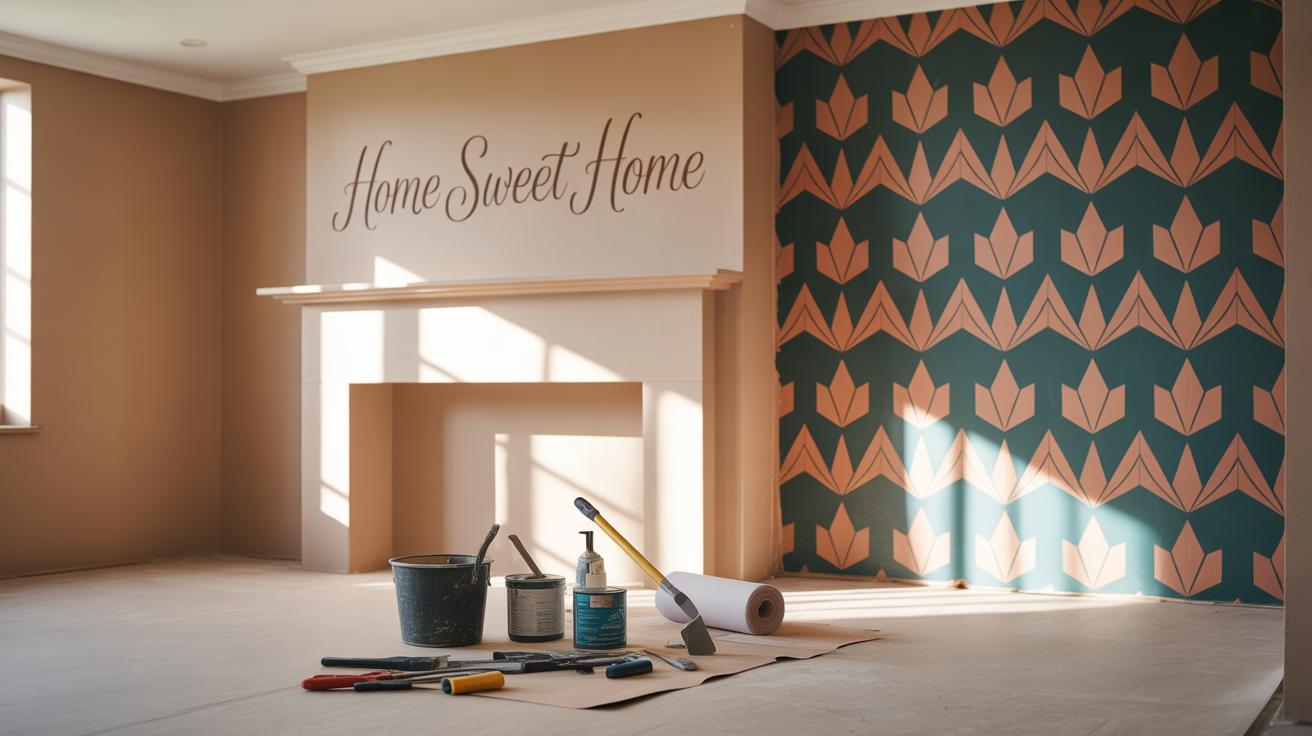
One trick I found useful—especially with floral prints—is to let the paste soak for a minute after coating. This softens the paper, making it more flexible and easier to shift when aligning patterns. Though it might feel like extra work, it often pays off when patterns meet up just right.
Don’t expect perfection right away. Traditional wallpaper can test your fine motor skills. Keep the paste moist; if it dries, the paper stiffens and won’t lay smoothly. Step back regularly, check your work under different lighting, and take your time. The wall you’re dressing will look better the more meticulous you are now.
Maintaining and Cleaning Wallpaper
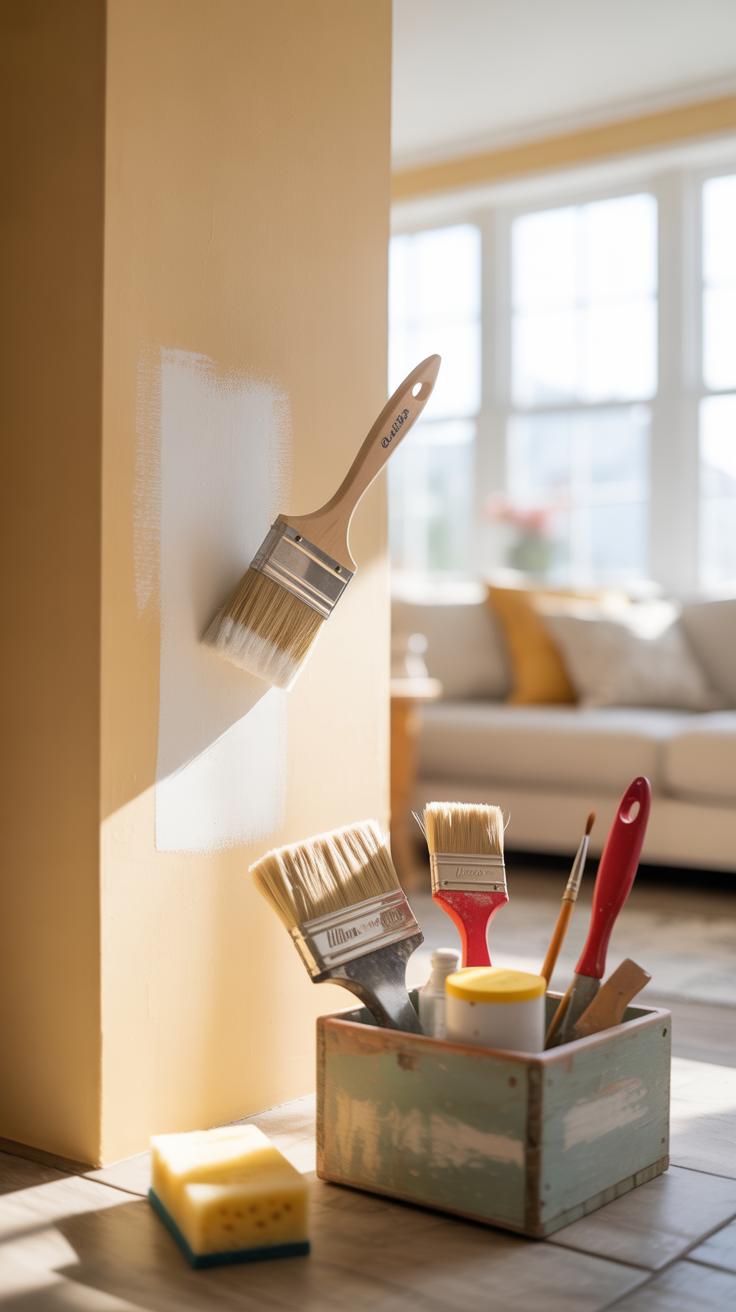
Traditional wallpaper deserves attention beyond just its installation. To keep it looking fresh over time, regular care is necessary. You might think wallpaper is fragile, but with gentle cleaning, it can last for years without losing its charm.
Regular Cleaning Tips
Try to dust your wallpaper weekly using a soft, dry cloth or a vacuum with a brush attachment. It removes surface grime before dirt settles into the pattern. When it comes to stains or spots, a slightly damp sponge with mild soap usually does the trick. Avoid harsh chemicals or abrasive scrubbing—those can damage the paper or fade colors over time.
Leather gloves or cloth can help prevent oils from your hands transferring onto the wall. It’s tempting to rush and clean vigorously but going slow and gentle pays off. You might wonder if all wallpapers tolerate moisture the same way—and the truth is, no. Test a small hidden area first, since some vintage papers might absorb water and bubble.
Handling Damage and Repairs
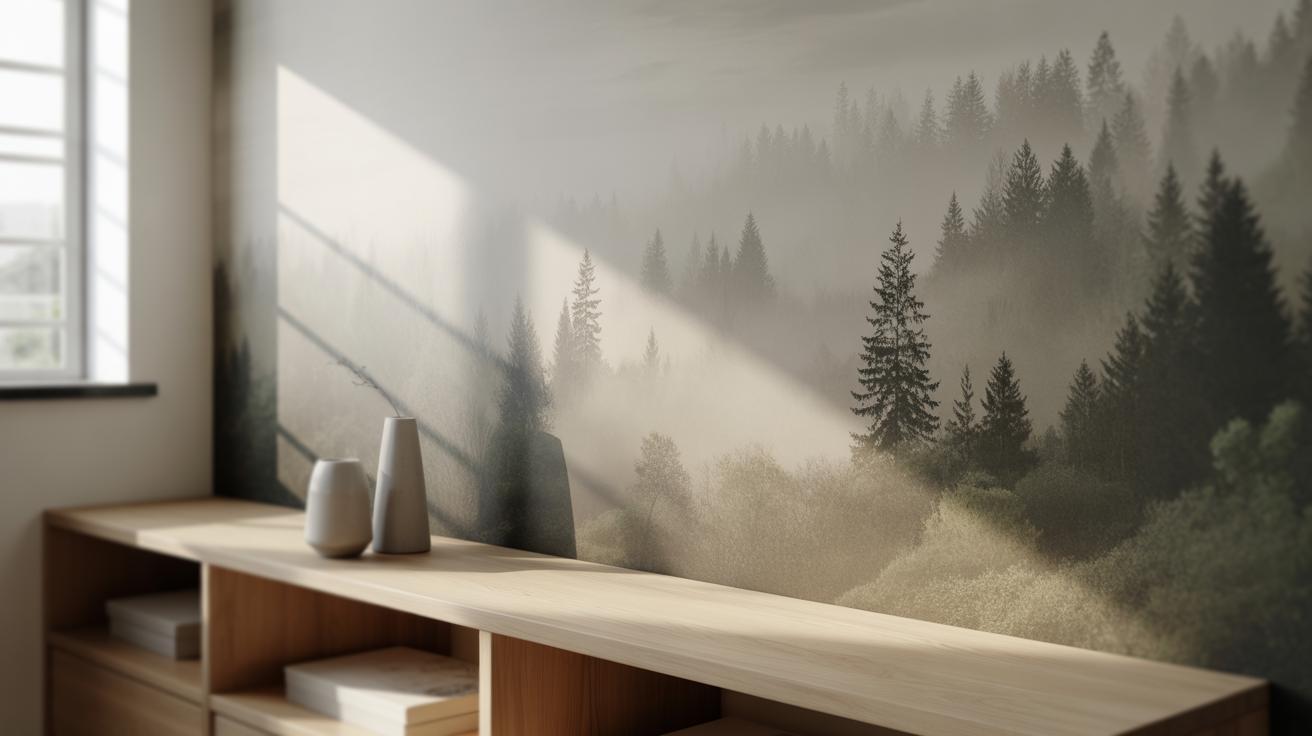
Small tears or lifting edges don’t always mean you need to replace a whole strip. You can use clear wallpaper adhesive or even a bit of diluted glue to press the paper back down. A paintbrush can help apply glue precisely. Press cloth on top and hold for a few minutes. If you catch tears early, they tend to stay barely noticeable.
For minor stains, try gently dabbing with a baking soda paste or a white eraser. That’s worked for me on some stubborn marks that didn’t want to loosen with soap. Sometimes, blotting is better than scrubbing, which might spread or embed the stain further.
In the end, being a bit careful but proactive with repairs makes a big difference. It keeps your wallpaper looking warm and inviting without needing a full redo every time something goes wrong.
Using Wallpaper to Define Spaces
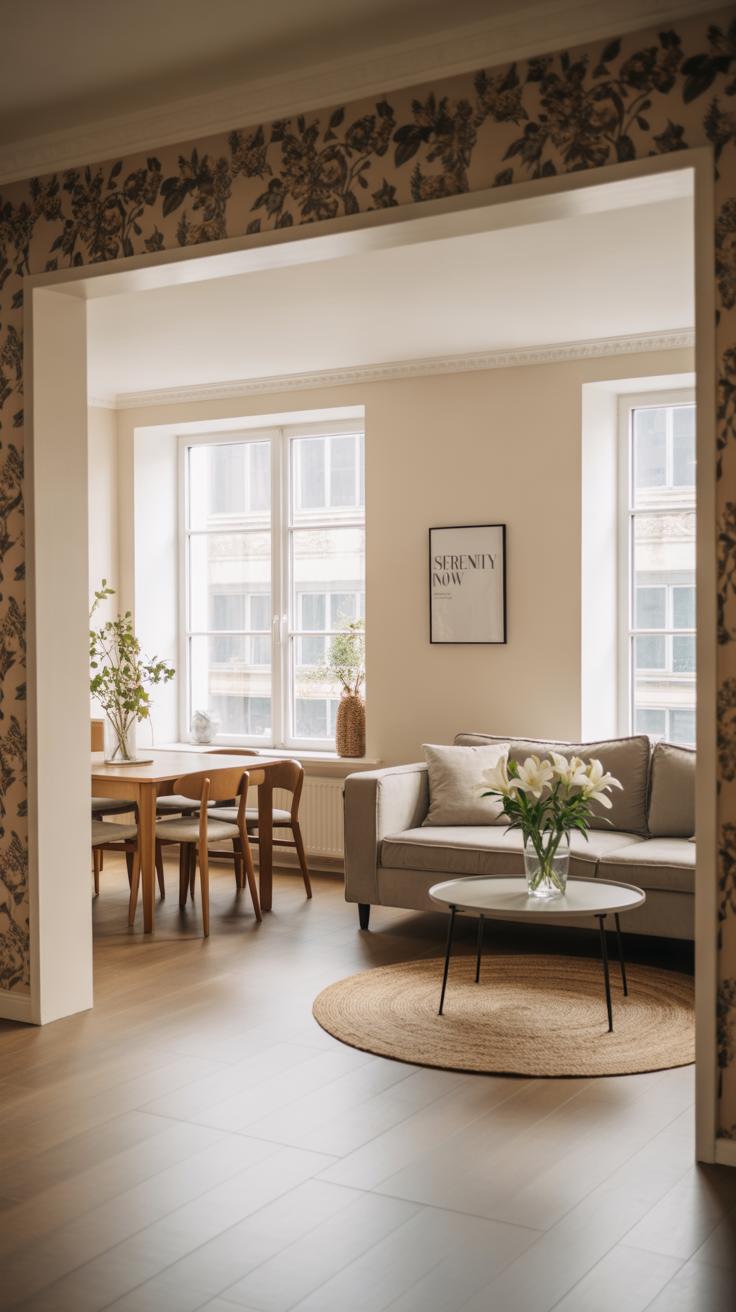
Traditional wallpaper isn’t just about covering walls; it can actually help you mark out different areas in your home. For instance, applying a rich floral or damask pattern in the dining room can set a more formal tone, separating it visually from the casual living space. It’s like giving each room its own voice—sometimes the playroom might need something cheerful and playful, like a smaller scale pattern, while the entryway benefits from a welcoming, classic stripe that hints at what lies beyond.
One thing I’ve noticed is how wallpaper encourages you to think differently about your room layouts. Questions come up: Should this space feel separate or open? And, well, traditional wallpaper can help you tip the scale either way.
Creating Warm Zones
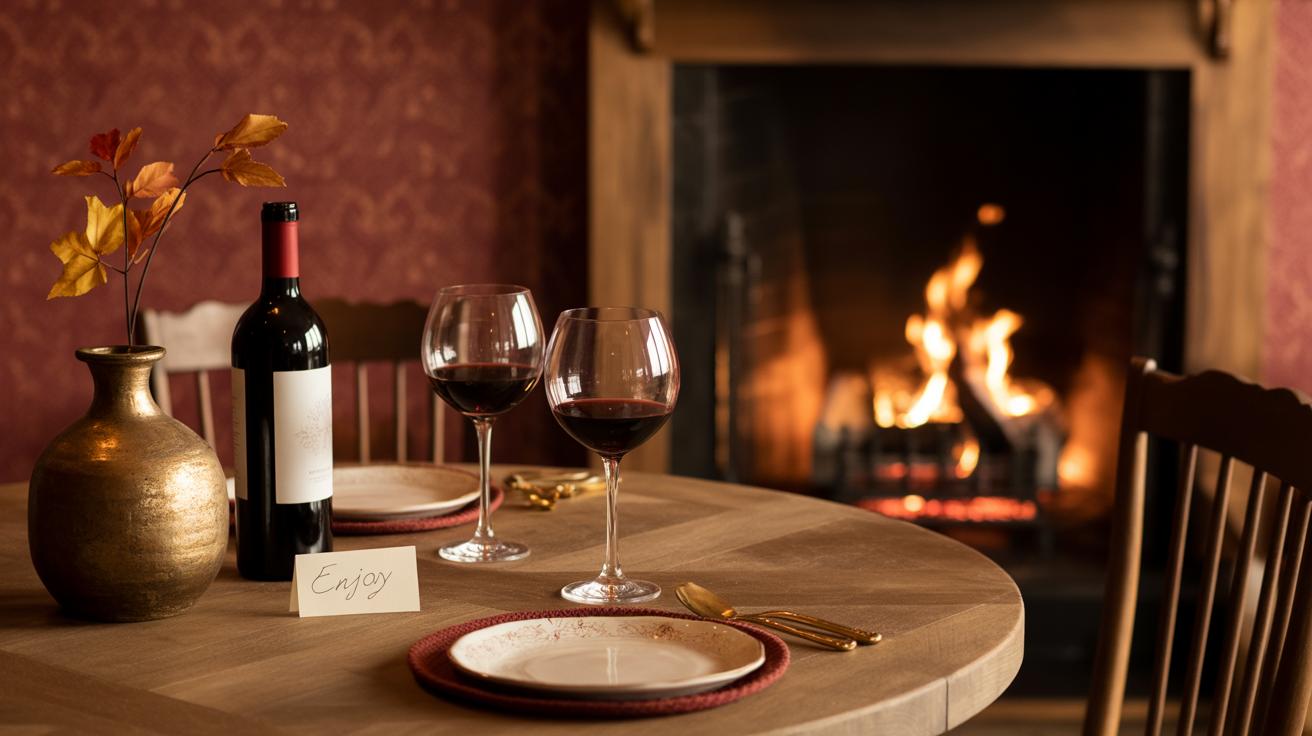
Wallpaper can do more than define rooms; it can create cozy little zones within a bigger space. Imagine placing a soft, warm patterned paper behind a sofa or a headboard—suddenly, those spots feel more intimate. You might think it’s just about decoration, but it actually encourages you or your family to gather there more often.
Some homes I’ve seen use dark, classic prints behind seating areas to invite comfort, while lighter tones behind a bed can soften the bedroom’s atmosphere. It becomes a quiet invitation—stand here, unwind, feel at ease. These warm zones don’t have to cover a whole room, just strategic patches.
Accent Walls for Impact
Sometimes all a room needs is one wall wrapped in traditional wallpaper to make a statement. This approach adds character without overwhelming the space with pattern. Think about a rich floral or a chevron behind the fireplace or main wall—it draws the eye and brings warmth.
A single accent wall lets you enjoy the timeless beauty of traditional wallpaper, yet keep the room feeling balanced and open. It’s a way to experiment, too—you can change the wallpaper later without a major redo. It’s practical and stylish, a kind of quiet flourish that works well in family homes.
Combining Traditional Wallpaper with Modern Elements
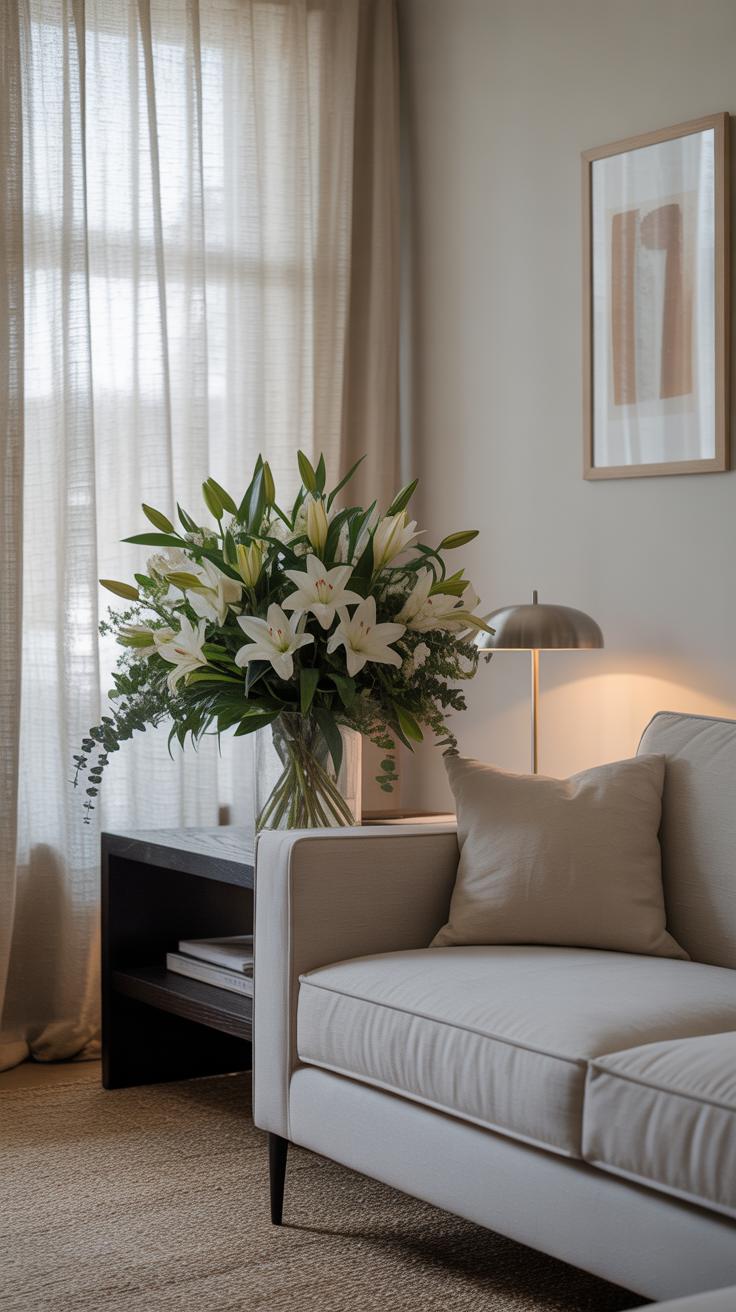
Mixing traditional wallpaper with modern furniture can feel tricky at first. But, when done right, this blend adds character without making the room look outdated or mismatched. Think of it this way: the wallpaper provides a familiar, comforting backdrop, while sleek, contemporary pieces bring freshness and functionality into the room.
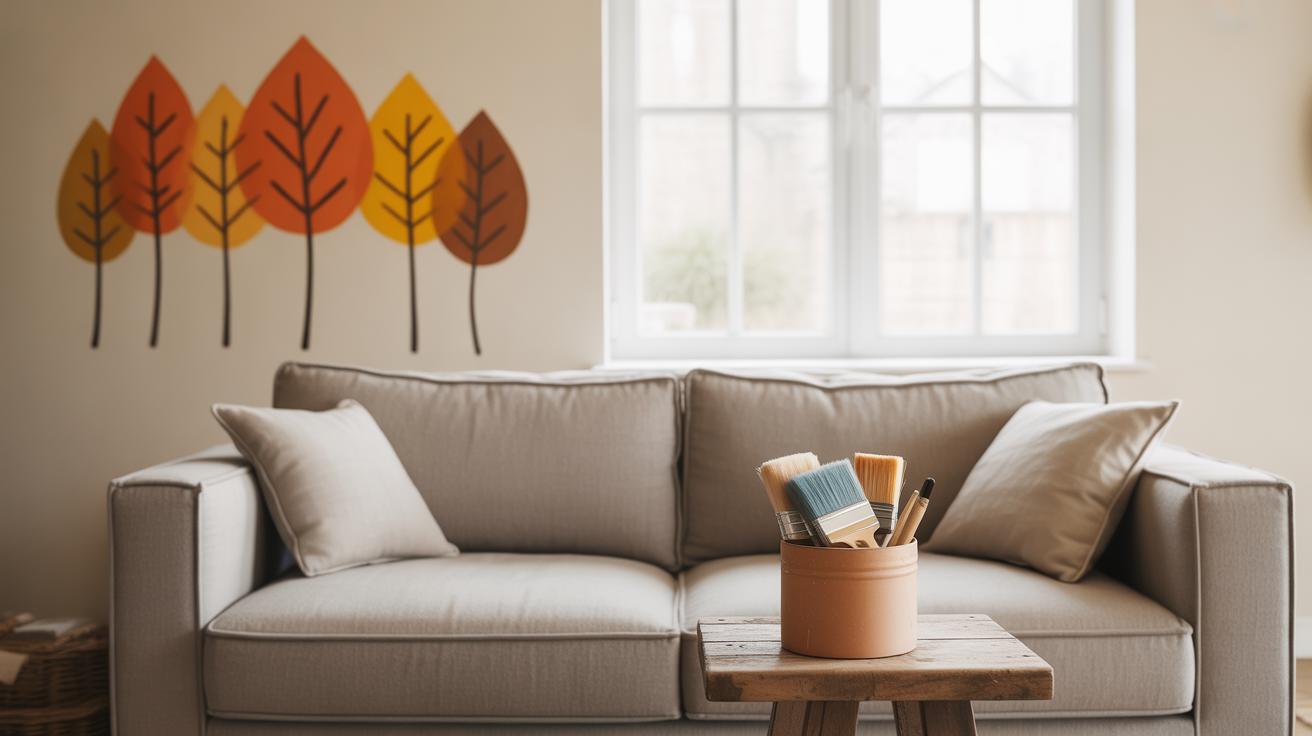
Balancing these two styles keeps the space personal and inviting. You might have a classic damask wallpaper paired with a minimalist sofa or a floral patterned wall alongside geometric-shaped lamps. These contrasts often work better than staying in one style lane.
Balancing Old and New Styles
Sometimes, people worry that old wallpaper designs will overwhelm modern decor. Yet, combining them can actually prevent the home from feeling too cold or too stuffy. The trick is to choose modern pieces with simple lines and neutral tones to offset busier patterns, or, conversely, add a statement wallpaper behind plain furniture to avoid visual chaos.
Personal touches matter here. For example, a vintage-inspired wallpaper might remind you of your grandparents’ home, while the modern chair you picked feels like your own style. That mix tells a story and keeps your space from feeling like a showroom.
Modern Colors with Traditional Patterns
Using modern colors with traditional wallpaper patterns can refresh a room in surprising ways. Imagine a classic toile or floral design, but rendered in soft pastels or muted grays rather than bold reds or dark greens. That shift changes the atmosphere immediately. Suddenly, the wallpaper feels current and not like it’s stuck in the past.
Or consider taking a traditional pattern and playing with scale or saturation to give it a contemporary twist. You don’t need to ditch those familiar prints. Instead, update the palette and it can look stylish and intentional rather than old-fashioned.
Have you tried mixing a timeless wallpaper pattern with modern tones or furnishings yet? It’s interesting how something old can feel new again when paired thoughtfully.
Conclusions
Traditional wallpaper can be a powerful tool to create a warm and welcoming family home. Its classic patterns and rich texture bring a sense of comfort and charm that modern walls often lack. By carefully choosing designs that suit your family’s style and needs, you can enhance your living space beautifully.
Remember to consider the room’s function and natural light when selecting wallpaper. With thoughtful choices, you can enjoy a stylish, cozy home space that feels just right for your family every day.