

Introduction
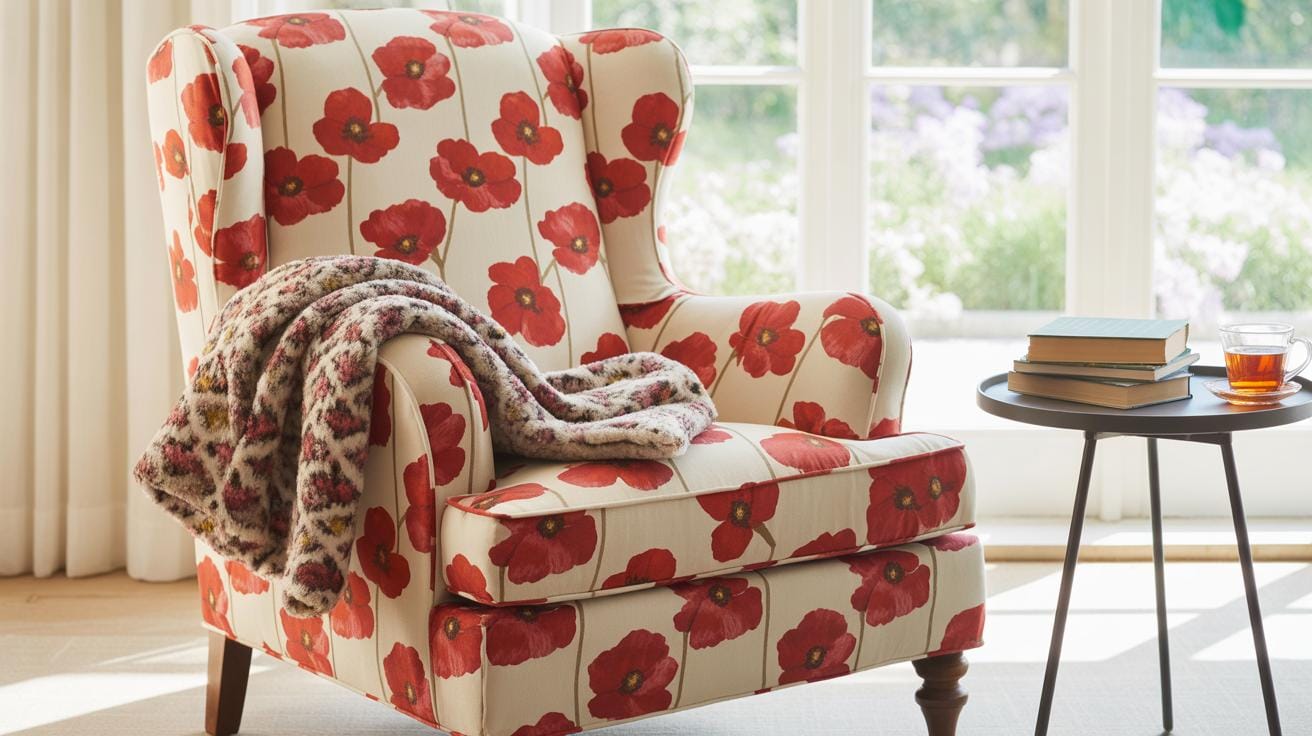
Choosing a wallpaper that feels fresh and not fussy can change the whole look of your room. Poppy wallpaper offers a great way to bring natural beauty inside. With its simple yet charming design, it adds a calm and inviting feeling. This article explores different ideas for using poppy wallpaper in your home.
From selecting the right pattern and color to styling your room around it, you will find practical advice and inspiration. We will look at how poppy wallpaper can fit a variety of spaces and bring a warm touch without overwhelming your decor. Let’s dive into fresh ideas for poppy wallpaper that can brighten and refresh your rooms.
Understanding Poppy Wallpaper Designs
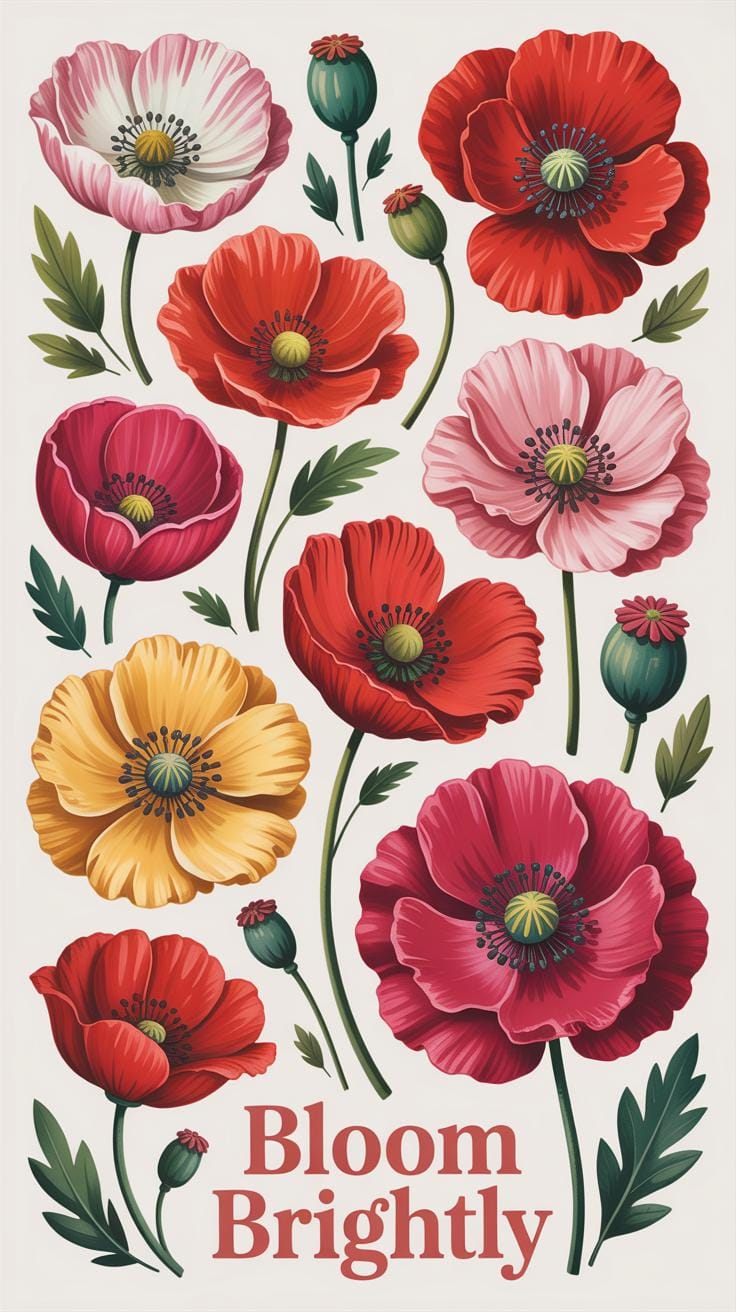
Poppy wallpaper designs focus on the poppy flower, known for its bold shape and rich symbolism. On wallpaper, these designs often highlight the flower’s distinctive petals, sometimes detailed with fine lines or presented in a loosely sketched style. The colors tend to range from bright reds and oranges to softer pinks and pastels. Occasionally, you’ll spot poppy patterns in muted tones paired with neutral backgrounds for a subtler effect.
The style varies widely—from graphic and modern to delicate, almost vintage looks. Some wallpapers use large, almost oversized poppies, which immediately draw your eye. Others have smaller, repeated designs that create a gentle flow across the walls. That’s part of their appeal: they can feel striking but also unexpectedly calming.
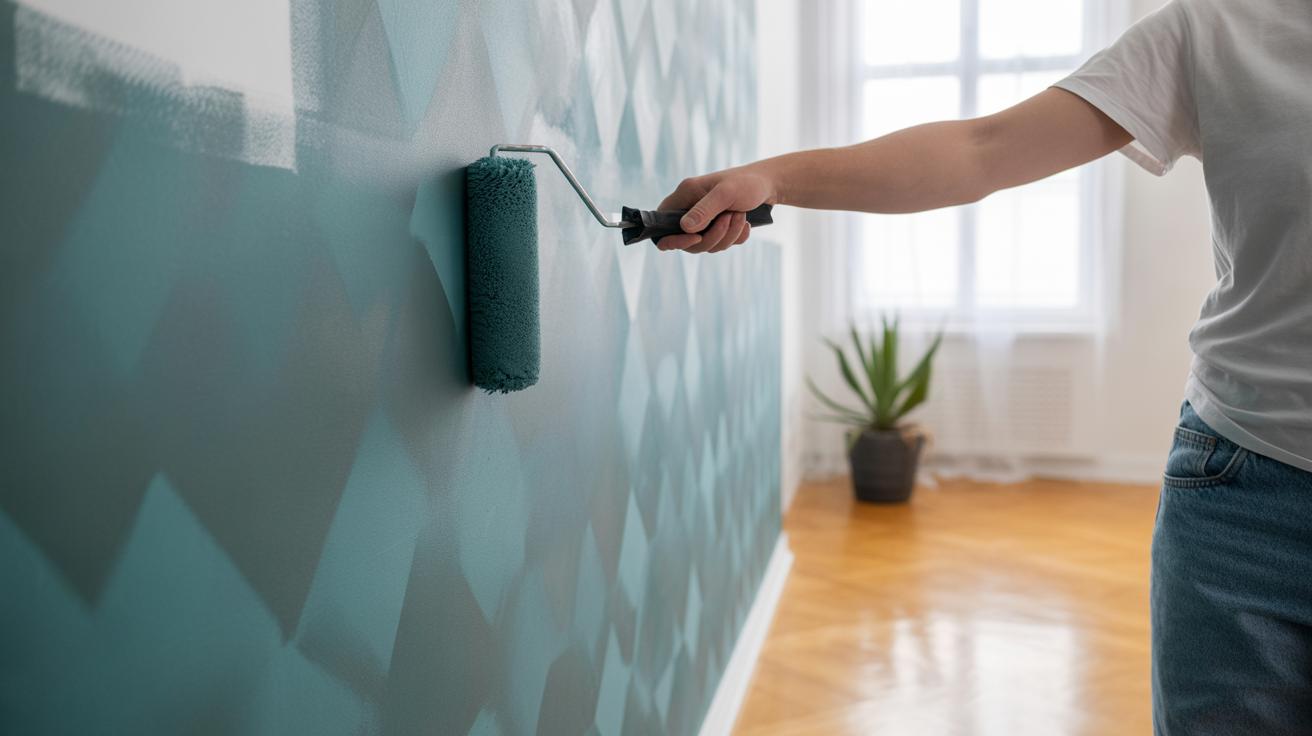
The overall vibe often leans toward fresh and natural, evoking a subtle connection to outdoor beauty without overwhelming a space. I’ve seen rooms where poppy wallpapers transform an ordinary wall into a focal point that feels lively but not chaotic.
What Matches Poppy Patterns
Colors that pair well with poppy wallpaper usually pull from the design or complement it by staying neutral. Think soft creams, warm grays, or even deep greens that echo the leaves you find in poppy illustrations. These shades ground the bold reds or bright shades in the pattern without competing.
Furniture styles that work best lean toward simplicity—clean lines, minimal ornamentation—because the wallpaper already carries strong visual interest. Light wood tones, classic mid-century modern pieces, or even rustic farmhouse styles create a nice contrast against the floral energy.
When it comes to decor, less can be more. A few well-chosen items like a matte ceramic vase or natural fiber cushions tend to complement the wallpaper without overshadowing it. I’ve sometimes found that metallic accents—brass or brushed gold—add just a touch of elegance without seeming too flashy.
Why Choose Poppy Wallpaper
The benefit of poppy wallpaper starts with its ability to bring nature indoors in a way that feels lively yet not too fussy. You don’t get the overwhelming busy-ness often associated with other floral wallpapers. Instead, poppy designs strike a balance between energy and simplicity.
They offer personality without too much clutter. If you want a room that breathes a bit, without introducing too many competing elements, poppy wallpaper is a good pick. Also, the poppy’s symbolism—representing remembrance and peace—adds a subtle layer that other floral patterns might not convey so distinctly.
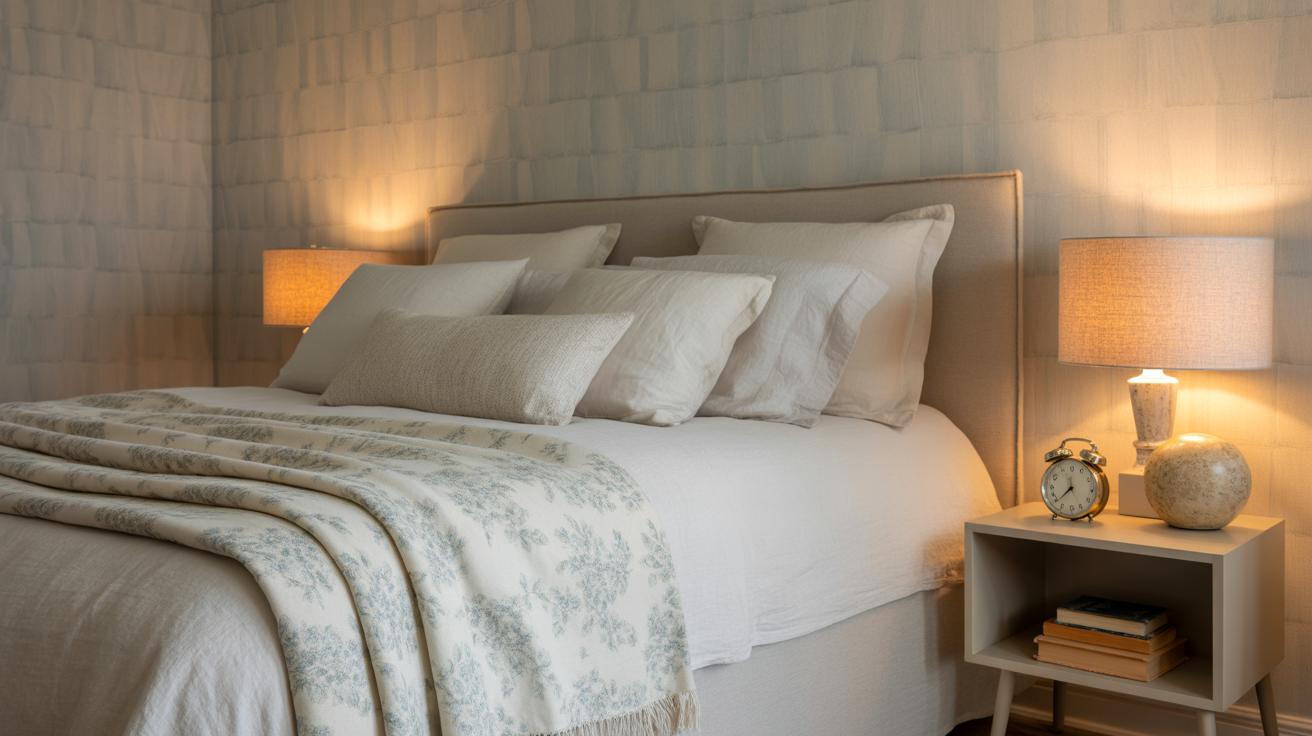
Another point is versatility; poppy wallpaper can fit into different rooms—from a casual kitchen nook to a sophisticated bedroom—especially depending on the color scheme and scale of the flowers. That adaptability makes it stand out compared to other florals that might feel more seasonal or limited.
Choosing The Right Poppy Wallpaper For Your Room
Size And Scale Of Patterns
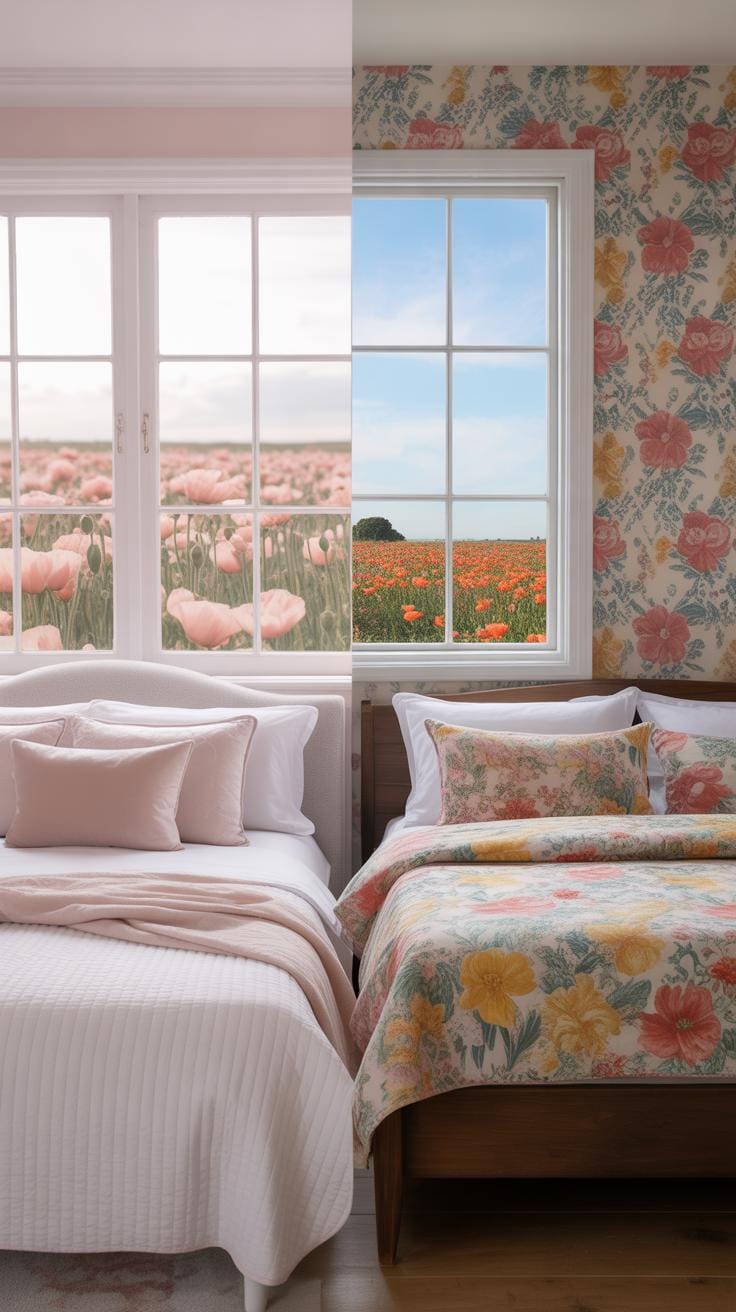
When picking poppy wallpaper, the size of the floral patterns matters more than you might expect. Large, bold poppy designs can instantly become the room’s focal point. They tend to make a space feel more dynamic but can overwhelm smaller rooms or walls if not chosen carefully. On the other hand, smaller poppy patterns usually blend into the background, creating a subtle charm that works well in tight spaces.
Think about your room’s dimensions before settling on a pattern scale. If your room is cozy, avoid oversized poppies—they might make the space feel cramped or busy. But if your room is spacious, don’t shy away from bigger designs. They can add warmth without crowding the walls. Funny enough, sometimes a medium-sized pattern works best even in larger rooms, especially when you want a balance between presence and subtlety.
Also, consider how your eyes move across the room. Larger patterns slow things down; smaller patterns let your gaze wander freely. That choice can shape the vibe you want.
Color Considerations
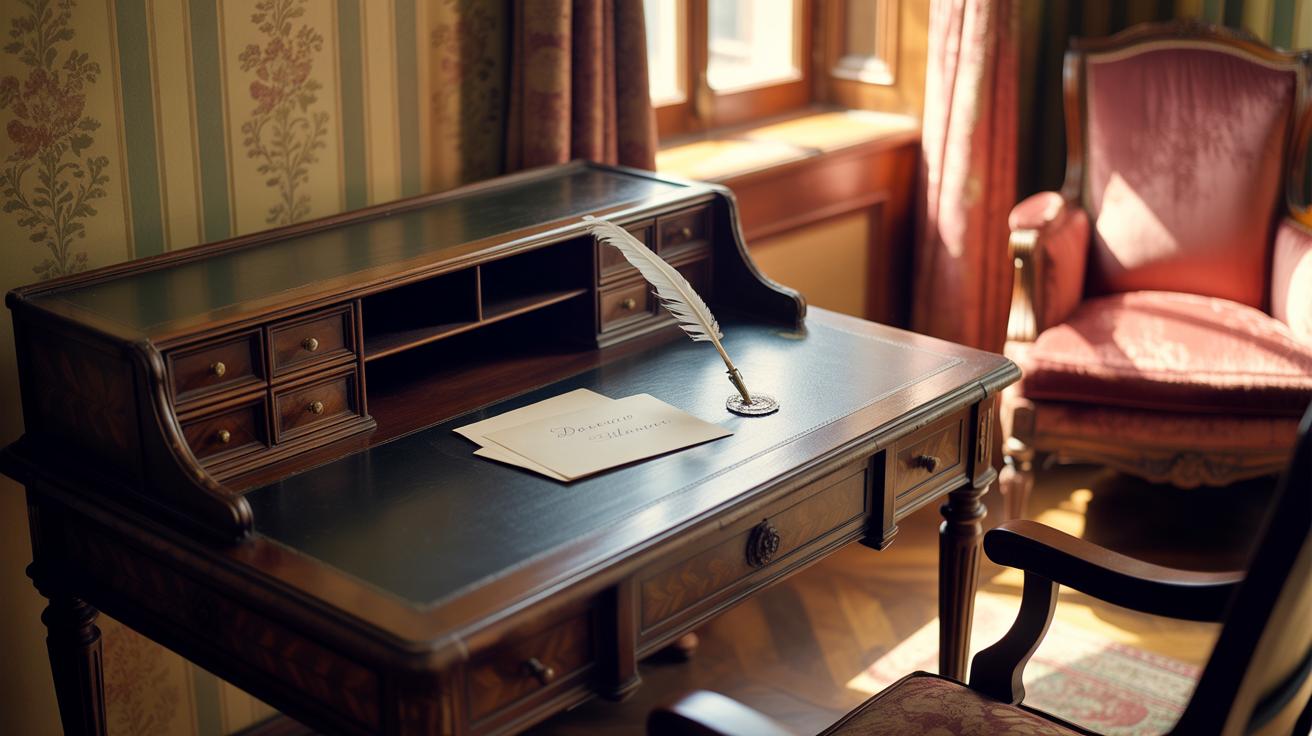
The color of your poppy wallpaper has a big say in the atmosphere your room holds. Bright red or orange poppies can energize the space, bringing that unmistakable pop of color that can wake up dull corners. But if that feels a bit too intense, softer tones—think muted coral, blush pink, or pale yellow—can create a gentler, almost nostalgic feeling.
Don’t forget about contrast. Dark poppy backgrounds with lighter flowers often add drama and intimacy, perfect if you want a cozy spot. Meanwhile, light or neutral backgrounds keep the mood airy and open. You might find yourself torn between wanting bold statement walls and something more calming. It’s not always easy to decide.
Match the colors in your wallpaper to existing elements—furniture, rugs, or curtains—but don’t be afraid to introduce a completely new shade. Sometimes a surprising pop of color can refresh the whole room’s look. What’s your room’s current color story, and are you ready to shift it just a little—or a lot?
Preparing Your Walls For Poppy Wallpaper
Cleaning And Repairing Walls
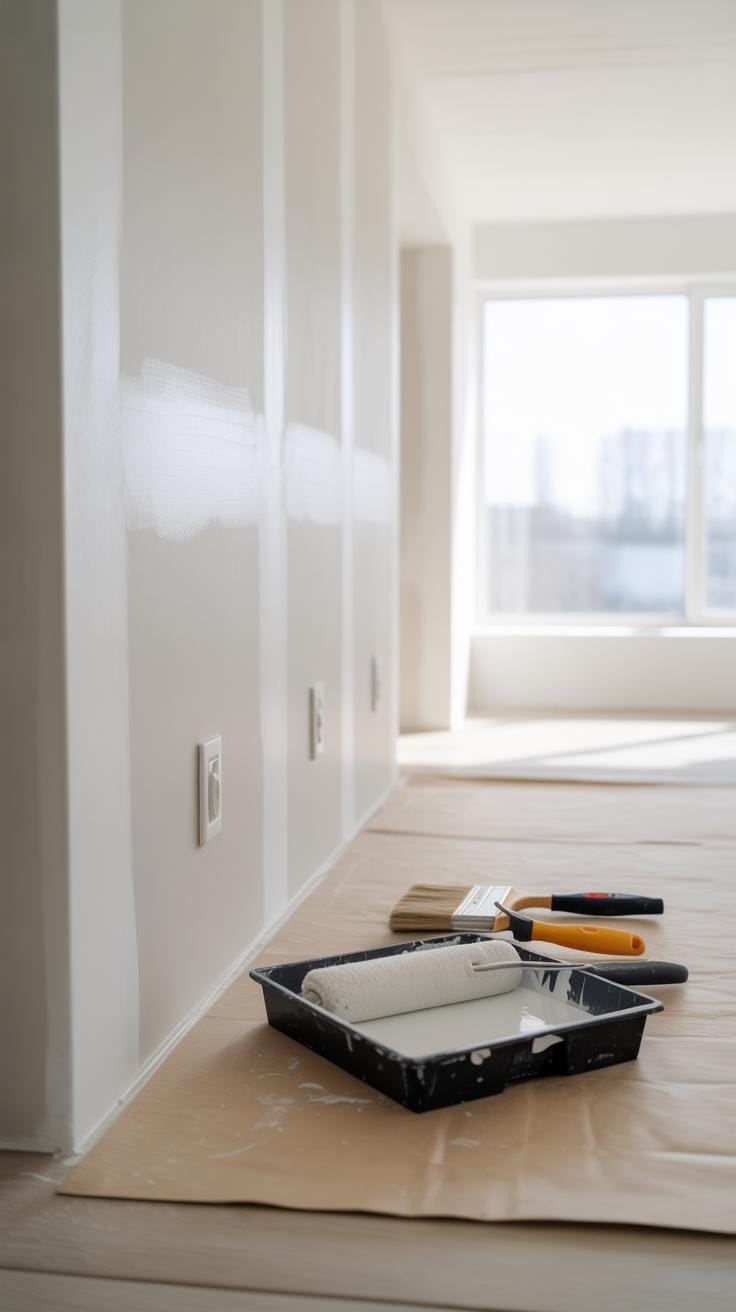
Before you even think about hanging your poppy wallpaper, the walls need some attention. Dirt, dust, or any smudges can affect how well wallpaper sticks. I usually start by wiping down the walls with a mild detergent solution—nothing too harsh that might strip the paint or drywall. Sometimes, even a simple damp cloth does the trick if the walls are only lightly dusty.
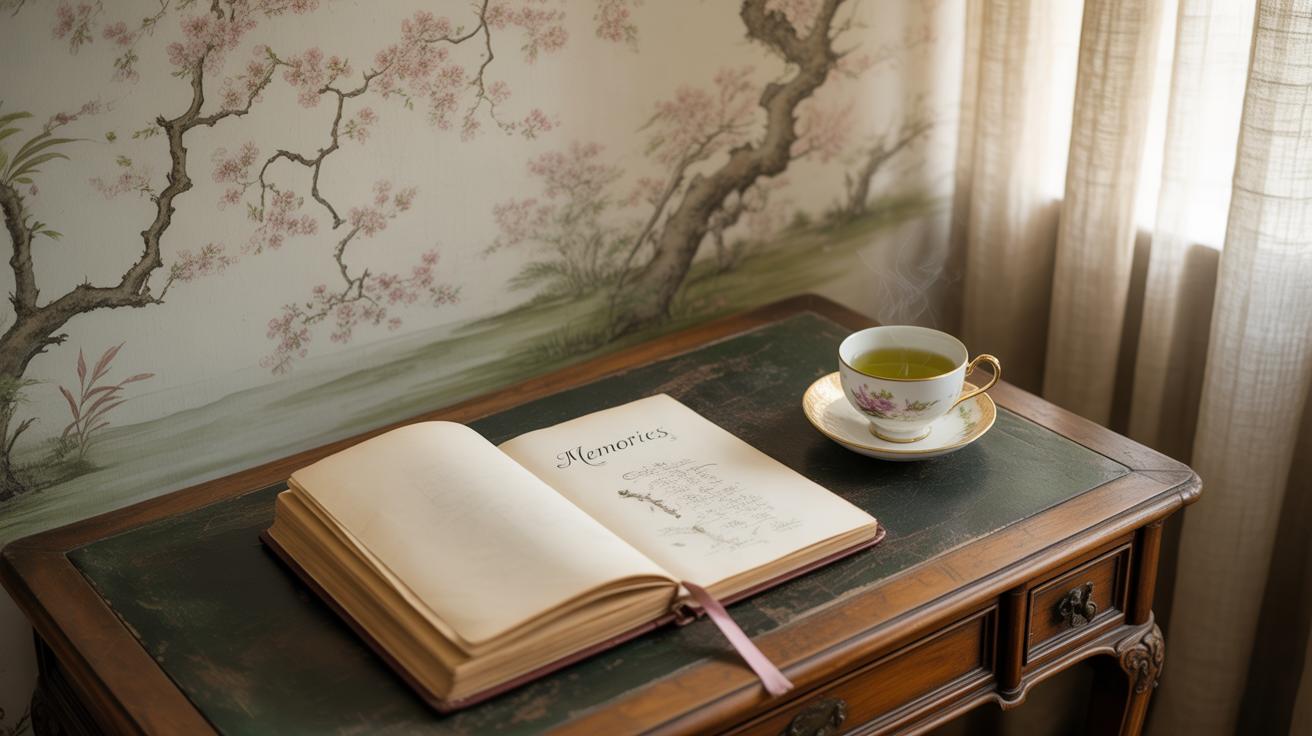
If you spot any dents, holes, or cracks, this is where you fix them. Grab some spackle or filler, apply it with a putty knife, and let it dry fully. Then, sand the spots gently until smooth. Oddly, I’ve found that skipping this step, even just once, can make the paper wrinkle or bubble near the damaged areas, which is frustrating.
Priming And Smoothing
Priming might feel like an extra step, but it pays off. A primer seals the surface and ensures the wallpaper paste adheres evenly. Without priming, the wallpaper might peel over time or stick unevenly. I tend to use a wallpaper primer rather than just plain paint primer; it’s a bit more forgiving.
Smoothing the wall is just as crucial. Walls are rarely perfectly flat, and any bumps show through wallpaper. After filling, a light sanding of the entire wall can make a surprising difference. Sometimes, I use a damp cloth to wipe off sanding dust and then check for any stubborn rough patches. If the surface isn’t smooth, the pattern won’t lay right—you might see lumps or puckering, especially with delicate poppy prints.
Have you noticed how much easier wallpapering goes when your walls are truly prepped? It’s almost like the paper respects the effort you put in.
Applying Poppy Wallpaper With Ease
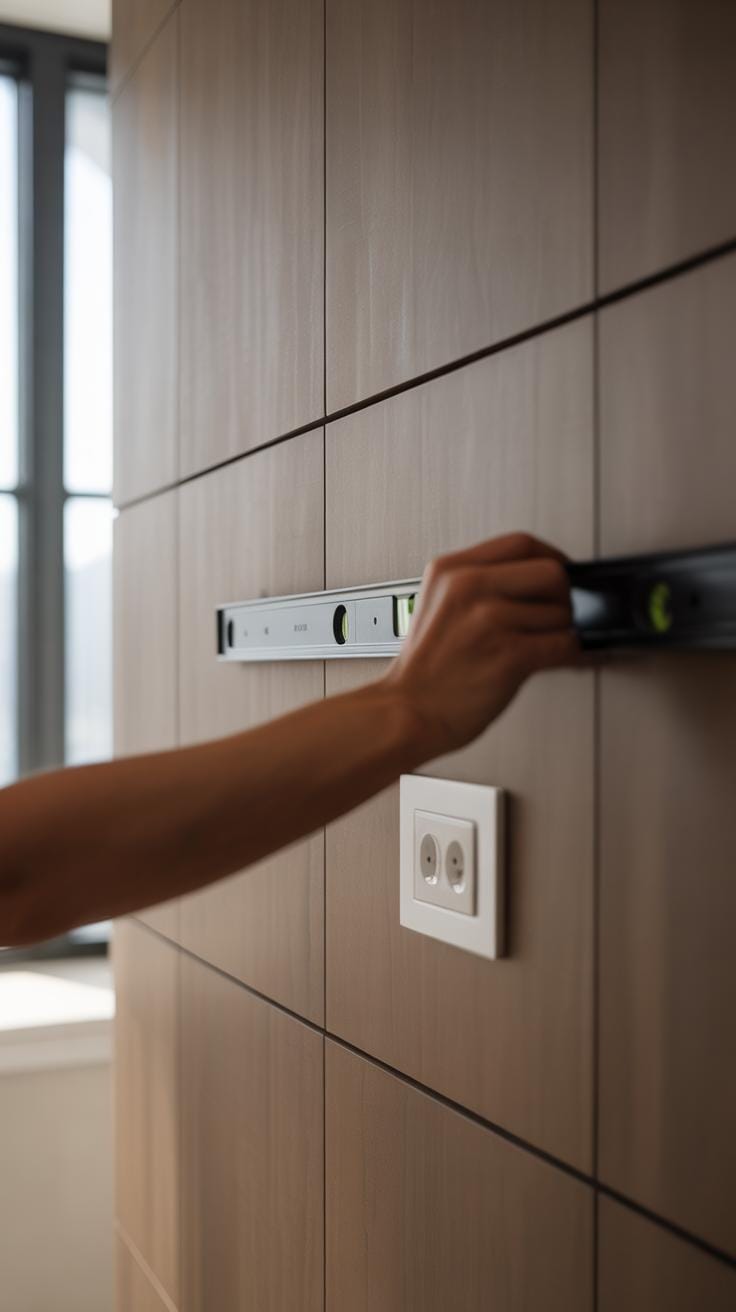
Tools And Materials Needed
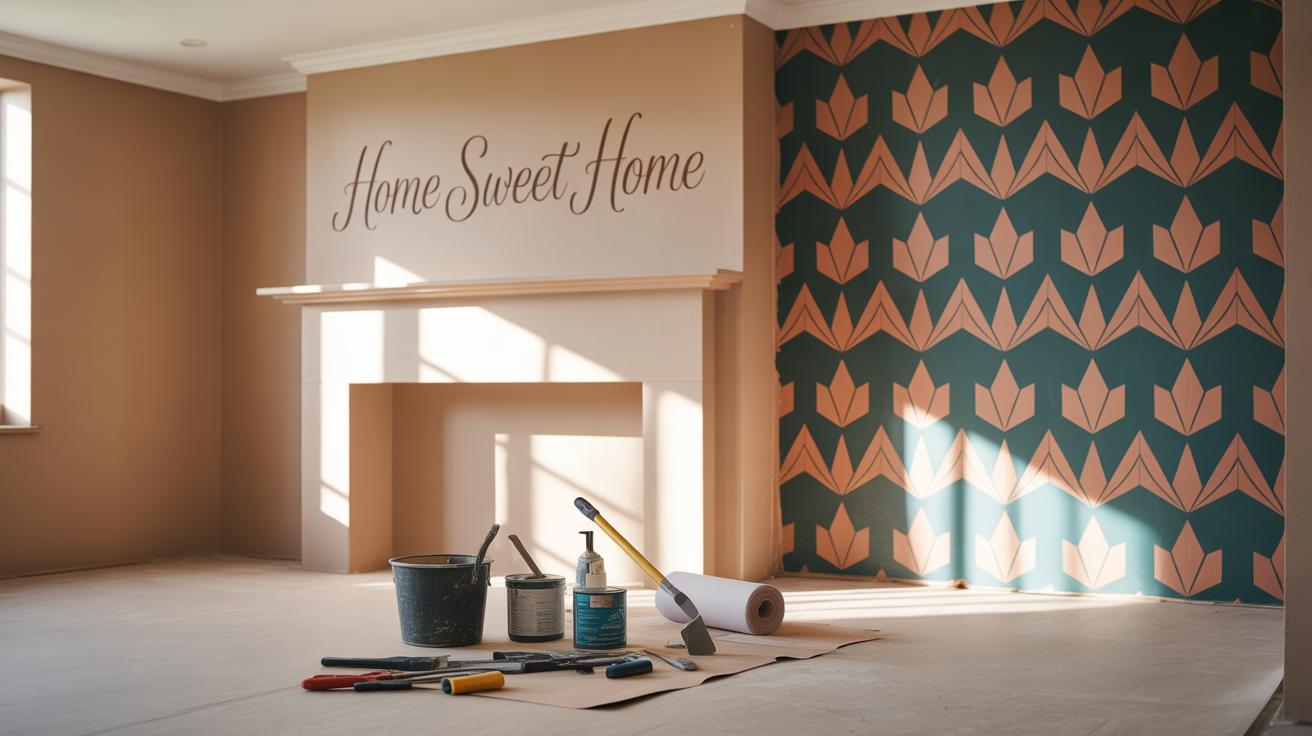
Before you dive in, make sure you have everything ready. You’ll need:
- A sharp utility knife or wallpaper cutter
- A smoothing brush or plastic wallpaper smoother
- A reliable wallpaper paste or adhesive suitable for your poppy wallpaper type
- A paint tray or adhesive roller for even spreading
- A measuring tape and pencil for precise marks
- A spirit level or plumb line to keep things straight
- A clean, damp sponge or cloth for wiping away excess paste
- A step ladder to reach high spots comfortably
- Perhaps a seam roller to press down edges firmly
These tools might seem like a lot, but having each on hand helps you stay organized—and, honestly, reduces stress.
Step-by-Step Wallpaper Application
Start by cutting your wallpaper strips a bit longer than your wall’s height—trust me, these extra inches make trimming simpler later. Next, apply the adhesive evenly on the back or wall, depending on the wallpaper type. If you’re unsure, check the instructions—sometimes, it’s tricky to guess.
Now, align the first strip carefully using the spirit level as a guide—getting this right prevents frustrating misalignment later. Gently apply the paper from top to bottom, smoothing out wrinkles or bubbles with the brush or smoother as you go. You probably want to work from the center outwards to push out air pockets, but don’t rush it—stop if you notice any folds and lift gently; fixing then is easier than correcting later.
Once the strip is in place, wipe off excess paste with a damp cloth to prevent staining. Overlap edges slightly if your wallpaper requires it, or butt seams tightly depending on the design. Use the seam roller to press down edges, but not too hard—you don’t want to stretch or damage the paper. Trim the top and bottom carefully with your utility knife for a neat finish.
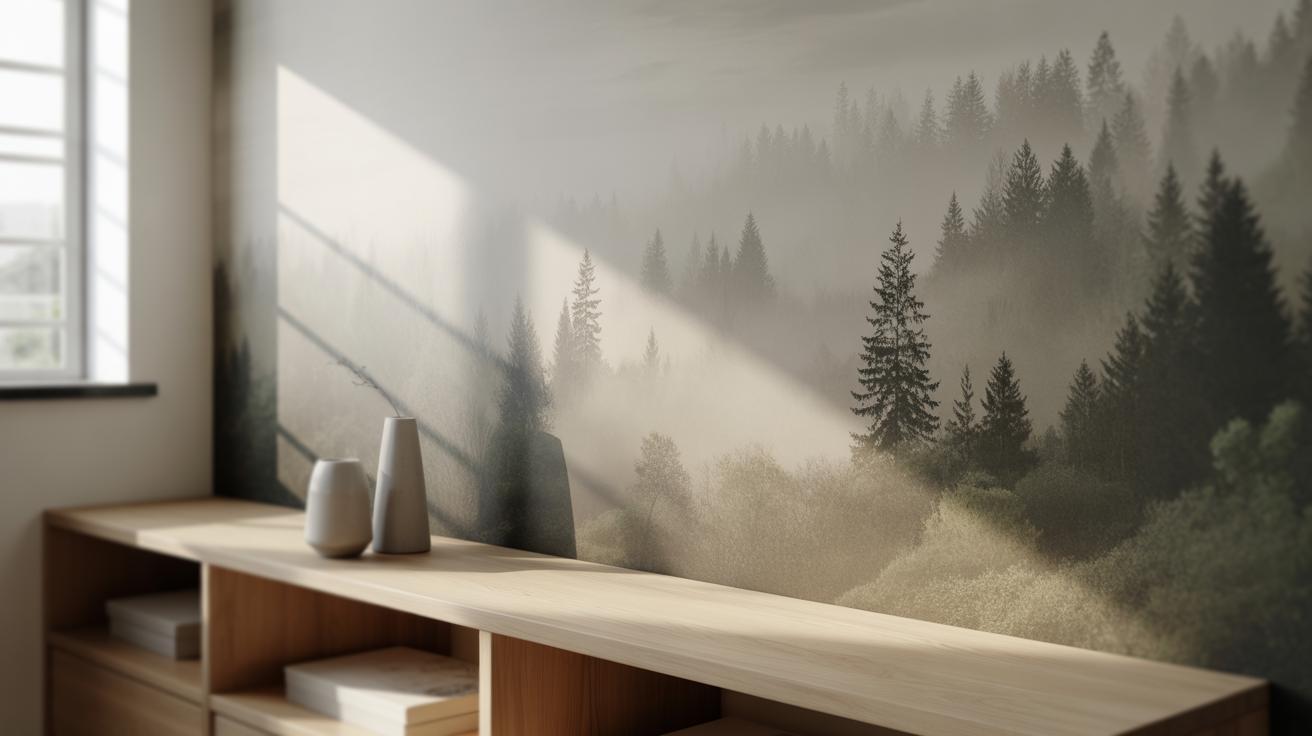
If you follow these steps but notice some stubborn bubbles after drying, poke them lightly with a pin and smooth them out. Sometimes, imperfections happen, even when you’re careful. Don’t stress; the goal is a surface that feels fresh and inviting, not flawless like a showroom wall.
Creating A Focal Point With Poppy Wallpaper
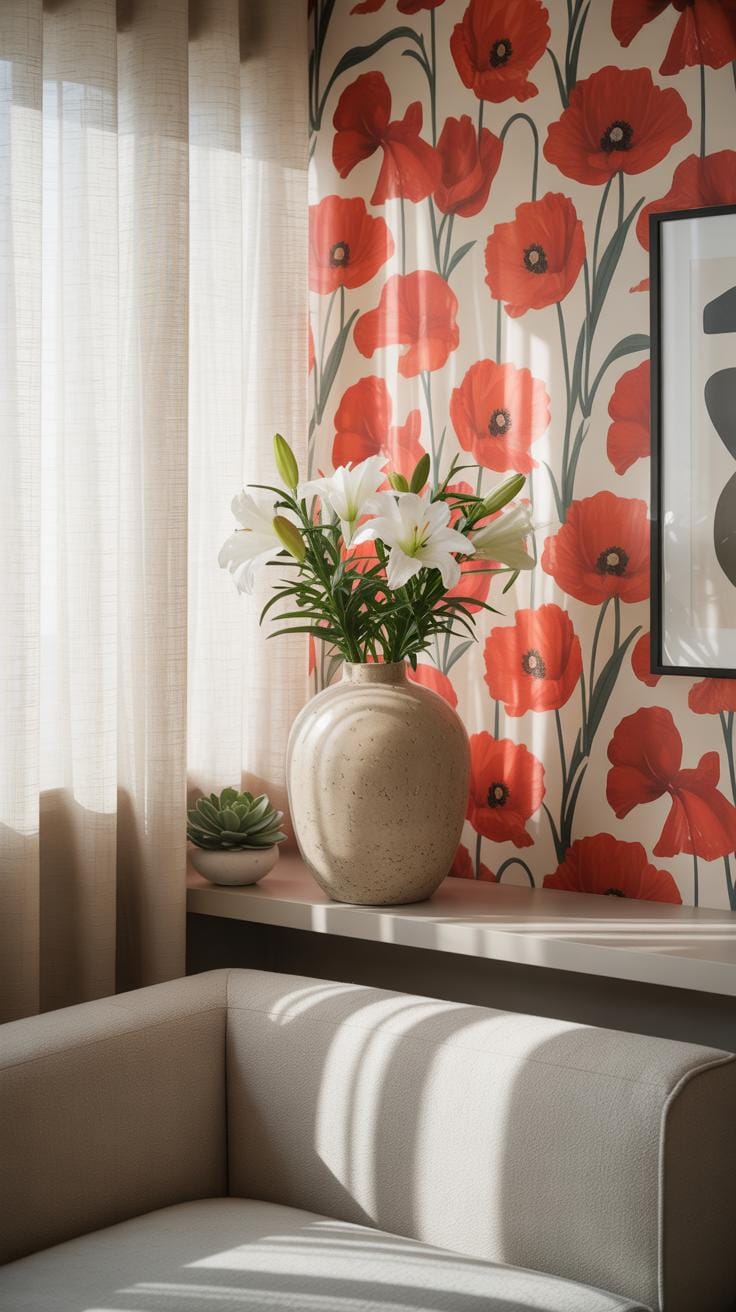
Choosing The Perfect Wall
When thinking about where to put your poppy wallpaper, it’s usually best to pick the wall that naturally draws the eye. This could be the one behind your sofa or the wall facing the room’s entrance. I find that the easiest way to decide is to stand in the room and see which wall grabs your attention first—or maybe last, depending on your habits. If you have a fireplace or a large window, maybe skip those walls since the wallpaper might compete with these features rather than enhance them.
Sometimes, it’s tempting to cover a whole room, but that can feel overwhelming with bold patterns like poppies. One wall often gives the wallpaper room to breathe and makes the room feel intentional instead of busy. Trying to choose the right scale of poppies also affects which wall to pick—bigger flowers can demand more space, and a smaller pattern might work better in a cozier nook.
Balancing The Room’s Look
Once the poppy wall is up, the rest of the room needs to quietly step back, so the focus stays where you want it. Think about using furniture and decor in neutral or muted colors; greys, whites, and soft greens often pair nicely. Or you could echo the poppy’s reds or oranges in small accents—like cushions or a throw—but be careful not to overdo it. It’s easy to tip the room towards feeling too coordinated or forced.
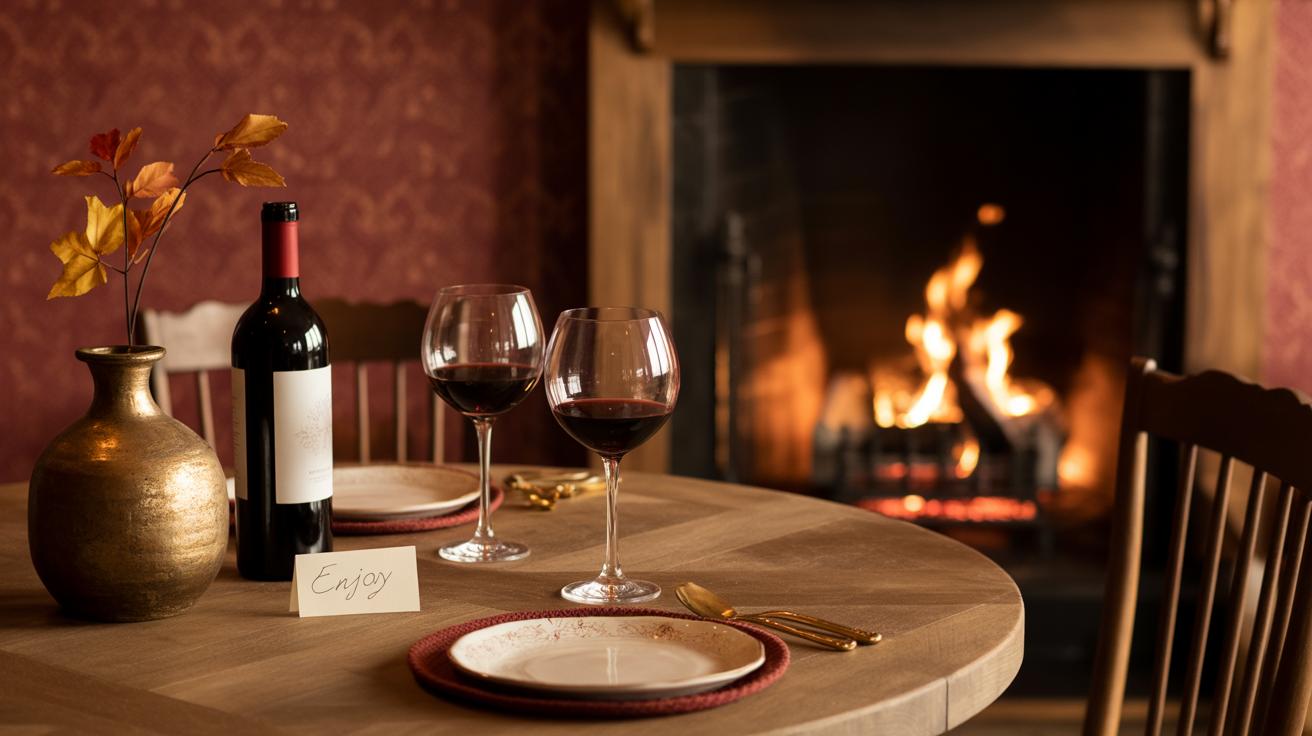
Texture matters too. A rough wooden table or a linen curtain can soften the bright energy from your flowered wall. I know it’s easy to get carried away with matching everything perfectly, but sometimes a little contrast—a black lamp, say—can ground the space rather than compete with it. Your room shouldn’t feel too symmetrical. It’s about finding a back-and-forth between the wallpaper and the rest of what’s around it, not making them mimic each other exactly.
Mixing Poppy Wallpaper With Other Patterns
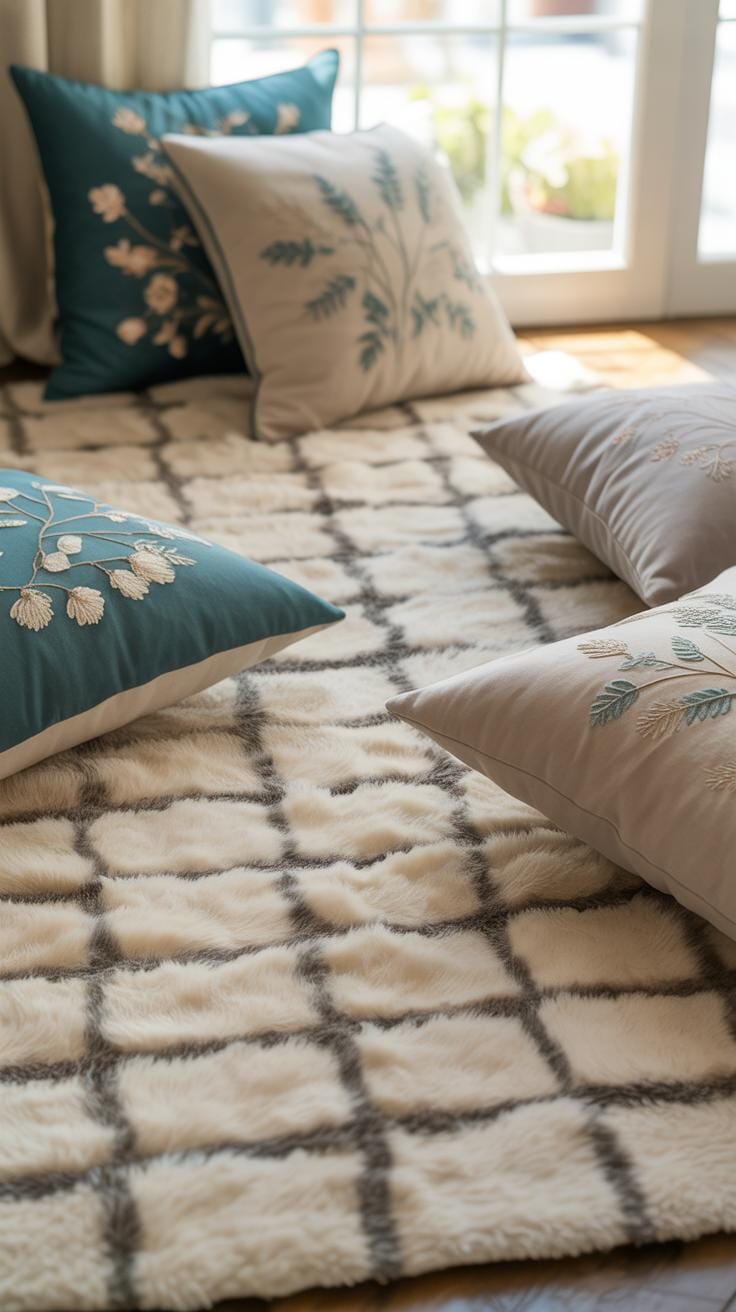
Choosing Complementary Patterns
When mixing patterns with poppy wallpaper, it’s easier if you think about contrast and scale rather than matching styles outright. Poppies, with their bold shapes and colors, tend to dominate the visual field. So, look for patterns that offer some breathing room—perhaps something geometric or subtly textured but with smaller, less busy details. For example, stripes or dots in neutral tones can work surprisingly well. You might want to avoid florals that compete directly with the poppies unless the designs vary in scale enough that one sits quiet in the background.
Sometimes it’s about finding unexpected pairings, too. I once paired poppy wallpaper with a faint herringbone textile on cushions, and the unexpected combination added warmth without feeling fussy. It’s a delicate balance, but that bit of tension can make the whole room feel more layered without overwhelming the eye.
Using Solid Colors Effectively
Solid colors play a crucial role in balancing out all this pattern mixing. Think of them as visual pauses—places where your eyes can rest and the poppies get to shine fully. Choose solids that echo colors found in the wallpaper, whether that’s the red of the petals, a soft green from the stems, or even a gentle off-white background tone.
Using cushions, curtains, or rugs in these solids can ground the space. Without these solid anchors, the room risks turning into a chaotic jumble. But don’t be afraid to experiment a little. Sometimes a bold solid color, like a deep charcoal or a warm beige, can surprisingly calm the scene without blending in too much. It’s not just about matching but creating pockets of calm that gently guide attention around the room.
Styling Your Room Around Poppy Wallpaper
Furniture Choices
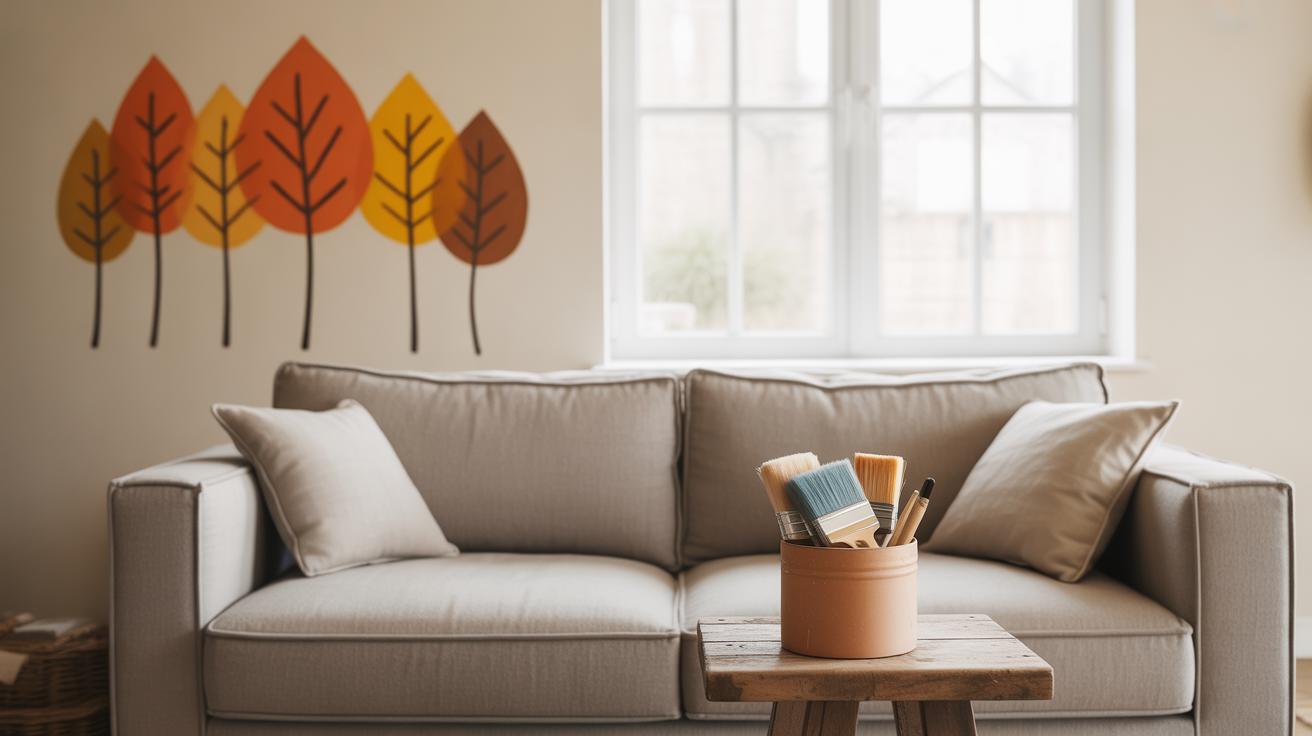
When working with poppy wallpaper, the furniture you pick can either highlight its charm or make the space feel crowded. Think about pieces that are simple in shape but add warmth. Wooden furniture with a natural finish often pairs well. It balances the bright, sometimes bold colors of poppies without competing for attention. Maybe a mid-century modern chair or a sleek oak dining table could work.
Metal or painted furniture in muted tones can also create a nice contrast, especially if your wallpaper has a lot of reds or oranges. I once tried a pale gray sideboard with poppy wallpaper, and it surprisingly softened the whole room without dulling the colors. You don’t want anything too fussy or ornate here; the wallpaper already does a lot of the talking.
Adding Textiles And Accessories
Choosing curtains, cushions, and rugs to go with poppy wallpaper can feel tricky, because you want them to blend, not wrestle, for attention. A good method is to pick textiles with subtle textures rather than loud patterns. Linen or cotton curtains in soft neutrals—off-whites, creams, maybe soft greens—usually work well. They let the wallpaper shine while adding coziness.
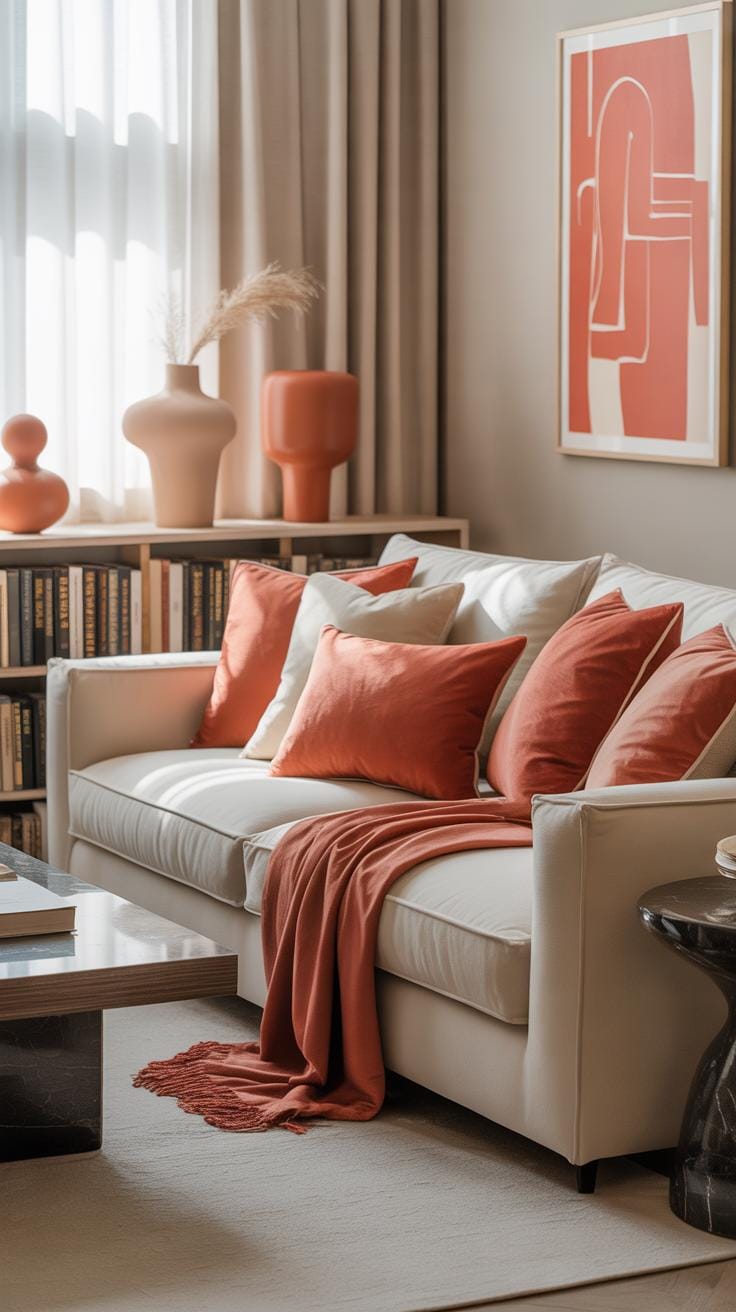
For cushions and rugs, I usually recommend echoing one of the less dominant colors in the wallpaper. If your poppies lean toward deep reds, a rug with a hint of terracotta or muted peach can complement without overwhelming. Sometimes, you might want to introduce a single accent cushion in a bolder shade pulled from the wallpaper—just enough to add interest but not too much.
Also, consider layering different textures. A velvet cushion paired with a woven rug adds depth. It makes the room feel thoughtful, not just thrown together. And small accessories—ceramic vases, simple lampshades—can ground the look, keeping things balanced.
Maintaining Your Poppy Wallpaper
Cleaning Tips
Your poppy wallpaper deserves gentle care to stay fresh without damage. Usually, a soft, dry cloth or a microfiber duster works best for routine dusting. When you spot smudges or dirt, try a damp sponge with plain water first—nothing harsh or abrasive. Soap can be used sparingly, but make sure it’s mild and diluted. Testing in an inconspicuous corner before tackling a stain is a wise move, since some wallpapers might react differently.
Avoid soaking the wallpaper. Too much moisture risks peeling or staining. You don’t need to scrub hard either; a light wipe will do most of the work. If you’re dealing with greasy fingerprints near a kitchen or dining area, a small dab of dish soap on a cloth usually lifts residues nicely.
Preventing Damage
Preventing tears and fading starts with small habits. Try not to lean or scratch surfaces close to your wallpaper. Keeping pets from rubbing against walls helps, too—imagine those pesky claws! Excessive sunlight may dull colors over time, so think about positioning your wallpaper away from direct sun or using protective window treatments.
Watch out for moisture around windows or humid rooms. Even excellent wallpaper might peel or warp if exposed to too much dampness. If you’re unsure about humidity, a dehumidifier could help—not just for your wallpaper but the whole room’s health.
Finally, placing furniture or accessories a few inches away from wallpaper surfaces might stop accidental scuffs and dents. It’s a simple precaution that helps keep that fresh look longer.
Where To Buy Quality Poppy Wallpaper

Online Stores And Brands
Finding good poppy wallpaper isn’t as tricky as it might seem once you know where to look. Online stores offer tons of options, from bold prints to subtle designs. Some popular places worth browsing include Wayfair, which offers a wide range at various price points, and Anthropologie, known for unique, artistic styles that really catch the eye.
Wallpaperdirect is another solid choice—they have a large selection, including nature-inspired patterns like poppies. For something a bit more bespoke, companies like Hygge & West or Rifle Paper Co. collaborate with artists to create beautiful floral wallpapers that feel fresh but not overwhelming.
Sometimes, these brands run seasonal sales. So, if you aren’t in a rush, keep an eye out there—it can make a difference if you want a high-quality product without paying top dollar. Just know that shipping and returns vary quite a bit between retailers.
Shopping Tips
When shopping for poppy wallpaper, a few things make all the difference. First, always double-check measurements. How much wallpaper do you actually need? It’s easy to misjudge, and running short mid-project is a pain. Measuring your walls carefully is step one.
Next, pay attention to the wallpaper’s material. Vinyl or non-woven wallpapers tend to last longer and handle moisture better, but sometimes paper-based options offer better print quality. Think about where you’ll install it—kitchen walls need different durability than a bedroom’s.
Samples can be a lifesaver. Ordering a small piece lets you check colors and patterns in your lighting, because screens can never tell the full story. Also, look for detailed product descriptions—does the wallpaper repeat nicely? Is there matching border or trim available?
Finally, consider reading reviews. Real experiences often reveal quirks you didn’t expect, like how easy it is to hang or how quickly colors fade with light exposure. It might feel like overkill, but it saves headaches later on.
Conclusions
Poppy wallpaper is a perfect choice for anyone looking to refresh their space without making things complicated. Its natural and simple design helps create an inviting and warm atmosphere. You have many options to find a style that suits your taste and room size.
Using poppy wallpaper, you can easily add a fresh look to your home. Whether you use it on one wall or all around a room, it brings color and life. With the ideas shared here, you can make your space beautiful and feel comfortable. Give your room a touch of nature with poppy wallpaper and see the difference it makes.