

Introduction
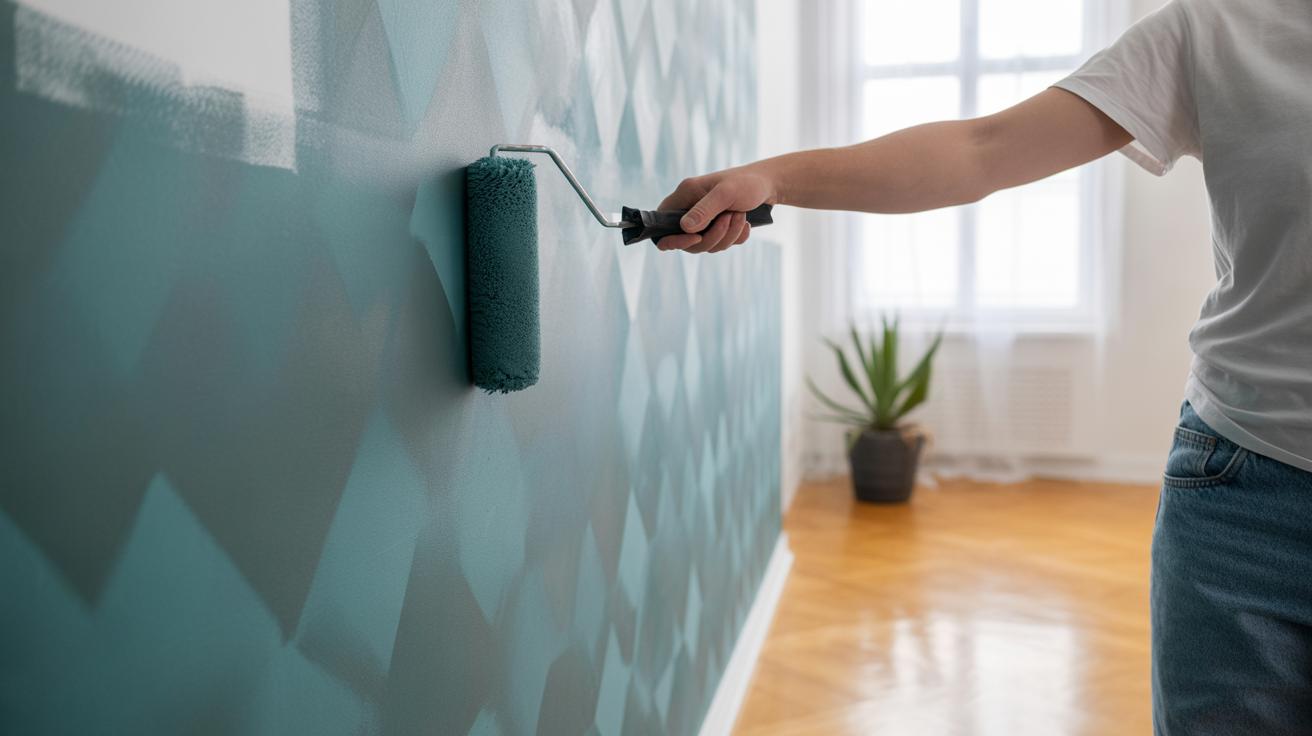
Painting wallpaper is a unique way to add character and style to a plain room. This technique allows you to transform your walls without the need for complete removal of existing wallpaper, which can save time and effort. Whether you want to brighten a space, introduce new patterns, or add texture, painting over wallpaper can open possibilities for creative home decoration.
In this article, you will discover practical painting wallpaper techniques that anyone can apply. From selecting the proper tools to cleaning and preparing wallpaper surfaces, you will learn step-by-step methods. By the end, you can breathe new life into your room and capture your personal style with straightforward painting ideas designed to make your walls stand out beautifully.
Understanding Painting Wallpaper
What Is Painting Wallpaper
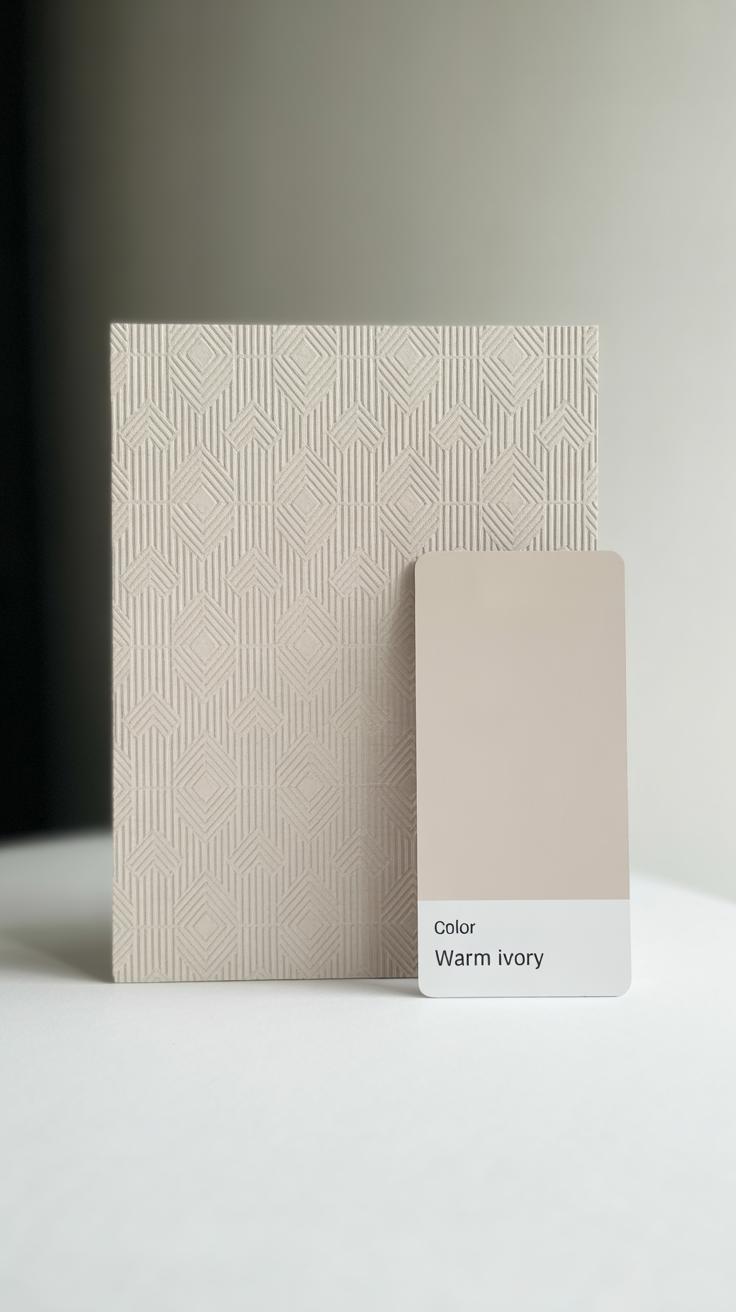
Painting wallpaper is exactly what it sounds like—applying paint directly onto existing wallpaper instead of removing it first or painting a blank wall. Some might find it odd to paint over wallpaper, especially if you’re used to stripping it off completely before redecorating. But it’s a method people use for various reasons, mainly to save time and avoid the hassle of wallpaper removal, which can be labor-intensive and sometimes damaging to walls.
When you paint over wallpaper, the surface turns into kind of a canvas. If the wallpaper is in decent condition and properly primed, paint adheres fairly well. You might choose this route if you want a quick room update without landing in a long, messy renovation project. It can be quite practical, but it’s also a bit tricky—because painting wallpaper isn’t exactly the same as painting bare walls, or even wallpaper removal and replacement.
Benefits of Painting Over Wallpaper
There are a few reasons why painting wallpaper appeals to many homeowners and renters:
- Cost-effectiveness – skipping wallpaper removal saves money on labor or tools, and sometimes on new wallpaper too.
- Time savings – stripping wallpaper can eat up days, especially on textured or stubborn surfaces. Painting over wallpaper speeds up the process.
- Creative flexibility – paint lets you change colors easily, add patterns with stencils or tape, or layer shades over the wallpaper’s texture for unique effects.
Still, it’s not foolproof. If wallpaper starts peeling or bubbles form underneath the paint, that quick fix might backfire over time. You’ll need patience and some trial and error. Personally, I remember painting over patterned wallpaper once—it wasn’t perfect, but it gave the room a fresh feel fast. Sometimes, compromises like this are worth it, depending on what you prioritize.
Selecting the Right Wallpaper for Painting
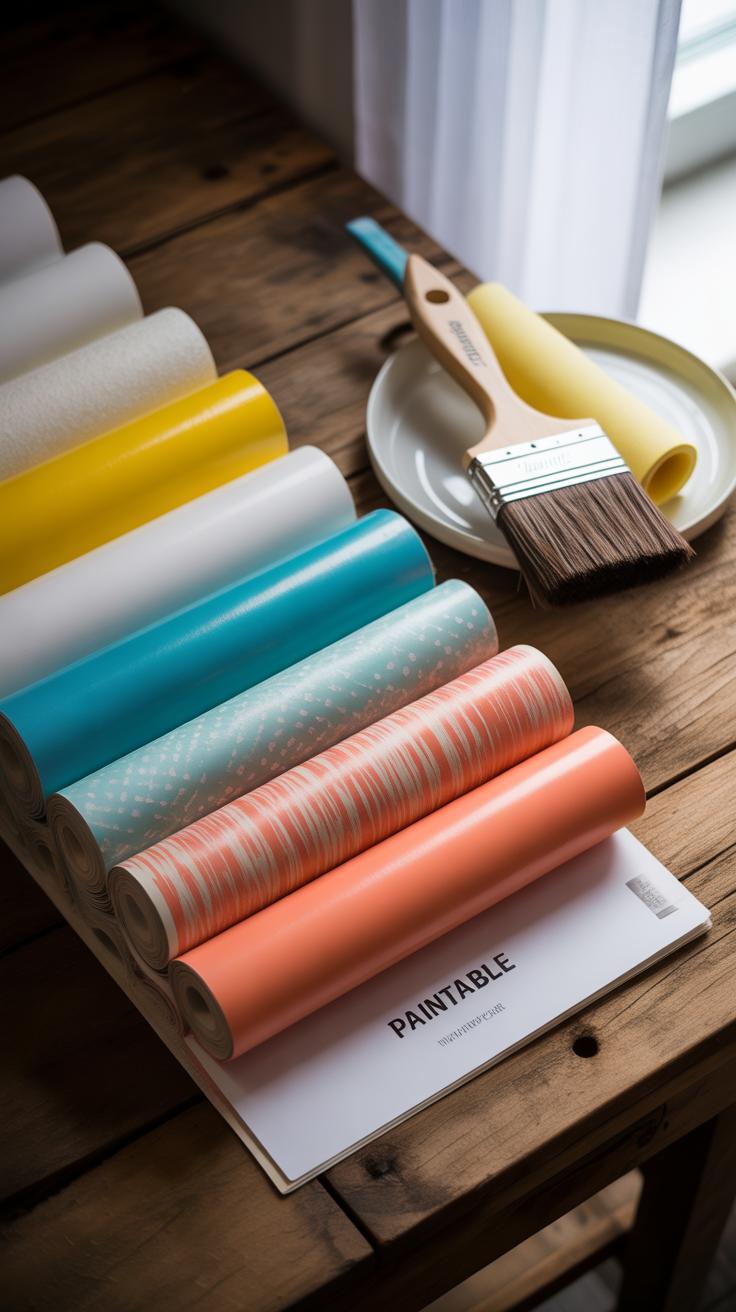
When you decide to paint over wallpaper, the kind of wallpaper you choose is crucial. Not all wallpaper welcomes paint, and picking the wrong one can lead to frustration. So, what should you look for?
First, wallpapers made from vinyl or those labeled as washable often take paint well. Vinyl’s smooth, plastic coating handles moisture and paint without soaking it up or peeling. You might have seen those commercial spaces using vinyl wallpaper and then refreshing it with a new paint coat—it works because of that durable surface.
Then, there are non-woven wallpapers. They’re less common, but some of these can be painted, especially if they have a matte finish. If you’re unsure, test a small, hidden area before committing. Sometimes the texture varies, and you want to know if your brush will glide or catch.
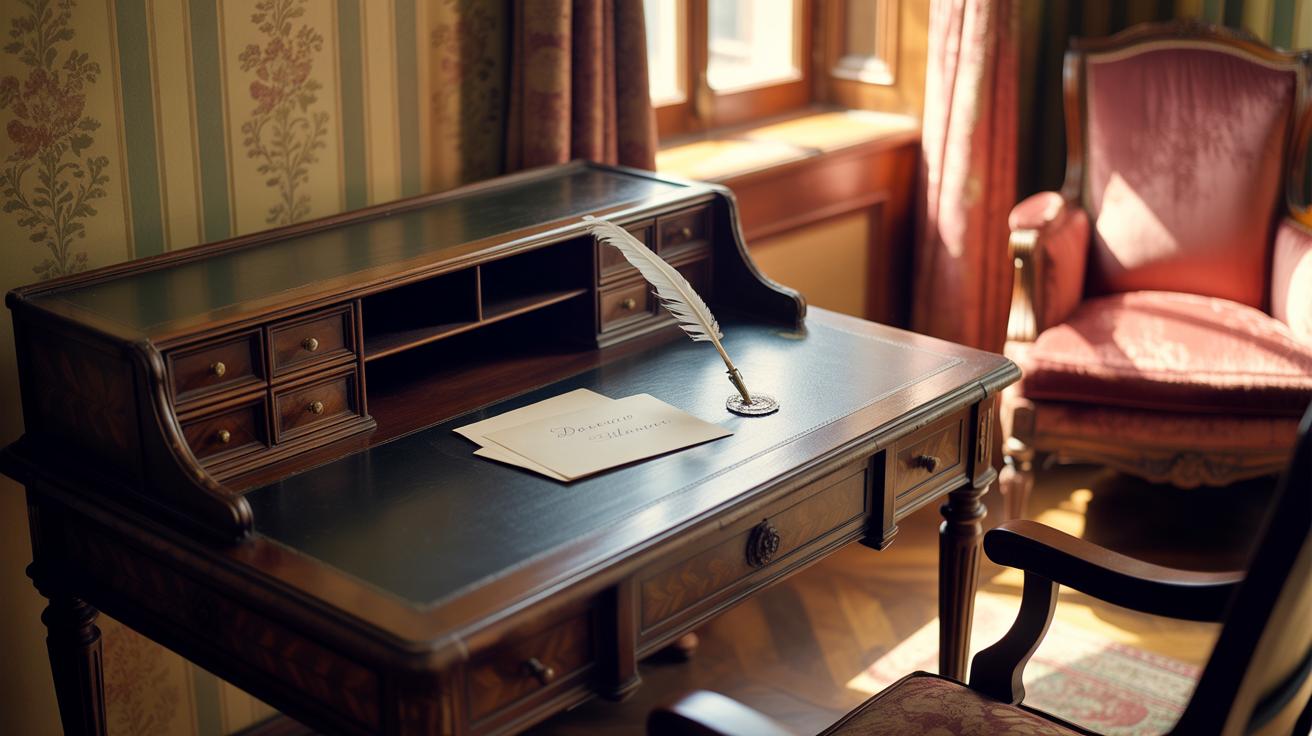
On the flip side, steer clear of delicate papers like grasscloth, fabric-covered walls, or heavily textured wallpapers with raised designs. They tend to absorb paint unevenly or peel away. Also, old wallpapers with adhesive starting to loosen are a gamble—you might end up with bubbling or flaking paint.
To identify paint-ready wallpaper, look for labels mentioning “paintable” or “washable,” or ask your supplier directly. Sometimes, you can tell by feel: smooth, slightly slick surfaces tend to accept paint better than fibrous or rough ones. Still, this isn’t foolproof—when in doubt, try a test patch.
Have you ever tried painting wallpaper only to see it peel days later? It’s frustrating, but often comes down to picking the wrong wallpaper first—so choosing wisely saves headaches down the road.
Preparing Wallpaper for Painting
Cleaning and Repairing the Wallpaper Surface
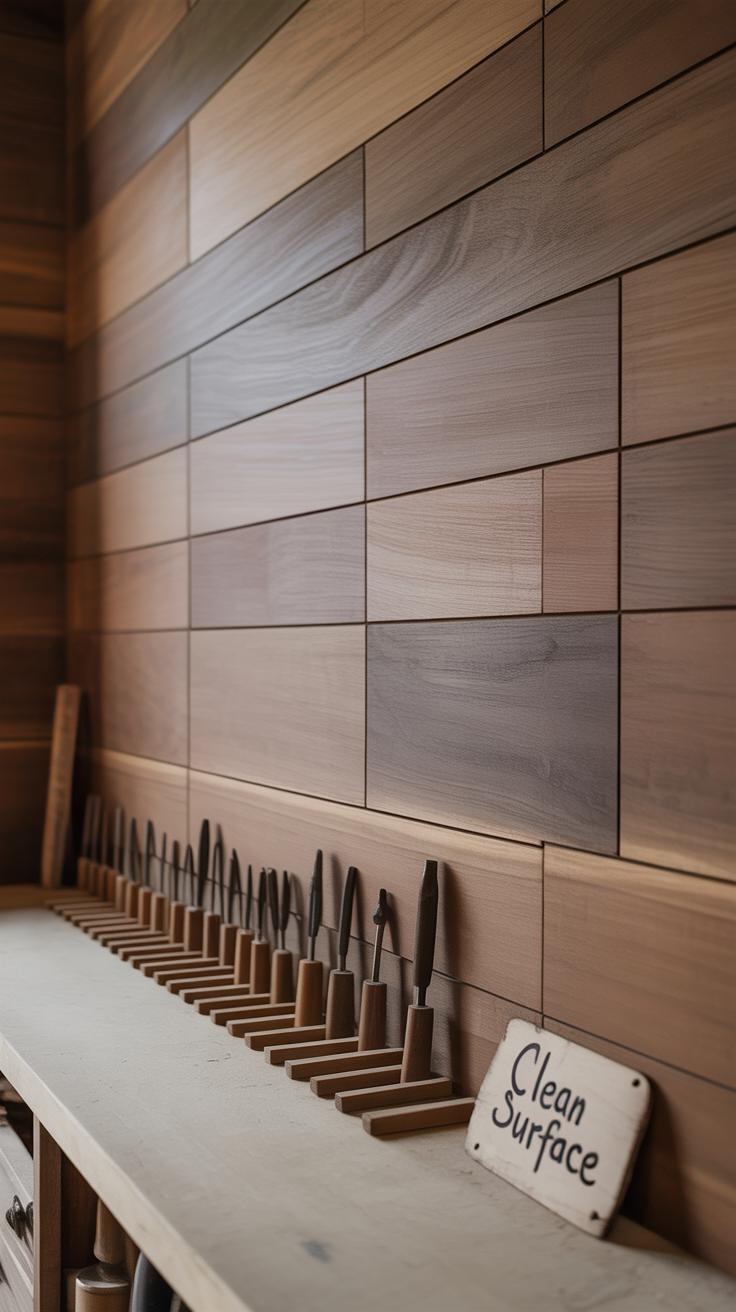
Before you even think about paint, the wallpaper has to be clean. Dust and grime can sneak into every crease, making paint stick poorly or look uneven. I usually start with a soft sponge dipped in warm water mixed with a mild detergent. Nothing harsh—too much scrubbing might damage the paper. Gently wipe, then let it dry fully. Sometimes, I wonder if a little stain or spot will peek through later. It might, but fixing that feels better than risking a ruined paint job.
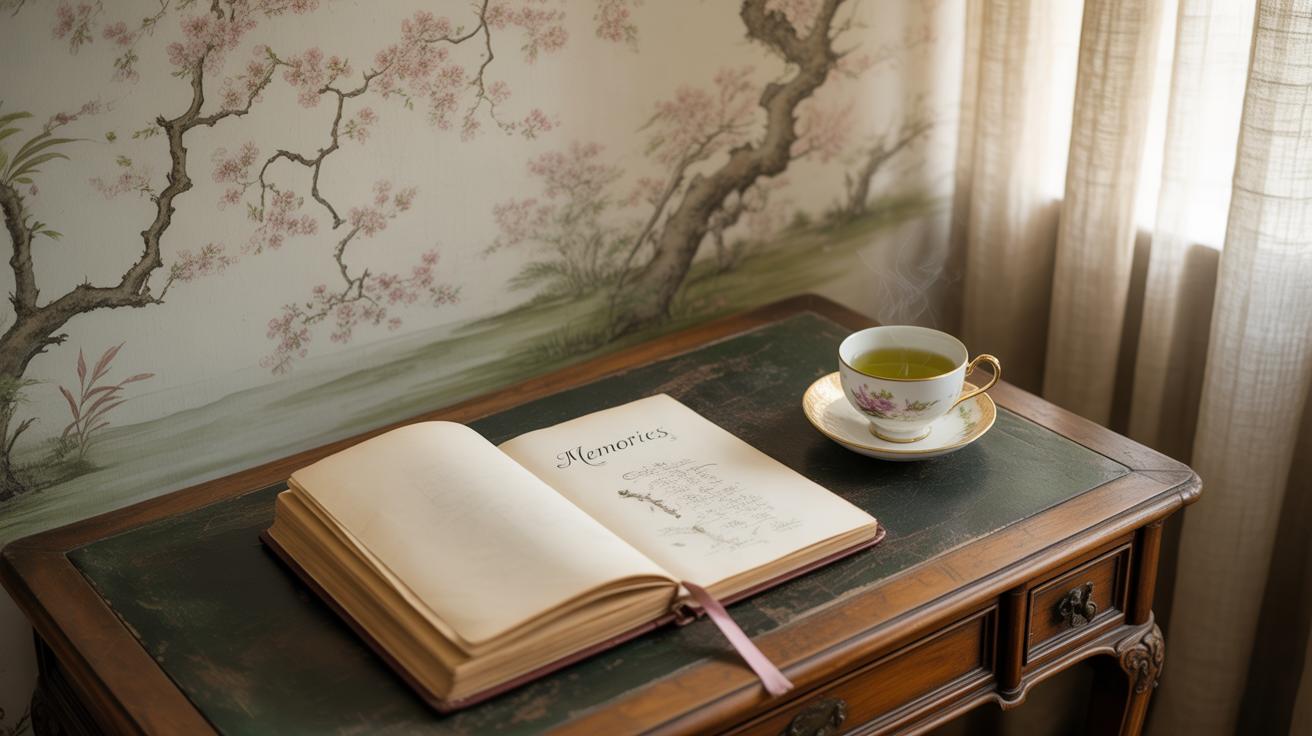
Next comes the fiddly part: repairing tears, bubbles, or loose edges. If you spot a bubble, carefully tease it open with a utility knife and push out trapped air. Then dab some wallpaper adhesive underneath, pressing it flat again. Tears? A bit more glue and a small piece of matching wallpaper behind the rip will keep things smooth. These fixes might seem a bit tedious, but they pay off when your new paint doesn’t peel or crack later on.
Priming Wallpaper
Priming wallpaper might feel like an extra step—sometimes it’s tempting to skip it. But primer truly helps paint grip better and lasts longer. If the wallpaper has a glossy or vinyl surface, primer is absolutely necessary to prevent peeling. For plain paper or fabric-backed types, it depends on the paint you’ll use, but a primer is never a bad idea.
When applying primer, pick a roller for even coverage, and avoid too thick a coat—it just needs to create a clean, consistent base. You don’t have to cover every detail perfectly; the primer’s goal isn’t to hide the wallpaper but to prepare the surface. Wait until it’s fully dry—patience is key here. Rushing this step might show through your paint as blotches, which you definitely want to avoid.
Choosing Paint and Tools for Wallpaper Painting
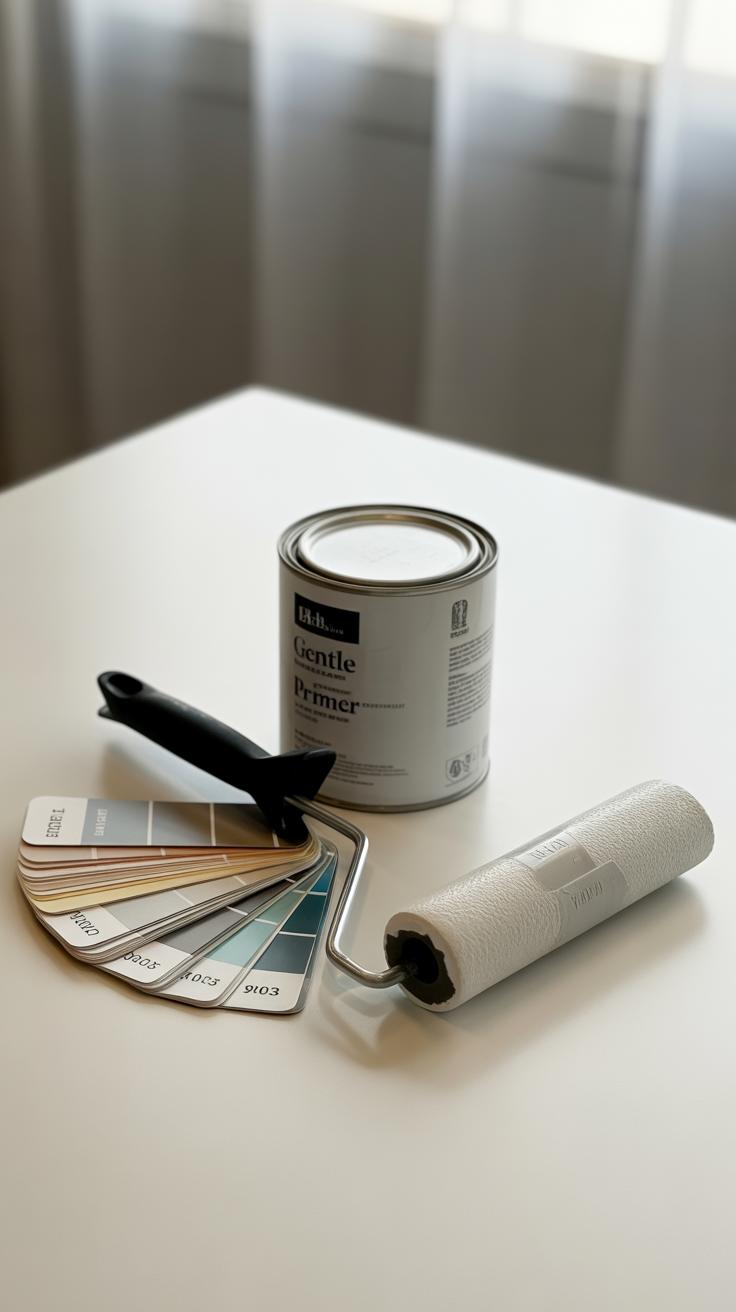
Picking the right paint for wallpaper isn’t as straightforward as grabbing whatever’s in your garage. Wallpaper can be tricky—some textures soak paint up, others resist it. So, the paint type matters a lot. Usually, latex and acrylic paints are good bets because they offer flexibility and adhere well without cracking. Water-based paints also work nicely if you want something that dries fast and cleans up easily, though they might not be as durable for heavy-traffic walls.
Think about how the wallpaper reacts. Is it vinyl-coated? You might need a primer first to help the paint stick better. And, the finish matters too—matte paints mask imperfections, while eggshell or satin finishes give a slight sheen and clean easier.
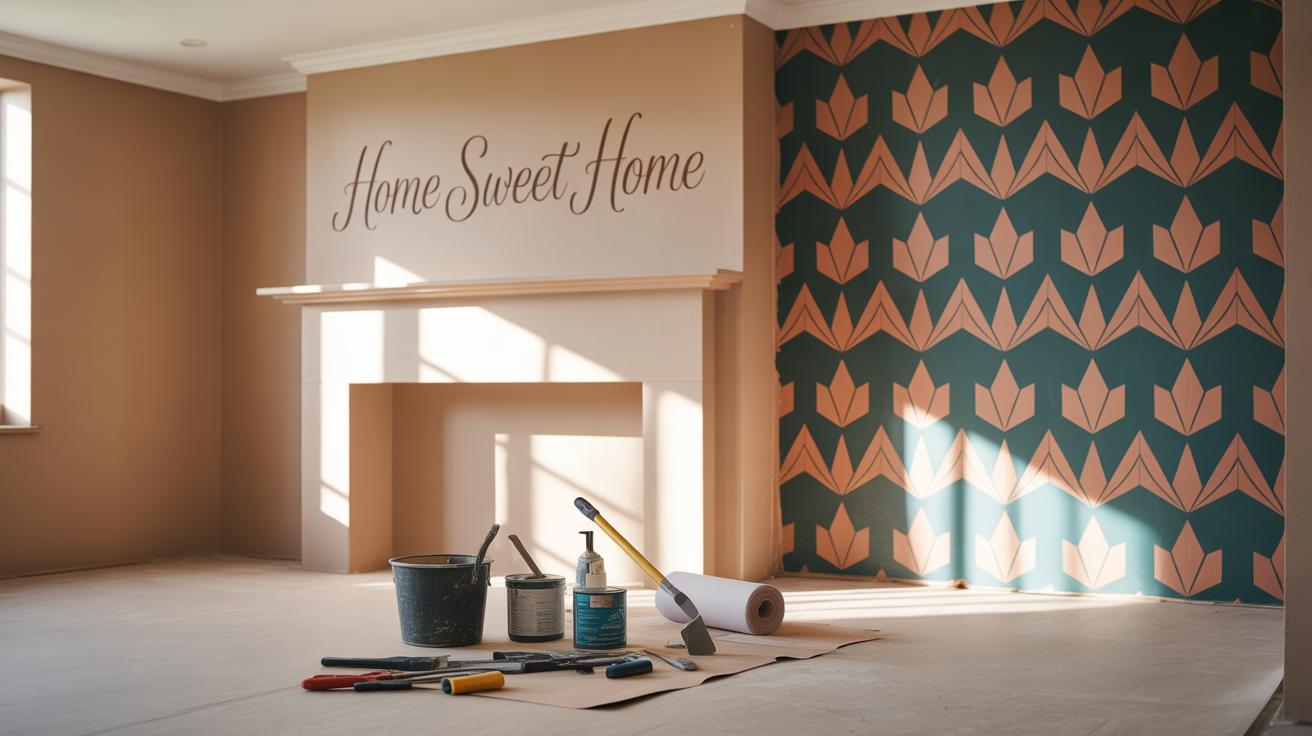
When it comes to tools, you’ll want to be a bit choosy. Brushes with synthetic bristles handle water-based paints without shedding and work well for edges or smaller areas. Rollers are often your go-to for bigger surfaces—get a short nap roller if your wallpaper is smooth, and maybe a slightly thicker one if there’s texture. Spray guns can create an even coat quickly but require some practice and careful masking to avoid overspray. I remember trying a sprayer on patterned wallpaper once and ended up with more paint in the crevices than on flat parts—lesson learned.
So, in short, these tools stand out:
- Synthetic bristle brushes for edges and detail
- Short nap rollers for smooth wallpaper
- Medium nap rollers if texture is present
- Paint sprayers for large areas or smooth finishes (if you feel confident)
Choosing paint and tools thoughtfully helps avoid uneven coats, bubbling, or peeling later—something you definitely want to prevent before you even start painting. What kind of wallpaper do you have? It might steer your choices more than you expect.
Basic Painting Techniques on Wallpaper
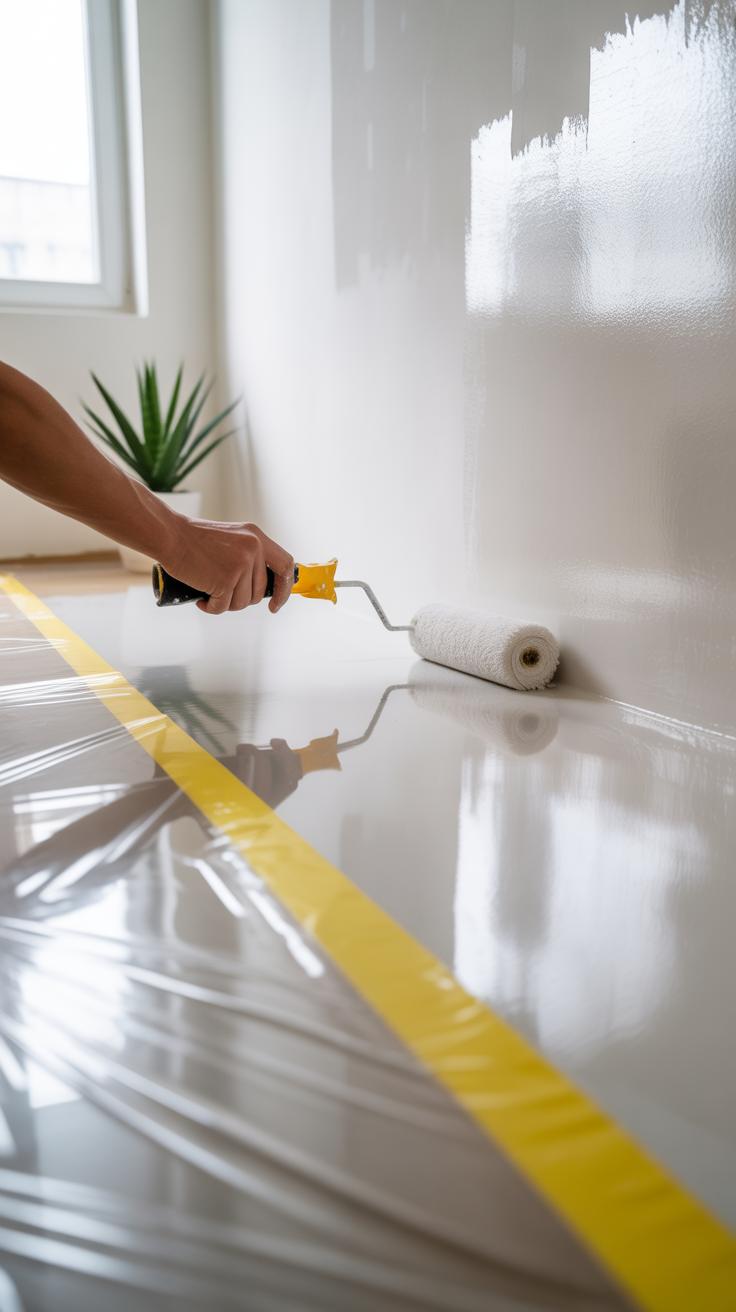
When you’re ready to paint over wallpaper, the process isn’t as tricky as it may seem at first glance. Start by cutting in the edges carefully with a good angled brush. This allows you to control the paint near corners and trim without making a mess. I often find that taking this slow part seriously pays off later when everything looks clean and sharp.
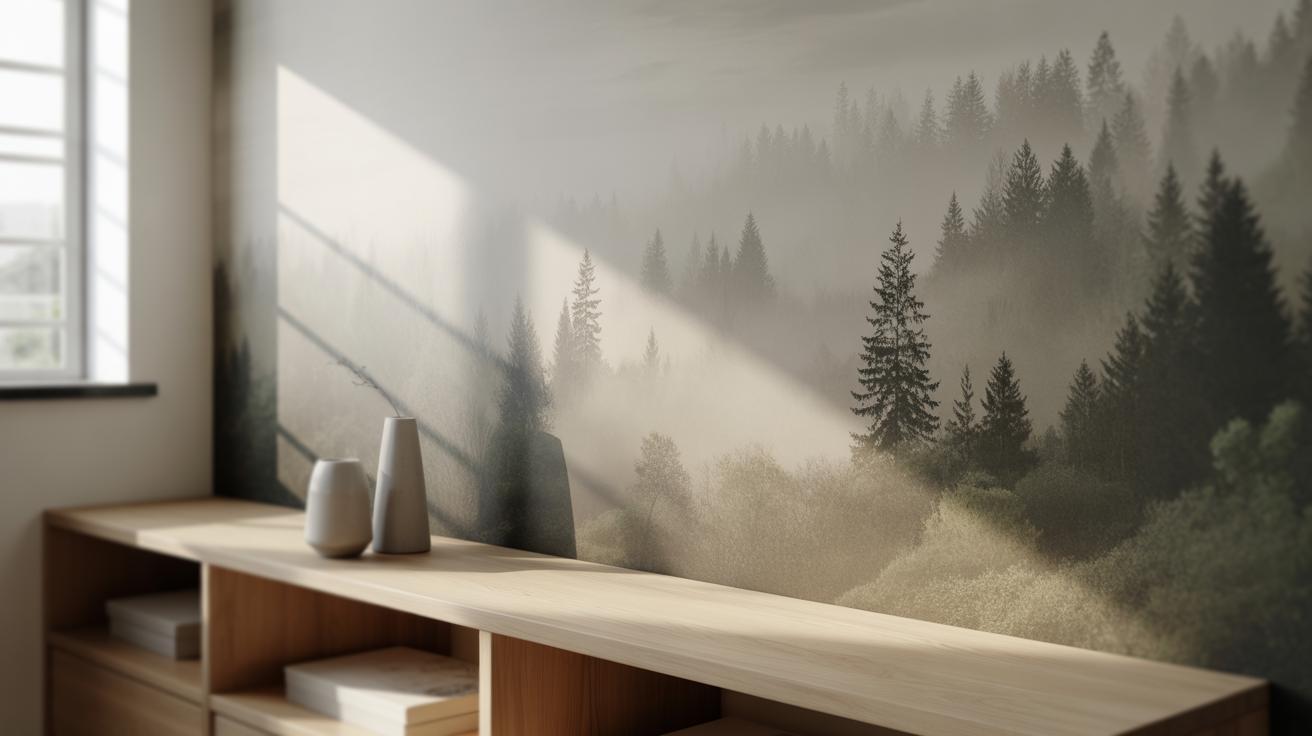
Once the edges are done, it’s time to grab a roller. Use a roller with a short to medium nap—too thick and you risk texture showing through, too thin and the paint might not cover well. Load the roller evenly but don’t overload it; too much paint causes drips or bubbles. Rolling in a consistent direction, usually top to bottom, helps keep the coat even.
Layering is key. One coat might look fine, but a second—or sometimes a third—helps paint adhere well and dulls any wallpaper pattern underneath. Wait for each coat to dry completely before applying the next. This patience can be tough, I know, but rushing often leads to peeling.
Some common pitfalls to watch out for:
- Avoid saturating your brush or roller with paint—this just leads to runs and bubbles.
- Don’t press too hard with the roller; let it do the work.
- Check for bubbling regularly and gently smooth these areas before the paint dries.
- Make sure wallpaper is firmly stuck down before painting—it surprises me how loose edges can sabotage a whole wall.
By following these steps, you’ll get a smooth painted finish on wallpaper that lasts longer than you might expect. Just be patient and watch your materials carefully—they often tell you what to do, if you listen. Have you ever tried painting wallpaper before? What part caught you off guard?
Advanced Painting Styles for Wallpaper
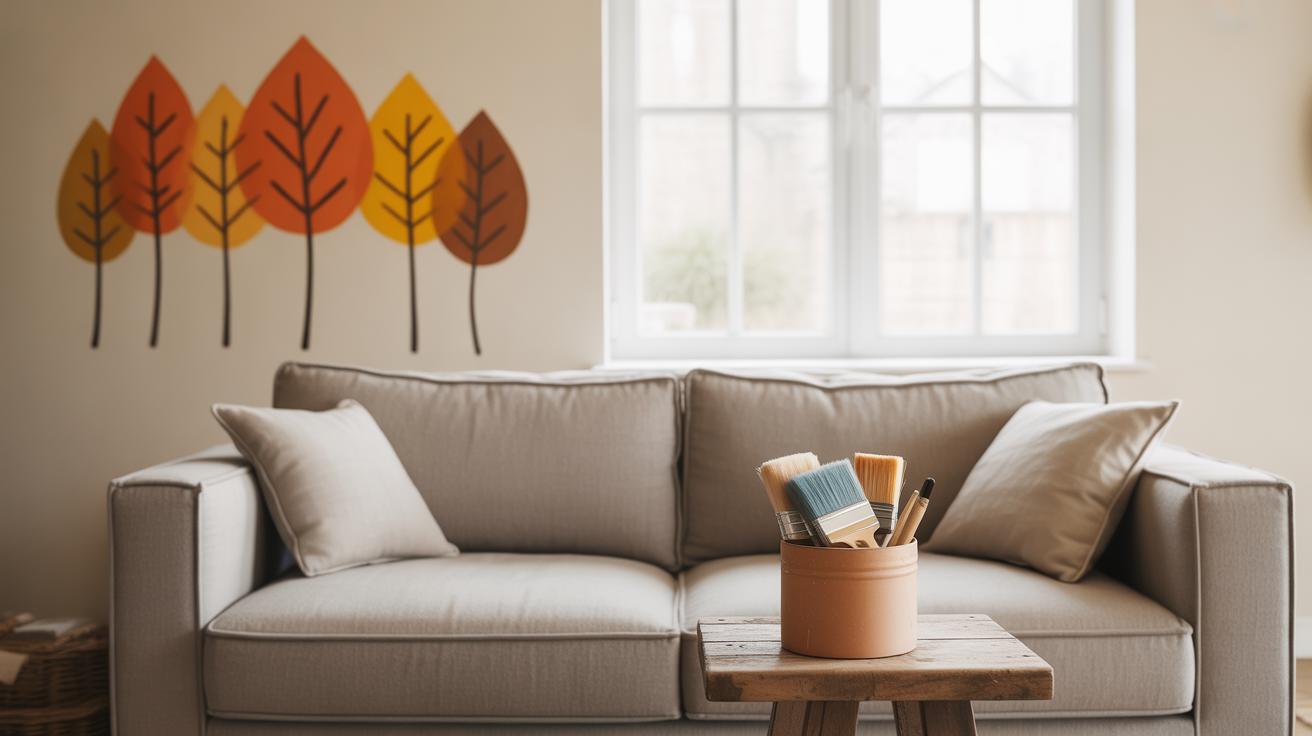
Taking your wallpaper beyond a simple coat of paint opens up some interesting possibilities. Stenciling, for example, lets you layer decorative patterns over an existing painted surface. You could try geometric shapes or floral motifs—whatever fits the room’s vibe. Using stencils isn’t just about repeating a design; think of it as selectively highlighting areas of the wallpaper. Some spots get bold color, others remain subtle, which can create depth you don’t usually get with wallpaper alone.
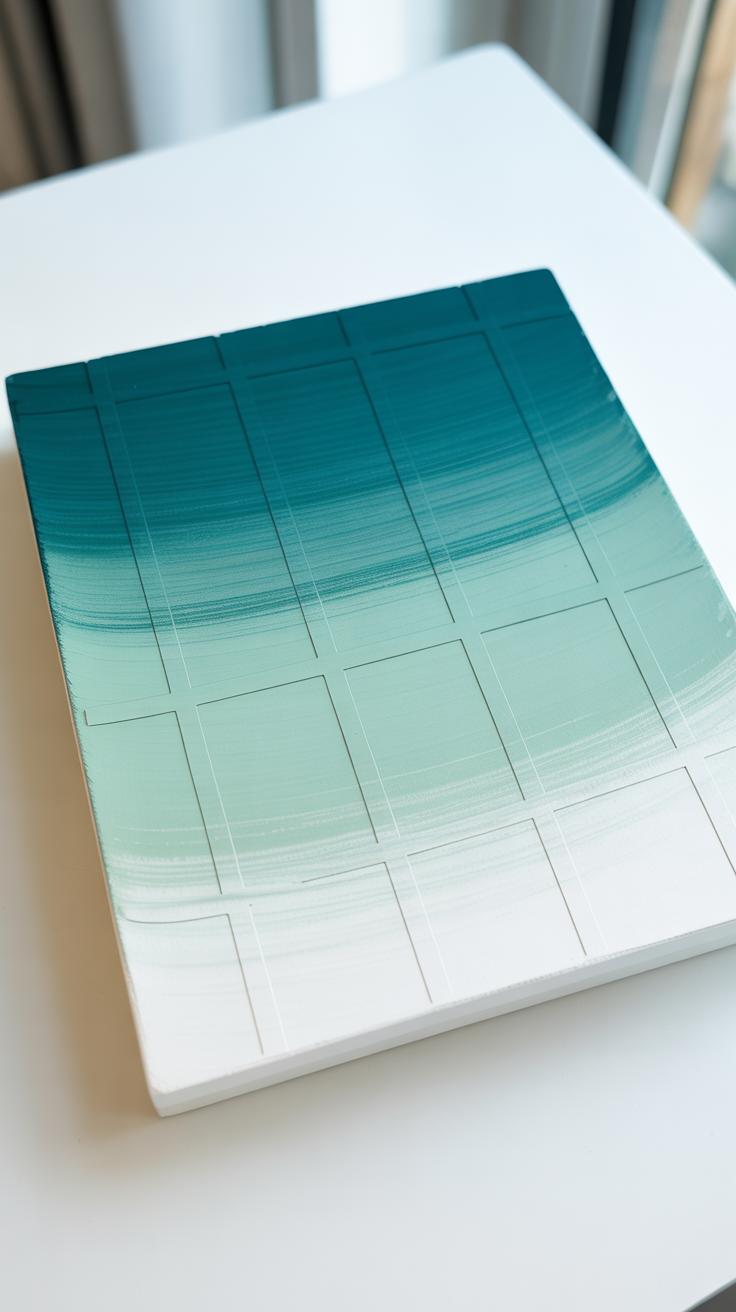
Ombre effects bring a subtle drama that’s surprisingly easy to achieve on wallpaper if you have the right brushes and patience. The trick lies in blending gradually from a light shade to a darker one, or vice versa, so the transition appears smooth. It takes some trial and error, especially when dealing with textured wallpaper, but the payoff is a sophisticated gradient look that’s not just plain paint or print.
Color blocking feels like a bolder move. You paint large sections in contrasting or complementary colors, forming precise shapes or abstract forms. Unlike ombre, which is all about blending, color blocking plays with sharp edges and strong color contrasts. It’s a more graphic approach that can make a big impact, especially in modern or minimalist spaces. I’ve found that taping off clean lines makes all the difference here, but there’s some freedom in embracing uneven edges too, depending on your style.
So, whether you’re thinking of spicing up the walls with stencils, softening them with an ombre fade, or making a statement through color blocks, these techniques offer a chance to customize your wallpaper in ways that plain painting rarely does. Have you experimented with any of these methods? What surprised you most about them?
Maintaining Painted Wallpaper
Cleaning Painted Wallpaper
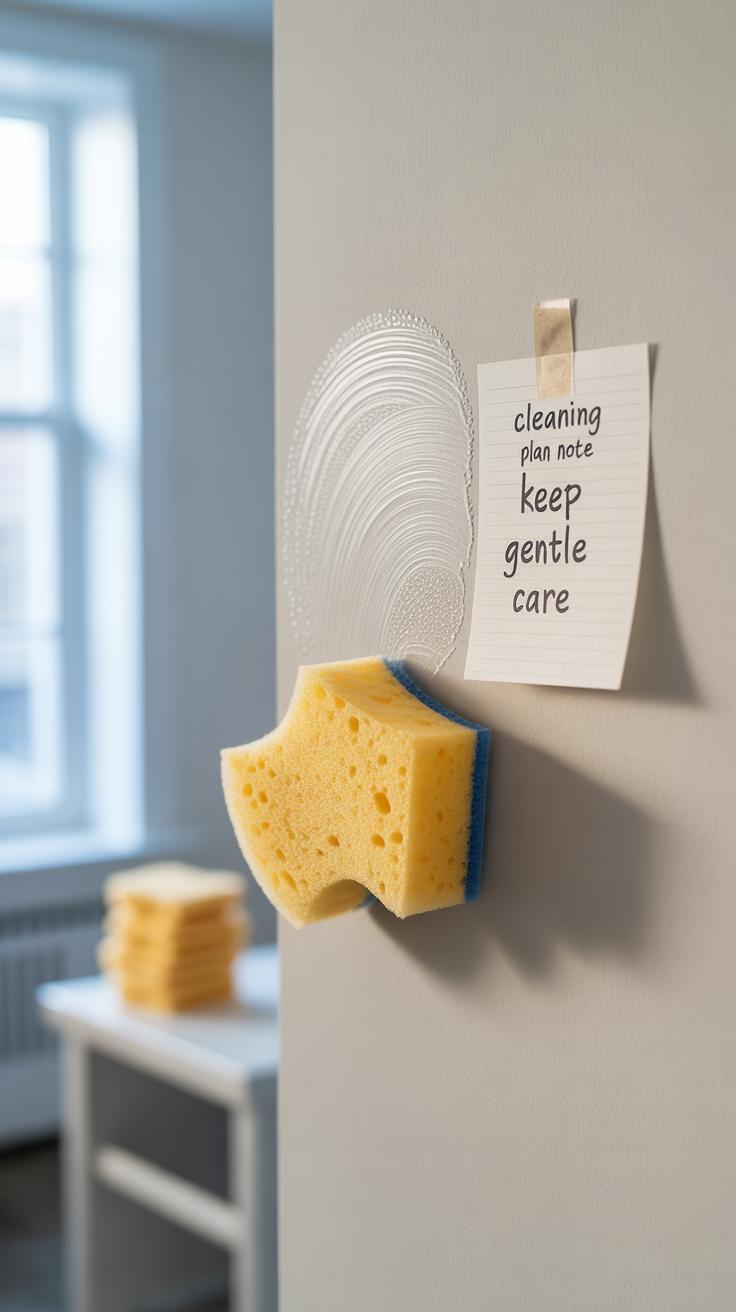
Cleaning painted wallpaper needs some care—it’s not quite the same as wiping down regular walls or traditional wallpaper. You want to avoid scrubbing too hard because the paint layer, especially if it’s thin or decorative, can peel or fade. Gentle cleaning often works best.
Try using a soft, damp cloth or sponge with mild soap diluted in water. For most painted wallpapers, just a light wipe is enough to remove dust and minor stains. Avoid soaking the wallpaper because excess moisture seeps underneath and can cause bubbling or adhesive issues.
I once lightly cleaned a painted floral wallpaper with a microfiber cloth and warm water, and it worked well—no damage, just refreshed color. For tougher marks, test a small, hidden spot first. Sometimes, even gentle cleaners can dull the paint finish or cause discoloration. So, err on the side of caution.
Handling Wear and Tear
Small scratches or chips on painted wallpaper aren’t the end of the world, although they can be frustrating. Touch-ups are possible but need patience.
Here’s how you might approach it:
- Use leftover paint from your project if you can. Matching the shade exactly might be tricky, especially if the paint has aged differently on the wall over time.
- Apply the touch-up carefully with a small brush or even a cotton swab for tiny spots. Dab rather than drag to avoid messing up the texture.
- For minor tears or peeling edges, use wallpaper adhesive to reattach the loose sections before painting over them.
- If damage is a bit more noticeable, blending the repair with surrounding patterns or colors may help it hide better. Sometimes blending works; sometimes it just draws more attention.
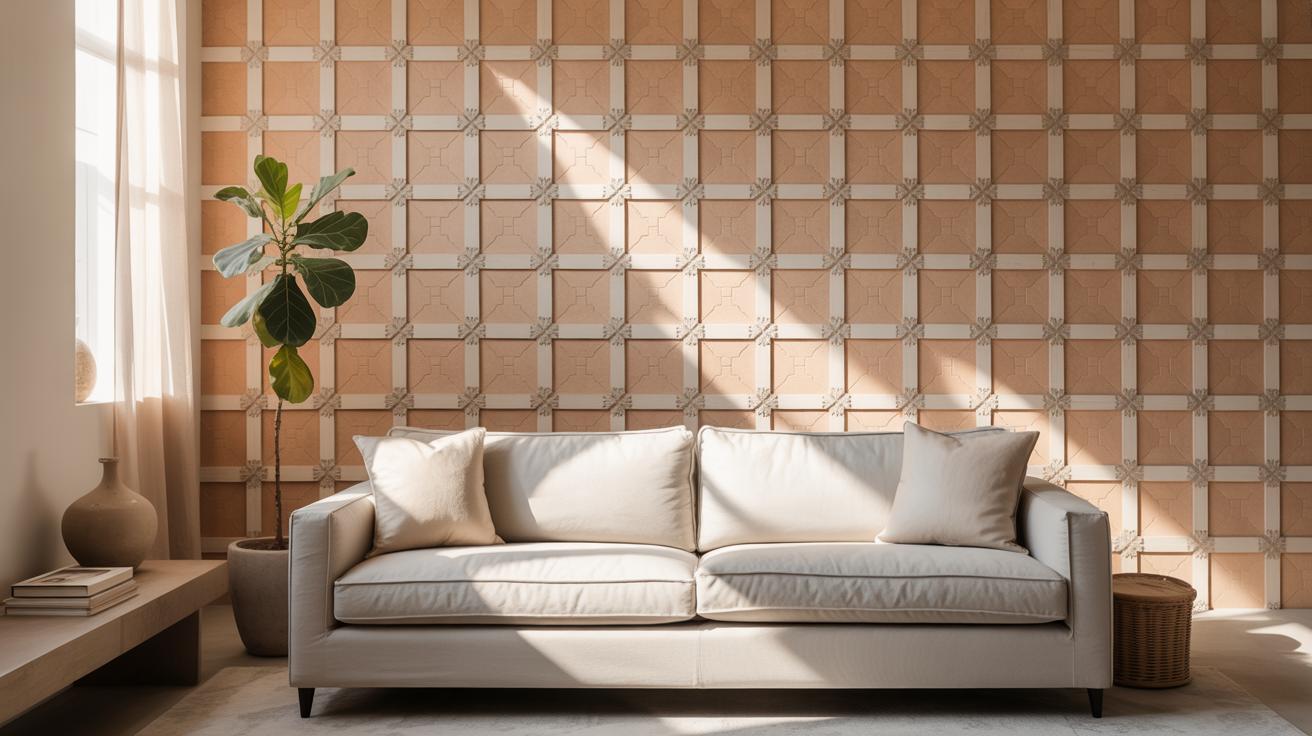
Honestly, maintaining painted wallpaper takes a bit of vigilance. Will it stay perfect forever? Probably not. But with some gentle care and timely repairs, you can keep your walls looking fresh for a while—long enough to enjoy them without stress.
Design Ideas to Inspire Your Painted Wallpaper Project
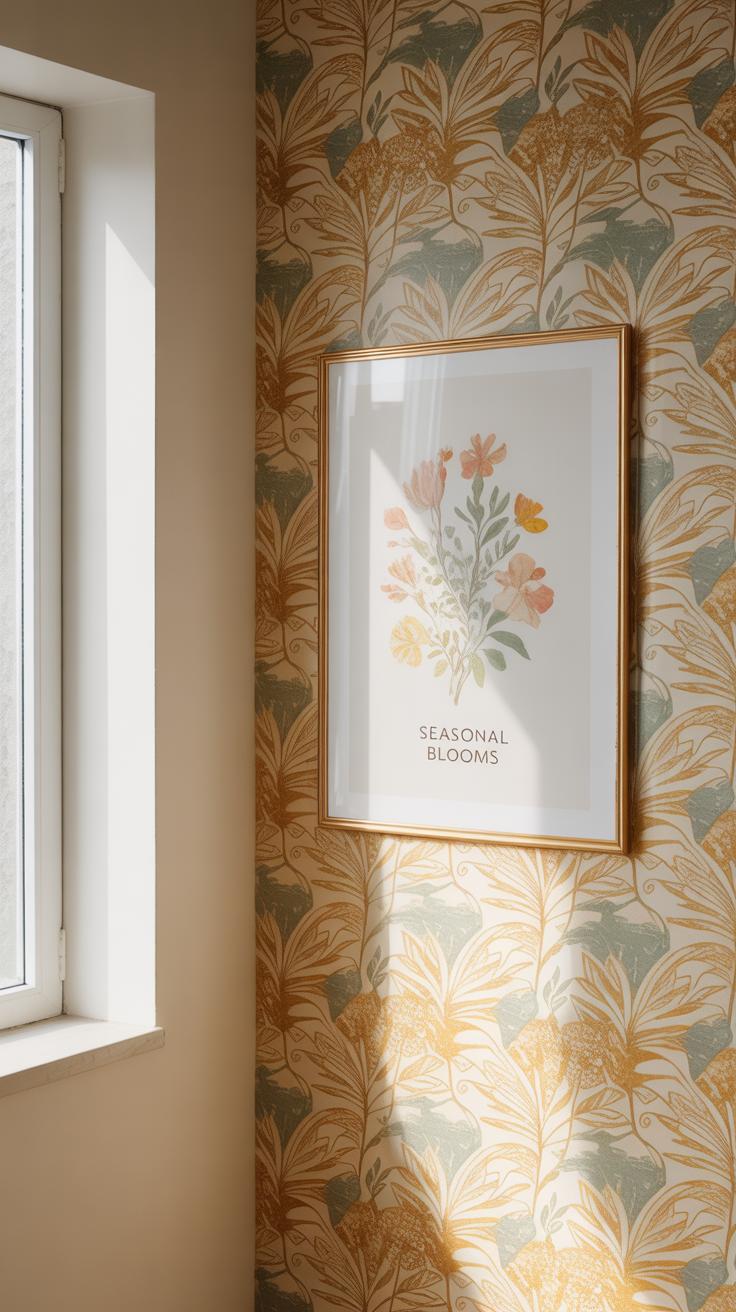
Brightening Spaces with Light Colors
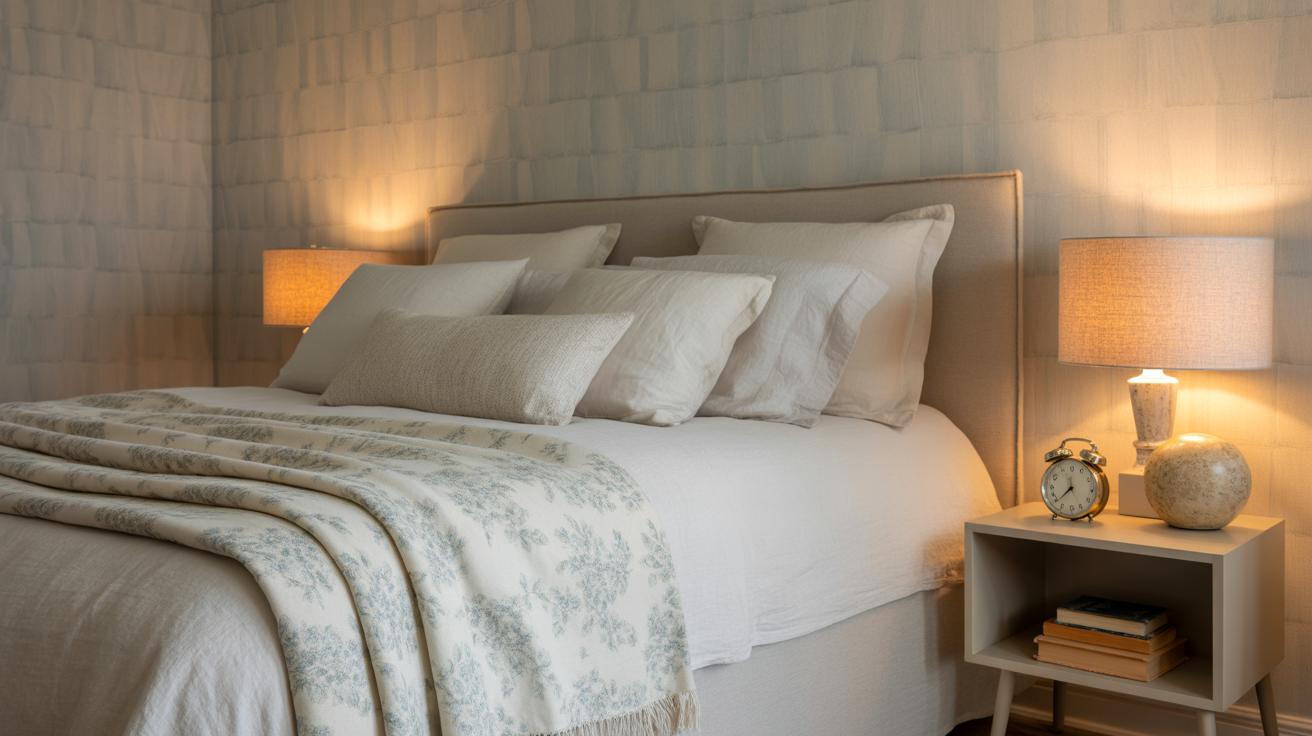
Using light-colored paint over wallpaper can truly change how a room feels. Light shades—think soft creams, pale blues, or muted grays—reflect more natural light, which gives even the smallest or darkest rooms a more open, airy quality. You might find that a dull, cramped space suddenly feels more welcoming, almost as if it breathes easier.
One thing that’s interesting is how light paint tones can also soften patterns underneath. For example, if you apply a thin wash of white or beige over a wallpaper with a busy design, it can bring a sense of calm without totally hiding the original texture or motifs. Some people may hesitate, wondering if the wallpaper will still peek through in a way that looks messy, but with the right paint consistency, it’s more like a gentle filter than a cover-up.
If you’re considering this approach, try testing a small section first. You might be surprised to see how much lighter colors open up the room. This isn’t just about brightness, though—it can also change the mood, making spaces feel restful or more spacious, which is often a priority in bedrooms or small living areas.
Bold and Textured Painted Wallpaper
On the flip side, some rooms crave impact. Bold, strong colors applied to wallpaper can create a focal point that’s hard to ignore. Deep blues, rich greens, or even black can work over patterned wallpaper, especially if you use thick brush strokes or textured techniques. This can add unexpected layers—almost like reinventing wallpaper into something tactile.
Trying out texture might involve sponging, rag rolling, or even using a palette knife if you feel adventurous. These methods don’t just add color; they give the wall a physical depth that flat paint can’t match. Such effects work well in rooms where you want energy or a bit of dramatic flair, like dining rooms or home offices. It’s easy to imagine how these textures shape the feel of a space—and maybe even make it a conversation starter.
What I find a little tricky, though, is balancing boldness without overwhelming the room. You might go all in on one wall and keep the others lighter, or choose an accent area like behind a sofa or a headboard. It’s really about experimenting—and maybe accepting that not every idea will be perfect right away.
Conclusions
Painting wallpaper can be an easy and effective way to change the look of a plain room. You don’t always have to remove old wallpaper; sometimes painting over it can give your walls a fresh appearance. Using the right preparation methods and materials is key to ensuring a smooth finish and lasting results. Remember to test your paint, clean surfaces well, and use appropriate brushes or rollers for the job.
With the techniques shared, you can confidently approach wall painting to transform your space. Think about your color choices and design goals, then tailor your approach to match. This practical skill will help you upgrade your home’s style affordably and creatively. Explore painting wallpaper as a simple solution to brighten or reshape your room’s ambiance.