
Introduction
Paint Brush Art and Paint Brush Drawing Techniques each offer unique ways to create visual expressions that can enhance your home decor. They use paint brushes but for different purposes and styles. Paint Brush Art often involves applying paint to various surfaces, creating broad and vibrant artworks. On the other hand, Paint Brush Drawing Techniques focus on more detailed and precise strokes that define structure and form.
This article breaks down these two approaches to help you understand their roles in making your home decor unique. You will learn the differences, how to apply both techniques, and practical tips for creating art or drawings that suit your space. Whether you’re a beginner or want to improve, these insights will help guide your creative choices.
History Of Paint Brushes And Their Uses
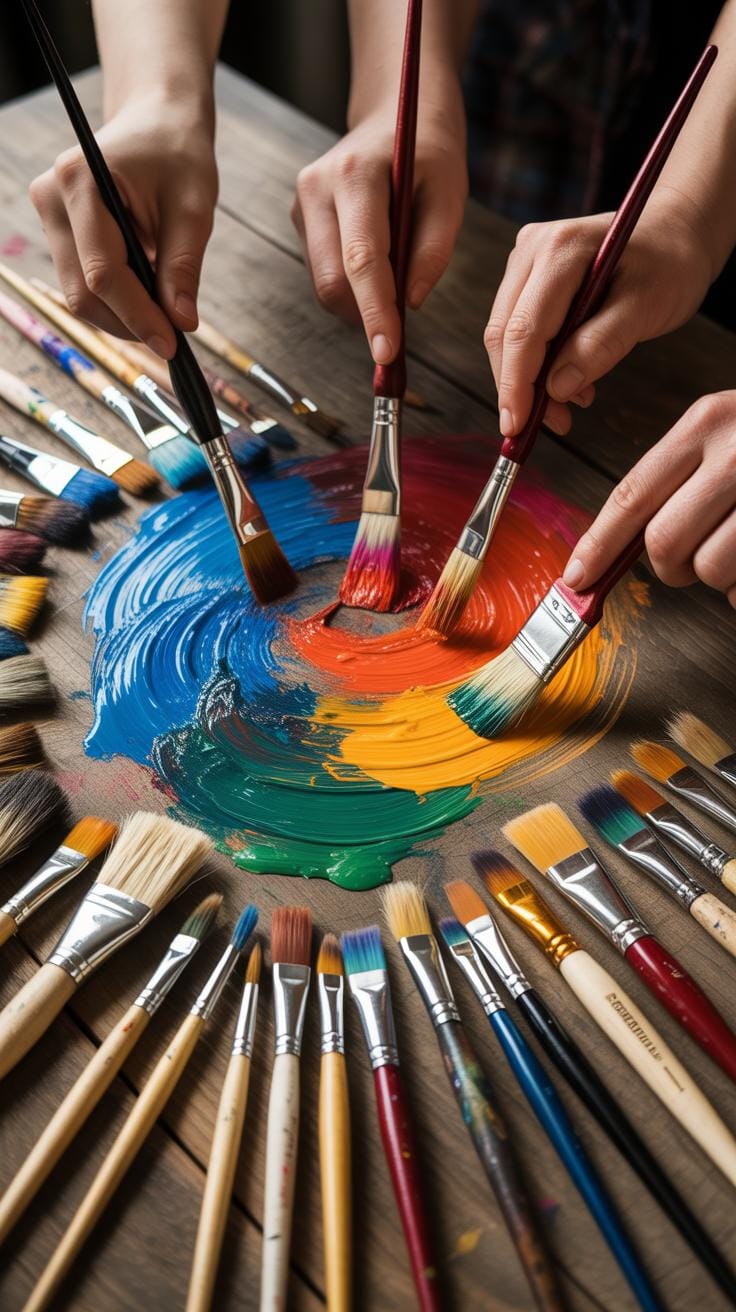
Paint brushes have a long history, reaching back to around 3500 BC with ancient Egyptians. They used simple tools made from split palm leaves and animal hair tied to branches. These early brushes were more than just paint applicators—they played roles in pottery decoration and wall paintings in tombs. At the same time, early Chinese cultures also developed brushes, particularly for writing, which gradually grew into complex tools.
As time passed, paint brushes evolved significantly. During the Renaissance, brushes became more specialized. Round brushes gained popularity, although flat ones weren’t common yet because of technical limitations in making ferrules, the metal or wooden piece that holds the bristles. I guess it’s intriguing how technology limits artistic tools.
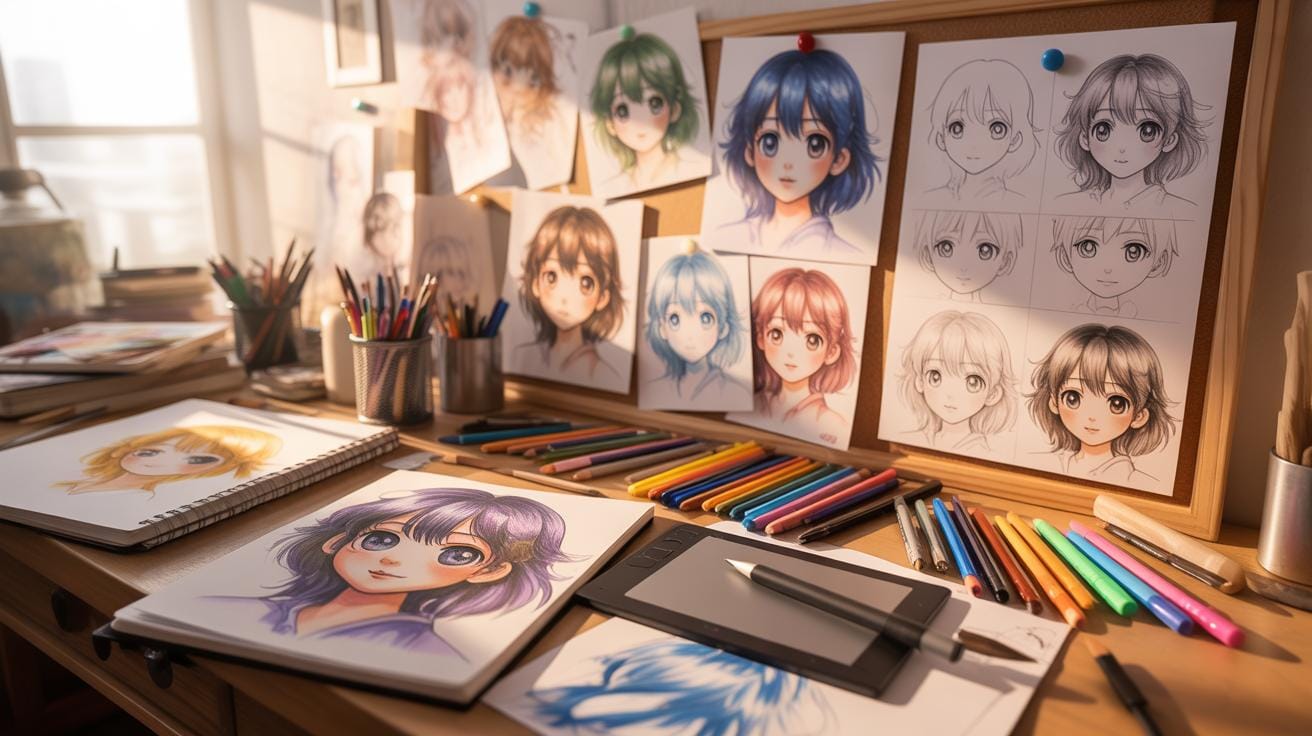
Then, in the 1700s, brush making advanced with the invention of the mass-produced brush that used drilled handles and ferrules glued in place. Instead of simply tying bristles, metal ferrules helped hold them more securely, preventing issues with moisture that would ruin brushes earlier. It’s kind of surprising how a small detail like ferrule design impacted brush durability so much.
The industrial revolution pushed things even further. Machines started drilling brush handles and inserting bristles automatically, making brushes more consistent and widely available. This industrial approach helped tailor brushes for different uses—some designed for artists with softer, finer hairs, and others built tough for decorators, meant to cover large surfaces quickly.
You might not think much about how your paint brush came to be, but its history reflects both craftsmanship and technological progress. From humble branches to precision tools, brushes have been quietly shaping art and decoration for millennia.
How Paint Brush Art Creates Impact
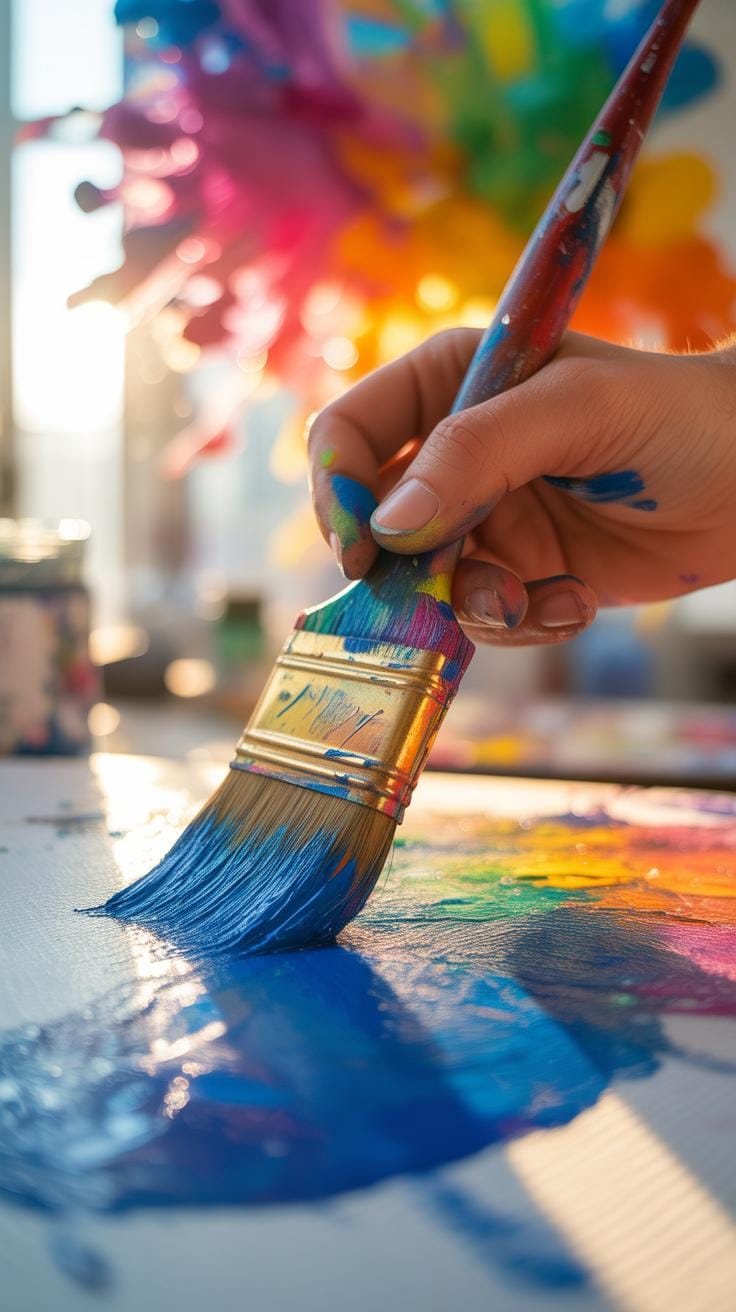
Paint brush art thrives on variety. Different brush types shape the character of a painting in ways that might not be obvious at first glance. Consider how a flat brush lays down broad, sweeping strokes that cover large areas quickly, setting a vibrant backdrop. Conversely, a round brush can add sharp, precise lines or delicate details. This mix of brush shapes and sizes allows artists to build layers of texture and depth, giving each piece its own unique personality.
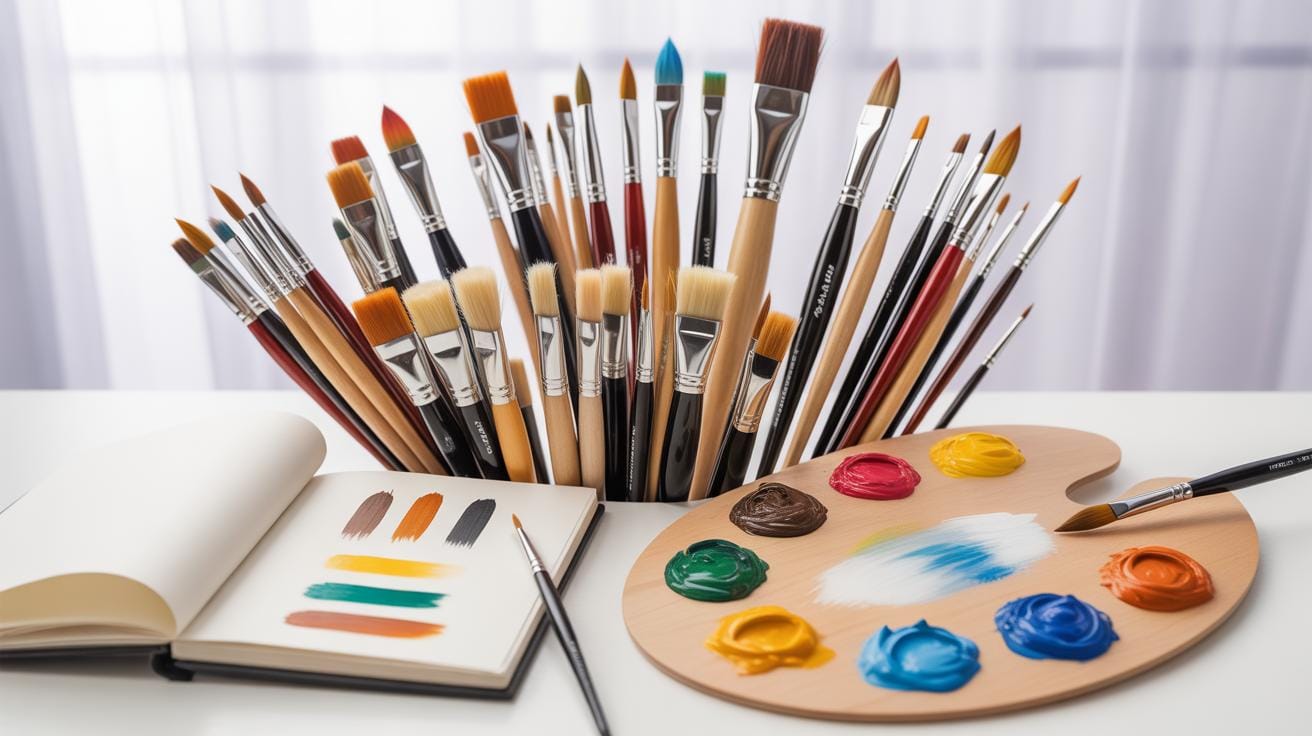
Brush strokes themselves carry weight beyond the mere application of paint. They can be quick and aggressive or slow and thoughtful; sometimes, a single stroke suggests movement, while others linger with emotion. This variation has a profound effect on how the finished artwork feels. It’s not simply about what you paint, but how you paint. The tactile quality of paint on canvas can invite you to touch it, making the viewing experience more intimate.
Then there’s the role of color. Choices in hues and how they are applied can stir feelings or calm the soul. Bright, contrasting colors energize a room, while muted tones might soothe. Different brush techniques—like dry brushing for a scratchy effect or wet blending for smooth transitions—alter the mood. So, when selecting paint brush art for home decor, it’s not just decoration; it’s creating an atmosphere, subtle but unmistakable.
Would your walls respond differently to a painting made with soft, feathered strokes or one with bold, jagged lines? This small question hints at the power those brushes wield beyond their physical form.
Explore Popular Drawing Techniques With Brushes
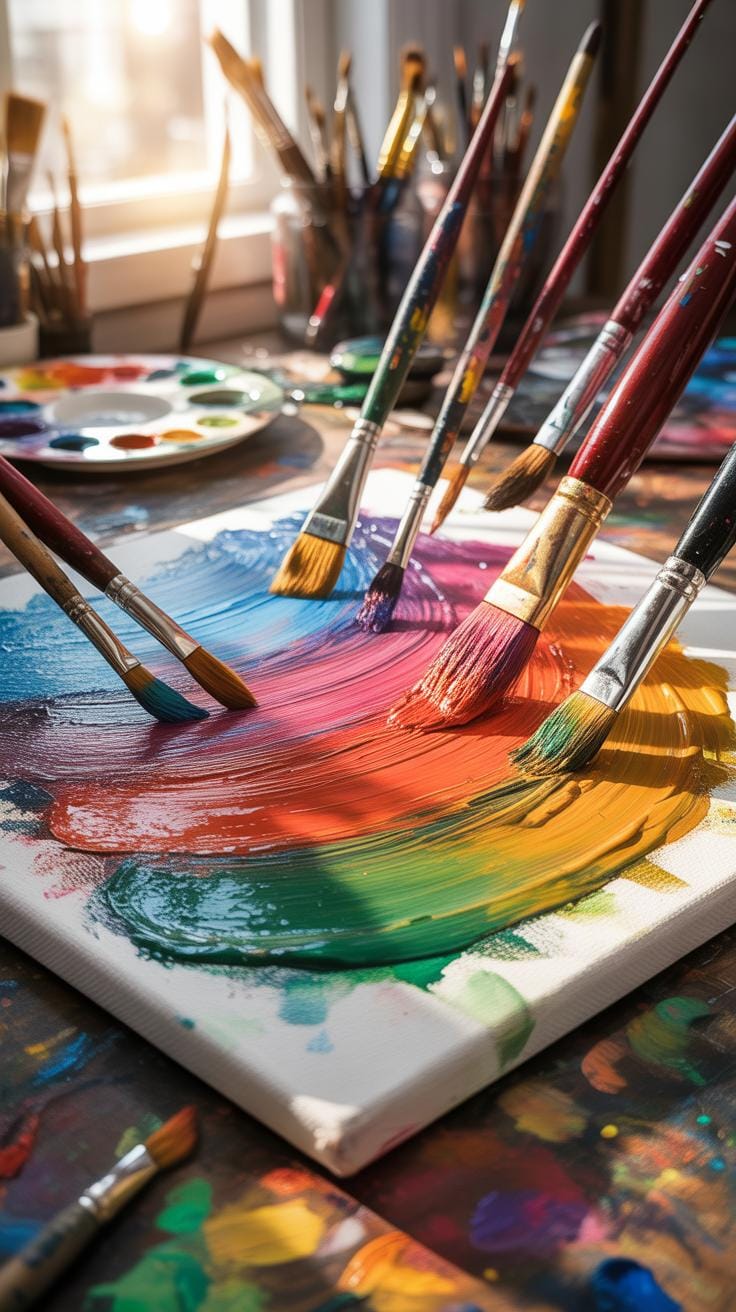
When you think of drawing with a paint brush, it’s quite different from the broad, sweeping strokes often seen in painting. Drawing with a brush involves more controlled, precise movements. Artists use various techniques such as washes, detailed lines, and layering to add depth and texture.
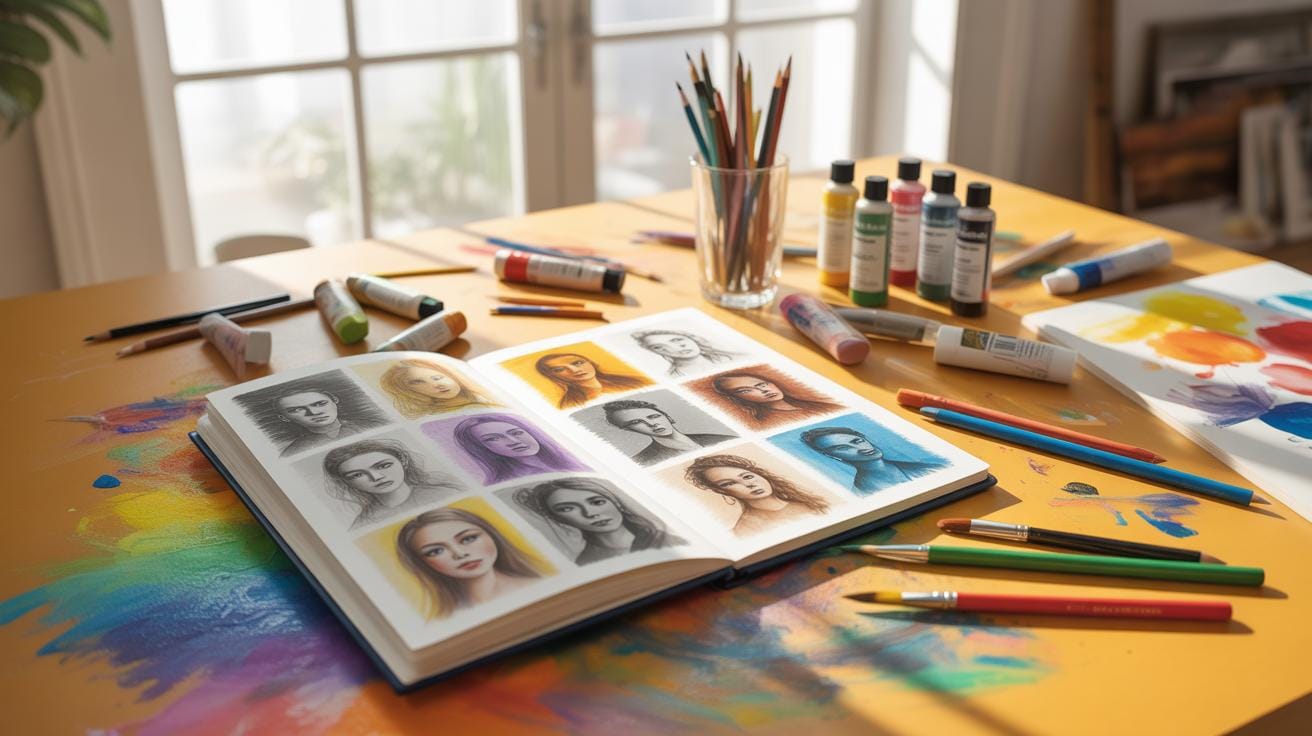
Washes, for instance, are made by diluting paint with water to create translucent layers. This technique helps in achieving soft shading or can serve as a subtle background. Unlike the broad painting strokes that cover large areas, washes offer a lighter touch that can be built up gradually.
Then there’s the art of detailing and layering. Here, artists apply fine brush strokes repeatedly to develop textures or intricate patterns. This approach might feel slow and meticulous but the results can be incredibly rich in detail. It’s not just about coloring in spaces but about constructing forms and surfaces with precision.
So, if you’re used to thinking of paint brushes only for bold strokes, these drawing techniques might open up a new perspective on how brushes can be used for unique and delicate visual effects.
Setup Checklist For Your Paint Brush Project
Choosing The Right Brushes
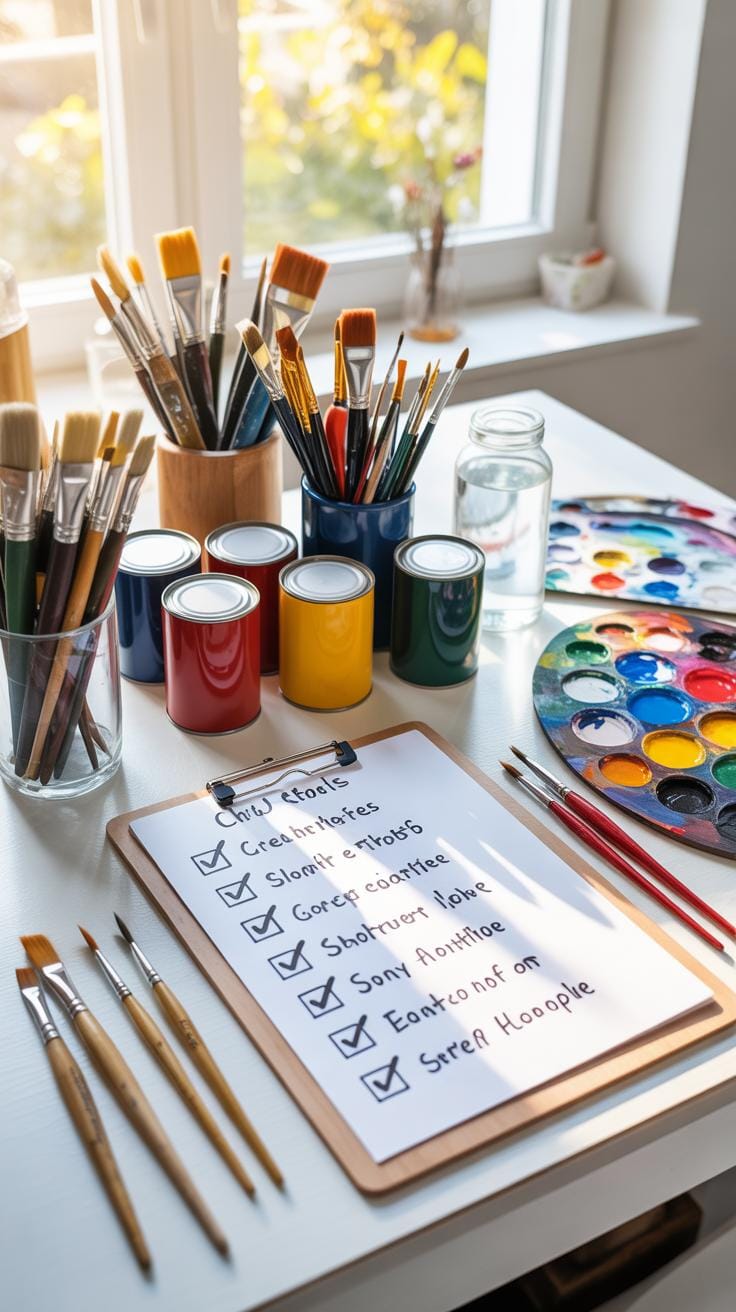
When selecting brushes for your paint brush art, size matters—larger brushes are great for covering broad areas, while smaller ones help with fine details. The shape also plays a big role. Flat brushes spread paint evenly on bigger surfaces, but angled brushes excel at sharp edges and fine lines. I’ve found that using a tapered brush sometimes gives more control, though it takes some practice.
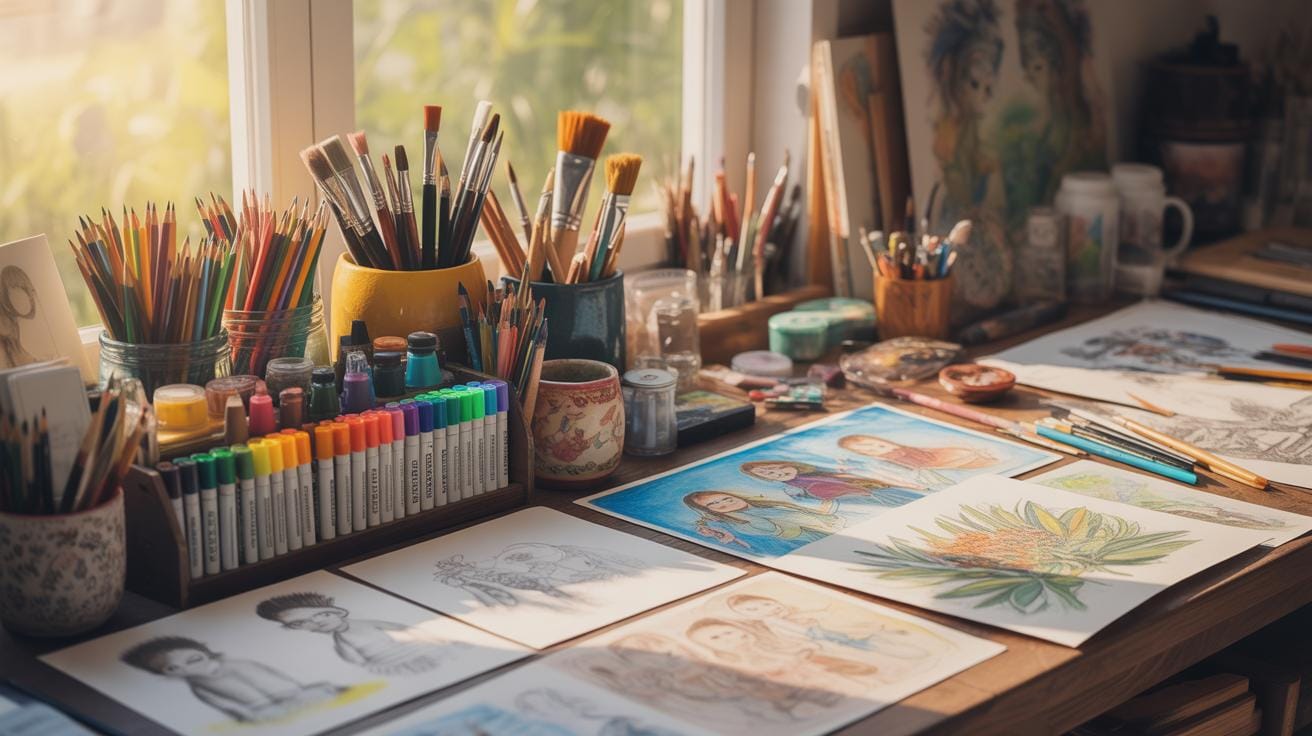
Material-wise, the type of bristles affects the outcome noticeably. Natural bristles hold more paint and work well with oil-based paints; synthetic ones, like nylon or polyester, suit water-based paints better and tend to last longer without fraying. You might start experimenting with both to see what feels right for the style you want.
Preparing Materials And Space
Picking your paint is just as critical—acrylics dry fast and clean up easily but can be unforgiving if you want time to blend. Oils take longer to dry and offer smooth blending, but require special cleaning solvents. Priming your surface, whether it’s canvas, wood, or paper, is often overlooked but can make a big difference in paint adhesion and finish.
Light matters—a well-lit area helps you see true colors and fine details. Natural daylight is best, but if that’s not an option, bright, white lighting will do. Organize your space so paints, brushes, and palettes are within easy reach but not cluttered. Clear your mind—sometimes the messiness outside spills over into your work, so a tidy space helps focus.
Common Paint Brush Art Mistakes To Avoid
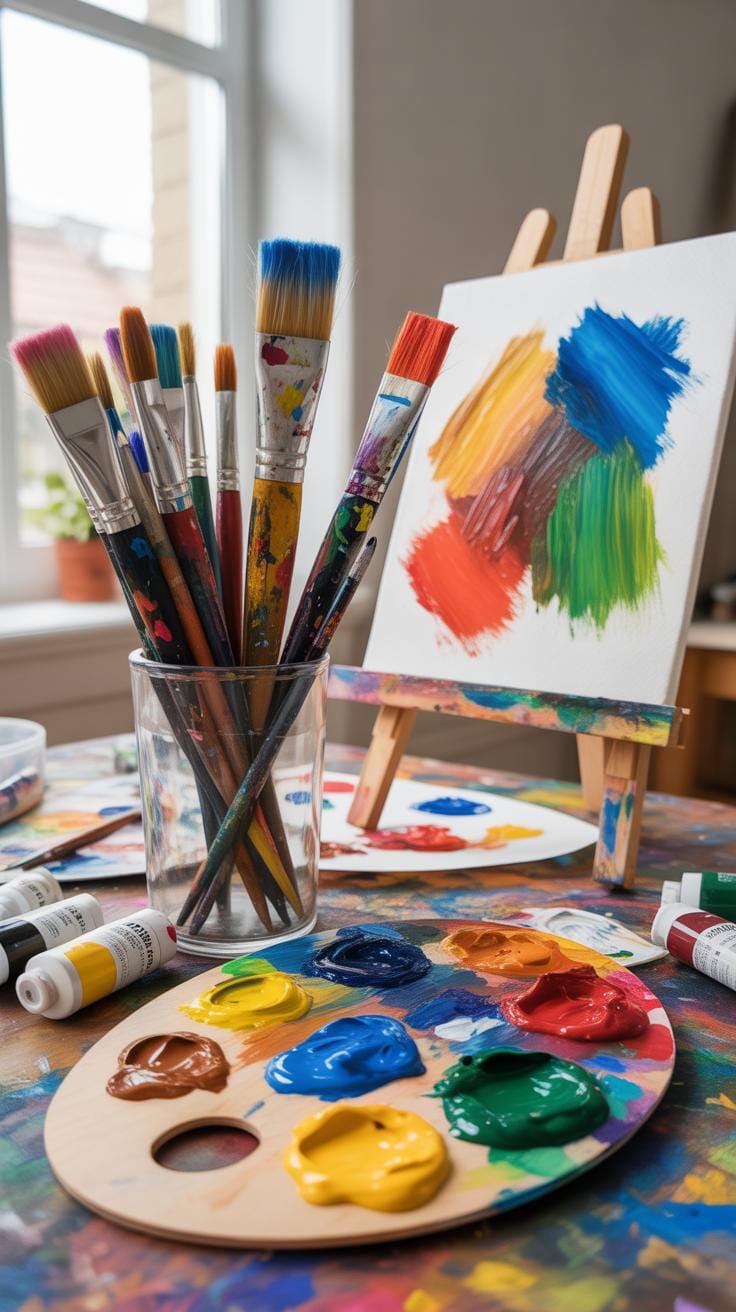
Working with paint brushes isn’t as simple as it might look at first glance. Many beginners, myself included early on, often misuse brushes, which can really muddle stroke quality and obscure fine details. Holding the brush too tightly or at the wrong angle can lead to stiff, unnatural lines rather than the flowing strokes you hope to achieve.
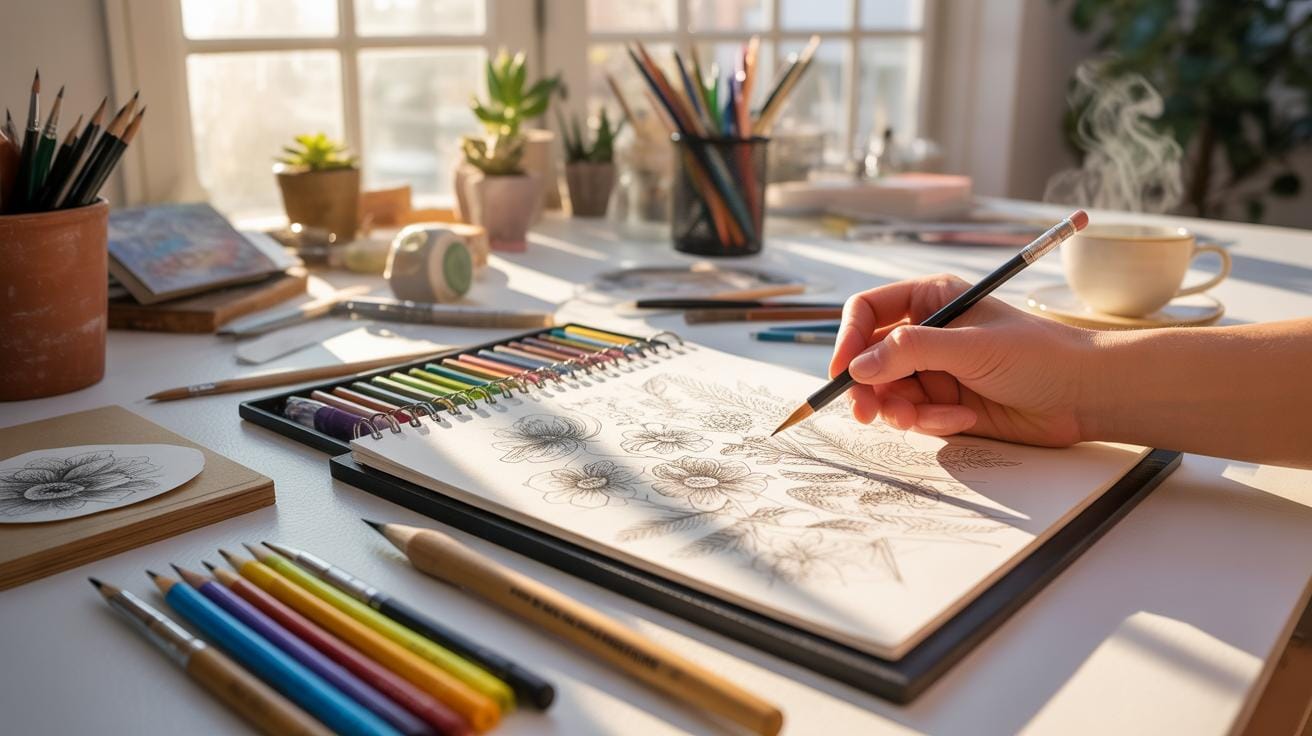
Paint consistency poses another challenge. For instance, when the paint is too thick, it creates clumps and uneven textures. Too thin, and the colors become dull and watery. Layering is tricky too. You may find yourself either over layering, causing a heavy, muddy effect, or under layering, which leaves the work looking flat and unfinished.
Timing is critical with drying paints. Applying new paint over partially dried layers can cause unwanted smudging or lifting of the previous coat. On the flip side, waiting too long between layers may disrupt the cohesiveness of the image.
So, what might help? Here are some tips to keep in mind:
- Experiment with different grips; find a hold that gives you relaxed control instead of tension.
- Test your paint consistency on a scrap surface before starting. Add water or medium to balance thickness.
- Practice layering with patience. Let layers dry adequately to maintain crisp edges and depth.
- Observe drying times of your particular paint type — acrylics differ from oils, for example.
These small adjustments can make a noticeable difference in your paint brush art experience. Just remember—it takes time to develop a feel for this craft. Trying and adjusting is part of the journey, so don’t be discouraged by early mistakes.
Paint Brush Art Vs Drawing What To Choose
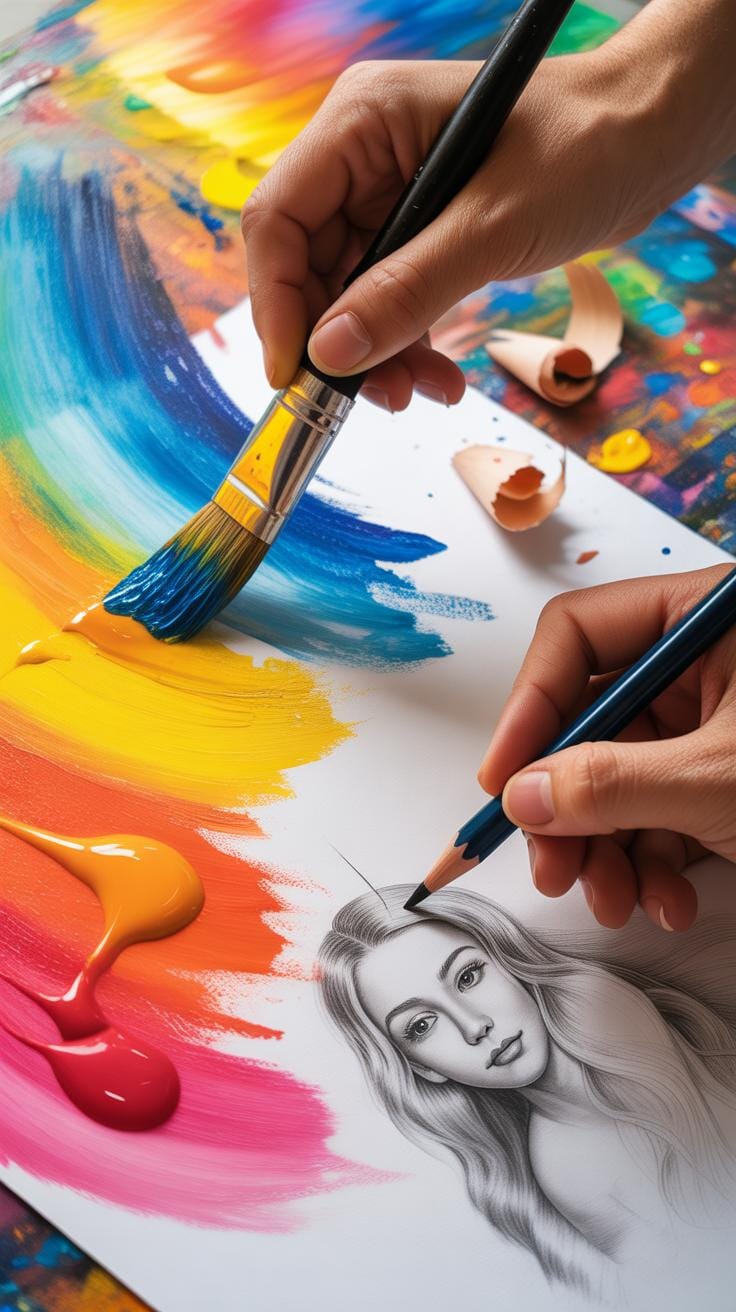
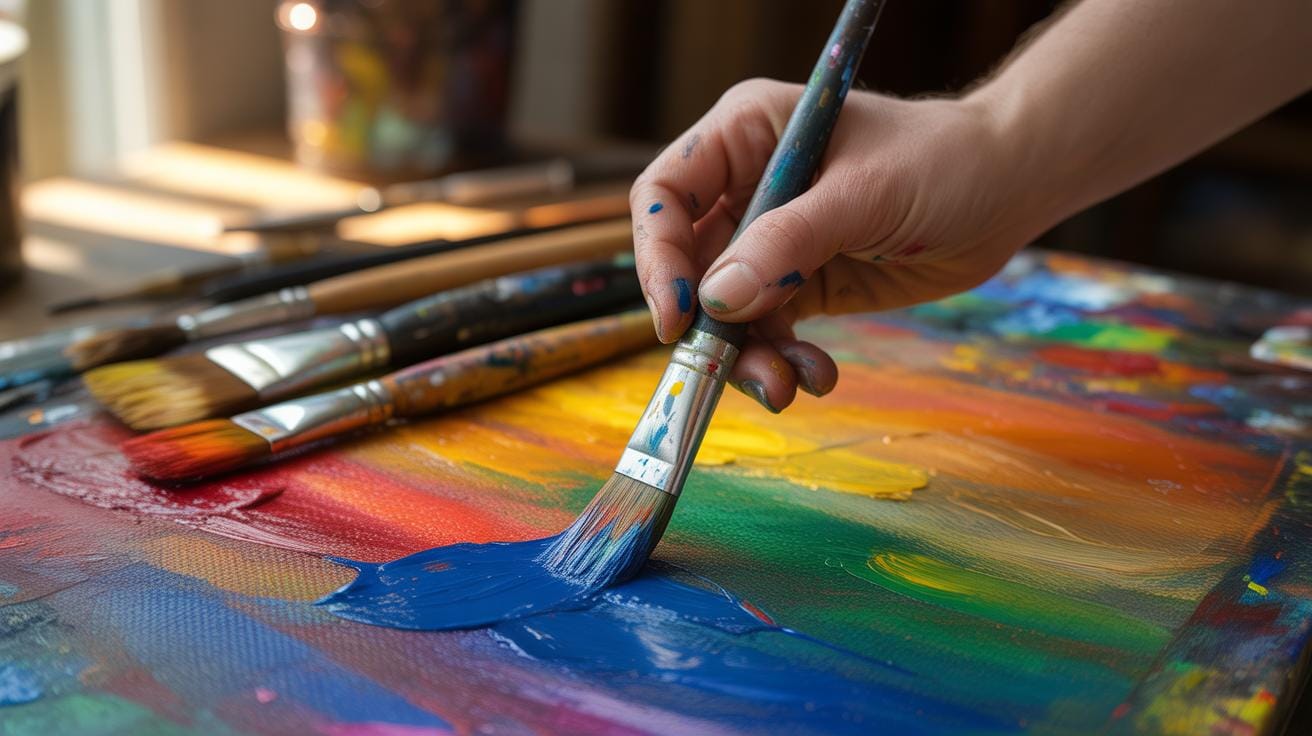
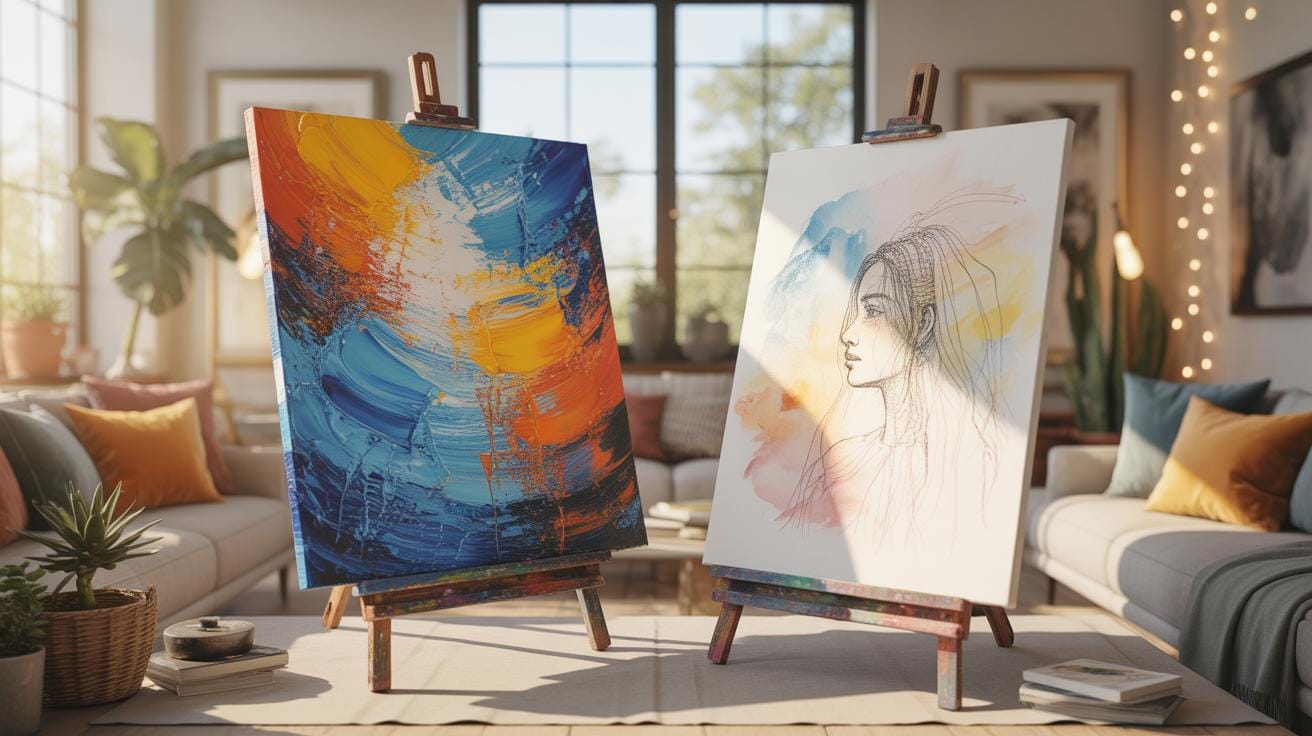
When deciding between focusing on paint brush art or drawing techniques, it helps to weigh their strengths and how they fit into your home decor vision. Paint brush art often brings boldness and visible texture right onto the canvas or wall. There’s something about sweeping brush strokes, thick globs of paint, and easily created textures that can make a room pop with energy. It often feels less restrained — maybe a bit wilder or more expressive. If you want to make a statement, paint brush art might be the path for you.
On the flip side, drawing with brushes (think fine brush lines) leans more into precision and meticulous layering. It allows for subtle gradations and delicate details that paint brush art might gloss over. The effect tends to be softer, more refined, with a layered depth that reveals itself the longer you look. It’s a different kind of impact, less about immediate boldness and more about nuanced beauty.
Choosing one over the other depends on what feels right for your space and style. Do you crave dynamic textures and visible brushwork? Or are you drawn to detailed, layered subtlety that invites closer inspection? Both can create unique ambiance, just in very different ways.
Advantages Of Paint Brush Art
There are clear benefits to embracing paint brush art for home decor:
- Bold Expression: Paint brush art captures attention with strong, confident strokes that convey energy and movement.
- Texture Made Easy: Achieving varied tactile surfaces is straightforward with paint and brushes, adding dimension to walls or canvases.
- Visual Impact: The use of broad swaths of color and layered paint creates a powerful centerpiece that can define a room.
From my own experience, a large paint brush artwork can brighten an otherwise plain living area instantly. Although it sometimes feels less controlled, that spontaneity can be its charm.
Strengths Of Drawing Techniques
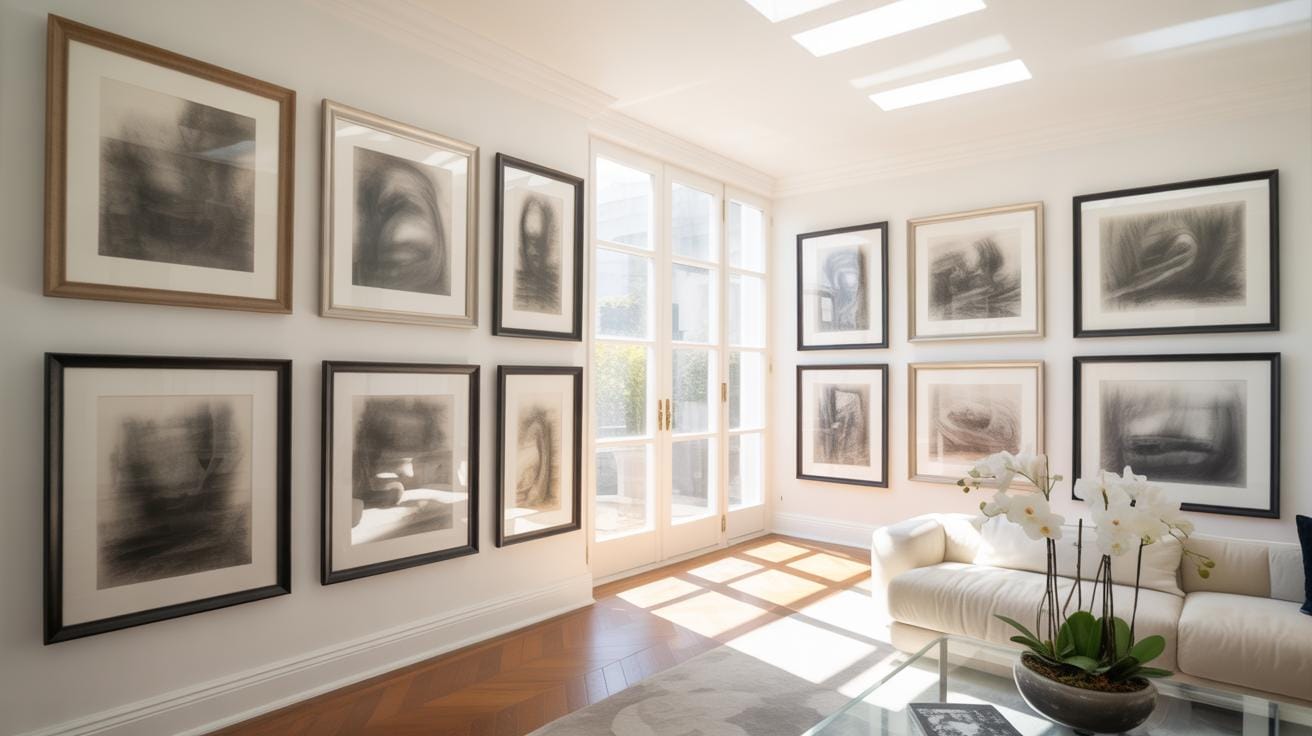
Drawing with brushes shines in its own ways:
- Precision: Fine brush tips allow for detailed lines and delicate shapes that can bring intricate designs to life.
- Layering Details: Careful layering builds depth and complexity that might be missed in paint brush art’s broader strokes.
- Subtle Aesthetics: The final look is often soft and nuanced, suited for spaces that favor quiet elegance over loud statements.
Sometimes, when I see a room with brush-drawn elements, I notice how the detail invites closer examination. It’s not just decoration but an intimate experience.
So, which to pick for your home? Think about the atmosphere you want—loud and lively, or calm and detailed. There’s no single right answer, only what fits your vision best.
Step By Step Guide For Brush Drawing Technique
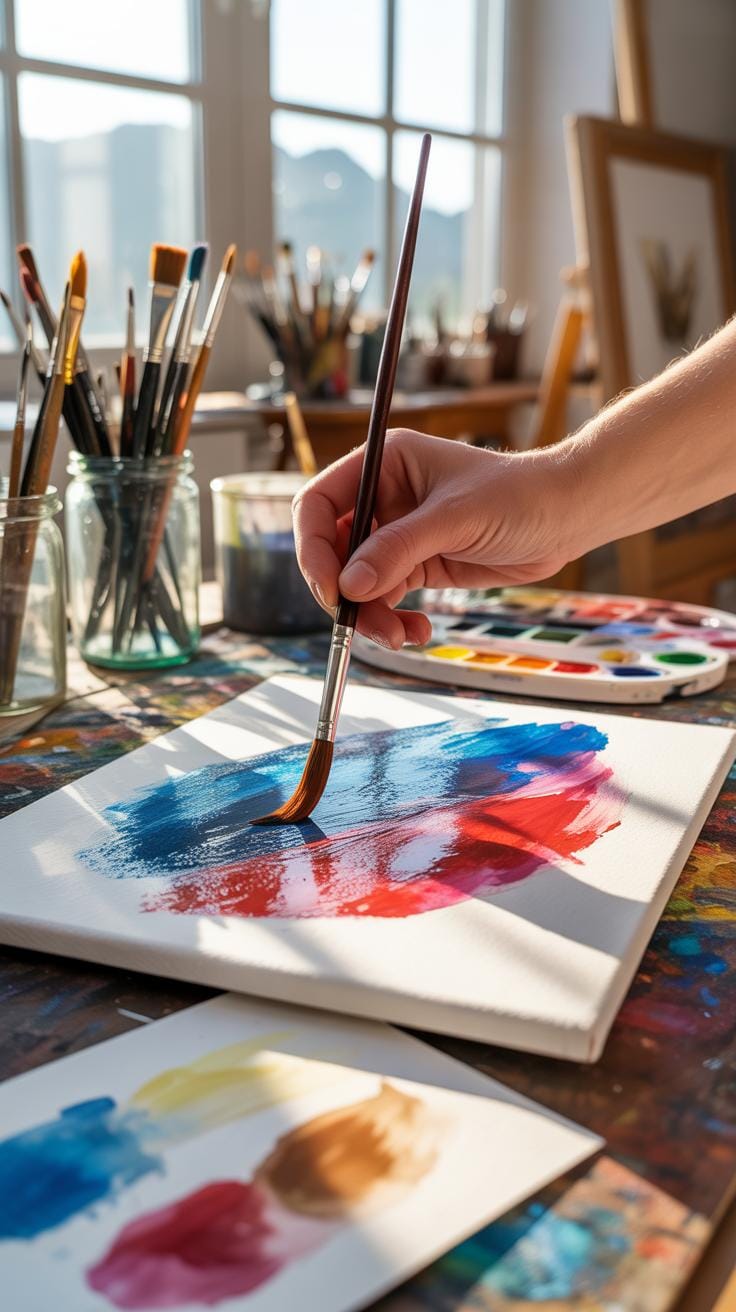
Starting a brush drawing involves a few clear steps, though don’t expect a rigid formula—each artist’s feel often shapes the process differently. First, prepare your materials: choose the right brush, paint, and paper. A medium to fine brush usually works well for detailed drawing. Next, mix your paint with water or a medium to create a diluted wash. The goal is to have it fluid enough to spread but not so watery that it puddles or runs.
Preparing And Applying Washes
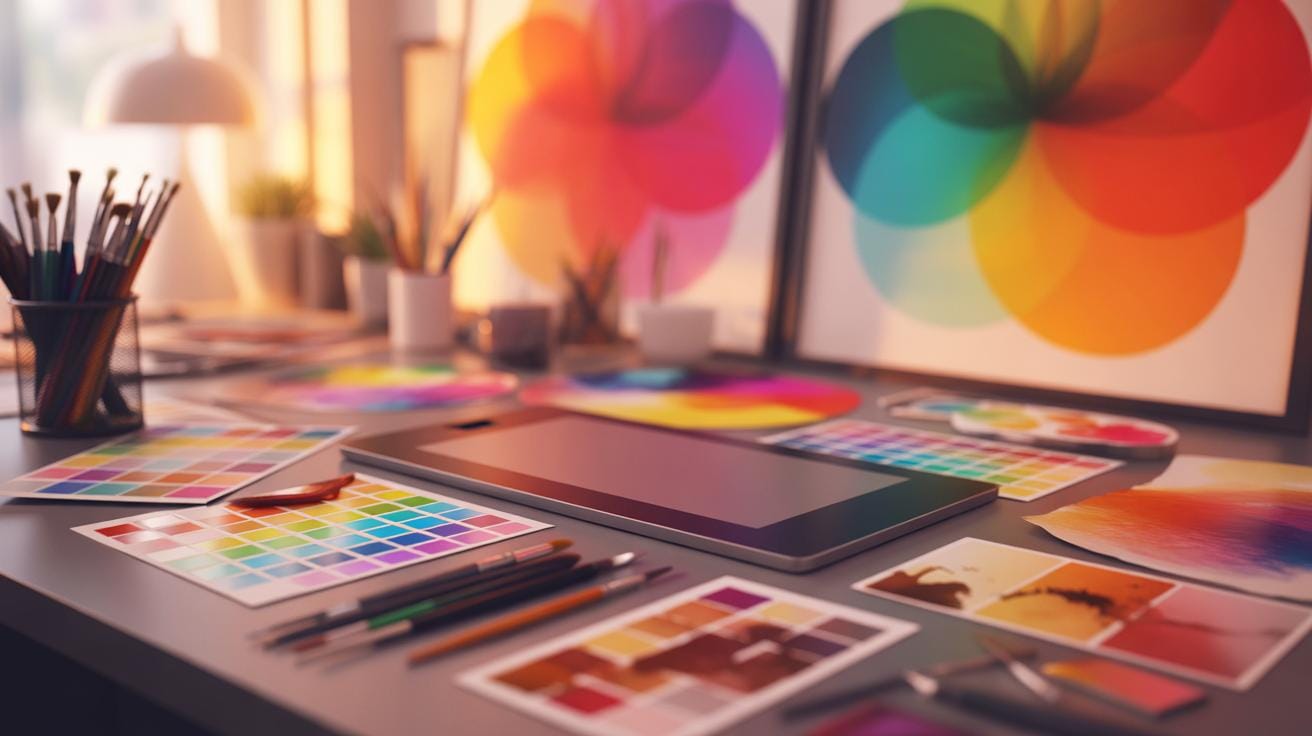
Mix the paint gently. You want a smooth consistency, like a light tea color, to create your initial wash layers. Apply these layers quickly and evenly, using broad strokes. This sets the base tone, so take a moment to think about the direction and texture you want your drawing to have. It’s tempting to be too cautious here, but the washes can be layered, so don’t stress about perfect coverage on the first go.
Building Detail In Layers
Once the wash dries, start adding detail with smaller brush strokes. Here, lines, shading, and texture take shape. Use varying pressures to get drama in your strokes—light, fine lines for outlines and precise shapes, heavier strokes for shadows and rough textures. Layering is key: adding brush stroke upon stroke enriches depth. Some areas might look unfinished or rough, and that’s okay—it adds character. Experiment with stroke direction too; this can mimic natural forms and help bring your drawing to life.
By paying attention to both washes and detail layers, your brush drawing can move from simple outlines to complex forms that engage the eye. It might take a few attempts to balance the washes and detailed strokes, but with practice, you’ll develop a technique that feels natural to you.
Case Study Using Paint Brush Art In Decor
Materials And Methods Used
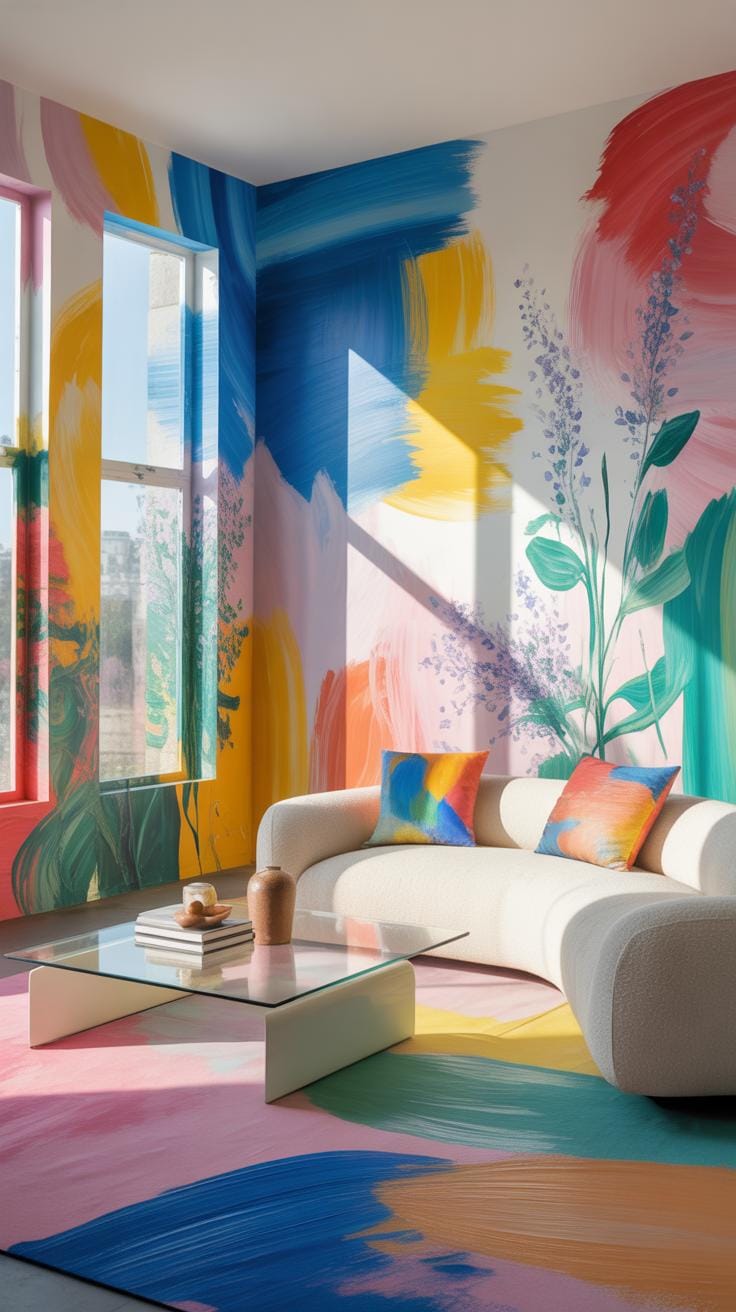
This particular piece of paint brush art was created using a range of brushes from fine detail liners to broad flats, chosen to achieve various textures and strokes. The artist used acrylic paints on a stretched canvas, which allowed for vibrant color layering and quick drying times. Natural bristle brushes were preferred here for their ability to hold paint and create smooth yet expressive strokes, although some synthetic brushes helped in achieving sharper edges. The surface itself was primed to enhance paint adhesion and color vibrancy.
Visual Impact On The Room
When this artwork was introduced into a modern living room, the atmosphere shifted immediately. The bold strokes and mixed warm tones enriched the neutral palette of the walls and furniture, adding depth and a focal point that energized the space. The colors in the painting resonated with subtle accents in the decor, tying the room’s elements together. Oddly enough, while it made the room feel cozier, it also introduced a degree of openness—perhaps because the brushwork suggested movement and flow rather than stillness. It is interesting how a single brush-stroke piece can alter not just look, but feel.
Checklist For Maintaining Your Paint Brushes
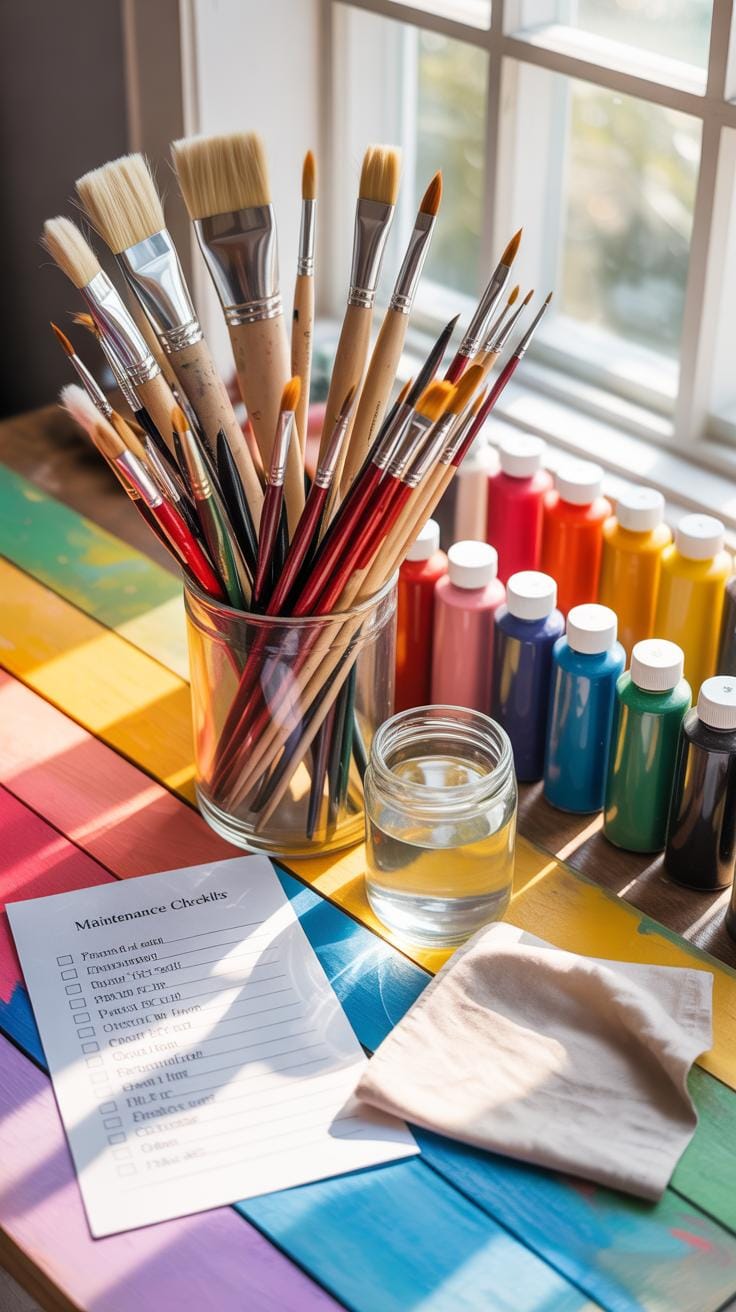
Keeping your paint brushes in good shape is more practical than you might think. The right care can extend their life and keep your work looking sharp. You don’t have to be meticulous, but a bit of routine cleaning matters.
Cleaning Techniques For Different Brushes
Brushes differ, so cleaning should too. Natural bristles, often made from animal hair, work best with oil-based paints. Clean them gently with soap and warm water after use. Don’t soak them for too long; it might ruin the bristles. For synthetic brushes used with water-based paints, rinsing thoroughly with water and sometimes a mild detergent will do. If paint hardens inside the bristles, use a brush comb or an old toothbrush—but use a light touch.
Proper Storage To Avoid Damage
How you store brushes can make a difference. Avoid leaving them standing on their bristles; it distorts their shape. Instead, lay them flat or hang them with bristles pointing down. Some artists keep brushes in jars with the handle down so the bristles dry properly. If you’re like me and sometimes forget, even a simple cup on its side works better than sticking the brush bristles into a container.
Storing brushes in a clean, dry place—away from extreme temperatures—also helps. And if you’re taking a break from painting, wrapping brushes in paper or cloth can keep dust and dirt at bay. Simple habits, but they really add up, letting you avoid those frustrated moments of ruined brushes when inspiration strikes again.
Conclusions
In summary, Paint Brush Art and Paint Brush Drawing Techniques both bring value in creating unique decor for your home. Paint Brush Art offers broad and expressive possibilities, while drawing techniques give you control for finer details. By understanding how each works, you can decide what fits your style and project goals.
Experiment with these methods and tools to develop your skills. Consider combining both approaches to add depth and interest to your artwork. Your home decor will gain character and personal touch through your creative efforts.