

Introduction
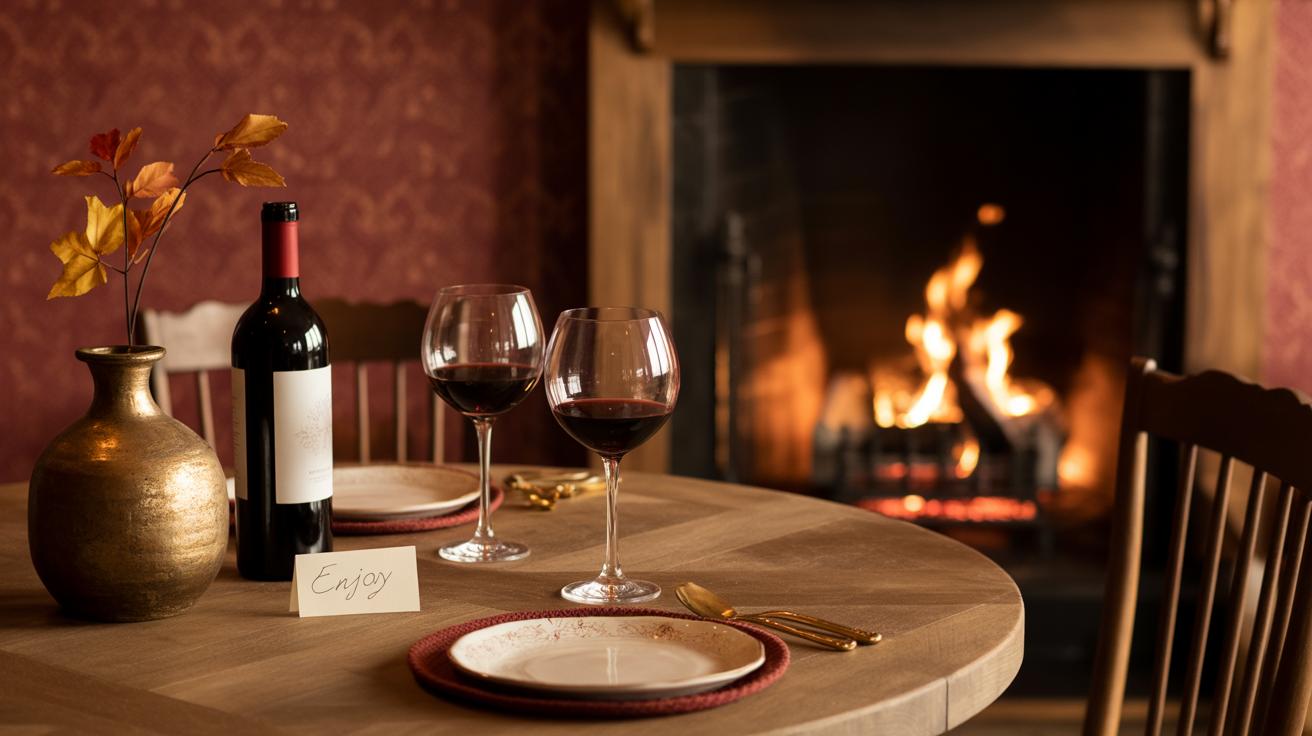
Your dining room is where you share meals and create memories with family and friends. The right wallpaper can make this space feel warm and welcoming. It is not just about decoration; wallpaper sets the mood for every meal and brings your dining room to life.
Exploring wallpaper options involves choosing colors and patterns that match your style and dining room layout. This article will guide you through ideas that make your dining room a cozy and inviting place to enjoy meals together.
Understanding Wallpaper Types for Dining Rooms
Picking wallpaper for your dining room means balancing style with practicality. You want something that looks good but can also handle the occasional spill or humidity coming from the kitchen. Vinyl wallpaper often comes up as a strong contender. It’s easy to wipe clean when sauces splash or hands touch the walls—and it tends to hold up well against moisture. That durability makes it a smart choice if you’re a bit clumsy during meals or if your dining space is close to the cooking area.
Fabric wallpaper offers a softer, more elegant feel. It can bring warmth and texture, turning the dining room into a cozier spot. But fabric tends to hold dust and stains more, so it might take extra care. Would I pick this for a busy family dining room? Probably not, but if your meals are more formal, it’s quite charming.
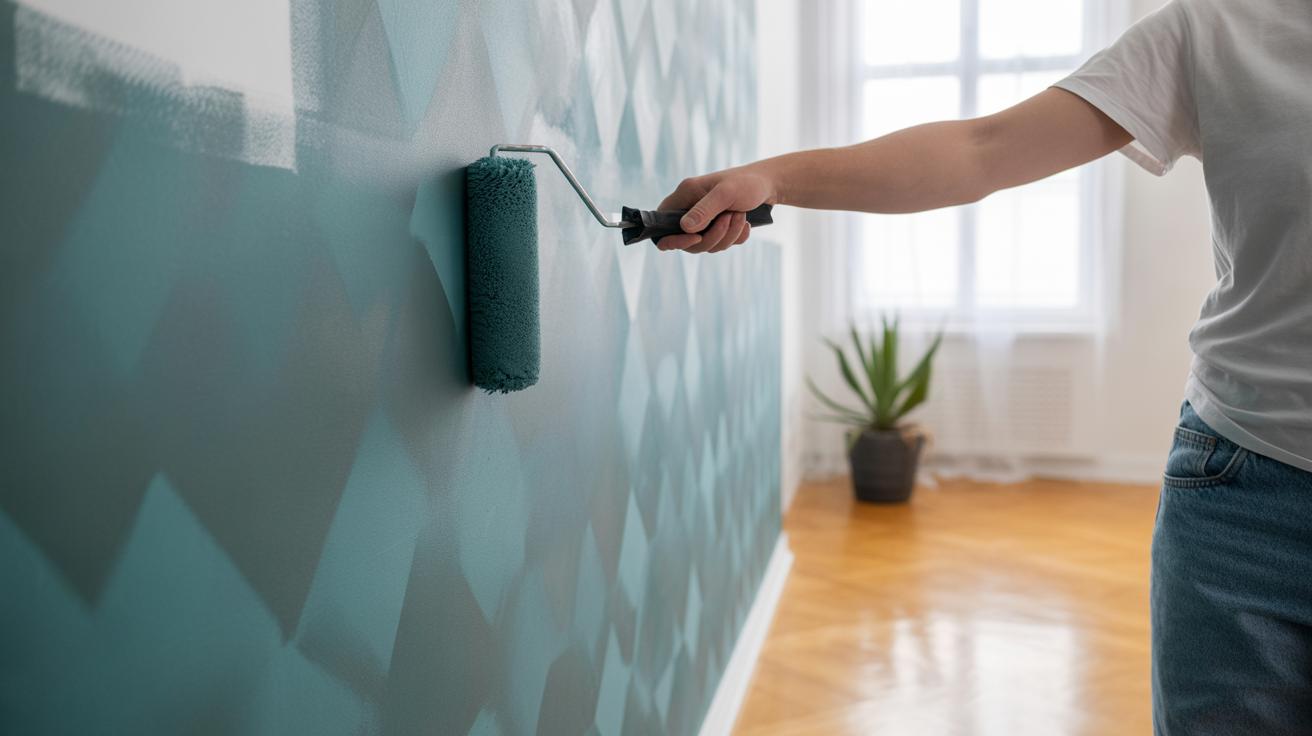
Textured wallpapers introduce depth and interest without overwhelming the space. Some are made from materials that resist stains and can be cleaned gently, but others may be more delicate. Think about the traffic and use of your room before settling here.
Each wallpaper type also has its quirks—vinyl might feel less natural, fabric wallpapers need careful upkeep, and textured ones sometimes have spots difficult to clean. What’s your priority—ease or look? That’s usually the deciding factor.
In short, durable, moisture-resistant options like vinyl are often best for dining rooms because they handle messes better. But if you lean toward a fabric or textured look, know you’re trading some durability for style. That tradeoff is personal and depends on how you use the room daily. What kind of meals do you host? How often do you clean? These questions really help narrow the right wallpaper type for your dining space.
Selecting Colors that Enhance Appetite and Warmth
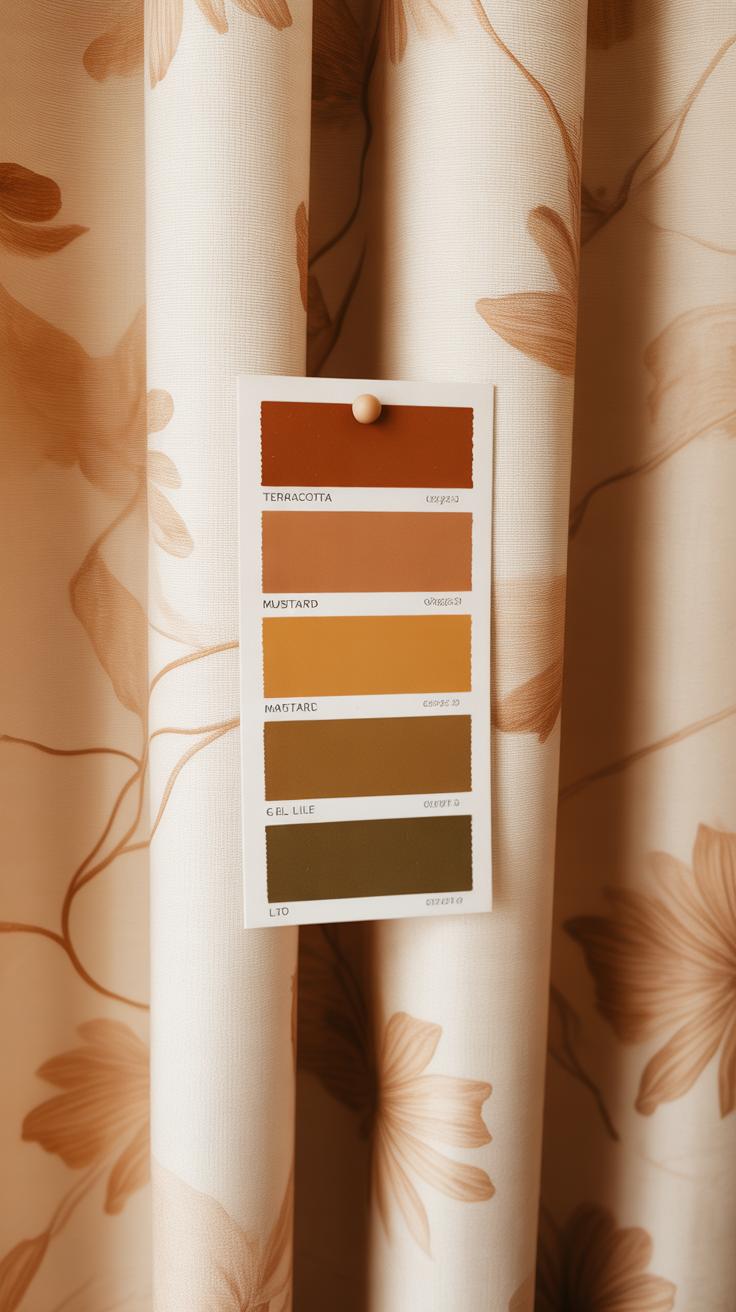
Color has a funny way of shaping how we feel, especially around food. When you think about your dining room wallpaper, the shades you pick can actually influence how hungry or cozy you feel. Warm colors—think reds, oranges, and yellows—tend to spark appetite and welcoming vibes. That red that leaves you reaching for another slice of pizza? It’s not just in your head. These tones tend to create a kind of gentle energy, nudging both conversation and appetite along.
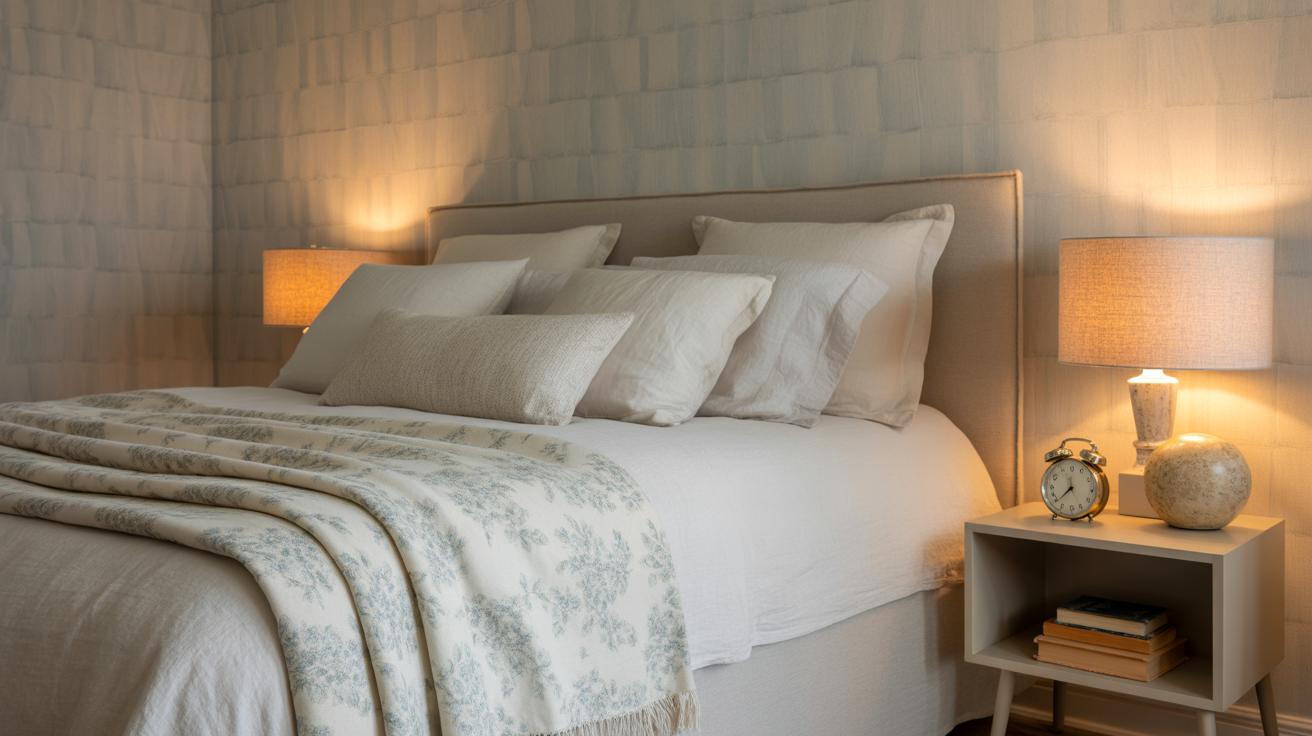
Using warm hues to make meals enjoyable isn’t just about grabbing the most intense shades. Sometimes mellow oranges or buttery yellows work better for your space—they invite without overwhelming. It’s funny; I’ve seen rooms glazed in deep terracotta that almost felt alive. People lingered longer, chatted more. That sort of warmth pulls people in, making the dining room less of a functional space and more of a gathering spot.
Still, when mixing warm tones, be cautious not to go all in on brightness. Pairing a punchy red with a soft, muted gold or a creamy apricot can balance things out. You don’t want your wallpaper to scream louder than the food or your guests. Instead, aim for contrast—bold enough to stir energy but gentle enough to soothe. If your walls shout, your meal might get lost in the noise. So, think about where you want attention and where it’s okay to let things rest quietly.
Wallpaper Patterns that Bring Life to Your Dining Space
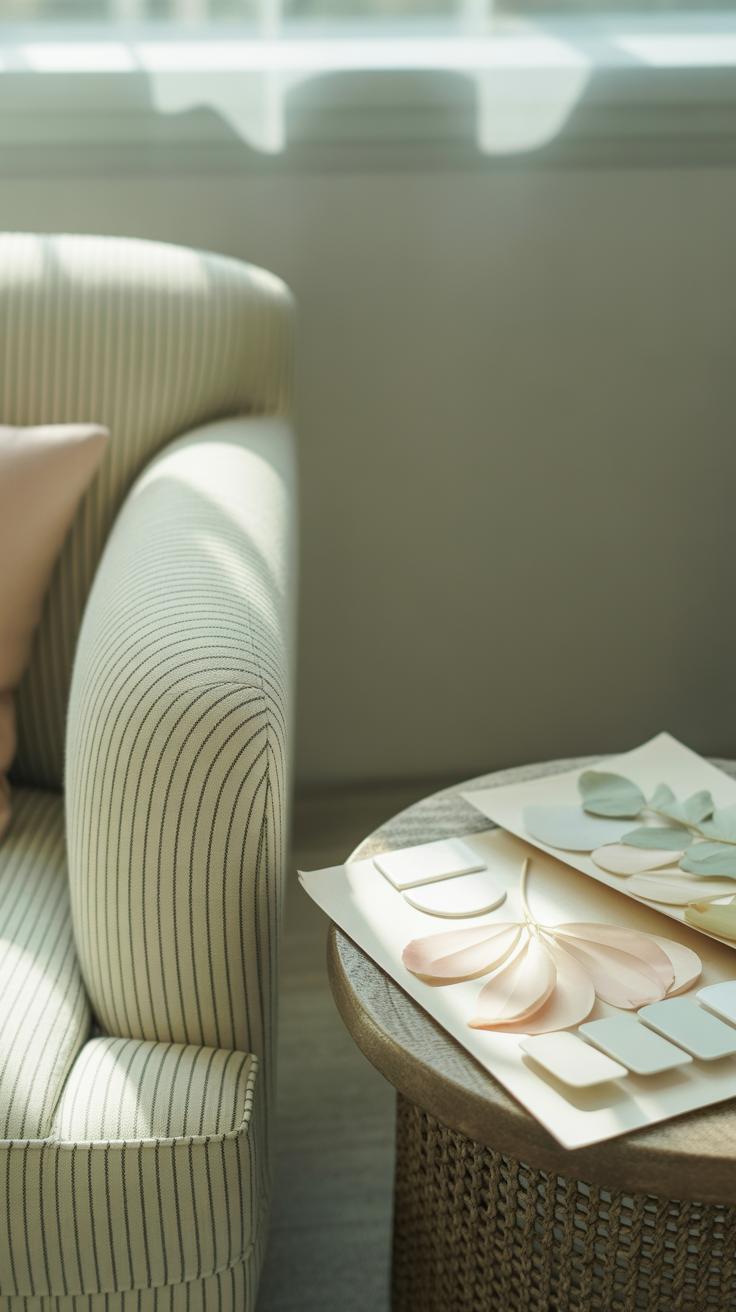
Patterns can make or break the atmosphere in your dining room, often more than you’d expect. Stripes, for example, can subtly elongate walls, lending a sense of height or width depending on their direction. Vertical stripes might make the room feel taller, which could be useful in cozier spaces, while horizontal stripes stretch the space, softening tight corners. Pair stripes with simple, solid furniture to avoid an overwhelming look.
Floral patterns offer warmth and a touch of familiarity. Larger blooms bring a more dramatic, vintage vibe, while tiny, delicate florals lean towards casual and inviting. These work well if your furnishings carry soft textures like linen chairs or rustic wood tables, blending nature indoors without feeling forced.
Geometric designs tend to inject a bit of modern personality. Think bold shapes and repeating motifs that catch the eye. They can pair nicely with minimalist or mid-century modern furniture but might clash with overly ornate décor. A geometric wallpaper with clean lines can amplify a sleek, contemporary setting but might feel cold if overdone—so keep balance in mind.
Choosing patterns is also about how much you want the wallpaper to dominate or simply support the room’s style. Would you feel comfortable dining surrounded by busy florals, or do muted geometrics better suit your entertaining needs? Matching wallpaper to dining furniture isn’t an exact science; sometimes, it’s about what feels right to you in your space.
When mixing patterns and textures, take care. If your wallpaper has a strong, intricate pattern, opt for subtler upholstery or table linens. Conversely, if your dining furniture features bold textures like velvet or woven cane, simpler wallpapers can ease visual tension. A small tip? Use a dominant color from the wallpaper in your seat cushions or curtains to create cohesion without repetition.
Have you ever stared at a wallpaper pattern and felt a sudden mood shift? Sometimes patterns evoke comfort, other times distraction. Reflect on your own dining habits—do you want wallpaper that excites conversation or one that fades quietly into the background? Wallpaper is more than decoration; it shapes your dining experience in unexpected ways.
How to Measure and Prepare Walls for Wallpaper
Tools and Tips for Accurate Measurements
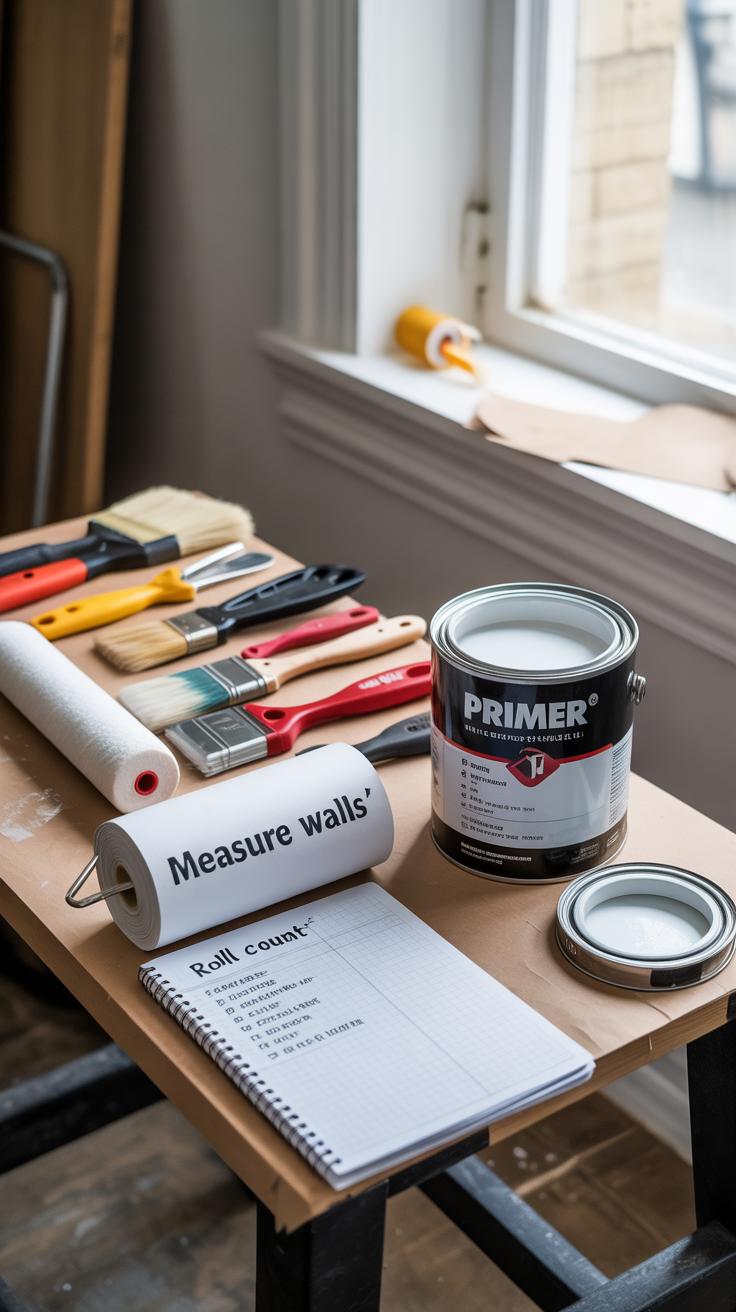
Before wallpapering, you need to know the size of your dining room walls. Grab a tape measure, a pencil, and a notebook. A laser measure can speed things up, but it’s not must-have. Start by measuring the height of each wall from floor to ceiling—don’t rush this part, a small mistake here throws off your entire calculation. Then, measure the width, from corner to corner. Write down everything clearly.
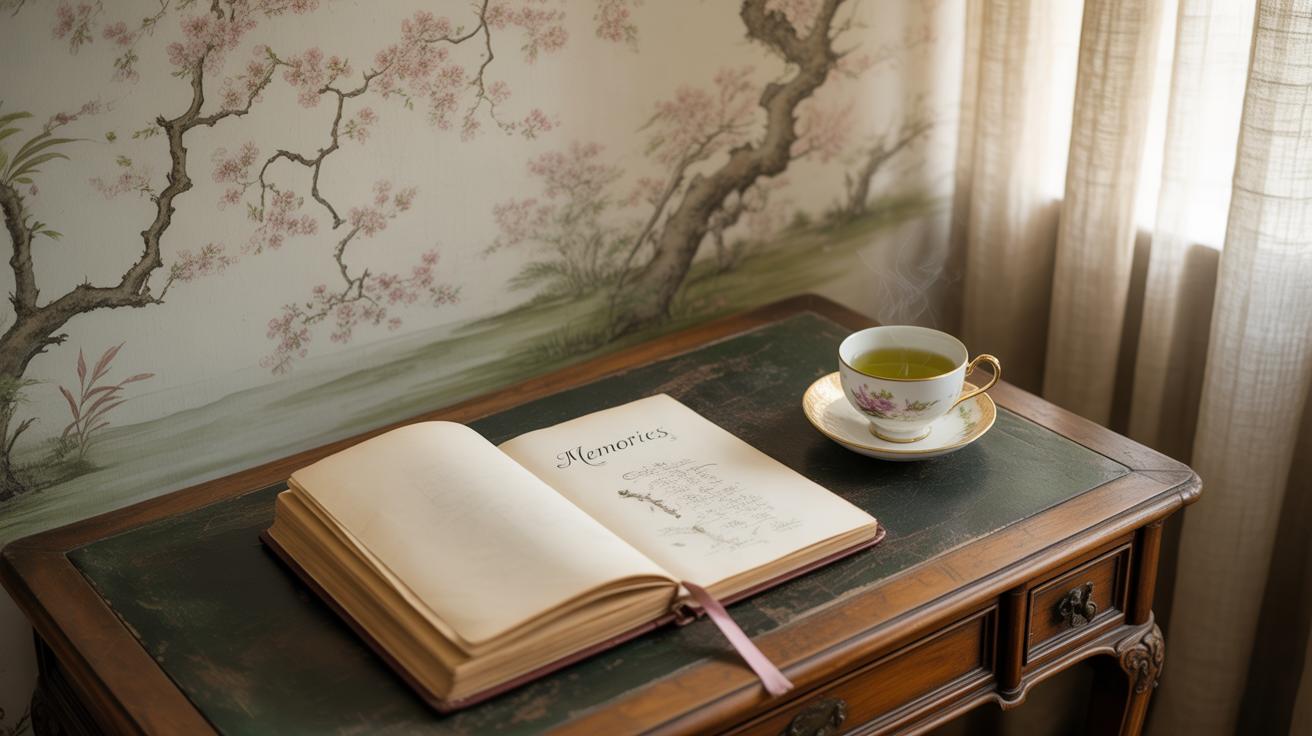
Double-check your numbers. I’ve found that measuring twice saves headaches later. Remember to subtract spaces taken by doors and windows; you won’t wallpaper those. It might feel tedious, but accurate measurements prevent buying too much or too little wallpaper. If your room is oddly shaped or has angle changes, break it into smaller rectangles to measure separately.
Preparing Walls for a Smooth Finish
Wallpaper clings best to clean, dry, and smooth walls. Start by wiping the surfaces with a damp cloth to clear dust and dirt. If you spot holes or cracks, patch them with spackle or filler—you want the wall as even as you can get it.
Once patches dry, sand them lightly. Rough spots show through wallpaper and ruin the look, trust me on that. Then, prime your walls with a suitable primer—this can help the wallpaper adhere better, especially if the wall has been painted with a gloss or semi-gloss finish.
Be patient with preparation. Skipping this step might seem tempting when you want to dive straight into hanging, but it pays off later. Have you ever peeled wallpaper off minutes after hanging it because the wall was greasy? Yeah, that’s why we’re thorough here.
Wallpaper Installation Made Easy

DIY Wallpapering Step by Step
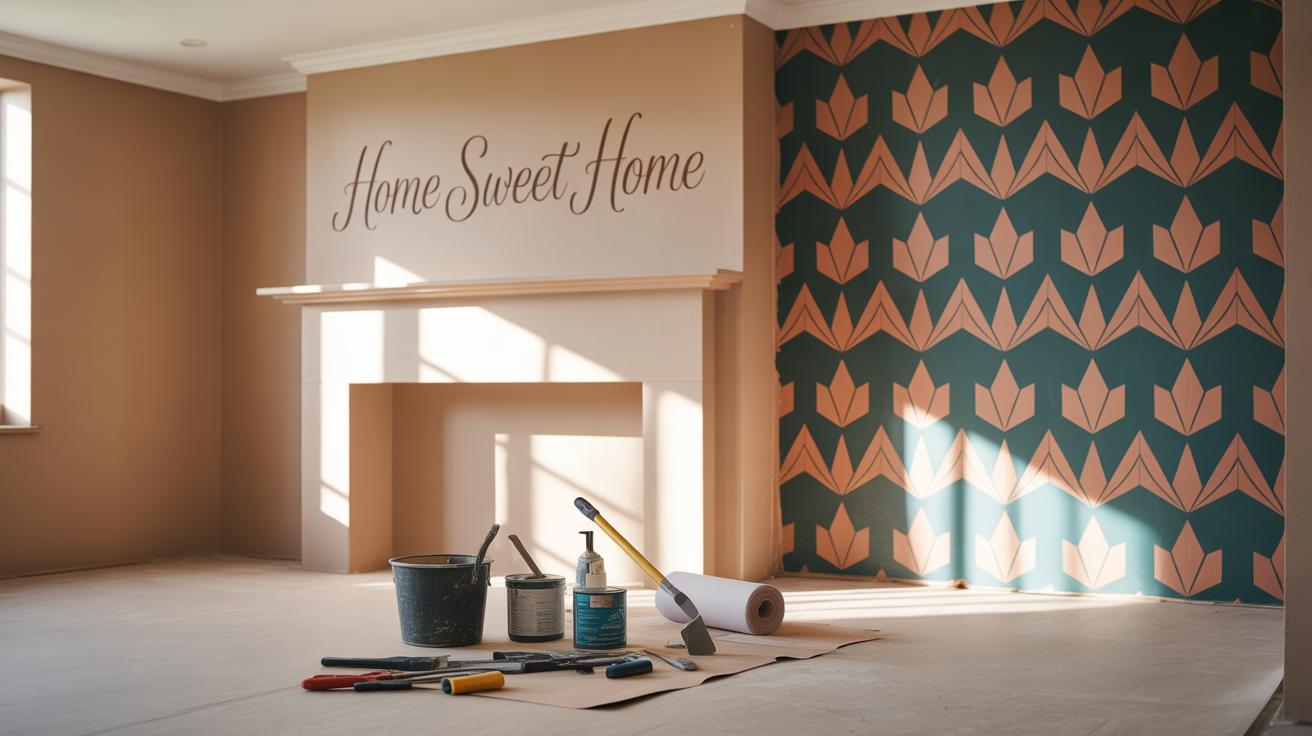
Starting wallpapering on your own might sound straightforward, but it asks for a bit more patience than you might expect. First, gather your tools: a smoothing brush, a sharp utility knife, adhesive (if your wallpaper isn’t pre-pasted), a paste brush, and a level to keep things straight. Once your walls are clean and primed from the previous prep step, measure and cut your wallpaper strips, leaving a few extra inches at the top and bottom. This extra length helps with alignment later.
Next, apply the adhesive evenly—if not pre-pasted—and fold the strips carefully to “book” them, which lets the glue activate a little. While waiting, you can measure where your first strip will start. Here’s where a level really helps; you want your first strip perfectly vertical or everything else will look off. Unfold the paper and carefully place it at your starting point, smoothing from the center out to remove air bubbles. Use your knife to trim excess at edges and around features like outlets.
Repeat the process strip by strip, matching patterns as you go. Don’t rush—taking your time means fewer mistakes and less frustration. If the paper shifts too much, gently peel and reposition; sometimes it’s easier to fix early than later.
When to Call in Experts
Sometimes, what looks doable becomes quite a challenge. Wallpapering can get tricky with textured walls, uneven surfaces, or intricate patterns needing precise alignment. If your dining room has layers of old wallpaper or the walls are hard to prep, professionals might save you weeks of headaches. Also, if you’re using high-end or custom wallpaper, you’d want experts who guarantee no bubbles or seams showing. Time-wise, installers usually do a room quickly, but DIY could drag on for days, risking accidents or damage.
Think about your tolerance for small flaws or the stress involved. Hiring pros isn’t just about physical labor—it’s a peace-of-mind choice. Sometimes, leaving it to people who do this every day guarantees the best finish. And honestly, sometimes the price difference feels minor compared to your time and effort. Have you tried wallpapering before? Did you find yourself wishing for a pair of extra hands—or eyes?
Maintaining Your Dining Room Wallpaper
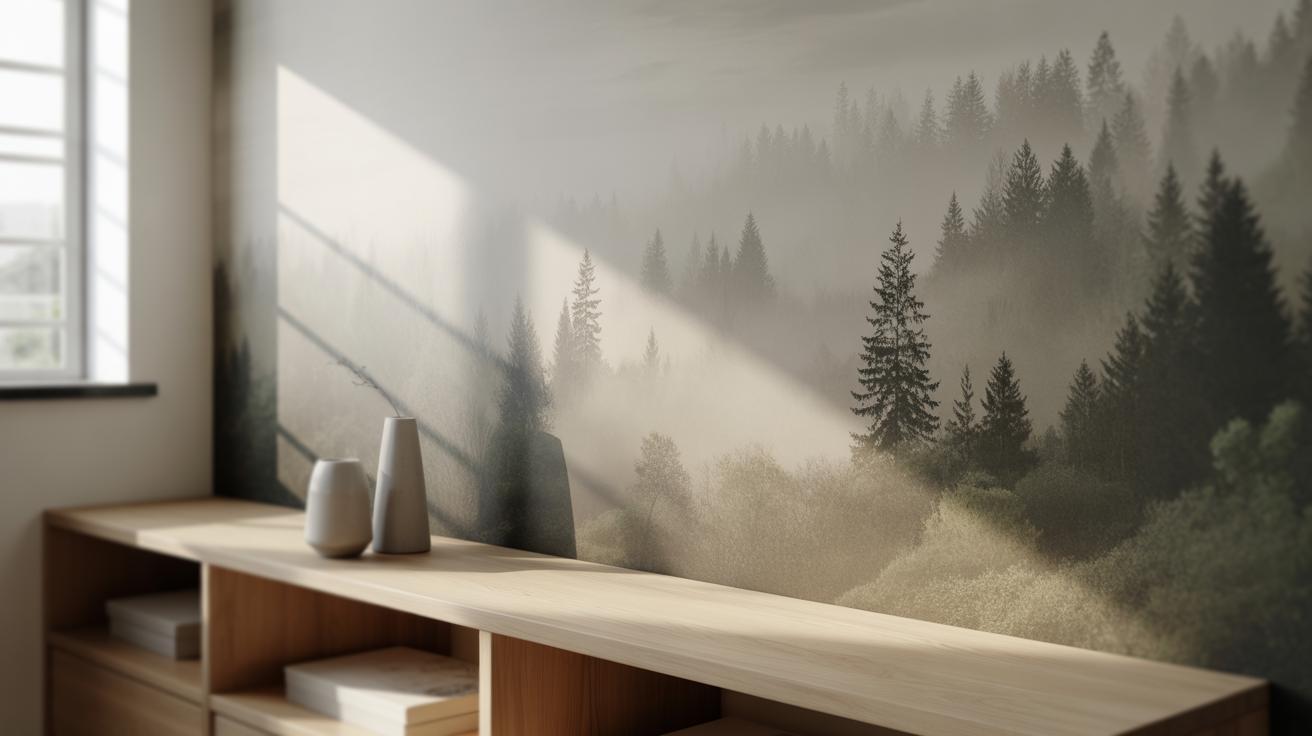
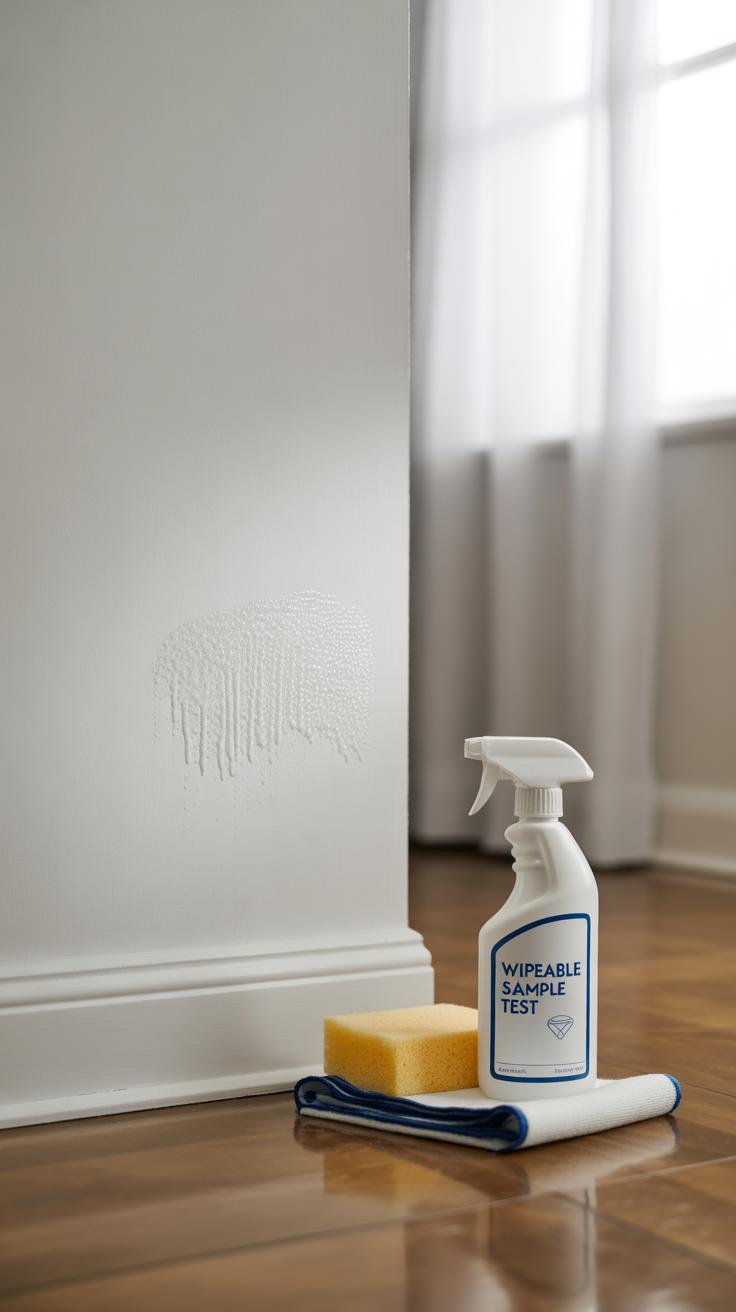
Keeping your dining room wallpaper looking fresh can be a bit tricky, especially with the inevitable spills and humidity that come with meals and dishwashing nearby. Even if you choose a durable type, stains and wear may appear over time. But don’t panic—there are practical ways to slow down that aging process and preserve your wallpaper’s charm.
Cleaning Techniques for Different Wallpaper Types
Not all wallpaper cleans the same way. You’ll want to match your cleaning method to the material:
- Paper wallpaper: Use a soft, dry sponge or a barely damp cloth for dust. Avoid heavy scrubbing or soaking; water can ruin the paper quite fast.
- Vinyl wallpaper: This is more resilient. Gentle soap mixed with water works well here. Wipe with a soft cloth but be cautious about abrasive pads that might scratch the surface.
- Fabric wallpaper: These can be delicate. Vacuum with a brush attachment regularly, and spot clean with mild detergent and water. Test a small area first to see if the color bleeds.
When you think about it, it’s almost like wallpaper asks for a specific kind of care—kind of similar to different fabrics in your wardrobe.
Preventing Damage and Wear Over Time
Preventing peeling and fading requires a bit of foresight. For instance, try to keep your dining room well-ventilated; moisture buildup directly affects adhesion and can cause bubbles or peeling. Direct sunlight is a silent culprit, too, slowly fading colors—even if it’s hard to notice day by day.
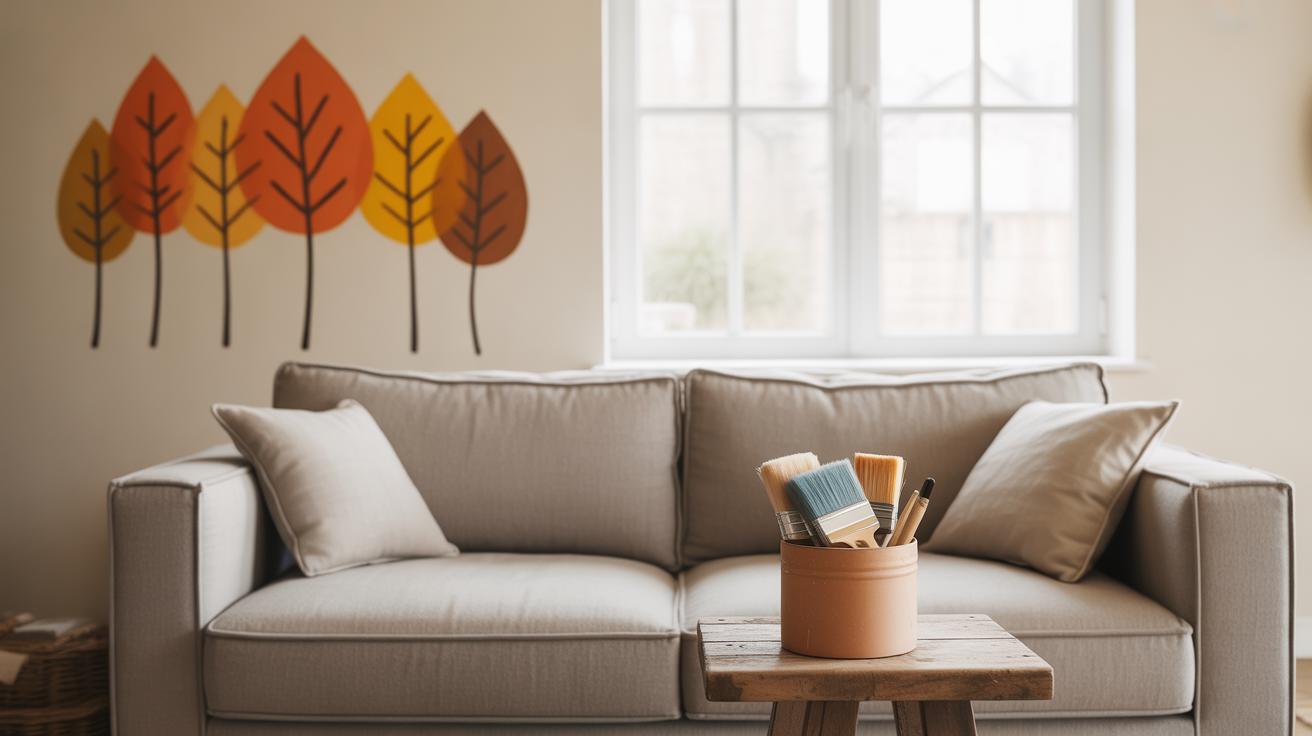
If you’ve had a few spills, the sooner you address them, the better. Wiping gently prevents stains from setting in. When hanging or moving furniture, be mindful not to scrape against the walls. Sometimes we focus so much on style that the practicalities get overlooked.
Ever wondered if your wallpaper could be like new years down the road? Staying consistent with care might keep it that way longer than you expect—though some fading or wear is probably inevitable over time.
Incorporating Wallpaper with Dining Room Decor
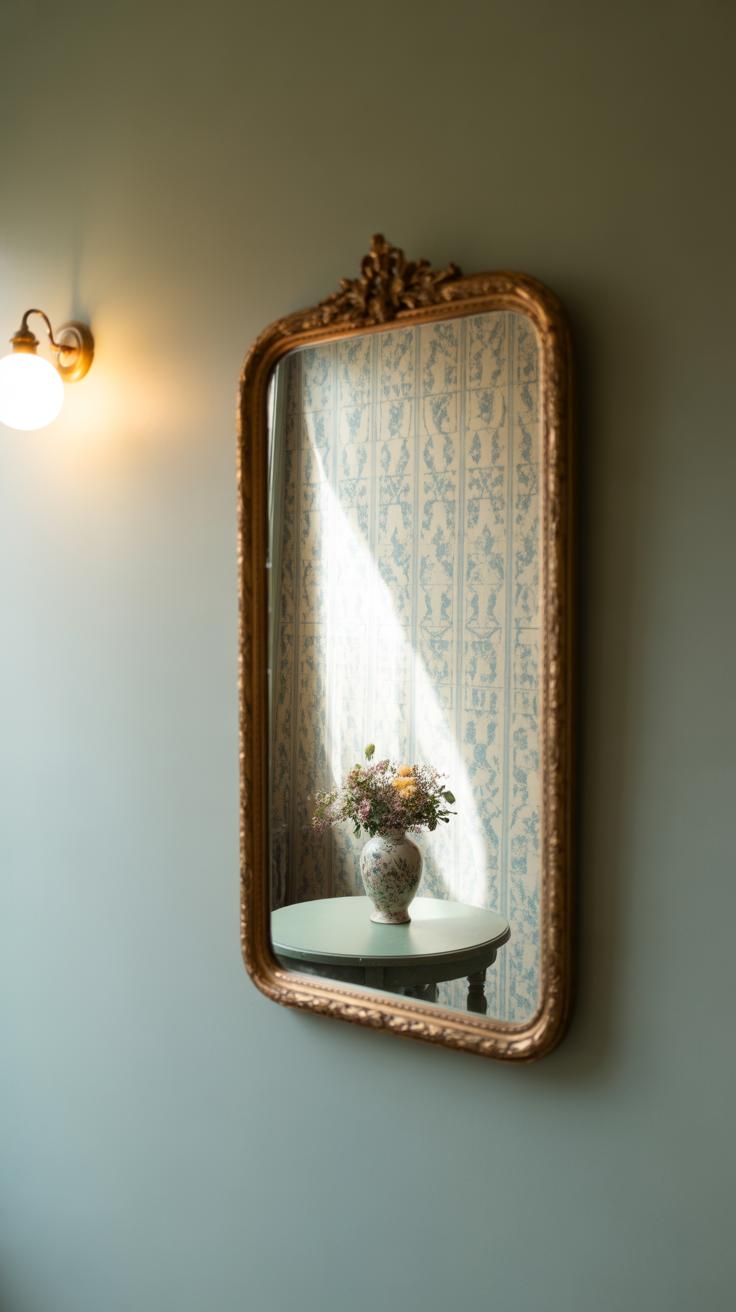
Choosing wallpaper for your dining room is just the first step. The real challenge? Bringing it together with your furniture, lighting, and accessories so the whole space feels balanced. You don’t want the wallpaper to fight with the chairs or get washed out by poor lighting. It’s a delicate dance, really.
Matching Wallpaper with Furniture Styles
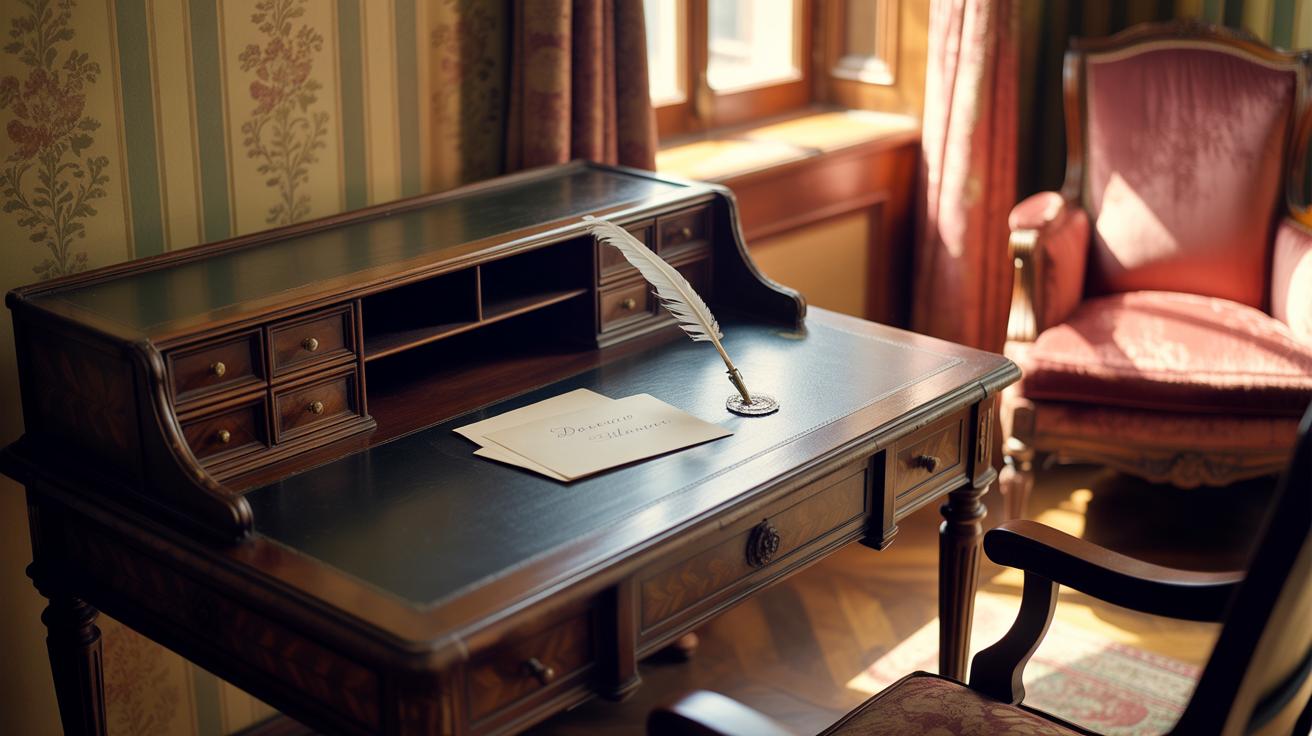
Think about the materials and finishes of your dining furniture when picking wallpaper. For example, classic wooden tables—whether dark mahogany or light oak—work with warm, textured wallpapers. Patterns with subtle florals or soft geometrics often complement wood’s grain, making the room feel inviting without overwhelming.
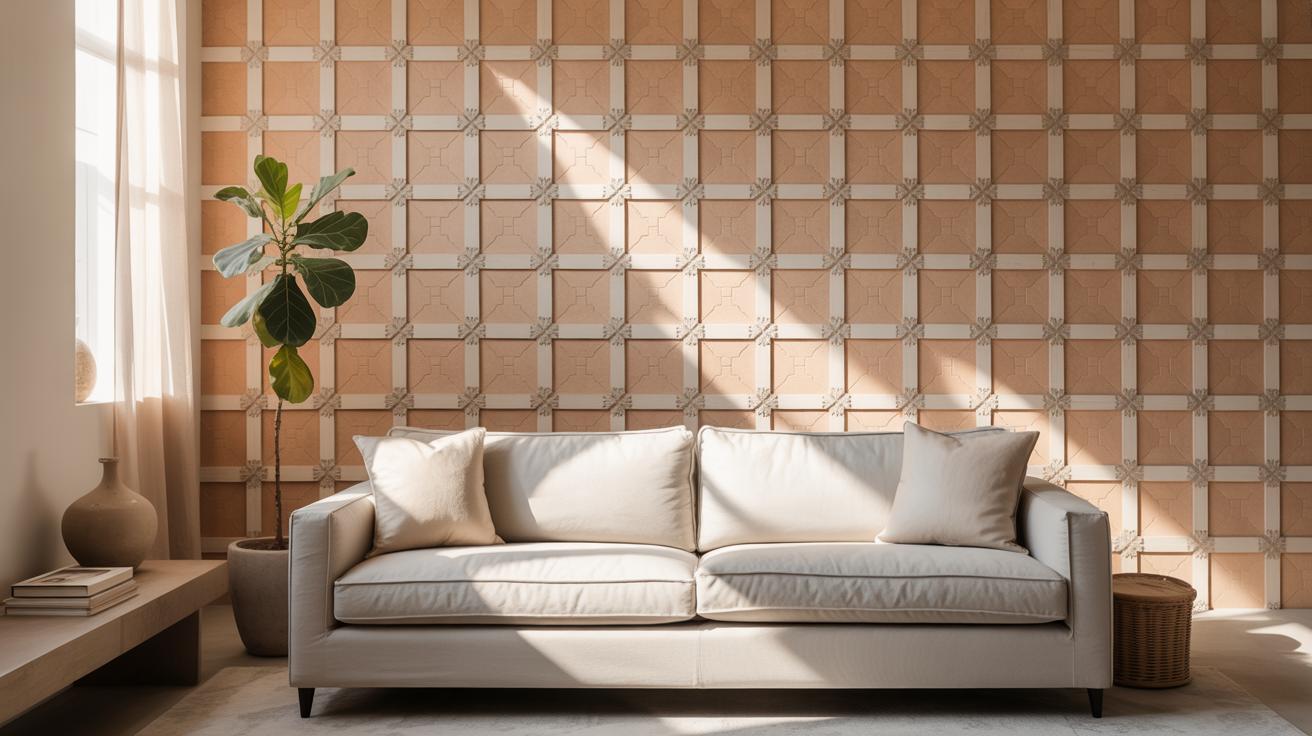
Now, if your furniture leans modern, say metal legs or glass surfaces, wallpaper with sleek, minimal patterns in neutral or bold solid colors can ground the look. Bright florals or busy vintage prints might clash here—it’s a bit too much. I once tried layering a busy wallpaper with a very detailed mid-century modern sideboard and it just felt off, cluttered.
Don’t shy away from contrast, though. A smooth, velvet-upholstered chair can pop against a subtle textured wall. Experiment, but keep the overall feel consistent—if your furniture is ornate, avoid wallpapers that steal attention entirely.
Using Lighting to Highlight Wallpaper
Lighting can really make or break how your wallpaper looks. Ambient lighting sets the general mood but often flattens patterns. That’s why layered lighting makes a difference—think a pendant over the table plus wall sconces or track lights.
Directional lights can be angled to highlight textured wallpapers, throwing gentle shadows that deepen the design’s effect. For shiny or metallic wallpapers, soft warm light prevents glare, keeping things cozy. Sometimes, natural daylight reveals details that artificial light masks, so consider your wallpaper’s position relative to windows.
It’s a little tricky because you want enough light to show the wallpaper’s charm, but not so much that it feels harsh or too bright for dining. I’ve found dimmers to be a lifesaver; they let me adjust lighting depending on whether it’s dinner or a casual afternoon tea.
Creative Wallpaper Ideas for Small and Large Dining Rooms
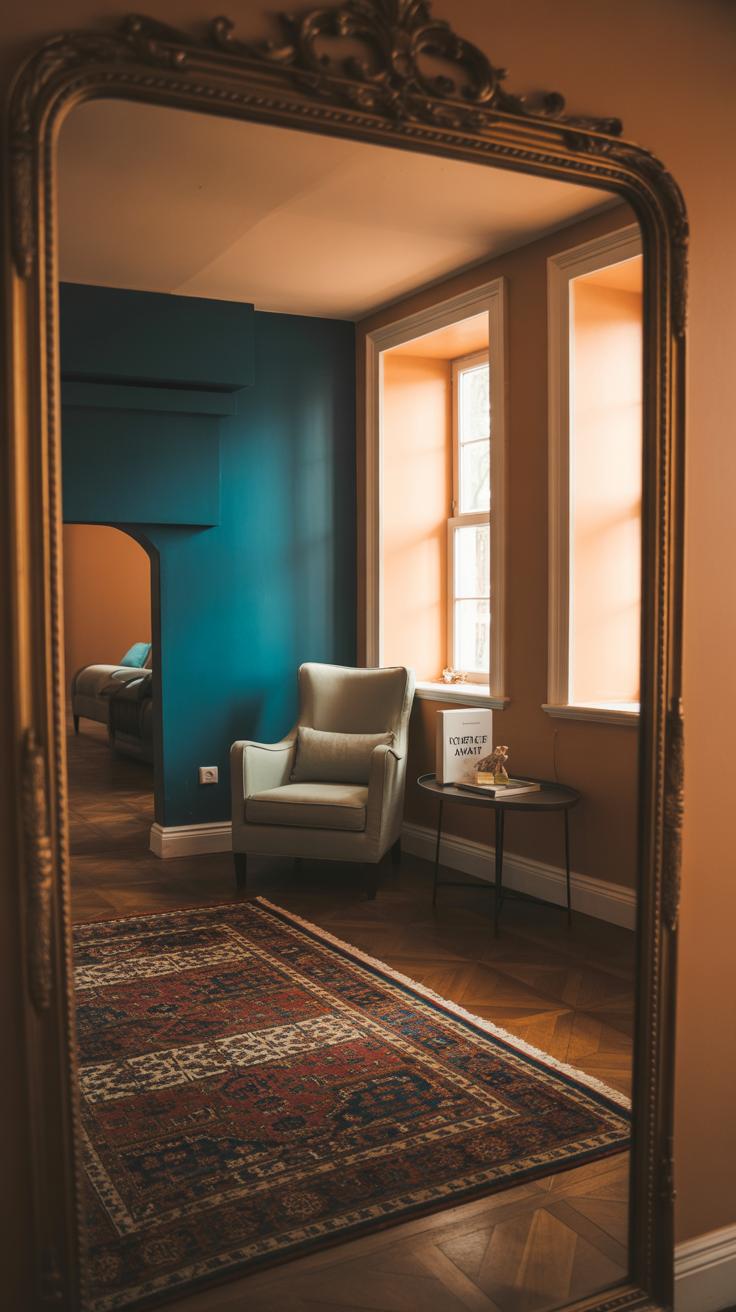
When choosing wallpaper, room size really matters. Smaller dining rooms often benefit from subtle patterns that don’t overwhelm the space. Think delicate textures or soft geometric prints that add depth without crowding. I once used a light-colored wallpaper with tiny, scattered dots in a cozy breakfast nook—it made the space feel calmer and a bit larger. In contrast, for bigger dining rooms, large prints or striking motifs seem to work better. They fill the walls naturally and avoid leaving awkward empty patches that can make a room feel cold or giant.
Expanding Small Spaces Visually
Some wallpapers have this clever way of tricking your eyes. Vertical stripes, for example, can stretch the height of a low-ceilinged dining area. Light colors with minimal contrast can open things up, making walls seem to recede. Glossy or slightly reflective finishes also bounce light around, which, well—who doesn’t want a brighter dining room? The key, I think, is to avoid anything too busy. Overly complex designs might actually close in, rather than open up, a small dining room.
Using Bold Wallpaper in Large Dining Rooms
In large dining rooms, bold wallpaper can save a space from feeling bland. Rich colors or big floral prints draw attention and create a cozy atmosphere. I remember seeing a dining space with deep navy walls and gold-accented wallpaper; it immediately felt both inviting and dramatic. Don’t shy away from patterns that tell a story or express personality. Still, you might want to balance such striking walls with simpler furniture and accessories, otherwise the room risks becoming too much. Wondering if bold means busy? It doesn’t have to—sometimes, less color variety with a big design is just enough.
Conclusions
Wallpaper in a dining room changes how the space feels. It adds character and warmth, making every meal special. Selecting the right wallpaper depends on your taste, the size of your dining room, and the atmosphere you wish to create.
With thoughtful choice and care, your dining room wallpaper can brighten the room, complement your furniture, and welcome guests with style. Embrace these ideas to transform your dining room into a place where everyone loves to gather and enjoy warm, welcoming meals.