
What Is Cardboard Relief Art
Defining Relief
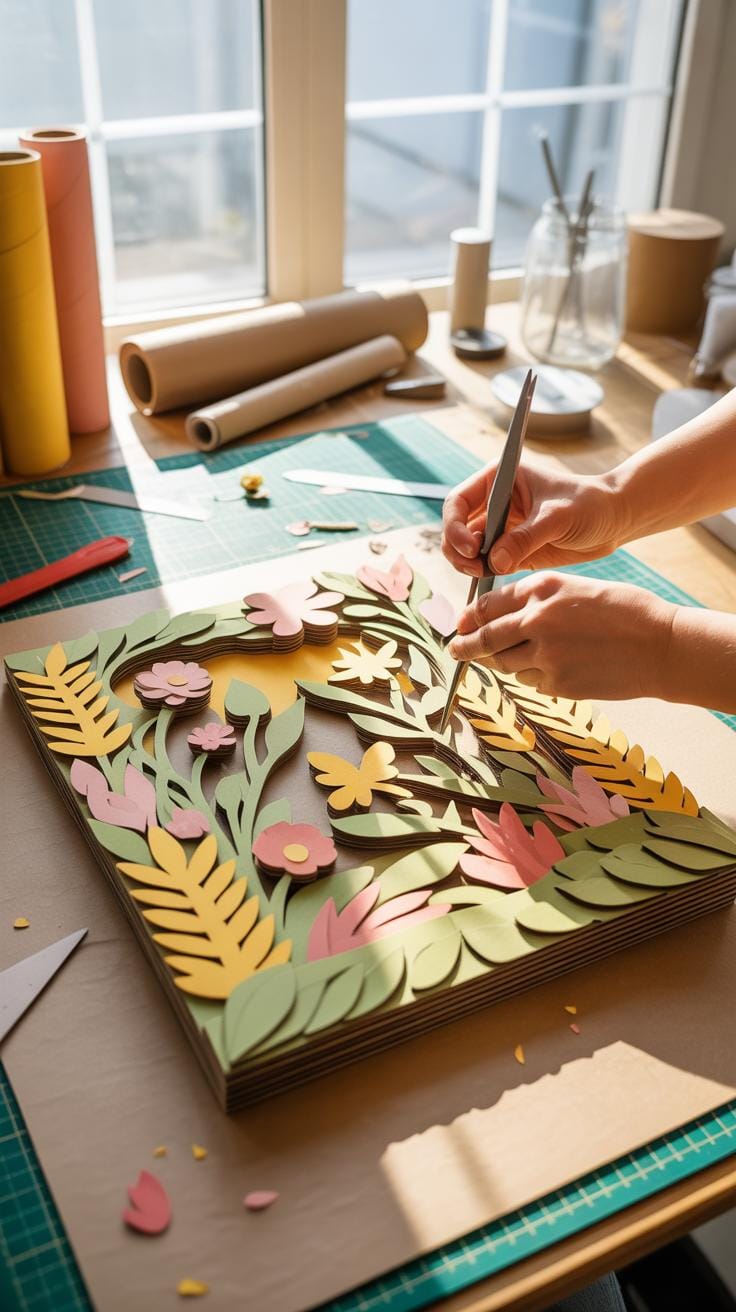
Relief art is a sculptural technique where images project from a flat background surface, creating dimensional visual interest. In traditional sculpture, relief ranges from high relief—where forms substantially protrude—to low relief, where subtle shadows suggest dimension. Cardboard relief art adapts these classical principles to humble paper material, offering artists an accessible yet sophisticated medium. The layering capabilities of cardboard naturally lend themselves to relief work, where each sheet becomes a building block for depth and shadow play.
When exploring cardboard relief art, artists manipulate layering, cutting, and carving to achieve both dramatic and delicate effects. The medium’s inherent structure supports the creation of genuine three-dimensional forms without requiring expensive equipment or advanced training. By stacking, shaving, and strategically removing material, artists develop pieces that invite viewers to experience art through changing perspectives and shifting light. This democratic approach to relief sculpture has democratized fine art creation, making dimensional artwork accessible to hobbyists and professionals alike.
Cardboard As Medium
Corrugated cardboard presents surprising advantages for sculptural work despite its reputation as mere packaging material. The fluted interior structure provides surprising structural integrity while remaining lightweight and workable with basic hand tools. Cardboard’s inherent texture becomes an aesthetic asset rather than limitation, contributing organic character to finished pieces. The material’s availability, affordability, and environmental consciousness make cardboard relief art an increasingly popular choice among contemporary artists exploring sustainable creative practices.
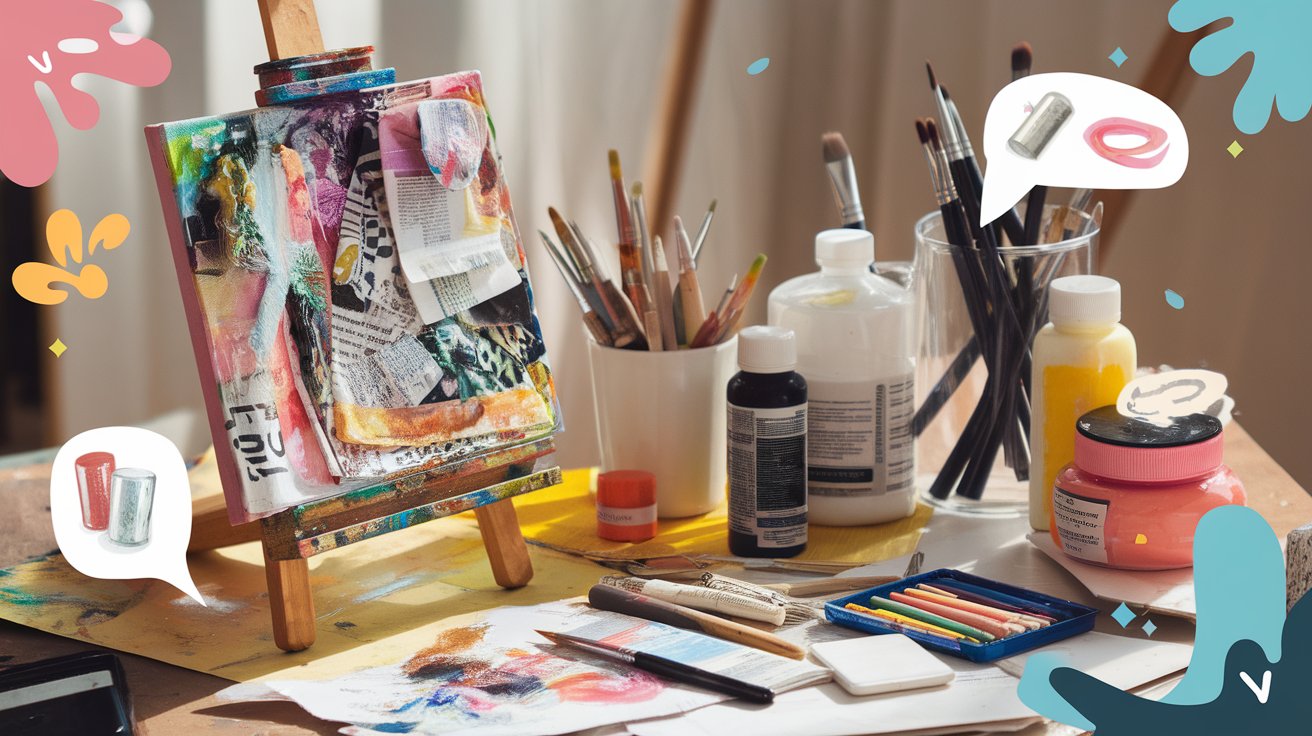
The paradox of cardboard relief art lies in transforming utilitarian material into gallery-worthy sculpture. Unlike marble or bronze, cardboard invites experimentation without financial risk, encouraging bold artistic choices and innovative techniques. Its neutral tones range from cream to deep brown, offering natural color palettes that enhance sculptural form. Artists appreciate how cardboard accepts various finishes—from raw simplicity to paint, stain, or whitewash—expanding the expressive possibilities while maintaining the medium’s authentic, approachable character.
The Essential Tools For Cardboard Relief Art
Precision Cutting Tools For Relief
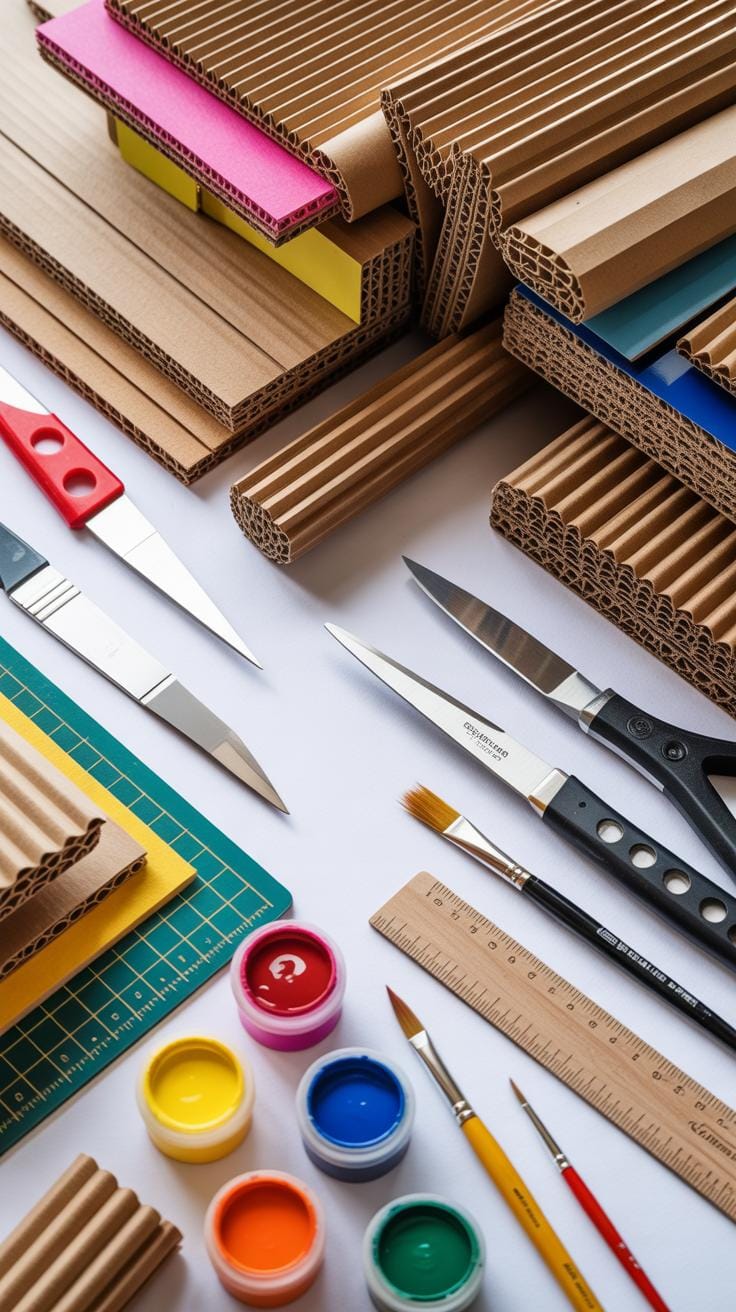
Creating cardboard relief art demands precision instruments that honor the delicate nature of layered cardboard. X-Acto knives have become the gold standard for artists working in this medium, offering the control necessary to carve intricate details through multiple layers. Their sharp, replaceable blades allow for clean cuts that prevent fraying and crushing of the corrugated material. The knife’s lightweight handle provides comfort during extended carving sessions, making it ideal for both detailed work and broader cutting tasks inherent to cardboard relief art.
Beyond basic X-Acto knives, serious cardboard relief artists benefit from exploring specialized precision blades:
- Swivel knives for curved and circular cuts
- Utility knives with retractable blades for controlled depth work
- Scoring tools for creating fold lines without full penetration
- Surgical blades for ultra-fine detail work
- Circle cutters for uniform rounded shapes
Different blade angles and thicknesses serve specific purposes within cardboard relief art composition. Maintaining sharp blades prevents unnecessary tearing and crushing of corrugated layers, which compromises the artistic integrity of your final piece. Dull blades require excessive pressure, increasing the risk of hand fatigue and slips that can ruin hours of meticulous work on your layered relief composition.
Adhesives And Binding Materials
Selecting appropriate adhesives is fundamental to ensuring cardboard relief art achieves lasting structural integrity and visual cohesion. White craft glues and PVA adhesives bond cardboard layers effectively without warping the material, though they require adequate drying time. For immediate hold during assembly, hot glue guns offer convenience and speed, though archival quality may vary depending on brand. Spray adhesives provide even coverage across large surfaces, making them valuable for mounting backing layers or securing delicate cutouts within your relief composition.
Different projects demand different adhesive approaches depending on weight, visibility, and permanence requirements. Tacky glues offer repositioning capability during assembly phases, while contact cement creates permanent bonds ideal for finished pieces. For museum-quality cardboard relief art intended for long-term display, archival-grade adhesives ensure aging without yellowing or deterioration. Always test adhesives on sample cardboard pieces first, observing drying times, color changes, and bonding strength before committing to your completed artwork.
Understanding Your Material Corrugated Vs Flatboard
Exploring Corrugation Texture
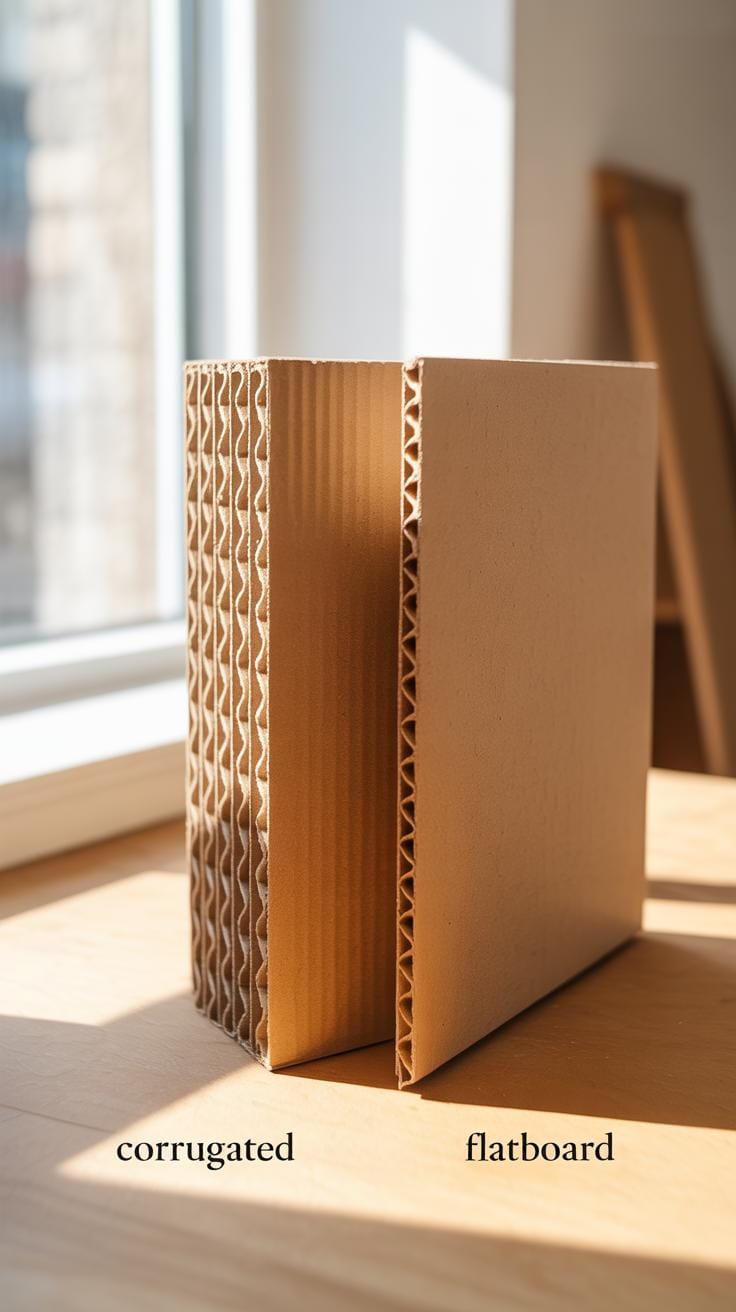
The wavy fluting inside corrugated cardboard creates natural rhythmic patterns that artists have embraced for decades. When you carefully expose these inner waves through selective peeling or carving, the undulating channels become sculptural elements themselves. Cardboard relief art thrives on this interplay between smooth outer liners and textured inner structure. These exposed flutes catch light beautifully, creating shadows that enhance visual depth without requiring additional materials or paint applications.
- Flutes create natural shadow lines that enhance three-dimensional effects
- Wave patterns add organic movement to geometric compositions
- Exposed corrugation provides tactile dimension for viewers to appreciate
- The rhythm of flutes guides the eye through the artwork
- Layering different flute exposures builds complex visual narratives
Working with corrugated cardboard’s built-in texture transforms relief art into something distinctly modern yet reminiscent of handcrafted techniques from earlier eras. Artists discover that the repetitive nature of fluting becomes meditative to carve, revealing hidden landscapes within seemingly ordinary packaging materials.
Strength And Durability Factors Of Cardboard
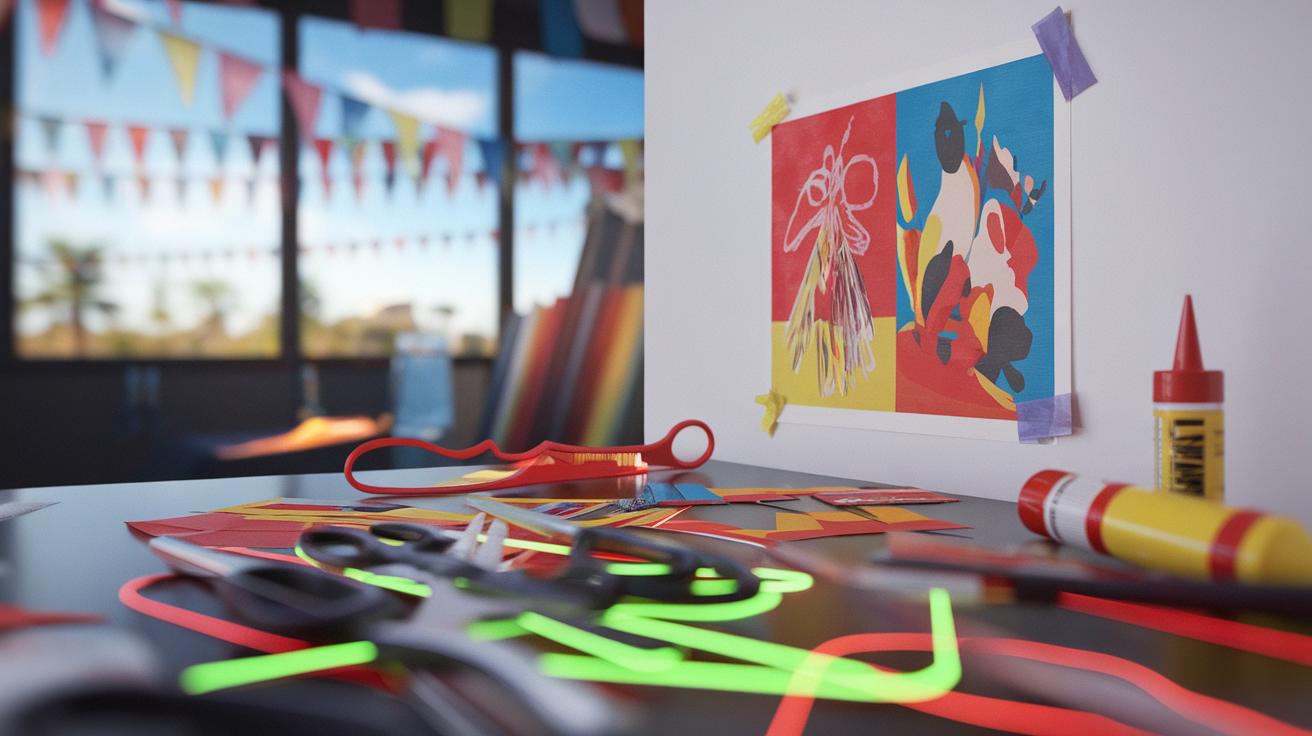
Single-wall corrugated cardboard, the most common type, consists of one fluted layer sandwiched between two liners, offering adequate strength for smaller cardboard relief art projects. Double-wall and triple-wall options provide substantially more rigidity, making them ideal for larger installations or artworks requiring structural integrity. The thickness and density of the cardboard directly impact how deeply you can carve without compromising the piece’s stability or creating unwanted tears.
Selecting the appropriate ply weight becomes crucial when planning multi-layered relief compositions that stack cardboard sheets for dramatic depth effects. Heavy-duty corrugated can withstand more aggressive carving techniques and supports heavier applied materials like paint or sealants. Understanding your cardboard’s specifications ensures your finished relief artwork maintains its sculptural qualities while resisting warping or deterioration over time.
Fundamental Techniques For Creating Depth

Layering And Stacking Methods
The magic of cardboard relief art emerges through strategic layering, where multiple sheets become architectural elements. By stacking cardboard pieces at varying heights, artists construct authentic three-dimensional landscapes that cast shadows and create visual intrigue. This stratified approach transforms flat materials into sculptural environments, allowing light to dance across surfaces and reveal hidden textures. The technique harks back to traditional relief sculpture principles, adapted ingeniously for humble cardboard’s unique structural properties and accessibility.
- Cut cardboard into precise geometric shapes for controlled stacking
- Vary thickness by laminating multiple layers together
- Position pieces at progressive heights to build perspective
- Use adhesives strategically at contact points for stability
- Consider shadow patterns when arranging stacked elements
- Plan depth gradually from background to foreground
Mastering layering requires understanding how each addition contributes to the overall composition’s narrative. Artists discover that spacing between layers matters tremendously, as gaps allow negative space to function as sculptural elements themselves. This methodical building process transforms cardboard relief art from simple craft into sophisticated visual storytelling, where patience and precision yield remarkable dimensional effects.
The Subtractive Peeling Method
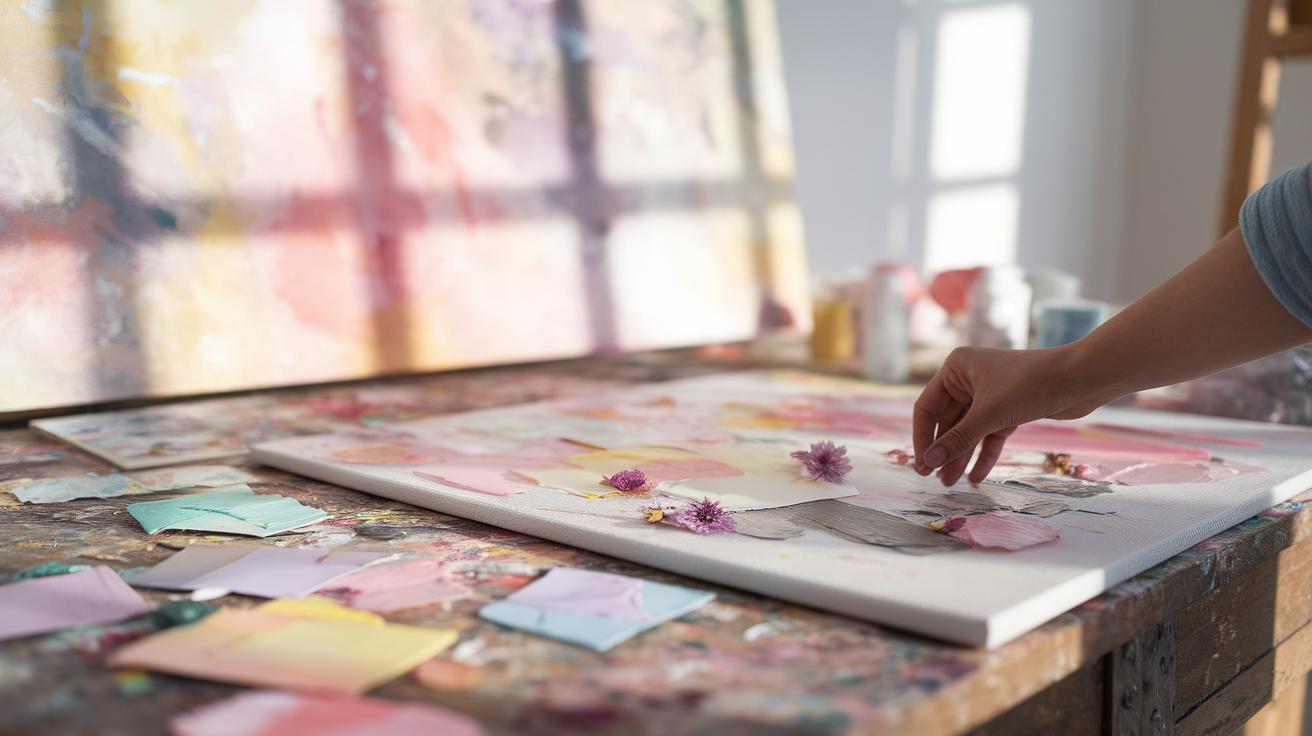
The subtractive peeling method represents a distinctly different approach within cardboard relief art, where artists deliberately remove outer liners to expose the undulating corrugated interior. By carefully separating layers, artists reveal the natural wave-like fluting that becomes the artwork’s primary visual feature. This technique celebrates cardboard’s inherent structure rather than disguising it, creating authentic textural landscapes that feel organic and sculptural. The exposed corrugations naturally catch light, producing dynamic shadow patterns throughout the piece.
This economical yet elegant approach requires sharp tools and thoughtful planning to avoid over-removal. Artists work methodically, peeling away specific sections while preserving the material’s structural integrity and visual balance. The resulting cardboard relief art demonstrates how sustainable materials possess inherent beauty requiring only thoughtful revelation rather than extensive embellishment or addition.
Mastering The Art Of Shadow And Light
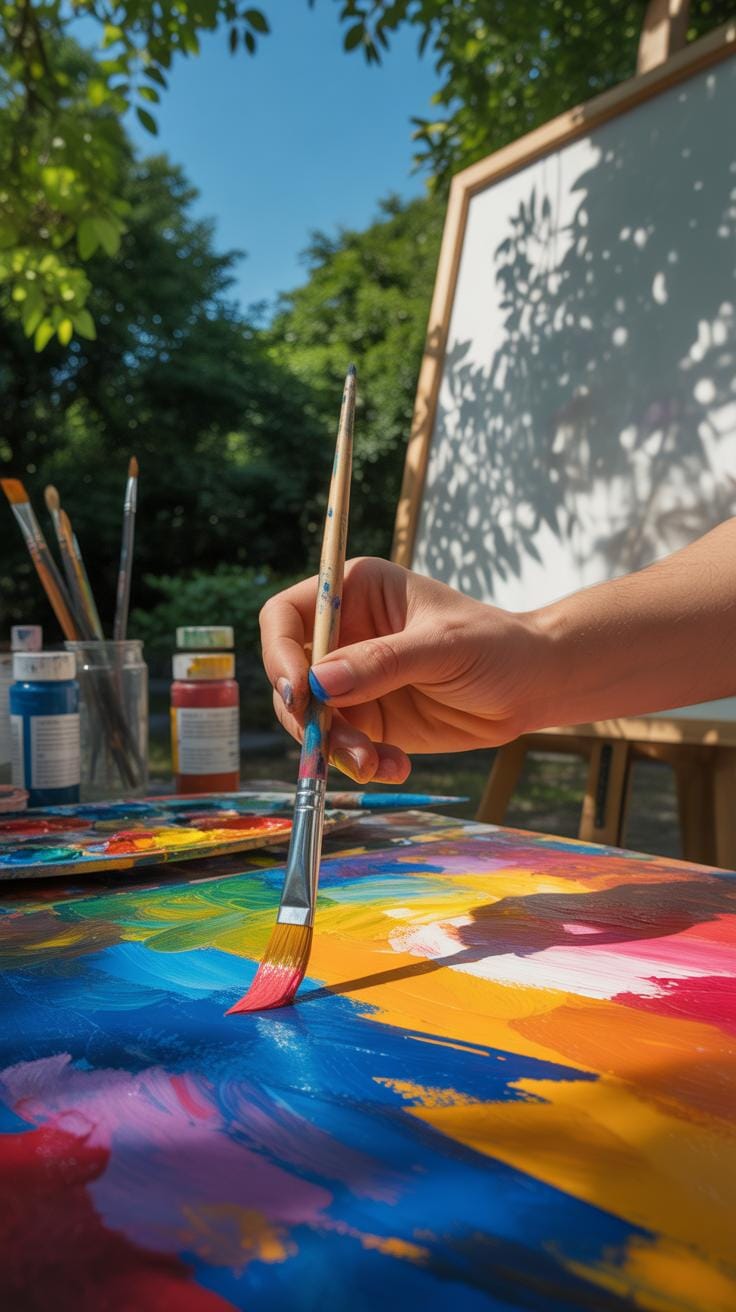
Sculptural Lighting Effects On Relief Art
The interplay between light and shadow transforms cardboard relief art from a flat craft into a sculptural experience. When directional lighting strikes layered cardboard surfaces at oblique angles, it reveals the dimensional quality that makes relief work captivating. This technique has roots in classical relief sculpture, where artists understood that form becomes visible through shadow. By positioning light sources strategically—whether natural sunlight or artificial lamps—creators can emphasize the contours and depth they’ve painstakingly constructed, making viewers perceive greater dimensionality than the material alone suggests.
Understanding how different lighting temperatures affect cardboard relief art enhances viewer appreciation. Warm golden light creates intimate, nostalgic atmospheres that complement vintage-inspired designs, while cooler white light emphasizes geometric precision and modern aesthetics. The artist’s control over lighting becomes as important as the physical carving and layering process itself. As viewers move around a piece, changing light angles continuously reveal new details and shadows, creating a dynamic experience. This relationship between light, cardboard, and perception elevates simple paper craft into fine artistic expression worthy of gallery consideration.
Manipulating Perspective With Paper Reliefs
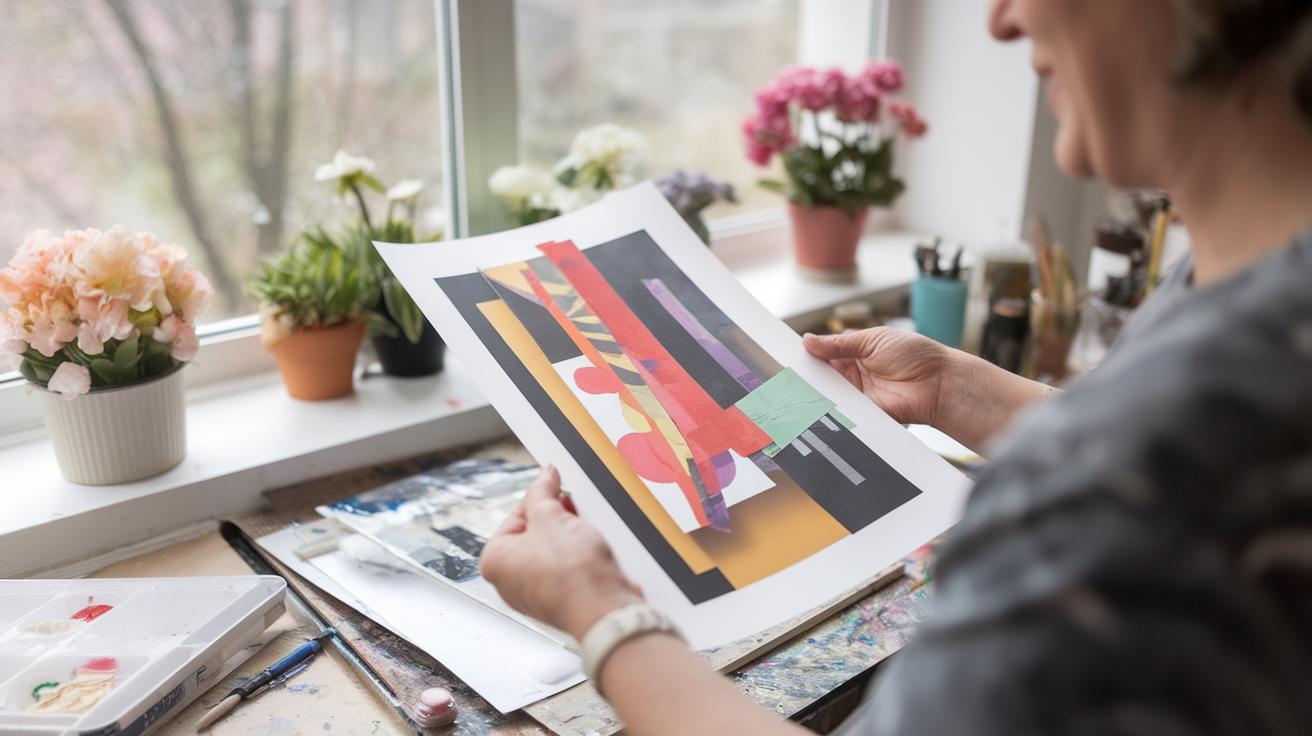
Creating illusion of distance within shallow cardboard relief art requires understanding fundamental perspective principles adapted for three-dimensional paper work. Artists achieve this by gradually reducing layer heights as elements recede, mimicking atmospheric perspective seen in paintings. The foreground elements rise boldly from the backing surface, while background components remain nearly flat, naturally guiding the viewer’s eye through the composition. This technique emerged from printmaking traditions where relief carving created similar depth effects.
- Vary layer thickness to establish spatial recession
- Position smaller, higher details toward composition edges
- Use gradual transitions between depth levels
- Employ overlapping elements to suggest distance
- Incorporate negative space as part of spatial design
- Maintain consistent sight lines throughout the piece
Mastering this subtle manipulation transforms cardboard relief art into windows onto imagined worlds. Viewers instinctively read the spatial relationships encoded in the layering system, experiencing the illusion despite understanding the material’s inherent flatness. This cognitive disconnect—knowing the cardboard is shallow yet perceiving great depth—creates the magical quality that makes relief art so emotionally resonant and visually engaging for audiences encountering these textured compositions.
Conceptualizing Your First Cardboard Relief Project
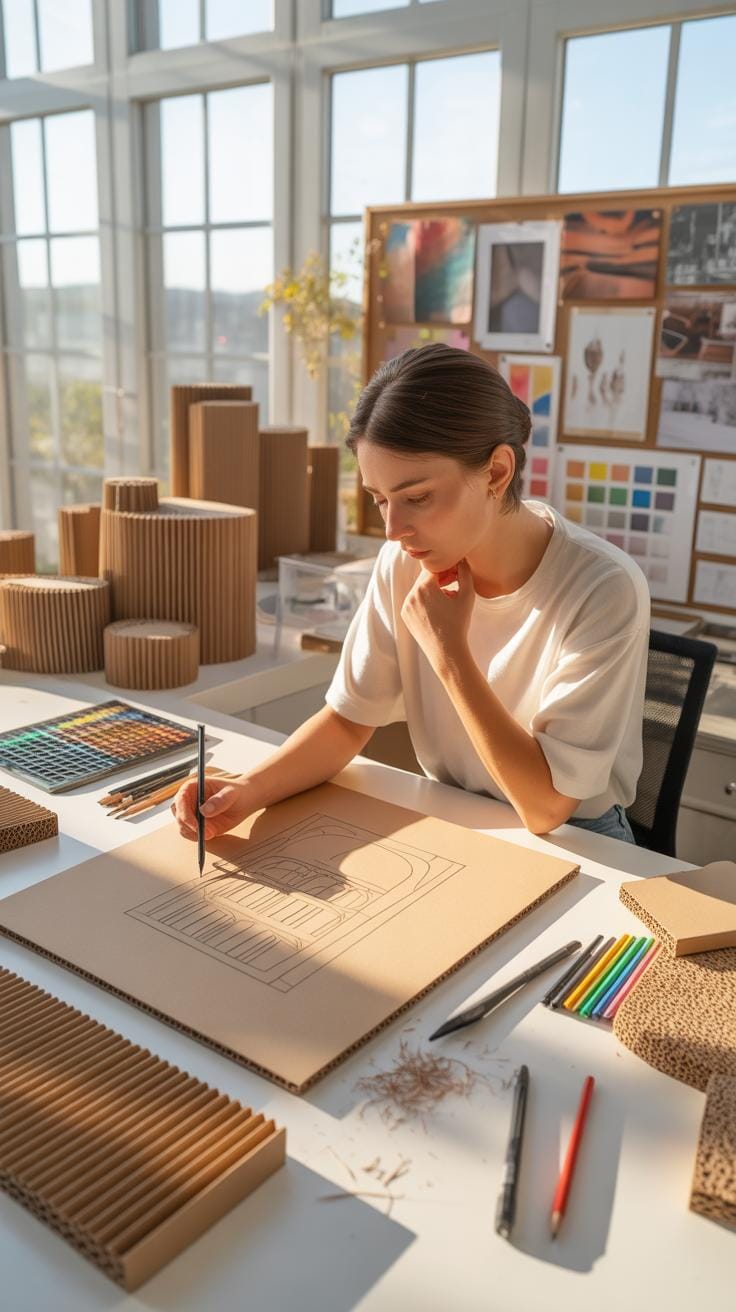
Sketching For Three Dimensions In Relief Art
Beginning your cardboard relief art journey requires rethinking how you approach design fundamentals. Unlike traditional flat drawing, relief sculpture demands understanding depth, shadow, and dimensional layering from the start. Your initial sketches should indicate not just outlines but elevation changes, showing which elements advance forward and which recede. Consider how light will interact with raised and lowered surfaces, creating natural shadows that enhance your composition’s visual drama and complexity.
- Study reference images showing light and shadow patterns
- Mark elevation levels with varying line weights or shading
- Sketch side profiles to visualize dimensional relationships
- Indicate depth using arrows pointing toward viewer or away
- Note which cardboard layers will create each height variation
- Practice with simple geometric forms before complex subjects
Translating these dimensional sketches into working plans means creating separate reference layers for your cardboard relief art project. Develop front views, side profiles, and section drawings that clearly communicate height information to yourself during execution. This systematic approach prevents costly mistakes when cutting and layering expensive materials, ensuring your vision translates accurately from imagination to tangible artwork.
Transferring Designs To Cardboard Surfaces
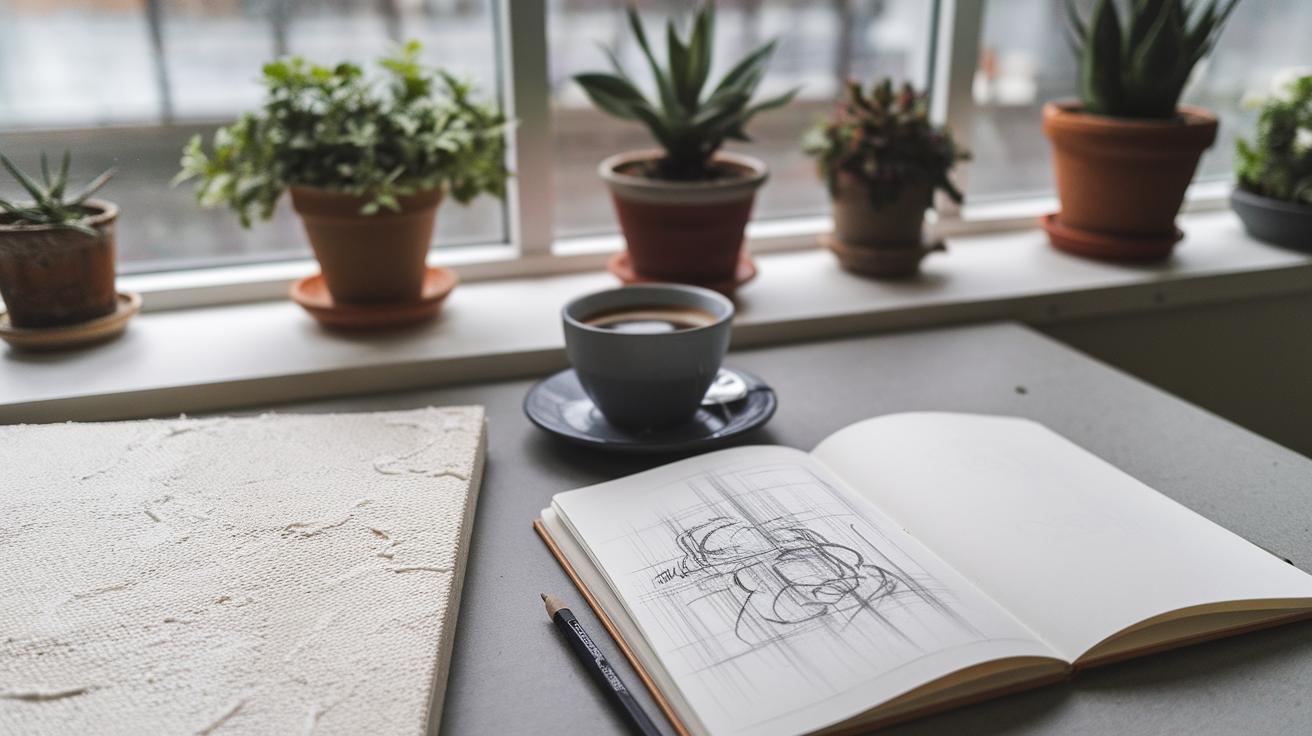
Protecting your cardboard substrate while accurately mapping designs requires thoughtful methodology and gentle techniques. Tracing with soft graphite pencils or chalk creates barely-visible guidelines that won’t damage delicate surfaces, while transfer paper offers another non-invasive option for detailed work. For cardboard relief art, light pressure proves essential—heavy-handed marking can compress layers or create unwanted scoring that compromises structural integrity and aesthetic qualities.
Grid transfer methods provide excellent precision without harming cardboard surfaces. Lightly draw a proportional grid on both your reference sketch and cardboard, then transfer details square-by-square using minimal pressure. Alternatively, tape your design to cardboard and use a pointed stylus to gently impress outlines, creating shallow guidelines without actual marks. These conservative approaches ensure your cardboard substrate remains pristine and ready for layering, cutting, and sculpting.
Advanced Textures Beyond The Box Composite
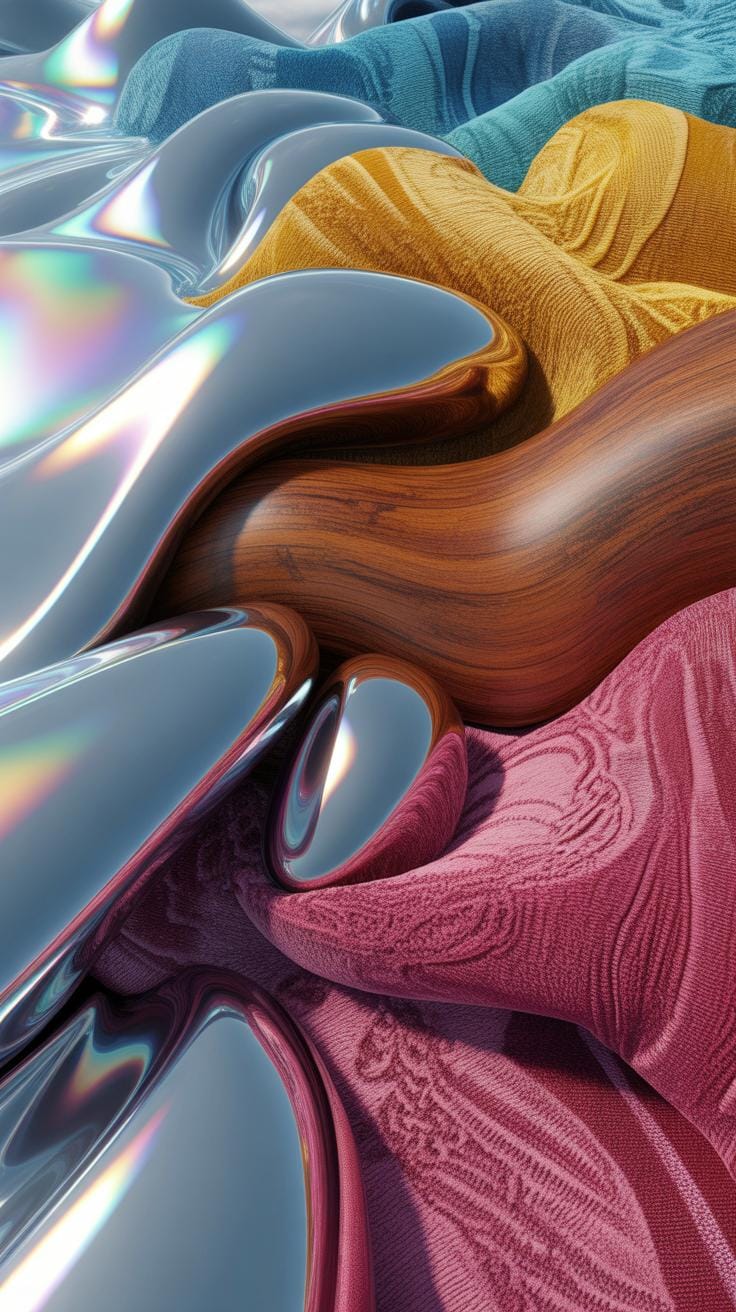
Scoring And Bending Techniques For Relief Sculptures
Scoring transforms rigid cardboard into a malleable artistic medium, allowing artists to create flowing, organic curves that defy the material’s inherent stiffness. By carefully cutting partially through the cardboard’s surface without piercing completely through, artists establish natural fold lines that guide the material’s movement. This fundamental technique has been employed in cardboard relief art for decades, enabling sculptors to achieve dramatic dimensional effects and expressive forms that captivate viewers with their surprising sophistication and elegance.
The precision required in scoring demands patience and practice, as artists must calculate angles, depths, and spacing to achieve desired curvatures. Multiple parallel scores create gentle waves, while strategic single scores produce sharp architectural angles. These bending techniques transform flat sheets into three-dimensional landscapes of shadow and light, revealing how cardboard relief art transcends its humble origins. The resulting sculptures demonstrate that sophisticated texture and form need not require expensive materials, proving that artistic vision matters far more than material cost or accessibility.
Incorporating Found Cardboard Elements For Texture
Repurposing discarded materials enriches cardboard relief art with authentic texture and unexpected visual interest that manufactured components cannot replicate. Egg cartons offer naturally formed cellular structures perfect for creating botanical details, honeycomb patterns, or abstract dimensional surfaces. Corrugated tubes from paper towel rolls, wrapping paper, and shipping materials provide cylindrical elements ideal for layering, spiraling, and constructing sculptural forms. These found objects transform waste into treasured artistic components, encouraging artists to view their recycling bins as potential studios overflowing with creative possibilities.
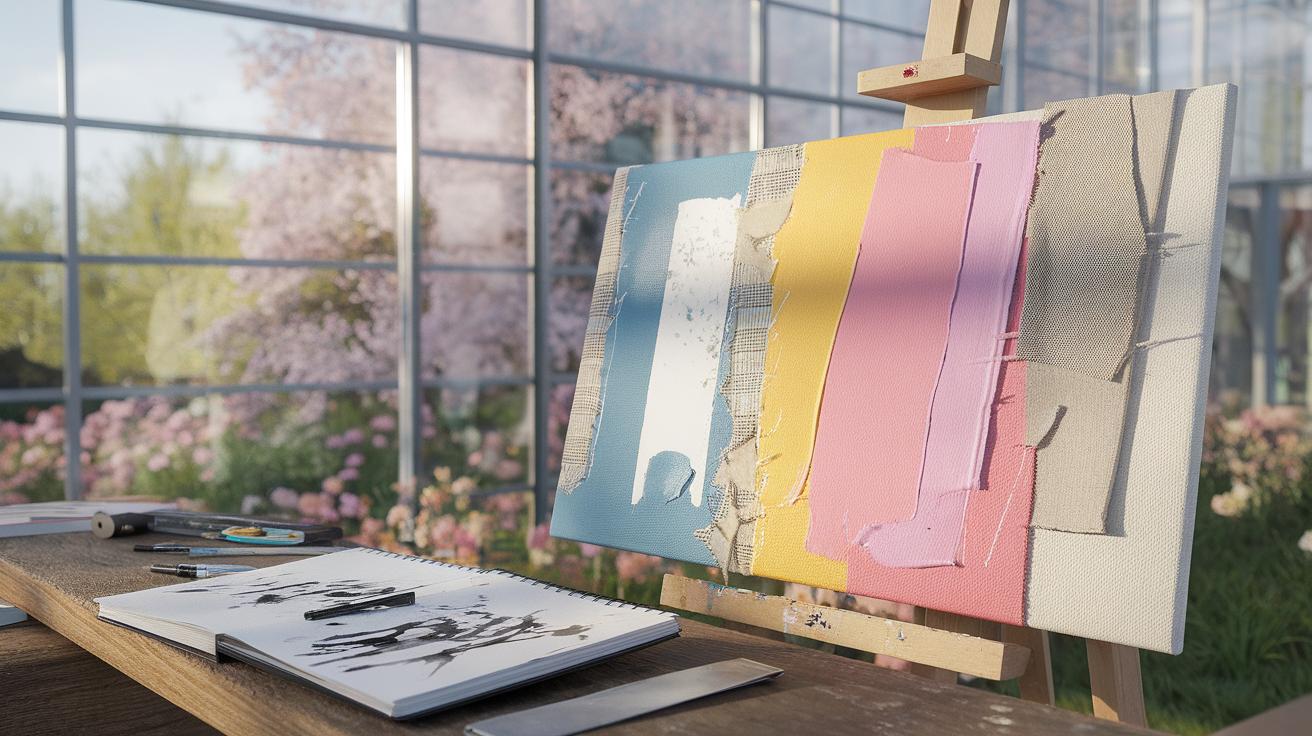
Collecting diverse cardboard remnants becomes an engaging treasure hunt, with each discovered item suggesting new artistic directions. Cereal boxes provide sturdy backing surfaces, while kraft paper tubes inspire cylindrical assemblies and curved compositions. The sustainability inherent in this practice aligns beautifully with contemporary design philosophy, allowing artists to create meaningful work while reducing environmental impact. By thoughtfully combining these varied materials, cardboard relief art becomes both an aesthetic achievement and an environmental statement, proving that beauty and responsibility coexist naturally.
Preserving And Finishing Cardboard Relief Art
Sealing Cardboard Against Environmental Damage
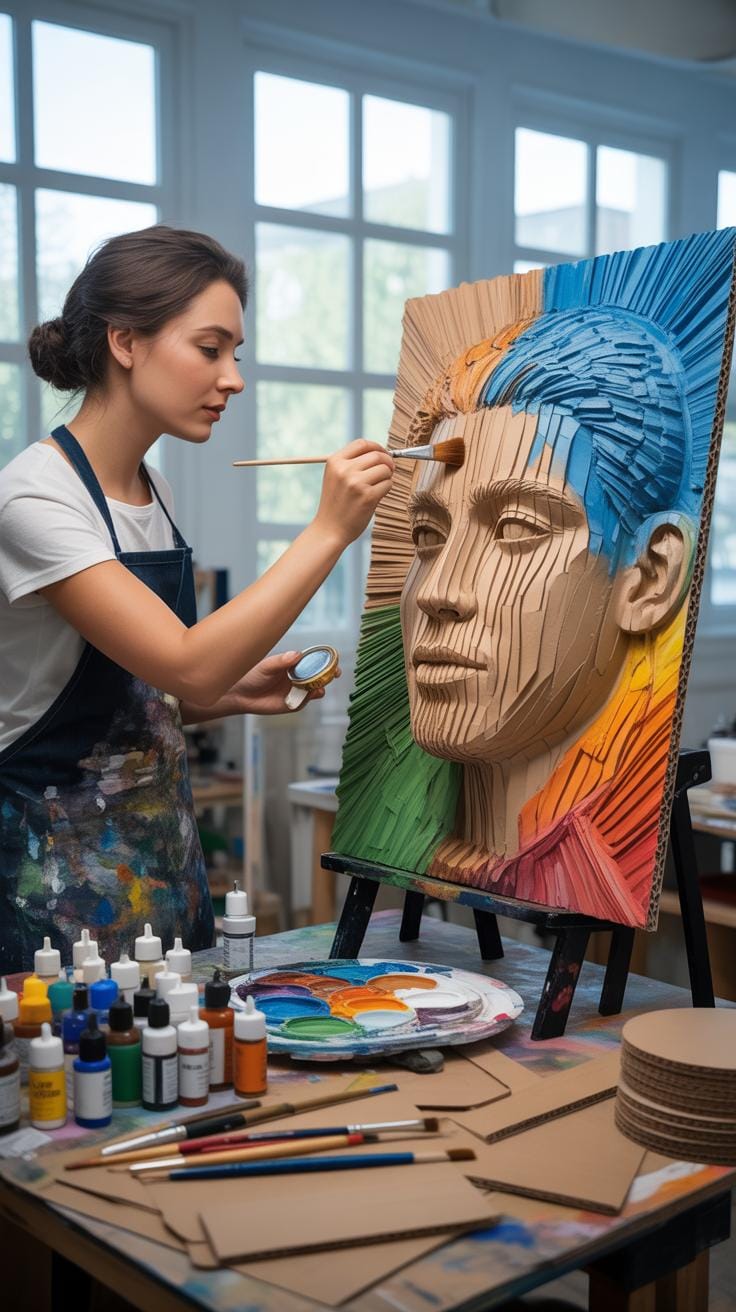
Protecting cardboard relief art from moisture and deterioration requires thoughtful application of sealants that won’t compromise the delicate paper structure. Acrylic spray sealers offer a lightweight option that creates a protective barrier while maintaining the artwork’s original texture and dimensionality. Water-based polyurethane coatings provide durable protection without the harsh chemical odors of traditional varnishes, making them ideal for indoor cardboard relief art pieces. These sealants should be applied in thin, even layers to prevent pooling or warping of the cardboard substrate.
Environmental factors like humidity fluctuations pose the greatest threat to cardboard relief art longevity. Store finished pieces in climate-controlled environments away from direct sunlight, which can fade and brittle the paper fibers over time. Avoid areas with high moisture content, as cardboard readily absorbs water and becomes structurally compromised. Consider using silica gel packets near displayed artwork to maintain consistent humidity levels. Regular inspection allows early detection of moisture damage, discoloration, or pest activity, enabling prompt intervention before deterioration becomes severe.
Priming And Painting Techniques For Paper Sculpture
Preparing cardboard relief art for painting begins with appropriate primer selection that adheres well without saturating the paper. Gesso primer, traditionally used for canvas, works excellently on cardboard surfaces and provides an even base that prevents paint absorption. Spray primers designed for mixed media offer quick, even coverage without excessive liquid saturation that causes warping. Light primer coats build up color uniformity while preserving the dimensional details carved or layered into the cardboard composition.
Acrylic paints remain the preferred choice for finishing cardboard relief art due to their quick-drying properties and water-based formulation. Metallic spray finishes add luminous quality to dimensional surfaces, catching light beautifully within carved recesses and raised sections. Apply paint in thin, overlapping coats rather than single heavy applications to prevent moisture damage. Dry brushing techniques enhance surface texture, while dry foam application creates interesting mottled effects. Consider using complementary color combinations to emphasize the relief’s depth and dimensional qualities, transforming simple cardboard into gallery-worthy sculptural pieces.
The Eco Friendly Appeal Of Cardboard Relief Art
Sustainability And Upcycling In Modern Artworks
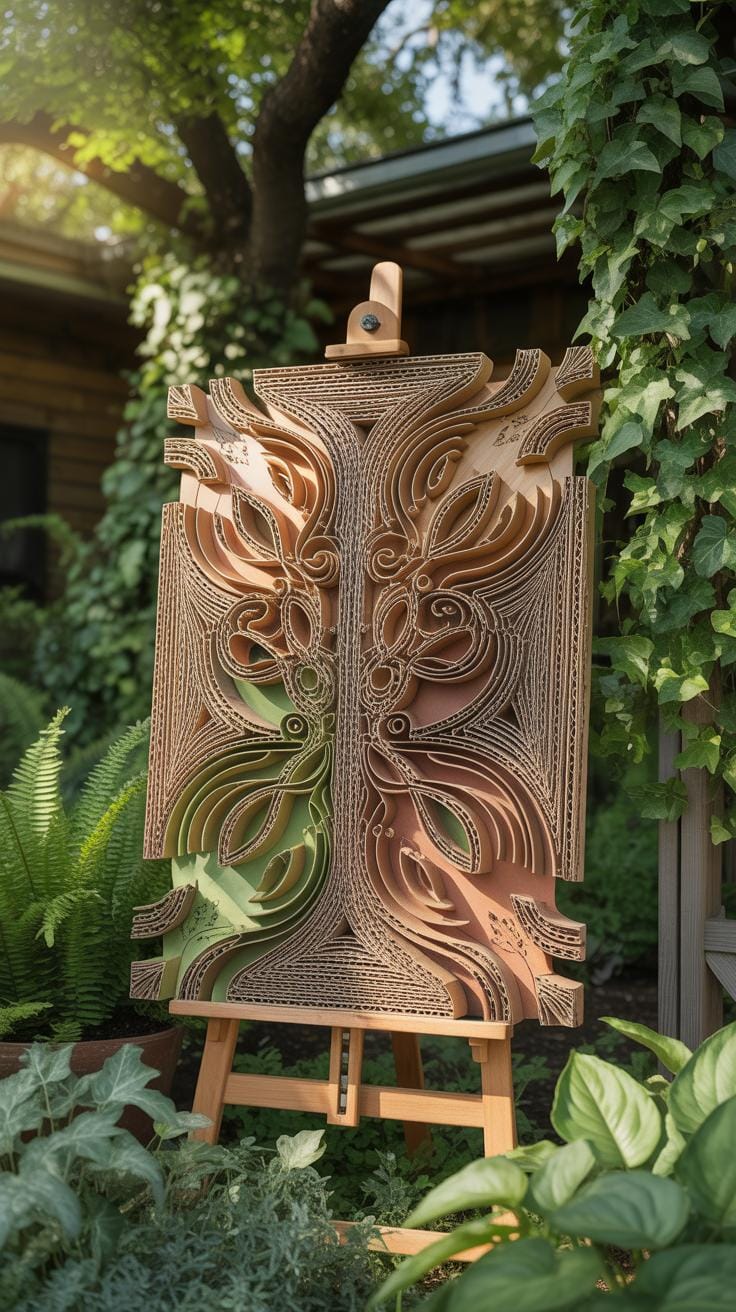
Cardboard relief art represents a powerful intersection of creativity and environmental consciousness that resonates deeply with contemporary artistic movements. As waste reduction becomes increasingly urgent, artists worldwide have embraced cardboard as a legitimate sculptural medium, transforming discarded packaging materials into stunning dimensional works. This shift reflects broader cultural recognition that artistic merit need not depend on expensive or virgin materials. The practice exemplifies how cardboard relief art serves environmental activism by challenging conventional notions of what deserves artistic consideration, proving that sustainability and aesthetic sophistication coexist harmoniously.
The upcycling movement has fundamentally reshaped how we perceive waste materials in art production. By repurposing corrugated cardboard destined for landfills, relief artists actively reduce environmental impact while creating meaningful commentary on consumption patterns. This approach aligns with the broader principles of the circular economy, where materials continuously cycle through new purposes rather than depleting finite resources. Cardboard relief art demonstrates that environmental responsibility enhances rather than compromises artistic vision, offering collectors and enthusiasts guilt-free appreciation of genuine artistic achievement.
Accessibility Of Low Cost Creative Mediums
Cardboard relief art democratizes artistic creation by removing financial barriers that traditionally restricted access to sculptural mediums. Unlike bronze casting, marble sculpting, or other expensive techniques requiring specialized training and equipment, cardboard proves remarkably accessible to emerging artists, hobbyists, and students. The affordability enables experimentation without significant investment, allowing individuals to develop skills organically. This inclusive approach transforms art from an exclusive pursuit into a genuinely participatory creative practice, inviting diverse voices into spheres previously dominated by economically privileged practitioners who could afford traditional materials.
The cultural significance of democratized art extends beyond individual artists to community engagement and educational settings. Schools and community centers leverage cardboard relief art as an affordable teaching tool, introducing students to sculptural principles without budgetary constraints limiting participation. Families discover accessible creative outlets together, fostering artistic confidence across generations. This widespread availability ensures that economic circumstance need not determine creative potential, fundamentally reshaping contemporary artistic landscapes where cardboard relief art proves that profound beauty emerges not from material expense but from imaginative vision and dedicated craftsmanship.
Displaying Your Cardboard Relief Masterpiece
Framing Deeper Relief Works In Shadow Boxes Art
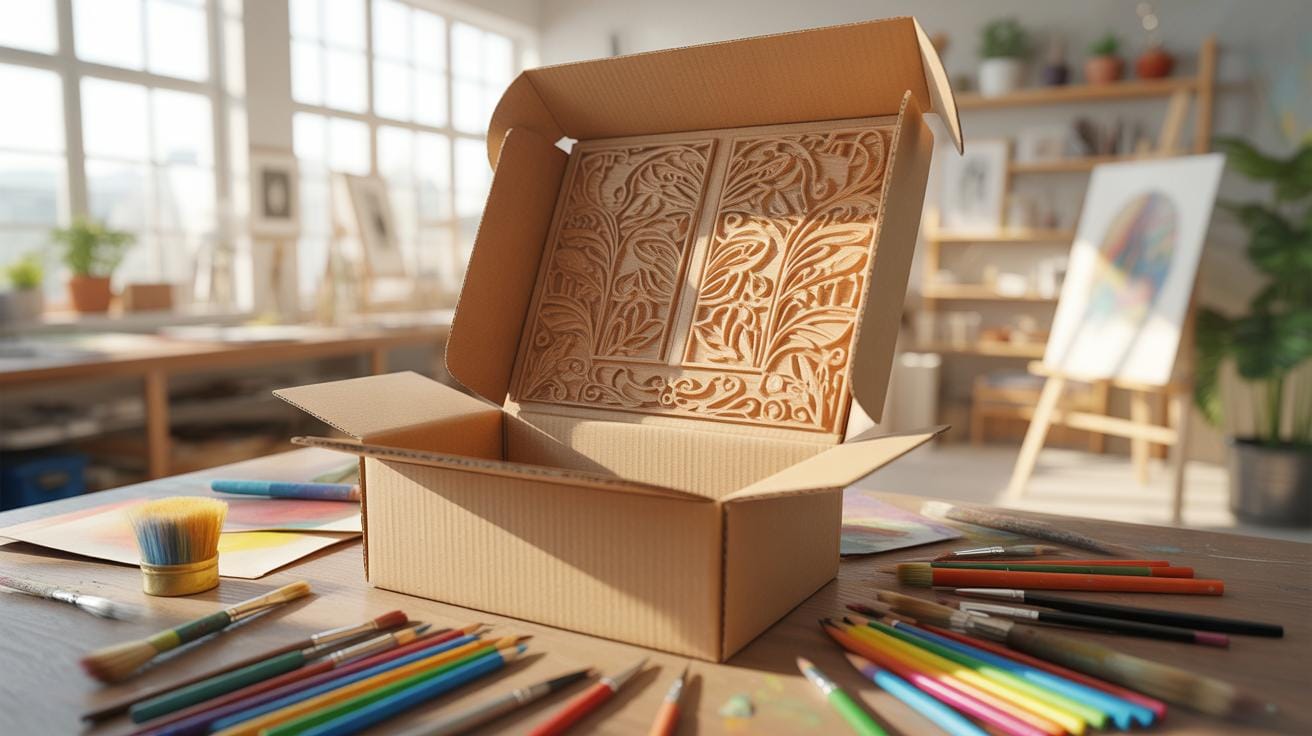
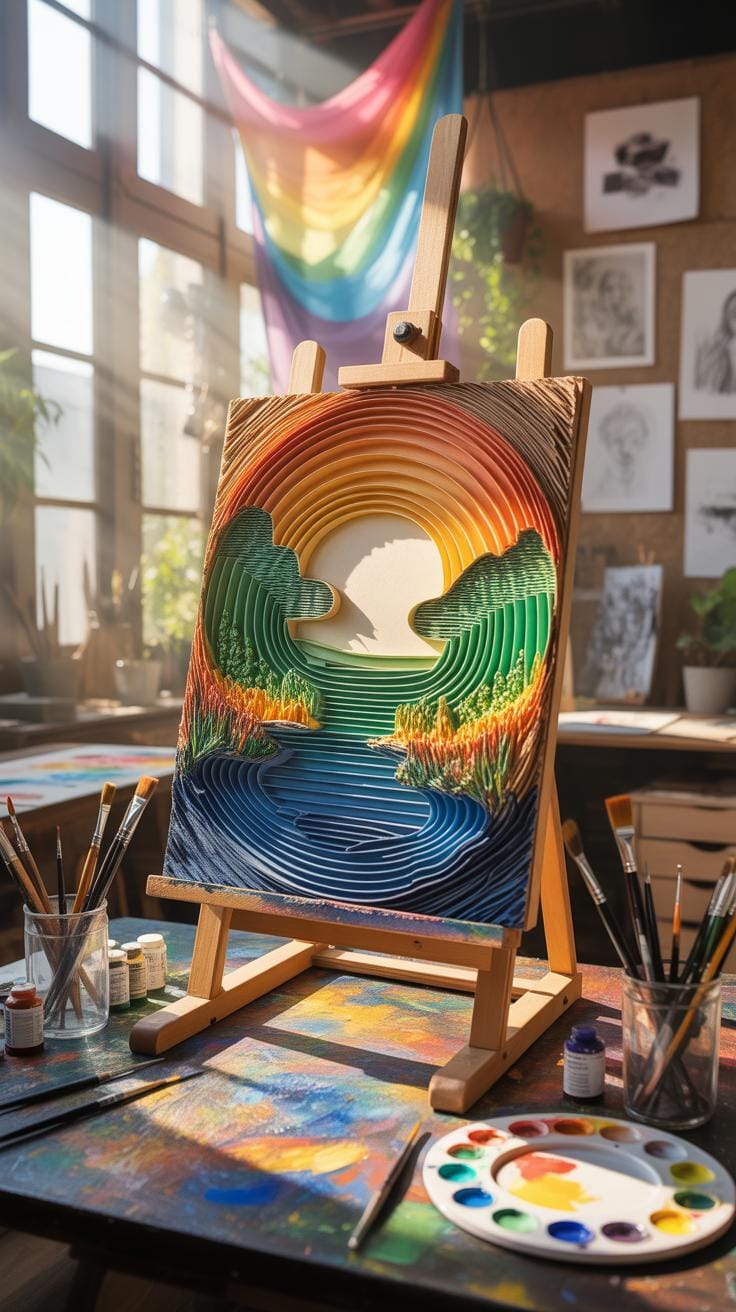
Shadow boxes represent an ideal solution for displaying cardboard relief art, offering the depth necessary to accommodate layered compositions without flattening their dimensional beauty. Unlike traditional flat frames, shadow boxes feature recessed interiors that provide breathing room for raised elements, allowing light to dance across carved surfaces and create captivating shadows. When selecting frames for your cardboard relief work, measure the thickness of your piece carefully, then choose a shadow box with interior depth exceeding that measurement by at least one inch. This generous allowance prevents compression while providing visual breathing space that enhances the three-dimensional impact of your creation.
- Quality wooden frames with acid-free interiors protect against deterioration
- UV-protective glass shields cardboard from fading and environmental damage
- Mat board backing should be archival-quality to support layered pieces
- Adjustable hanging systems accommodate various wall types safely
- Custom framing options allow perfect color coordination with your decor
The presentation of your cardboard relief art deserves consideration of frame color and finish. Natural wood tones complement organic cardboard hues beautifully, while painted frames can echo accent colors within your composition. Museum-quality materials ensure your work remains vibrant for years, protecting your artistic investment from dust, moisture, and harmful light exposure that could compromise the integrity of layered cardboard panels.
Mounting Techniques For Heavy Cardboard Panels Art
Heavy multi-layered cardboard relief artworks require robust mounting strategies that distribute weight evenly across wall surfaces while maintaining long-term structural integrity. Professional-grade D-rings and wire systems, typically used for gallery-quality pieces, provide superior support compared to standard picture hangers. Before installation, locate wall studs using a stud finder to ensure anchoring points align with solid structural support, particularly important for cardboard relief art exceeding five pounds. Never rely on drywall anchors alone; always connect mounting hardware directly into studs for maximum security and peace of mind.
The mounting surface itself demands careful preparation to receive your artwork safely and securely. Apply backing boards behind your cardboard relief composition before framing to consolidate layers and create a unified mounting surface. Use conservation-grade adhesives and mounting tape specifically designed for archival purposes, avoiding materials that emit acids or residual moisture. Once properly backed and framed, your finished piece becomes a resilient display-worthy creation ready to grace your walls for decades while maintaining its stunning three-dimensional character and artistic integrity.
Frequently Asked Questions

What is cardboard relief art?
Cardboard relief art is a creative sculptural technique where layers of cardboard are cut, stacked, and glued to create raised designs against a flat background, mimicking traditional relief sculptures like those in stone or wood. It’s an eco-friendly way to transform everyday cardboard boxes into stunning wall art, bringing depth and texture to home decor. Perfect for beginners exploring upcycled crafts.
How do I make cardboard relief art at home?
Start with clean cardboard boxes; sketch your design on paper first. Cut shapes using a craft knife, layer pieces with varying heights using glue or hot glue, and paint for color. Seal with mod podge for durability. This cardboard relief art process turns waste into personalized decor—experiment with themes like nature or abstracts for unique results. Tools needed are basic and affordable.
Is cardboard relief art budget-friendly for beginners?
Absolutely, cardboard relief art is one of the most accessible crafts since it repurposes free boxes from shipping or recycling. You’ll only need scissors, glue, knife, and paint—total cost under $10. It’s ideal for budget-conscious decorators wanting high-impact, sustainable wall pieces without fancy supplies or skills.