

Spring Flower Wallpaper for a Bright Home
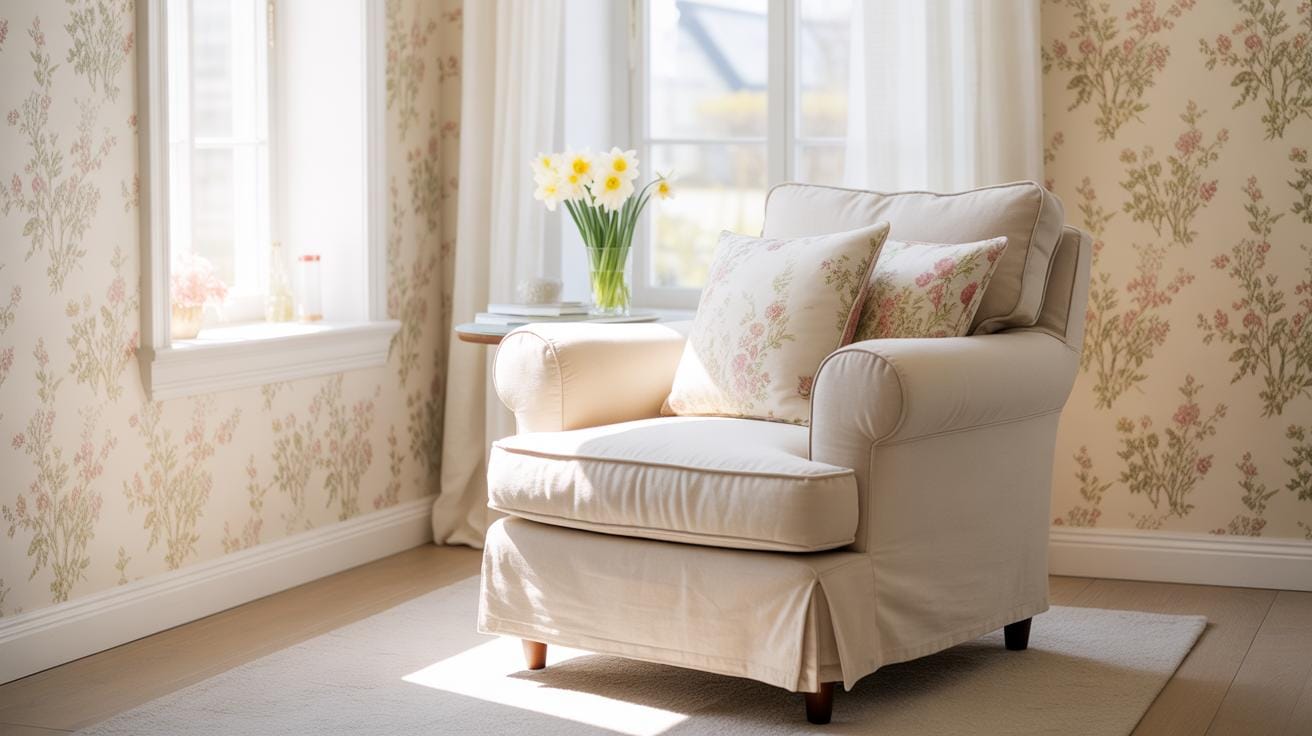
Spring flowers wallpaper brings a fresh and lively feeling to your living space. It captures the beauty of blooming flowers and allows you to enjoy spring all year round. Adding this kind of wallpaper to your home changes the atmosphere completely. It can make a room feel brighter, warmer, and more welcoming.
This article explores many ideas on how to use spring flowers wallpaper to create a bright home. You will learn how to pick the best designs, where to place them, and how colors affect your mood. You will also discover care tips and creative ways to mix wallpaper styles.
Using Spring Flowers Wallpaper In Different Rooms
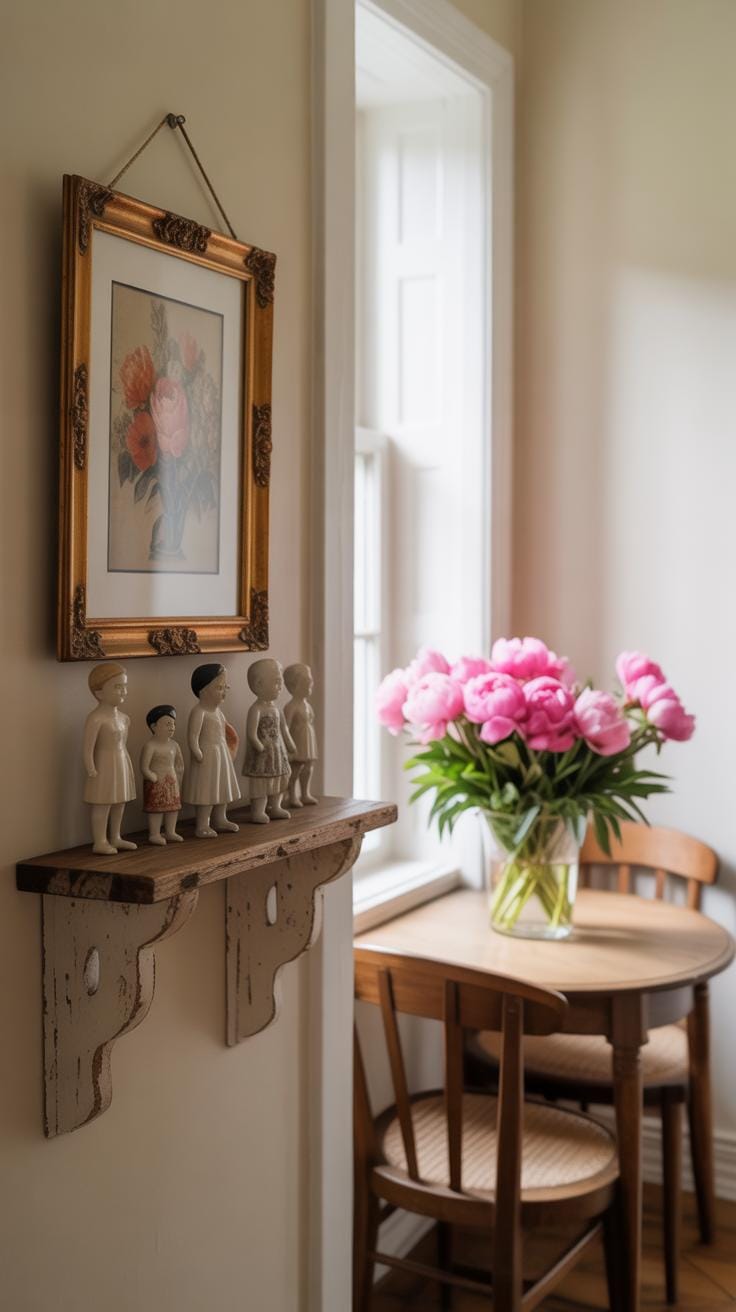
Choosing where to place spring flowers wallpaper can make a big difference in how your space feels. Some rooms naturally benefit more from that fresh, lively vibe the flowers bring. Think about rooms where you want to feel energized or calm—usually living rooms, bedrooms, and even bathrooms come to mind.
In living areas, a floral accent wall can grab attention without overwhelming the space. Maybe one wall behind a sofa or near a window where natural light hits—spring flowers come alive there. For bedrooms, softer patterns with subtle blooms work well, making the room feel serene but still cheerful. A full-wall approach can sometimes feel too busy for sleep spaces, so maybe try a corner or above the headboard.
Bathrooms can be surprisingly good spots for flower wallpaper. The moisture can be an issue with certain papers, but vinyl-based options hold up. The flowers add an unexpected warmth and freshness, especially where tile and stone dominate. If you’re hesitant about a whole-wall pattern, try smaller sections like behind mirrors or inside cabinets.

Don’t overlook entryways or hallways either. These often-neglected areas can use a floral punch to immediately lift your mood as you come in or pass by. Since these spaces are narrow or short, a bold pattern might be just right to add interest without taking over.
Where you put the wallpaper depends not just on the room function but on how much time you spend there and what atmosphere you want. Would you prefer a lively, bright spot or a gentle hint of spring? Sometimes it’s about balancing that brightness so it feels welcoming rather than overwhelming. What rooms in your home need a bit more light and life?
Brightening Up Living Rooms
Spring flowers wallpaper can turn a living room from dull to inviting with little effort. It’s usually best on a single feature wall—a spot that naturally draws attention, like behind the sofa or near the window. Placing it there provides a burst of life without overwhelming the whole space.
Think about how a floral pattern might interact with your furniture and lighting. You don’t want something too busy if your room already has a lot going on. But subtle flower motifs, maybe with softer colors, can create a relaxing yet cheery vibe. I once tried a delicate cherry blossom pattern opposite my living room’s main window—sunlight filtered through it just right, and the room felt unexpectedly fresh.
It’s a good idea to match the wallpaper’s scale to the room size. Big flowers in a small room might feel cluttered, while tiny florals in a large space could get lost.
Creating Cheerful Bedrooms
Bedrooms are personal sanctuaries, and spring flowers wallpaper works well to add warmth and comfort. Usually, the wall behind the bed makes the most sense. It sets a tone for the whole room and frames the bed nicely.

If you want a restful space, look for wallpapers with gentle, organic patterns that don’t shout too loudly. Something soft—like peonies or lilacs in muted pastels—can make the room feel cozy and calm without feeling overstimulating.
Sometimes, people hesitate to use floral wallpaper in the bedroom because they worry it’ll be too feminine or busy. But pairing it with simple bedding and minimalist décor can balance that out. It’s really about mixing and matching, which means don’t be afraid to experiment a little. You might find that even a small patch of floral pattern changes everything.
Color Choices And Their Effects
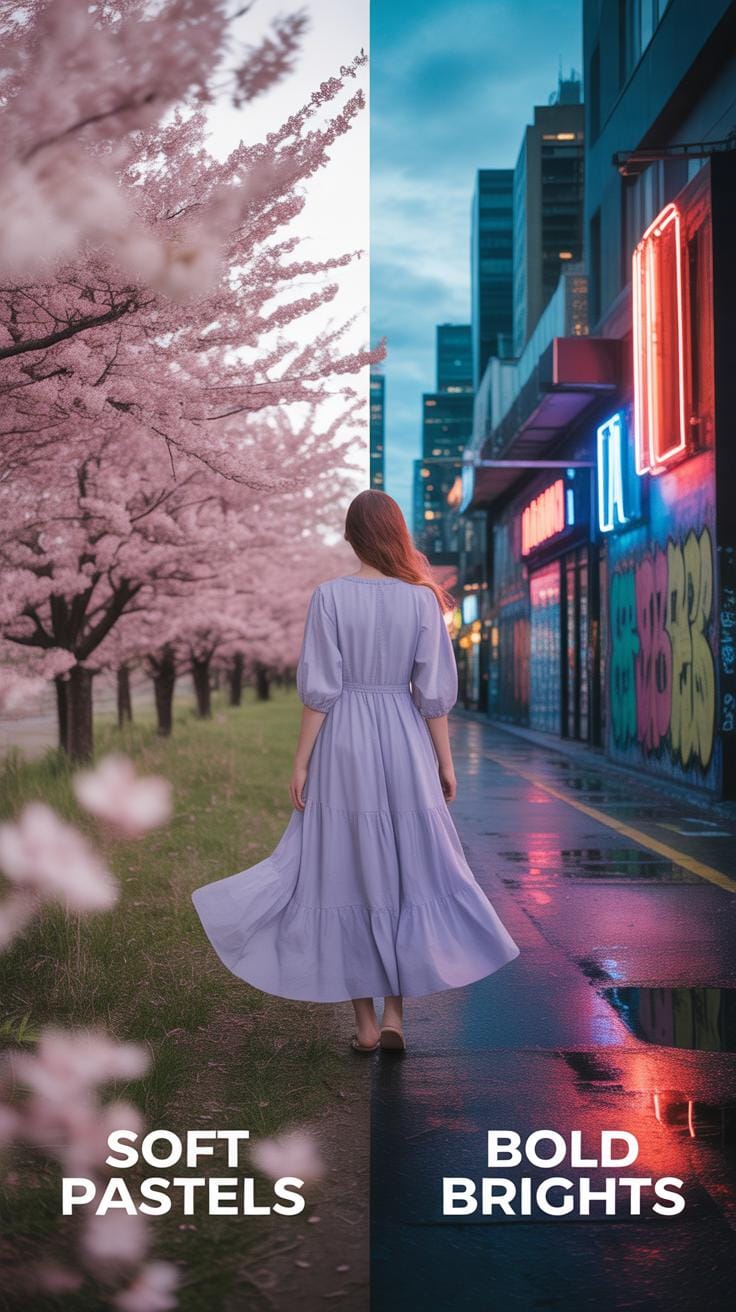
When choosing spring flowers wallpaper, color plays a surprisingly big role in shaping how you feel in a room. Colors can affect mood and atmosphere more than you might expect. For example, soft greens and blues often bring a sense of calm and balance. They remind you of nature and fresh air, which fits perfectly with floral themes. But if you want to create energy or warmth, brighter pinks, yellows, and oranges do that well. They catch the eye and can lift your spirits almost instantly.
Think about what kind of vibe you want before picking your wallpaper. Do you want to relax after a long day or feel energized in the morning? Also, some colors can feel cozy, like dusty peaches or muted corals. These warm tones invite you to linger, maybe in a reading nook or dining area.
Cool Versus Warm Colors
Cool colors like blues and greens generally calm a space. They can make a room feel larger, airier, and a bit more serene. This is why blue-toned spring flower wallpapers might work well in bedrooms or bathrooms—places where you want to unwind. On the other hand, warm colors such as pink, yellow, or orange bring warmth and a feeling of closeness. They can make a big kitchen or living room feel more inviting but might overwhelm a small space.

Each color pulls at different emotions, so it becomes less about right or wrong and more about what suits your needs in a particular space. It’s interesting that sometimes a blue floral wallpaper can feel both refreshing and a little cold, depending on the exact shade and lighting.
Using Color To Influence Room Mood
If calm is what you’re after, go for wallpapers with pastel or muted shades of green and blue. These can help slow down racing thoughts, perfect for bedrooms or offices. Want more energy? Bright floral wallpapers in yellows or rich pinks make you feel alive and boost creativity. I’ve seen kitchens transformed by a splash of sunny yellow flower prints—it just feels like breakfast tastes better.
Cozy atmospheres often come from layers of warm tones mixed with floral patterns. Think soft oranges or coral combined with gentle textures. These colors don’t shout but rather hug the room gently, encouraging long conversations or lazy Sunday afternoons. The fascinating part is how subtle shifts in color saturation can change the entire mood, even within the same color family.
Have you ever noticed that some floral wallpapers immediately make you want to sit down and breathe, while others push you to move? That’s really the power of color in your walls—something you don’t always think about but definitely feel.
Wallpaper Materials And Prints Explained
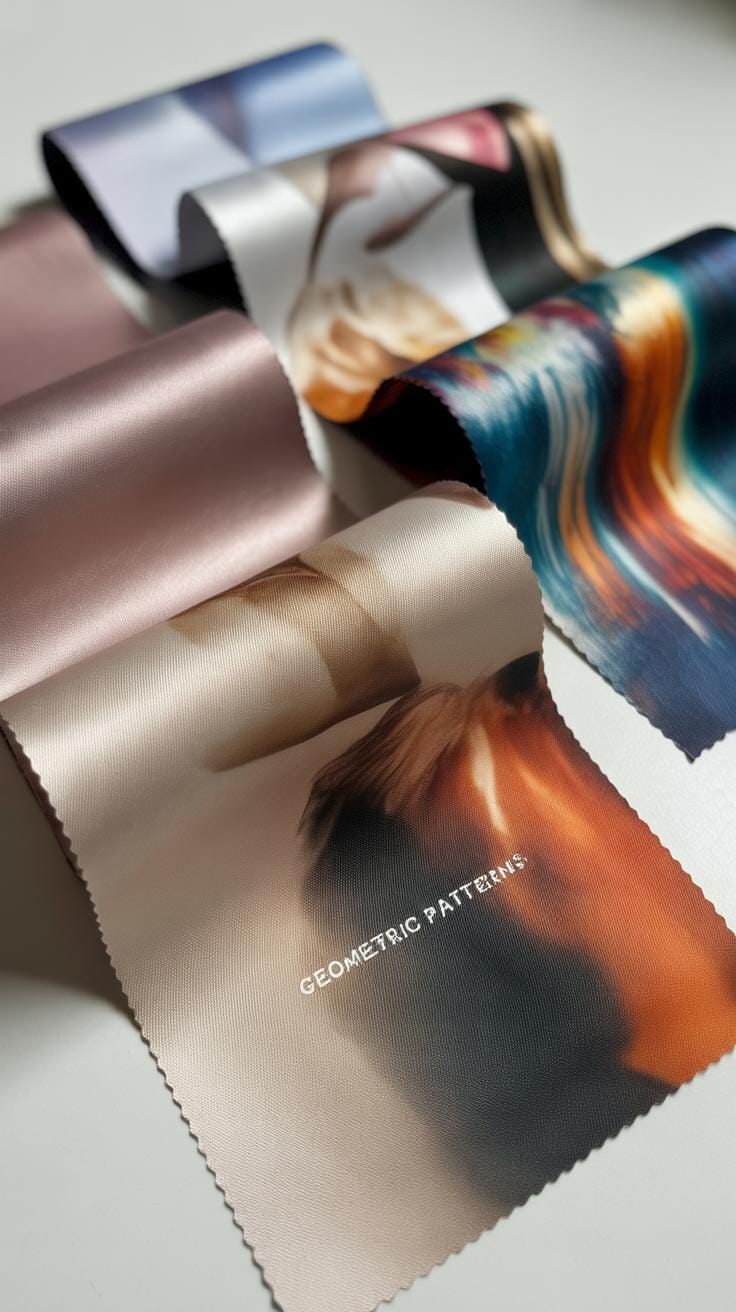
When choosing spring flowers wallpaper, the material makes a big difference—both in how the pattern looks and how it wears over time. You’ll find several common options, each with unique qualities that affect texture, durability, and ease of putting up the wallpaper.
Common Wallpaper Materials
Paper wallpaper has that classic feel and usually shows flower patterns clearly, but it’s not the toughest. It can tear easily and isn’t great in humid spaces. Vinyl is much sturdier and often washable, making it a practical choice for kitchens or bathrooms. Though sometimes it might feel a bit plastic-y, which could dull the floral vibrancy.

Fabric wallpapers add depth and texture, making floral designs almost tactile. They can be gorgeous but tend to be delicate and tricky to clean—a bit of a commitment. Non-woven wallpapers combine the best of both worlds; they’re tear-resistant and easier to install since you paste the wall, not the paper. This makes changing your floral decor less stressful, which is a relief if you’re prone to second thoughts.
Printing Techniques For Flower Wallpapers
The print method shapes how the flowers really pop or fade into the background. Digital printing lets you get fine details and lots of colors, perfect if you want intricate petals and subtle shades. Screen printing, which applies color layer by layer, can offer richer hues but might miss some fine details.
Some wallpapers use embossing to add a raised texture to flowers, giving a sense of depth that you might not notice at first glance but definitely feel. Choosing the right print can either make your wallpaper look more natural and soft or, well, somewhat flat and synthetic. It makes you wonder—does the texture speak louder than the pattern?
Ultimately, it’s a trade-off between appearance, durability, and how much effort you want to put into installation. Vinyl with digital prints is versatile and often popular, but if you don’t mind fussing a bit, fabric or embossed prints can bring your spring flowers to life in unexpected ways.
Creating Accent Walls With Flower Wallpaper
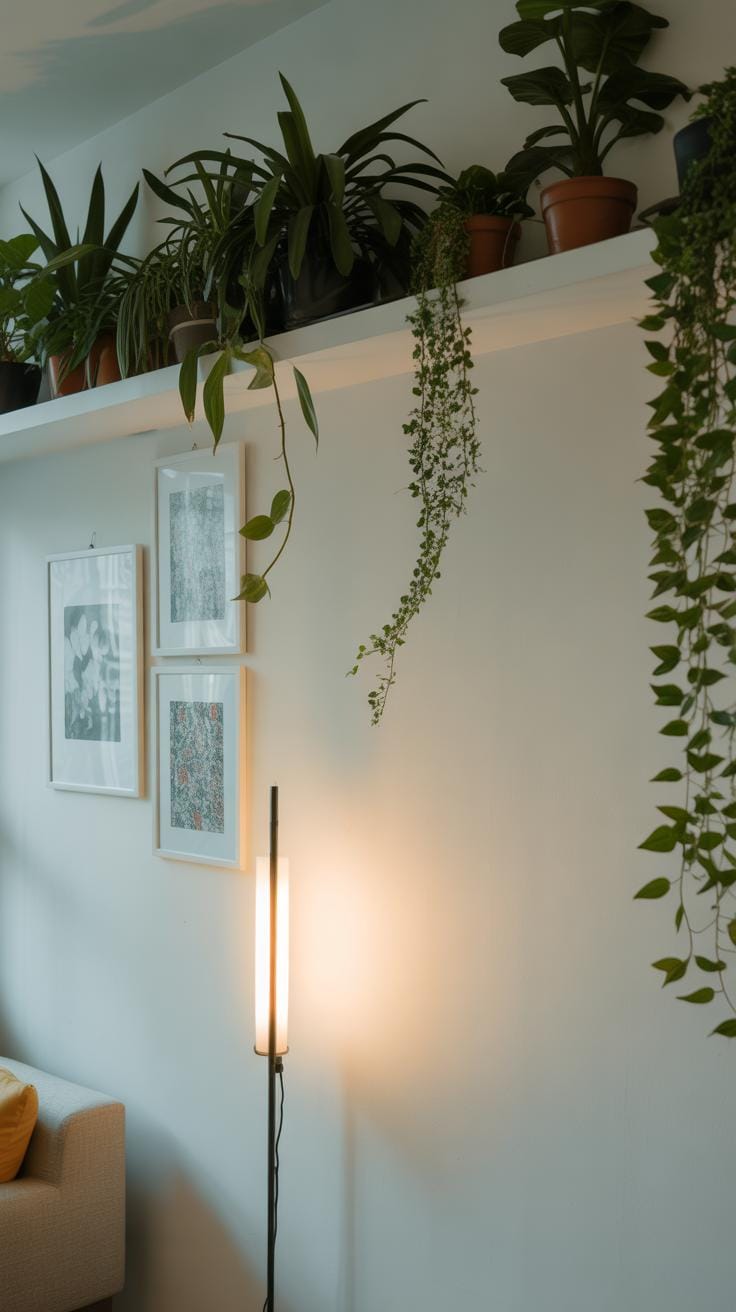
Using spring flowers wallpaper to create an accent wall can really change the mood of a room. Think about a single wall that naturally draws attention—often the one opposite the entrance or behind a key piece of furniture like a sofa or headboard.

Size matters here. A small wall with a busy floral pattern might feel overwhelming. But a larger wall? It provides room for the flowers to “breathe,” which I find makes the space feel fresh without being chaotic. You might want to cover from floor to ceiling, or just a high portion to create a visual marker. Both ways can work, depending on the room and your taste.
Placement isn’t only about size but also lighting. A wall flooded with natural light will make colors pop, whereas a dimmer wall might mute the design. You could even try a bold print in a hallway or powder room—these smaller spaces forgive daring choices better.
When it comes to decor, less is better. Since the wallpaper already makes a statement, keep furniture lines simple and colors subtle. Neutral-toned sofas, plain rugs, or delicate wooden elements can ground the room. Maybe toss in a couple of cushions picking up a shade from the wallpaper—this helps tie everything together without cluttering the eye.
Choosing artwork for the rest of the walls can be tricky. I lean toward minimalist framed prints or mirrors. You don’t want the walls to fight each other for attention.
Choosing The Right Wall For Accent
A few things to ask yourself when picking the wall:
- Does it catch your eye the moment you enter?
- Is it large enough for the pattern to show well, or will it feel cramped?
- Does the wall receive natural light during the day or is it mostly shaded?
- What’s the room’s main function? A lively floral might energize a living room but could distract in a study.

Sometimes it’s tempting to wallpaper the “feature” wall behind the TV or bed. But think about how often you face that wall. Will you appreciate it, or will it mostly be in your peripheral vision? I’ve seen people regret wallpapering walls with awkward angles or closets that hide the design. So, try to pick a well-positioned, prominent surface.
Decor Tips To Match Accent Walls
Once your floral accent wall is up, complementing it without overpowering it can be a balancing act.
- Stick to soft fabrics and muted tones on furniture to avoid visual competition.
- Wood finishes—especially lighter or natural stains—bring warmth without clashing.
- Metallic accents, like brass or matte gold, can add subtle sophistication.
- Keep patterns minimal elsewhere, or use very gentle textures so the wallpaper remains the centerpiece.
- Plants and natural touches work well here, but maybe keep them smaller or simpler to avoid a “busy” feel.
I sometimes find that even accessories echoing a single floral color—say pale pink or soft green—help the wall feel connected without crowding it. But frankly, you might discover your own rhythm as you live with the wallpaper a while.
Mixing Floral Wallpaper With Other Decor
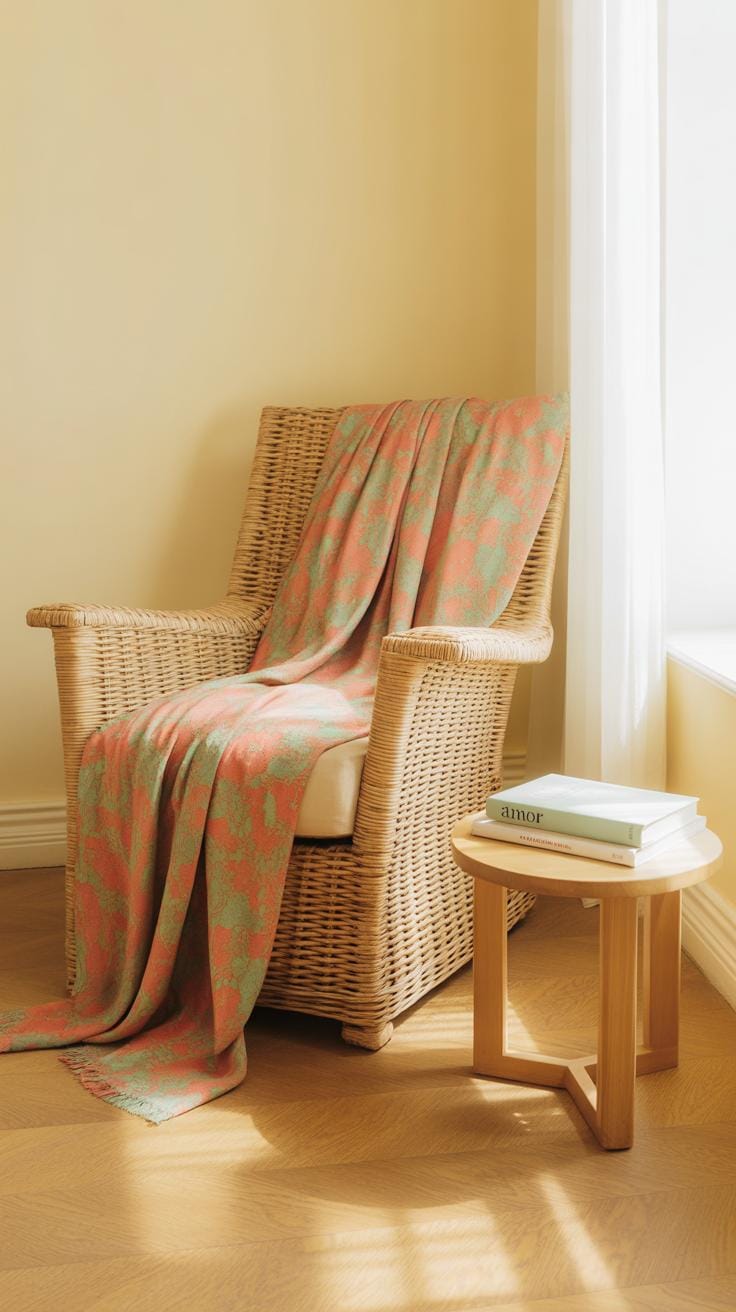
When you bring spring flowers wallpaper into your home, mixing it thoughtfully with other decor elements is key to keeping the space feeling inviting instead of overwhelming. Think about the paint colors first. Soft, muted tones often work best alongside busy floral prints—imagine pale greens, gentle creams, or even a very light blush. These shades don’t fight the wallpaper for attention, allowing the flowers to shine without making the room feel too loud.
Furniture choices matter, too. Solid woods or neutral upholstery tend to complement floral wallpaper better than pieces with busy patterns. You might want to lean toward classic, simple lines rather than anything too ornate. Sometimes, letting the furniture fade quietly into the background actually highlights the floral theme more effectively.

When it comes to curtains, aim for fabrics that pick up a subtle shade from the wallpaper rather than snapping off in contrast. Lightweight linens or cottons can feel fresh and spring-like, especially in soft pastels or white. This keeps the light flowing and the mood airy.
Balancing Patterns And Solids
Mixing patterns with florals can be tricky—you want interest but not chaos. A solid wall or two gives your eyes a rest, gently grounding the space. If your wallpaper features large flowers, pairing them with smaller prints elsewhere might work—but only if you keep that secondary print minimal. Sometimes, I find it easier to stick with one pattern and then introduce solids; it’s less stressful and feels more intentional.
Try choosing one or two main colors from the wallpaper and using those as solid blocks across cushions, throws, or rugs. This tactic seems simple but is effective. It prevents your room from looking like a collage gone wrong. Sometimes, just a quiet, solid chair or bench against a flowered wall can create enough contrast to feel balanced yet layered.
Coordinating Wallpaper With Fabrics
Matching curtains, cushions, and rugs to floral wallpaper comes down to picking textures and tones that speak the same language, without mimicking everything exactly. When working with spring flowers wallpaper, I think about nature’s calm. A linen curtain with a hint of the wallpaper’s green or yellow feels natural but not forced.
Cushions offer more flexibility—you could mix solids with occasional floral touches, leaning toward colors pulled directly from the wallpaper’s palette. Rugs are another important element. A plain rug in a coordinating hue can ground the space, or you might try one with a subtle pattern that echoes but doesn’t copy the floral shapes.

Sometimes, I’ve layered fabrics with different weights—softer cushions against stiffer curtains—to add dimension. It makes me wonder whether perfect matching is even necessary. Maybe the contrast invites the eye to explore, rather than just rest.
Maintaining And Caring For Flower Wallpaper
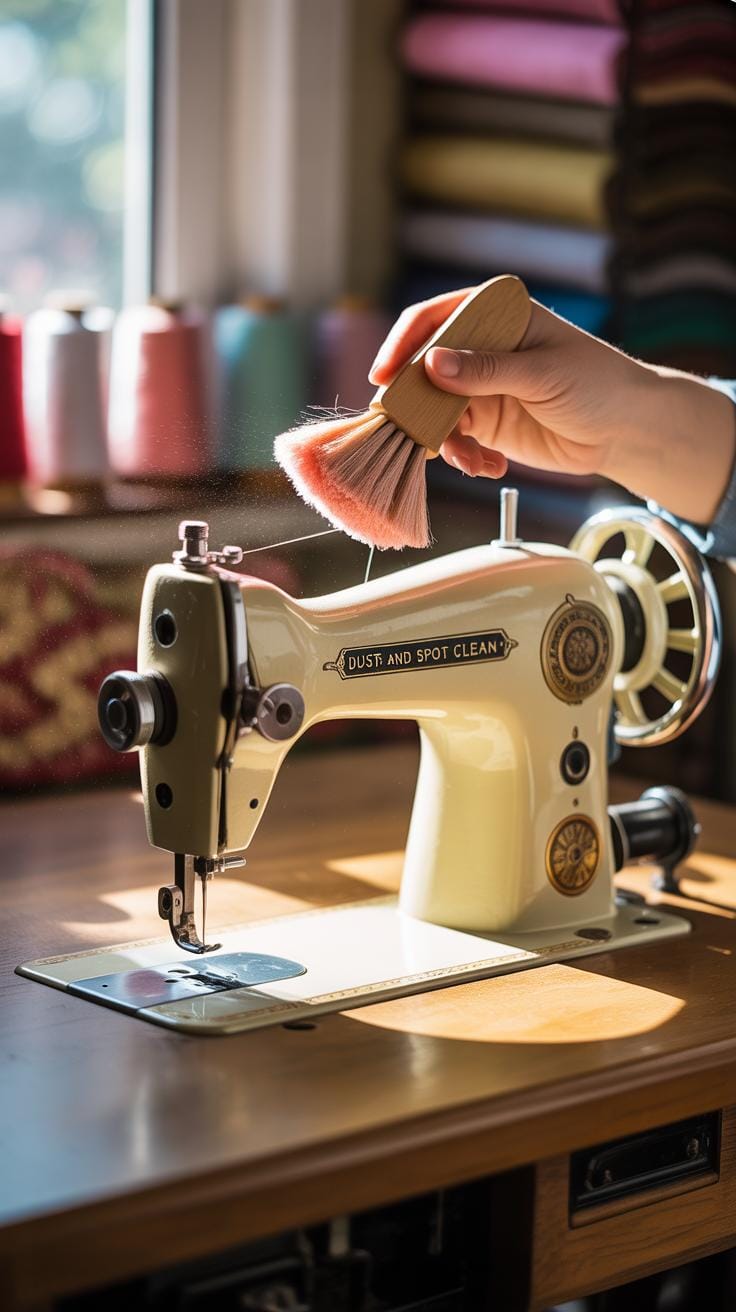
Spring flowers wallpaper can bring a fresh, lively feel to your space, but keeping it looking crisp isn’t always straightforward. You want those petals and leaves sharp and colorful, right? So, dealing with dust and stains gently is key.
Cleaning Tips For Wallpaper
Start simple—regular dusting with a soft cloth or a gentle brush attachment on your vacuum. It prevents build-up without stressing the paper. For light marks, try a slightly damp sponge or microfiber cloth. But remember, too much water can be risky, especially with textured or vinyl wallpapers.
Spot testing is a must. Dab a hidden area first to see how it reacts before going over the whole wall. Mild soap works sometimes, but avoid harsh detergents—flowers fade faster with aggressive cleaning.
Preventing Damage Over Time
Protecting from moisture makes a big difference. Bathrooms and kitchens often pose challenges; steam and splashes can cause peeling or stains. Using exhaust fans and keeping the wallpaper dry helps a lot.
Scratches happen more easily than you’d think—watch out with furniture and sharp objects near your walls. And direct sunlight? It can dull vivid spring colors after repeated exposure. Think about sheer curtains or blinds to soften the light.
Finally, it’s a bit of trial and error. You might find your wallpaper’s quirks over time, adjusting care as you go. It’s not a perfect science, but a little attention keeps those spring blooms bright for longer.
Eco Friendly And Sustainable Wallpaper Options

When choosing spring flowers wallpaper, the environmental impact can be an important factor. There are wallpapers designed with sustainability in mind, and they often use natural or recycled materials in their production. For instance, some manufacturers use plant-based inks that don’t emit harsh chemicals, which feels better for your home air quality. You might find wallpapers made from bamboo fibers or cellulose derived from sustainably harvested wood. This kind of wallpaper can be surprisingly durable yet gentle on the planet.
Production methods vary, but some companies prioritize low-waste processes or use water-based adhesives that reduce harmful emissions. Buying wallpaper from brands that publicly share their sourcing and manufacturing practices helps ensure you’re making a greener choice. Though eco-friendly options might cost a bit more, the benefits to your living space and the planet seem worth thinking about.
Materials That Are Eco Friendly
Here are some popular eco-friendly wallpaper materials that often feature spring flower designs:
- Recycled Paper: Uses waste paper as its base and reduces deforestation.
- Bamboo: A fast-growing plant, it’s naturally biodegradable and strong.
- Grasscloth: Woven from natural grasses and fibers, adding texture with low environmental impact.
- Non-toxic inks: Vegetable or water-based inks replace synthetic dyes.
- Cork: Harvested without cutting trees, cork wallpaper provides insulation and natural patterns.
Choosing these materials means the wallpaper breaks down more easily at the end of its life or can be recycled again. Plus, they often don’t off-gas volatile compounds, making them safer indoors—even if you’re not fully certain of all the long-term effects.
How Sustainability Impacts Your Home
Using eco-friendly wallpaper doesn’t just help reduce waste or protect forests. You might notice your house feels fresher, possibly because these wallpapers avoid harsh chemicals common in vinyl or synthetic types. This could matter if anyone in your household has allergies or sensitivities. Also, by selecting wallpaper made with care, you support a shift toward less disposable products overall.
Still, some might wonder if sustainable wallpaper lasts as long or cleans as easily. In my experience, certain natural fiber wallpapers do need gentler care but hold up quite well when treated right. Choosing wallpaper thoughtfully can encourage a healthier home environment but comes with trade-offs to consider—like maintenance styles or price.
Trends In Spring Flowers Wallpaper Designs
Spring flower wallpaper designs have taken some interesting turns lately. You might notice two big directions when browsing collections: one leans toward simple, understated elegance, while the other goes for bold, eye-catching statements.
Modern And Minimalist Floral Patterns
These designs keep things pared down — think delicate outlines or soft shapes of petals and leaves, often in muted shades like dusty rose, sage green, or light beige. The flowers aren’t trying to scream for attention but rather offer a gentle touch of nature. I’ve seen rooms where just one wall sports a subtle, repeated blossom motif. It almost feels calming, like a whispered reminder of spring without overwhelming the space.
This approach fits well in smaller rooms or places where you want freshness without clutter. It can even work in professional settings or minimalist homes. The quiet charm is in the simplicity, which can sometimes get overlooked but works well to brighten up your wall space.
Bold And Colorful Floral Statements
On the flip side, some are embracing oversized flowers in rich, saturated colors. Think giant tulips or peonies painted in bright reds, yellows, or cobalt blues. These wallpapers don’t ask for subtlety. They become the centerpiece of any room, making a strong decorative statement.
I once saw a living room with a single wall plastered with huge, abstract daisies. It was maybe a bit much for some, but the energy in that space was undeniable. If you want your wallpaper to spark conversation or to shift the mood immediately, this style fits perfectly.
Of course, it’s a big commitment. The large-scale prints can dominate, so pairing them with more neutral furniture or accessories usually works best. But perhaps that’s part of the appeal—letting spring flowers fully bloom indoors, in every sense.
Conclusions
When you add spring flowers wallpaper to your home, you bring in natural beauty and positive energy. The designs and colors you choose can change how a room looks and feels. Whether you go for soft pastels or bold patterns, these wallpapers add brightness and joy to your space.
Remember to think about the room’s purpose and your personal style. Use what you learned here to create walls that cheer you up every day. Spring flowers wallpaper is a simple way to make your home colorful and inviting.