

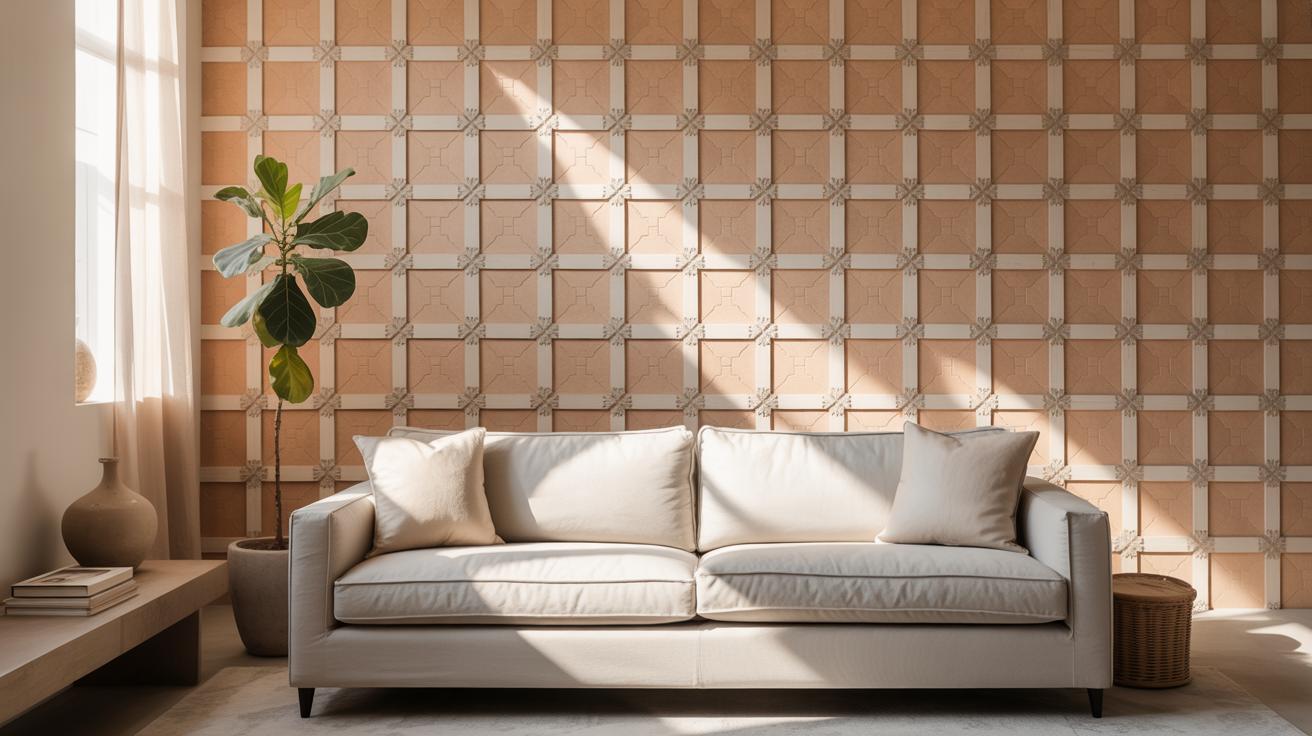
Fresh Wallpaper Ideas for the Living Room
Wallpaper offers a simple way to change how your living room looks and feels. It can add color, texture, and personality to the space where your family gathers and guests relax. This article explores fresh and easy-to-use wallpaper ideas for your living room.
You will learn how to choose wallpaper patterns, colors, and materials that match your style. These ideas will help you create a cozy, welcoming living room that suits your daily needs and makes a strong design statement.
Understanding Wallpaper Types for Living Rooms
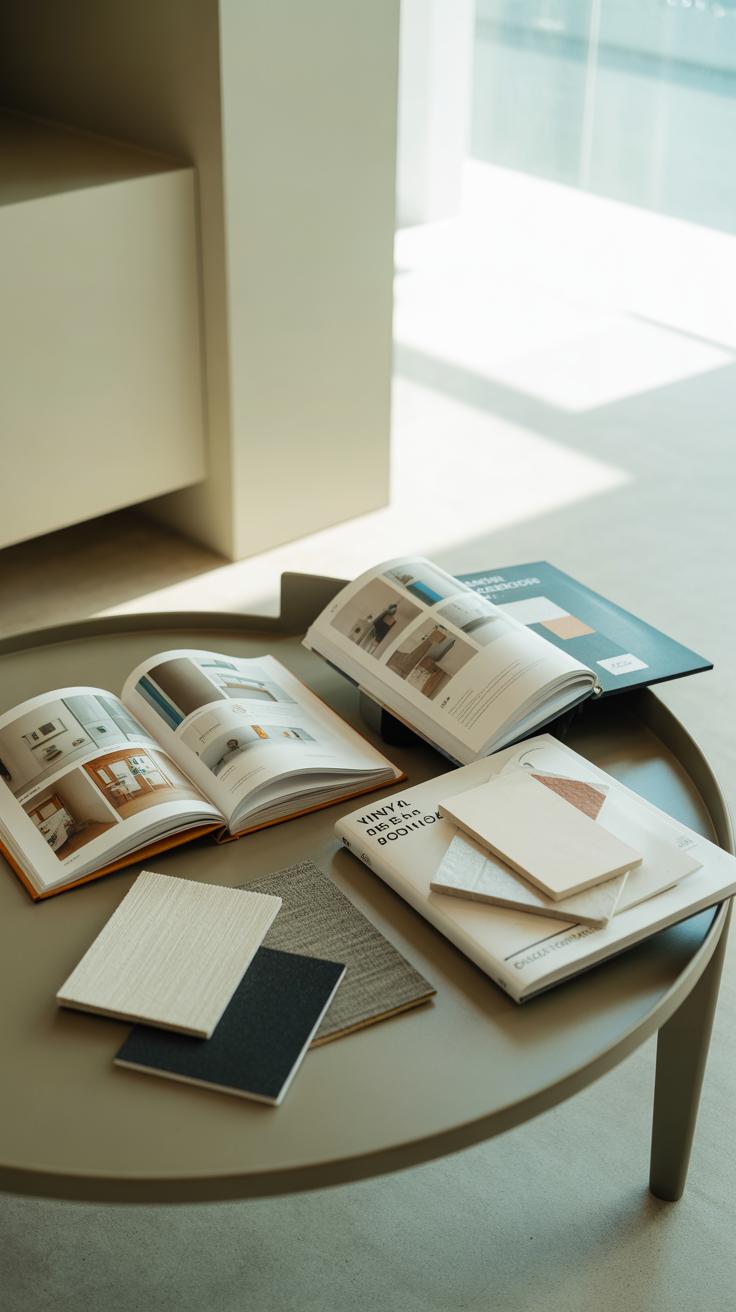
When choosing wallpaper for your living room, knowing what’s out there can save you some hassle. There are a few main types you’ll encounter: vinyl, peel-and-stick, traditional paper, and fabric. Each one has its perks and quirks, so it’s worth thinking through how you’ll use the space and how hands-on you want to be.
Vinyl wallpaper is often the go-to for living rooms because it’s durable and wipes clean easily. If you’ve got kids or pets, or just want something that stands up to a bit of wear, vinyl can handle it. It’s also a bit more flexible when it comes to texture and prints.

Peel-and-stick is a newer favorite for renters or restless decorators. You can put it up without much fuss and take it down without damage. It won’t last as long as vinyl in the long run but is perfect if you like to switch things up often.
Vinyl and Peel-and-Stick Options
Vinyl wallpaper tends to resist moisture and stains better than most other types. This makes it practical—not just from a durability standpoint, but also for cleaning. If you ever get a smudge or spill, a quick wipe usually does the trick. Installation can be a bit tricky, though. You’ll want someone patient to smooth out bubbles and lines for the best result.
Peel-and-stick options, on the other hand, are much easier to install yourself. You just peel off the backing and press it onto the wall. No paste, no mess. Plus, you can reposition it during installation, which is a huge relief if you’re not super confident with wallpapering. However, it’s less durable; the adhesive might wear over time or struggle in humid spaces.
Traditional Paper and Fabric Wallpapers
Paper wallpaper has a charm that some modern options just don’t capture. It’s often thinner, so the wall’s texture might show through a bit, and it can be more delicate. That fragility means it might not hold up as well in high-traffic areas or humid rooms. But if you want a classic look or intricate patterns that feel very ‘traditional,’ paper is still a solid choice.
Fabric wallpaper feels richer and more tactile. It can add depth and a kind of warmth that’s hard to replicate. The downside is that it’s more expensive and trickier to install. Fabric is also harder to clean and can attract dust. Still, for formal or less-used living rooms, it can create a sophisticated look that vinyl can’t quite match.

Choosing between these mostly depends on your lifestyle and aesthetic priorities. Are you after something easy and practical? Vinyl or peel-and-stick might fit. Want a vintage vibe or unique texture? Paper or fabric wallpaper might be worth the extra care.
Choosing Patterns That Match Your Style
Picking the right wallpaper pattern feels like a small design gamble. You want it to suit the style of your living room but also reflect your personal taste, which isn’t always straightforward. Modern geometric patterns often bring a sharp, clean look — think sharp lines, symmetry, and a bit of minimalism. They can energize a space but might feel cold if you don’t add warmth through furniture or accessories.
Classic florals, on the other hand, offer softness and tradition but can sometimes risk feeling dated or overly busy if not balanced carefully. So, how do you decide which path to follow? Here are a few pointers:
- Consider the rest of your room’s design and decide if you want your wallpaper to stand out or quietly complement.
- If your furnishings are bold or patterned, lean toward simpler wallpaper to avoid visual overload.
- For sparse, modern rooms, a bolder wallpaper pattern might add much-needed personality.
- Don’t feel pressured to match every element—contrast can work well, but it takes experimentation.
Choosing wallpaper isn’t about perfect balance but about finding what feels right to you. Sometimes subtle patterns whisper, sometimes bold patterns shout.
Bold Patterns for Statement Walls
Bolder wallpaper patterns can give a living room a clear focal point. They draw the eye immediately and can anchor the space. Think oversized florals, striking geometrics, or intricate designs with deep contrasts. But these patterns demand respect.

Too much boldness can overwhelm, making the room feel cluttered or chaotic. To prevent this, pair bold-patterned walls with simple furniture and neutral accessories. A sleek couch in solid color or minimalist shelving can tone down the intensity. You may want to apply bold wallpaper just on one wall — usually the one behind the couch or TV — rather than all the walls, which can drain energy from the room.
Bold patterns can bring energy and character but you’ll want to watch how the rest of your decor balances with it. Otherwise, you risk the room feeling… well, a bit all over the place.
Soft Patterns for a Calm Atmosphere
If a calm, peaceful living space is your goal, soft and light wallpaper patterns may be the right choice. Subtle textures, pale florals, gentle stripes—these designs can make a room feel more open and inviting without demanding too much attention.
They work well in relaxed family rooms or spaces where you want to unwind. The quiet nature of soft patterns lets your eyes rest, which can make the room seem larger than it is. Personally, I find that these wallpapers often pair nicely with natural light and softer fabrics.
Yet, sometimes soft patterns run the risk of being overlooked or feeling bland if the room lacks other design elements. Adding contrast through cozy throws, plants, or darker furniture can keep the space interesting without losing that calm vibe.

So, in choosing between bold or soft, ask yourself what atmosphere you want most. Do you want your living room to speak loudly or hum quietly in the background?
Using Colors to Set the Mood
Wallpaper colors carry more weight than we often give them credit for. They can subtly—or not so subtly—shift how your living room feels the moment you walk in. When deciding on wallpaper, it’s helpful to think beyond just “what looks nice” and consider the atmosphere you want to create.
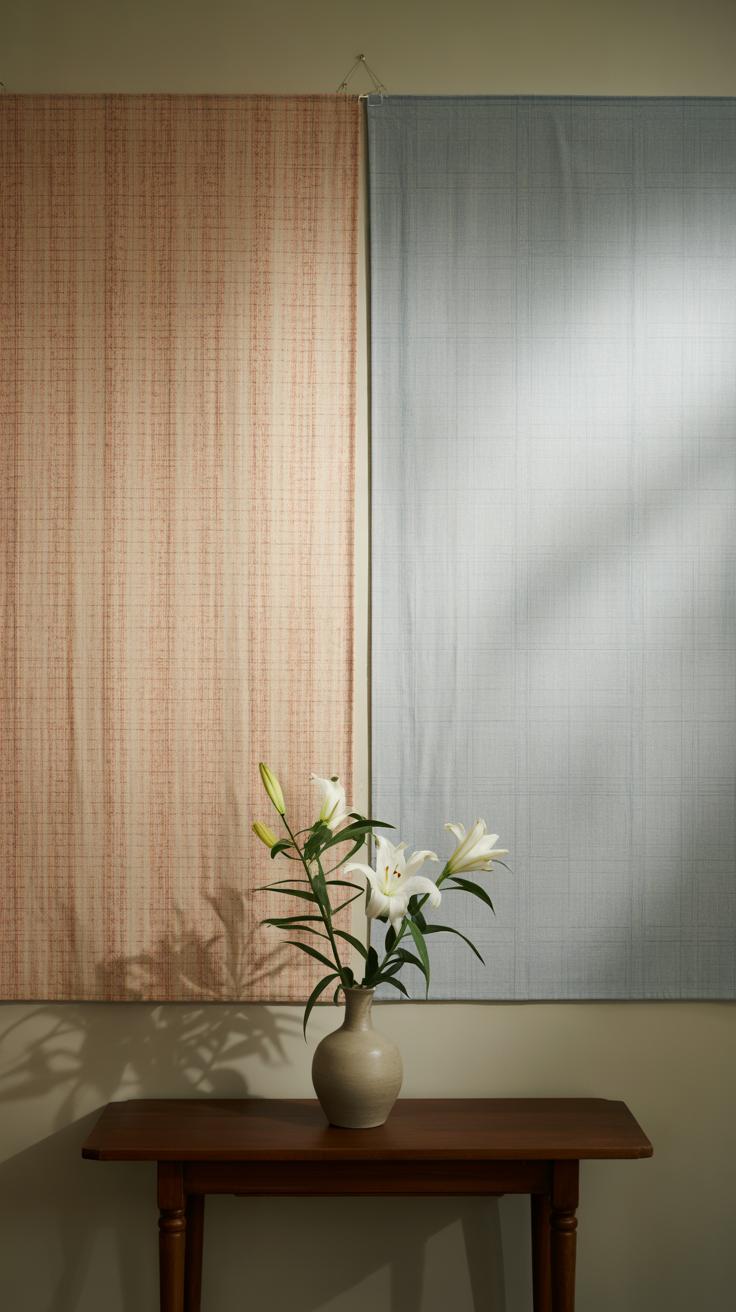
Warm colors like reds, oranges, and yellows tend to draw people in. They make spaces feel cozy, almost like an embrace. Imagine a faded terracotta wallpaper; it doesn’t shout, but it quietly invites you to stay longer. These tones often spark energy and cheerfulness, making a living room a lively hub. Maybe you want a room where conversations flow easily or mornings feel sunnier—warm colors can nudge you there.
On the flip side, cool shades—blues, greens—and various neutrals have a different role. They calm and open up rooms, giving a sense of breath and distance. Pale sage wallpaper or soft slate blue can stretch a room visually, making smaller spaces feel less cramped. Such colors might help if winding down is your main goal or if you prefer a more minimal, airy vibe. But then again, cool colors can sometimes feel too detached if you’re after warmth; it’s tricky and depends on your taste.

If you’re unsure, neutrals like beige, light gray, or subtle taupe often strike a balance. They don’t compete for attention but they frame your furniture nicely and adapt to changes in lighting throughout the day. You might find neutral wallpaper a safe bet that still lets you add colorful accents elsewhere, like cushions or rugs.
Some tips:
- Pick warm colors if you spend evenings with family or host often. They set a welcoming tone.
- Choose cool or neutral shades if peace and space matter most, or if your living room doubles as a quiet retreat.
- Consider how light hits your walls at different times; what looks cozy in the afternoon might feel dull by evening.
Wallpaper color is tricky; not just about personal preference but about how you want to *feel* in your living room every day. So, what mood do you want your walls to whisper to you?
Adding Texture Through Wallpaper
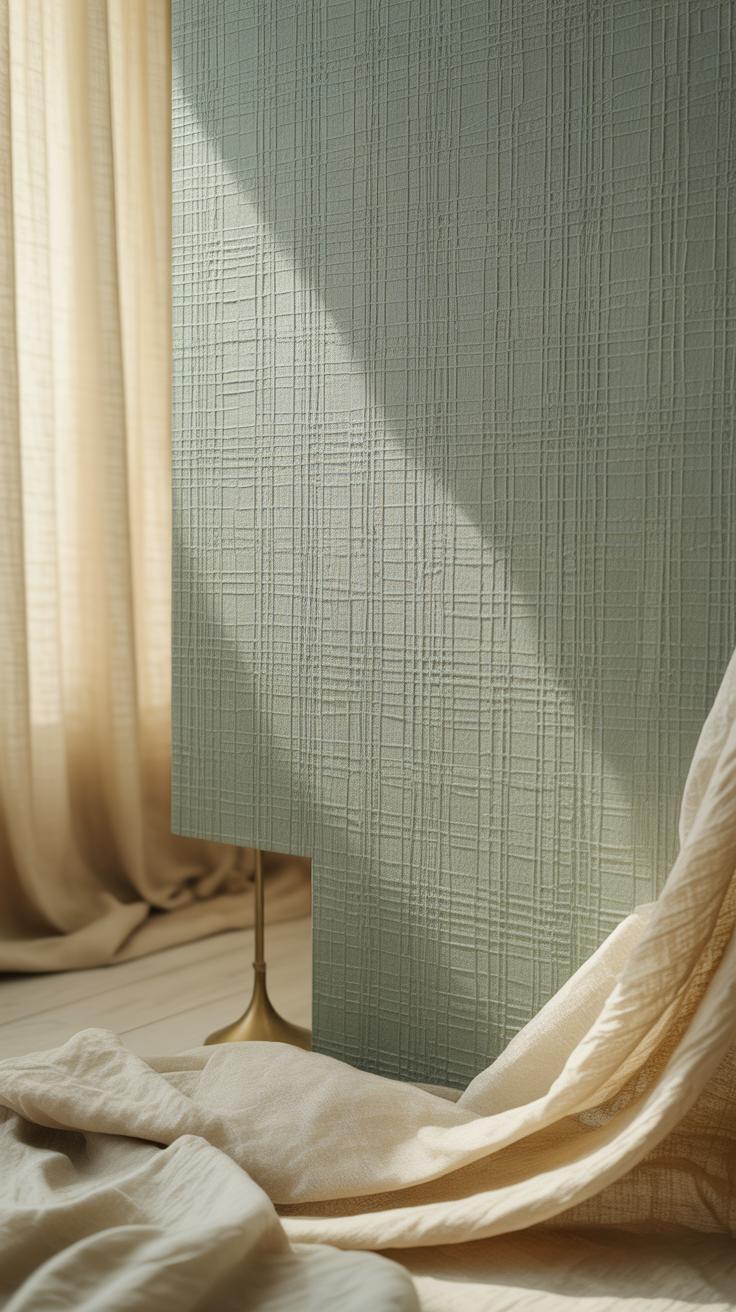
Texture in a living room can change everything. Flat walls often feel a bit lifeless, but wallpaper with texture creates shadows, subtle movement, and a kind of visual depth that draws you in. You might find that texture makes a room feel more personal, less sterile. It’s not just about pattern, but the feel—almost inviting you to reach out and touch the wall. Textured wallpapers come in a few popular varieties, each offering something unique.

Grasscloth is one of those textures that feels very organic. It’s made from natural fibers like hemp or jute, woven together. The result isn’t perfectly smooth—it’s slightly uneven, lending warmth and a grounded, earthy quality that you can’t quite replicate with paint. I’ve seen it add a quiet sophistication to a living room, making even a simple sofa stand out more. You do need to be careful if you have pets or kids, as it’s a bit delicate, but the tactile aspect is refreshing.
Then there’s embossed wallpaper—this sort of texture literally stands out on the wall. Patterns rise up, casting tiny shadows that change as the light shifts through the day. Some embossed papers mimic fabric textures like linen or silk, adding softness without the upkeep of real fabric. These finishes often feel quite elegant, lending a quieter luxury. Perhaps it’s the subtlety—they don’t shout, but they give the room a layered feel you might miss at first glance. If you want your walls to have personality without overwhelming the space, this could be a good option.
Wallpaper Placement Ideas in Your Living Room
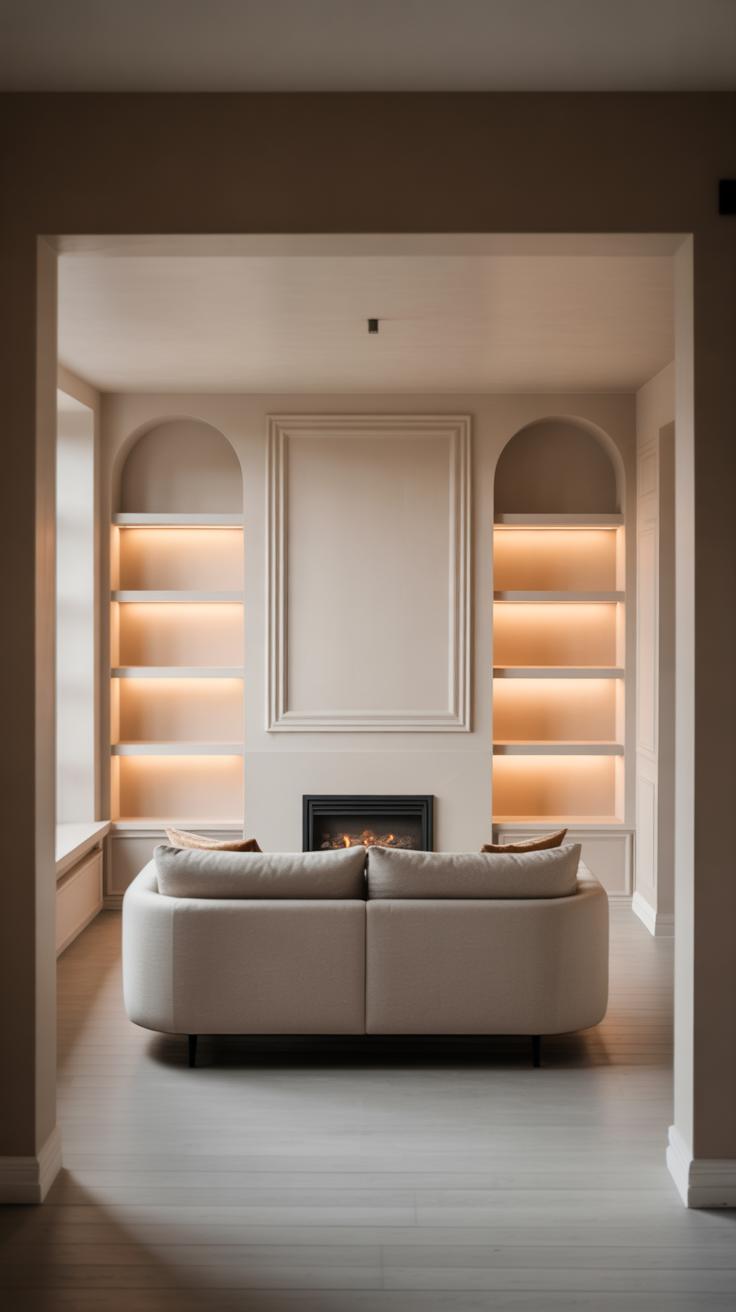
Choosing where to place wallpaper in your living room can feel a bit tricky. Should you cover every wall, or is it better to choose just one spot? Often, less can be more. Wallpapering all the walls might create a bold and consistent look, but it risks making the room feel busy or smaller, especially if the pattern is strong.
Many people lean towards using wallpaper on a single wall, creating an accent that catches the eye. This way, the focal point pops without overwhelming your space. It’s like giving just one wall the starring role while the others quietly support. For example, consider the wall behind your sofa or fireplace. That spot naturally draws attention, and wallpaper there can really lift the room’s style.

Beyond full walls or accents, try thinking smaller. Wallpaper inside bookcases or in little alcoves can add an unexpected touch of personality. These hidden spaces might seem insignificant, but wallpaper here adds charm and depth—sort of like an inside joke that only you and your guests share. Have you thought about lining the back of shelves? It’s subtle but impactful, making your bookshelf display stand out without shouting for attention.
- Wallpaper all walls for a cohesive, immersive feel (best for large, well-lit rooms).
- Use one accent wall to create a focal point without overpowering.
- Cover smaller areas like niches, bookshelves, or behind furniture for surprise details.
- Choose the spot your eye naturally goes to, such as behind seating or a media unit.
So, where does your eye want to rest in your living room? Sometimes, the best choice is the unexpected corner or the space hidden behind everyday items. It’s about finding a balance between bold and subtle that fits your room’s mood and your style.
Mixing Wallpaper with Paint and Decor
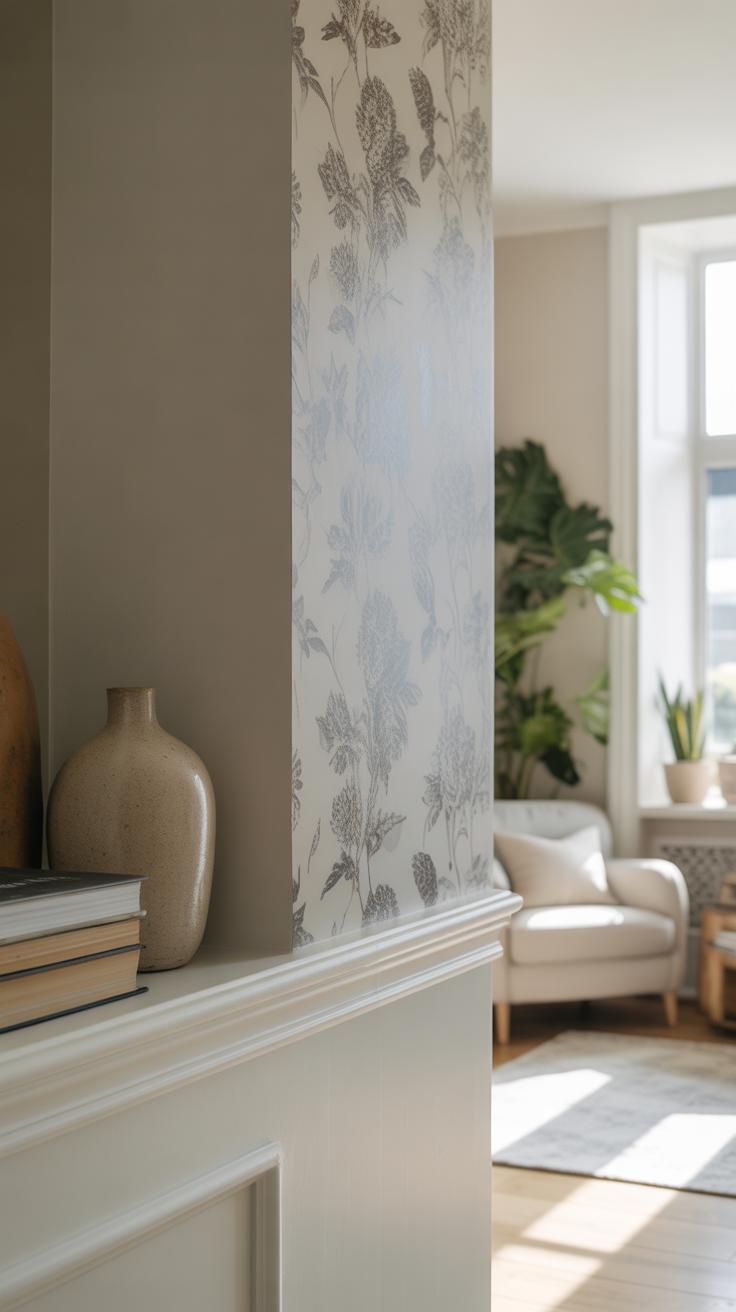
Combining wallpaper with painted walls and accessories can bring depth to your living room, but it’s tricky to get it right. You don’t want the wallpaper to fight with the paint, or for your decor to feel like an afterthought. Sometimes picking a paint color that already appears in the wallpaper helps create a calmer transition between walls. For example, if your wallpaper features deep greens or muted blues, choosing a softer shade from the same palette for the surrounding walls usually works well.
Don’t hesitate to try subtle contrasts either—like pairing a warm tone wallpaper with a cooler paint—to add some unexpected, yet stylish tension. And when picking decor, consider elements that echo your wallpaper’s style or colors without overpowering them. It might be a curtain fabric that picks up a hue from the wallpaper pattern or a piece of art that echoes its theme.

Here are some tips you might find handy:
- Pick paint colors that are either a bit lighter or darker than shades in the wallpaper to avoid clashes.
- Use solid color curtains or cushions to give your eyes a place to rest amid busy wallpaper patterns.
- Match furniture finishes to tones in the wallpaper—for instance, wooden furniture in warm wallpapers or sleek metal with cooler prints.
- Limit the number of patterns in your accessories to keep the room feeling balanced.
I once tried mixing a floral wallpaper with a fairly bold blue paint—initially, it felt too busy. Dimming the paint to a softer shade and swapping out patterned cushions for solids calmed everything down. Sometimes, it takes tweaking to find what really works. What’s your take? Do you prefer to match everything tightly or mix and match more freely?
Caring for Your Living Room Wallpaper
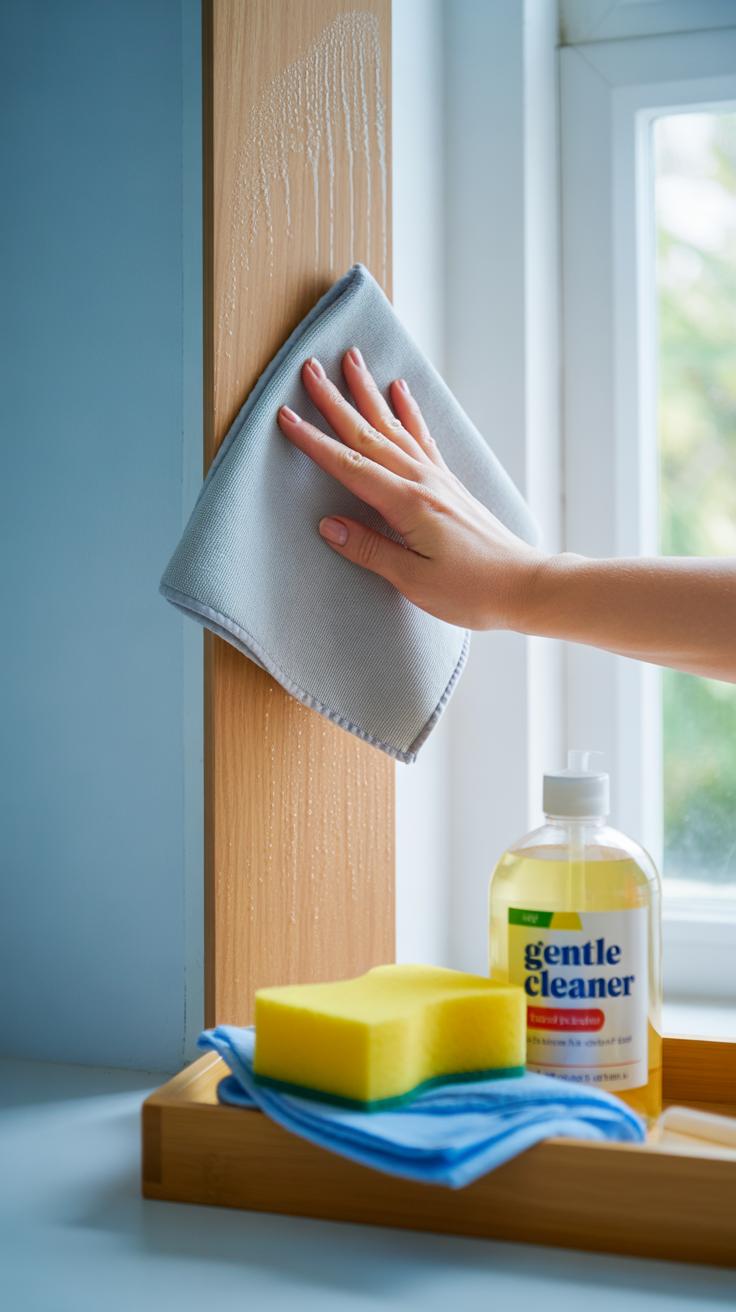
Wallpaper can bring a unique vibe to your living room, but keeping it looking fresh can be a bit tricky. The first thing you might want to consider is what type of wallpaper you have. Vinyl wallpapers, for instance, handle moisture better and can be wiped with a damp cloth, while paper-based ones are more delicate and need a gentler touch.
Dusting your walls regularly can actually go a long way. Using a soft, dry cloth or a feather duster is usually safe. Avoid rubbing too hard—press gently or you might risk damaging the pattern. I remember once brushing too roughly and ended up with a faint smudge that wouldn’t come off easily.
For spot cleaning, test any cleaner in an inconspicuous spot first. Mild soap diluted in water often works well for minor stains. Dab, don’t scrub. If your wallpaper is textured or fabric-based, a dry sponge might be better. When you spot a scuff or minor tear, using a tiny amount of wallpaper glue can help patch it up discreetly. Sometimes, small fixes can make a huge difference without you needing to replace an entire section.
Do you find yourself wondering how often you should clean wallpaper? It varies depending on your living room’s use and exposure. In high-traffic areas, a quick dusting every week can prevent buildup. In quieter spots, less frequent care might be enough.
Common Mistakes to Avoid When Using Wallpaper
Choosing the Wrong Pattern Size or Color
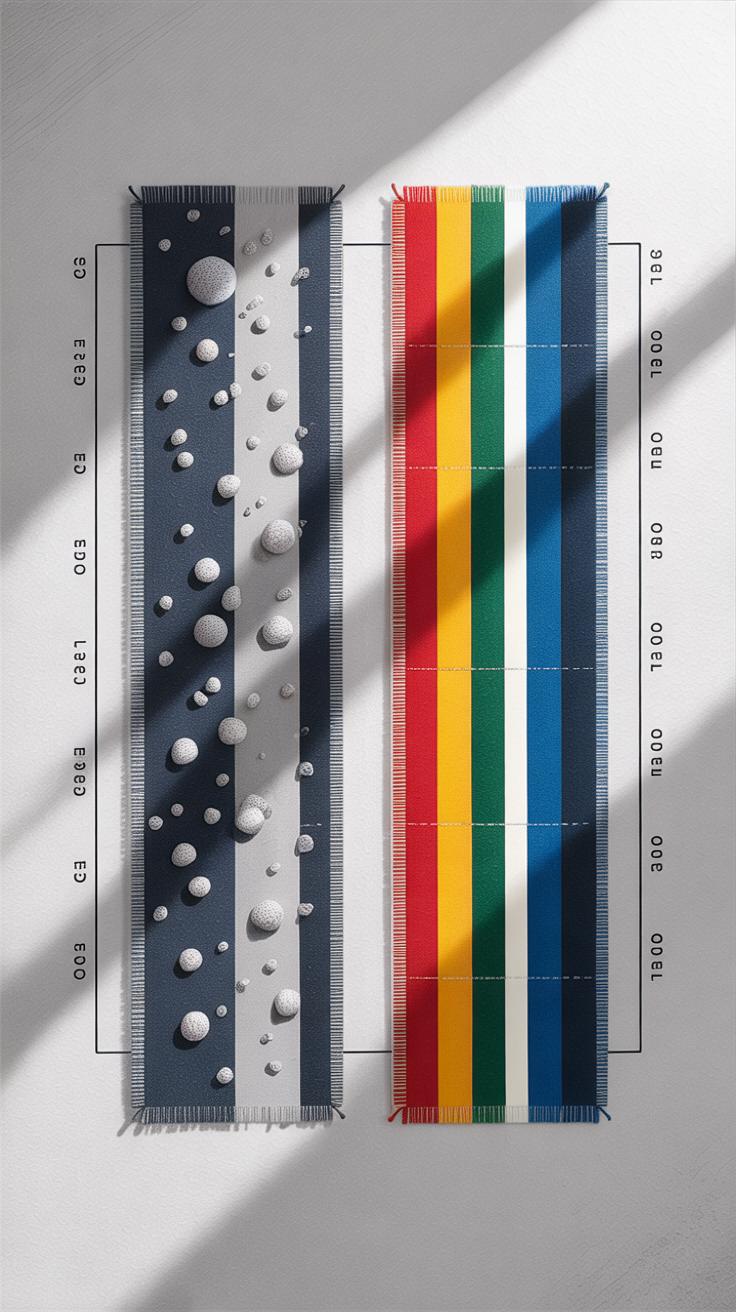
You might think a bold pattern will bring energy to your living room, but if the scale is off, it can quickly overwhelm the space. Large patterns can swallow a small room, making it feel cramped. On the other hand, tiny prints can disappear in a large or well-lit living room, leaving your walls looking flat and dull instead of lively. It’s a bit tricky, really—sometimes a pattern that seems perfect in a sample looks very different once it covers a whole wall.
Lighting plays a big role, too. A hue that looks soft in natural light might appear too dark under artificial lighting, or vice versa. You want to ask yourself: Does this color brighten the room or make it feel smaller? The wrong choice can turn your fresh idea into something heavy or lifeless.
Installation and Preparation Errors
People often rush into hanging wallpaper without preparing the wall properly. Cracks, bumps, or old paint can cause the wallpaper to peel or bubble after just a few weeks. I’ve seen homeowners get frustrated because they skipped sanding or patching, only to face a wallpaper disaster soon after installation.
Then there’s alignment. Even the best pattern can look off if the seams don’t match up or the paper isn’t smoothed out during application. It’s not just about patience; it requires careful attention to detail and sometimes a steady hand. You might think you can do it yourself to save money, but it could cost more to fix messes later. Taking the time to prep and measure carefully will pay off in the long run — your wallpaper will look cleaner, last longer, and you won’t regret the effort.
Trends and Timeless Styles in Wallpaper
What’s Trending Now
You might notice that botanical prints are everywhere these days. Large leafy patterns bring a sense of nature inside, which feels peaceful and fresh. They’re not always bright green either—some come in soft pastels or even moody darks that add a bit of drama without overwhelming the room. Geometric patterns have gained traction too. Simple shapes repeated in clean lines can give a living room a more modern edge. I’ve seen hexagons, chevrons, and even irregular polygons making walls pop subtly. And metallic finishes—this one can be tricky, but when done right, a soft gold or silver sheen on wallpaper adds just enough shine to feel luxurious but not flashy.
What’s interesting is how these trends mix well together too. A geometric print with metallic accents or a botanical design rendered in metallic tones can offer variety while keeping a space cohesive.
Classic Styles That Never Go Out of Fashion
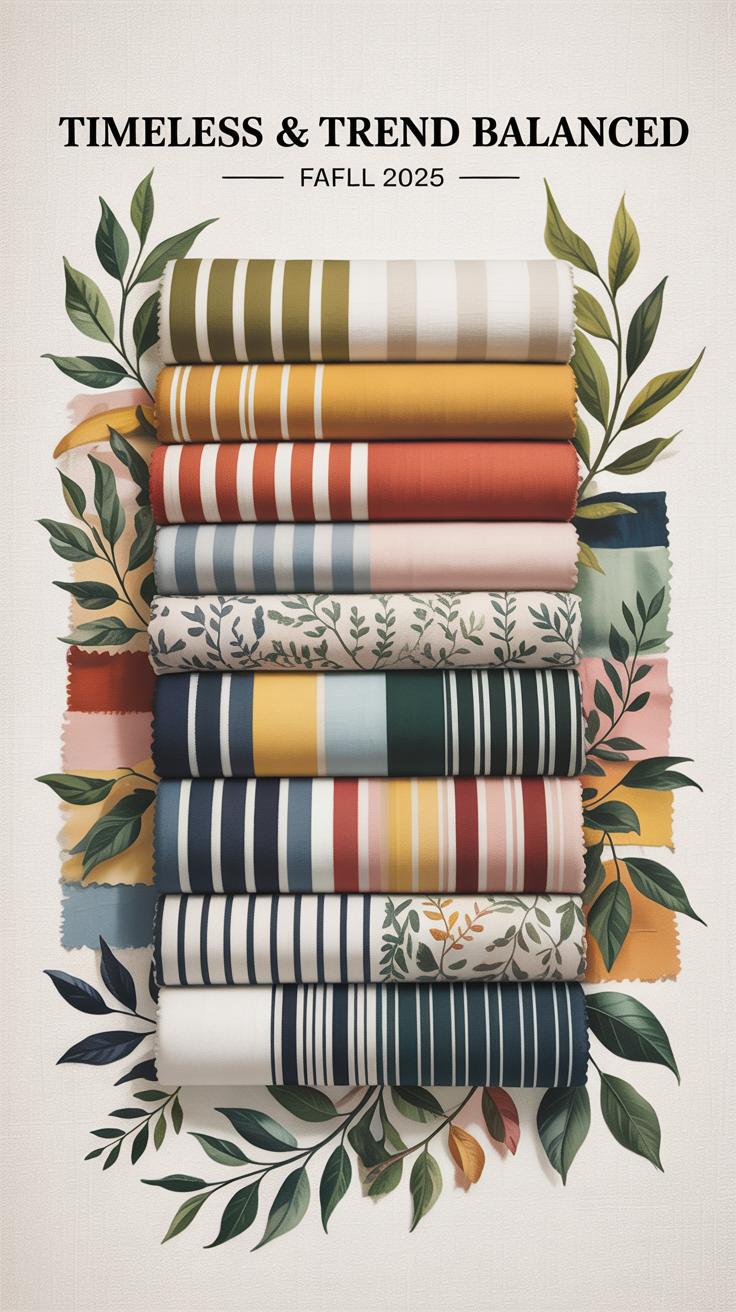
Now, for something more lasting, traditional wallpaper styles like damask can instantly make a living room feel elegant without seeming dated. Damask’s rich textures and detailed patterns speak of history, yet many modern updates keep it from feeling old-fashioned. Then there are stripes—sometimes underrated but so reliable. Vertical stripes can make a room feel taller, while horizontal ones bring warmth and structure. Stripes also work with nearly any color scheme.
Neutral textures are another safe bet. They don’t shout for attention but add subtle depth, often acting as a calm backdrop for furniture and art. Think of grasscloth or linen-effect wallpaper. They might not be as visually loud as prints, but their quiet impact lasts, making your living room feel thoughtful and intentional long-term.
Choosing between trendy and classic styles can feel a bit daunting. Do you go for something fresh that might date quickly, or do you play it safe and risk the room feeling a bit predictable? Maybe the best approach is blending elements—use a classic backdrop but introduce trendy accents or vice versa. What matters most is how the wallpaper fits your lifestyle and how you want the space to feel in a year or two. Does it excite you now? Will you like it just as much later?
Getting Inspired and Planning Your Wallpaper Project
Where to Find Wallpaper Ideas
Finding wallpaper that feels right can be surprisingly tricky. You might try flipping through design magazines—those always offer a mix of fresh concepts and classic looks, though sometimes the styles feel just a bit too polished or high-end for everyday living. Online galleries are another option; sites dedicated to interior design often showcase various wallpaper patterns, from subtle textures to bold prints. Don’t forget to explore Instagram or Pinterest, where real people and designers share creative, more casual inspiration.
Visiting showrooms in person can really change your perspective. Seeing wallpaper samples on walls helps you grasp scale and colors better than any photo. Plus, textures come alive. If you’re like me, touching the material gives a sense beyond just looks—sometimes you realize a certain finish isn’t what you expected. Local stores might also have clearance or unique rolls not found online. So, mixing these sources is probably the best bet.
Planning and Budgeting Your Wallpaper Refresh
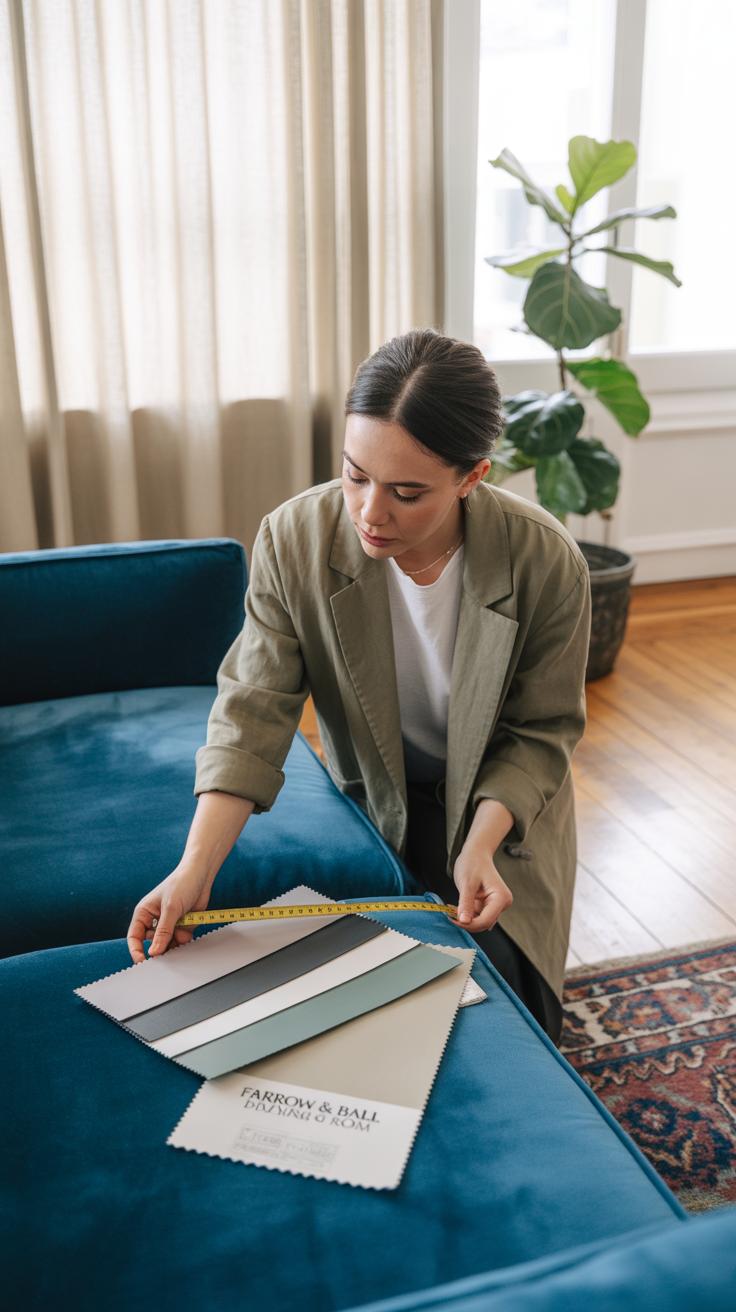
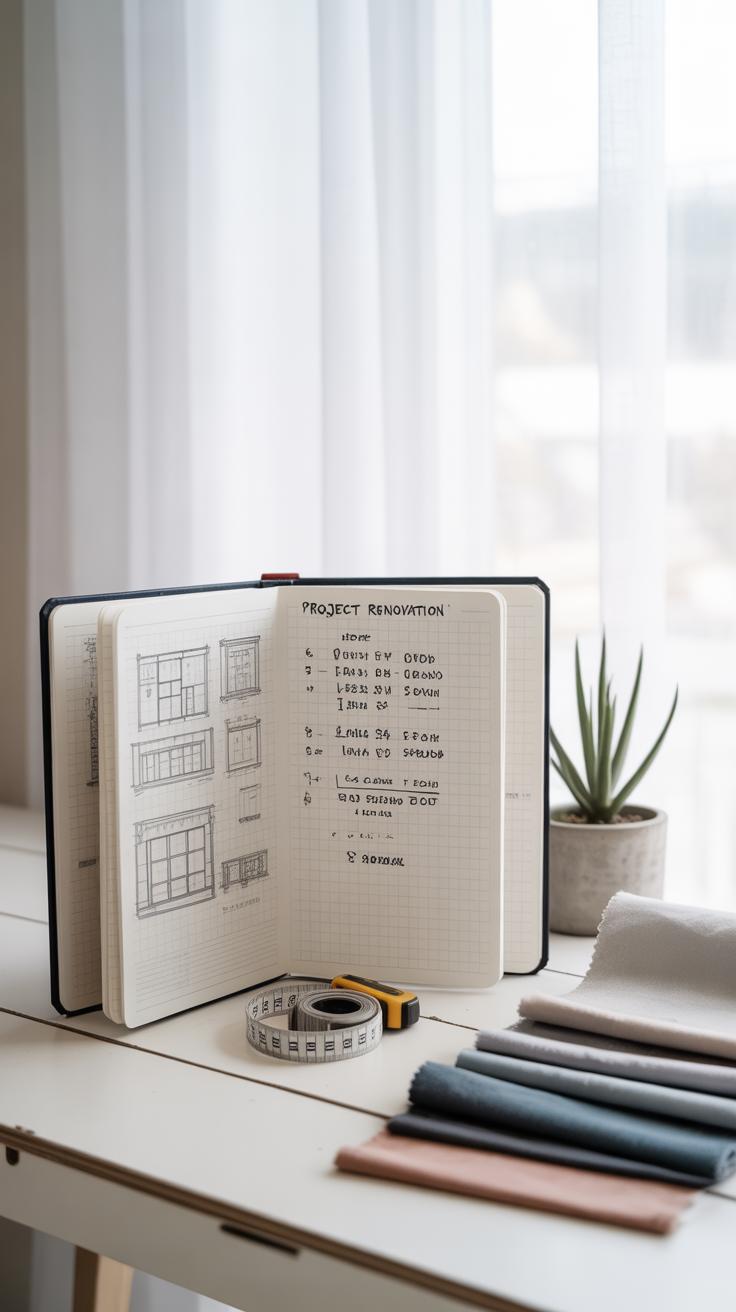
Before buying anything, measure your walls carefully. Don’t just eyeball it—grab a tape measure and jot down height and width for each wall you plan to cover. Walls aren’t always perfectly flat, and sometimes ceilings vary, so a little extra length can save last-minute trips. Remember, wallpaper usually comes in rolls with specific coverage so figuring out how many rolls you need is more involved than it first seems.
Set a budget early on. Wallpaper prices vary widely, from budget-friendly vinyls to luxury hand-painted designs that can surprise your wallet. Installation costs add up too, especially if you’re hiring a pro. Consider whether DIY makes sense for you. It may delay or complicate the project, but it could also cut costs.
Lastly, plan your timeline. Some wallpapers come with long delivery times or need acclimating before hanging. Think about the best moment to install without disrupting daily life, especially if the living room is a central spot. It’s a bit of juggling, but a well-planned project often feels smoother—and you’ll avoid that last-minute rush to finish when you just want to relax.
Conclusions
Wallpaper can completely change your living room’s mood and appearance. With many styles and colors, you can find options that fit your taste and make your space more inviting. Picking the right wallpaper lets you add charm and comfort without much effort.
Think about how your living room is used and who joins you there. Choose wallpaper that feels good for your family and guests. When done well, wallpaper helps your living room become a lively, cozy spot where memories grow.