

Classic Wallpaper Patterns That Endure
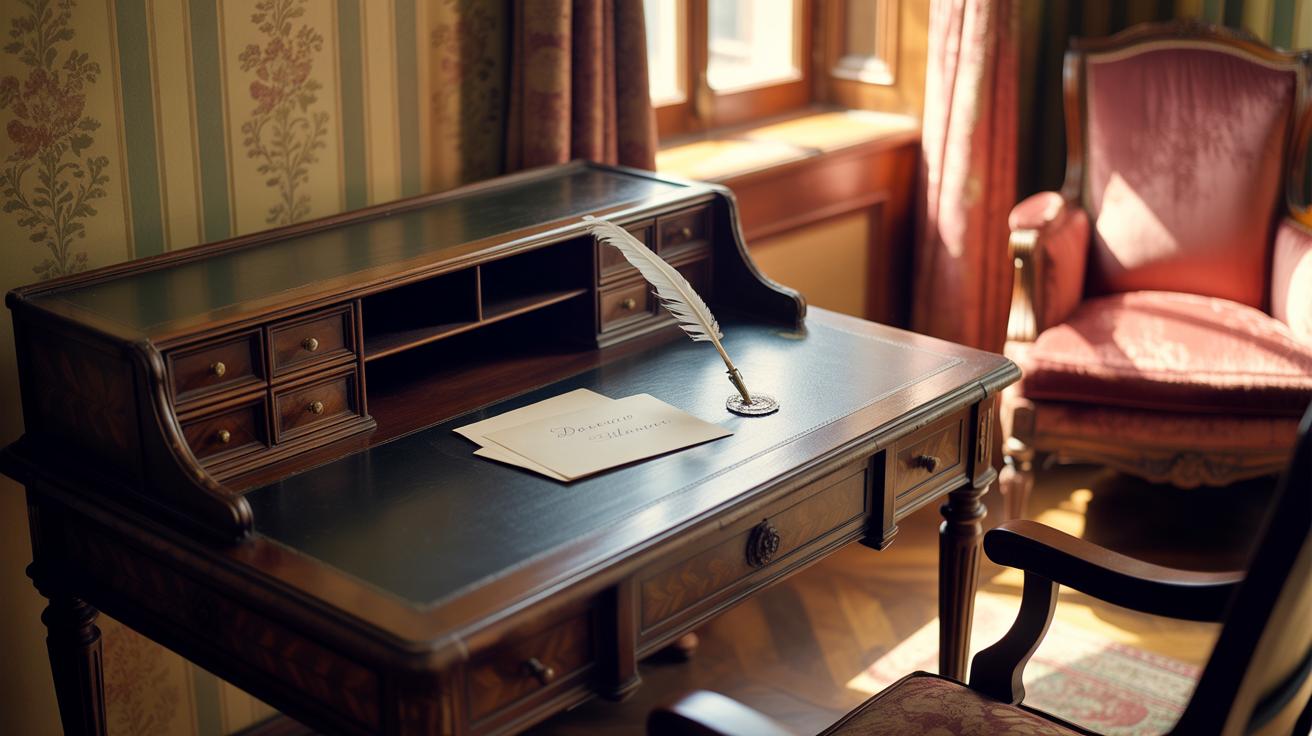
Classic wallpaper patterns have stood the test of time, adding charm and warmth to homes for centuries. They bring personality to a room and can make spaces feel inviting and unique. From floral prints to geometric shapes, these designs have been favorites for many generations and still remain popular today.
In this article, you’ll explore some of the most enduring wallpaper styles. You will learn about their history, how to pick the best pattern for your rooms, and tips on making classic wallpaper work in modern homes. Whether you want to refresh a single wall or redecorate a whole room, these patterns offer inspiration and practical ideas.
The Origins of Classic Wallpaper
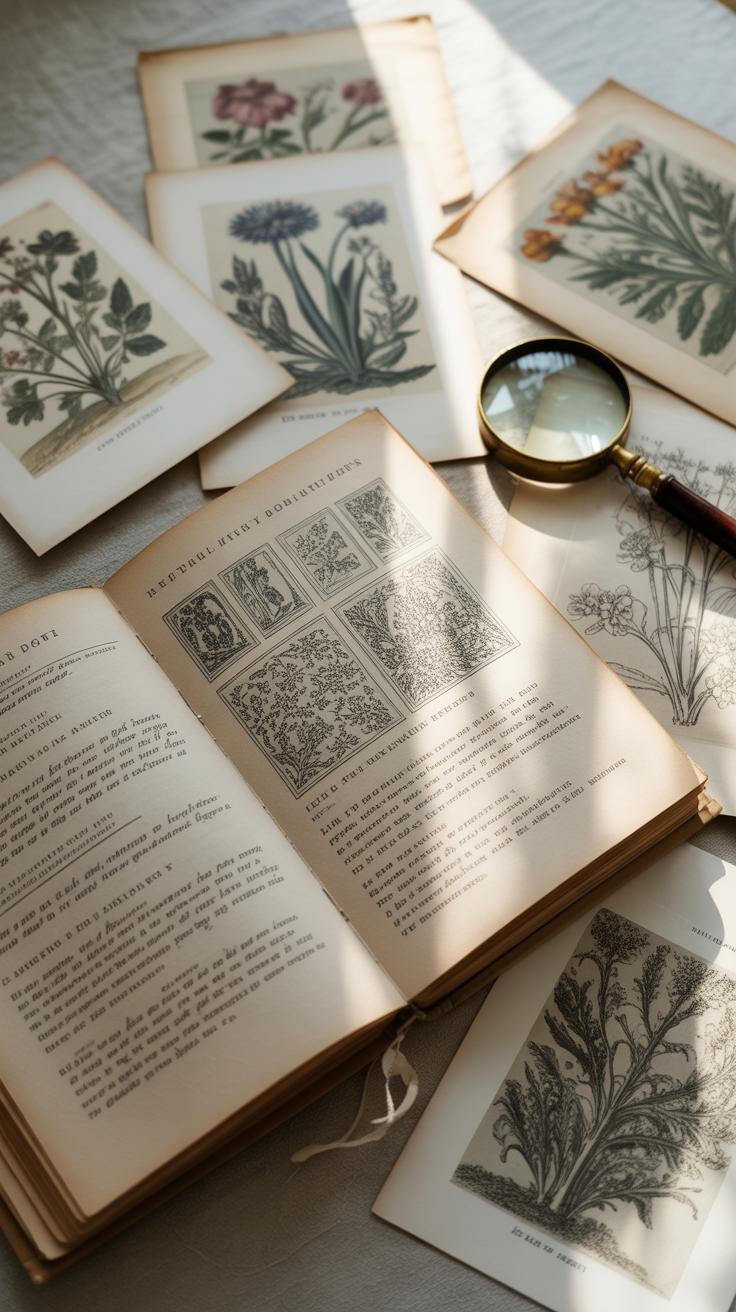
Wallpaper has a longer history than most people realize. Long before modern printing made mass production possible, people sought ways to decorate their walls that were both practical and visually appealing. In Europe, elaborate wall coverings—often painted or woven—were a mark of status, found in the homes of the wealthy.
Back then, wallpaper wasn’t just decoration; it helped insulate cold stone walls and cover up rough surfaces. These early wallpapers were slow to produce and costly, used more sparingly than today’s designs. But they brought warmth and personality into homes, much like tapestries did before.
From Tapestries to Paper
It might be surprising to learn that what we now see as wallpaper owes much to the tradition of tapestries. These large woven artworks covered walls, telling stories or displaying intricate patterns.

But tapestries were expensive, heavy, and challenging to put up or clean. Paper, being lighter and cheaper, offered an easier solution. Early wallpaper imitated tapestry motifs, aiming to capture a similar grandeur but in a more accessible form. This shift introduced new possibilities—people could change wall coverings with less fuss. You could say it was the start of interior individuality.
Early Printing Techniques
At first, producing wallpaper involved slow, manual methods. Woodblock printing was among the earliest techniques. Craftsmen carved patterns onto wooden blocks and pressed them onto paper, repeating designs carefully to cover entire walls.
This method shaped the look of early wallpapers, with relatively simple, repetitive patterns suited to the limitations of woodblocks.
Stenciling came next. It allowed for sharper details and more colors but required skill. Both techniques influenced pattern styles—often bold and symmetrical, limited by the tools available.
Looking at a historic wallpaper today, you might spot these traits: repeated designs, clear borders, less delicate shading. They reflect the challenges of early printing and the blend of artistry and practicality that defined classic wallpaper.
Popular Classic Wallpaper Patterns
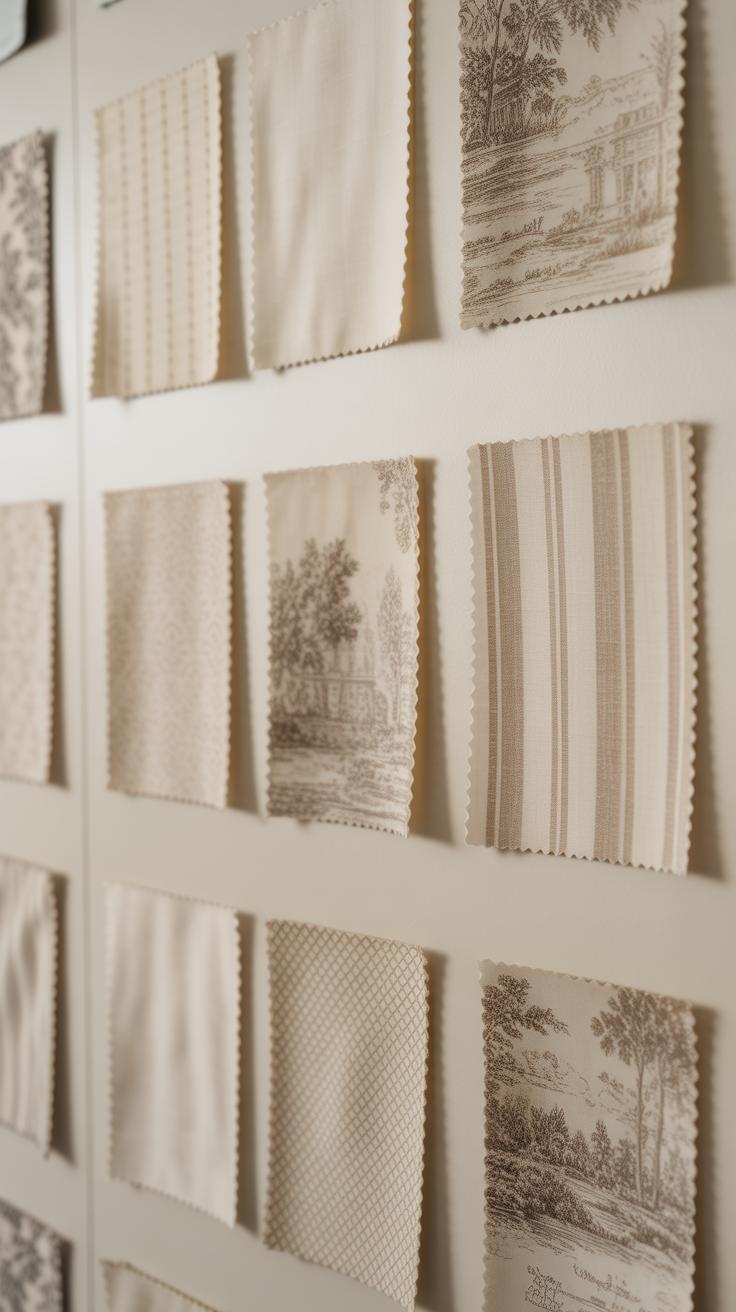

When it comes to wallpaper that stands the test of time, certain patterns keep resurfacing in interiors—and for good reasons. Patterns like damask, toile, florals, stripes, and geometrics have a way of bringing character without feeling dated.
Take damask and toile, for instance. Damask often carries this formal, almost regal air with its symmetrical woven motifs. It’s the kind of pattern that hints at tradition but can feel surprisingly fresh when paired with modern furniture. Toile, on the other hand, tells a story—often pastoral scenes or finely detailed narratives in a single color against a light background. Both patterns tend to add an air of sophistication, though I sometimes wonder if toile can risk feeling too fussy, depending on the space.
Florals and geometric designs provide a bit more flexibility. Floral wallpapers can be delicate or bold, softening a room or adding energy. Geometrics, with their repetitive shapes and clean lines, seem straightforward but can create unexpected depth and rhythm. I’ve seen florals work beautifully in vintage or eclectic rooms, while geometrics fit well in minimalist or mid-century setups. Each offers its own kind of charm, and balancing those feels like a bit of an art.
Ultimately, these classic patterns invite you to explore how tradition and taste intersect. Which one matches your room’s mood? It might depend on whether you want patterns that whisper or ones that speak up.
How Texture Enhances Classic Wallpaper

When you think about classic wallpaper, the pattern often takes center stage—damask, stripes, or florals. But texture quietly shapes how these patterns come to life in your space. Texture adds a sense of dimension you don’t get with flat prints. The wall ceases to be just a background and becomes something you want to reach out and touch. At least, that’s how I feel when I encounter textured wallpaper.
Embossing is one technique that adds subtle depth. Essentially, the paper is pressed so the pattern rises off the surface, creating a tactile effect. This small detail lets light fall differently across the wall, making even simple classic designs feel more intricate. The raised elements aren’t just visual—they invite interaction, though you might hesitate to touch walls too often. Embossed damask wallpapers are great examples, playing with light and shadow in ways that flat patterns can’t replicate.
Flocked wallpaper takes texture a step further by applying tiny fibers onto an adhesive base, giving the pattern a soft, velvety surface. This method lends an elegant quality, making floral or geometric designs feel almost fabric-like. The softness adds warmth, subtle luxury. It’s a bit like the wallpaper is trying to convince you it’s more than just paper. I once saw a flocked wallpaper in a sitting room, and it changed the whole feel—almost like a quiet invitation to linger.
Both embossing and flocking invite you to consider wallpaper beyond just color and design. They transform classic patterns by adding tactile interest that changes with light and angle. You may find it hard to describe why a wall feels special—but texture plays a big role. So, when choosing wallpaper for a timeless look, think about what happens when you don’t just see the pattern, but sense it too.
Matching Classic Wallpaper with Room Styles
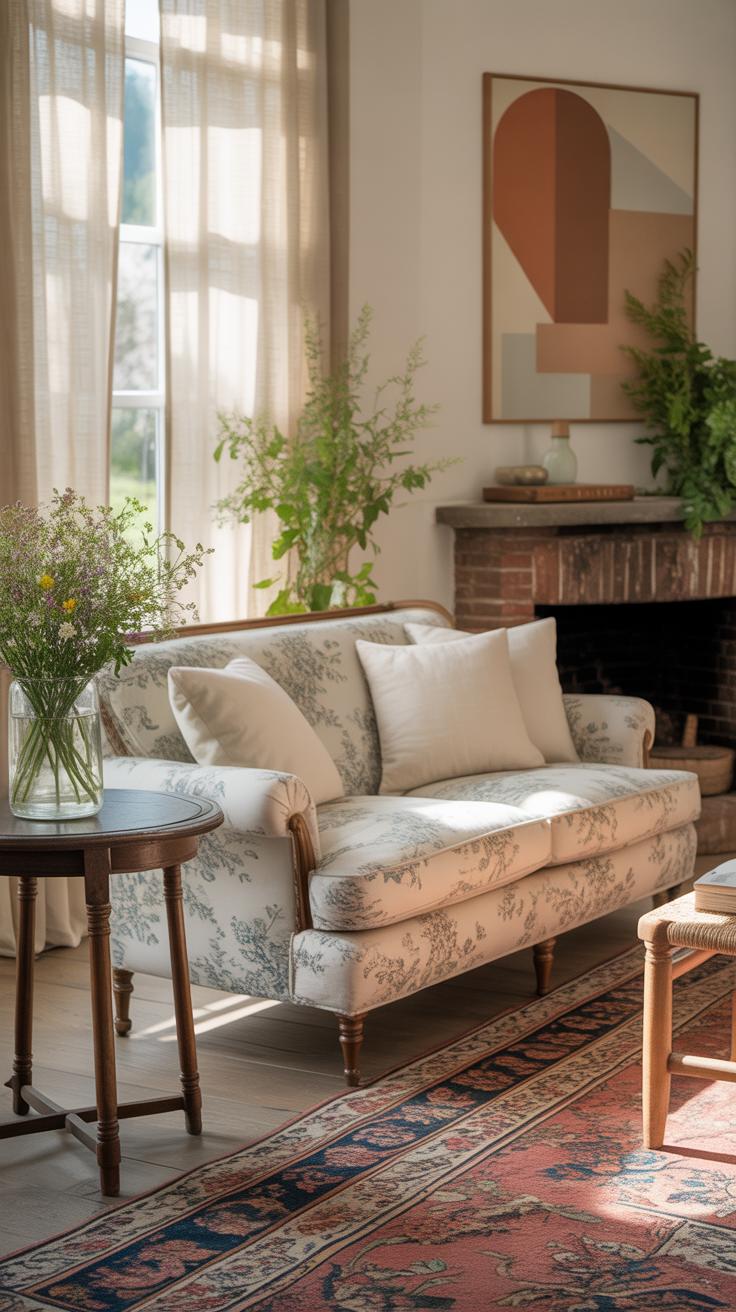

Choosing wallpaper patterns isn’t just about what looks good on paper. It’s about tuning into the vibe and function of each room—what you want to feel there and how the space is used. Sometimes a pattern that’s stunning in one room might feel off in another, so it’s worth pausing to think it through.
Living Room Ideas
In living rooms, you often want a balance of comfort and style since it’s where people gather and relax. Classic damask or floral patterns can bring some elegance without overwhelming the space. Think of subtle repeats that don’t shout but invite a second look. Stripes, especially vertical ones, work well too—they add a sense of height and order, which can be calming. If your living room is on the smaller side, go for wallpaper with light backgrounds to keep things open. I once tried a bold Victorian print in my living room; it looked rich at first but soon felt like it was looming over me. So, maybe keep bigger, darker designs for bigger rooms or just on one accent wall.
Bedrooms and Bathrooms
Bedrooms call for patterns that help you unwind. Soft damasks, gentle florals, or even a delicate toile can set a peaceful tone. You might want something a little dreamy, but not too busy—too much detail can feel restless when you’re trying to rest. Bathrooms, on the other hand, often benefit from smaller-scale patterns. They avoid crowding tight spaces, creating a light, airy feel instead. Subtle stripes or even classic toile with nature themes fit nicely here. Also, wallpapers that handle moisture better are a practical choice, but that’s a topic for later. In both rooms, it’s tempting to pick something fancy and complex, but sometimes the simplest classic patterns offer the most lasting comfort.
Color Choices in Classic Wallpapers
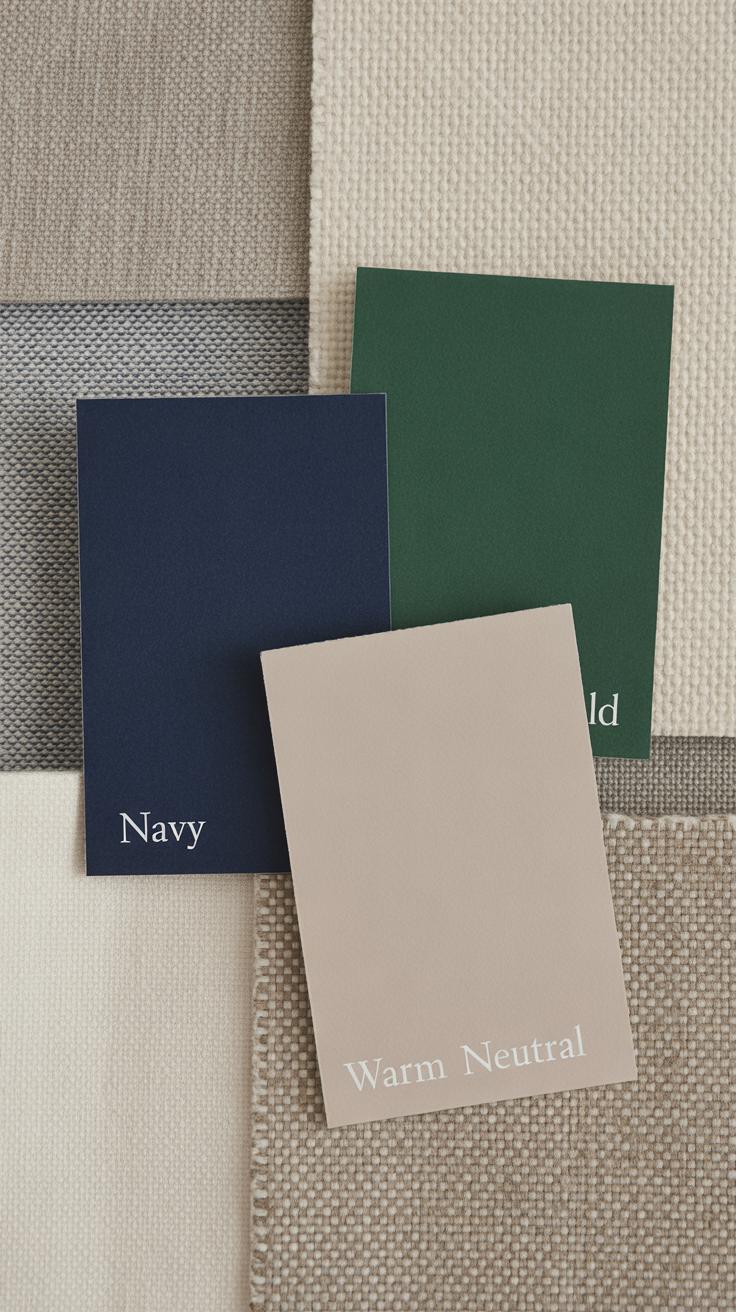
Color plays a major role in how classic wallpaper patterns influence a room’s mood and atmosphere. The same pattern in different colors can feel calm and subdued or lively and dramatic, so you’ll want to think about the effect you want to achieve before settling on a shade. It’s sometimes surprising how a subtle shift in tone changes everything.
Neutral Versus Bold Colors
Neutral colors—the beiges, greys, soft creams—often bring a quiet elegance to classic patterns. They tend to make spaces feel open and relaxing, which can be perfect for bedrooms or living rooms where you want a calm vibe. Neutral walls allow your furnishings and décor to stand out without competing.

Bold colors, on the other hand, grab attention immediately. Think deep navy, rich burgundy, or emerald green paired with classic motifs. These can add depth and a sense of luxury, but they’re riskier—too much boldness can overwhelm a room or make it feel smaller than it is. For instance, I once used a dark green damask pattern in a small dining room; it was dramatic but felt a bit closed-in, so careful balancing was necessary.
Combining Colors
When matching wallpaper to furnishings and wall paint, it’s about harmony, not perfect matching. You can, for example, pick a wallpaper with taupe and dusty rose and then paint one wall or pieces of furniture in a muted rose to bring the room together without it feeling forced.
Here are a few practical tips that often help:
- Choose one dominant color from the wallpaper and pull it into curtains, rugs, or cushions.
- If the wallpaper’s pattern is busy, keep paint and upholstery neutral to avoid visual overload.
- Use contrast carefully; light furniture against dark wallpaper can create a nice balance.
- Don’t shy away from experimenting—a soft blue wallpaper with white or cream furnishings can look fresh and timeless.
It can feel tricky at first, but testing physical samples under your room’s lighting makes a big difference. Isn’t color choice one of the hardest parts about decorating? But when it clicks, it really sets the tone for the whole space.
Wallpaper Application Techniques
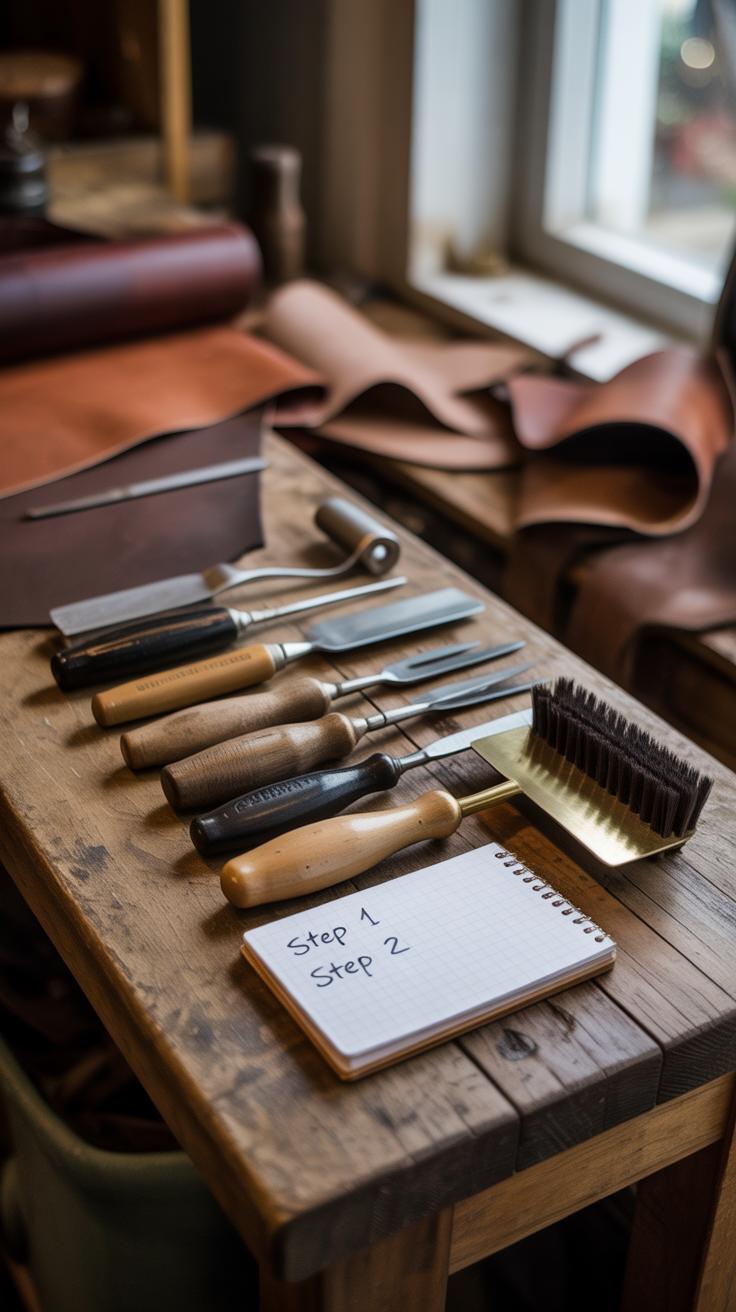
Preparation and Tools
Before you dive into hanging your classic wallpaper, there’s a bit of groundwork to cover. Start by cleaning the walls thoroughly—dust or grease can stop the paste from sticking well. If your walls have any holes or bumps, patch them up and sand smooth. It’s tempting to rush through this, but skipping it usually causes wrinkles or bubbling later on.

You’ll need a good paste brush or roller, a sharp utility knife, a smoothing brush or plastic smoother, a plumb line or level to ensure straight strips, a tape measure, and a seam roller to press down edges. Don’t forget a sponge or clean cloth for wiping away excess paste. Having scissors and a step ladder also comes in handy. Most of all, patience—rushing leads to errors. I’ve learned that after a few frustrated tries.
Pattern Matching Tips
Classic wallpapers often have repeating patterns, which means lining up each strip carefully. When cutting your strips, always leave a little extra length at the top and bottom—they’re easier to trim after hanging than guessing exactly before.
Matching patterns means you have to compare the new strip to the last one already on the wall. Look for a point in the pattern that clearly repeats and slide the new strip up or down until they line up. Sometimes, this means wasting a bit more paper, but it’s worth it for the flawless look.
One trick is to start hanging near a corner or where the wall meets a doorframe—this helps disguise any tiny mismatches. And, when the pattern is complicated, I’ve found it helps to unroll several strips side by side on the floor before cutting. That way, you can better predict where the repeats fall.
Caring for Classic Wallpaper
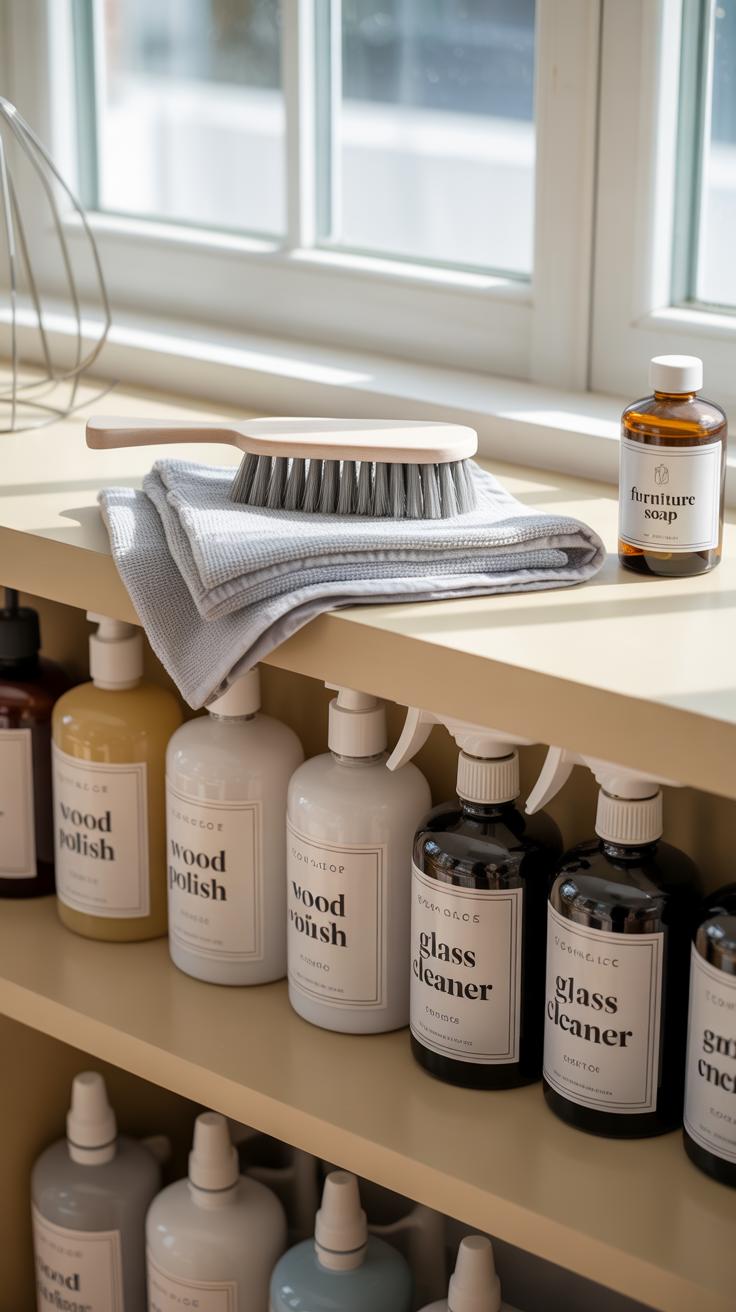

Keeping classic wallpaper fresh can feel tricky, especially when patterns are detailed or delicate. But with a bit of care, you can stretch its life quite a bit longer than you’d expect. The key is matching your cleaning approach to the wallpaper’s material, since methods that work for vinyl won’t suit paper-based types.
Cleaning Methods
First, try a gentle dusting with a soft cloth or vacuum brush attachment to remove surface dust. For washable wallpapers like vinyl or coated papers, a damp sponge with mild soap—nothing abrasive—works well. Avoid soaking the wallpaper or using harsh chemicals, as these may cause discoloration or peeling. With uncoated papers, test a small hidden area first; sometimes, even water can cause stains or damage.
When in doubt, lightly blot rather than rub. You might find that nearly invisible smudges respond better to gentle attention over aggressive scrubbing. Do you remember how those fancy damask patterns seemed fragile but actually cleaned up surprisingly nicely? That’s the kind of subtle difference worth noting.
Handling Repairs
Small tears or bubbles happen, but fixing them doesn’t always require professional help. For minor tears, use wallpaper adhesive applied sparingly beneath the flap and gently smooth it down with a clean cloth. Popping bubbles can be pricked with a pin to let trapped air escape, then pressed flat. If a bit of wallpaper peels at the edges, carefully lift and relift adhesive to reseal.
Sometimes matching a pattern feels impossible, but trimming around a spot damage and patching with a piece of leftover wallpaper can work if the patterns align reasonably close. Just be mindful of edges—visible seams are the enemy here. Do you hesitate about touching up wallpaper too much? I think it’s tempting to leave it alone, but these small fixes often save bigger problems later on.
Mixing Classic Wallpaper with Modern Decor
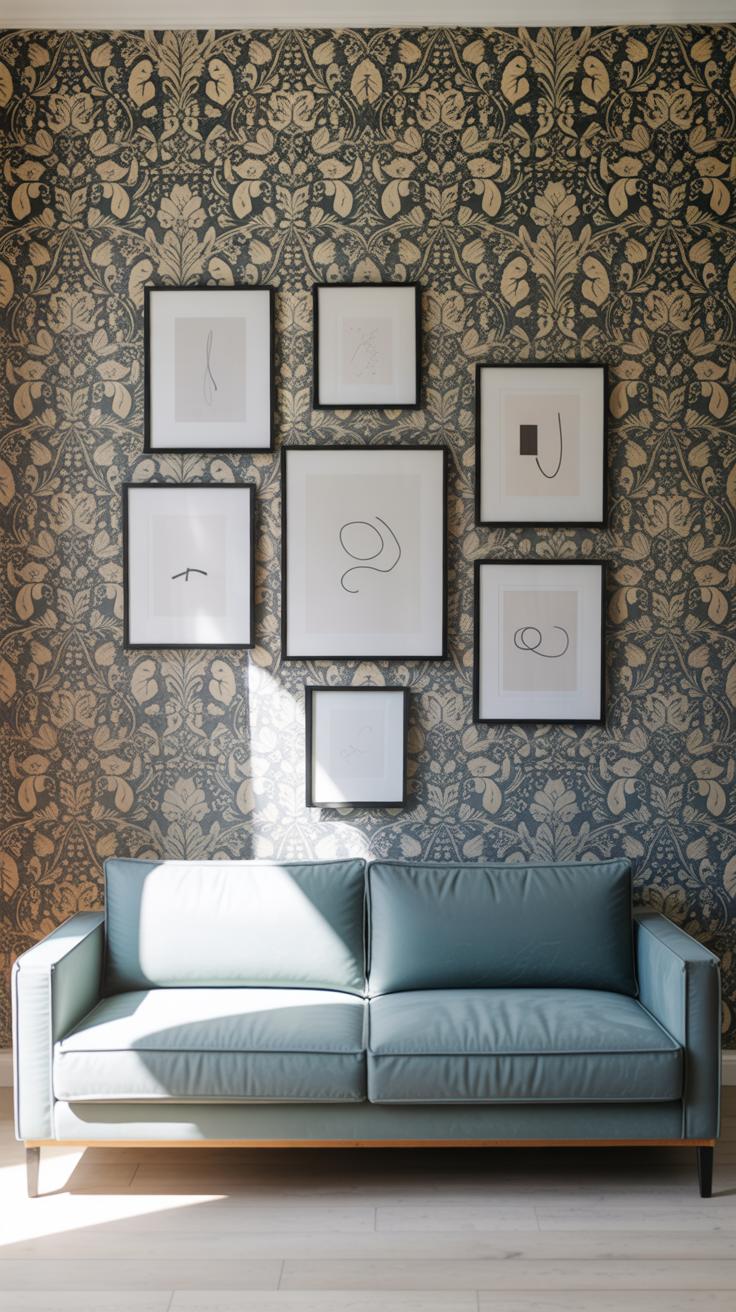

Classic wallpaper patterns can feel like they belong to another time, but mixing them with contemporary furniture and accessories creates a surprisingly fresh look. It’s about finding that middle ground where old meets new without the space seeming confused or cluttered. For example, pairing a traditional damask or floral wallpaper with sleek, minimalist sofas can highlight the pattern without overwhelming the room.
You might try these ideas:
- Use classic wallpaper on one accent wall only, then keep the rest neutral and minimal.
- Add modern lighting fixtures and metallic accessories to bring in an unexpected twist.
- Choose furniture with clean lines in subtle shades to let the wallpaper be the statement.
Sometimes, I worry a bit about overdoing it—too many patterns or styles make it messy. But if you stick to just one bold wallpaper and balance it with simple, modern pieces, it often works better than you’d expect.
Creating Contrast
Contrast is one of the best tools for blending classic wallpaper with modern rooms. Imagine a muted, striped wallpaper paired with a bright, geometric rug or bold, colorful chairs. That kind of visual tension keeps the room interesting. You can also break up a busy wallpaper with stark, monochrome furniture or accessories.
Try staggering these contrasts:
- Soft, intricate wallpaper next to hard, angular shapes in furniture.
- Dark wallpapers in bright rooms to ground the space.
- Glossy modern surfaces against wallpaper with matte finishes.
It may feel like a bit of a gamble, since mixing styles can backfire. But when it hits right, the contrast highlights both styles, giving the room character that’s hard to replicate.
Balancing Styles
Balance means not letting either the wallpaper or your furniture dominate. You could match colors subtly—say, pick an accent color from the wallpaper and repeat it in cushions or throws. Or keep the wallpaper pattern small and delicate so it doesn’t compete with bold, modern décor.
Here are some balancing tips:
- Use neutral palettes in furniture to calm ornate wallpapers.
- Limit patterns on upholstery when wallpaper has strong patterns.
- Let some spaces breathe; avoid crowding surfaces with too many decorative items.
Honestly, balance can feel tricky. Sometimes you might lean too much one way or the other. But that’s part of the process—trying, adjusting, and finding what feels right for your space over time.
Where to Find Classic Wallpaper Today
Retail Stores
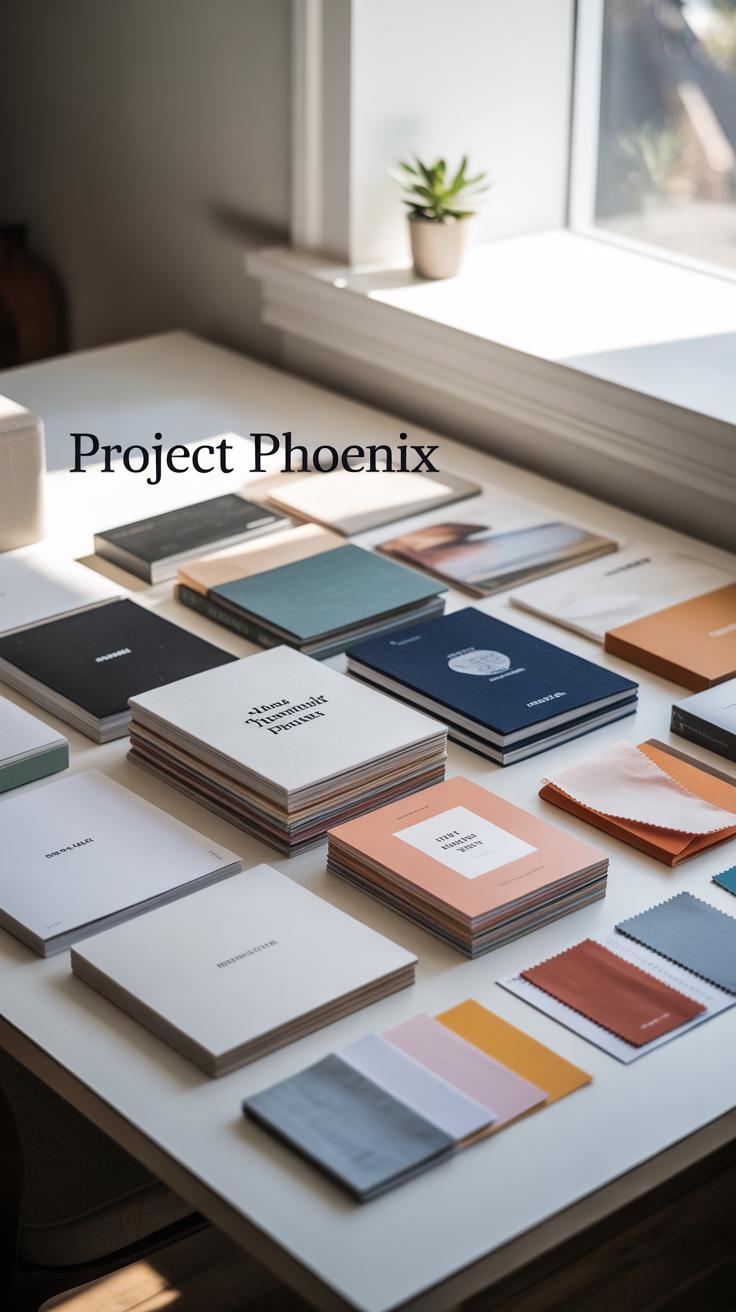
If you prefer seeing and touching wallpaper before buying, retail stores still hold a special place. Stores like Home Depot and Lowe’s often stock classic wallpaper designs, especially those with traditional floral or damask patterns. You might find yourself pleasantly surprised by the variety in local home improvement centers that go beyond basics.
Specialty shops such as Anthropologie and Pottery Barn sometimes carry timeless wallpaper collections too. They tend to lean toward curated selections, so fewer options but maybe higher quality or unique vintage-inspired designs.
Don’t overlook local wallpaper boutiques either. I’ve come across smaller shops where salespeople can guide you in person, which helps a lot if you’re uncertain about the scale or colors. Plus, you sometimes stumble on exclusive prints you won’t find elsewhere.
Online Shopping
Buying wallpaper online has grown hugely popular, and for good reason. You get access to thousands of classic designs from all over the world, which is hard to beat. Websites like Wallpaperdirect, Brewster Home Fashions, and Wayfair offer an extensive range—everything from subtle stripes to ornate baroque styles.
Ordering online means easy price comparison and reading reviews to gauge quality or ease of installation. But I admit it can be tricky to trust colors on your screen. You may want to order samples first, although that delays your project a bit.
Also, consider shipping costs and return policies. Some retailers have strict rules about unused wallpaper returns, so it pays to read the fine print. On the upside, shopping from home lets you browse at your own pace and stumble on unexpected finds you might miss wandering store aisles.
Trends in Classic Wallpaper Use
Accent Walls and Mini Prints
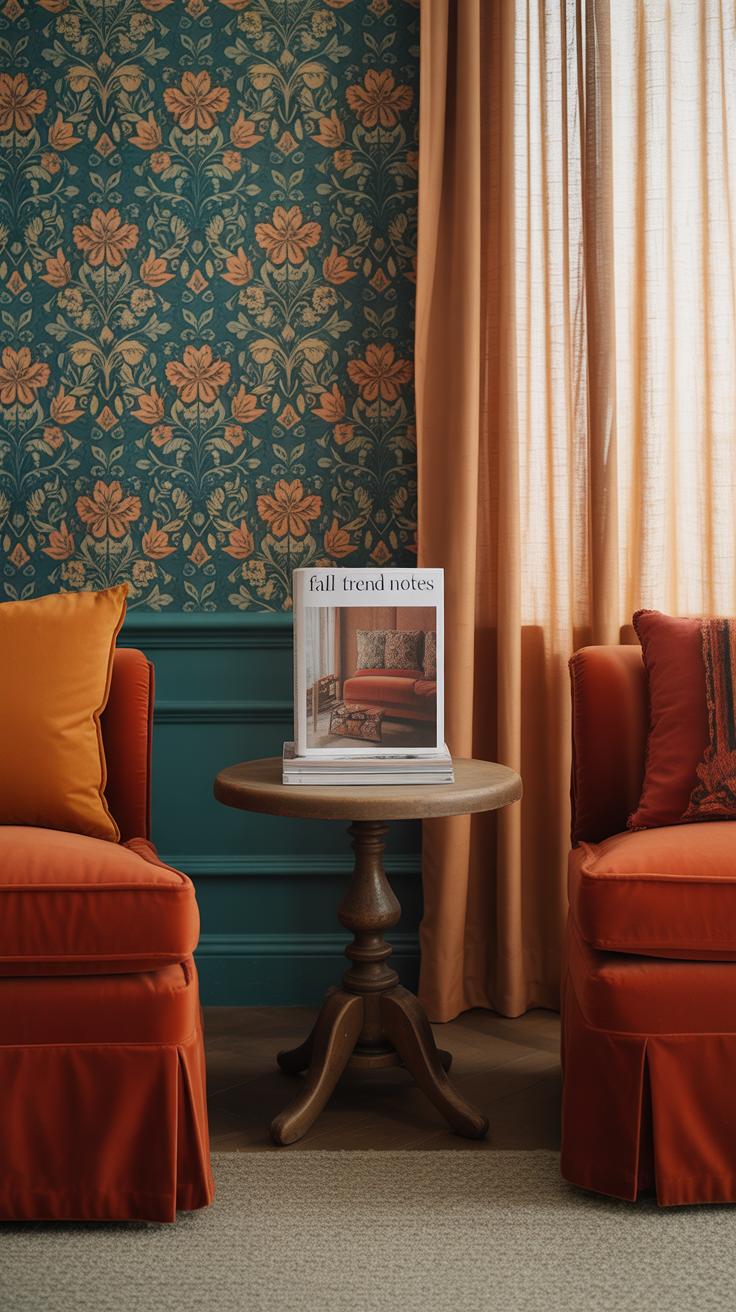
Accent walls remain a favorite way to introduce classic wallpaper without overwhelming a room. Focusing a patterned wall behind a bed or sofa lets you enjoy timeless designs without them becoming too busy. That splash of pattern often changes the whole vibe, giving the space personality without fuss. Smaller classic prints—think delicate florals or subtle geometrics—are popping up more too. They fit well in modern, minimal rooms by adding texture and interest but keeping things light.
You might wonder why these mini prints work so well now. Maybe it’s because many people want that vintage charm but avoid anything that feels too old-fashioned or heavy. Using wallpaper in small doses—rather than covering all four walls—helps balance old and new styles. It’s a way to nod to tradition, yet stay contemporary. I’ve noticed this approach is especially popular in apartments and smaller spaces.
Eco-friendly Wallpaper Choices
There’s definitely more talk about sustainable wallpapers these days. People seem more conscious about the materials and processes behind their décor. Some brands use recycled paper, natural inks, or non-toxic adhesives, which feels like a step in the right direction. It’s not just a selling point; it also fits with the slower, more thoughtful decorating trend.
Yet, the options for truly green wallpapers can be limited or pricier. Still, if you care about your environmental impact, it’s worth hunting for. Even small efforts, like choosing peel-and-stick types made with fewer chemicals, can make a difference. Plus, these newer materials sometimes offer unique textures and finishes that traditional wallpapers don’t. So while eco-friendly wallpaper might not be the easiest choice, it’s gaining ground—and for good reason.
Conclusions
Classic wallpaper designs continue to enrich living spaces with their beauty and versatility. They connect us to historical styles while allowing personal expressions in our homes. By choosing patterns that suit your taste and room function, you can create stylish and welcoming interiors.
Remember, classic does not mean outdated. These timeless wallpapers adapt well to current decor trends and technology, offering you endless possibilities. Use what you learned here to confidently select a pattern that complements your lifestyle and makes your home uniquely yours.