

Bringing Chinoiserie Style Into Your Home
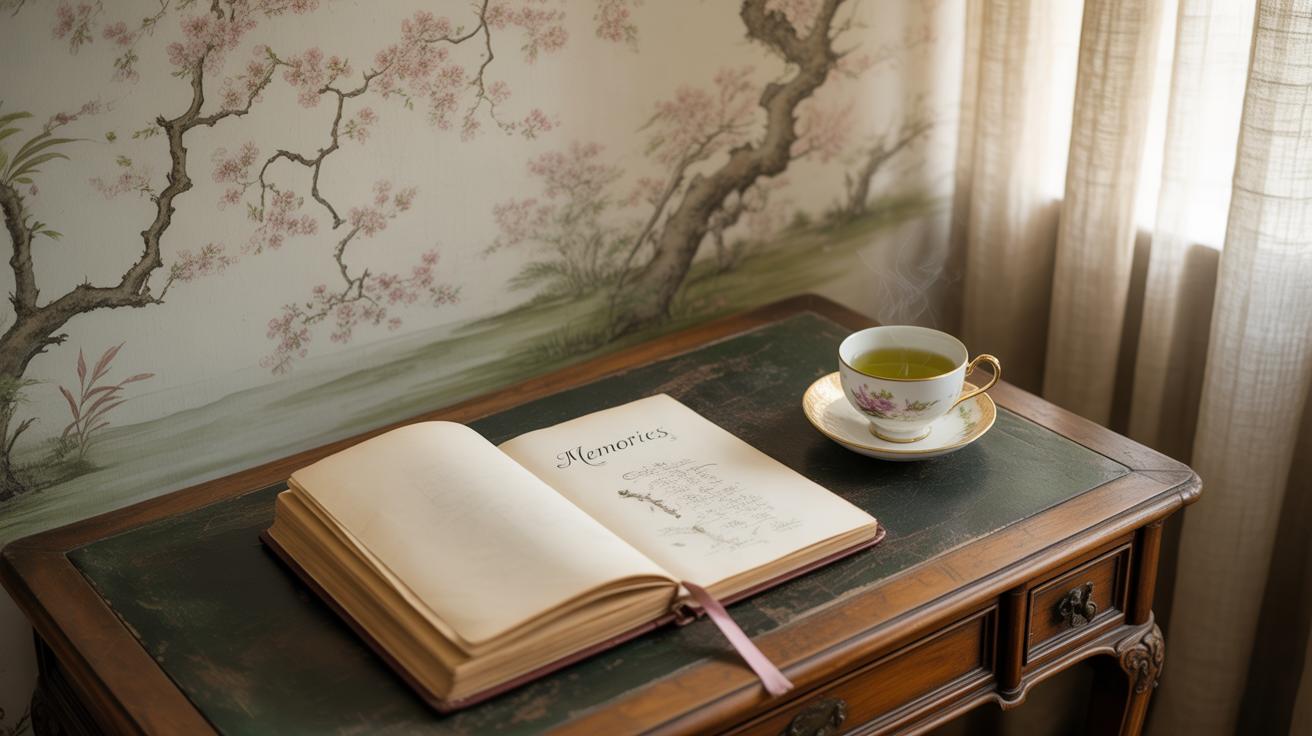
Chinoiserie wallpaper offers a unique way to add elegant and cultural charm to your living spaces. This style is inspired by European interpretations of Chinese and East Asian artistic traditions. It features detailed designs, nature-inspired themes, and patterns that can bring life and character to any room.
In this article, you will explore how chinoiserie wallpaper can elevate your home’s style. From understanding its rich history to discovering various design options, you’ll learn practical tips for choosing and styling this wallpaper in your space.
Understanding Chinoiserie Wallpaper
Chinoiserie wallpaper traces its roots to a curious blend of European imagination and East Asian artistry. It’s a style that emerged as European artists and craftsmen tried to capture how they perceived Chinese and other East Asian cultures. This wasn’t about direct copying but rather their interpretation, filtered through a lens of fascination and exoticism.
What makes chinoiserie wallpaper stand out in home décor is this mix of fantasy and tradition. It brings an elegant, sometimes whimsical vibe that feels both historic and fresh. Patterns are often intricate but never purely repetitive, and the designs invite you to explore—sometimes with a sense of mystery.

Its uniqueness comes from that balance: playful yet sophisticated, detailed yet airy. When used on walls, it can turn an ordinary room into a space that captures stories from faraway lands—well, stories as imagined long ago in Europe.
The Origins of Chinoiserie
The story begins in 17th century Europe, a time when trade routes to East Asia were opening up, bringing silk, porcelain, and new ideas. These goods were exotic and rare, sparking imaginations across the continent. Artists picked up on the motifs and styles seen in Chinese art but adapted them, blending with European tastes.
This blending wasn’t straightforward. It led to designs that sometimes seemed quite fanciful or even odd when compared with authentic Asian art. Yet, this very reinterpretation became popular. People wanted to bring a piece of that distant world into their homes.
It’s interesting to think about how cultural exchange happens in unexpected ways—sometimes through misunderstanding or idealization. The rise of chinoiserie reflects both a fascination with the “other” and a creative reworking of those visual elements into something new and ownable.
Key Features of Chinoiserie Wallpaper
When you look closely at chinoiserie wallpaper, several qualities tend to appear again and again:
- Nature motifs – think delicate birds, twisting vines, flowering branches, and sometimes fantastical animals.
- Asymmetry – unlike formal European patterns that favored strict repetition, chinoiserie often feels freer, with designs flowing more organically across the surface.
- Stylized figures – people, pagodas, and bridges appear, but not drawn realistically. Instead, they have a dreamy, almost theatrical feel.

These elements combine into scenes that are rich but never overwhelming. The wallpaper invites you to pause, look again, and maybe get a little lost in the details. That’s part of its charm—it’s not just background decoration but a quietly engaging presence in a room.
Choosing the Right Chinoiserie Wallpaper for Your Space
Picking chinoiserie wallpaper can feel overwhelming, especially because of its rich designs and details. The first thing to weigh is the size of your room. Large patterns may overwhelm smaller spaces, making them look cluttered or busy—though sometimes that’s exactly the effect you want. When in doubt, scale down the pattern or choose a wallpaper with simpler motifs for compact areas.
Color schemes play a big role too. Light, muted backgrounds with delicate colors tend to open up a room and work well where you want calmness. Darker, more saturated hues introduce drama but might make a space feel cozier or even a bit confined, depending on lighting.
Speaking of lighting, this is often underestimated. Southern-facing rooms handle bold colors well because they get lots of daylight, while northern exposures might call for softer shades to avoid a gloomy vibe. Sometimes, a room with little light may benefit from wallpaper with reflective elements, like gold accents, to add some shimmer.
Matching Wallpaper with Room Function
Consider how you use a room before committing. The living room, for example, can handle more complex or vibrant chinoiserie designs. It’s often the heart of the home—a space for expression and conversation. Meanwhile, in bedrooms, simpler patterns or softer designs tend to promote relaxation and restfulness. Overly detailed or busy wallpaper might keep your mind too active at night.

Dining rooms offer a unique opportunity. Since meals often gather friends and family, you might choose wallpaper that sparks interest but doesn’t overwhelm. A balanced chinoiserie with medium complexity can create a sense of warmth and style without feeling too formal or too casual.
Using Color and Pattern to Influence Mood
Colors never just sit quietly in a room—they speak loudly. Blues and greens in chinoiserie wallpaper bring a serene atmosphere, reminding you subtly of nature. But if you’re after energy, reds and golds can invigorate a space, though they might get a bit much if overused. Patterns also matter. Large, flowing floral or bird motifs can feel more peaceful, while intricate lattice or repetitive shapes add structure and sometimes tension.
One thing I’ve noticed: sometimes you don’t want a wallpaper to fade into the background. Instead, you want it to be part of the room’s character. So, decide which moods or feelings you want to invite into your space—do you want calm, focus, energy, or comfort? Chinoiserie offers enough variety to cater to each, if chosen thoughtfully. And you might find your preference shifts as the seasons or your daily routines change.
Incorporating Chinoiserie Wallpaper in Modern Dcor
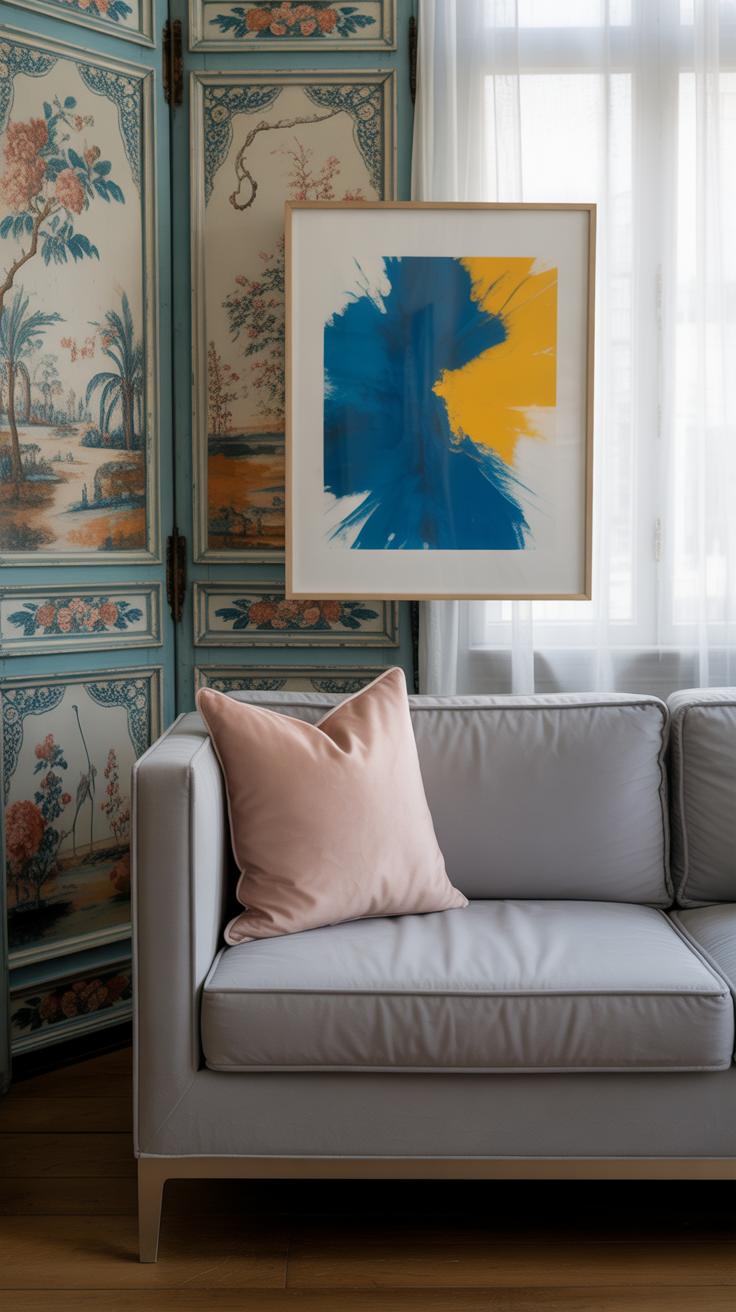
Blending chinoiserie wallpaper with contemporary interiors can feel tricky at first. You might wonder: how to keep that classic charm without making the space look too busy or outdated? The key lies in balance. Imagine pairing a richly patterned chinoiserie wall with sleek, streamlined furniture—clean lines soften the visual impact and let the wallpaper shine without overwhelming the room.

Think about color too. Often, chinoiserie wallpapers have deep blues, greens, or gold tones. Matching those with neutral upholstery or minimalist wooden pieces helps ground the design, preventing the whole room from tipping into excess. I’ve seen rooms where a modern velvet sofa in muted gray offsets a detailed wallpaper beautifully—there’s harmony without losing character.
To stop the design from feeling cluttered, limit other patterns in the room. Pick one or two simple textures rather than multiple prints. This makes the wallpaper a statement rather than just background noise.
Balancing Old and New
It’s tempting to pile on antiques or heavily decorated furnishings alongside chinoiserie wallpaper because both come from classic styles. But that can lead to visual overload quickly. Instead, use fewer, more modern pieces—like a minimalist metal coffee table or a simple glass lamp—to create a quiet counterpoint.
Think: less is more here, though sometimes a bit more works—there’s a fine line. Try mixing in soft textiles, such as a plain rug or linen curtains, to keep the space feeling fresh. And don’t shy from white walls in adjoining rooms; they’ll let the wallpapered space breathe. It’s about letting the historic details draw attention without screaming for it.
Creating Focal Points
One of the smartest moves with chinoiserie wallpaper is using it as an accent. An accent wall behind a bed or sofa creates an instant focal point. That rich pattern naturally draws eyes and gives the room personality without having to wallpaper every inch. Trying this in a small area, like a powder room or entryway, can bring unexpected charm without overwhelming.

When you choose a wall, consider its natural light and how the wallpaper’s colors react throughout the day. A spot that gets soft light might highlight the delicate details in a way harsher lighting can’t. Don’t be afraid to experiment a little—sometimes what seems like a subtle wall can become the room’s star. Just remember, framing that wall with simpler design elements around it keeps your space feeling intentional and not chaotic.
Popular Themes in Chinoiserie Wallpaper
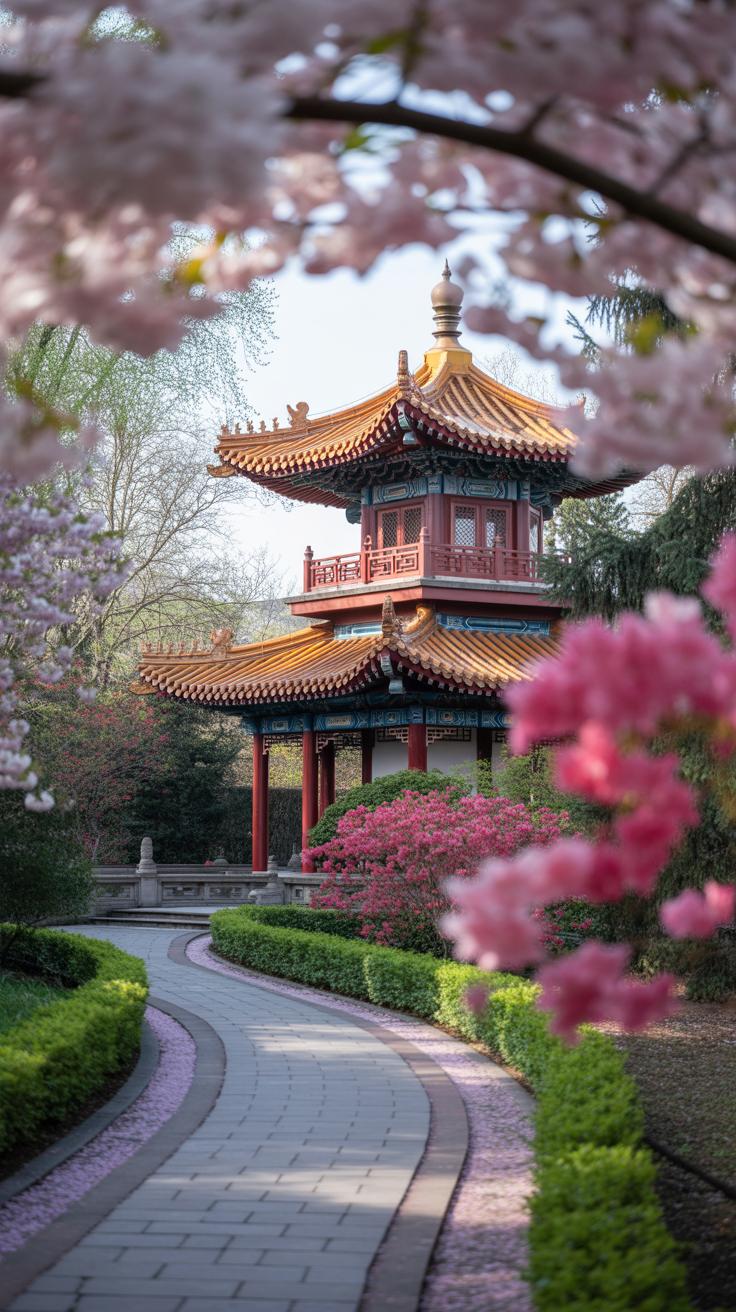
Floral and Wildlife Motifs
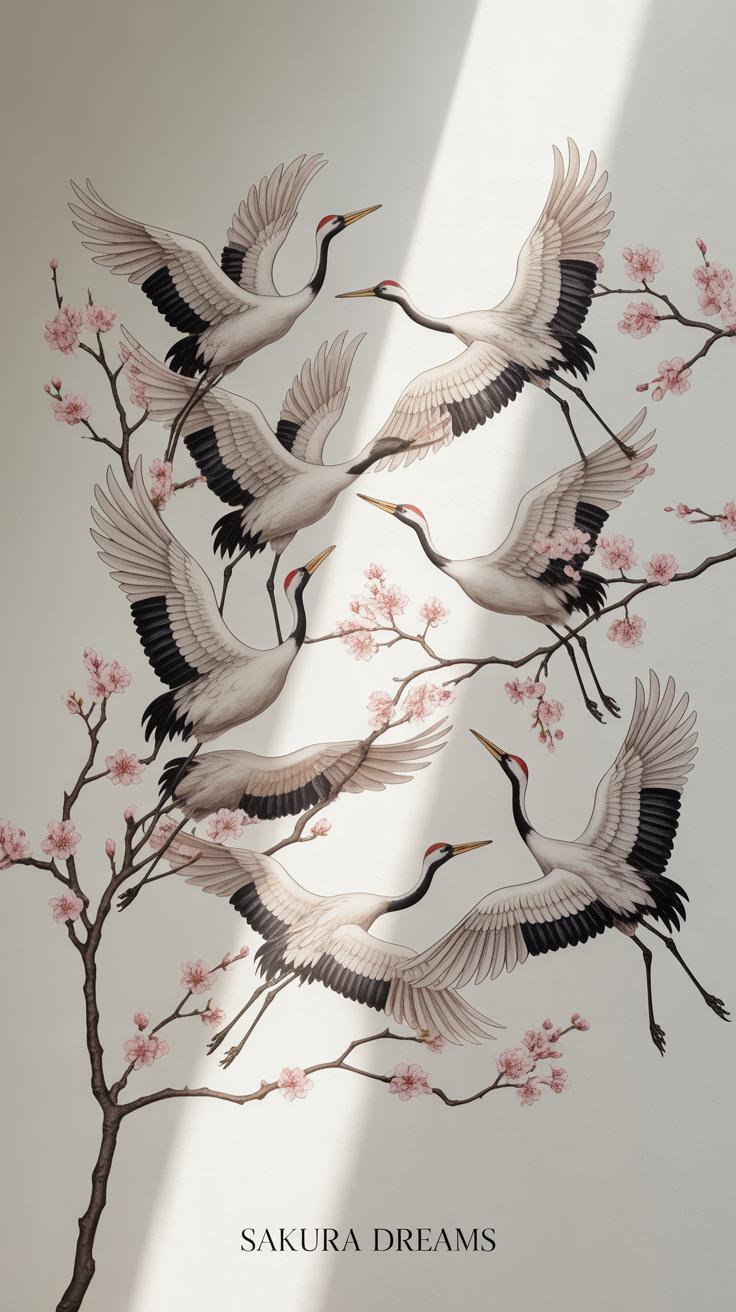
When you look closely at chinoiserie wallpaper, one of the first things you notice is the rich presence of flowers, birds, and animals. They aren’t just pretty pictures; these elements carry meanings that reflect traditions and beliefs. Peonies, for example, often symbolize wealth and honor, while cherry blossoms suggest beauty and the fleeting nature of life. Birds like cranes and phoenixes show up too—sometimes soaring, sometimes perched amidst branches.
The way these creatures and plants are drawn feels deliberate yet playful. You might find a pair of mandarin ducks, representing marital bliss, or a butterfly fluttering near wisteria, hinting at transformation. The detailed hand-painted style commonly used makes each element feel alive, almost breathing through the paper. It’s interesting to consider how these symbols translate when placed in a Western home – their meanings might shift or fade, but the charm remains.
Architectural and Scenic Elements
Chinoiserie wallpaper often features architectural details like pagodas, bridges, and garden pavilions. These elements create a sense of serene, faraway places that invite the eye to wander. Pagodas, with their tiered roofs and delicate curves, are common and act as visual anchors amidst swirling clouds or mountainous backdrops.

Besides buildings, sprawling scenes with winding paths, distant hills, and calm rivers also appear frequently. These scenic vignettes don’t always follow strict realism; proportions can feel whimsical or slightly off. That’s part of their appeal—they hint at imagined worlds rather than precise geography. Watching these landscapes, one can almost question: are they snapshots of real locations or purely decorative fantasies? Either way, they add layers of depth and a quiet calm to any room.
Caring for Chinoiserie Wallpaper
Chinoiserie wallpaper holds a certain delicacy that calls for careful attention. You don’t want to scrub or use harsh cleaners—that’s a quick way to dull the beautiful colors and intricate patterns. Instead, try a dry, soft microfiber cloth or a feather duster gently swept across the surface. Sometimes, I think we forget how even light dust build-up can make a difference over time.
If there’s a minor stain, a barely damp sponge with plain water often works fine. But be cautious; too much moisture, and you risk warping or loosening the wallpaper adhesive. Steer clear of chemical cleaners or abrasive tools, since they can wear away the fine details.
Regular Cleaning Methods
Try these simple steps:
- Dust lightly every week using a soft cloth or duster.
- For light spots, dab gently with a damp sponge—but avoid rubbing.
- Test any cleaning on a small hidden section before going for the whole wall.

You might question if vacuuming with a brush attachment could work. It probably does, but I’d recommend setting it on low suction and testing first.
Preventing Damage and Wear
Sunlight is another tricky factor. Chinoiserie’s vivid colors can fade if exposed to direct sunlight for long periods. Consider UV-filtering window films or sheer curtains to soften the light. Moisture is equally a concern, especially in bathrooms or kitchens. If you can’t avoid those spaces, choose wallpaper specifically designed to handle humidity, or keep walls well-ventilated.
Physical wear often sneaks in near high-traffic spots. Chairs brushing against the wall or kids’ hands constantly touching can dull the finish over time. Adding clear protective bumpers on furniture or repositioning items slightly away from the wall can make a surprising difference. Sometimes, just being mindful helps preserve the wallpaper’s charm longer than you’d expect.
Combining Chinoiserie Wallpaper with Other Wall Treatments
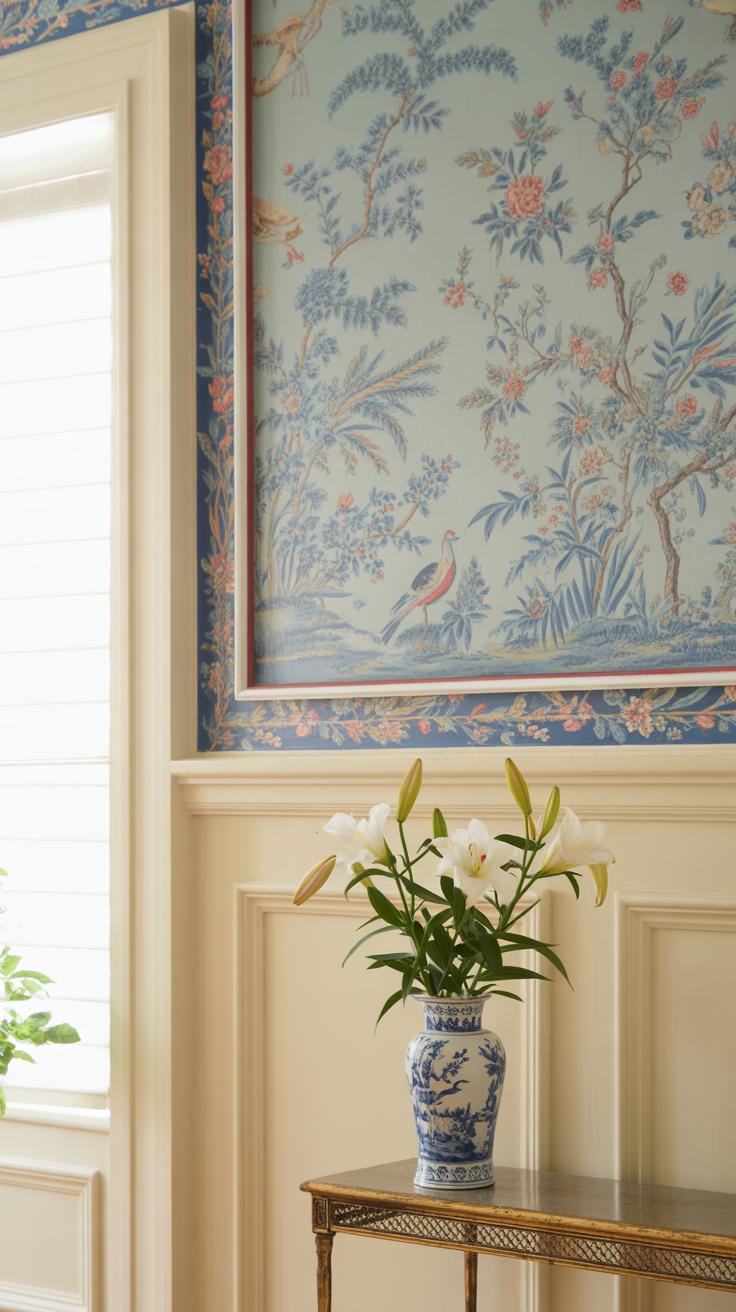
Chinoiserie wallpaper has a strong presence, so pairing it with other wall treatments takes some thought. You don’t want the wallpaper to disappear into a muddle of textures or colors, but at the same time, leaving everything plain can feel a bit stark. It’s a balancing act, really.
Painting Around Chinoiserie Wallpaper
When choosing paint colors to sit alongside your chinoiserie wallpaper, stick close to the wallpaper’s palette. Soft tones pulled from the wallpaper’s background work best. For instance, if your wallpaper has creams or soft grays, try a warm off-white or pale gray on the adjacent walls. It helps the patterns stand out without competing.
Sometimes a slightly unexpected color can complement nicely too. A muted blue or sage can offer a subtle contrast, but be careful. Clashing brights or too many bold hues might steal the spotlight—and not in a good way. I’ve found that testing samples on the wall around the wallpaper often clears up any doubts.
Mixing Textures for Depth
Adding wood paneling or fabric panels creates dimension and interest. Dark-stained wood can ground the space and lend warmth, especially paired with wallpapers that showcase lighter motifs. If your room feels too formal, softer textures, like linen or silk upholstery panels, can soften the look and introduce tactile contrast.
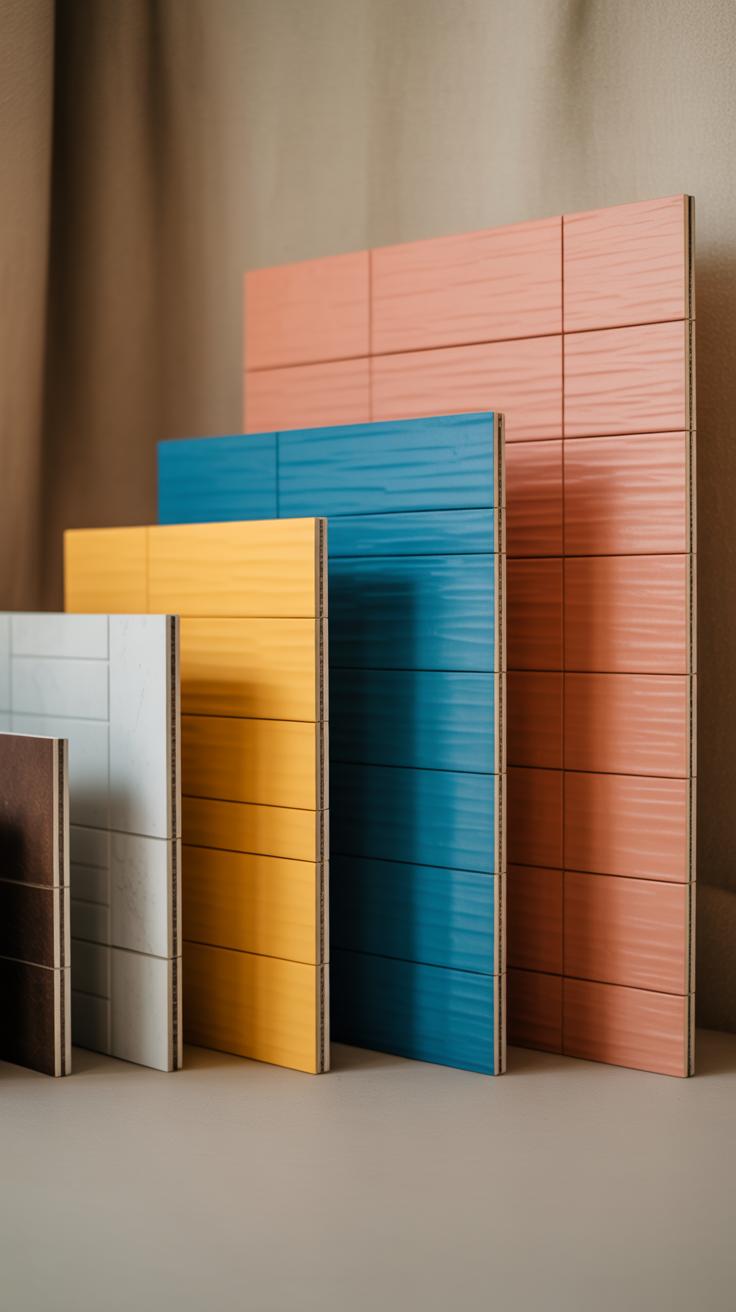
Tile or ceramic accents, while less common, may work well in dining or bathroom areas with chinoiserie wallpaper. These don’t just add texture—they echo the handcrafted quality behind much chinoiserie design. The trick is to keep these elements subtle so they don’t overwhelm the vivid patterns. Sometimes less is more, but with textures, it’s about careful layering that invites you to look closer.
Where to Buy Quality Chinoiserie Wallpaper
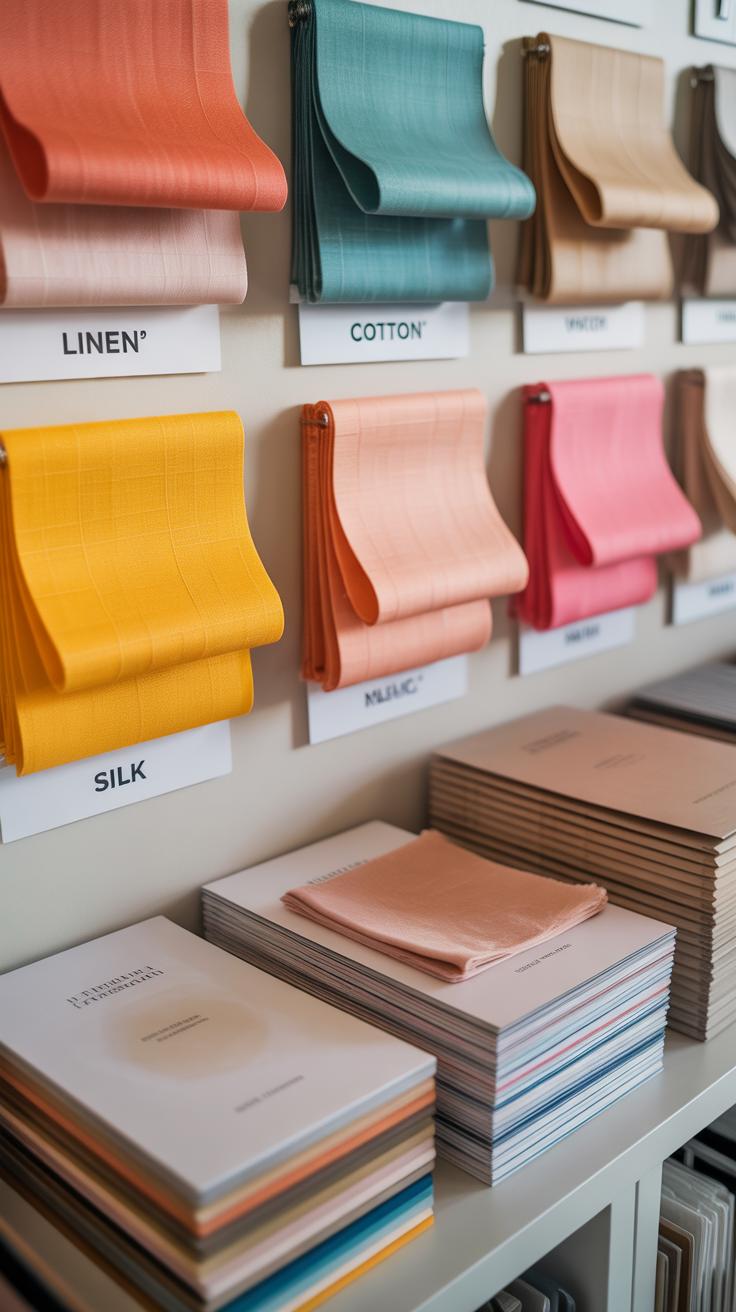
Finding chinoiserie wallpaper that feels authentic and well-crafted can be a bit tricky, especially when you want something that lasts and truly elevates your space. There’s a lot out there, but quality really matters if you want that timeless elegance to come through. You might want to start with specialty wallpaper retailers, both physical stores and online shops. Large home decor stores sometimes carry chinoiserie prints, though their selection can be limited or overly mass-produced.
For online shopping, sites like Hygge & West and Schumacher often offer beautiful collections with classic chinoiserie motifs. These brands tend to pay attention to the details—colors that pop, textured papers, and prints that don’t feel flat or cheap. If you prefer seeing samples before committing, visiting boutiques or design showrooms could make a difference. Touch and feel matter more than we sometimes give them credit for.
Speaking of brands, some names are pretty reliable when it comes to chinoiserie. Cole & Son is one that comes up frequently; their wallpapers often feature detailed hand-painted aesthetics inspired by traditional chinoiserie. Farrow & Ball might surprise you too, with wallpapers that lean toward subtle hints of the style, often paired with complementary paint. Don’t overlook vintage or limited-edition collections, sometimes those hold the best treasures.
If you’re craving something truly personal, going custom might be your best bet. There are companies, like Spoonflower, that let you print your own designs or adapt chinoiserie patterns to your liking. It’s a bit of a leap, but it’s rewarding if you want a specific color palette or scale that off-the-shelf options don’t offer. And on the DIY front, creating wall art panels or decoupaging chinoiserie prints can be an affordable and creative alternative — especially if you like a hands-on project or want to experiment before fully committing to wallpaper.
Shopping for chinoiserie wallpaper takes a bit of patience, but once you find the right source or style, it totally shifts the vibe of your home. What if you stumbled on a perfect pattern that captures your taste so precisely you wonder why you waited so long?
Using Chinoiserie Wallpaper to Reflect Your Personality
Choosing chinoiserie wallpaper is more than just picking a decorative pattern; it’s a way to share a bit of who you are through your space. These wallpapers carry stories—of culture, history, and artistry—that can mirror your personal tastes or interests in subtle, sometimes surprising ways. You might lean toward delicate floral scenes because you appreciate nature’s elegance, or prefer intricate pagodas if you’re drawn to architectural design from another world.
Some designs feel almost like wearing an expression on your walls. That scene with cranes in flight might speak to your sense of freedom, or the rich blues and reds might hint at your love for bold, classic colors. It’s not only about style but about the values or moods you want your home to carry. Do you go for serenity? Opulence? Simplicity? Chinoiserie lets you layer those ideas without saying a word.
Often, this choice sparks conversations. Visitors naturally ask about the wallpaper, leading to stories behind your selection, maybe a trip that inspired you or a fascination for Asian art. It can set a creative tone in the room, encouraging you to add pieces that complement or contrast, pushing your own decorating boundaries. Could this be the starting point for a collection? A moment to rethink your space? The wallpaper becomes more than decoration—it’s a small declaration of your inner world.
Conclusions
Chinoiserie wallpaper can transform your living spaces with its rich cultural and artistic history. It combines detailed patterns and natural motifs to create a timeless feel. By choosing the right style and colors, you can give your rooms new life and sophistication.
Whether you like bold or subtle designs, chinoiserie wallpaper offers many options to suit your taste. Bring this style into your home and enjoy the blend of tradition and charm it provides every day.