

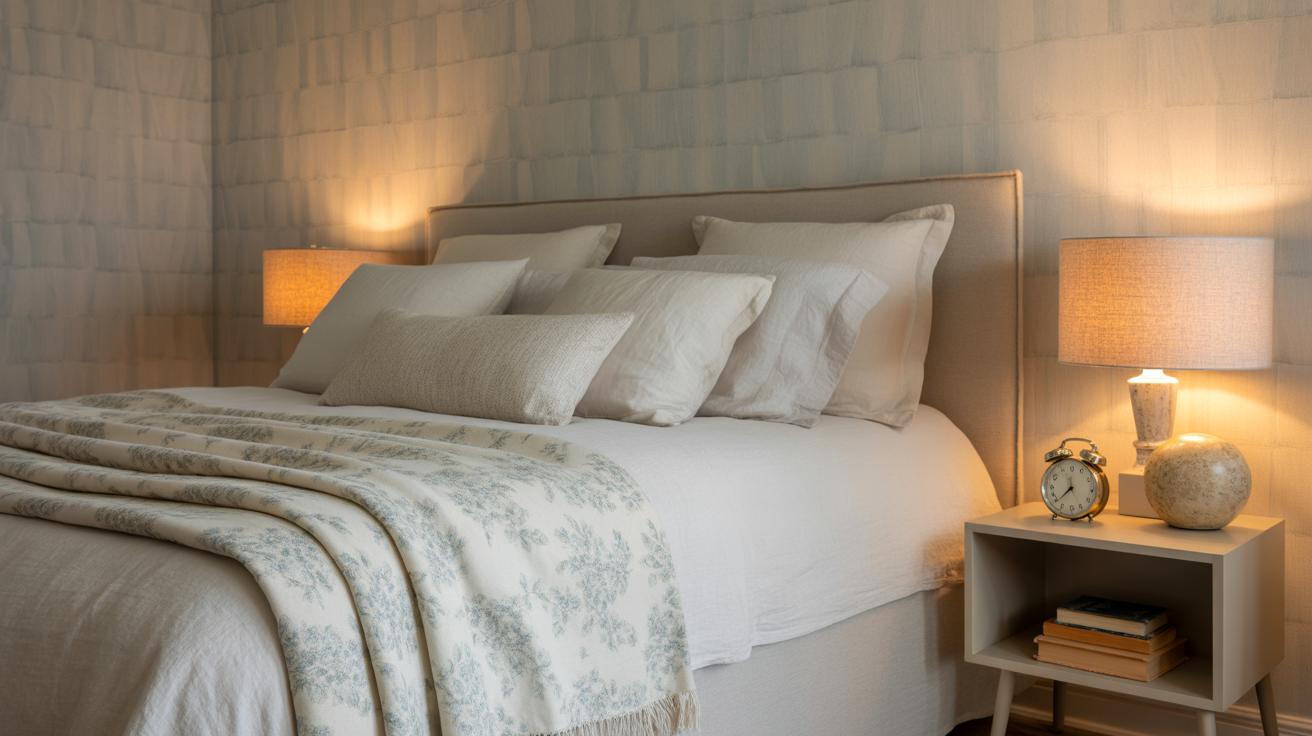
Wallpaper Ideas for a Calm, Cozy Bedroom
Wallpaper is a versatile choice for decorating your bedroom. It can set the mood, add texture, and create a calm and cozy atmosphere. You can pick from many designs and colors to find the perfect style that suits your personality and comfort needs. Using wallpaper smartly can make your bedroom a restful retreat.
This article explores wallpaper bedroom ideas for a calm and cozy retreat. You will learn about selecting the right wallpaper, how to apply it creatively, and ways to combine it with furniture and lighting to complete the peaceful vibe. Dive into practical tips that will guide your choices for a relaxing bedroom makeover.
Understanding Wallpaper Types and Their Impact
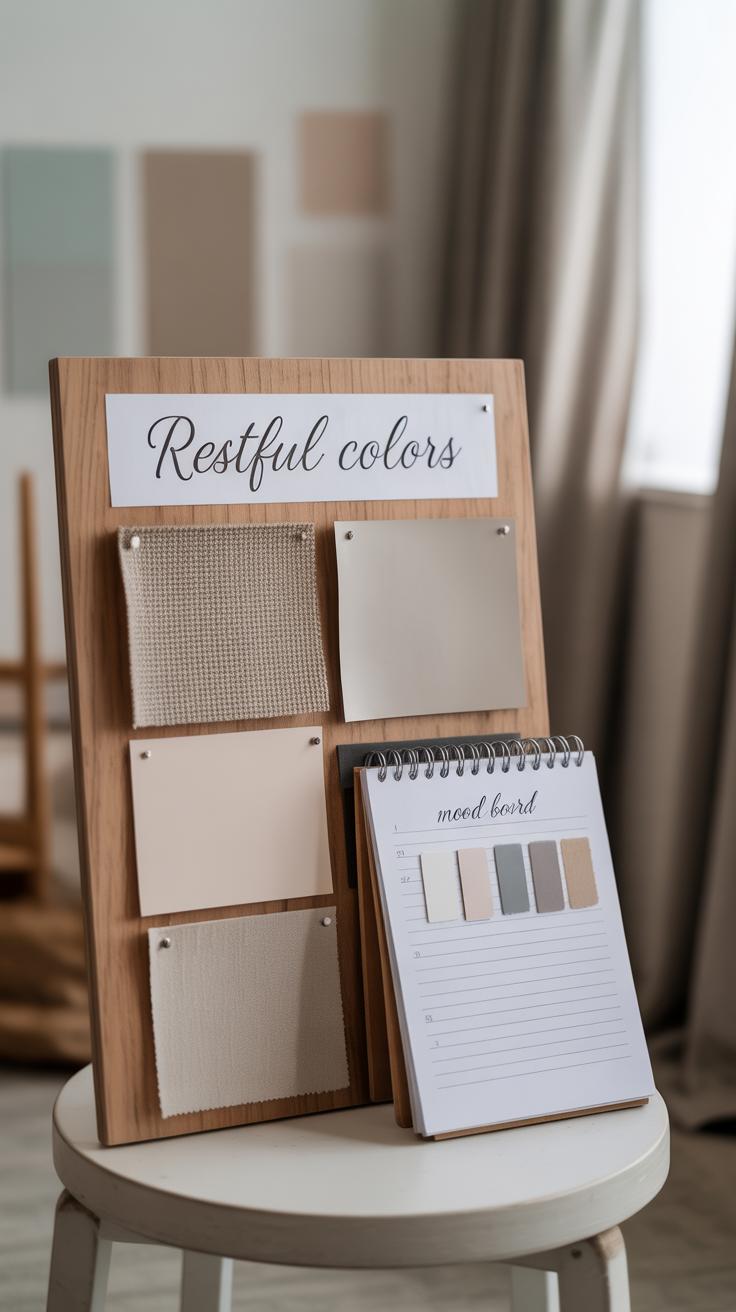
When choosing wallpaper for your bedroom, it helps to know what’s out there and how each kind might shape the feel of your space. Wallpaper isn’t just about patterns; the material plays a big role in sound absorption, texture, and even the mood you get from a room.
Paper-based wallpapers are lightweight and breathable, which means they keep a room feeling fresh and less closed in. They usually have soft textures or gentle prints that don’t overwhelm your senses, perfect if you want a subtle, calm retreat. On the other hand, vinyl wallpapers offer more durability—they resist stains and moisture better—and often feel smoother and slightly cooler to the touch. That can make the bedroom seem sleek, but perhaps less cozy if you want softness.

Fabric wallpapers, which might include silk blends or linen types, add warmth and depth. They introduce actual texture, which can make your bedroom feel inviting and snug, almost like wrapping yourself in a blanket. But fabric options tend to need more care and can be pricier.
Each type of wallpaper brings something different to the atmosphere—whether it’s the quiet softness of paper or the rich texture of fabric. Choosing one depends on how you balance comfort, maintenance, and the mood you want to create.
Paper Based Wallpaper Options
Paper wallpapers come in many styles, from smooth matte finishes to embossed patterns that add subtle depth. They’re often favored for bedrooms because they let walls breathe, which might help with air quality and keeping things fresh—something that’s easy to overlook.
You’ll find classic floral prints, minimalistic geometrics, or even textured linen effects in paper varieties that don’t feel too heavy or busy. They’re straightforward to install and usually removable without too much effort, which is great if you like changing things up now and then.
Maintenance is simple—you generally just need a soft dry cloth for dust or a slightly damp cloth for tougher spots. Since paper wallpapers don’t trap moisture as vinyl does, the room feels less stuffy, aiding in relaxation. Though less durable than vinyl, careful use makes them last in a bedroom without much trouble.
Vinyl and Fabric Wallpapers
Vinyl wallpapers stand out for durability. They handle humidity and accidental spills better, which makes them practical if your bedroom sometimes feels a bit humid or if you have pets. Vinyl often has a smooth finish that’s easy to clean, but it can reflect light differently than paper, sometimes giving a slight sheen that might feel less soothing to some people.

Fabric wallpapers, meanwhile, bring a tactile warmth that’s hard to match. Imagine soft linen or velvety textures on your walls—they absorb sound, making rooms feel quieter. This kind creates a cocoon-like vibe perfect for winding down. They can be pricier and aren’t ideal for places prone to moisture, requiring more careful upkeep.
Choosing between vinyl and fabric relies on your priorities: durability and low maintenance or rich texture and comfort. You might find that mixing types works well—for example, vinyl on walls prone to wear and fabric on an accent wall for texture.
Selecting Colors for a Relaxing Bedroom Mood
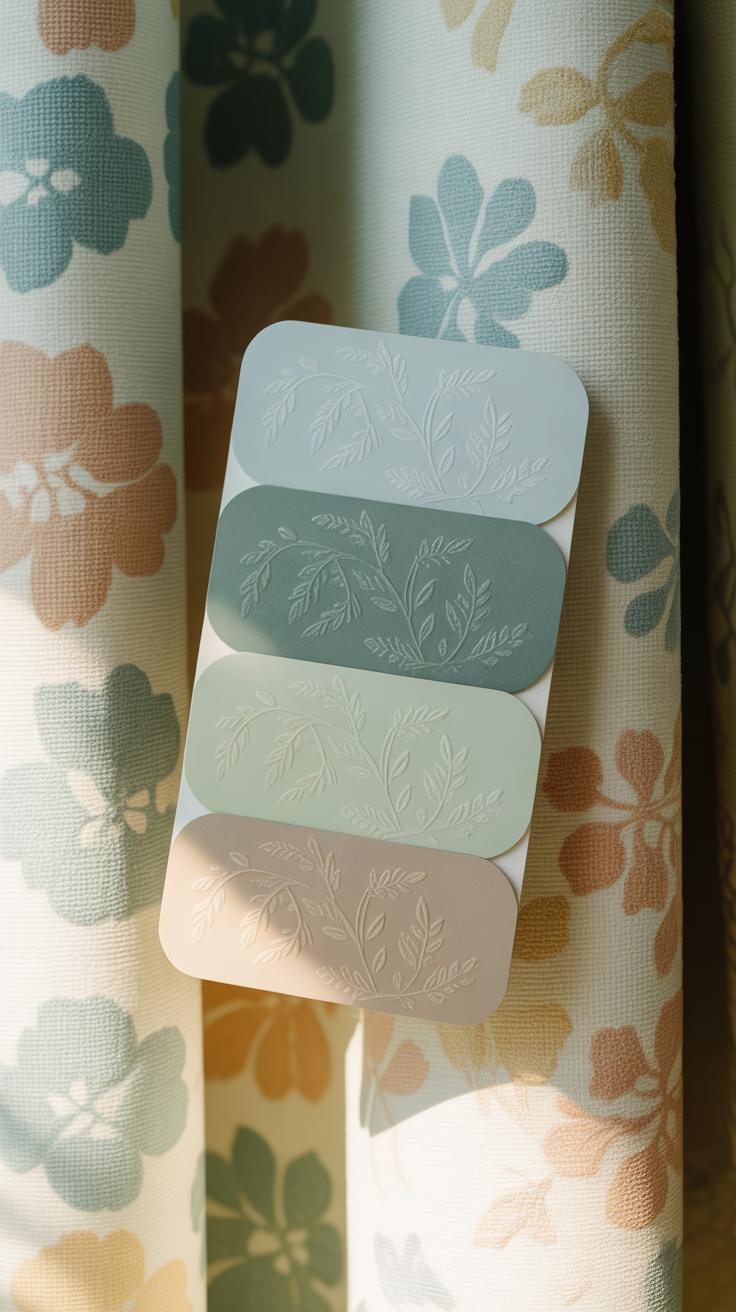
Colors in your bedroom wallpaper do more than just decorate; they shape how you feel. Calm, soft tones can ease the mind, making it easier to unwind after a long day. Maybe you’ve noticed how bright reds or intense blues feel a bit too energetic, even unsettling, especially when it’s time to rest.
Neutral and Earth Tones
Neutral and earth tones remain popular because they create a natural sense of calm. Think warm beiges, soft taupes, gentle greys, and muted browns. These colors don’t scream for attention, which is what makes them comforting. You might find yourself drawn to walls that seem to blend into the background, offering a cozy, unpretentious shelter from the day’s noise.

For example:
- Soft sand shades can make the room feel warm but not heavy.
- A pale stone grey offers coolness without feeling too stark or cold.
- Light moss green or a faded terracotta adds earthiness without overpowering.
These hues invite you to layer textures and soft furnishings without clashing, so your space doesn’t feel boxed in. Sometimes, neutral walls do exactly the opposite of dull—they provide a calming stage for everything else.
Pastels and Soft Colors
Pastels and soft colors work gently on your mood. They aren’t just muted versions of vibrant shades but have a presence that’s subtle and often unexpected. Pale blues, blush pinks, lavender, or mint can slowly lower stress levels, encouraging ease and rest.
Some favorite shades include:
- Powder blue that cools the eyes and soothes restless thoughts.
- Soft blush tones that bring a quiet warmth without feeling overly sweet.
- Light lilac or gentle peach, which add a touch of personality yet remain peaceful.
There’s this almost tender effect in soft colors, as if the walls themselves are whispering calmness. But be cautious—some pastel shades can feel a little cold or insubstantial if the lighting isn’t right. So think about the time of day you use your bedroom most, and how natural or artificial light interacts with them.
Patterns and Textures That Soothe the Senses
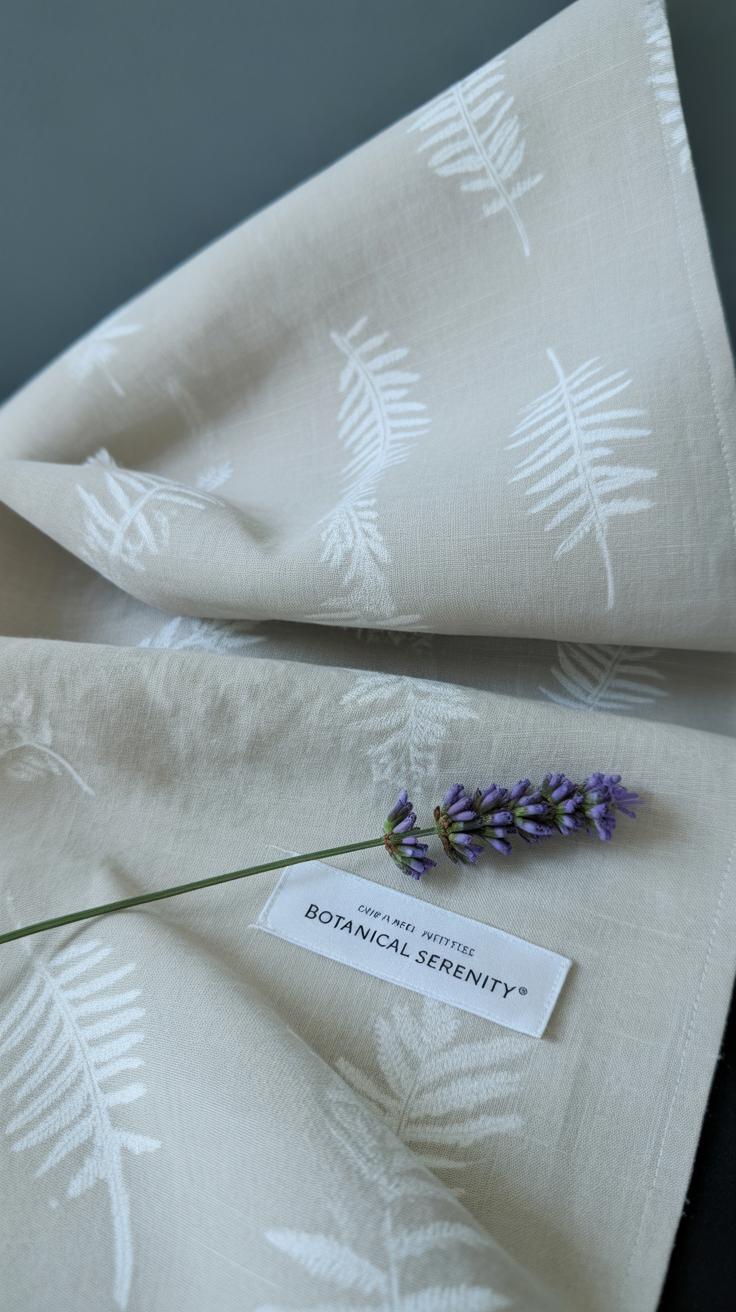

When choosing wallpaper for your bedroom, patterns can play a surprisingly big role in how calm you feel. Small-scale patterns, like tiny florals, gentle geometrics, or even abstract shapes, usually work best here. The key is subtlety—patterns that repeat quietly without demanding too much attention. Imagine a delicate leaf print that doesn’t crowd the eye or a soft grid that adds structure without feeling stiff. The repeat size really matters; too large, and it might become overpowering, too small, and it risks looking busy. Somewhere in between feels right for a peaceful backdrop.
Texture also brings an extra layer of comfort. Wallpapers with tactile surfaces, like grasscloth or embossed designs, add real warmth to your space. You can almost feel the coziness just by looking. These textures break up flatness and introduce softness, inviting you to relax in a room that senses more like a retreat rather than just another wall. Maybe it’s the subtle shadows these surfaces create, or the way they catch the light, but they lend a sense of welcome that’s hard to get from plain wallpaper.
Think about how you want to feel when you enter your bedroom. Does a small floral pattern add just enough interest without distraction? Or would a natural fiber texture bring a needed layer of comfort? Sometimes mixing a soft texture with a simple repeat pattern works well, but you have to be careful not to overwhelm the senses. It’s about balance, but not perfect balance—just enough to feel restful, not dead quiet.
Using Wallpaper on Different Wall Areas
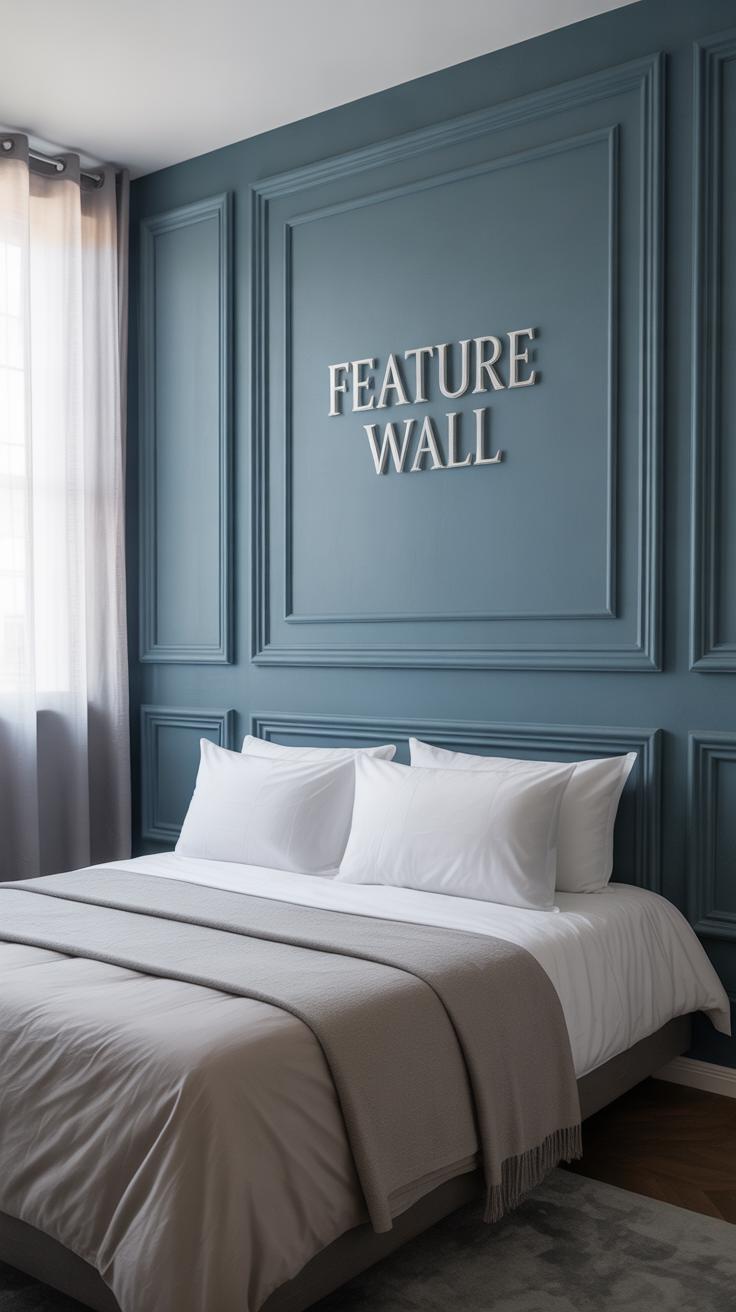
Choosing where to apply wallpaper in your bedroom changes the whole vibe. You might wonder—should it be one wall, all walls, or maybe just the space behind furniture? Each option creates a different kind of calmness and focus.
Creating an Accent Wall
Adding wallpaper to a single wall, often the one behind the bed, can make the space feel personal without feeling busy. It draws the eye just enough, giving your room a focal point. Plus, it’s easier to change later if you want a fresh look—like swapping out a favorite shirt rather than your whole wardrobe.

This approach usually works well in small bedrooms where a full wallpapered room might feel overwhelming. I’ve seen people transform a bland room into a cozy nook simply by choosing one wall with a calming pattern or texture. It’s subtle, yet it says something about your style.
Wallpapering All Walls
If you want your entire bedroom to feel unified and richly textured, covering all the walls could be the way to go. It can make the space feel enveloping—though some might find that a bit much, especially with bold patterns.
When done with softer tones or gentle patterns, wallpapering all walls can enhance the feeling of a retreat. It also highlights key furniture pieces, like a vintage dresser or a plush chair, by creating a background that’s both interesting and soothing.
Think about the room’s size and lighting—if the bedroom has good natural light and isn’t too cramped, wall-to-wall wallpaper can actually add depth. Yet, if you’re unsure about commitment, starting with just one wall might feel safer, more flexible.
Combining Wallpaper With Bedroom Furniture
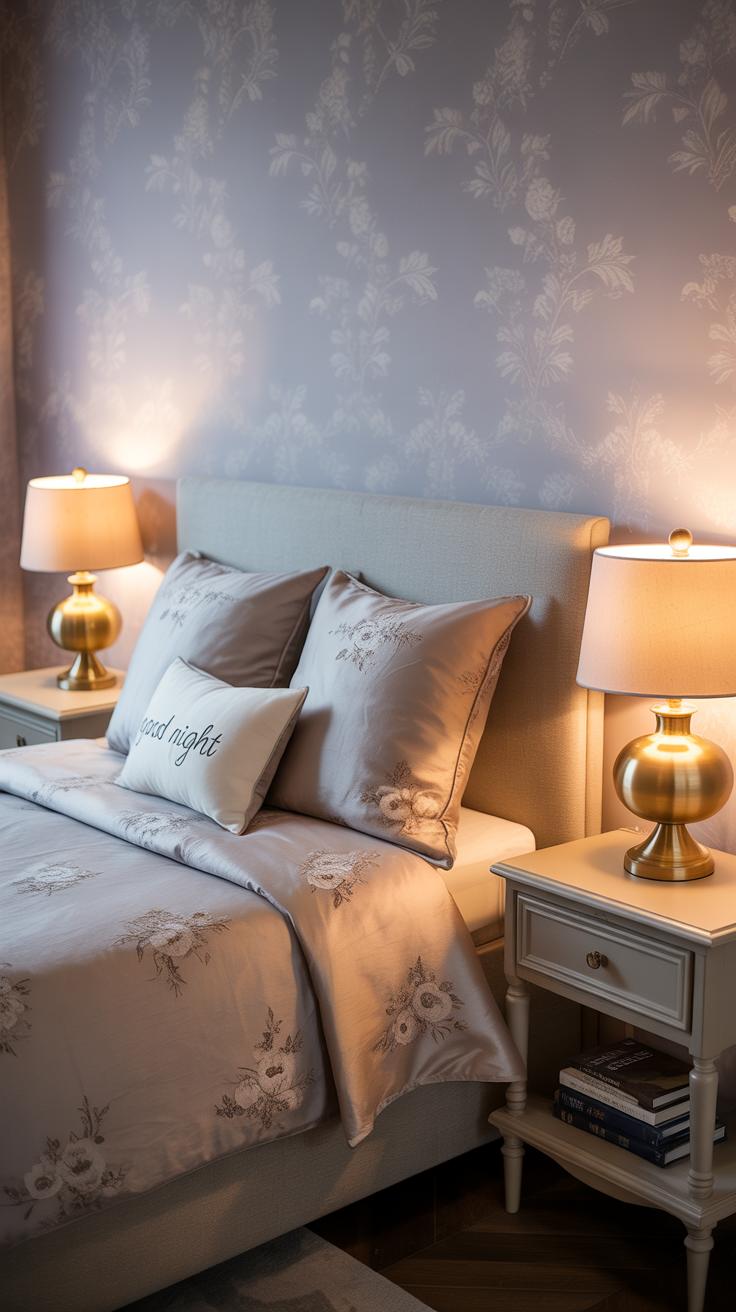

Choosing wallpaper that works well with your bedroom furniture can be a bit tricky, but it’s worth the effort. Wallpaper colors and patterns often play off the style and color of furniture in unexpected ways. Sometimes a bold, patterned wall softens the look of sleek modern furniture, while at other times, simple wallpaper tones balance out more ornate pieces. The key is to find that mix where neither overwhelms the other.
When you have modern and minimal furniture, think about using wallpaper with subtle patterns or soft colors—something that brings warmth without clashing with clean lines. For example:
- Light geometric patterns add subtle interest without breaking up the space too much.
- Neutral colors in wallpaper pair nicely with black, white, or natural wood furniture.
- Occasional contrast—say, a deep blue wallpaper with white, minimal desks or beds—creates a striking but calm vibe.
On the other hand, classic and traditional furniture invites wallpaper with richer textures and intricate designs. Think damasks or floral motifs. These work well with wooden furnishings that have carving or curves. Sometimes the challenge is not to let the wallpaper feel too busy—so pairing it with furniture in a single color or a less glossy finish can actually make the room feel more balanced.
Try asking yourself questions like: Does this wallpaper match my furniture’s style or compete with it? Should patterns repeat or contrast? Sometimes mixing a subtle pattern with ornate furniture or a bold wallpaper with plain furniture strikes that cozy, pulled-together look you want. It’s a bit of trial and error, but matching wallpaper and furniture thoughtfully changes the whole feel of the space.
Lighting Choices to Enhance Wallpaper Effects
Natural Light Influence
Natural light changes everything when it comes to wallpaper in your bedroom. Depending on the time of day, sunlight can highlight textures or soften the colors, making the space feel more open or cozier, sometimes almost both at once. For example, a textured wallpaper might look quite sharp and tactile in direct sunlight but becomes gentle and muted when light is diffused through sheer curtains.

It’s worth thinking about how windows are positioned. If you want calmness, try to keep window treatments light and airy to let in more daylight. This doesn’t mean you have to forgo privacy—a semi-transparent blind can do the trick while still brightening your room. And sometimes, reflecting light with mirrors opposite a window can subtly boost the glow, enhancing wallpaper tones without overwhelming them.
Artificial Lighting and Wallpapers
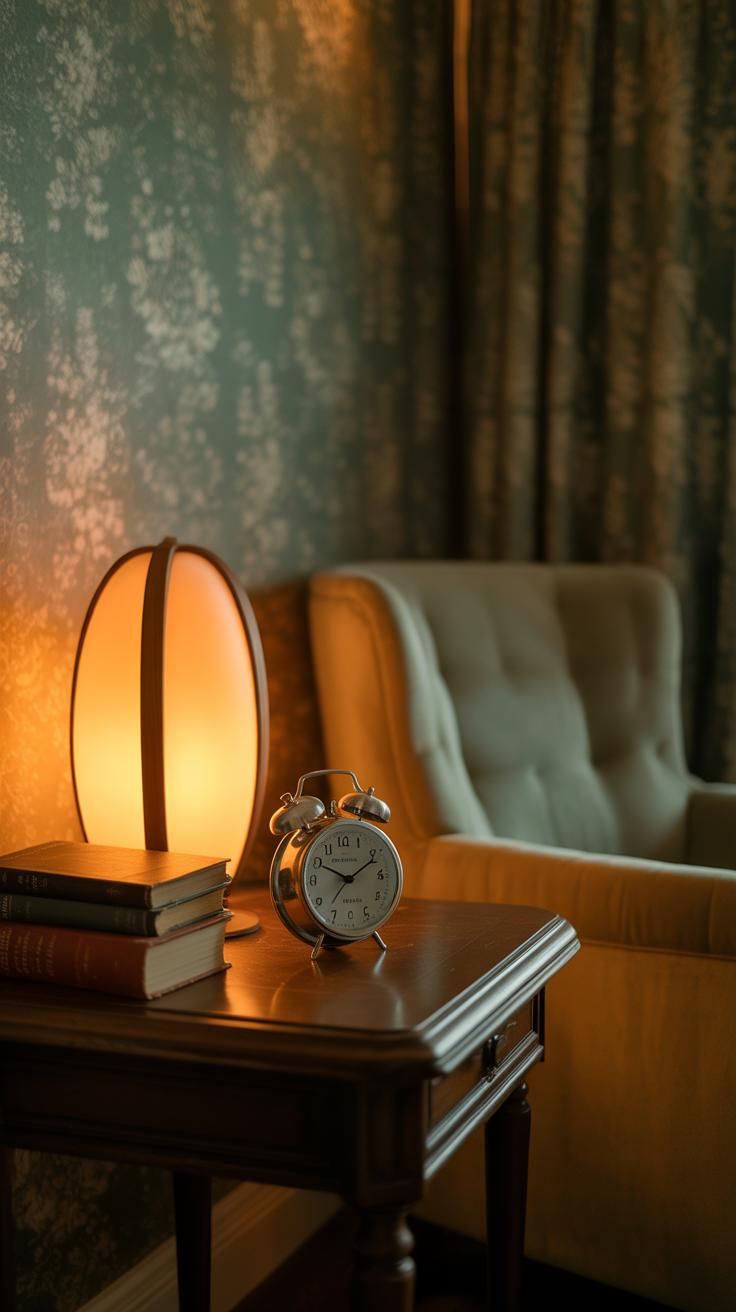
Artificial light is where things get interesting because it really changes how wallpaper feels once the sun sets. Warm-toned lamps tend to keep the cozy vibe going. Placing bedside lamps or wall sconces near your wallpaper can create shadows that emphasize patterns or add depth, but it’s easy to overdo. Overhead lights with dimmers give you control—they let you switch from bright, practical light to soft, relaxing moods as you wish.
Think about bulbs with color temperatures around 2700K-3000K; they usually bring warmth without washing out colors. Spotlights directed at statement wallpapers can be effective too, but they might produce harsh contrasts if not balanced carefully. The trick is layering light—mix lamps, overhead fixtures, and maybe even hidden LEDs—to show your wallpaper off and keep your retreat feeling calm and inviting all day long.
Wallpaper Maintenance Tips for Lasting Beauty
Keeping your wallpaper looking fresh in the bedroom takes a bit of care, especially since bedrooms can collect dust and sometimes moisture. Not all wallpapers are the same, so your cleaning approach should vary depending on the type.
Cleaning Paper-Based Wallpaper
Paper-based wallpaper feels delicate, almost fragile, so cleaning needs a gentle hand. Usually, dry dusting with a soft cloth or a microfiber duster is safest, preventing any water damage or tearing. If you spot stains, lightly blot with a barely damp sponge—never soak it—and test first in an inconspicuous place. Abrasive scrubbing or strong chemicals tend to ruin the surface, making it look rough or faded. I once tried a water spray on a floral wallpaper and ended up with a blotchy mess, so trust me, less is more here. Keep in mind these wallpapers don’t handle moisture well, so avoid steam cleaning or anything too intense.
Care for Vinyl and Fabric Wallpaper
Vinyl wallpapers are tougher to handle. Most can tolerate a gentle wipe with a soapy water solution. Use a soft cloth and go easy—vigorous scrubbing may peel off the layers or dull the finish. Fabric wallpapers sound tricky but often allow spot cleaning with mild detergent. Still, you want to avoid soaking the material to keep fibers intact. In my experience, vinyl is the easiest to maintain in a bedroom because it handles occasional spills and dirt better. Just remember: avoid harsh chemicals, and always blot rather than rub to keep textures and patterns sharp day after day.
EcoFriendly Wallpaper Options
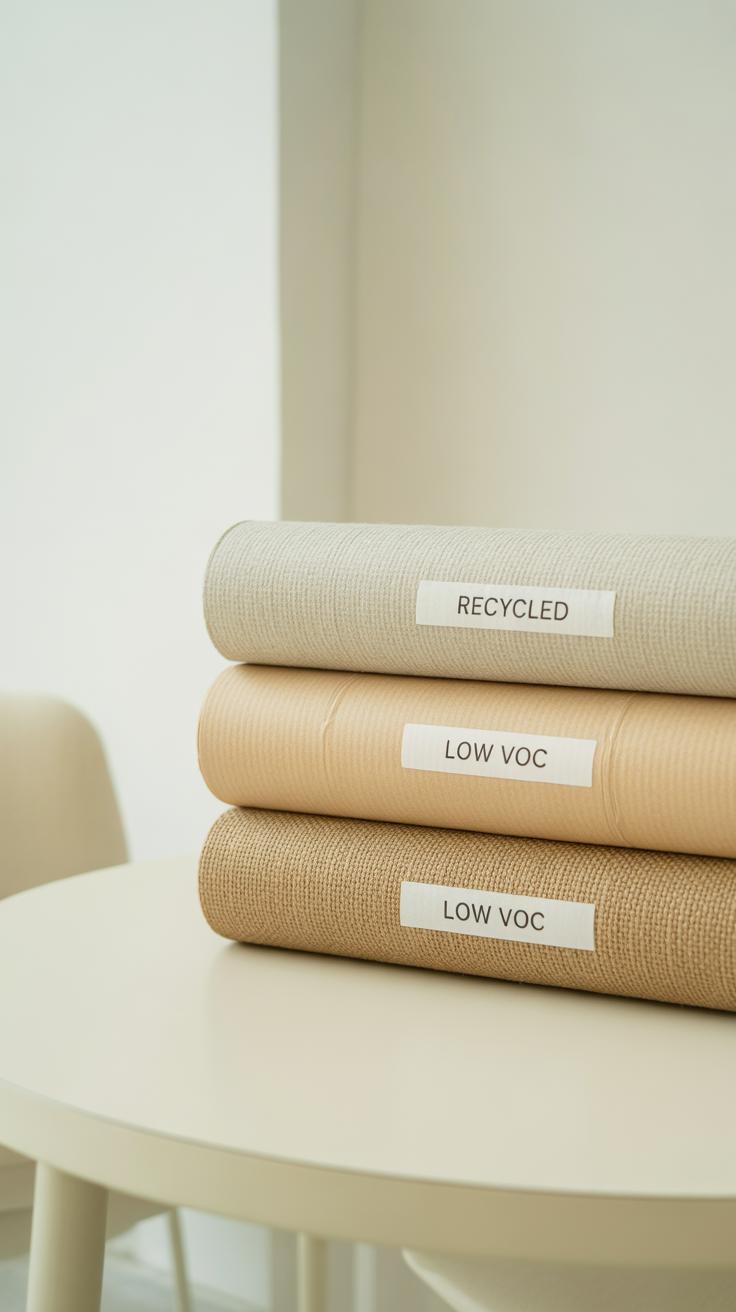
Choosing wallpaper for your bedroom isn’t just about looks. The materials and production methods behind it matter a lot—especially when you want a calm, healthy space. You might not think much about what’s on your walls beyond design, but green wallpaper can make a difference to your comfort and long-term wellbeing.
Materials With Low Environmental Impact
There are wallpaper options made from recycled fibers or natural materials like bamboo, jute, or even grasscloth. These products reduce waste and often use less water and energy during production. For example, paper wallpaper made from recycled pulp feels subtle but really cuts down on environmental strain. Natural fibers can sometimes feel a bit rough but add a warmth you don’t get with synthetic materials.
I’ve noticed that wallpapers made this way aren’t always glossy or super smooth, which might not suit every style. Still, if you care about sustainability, these choices bring peace of mind—not just for the planet but also for the room where you recharge.
Safe Inks and Adhesives
What about the inks and pastes used to produce and install wallpaper? Traditional inks may contain VOCs (volatile organic compounds) that slowly off-gas and affect indoor air quality. Green wallpaper companies now use water-based or plant-based inks that keep your bedroom air cleaner. The adhesives follow the same trend, often formulated without strong chemicals.
This matters because poor air quality can disturb sleep or trigger allergies. If you want a truly relaxing bedroom, low-emission products help. I’ve seen wallpapers labeled as “non-toxic” or “low VOC,” but it’s worth checking whether they have credible certifications—it’s not always obvious.
Choosing eco-friendly wallpaper feels like investing in something that supports your wellbeing. It might cost a bit more or require a closer look to find the right product, but the calmer air and natural feel can be worth it in the quiet moments spent in your bedroom.
Creative Ideas for Mixing Wallpaper and Other Wall Decor
Wallpaper and Painted Walls
Mixing wallpaper with painted walls can create a calm bedroom without feeling overwhelming. One practical approach is to use wallpaper on a single accent wall, while painting the others in a soft, neutral shade that complements the wallpaper’s pattern or color. It helps avoid visual clutter and keeps the focus where you want it.
You might try choosing paint colors that appear in the wallpaper but in a more muted or lighter tone. It’s a subtle way to balance texture and depth. For example, if your wallpaper has soft green leaves, a pale sage paint around the room can tie everything together gently.
Another method is to pair a textured or patterned wallpaper with a matte painted wall. The difference in surface materials gives the space dimension, but keeps it grounded. Don’t be afraid to experiment with unexpected color combos, as long as the overall mood remains soothing.
Adding Art and Shelves Over Wallpaper
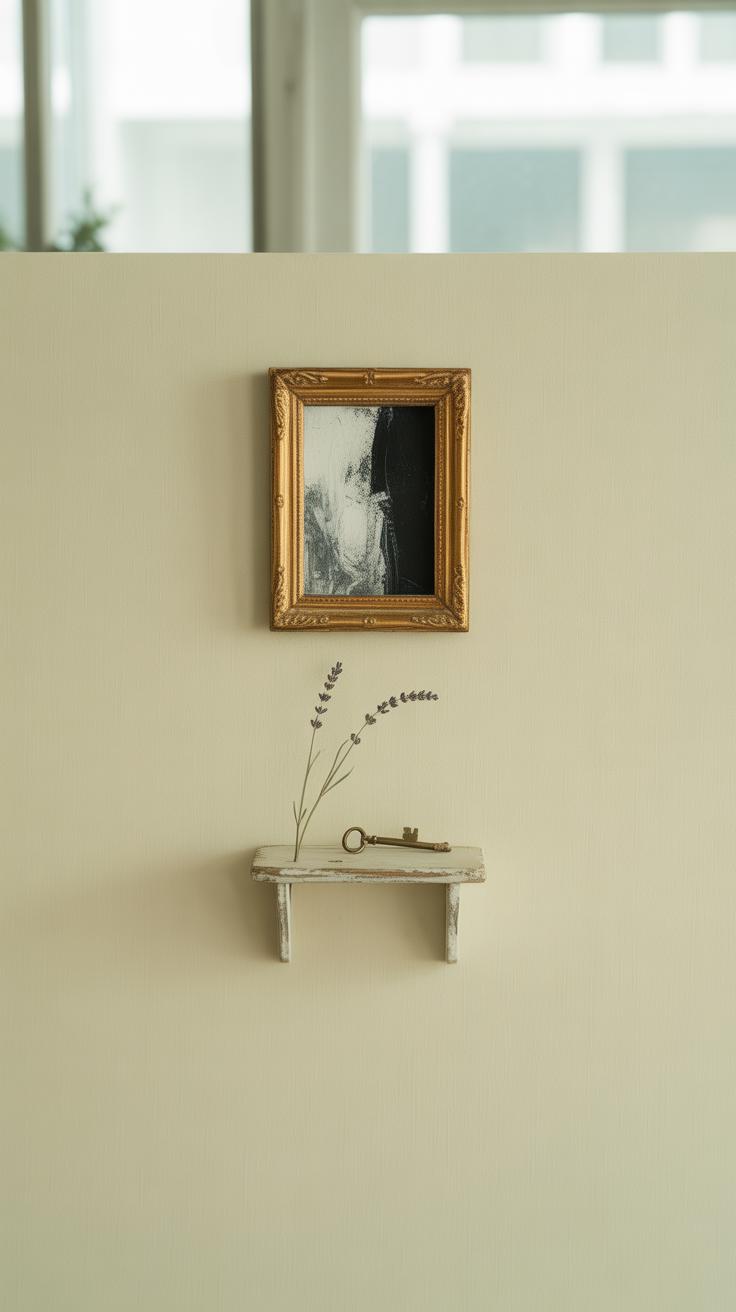
Placing artwork and shelves on wallpapered walls can be tricky. You want to add personality without making things feel crowded or busy, which can disrupt calmness. I’ve found layering simple frames with neutral mats works well—this way, the art doesn’t compete with the wallpaper but coexists quietly.
Floating shelves in light wood or painted to match the wall can hold small plants or books without demanding too much attention. Keep items minimal and purposeful. Oddly enough, sometimes empty shelves or just one statement piece can be more effective than a full display.
Think about scale too. Large-scale art or oversized shelves might overpower a delicate wallpaper pattern, while tiny frames might get lost. Try grouping pieces thoughtfully rather than scattering randomly. Does your wallpaper invite more graphic or soft images? Let that guide your choice.
Conclusions
Wallpaper offers many options to create a calm and cozy bedroom. Whether you choose soft colors or textured patterns, wallpaper can set a peaceful tone. Combining wallpaper with thoughtful furniture and lighting choices helps form a comfortable space where you can relax fully.
Remember, your bedroom should reflect your style while promoting rest and calm. Use the ideas shared here to pick wallpaper that suits your needs and turns your bedroom into your personal retreat. A little creativity with wallpaper can change your bedroom experience significantly.